In My Hands Today…

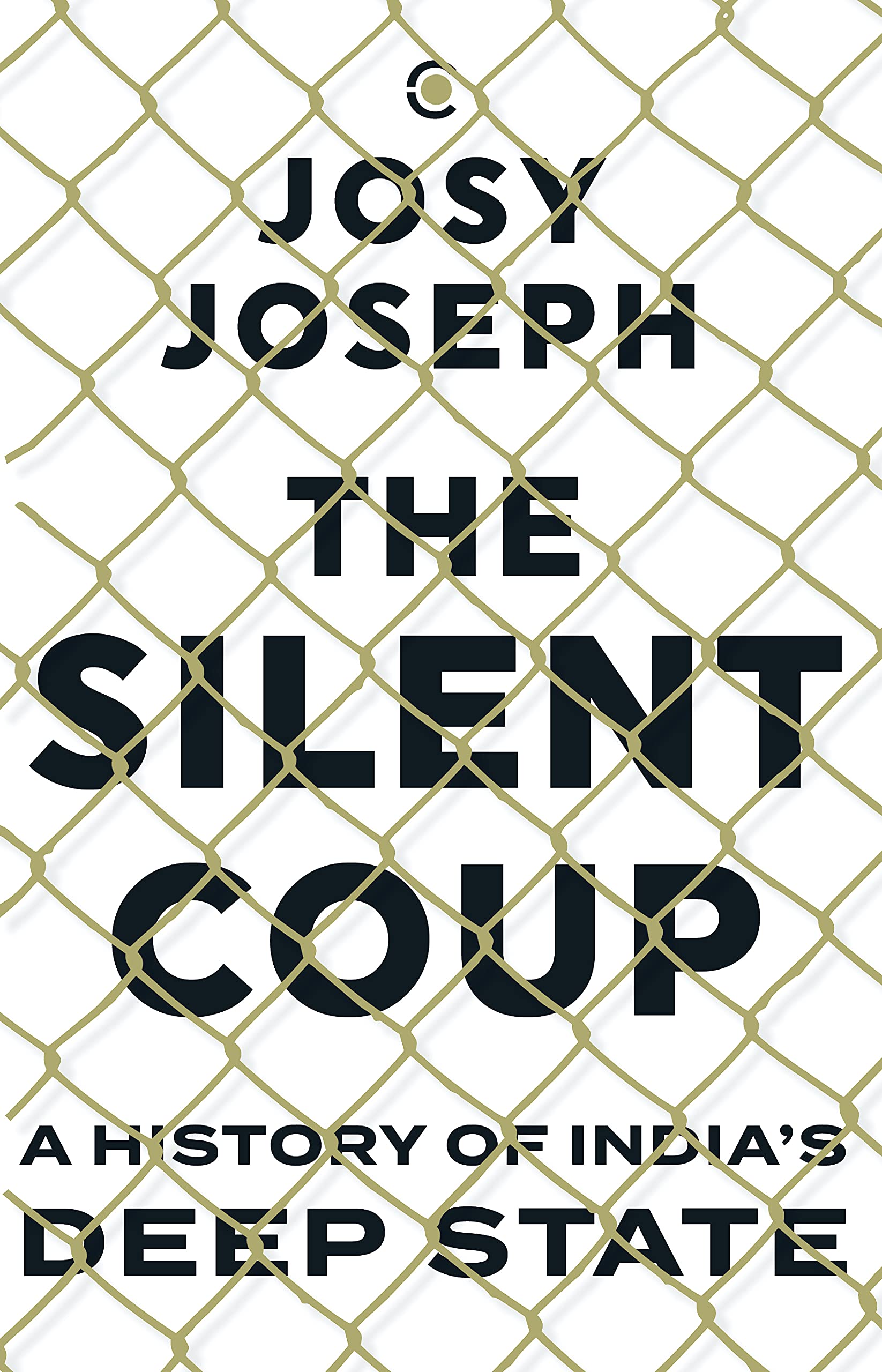
The Silent Coup: A History of India’s Deep State – Josy Joseph

‘They were not expected to behave like the terrorists they were hunting. Even in the thickest fog of war, the law-abider and the law-breaker must be distinguished.’

India is justly proud of a parliamentary democracy that has never been threatened by a military coup. This is no mean feat in a neighbourhood where coups are common and notions of constitutionality are shaky. However, for decades now, India’s democratic standing has been steadily declining. An international analysis recently rated the country as only ‘partly free’, while another deemed it an ‘electoral autocracy’.

Josy Joseph investigates this decline and comes away with a key insight: that the process of confronting militancy has warped the system. As insurgencies erupted across India and grew increasingly sophisticated in the 1980s and ’90s, the security establishment struggled to keep up. Increasingly overwhelmed, the police forces, intelligence agencies, federal investigation agencies, tax departments, and the like came up with ingenious—at times sinister—solutions, from faking and framing evidence to staging massive terror attacks and even creating terrorist organisations. Over time, militancy became a flourishing, multi-faceted business enterprise.

From the Kashmiri militancy to the Sri Lankan civil war, from the attack on Mumbai to the long-term unrest in the Northeast, India’s ‘war on terror’ has made its security institutions more nationalistic and chauvinistic and, inevitably, more corrupt. Most dangerously, there is a near-complete capture of the security apparatus, whether investigative agencies, police, or intelligence, by the political executive—serving as stormtroopers with no accountability rather than as defenders of the Constitution.

The result of more than two decades of reporting on insurgencies, terrorism, and the security establishment, The Silent Coup is a wake-up call to the nation. You do not need a military coup to subvert democracy, Joseph says—in India, it has already been subverted.

In My Hands Today…

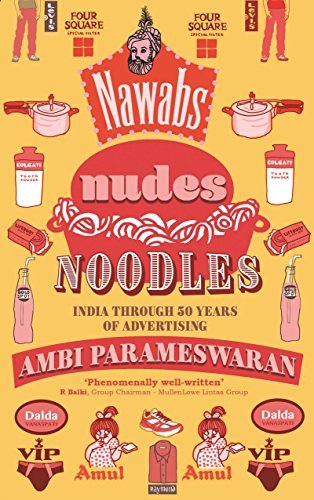
Nawabs, Nudes, Noodles: India through 50 Years of Advertising — Ambi Parameswaran

This is as much the story of Indian advertising as it is about India. Ad veteran Ambi Parameswaran looks at how advertising has evolved, reflecting the country’s culture, politics, and economy in the last fifty years.

From sartorial taste and food habits to marriage and old age, music and language to celebrities and censorship, Ambi examines over a hundred ads to study how the Indian consumer has changed in the past five decades and how advertising and society have shaped each other.

Combining anecdotes and analyses to give us a slice of modern history, Ambi evaluates the relationship between affluence, aspiration, and desire in India. Exploring trends and impacts, he covers the ads that captured the imagination of the entire country. From ‘Only Vimal’ and ‘Jai Jawan Jai Kisan’ to ‘Jo biwi se kare pyaar’ and the controversial Tuffs Shoes campaign, the book is a memorable journey through brands, consumers, and the world of advertising.

In My Hands Today…

The Ugly History of Beautiful Things: Essays on Desire and Consumption – Katy Kelleher

Katy Kelleher has spent much of her life chasing beauty. As a child, she uprooted handfuls of purple, fragrant little flowers from the earth, plucked iridescent seashells from the beach, and dug for turquoise stones in her backyard. As a teenager she applied glittery shimmer to her eyelids after religiously dabbing on her signature scent of orange blossoms and jasmine. And as an adult, she coveted gleaming marble countertops and delicate porcelain to beautify her home. This obsession with beauty led her to become a home, garden, and design writer, where she studied how beautiful things are mined, grown, made, and enhanced. In researching these objects, Kelleher concluded that most of us are blind to the true cost of our desires. Because whenever you find something unbearably beautiful, look closer, and you’ll inevitably find a shadow of decay lurking underneath.

In these dazzling and deeply researched essays, Katy Kelleher blends science, history, and memoir to uncover the dark underbellies of our favorite goods. She reveals the crushed beetle shells in our lipstick, the musk of rodents in our perfume, and the burnt cow bones baked into our dishware. She untangles the secret history of silk and muses on her problematic prom dress. She tells the story of countless workers dying in their efforts to bring us shiny rocks from unsafe mines that shatter and wound the earth, all because a diamond company created a compelling ad. She examines the enduring appeal of the beautiful dead girl and the sad fate of the ugly mollusk. With prose as stunning as the objects she describes, Kelleher invites readers to examine their own relationships with the beautiful objects that adorn their body and grace their homes.

And yet, Kelleher argues that while we have a moral imperative to understand our relationship to desire, we are not evil or weak for desiring beauty. The Ugly History of Beautiful Things opens our eyes to beauty that surrounds us, helps us understand how that beauty came to be, what price was paid and by whom, and how we can most ethically partake in the beauty of the world.