Travel Bucket List: India – Gujarat Part 1

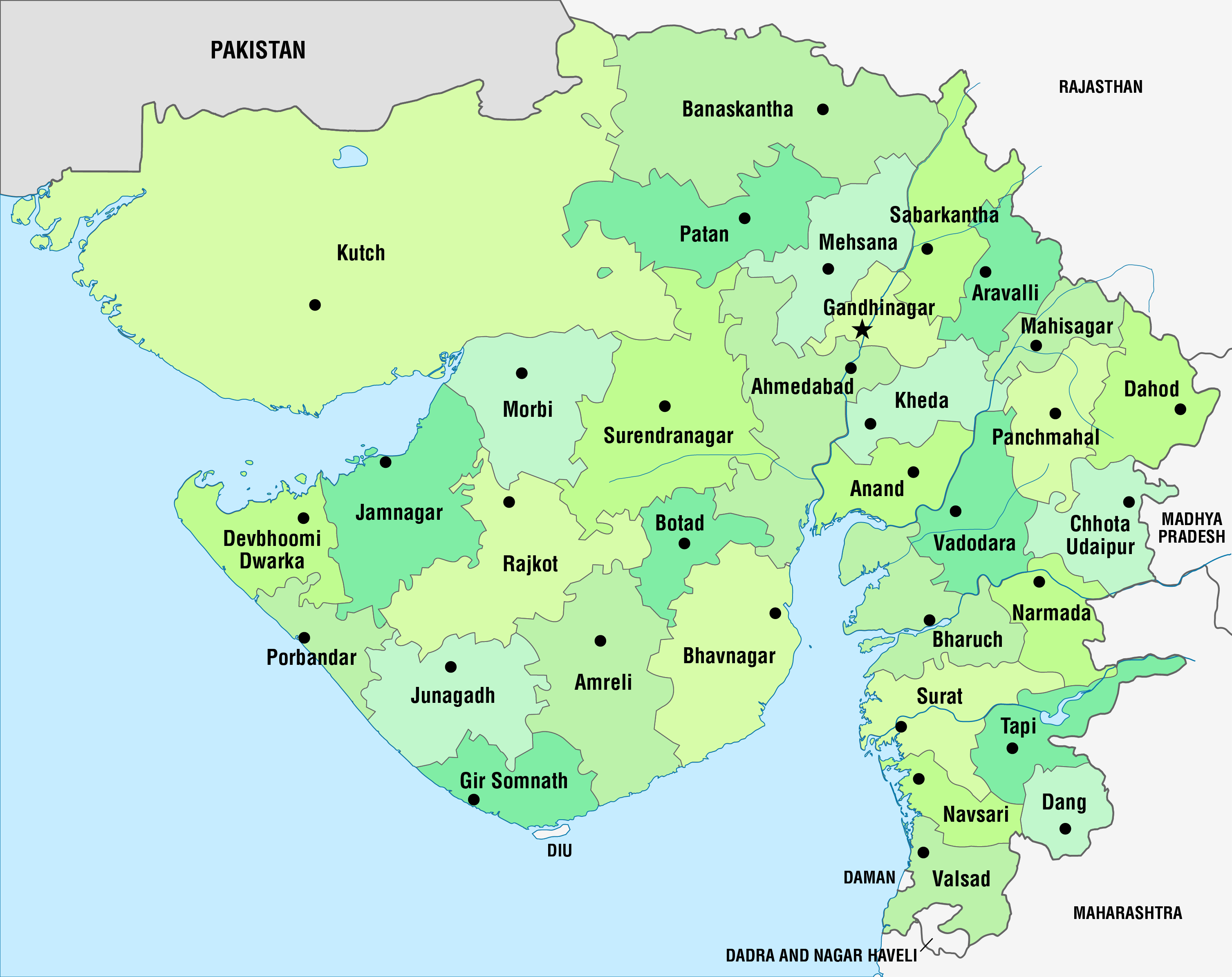
Located in India’s westernmost part, bordering Pakistan, the state of Gujarat has a 1,600 km long coastline, most of which lies on the Kathiawar peninsula. The fifth largest state by area and the ninth largest state by population, Gujarat with its population in excess of 60 million is bordered by Rajasthan to the northeast, Dadra and Nagar Haveli and Daman and Diu to the south, Maharashtra to the southeast, Madhya Pradesh to the east, and the Arabian Sea and the Tharparkar, Badin and Thatta districts of Pakistani province of Sindh to the west. The capital city is Gandhinagar, while its largest city is Ahmedabad. Gujarat’s economy is one of the strongest in the country at number five and is built upon the business acumen of its people.

Historically, the north was known as Anarta, the Kathiawar peninsula, “Saurastra”, and the south as “Lata”. Gujarat was also known as Pratichya and Varuna. The Arabian Sea makes up the state’s western coast. Gujarat has the longest coastline – 24% of the Indian coastline is in this state and is dotted with 41 ports: one major, 11 intermediate and 29 minor.

The state encompasses some sites of the ancient Indus Valley Civilisation, such as Lothal, Dholavira and Gola Dhoro. Lothal is believed to be one of the world’s first seaports. Gujarat’s coastal cities, chiefly Bharuch and Khambhat, served as ports and trading centres in the Maurya and Gupta empires, and during the succession of royal Saka dynasties from the Western Satraps era. Along with Bihar and Nagaland, Gujarat is one of the three Indian states to prohibit the sale of alcohol. Gir Forest National Park in Gujarat is home of the only wild population of the Asiatic lion in the world.

The word Gujarat is derived from the Sanskrit term Gurjaradesa, meaning “The Land of the Gurjaras”, who ruled Gujarat in the 8th and 9th centuries. Parts of modern Rajasthan and Gujarat have been known as Gurjaratra or Gurjarabhumi or land of the Gurjars for centuries before the Mughal period.
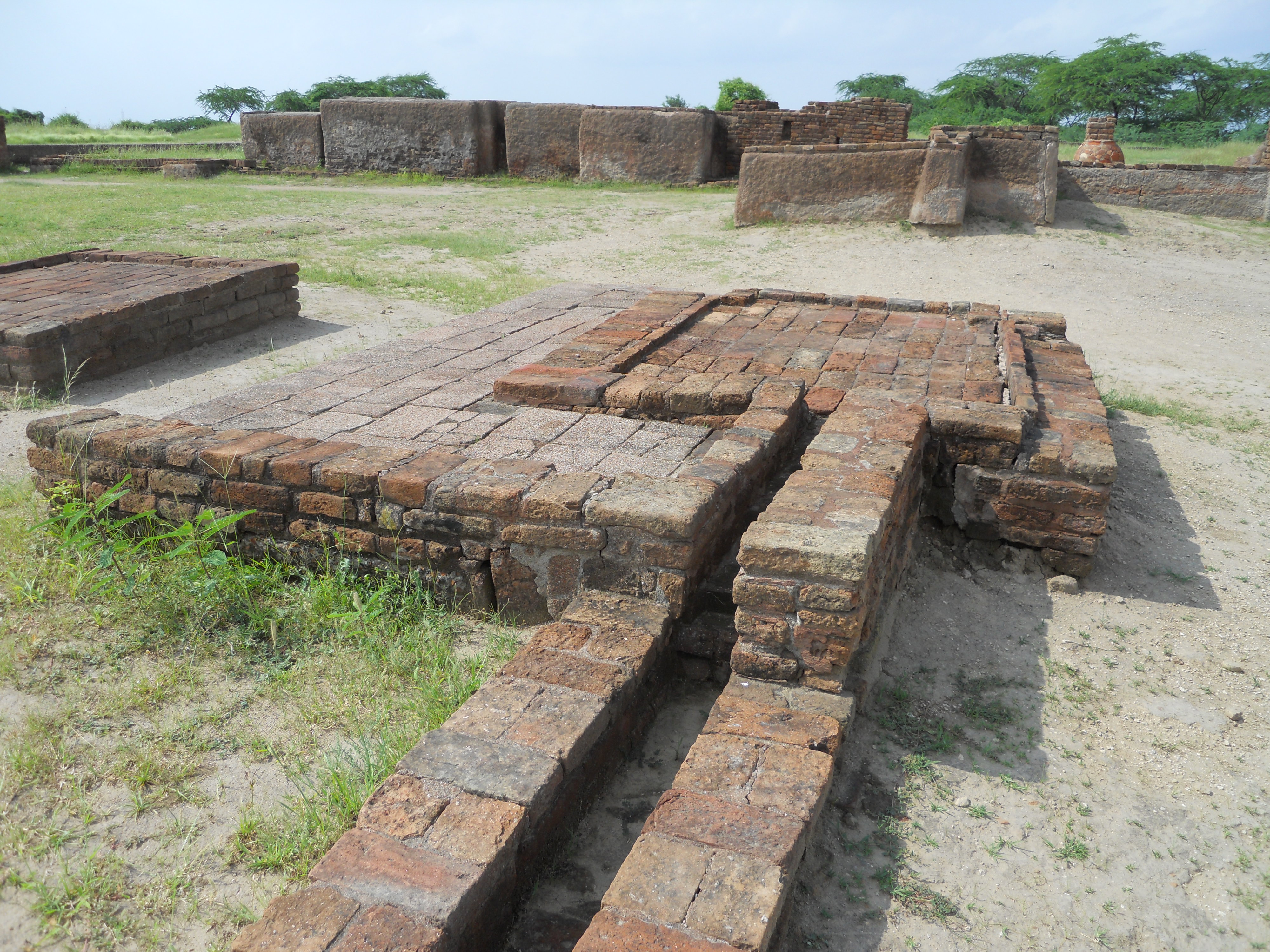
Present day Gujarat was one of the main central areas of the Indus Valley Civilisation. It contains ancient metropolitan cities from the Indus Valley such as Lothal, Dholavira, and Gola Dhoro. The ancient city of Lothal was where India’s first port was established. The ancient city of Dholavira is one of the largest and most prominent archaeological sites in India, belonging to the Indus Valley Civilisation. The most recent discovery was Gola Dhoro. Altogether, about 50 Indus Valley settlement ruins have been discovered in Gujarat.

There is clear historical evidence of trade and commerce ties between ancient Gujarat and Egypt, Bahrain and Sumer in the Persian Gulf during the time period of 1000 to 750 BC. There was a succession of Hindu and Buddhist states such as the Mauryan Dynasty, Western Satraps, Satavahana dynasty, Gupta Empire, Chalukya dynasty, Rashtrakuta Empire, Pala Empire and Gurjara-Pratihara Empire, as well as local dynasties such as the Maitrakas and then the Chaulukyas who ruled the state.

The early history of Gujarat reflects the imperial grandeur of Chandragupta Maurya who conquered a number of earlier states in what is now Gujarat. Pushyagupta, a Vaishya, was appointed the governor of Saurashtra by the Mauryan regime. He ruled Girinagar which is now modern-day Junagadh between 322 to 294 BC and built a dam on the Sudarshan lake. Emperor Ashoka, the grandson of Chandragupta Maurya, not only ordered engraving of his edicts on the rock at Junagadh but asked Governor Tusherpha to cut canals from the lake where an earlier Mauryan governor had built a dam. Between the decline of Mauryan power and Saurashtra coming under the sway of the Samprati Mauryas of Ujjain, there was an Indo-Greek defeat in Gujarat of Demetrius. In 16th century manuscripts, there is an apocryphal story of a merchant of King Gondaphares landing in Gujarat with Apostle Thomas. The incident of the cup-bearer torn apart by a lion might indicate that the port city described is in Gujarat.
For nearly 300 years from the start of the 1st century AD, Saka rulers played a prominent part in Gujarat’s history. Mahakshatrap Rudradaman I founded the Kardamaka dynasty which ruled from Anupa on the banks of the Narmada up to the Aparanta region which bordered Punjab. In Gujarat, several battles were fought between the south Indian Satavahana dynasty and the Western Satraps. The greatest and the mightiest ruler of the Satavahana Dynasty was Gautamiputra Satakarni who defeated the Western Satraps and conquered some parts of Gujarat in the 2nd century AD. The Kshatrapa dynasty was replaced by the Gupta Empire with the conquest of Gujarat by Chandragupta Vikramaditya. Vikramaditya’s successor Skandagupta left an inscription around 450 AD on a rock at Junagadh which gives details of the governor’s repairs to the embankment surrounding Sudarshan lake after it was damaged by floods. The Anarta and Saurashtra regions were both parts of the Gupta empire. Towards the middle of the 5th century, the Gupta empire went into decline. Senapati Bhatarka, the Maitraka general of the Guptas, took advantage of the situation and in 470 AD he set up what came to be known as the Maitraka state. He shifted his capital from Giringer to Valabhipur, near Bhavnagar, on Saurashtra’s east coast. The Maitrakas of Vallabhi became very powerful with their rule prevailing over large parts of Gujarat and adjoining Malwa. A university was set up by the Maitrakas, which came to be known far and wide for its scholastic pursuits and was compared with the noted Nalanda University. It was during the rule of Dhruvasena Maitrak that Chinese philosopher-traveler Xuanzang or I Tsing visited in 640 AD along the Silk Road.

Gujarat was known to the ancient Greeks and was familiar with other Western centers of civilisation through the end of the European Middle Ages. The oldest written record of Gujarat’s 2,000-year maritime history is documented in a Greek book titled The Periplus of the Erythraean Sea: Travel and Trade in the Indian Ocean by a Merchant of the First Century.

In the early 8th century, the Arabs of the Umayyad Caliphate established an empire in the name of the rising religion of Islam, which stretched from Spain in the west to Afghanistan and modern-day Pakistan in the east. Al-Junaid, the successor of Qasim, finally subdued the Hindu resistance within Sindh and established a secure base. The Arab rulers tried to expand their empire southeast, which culminated in the Caliphate campaigns in India fought in 730; they were defeated and expelled west of the Indus river, probably by a coalition of the Hindu rulers Nagabhata I of the Pratihara Dynasty, Vikramaditya II of the Chalukya dynasty and Bappa Rawal of Guhila dynasty. After this victory, the Arab invaders were driven out of Gujarat. In the late 8th century, the Kannauj Triangle period started. The three major Indian dynasties – the northwest Indian Gurjara-Pratihara Dynasty, the south Indian Rashtrakuta Dynasty and the east Indian Pala Empire – dominated India from the 8th to 10th centuries. During this period the northern part of Gujarat was ruled by the north Indian Gurjara-Pratihara dynasty and the southern part of Gujarat was ruled by the south Indian Rashtrakuta dynasty until it was captured by the south Indian ruler Tailapa II of the Western Chalukya Empire.

Zoroastrians from Greater Iran migrated to the western borders of South Asia which were then Gujarat and Sindh during the 8th or 10th century, to avoid persecution by Muslim invaders who were in the process of conquering Iran. The descendants of those Zoroastrian refugees came to be known as the Parsi community both in present day India and Pakistan.

The Chaulukya dynasty ruled Gujarat from 960 to 1243 AD and at that time, Gujarat was a major center of Indian Ocean trade, and their capital at Anhilwara (Patan) was one of the largest cities in India, with population estimated at 100,000 in the year 1000. After 1243, the Solankis lost control of Gujarat to their feudatories, of whom the Vaghela chiefs of Dholka came to dominate Gujarat. In 1292 the Vaghelas became tributaries of the Yadava dynasty of Devagiri in the Deccan. Karandev of the Vaghela dynasty was the last Hindu ruler of Gujarat. He was defeated and overthrown by the superior forces of Alauddin Khalji from Delhi in 1297. With his defeat, Gujarat became part of the Muslim empire, and the Rajput hold over Gujarat would never be restored.

An independent Muslim community continued to flourish in Gujarat for the next hundred years, championed by Arab merchants settling along the western coast belonging to the Shafi’ite madhhab. From 1297 to 1300, Alauddin Khalji, the Turko-Afghan Sultan of Delhi, destroyed the Hindu metropolis of Anhilwara and incorporated Gujarat into the Delhi Sultanate. After Timur’s sacking of Delhi at the end of the 14th century weakened the Sultanate, Gujarat’s Muslim Rajput governor Zafar Khan Muzaffar also known as Muzaffar Shah I asserted his independence, and his son, Sultan Ahmed Shah who ruled between 1411 to 1442, established Ahmedabad as the capital. Khambhat eclipsed Bharuch as Gujarat’s most important trade port.

Later, a close alliance between the Ottoman Turks and Gujarati sultans to effectively safeguard Jeddah and the Red Sea trade from Portuguese imperialism, encouraged the existence of powerful Rumi elites within the kingdom who took the post of viziers in Gujarat keen to maintain ties with the Ottoman state. The Mughal emperor Humayun, had also briefly occupied the province in 1536, but fled due to the threat Bahadur Shah, the Gujarat king, imposed. The Sultanate of Gujarat remained independent until 1572, when the Mughal emperor Akbar the Great conquered it and annexed it to the Mughal Empire. The Surat port then became the principal port of India during Mughal rule to gain widespread international repute. The city of Surat, famous for its cargo export of silk and diamonds had come on a par with contemporary Venice and Beijing which were some of the great mercantile cities of Europe and Asia, and earned the distinguished title, Bab al-Makkah or Gate of Mecca.

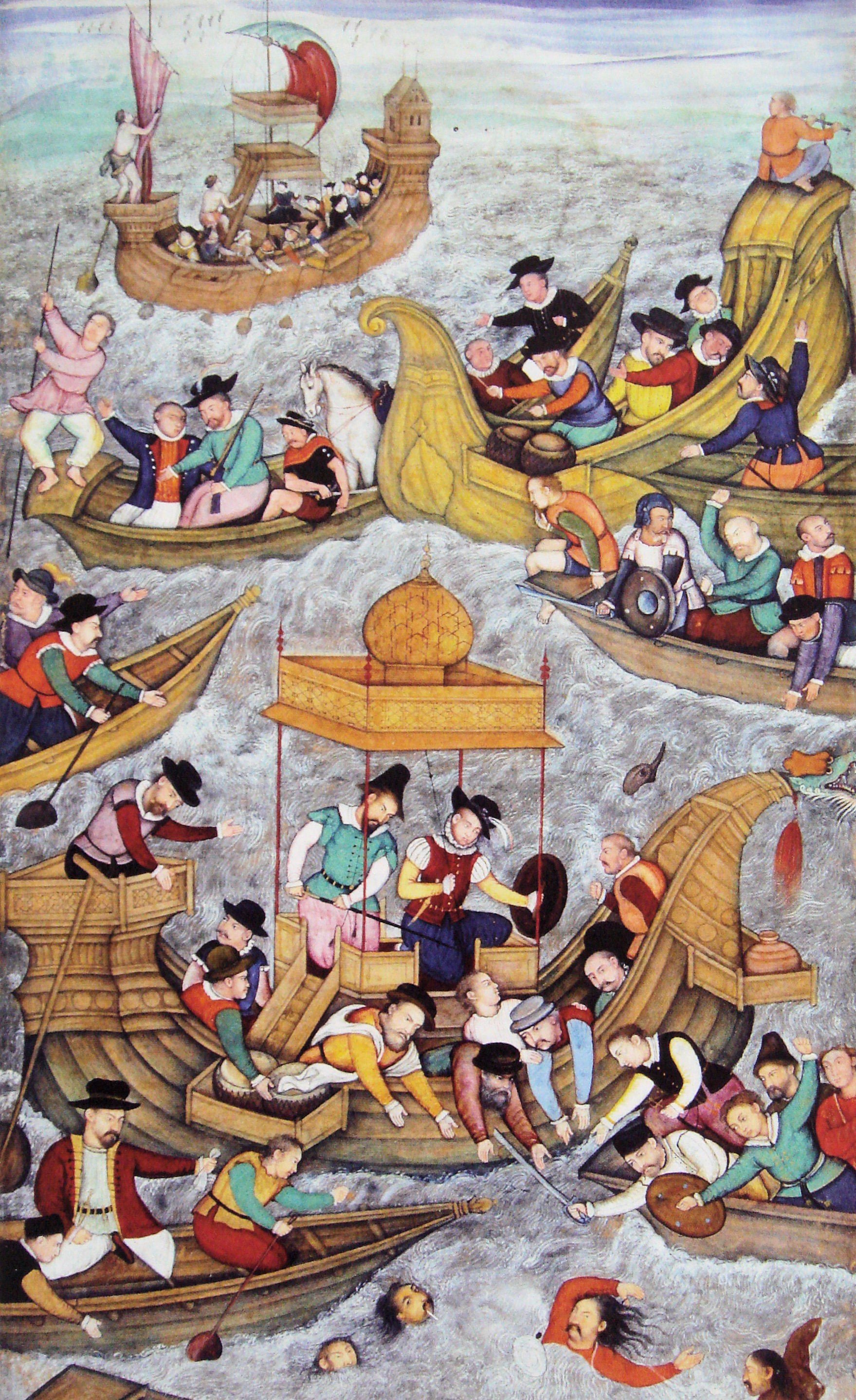
In 1497, Portuguese explorer Vasco da Gama is said to have discovered the Europe-to-India sea route which changed the course of history, thanks to Kutchi sailor Kanji Malam, who showed him the route from the East African coasts of Mozambique sailing onwards to Calicut off the Malabar coast in India. Later, the Gujarat Sultanate allied with the Ottomans and Egyptian Mamluks naval fleets led by governor-generals Malik Ayyaz and Amir Husain Al-Kurdi, vanquished the Portuguese in the 1508 Battle of Chaul resulting in the first Portuguese defeat at sea in the Indian Ocean. To 16th-century European observers, Gujarat was a fabulously wealthy country. The customs revenue of Gujarat alone in the early 1570s was nearly three times the total revenue of the whole Portuguese empire in Asia in 1586–87, when it was at its height. When the British arrived on the coast of Gujarat, houses in Surat already had windows of Venetian glass imported from Constantinople through the Ottoman empire. The conquest of the Kingdom of Gujarat marked a significant event of Akbar’s reign. Being the major trade gateway and departure harbour of pilgrim ships to Mecca, it gave the Mughal Empire free access to the Arabian sea and control over the rich commerce that passed through its ports. The territory and income of the empire were vastly increased.

For the best part of two centuries, the independent Rajput Sultanate of Gujarat was the cynosure of its neighbours on account of its wealth and prosperity, which had long made the Gujarati merchant a familiar figure in the ports of the Indian Ocean. Gujaratis, including Hindus and Muslims as well as the enterprising Parsi class of Zoroastrians, had been specialising in the organisation of overseas trade for many centuries, and had moved into various branches of commerce such as commodity trade, brokerage, money-changing, money-lending and banking. By the 17th century, Chavuse and Baghdadi Jews had assimilated into the social world of the Surat province, later on their descendants would give rise to the Sassoons of Bombay and the Ezras of Calcutta, and other influential Indian-Jewish figures who went on to play a philanthropical role in the commercial development of 19th-century British Crown Colony of Shanghai. Spearheaded by Khoja, Bohra, Bhatiya shahbandars and Moorish nakhudas who dominated sea navigation and shipping, Gujarat’s transactions with the outside world had created the legacy of an international transoceanic empire which had a vast commercial network of permanent agents stationed at all the great port cities across the Indian Ocean. These networks extended to the Philippines in the east, East Africa in the west, and via maritime and the inland caravan route to Russia in the north.

When the cracks had started to develop in the edifice of the Mughal Empire in the mid-17th century, the Marathas were consolidating their power in the west. Chatrapati Shivaji, the great Maratha ruler, attacked Surat in southern Gujarat twice first in 1664 and again in 1672. These attacks marked the entry of the Marathas into Gujarat. However, before the Maratha inroads into Gujarat, the Europeans had made their presence felt, with the Portuguese leading them, followed by the Dutch and the English. The Peshwas had established their sovereignty over parts of Gujarat and collected taxes and tributes through their representatives. Damaji Gaekwad and Kadam Bande divided the Peshwa’s territory between them, with Damaji establishing the sway of Gaekwad over Gujarat and made Baroda or present day Vadodara in southern Gujarat his capital. The ensuing internecine war among the Marathas was fully exploited by the British, who interfered in the affairs of both Gaekwads and the Peshwas. In Saurashtra, as elsewhere, the Marathas were met with resistance. The decline of the Mughal Empire helped form larger peripheral states in Saurashtra, including Junagadh, Jamnagar, Bhavnagar and a few others, which largely resisted the Maratha incursions.

In the 1600s, the Dutch, French, English and Portuguese all established bases along the western coast of the region. Portugal was the first European power to arrive in Gujarat, and after the Battle of Diu, acquired several enclaves along the Gujarati coast, including Daman and Diu as well as Dadra and Nagar Haveli. These enclaves were administered by Portuguese India under a single union territory for over 450 years, only to be later incorporated into the Republic of India on 19 December 1961 by military conquest. The British East India Company established a factory in Surat in 1614 following the commercial treaty made with Mughal Emperor Nuruddin Salim Jahangir, which formed their first base in India, but it was eclipsed by Bombay after the English received it from Portugal in 1668 as part of the marriage treaty of Charles II of England and Catherine of Braganza, daughter of King John IV of Portugal. The state was an early point of contact with the west, and the first British commercial outpost in India was in Gujarat.

Later in the 17th century, Gujarat came under control of the Hindu Maratha Empire that rose defeating the Muslim Mughals and who dominated the politics of India. Most notably, from 1705 to 1716, Senapati Khanderao Dabhade led the Maratha Empire forces in Baroda. Pilaji Gaekwad, first ruler of Gaekwad dynasty, established the control over Baroda and other parts of Gujarat. The British East India Company wrested control of much of Gujarat from the Marathas during the Second Anglo-Maratha War in 1802–1803. Many local rulers, notably the Rajput Maratha Gaekwad Maharajas of Baroda (Vadodara), made a separate peace with the British and acknowledged British sovereignty in return for retaining local self-rule. An epidemic outbreak in 1812 killed half the population of Gujarat.

Gujarat was placed under the political authority of the Bombay Presidency, with the exception of Baroda state, which had a direct relationship with the Governor-General of India. From 1818 to 1947, most of present-day Gujarat, including Kathiawar, Kutch and northern and eastern Gujarat were divided into hundreds of princely states, but several districts in central and southern Gujarat, namely Ahmedabad, Broach (Bharuch), Kaira (Kheda), Panchmahal and Surat, were governed directly by British officials.

After Indian independence and the partition of India in 1947, the new Indian government grouped the former princely states of Gujarat into three larger units; Saurashtra, which included the former princely states on the Kathiawad peninsula, Kutch, and Bombay state, which included the former British districts of Bombay Presidency together with most of Baroda state and the other former princely states of eastern Gujarat. Bombay state was enlarged to include Kutch, Saurashtra (Kathiawar) and parts of Hyderabad state and Madhya Pradesh in central India. The new state had a mostly Gujarati-speaking north and a Marathi-speaking south. Agitation by Gujarati nationalists, the Mahagujarat Movement, and Marathi nationalists, the Samyukta Maharashtra, for their own states led to the split of Bombay state on linguistic lines; on 1 May 1960, it became the new states of Gujarat and Maharashtra. In 1969 riots, at least 660 died and properties worth millions were destroyed.

The first capital of Gujarat was Ahmedabad; the capital was moved to Gandhinagar in 1970. The Nav Nirman Andolan, a socio-political movement of 1974, was a students’ and middle-class people’s movement against economic crisis and corruption in public life. This was the first and last successful agitation after the Independence of India that ousted an elected government.

The 2001 Gujarat earthquake’s epicentre was located about 9 km south-southwest of the village of Chobari in Bhachau Taluka of Kutch District. This earthquake’s magnitude of 7.7 shock killed around 20,000 people, including at least 18 in South-eastern Pakistan, injured another 167,000 and destroyed nearly 400,000 homes.

In February 2002, the Godhra train burning lead to statewide riots, resulting in the deaths of 1044 people – 790 Muslims and 254 Hindus, and hundreds missing still unaccounted for. The Akshardham Temple was attacked by two terrorists in September 2002, killing 32 people and injuring more than 80 others. National Security Guards intervened to end the siege killing both terrorists. On 26 July 2008 a series of seventeen bomb blasts rocked the city, killing and injuring several people.

The Sabarmati River is the largest river in Gujarat followed by the Tapi, although the Narmada covers the longest distance in its passage through the state. The Sardar Sarovar Project is built on the Narmada River and it is one of only three rivers in peninsular India that run from east to west – the others being the Tapi River and the Mahi River. Gujarat has some of the major mountain ranges of India, including the Aravallis, the Sahyadris or what is commonly known as the Western Ghats, the Vindhyas and the Saputaras. Girnar is the tallest peak and Saputara is the only hill-station in the state. The Rann of Kutch is a seasonally marshy saline clay desert located in the Thar Desert biogeographic region in between the province of Sindh and the state of Gujarat situated 8 kilometres from the village of Kharaghoda in the Surendranagar District and Pakistan’s Sindh province. The name “Rann” comes from the Gujarati word rann which means “desert”.

As per the 2011 census, the state has one of the lowest sex ratios in the country. There are 918 girls for 1000 boys. Hindus makes up the biggest number of residents at about 88.5% with Muslims constituting about 10% and the others the balance 1.5% of the population. Gujarat has the third-largest population of Jains in India, following Maharashtra and Rajasthan. The state’s official language is Gujarati which is spoken natively by about 86% of the population. People from the Kutch region also speak in the Kutchi mother tongue, and to a great extent appreciate Sindhi as well. Memoni is the mother tongue of Kathiawar and Sindhi Memons, most of them who are exclusively Muslims.

The best time to visit the state is between une to March, when the weather is pleasant as compared to the summer, when heat and humidity rules the roost.

So let’s go and visit Vibrant Gujarat as the state tourism puts it. This time, instead of starting with a state’s capital city and then fanning outwards, I am going to start first with South Gujarat which is the part closest to my home state of Maharashtra and then move to Central Gujarat, North Gujarat and then loop back to Saurashtra and Kutch.

In My Hands Today…

Meet Me in Venice: A Chinese Immigrant’s Journey from the Far East to the Faraway West – Suzanne Ma

This image has an empty alt attribute; its file name is 22965378.jpg

When Ye Pei dreamed of Venice as a girl, she imagined a magical floating city of canals and gondola rides. And she imagined her mother, successful in her new life and eager to embrace the daughter she had never forgotten.

But when Ye Pei arrives in Italy, she learns her mother works on a farm far from the city. Her only connection, a mean-spirited Chinese auntie, puts Ye Pei to work in a small-town cafe. Rather than giving up and returning to China, a determined Ye Pei takes on a grueling schedule, resolving to save enough money to provide her family with a better future.

A groundbreaking work of journalism, Meet Me in Venice provides a personal, intimate account of Chinese individuals in the very act of migration. Suzanne Ma spent years in China and Europe to understand why Chinese people choose to immigrate to nations where they endure hardship, suspicion, manual labor and separation from their loved ones.

Today all eyes are on China and its explosive economic growth. With the rise of the Chinese middle class, Chinese communities around the world are growing in size and prosperity, a development many westerners find unsettling, and even threatening. Following Ye Pei s undaunted path, this inspiring book is an engrossing read for those eager to understand contemporary China and the enormous impact of Chinese emigrants around the world.

Travel Bucket List – India: Goa Part 3

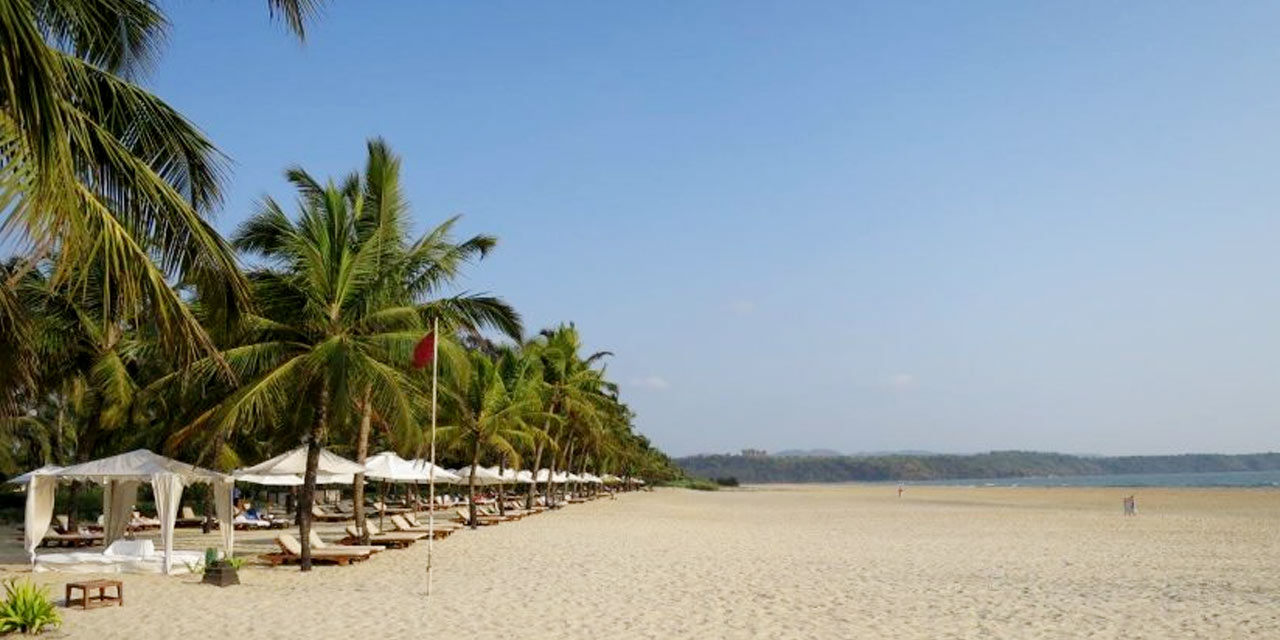
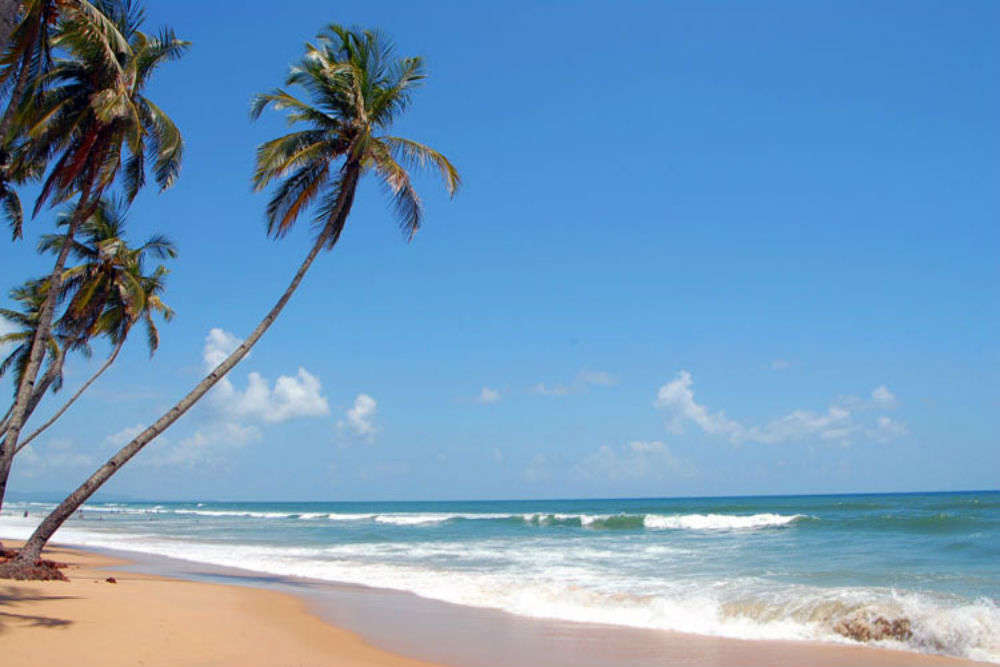
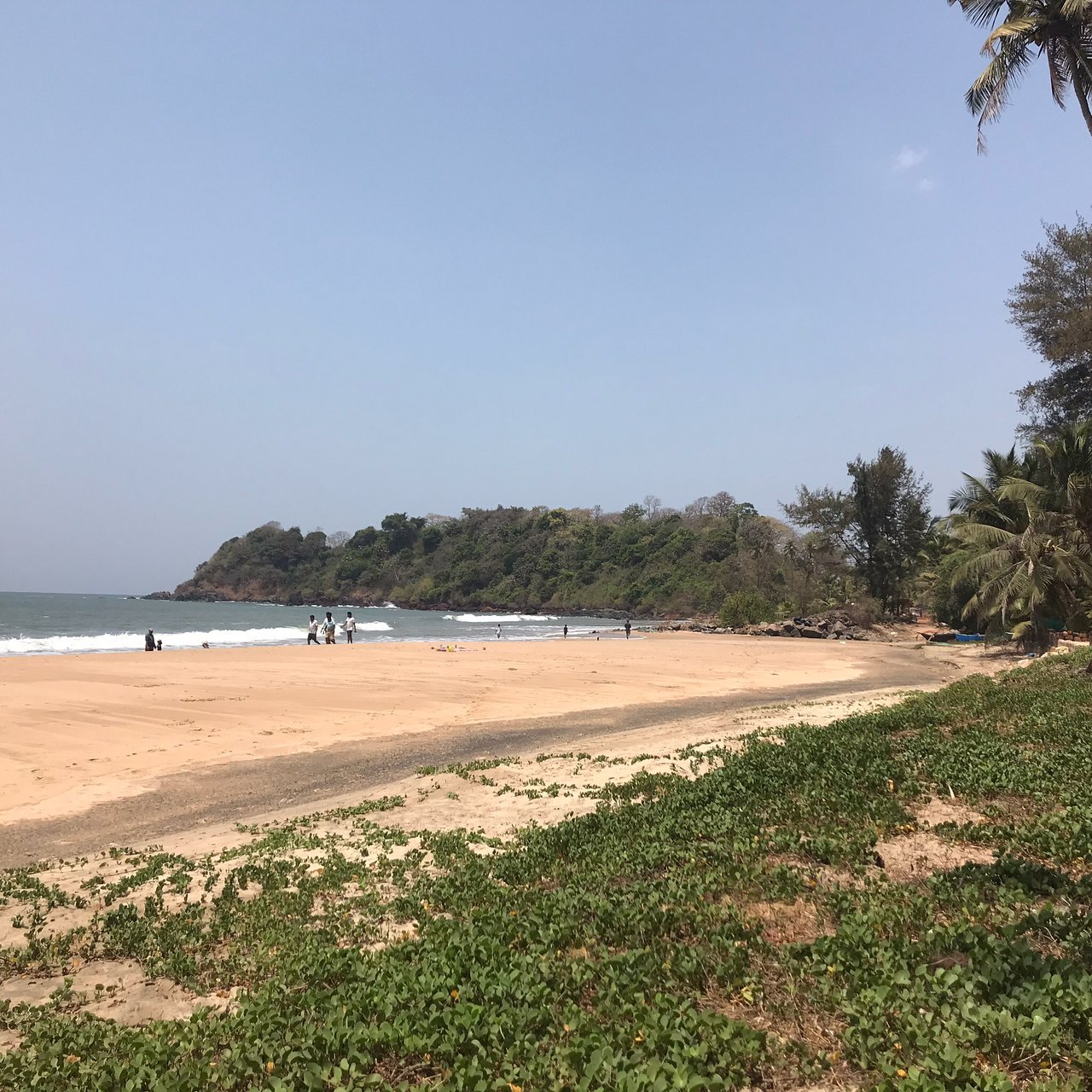
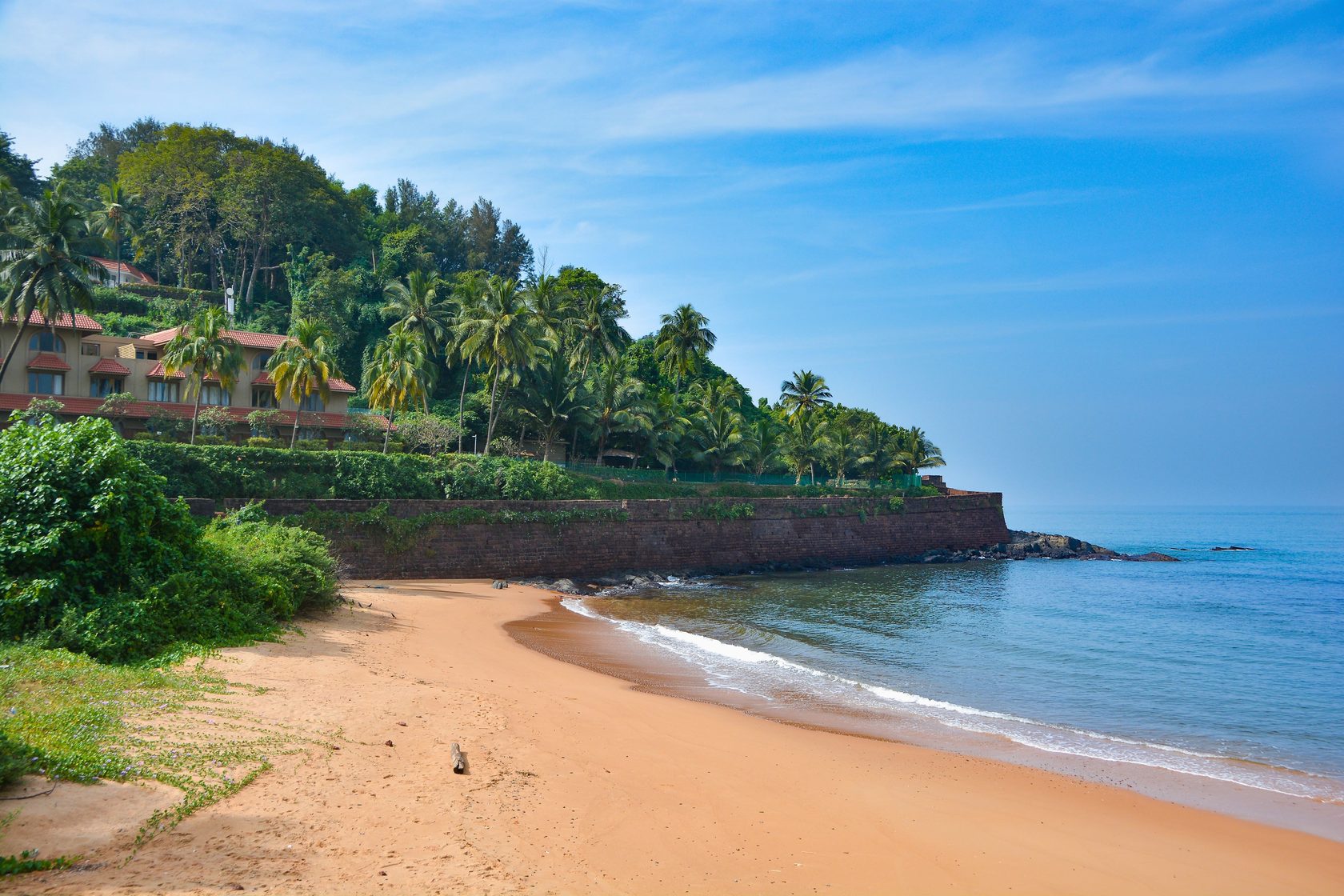
If there was one word to describe South Goa, it would be ‘Laid-back’. The unhurried pace of life, exotic beaches and heritage villages beckon solitude seeking travellers. The pace is unhurried with a soulful and serene vibe as well as great beaches, temples and churches. While North Goa is all about its nightlife, liveliness and crowd of tourists and shoppers, South Goa is known for its clean and isolated beaches, shrines, scenic drives and tranquil environment. So let’s start exploring what South Goa has in store for us.

Butterfly Beach
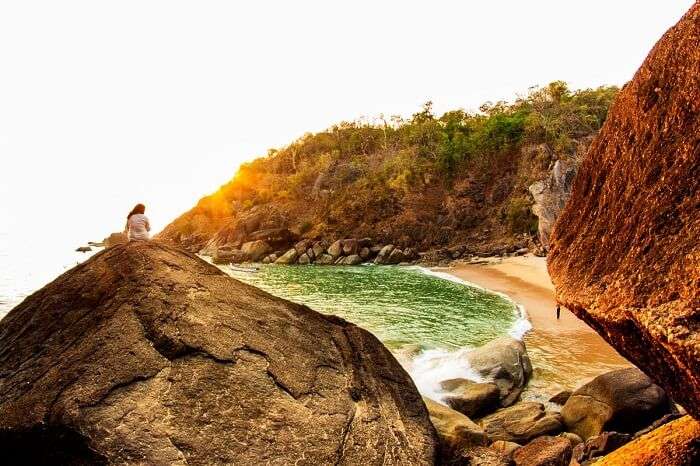
Butterfly Beach is a hidden gem in South Goa. The most astounding feature of Butterfly Beach is that you can spot millions of butterflies flying over the hilltop blossoms. The golden sands against the turquoise water creates a postcard perfect location with palm trees and scores of butterflies. This spectacular beach is a well known site to spot some playful dolphins, crabs and goldfish. You will have to take a boat ride to reach this beach as the land route demands you to undergo a challenging hike through the forest.

Betalbatim Beach
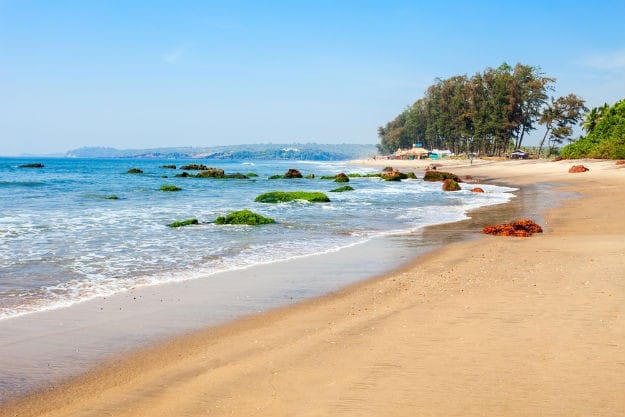
Popularly known as the Sunset Beach of Goa, this place is your destination for witnessing the most enchanting sunset you will ever see. The clean sands and beautiful surroundings make an immaculate landscape worth visiting. Contrasting with most beaches in Goa surrounded by palm trees, Betalbatim Beach is has a number of pine trees along the shoreline. Due to a number of lovebirds flocking here, it has also earned the nomenclature of being called Lover’s Beach. The beach is a preferred picnic spot among families and doesn’t have a lot of commercial activity going on contributing to the relaxed ambience. Betalbatim Beach, is located between Majorda and Colva beaches and is around 32 km from the capital Panaji.

Agonda Beach
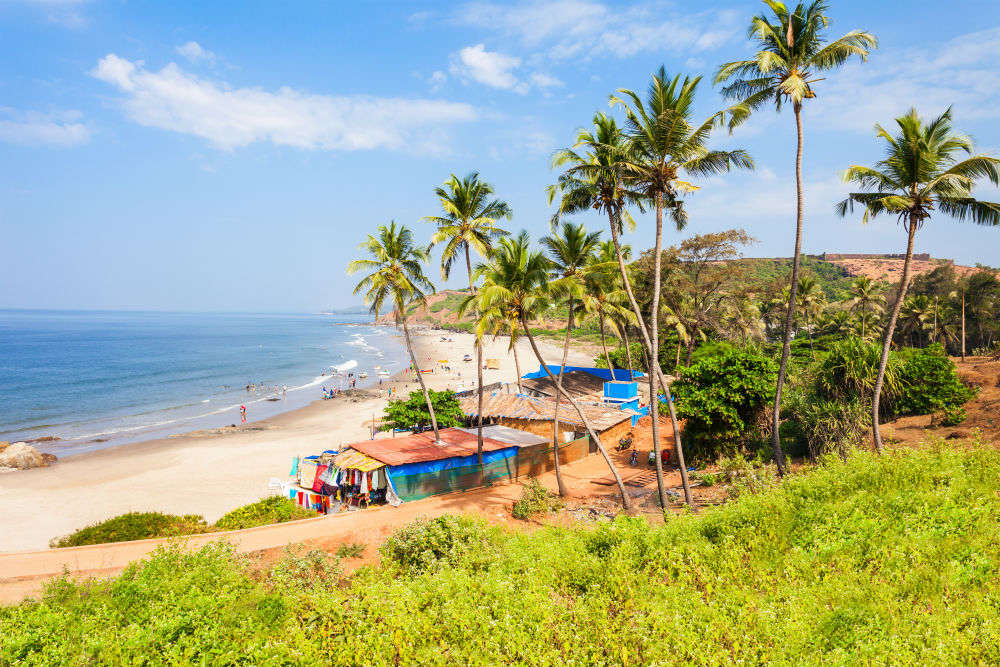
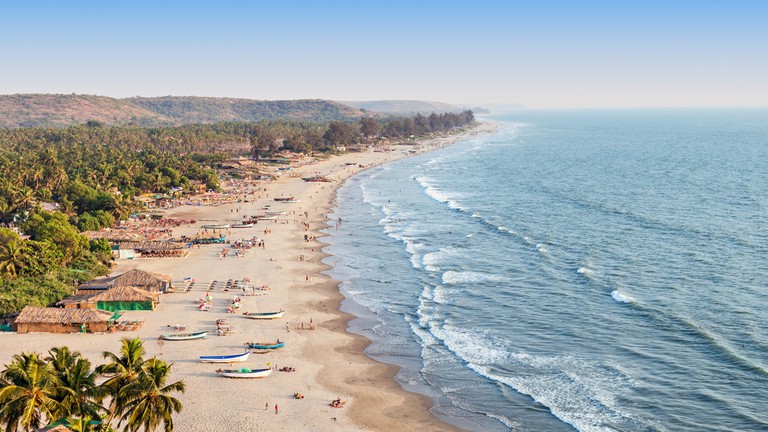
Agonda Beach in Goa is ideal for individuals searching for an energizing time in the water. The cool wind and warm summer sun help the tension and stress from life just melt away. This shoreline is long and desolate, bordered with palms and casuarinas and overwhelmed by an expansive slope toward the south. Located far south Agonda beach is at a distance of 70 km from Panjim.

Mobor Beach
Mobor Beach is vibrant with tourists and always bustling with parties and activities that go one here perpetually. The beach is beautified with natural creations with blooming lilies in ponds, sandy dunes and coconut palms which adorn the landscape. The beach is around 55 km from Panjim.

Hollant Beach
This beach is particularly known for its serenity and landscape and not to be missed when in Goa. Hollant Beach offers wonderful perspectives including the popular southern shorelines of Goa, alongside the foothills of the Western Ghats and is known for its brilliant sunrises. The shoreline looks much all the more enchanting amid the high tide, when the ocean water ascends to converge into the crisp waters of an adjacent stream. It is not too far from Panjim and is at a distance of 27 km from the capital city.

Palolem Beach
Palolem Beach is probably one of the most gorgeous beaches of South Goa. The beach remains packed with shacks, hawkers, restaurants, and eating outlets occupying the one mile long shore in crescent shape. Dolphins are also sighted here, so just keep your fingers crossed to witness this spectacular mammal playing amidst the blue waves of Arabian Sea. Located closer to Karnataka than Panjim, it is at a distance of 70 kilometers from the city of Panaji.

Cansaulim Beach
Unwind here on oceanside early morning and night to appreciate the excellent picturesque beauty that is Cansaulim beach. The shoreline is amazingly spotless and clean with brilliant gold sands. It is less swarmed and not an exceptionally prominent beach in Goa.
Distance from Panaji: It is located at a distance of 26.6 km from Panaji.

Colva Beach
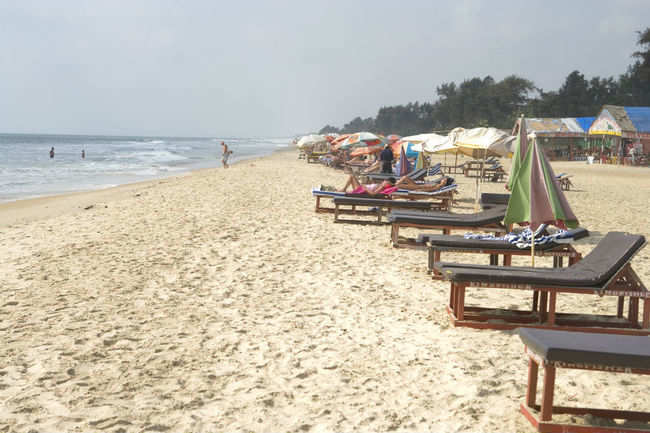
Often addressed as the pride of Salcete, Colva at a distance of about 6kms from Margaon and is one of the most popular beaches in South Goa and attracts a lot of Indian visitors. The beach is an ideal destination to enjoy a range of activities from sunbathing, water sports to other leisure activities. The Colva Beach is also a famous shopping destination where you can explore some colorful clothes, jewelry and other fashion accessories.

Talpona Beach
This beach is popular among tourists looking for an isolated and quiet location to enjoy the beautiful coastline against the magnificent Arabian Sea. The beach of Talpona is covered with pure sand of a golden color and framed with palm trees and pine groves. The sea is relatively calm and quiet here and one can easily enjoy a day with their thoughts. The Talpona beach has small sand dunes and is not visited much by tourists. The peaceful beach is also a resting ground of many birds.

Kakolem Beach
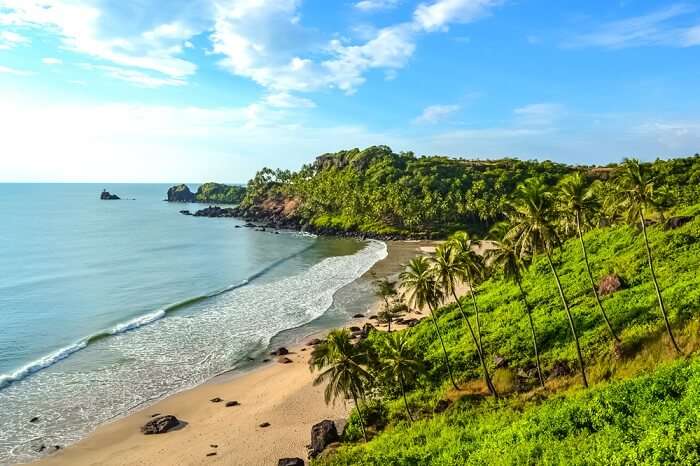
Also called the Tiger Beach, Kakolem Beach is one of the most remote and truly natural beaches in whole Goa. One of the least crowded beaches of Goa where you can relax completely. It is often claimed that this beach is a secret place to shoot tigers but in reality no one can say that they have ever really spotted the King of the jungle here. The beach is mostly lonely and deserted and there isn’t much activity going around. Kakolem Beach is located at a distance of 60 kilometers from the city of Panaji. There is no proper road and only a small path off the main road leads to the beach. There are no buses that travel to this beach. One can reach this beach only by private transport.

Benaulim Beach
A poupluar tourist spot, Benaulim Beach has everything ideal from captivating shorelines, extravagant gleaming sands, superb convenience, to nightlife and late night vibrant parties. Only 5 km from Margaon, this place is popular in south Goa for its delicious seafood.

Our Lady of Remedios Church
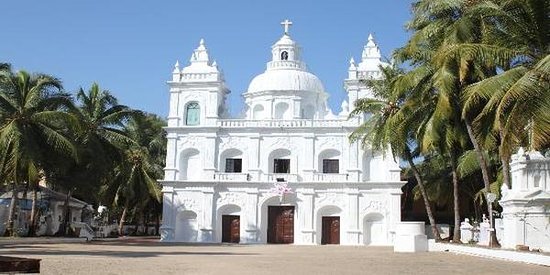
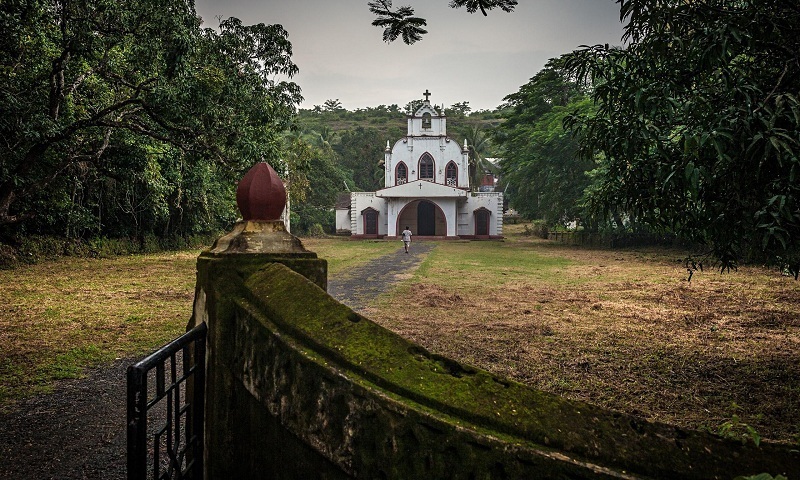
Marked with splendid architecture and a serene ambiance, Our Lady of Remedios Church at Betalbatim is an ancient place of worship that traces its origins back to 1630. Surrounded by green lawns, the white exterior of the church offers a soothing sight during the day. During the night, the church looks magnificent as the whole area is illuminated. The church is located in Fatona, Betalbatim and is open from 6 am to 5 pm daily.

Saviour of the World Church
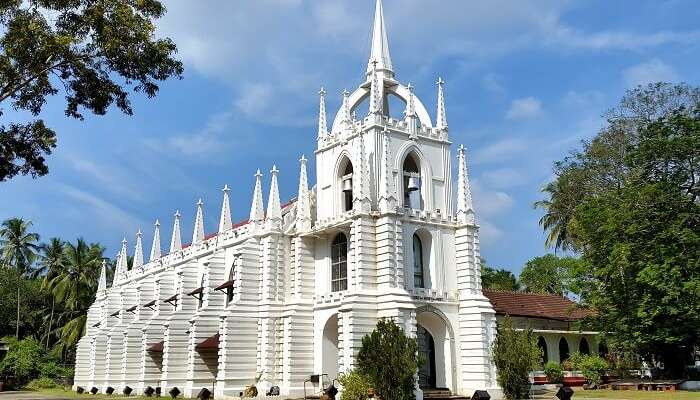
Built in 1586, the Saviour of the World Church is a sight to behold even today. The majestic shrine boasts of being one of Goa’s most gorgeous churches built in the Mannerist Neo-Roman style of architecture. Located in Salcette, Loutolim at a distance of around 10 km from Margao, the church is open every day between 6 am and 7 pm.

St. Alex Church
Built in the year 1597 on the banks of Angoddi Tollem Lake in Curtorim, St. Alex Church is among the oldest chapel churches in the region. An interesting fact about the church is that it was constructed on the site of an ancient Hindu temple, called Ravalnath Temple. If you walk around the church, you can still see the ruins of the temple here. The church is around 6 km from Margao and is open daily from 9 am to 8:30 pm.

Shantadurga Temple
This temple is devoted to goddess “Shantadurga” who is worshiped as the “Goddess of Peace”, and as a mediator between Lord Shiva and Lord Vishnu. The divine shrine was initially situated at, Cavelossim but during the demolition period of the Portuguese in the mid 15th century, the celestial being was relocated to Kavlem. This ancient temple with its vibrant combination of the maroon, white and peach exemplifies the Indo-Portuguese architectural style giving the temple an enchanting old-charm look. Apart from these, the Nayan Manohar Deepstambh, a five-story lamp tower, is another point of attraction which is beautifully lit during the festivals. The temple is located in Ponda and is open from 5 am to 10 am every day.

Tambdi Surla Mahadev Temple
Built in the 12th century, the temple is is a Shaivite temple dedicated to Lord Shiva, built in the Jain style of architecture. It is considered the only specimen of Kadamba-Yadava architectural style in preserved basalt stone in Goa. The temple has a Shiv Ling which is mounted on a pedestal and, has four withstanding pillars embellished with excellent carvings of elephants. Also, there are finely carved sacred lotus flowers and, intricate carvings designed by skilled craftsmen which add up to the charm of the stone ceiling and, the building. The temple is located near the Bhagwan Mahaveer Wildlife Sanctuary and is open daily from 7 am till 5:30 pm.

Chandreshwar Bhoothnath Temple
This temple is another one dedicated to Lord Shiva who is worshipped here as the Lord of the Moon. This ancient temple stands atop the Chandranath Hill. If you happen to visit the temple on a full moon night, you can see the Shiva Linga inside the shrine looking resplendent under the moonlight. There’s also the Boothnath Temple nearby which is worth a visit. This temple is also dedicated to Lord Shiva where the deity is worshiped as the Lord of the ghosts. Open from 5:30 am till 8:30 pm daily, this temple is located in Paroda in the Quepem taluka.

Naval Aviation Museum
A popular place to visit with children, the museum has a huge exhibition of large machines and artifacts related to the evolution of naval aviation in the country. Here, one can see real Helicopters, Aircraft, Fighter Jets and learn about their history. The museum is a made up of two parts; one is the outdoor large park which has 13 aircraft in total namely, Sea Harrier, HAL Chetak, Westland Sea King and many more such decommissioned aircraft, exhibiting the evolution of the Indian Naval Air Arms and another is the double-storey indoor gallery where you can learn many interesting things about flying, like the aircraft ejection system and life-rafts. The place also has a café (called Cockpit Café) where you can enjoy a tea, a souvenir shop, and a mini theatre where you can catch short movies and documentaries on naval aviation. The Naval Aviation Museum is the only of its kind in Asia. The museum is in Vasco de Gama, near the airport and is open from 9:30 am to 5 pm, on all das except Mondays when it is closed. The entry fee is Rs. 30 per adult and Rs. 10 per child.
Goa Chitra Museum
Go on a journey through the cultural and historical past of Goa through the 4000 plus exhbits at the Goa Chitra Museum. These artifacts map out the lifestyle of the people of Goa in the past and how it changed over time, owing to many historical and cultural factors. The museum is a treasure trove of all sorts of artifacts, ranging from agricultural tools to musical instruments, and even staple food. Needless to say, it is one of the must-visit museums in Goa where you can get a glimpse into the region’s rich and interesting past. Located in Benaulim and open from 9 am to 6 pm daily, you can go to the museum with an entry fee of Rs. 300 per person.

Big Foot Museum
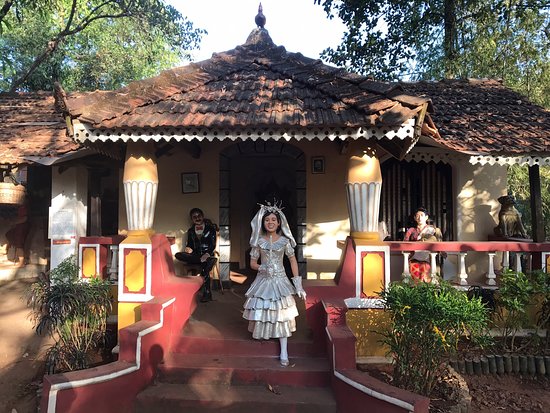
This museum is an off-beat museum established and run privately by an artist named Maendra Alvares. It is an open-air museum that recreates a miniature Goan village of the bygone days. Some of the key highlights of the museum include miniature houses that depict traditional Goan life and culture, a handicraft center that sells Goan artifacts, a bird habitat, a restaurant, rubber plantations, a spice yard, and lot more. The 14-meter high Sant Mirabai sculpture, which apparently is the largest laterite sculpture in the country, is another key attraction of the museum. Located in Loutolim at a distance of about 9 km from Margao, the museum is open from 9 am to 6 pm every day and the entrance fee is Rs 50 for adults and Rs 30 for children.

The Grande Island
Also known as Ilha Grande, this island is a treasure trove of palm trees, jaw-dropping marine life experiences, and extraordinary sunsets. One can indulge in sight-seeing, snorkeling, sea walk, swimming, and many more aqua activities at the island. You can also go dolphin sighting from here which is an amazing experience.

Pequeno Island
Commonly called the Bat Island, this serene island with several picturesque views, is located just a kilometer away from the Baina Beach in Vasco da Gama. The crystal clear water with its marine life attracts the masses. The perfect place to view the stars and have a camfire, this island is the bliss for those seeking solitude.

Bhagwan Mahaveer Wildlife Sanctuary
Lying the westeen ghats, sprawling over an area of 240 km, this wildlife sanctuary came into existence in the year 1999 under the Wildlife Act. The sanctuary has rich flora and fauna which attracts the tourists. One can witness bewitching scenic views and come across numerous varieties of animals like pythons, cobras, slender toris, jungle cats, elephants, avian birds, and many more rare species. One can even hire a jeep to explore every nook and corner of the diverse sanctuary. Located off the national highway 4A at Caranzol, the wildlife sanctuary is open from 8 am to 5:30 pm. The entry fee is Rs. 20 per person for adults; Rs. 10 per person for children; Rs 30 per camera and Rs 150 per video camera.

Netravali Wildlife Sanctuary
Seated in the south-eastern part of Goa, the Netravali Wildlife Sanctuary lies in Verlem, around 46 km from Margao, near a tributary of the Zuari river. Nestled with dense forests which remain evergreen throughout the year, this sanctuary is renowned for varieties of animals like Gaur, Ratufa indica, Tetracerus quadricornis, and leopard. Its famous birds are Malayan night heron, Nilgiri wood pigeon, pied hornbill, grey-headed bulbul, white-bellied treepie and a rufous babbler. The best time to visit this place is from October to March and at this time one can easily spot the rare species of flora and fauna like Black Panther, four horned antelope, and colorful butterflies. Entry to this sanctuary is free and it is open from 8:30 am to 4:30 pm

Cotigao Wildlife Sanctuary
Located in Canacona, at a distance of around 58 km from Margao, the Cortigao Wildlife Sanctuary entices you to a world of exotic flora and fauna. It boasts of varied wildlife species, including slender loris, mouse deer, Indian pangolin, Malabar trogon, Malayan bittern, golden-back gliding snake, and many more. One of the prime attractions of the sanctuary is a treetop watchtower overlooking a watering hole. If you climb up the watchtower during dawn or dusk, you can watch many animals visiting the watering hole to quench their thirst. And now, that’s a sight you wouldn’t want to miss in a lifetime. The sanctuary is open from 7 am to 5:30 pm daily and the entry fees are Rs. 5 per adult and Rs. 2 per child.

Dudhsagar Falls
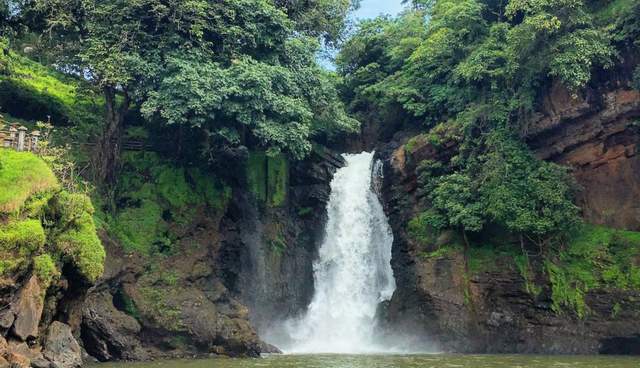
Located in the Bhagwan Mahaveer Sanctuary and Mollem National Park, this picturesque falls surrounded by lush green forests and falling from a height of 1,000 feet or 310 meters, forms the border between Goa and Karnataka. The literal meaning of Dudhsagae is “Sea of Milk”, which is what this waterfall looks like when it is in full glory. The gushing water sprawling down through the tropical forest gives captivating views. If you are an adventure enthusiast then you can even trek to the waterfalls and explore the bewildering paths which lead to it. You can even stay near the waterfall, at the forest guesthouse that is taken care of by the Karnataka Tourism Development Corporation. The falls are open from 9 am to 6 pm and the entry fee is Rs. 20 per person. You can also pay Rs. 400 per person for a jeep drive from Castle Rock to Dudhsagar Falls. At the falls you need to pay Rs. 300 for a normal camera and Rs. 5000 for a professional camera permit.

Bamanbudo Waterfalls
Untouched and unexploited are the words which perfectly describe the Bamanbudo Waterfall. This waterfall flows in the backdrop of serene Amba Ghat. The waterfall is undoubtedly the picture-perfect spot, with water falling down through the lush green hillock. The sound of the water, freshness in the air and, everything beautiful contributes to the significance of the place. This waterfall is located on the main road and one cannot trek to this splendid destination. It is located in
Gordongram and is open 24 hours.

Netravali Bubbling Lake
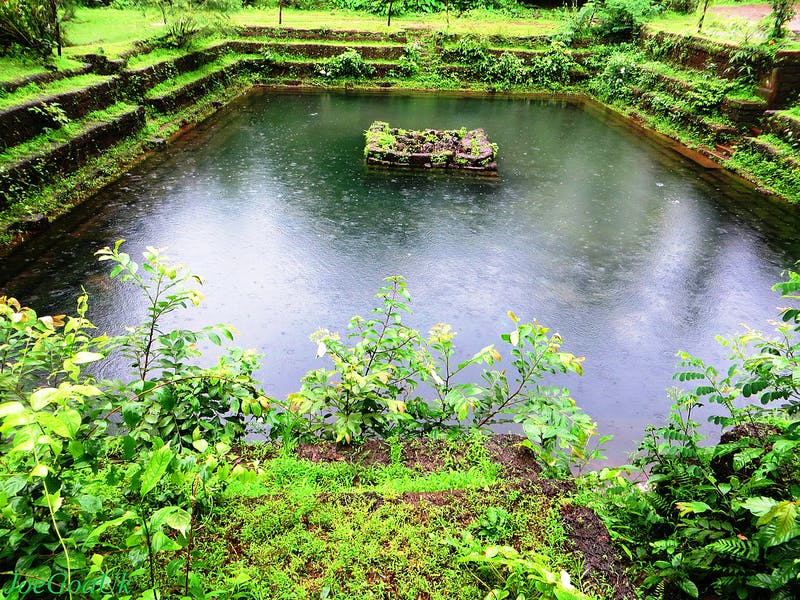
The sacred water reservoir, Netravati Bubbling Lake is a part of the Gopinath Temple. The astonishing fact about the lake is that it has clean water which keeps on bubbling at different points and bubbles even more if someone starts clapping. The priest who resides there believes that it will create the same bubbling effect if you start enchanting “Om” however, these are just mythological stories and the real fact is it bubbles due to the presence of limestone, carbon dioxide or methane in water. The massive temple of which this lake is a part of, has a huge pedestal in the center of the lake and is frequented by the devotees of Shiva. It exhibits an intrinsic style of pillars carved by the Kadamba-Shilahara craftsmen. This lake is located in Netravali in Vichudrem and is open from 8 am to 6 pm.

Cabo de Rama Fort
This decrypted structure with towers and rustic cannons is counted amongst the oldest forts in Goa. It used to be a well-equipped fort with 21 guns, several military barracks and a chapel but, when the Portuguese left India, the place was abandoned and, later used as the government prison. Now, the fort is housed only by the ruins but is a popular tourist place. A popular legend in the area states that Lord Rama and his wife Sita had stayed at this fort during their exile from Ayodhya. It is said that the fort was named to honor Lord Rama. The Fort also has a church of Santo Antonio which is in great condition and still visited by his followers. The mystical atmosphere, steep cliffs, and majestic views make it a frequently visited place. It is a perfect place for you whether you are an adventure buff, photo fanatic or a nature lover. The fort is in Canacona and is open from 9:30 am to 5:30 pm daily.

Chandor
On the banks of the river Kushavati, Chandor is a sleepy town in South Goa. This destination has made its mark as a significant stop for its collection of Portuguese architecture. Between 6th and 11th century, this village was called Chandrapur and was reckoned as the most spectacular city of the Konkan Coast. Today, Chandor is a small village with important relics dating back to the Portuguese era and a Hindu temple and headless Nandi Bull built in the 11th century. The best way to reach Chandor is by a cab from Margao and the best time to visit is between October to April.

Travel Bucket List – India: Goa Part 2

Now that we have an introduction to Goa, in the next two posts, I will take you in detail through the districts of North Goa and South Goa.

North Goa is one of the two districts that make up the state of Goa. The district is bounded by Sindhudurg district of Maharashtra state to the north and by Belgaum district of Karnataka to the east, by South Goa District to the south, and by the Arabian Sea to the west. Much of today’s North Goa was under the Kingdom of Sawantwadi. Hence these areas were seen as a safe haven for the Hindus who were living under continuous fear of the Portuguese Inquisition. These areas were conquered by Portuguese as part of New Conquest in the late 18th century and then remained with the Portuguese till 1961 when it was annexed by India.

Beaches
North Goa is seen is the more happening and party place of Goa as compared to South Goa. The beaches here are very beautiful and crowded during peak times. Some of the best North Goa beaches include

Source

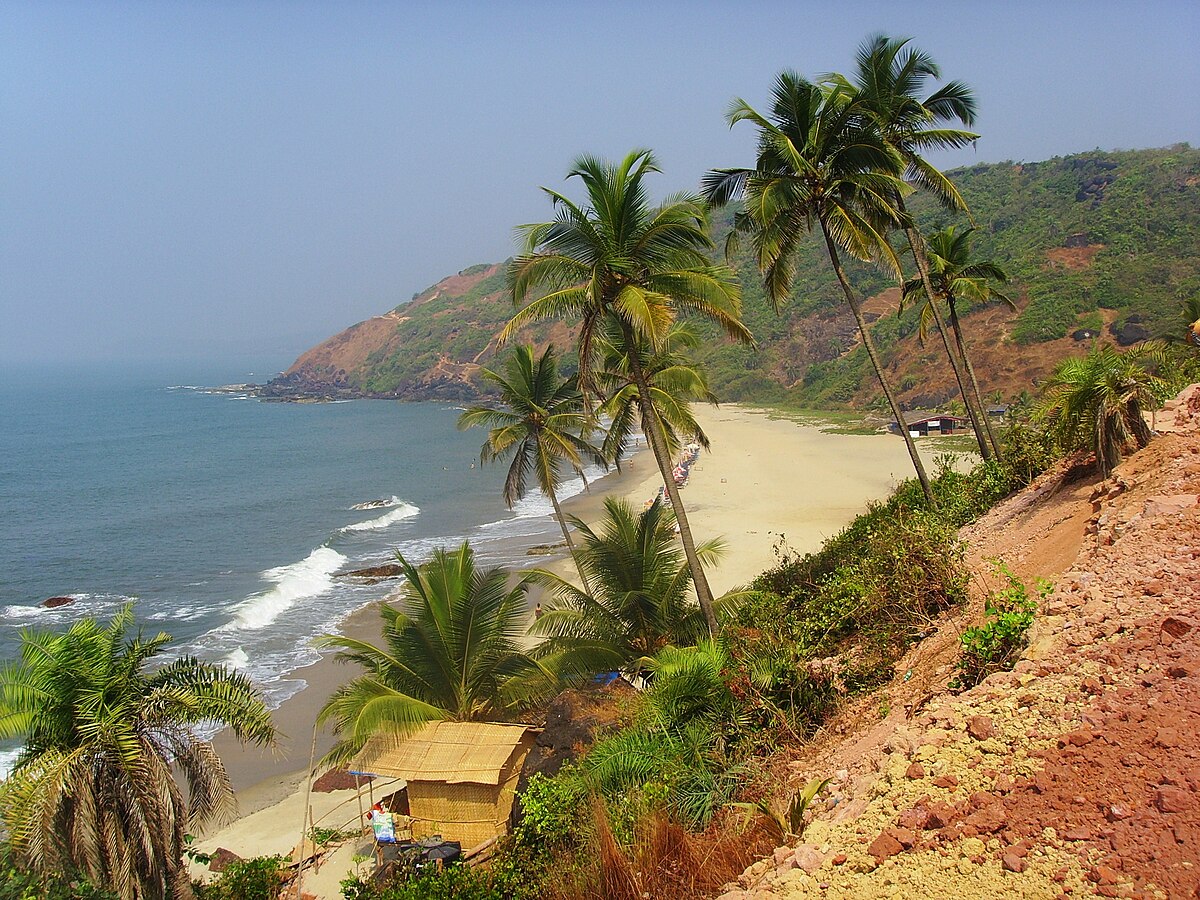
Vagator Beach which is a a crescent shape beach offering myriad watersport activities. The stunning red cliffs and cracked rocks surrounding the beach is an Instagram hotspot as are sunsets from this beach. The three day Sunburn Music festival which will take place in 2020 in December is an annual electronic dance music festival. Since its inception, Sunburn has grown to become one of Asia’s largest music events. The beach is bifurcated into two parts; one where you will find the flea market and lots of shacks to eat. Vagator Beach is about 20 kms from Panaji. Ozran Beach is an extension of Vagator Beach, and this secluded beach is a standout amongst the most picturesque Goan beaches. This beach boasts of a postcard perfect view of the coastline. The rocky beach is an ideal spot for picnics where you can enjoy the scenic beauty under the shade of palm trees. Here you can enjoy the sunsets as the sky turns golden from the sundecks outside the beach shacks. One of the attractions on this beach is the rock sculpture which people popularly call the Shiva Face which was carved by one of the tourists.

Nesting between the Aravalli hills, Anjuna beach is among the cleanest beaches in Goa. The hippies were the first people to come here in the 1950s and since then Anjuna Beach is a hotspot in Goa for local and international tourists. Anjuna Beach grows on you as you take a stroll along the glowing white sands and enjoy the sight of gently swaying palms in front of you. This beach is also famous for its Wednesday Flea Markets where you can shop for souvenirs, knick-knacks, funcky jewellery, beachwear, sarongs, traditional handicrafts etc. The market is located in the southern end of the beach where there are also several food stalls, body piercing centers, live music, and other entertainment activities in and around the market. The market is open only from October to May, from 8 am to 8 pm, so plan your visit accordingly if you want to enjoy the market. The beach is around 22 km north of Panaji and lies between Vagator and Calangute beaches.

Source

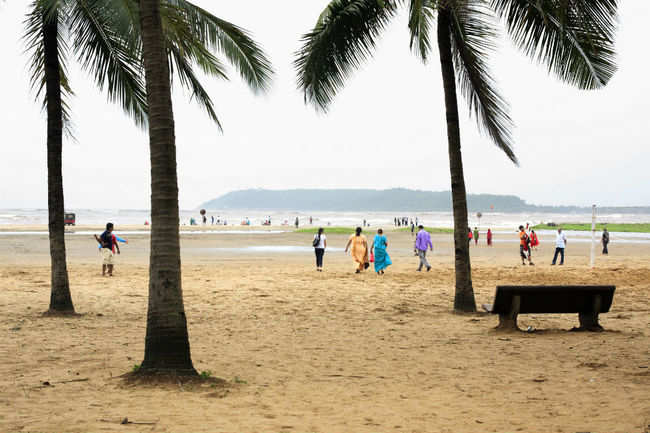
Named the ‘Queen of Beaches’, the sandy Calangute Beach is the perfect blend of adventure and beauty. The beach ticks all the boxes for a fun day, be it shopping, soaking in the picturequese sights or taking part in adventure water sports. This beach is often crowded with people swelling towards the sea, lazing around, taking sunbath and children making sand castles. Another spectacular features of Calangute Beach is its sunsets and sunrise. Calangute beach is about 16 km north of Panjim.

The scintillating Sinquerim Beach is an excellent shoreline that has a fabulous extend of sand. It is situated at the north of the well known shorelines like Baga, Calangute and Candolim. It is a perfect place for swimming and one ought not to miss going to this shoreline when vacationing in Goa to enjoy the beach activities. The beach offers the best opportunities to try water sports in Goa like scuba diving, water-skiing, windsurfing and much more. This beach also has some amazing night clubs and restuarants and is located about 14 km north of Panaji.

A calm and peaceful beach, Candolim Beach has no shops, restaurants or any commercial activity. Scrubs covered dunes at the back is the major attraction. Tranquil ambiance, thrilling water sports, and an enchanting nightlife make Candolim the perfect spot for honeymooners. Don’t forget to try a dolphin sighting trip and see if you spot this elusive yet friendly creature.

Another secluded beach known for its beauty and tranquillity, Arambol Beach , also known locally as Harmal Beach, is a rocky and sandy beach giving out a bohemian vibe. This beach is counted among the less-crowded beaches in Goa, which makes it ideal for you to spend some romantic moments with your special someone and indulge in some amazing water-based activities. You can even shop for knick-knacks and junk jewelry from the small shops lining the beach or have a drink or two at one of the shacks surrounding the beach. The beach is 35 km north of Panaji, close to the Maharashtra-Goa border.

Well known for it’s white sands, clear water and lines of palm trees that line the shoreline, Mandrem Beach is one of the less well known North Goa beaches. Visit this place during the high tides because that is when its beauty is at its peak. This beach is snuggled between Ashvem and Arambol beaches and lies around 20 km north of Panjim.

Morjim Beach is located in what is locally known as Little Russia, so expect to see many Russians expats here. This beach is the nesting and hatching habitat of the Olive Ridley Sea Turtle, so is an amazing place to just chill, relax and unwind as this beach is a protected area. If you want to see the turtles come here to nest and return to the ocean, come between September to April, but do take note of the exact dates as environmentalists say the nesting season has become later in the last few years.

Miramar Beach is famed for its alluring palm trees and lies close to the confluence point of the Mandovi river and the Arabian Sea. This beach is just 3 km south of Panjim city centre and lies between Panaji and Dona Paula.

Also known as Shiridon, the coarse sand Siridao Beach is famed as the “Shell Collectors Beach” and lies at the mouth of the Zuari river. Shell collectors can find the most unique shells and a wide range of oysters and pearl shells as well as some mysterious caves nearby.

Temples
When you think of Goa, temples are not what comes to your mind, but there are many temples in Goa with rich history and culture. Some of the best temples in Goa are:

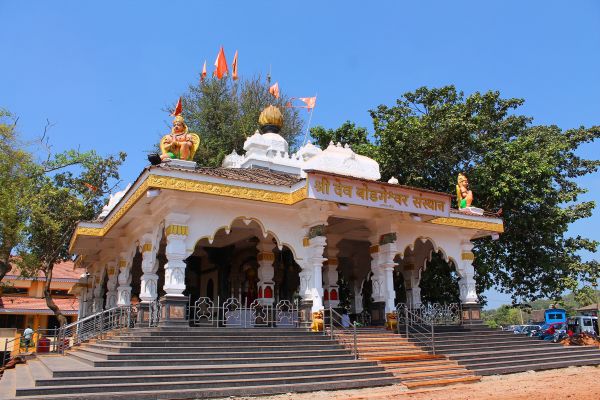
One of the important temples of North Goa, the Temple of Bogdeshwara is an exquisite structure and is a masterpiece in its own right. Located in the verdant greenery, the temple is dedicated to Kanakeshwar Baba or Bodgeshwar, also known as Bongini. In complete contrast to the hip and happening façade of North Goa, this small shrine exudes tranquility and is an ideal place to spend a few hours soaking in the serene vibes. This temple is famous for fulfilling the desires of its devotees and evry year, thousands of people visit this temple to get their prayers heard. The annual fair called ‘Zatra’ is held at the temple during the month of December or January. The temple is located in Mapusa, on the Calangute-Mapusa road, about 12 kms from Panaji. The temple is open from 6 am to 8 pm daily.

Located in Mangeshi village, about 22 km from Panjam, the 450-year old Mangeshi Temple, dedicated to Lord Shiva, is one of the largest and most frequently visited temples in Goa. The temple is built in the Goan temple architecture style consisting of several domes, pilasters and balustrades. There is a prominent Nandi Bull and the temple has a unquie Deepastambha which is a seven storey octagonal lamp tower, painted white with golden arches inside the temple complex. When the deepstambha is illuminated at night, the sight is simple awe inspiring. The temple also has a magnificent water tank, which is believed to be the oldest part of the temple. The temple is open from 6 am to 10 pm.

The village of Bandode or Bandivade is the location of a number of temples among which is the large and beautiful temple of Goddess Mahalaxmi. The temple of Goddess Mahalaxmi has been in existence since at least the year 1413, when information about the rituals of the temple is found on stone plaques carved during the reign of Nanjan Gosavi Pratihast over Goa. As is the case with most Hindu deities in Goa, the idol of Mahalaxmi from this temple was also smuggled away in the middle of the night to avoid persecution by the Portuguese in the sixteenth century. Adorned with a pillared hall and a silver arched doorway, the temple features an idol of Goddess Lakshmi crafted out of black stone. Adding to the beauty of the temple are twenty-four wooden panels displaying scenes from the Bhagavata Purana. The temple is open from 6:30 am to 8:30 pm every day.

Forts
Because of the more than four centuries of Portuguese rule in Goa, there are many interesting and architecturally forts which have stood as sentinels over the centuries.

One of the most famous of Goa forts, Fort Aguada is located at the mouth of the river Mandovi. The fort offers gorgeous views of the Arabian Sea. This beautiful fortress constructed in 1612, also boasts of a four-storeyed Portuguese lighthouse, the oldest one of its kind in Asia, which has beautiful sweeping views of the sea and the nearby Aguada beach from a height. Don’t miss the series of prison cells in the fort. Fort Aguada is so large it sweeps along the entire peninsula of the southern tip of Bardez. It is one of the best places to visit in north Goa during the monsoons. The fort is free to enter and is open from 10 am to 5:30 pm.

Dating back to 1717, the Chapora Fort overlooks the dazzling Vagator Beach, Morjim Beach, Ozran Beach and the mouth of the Chapora river. The Portuguese built this fort with the purpose of keeping a check over the Hindu raiders. This place, which is partly in ruins is a nice photography spot due to the sweeping views it offers. There are also two tunnels that Portuguese constructed to escape in case of an emergency in the fort. The fort is open from 9:30 am to 5:30 pm daily.

The most well-preserved of forts In Goa and standing on a hilltop, the Reis Magos Fort was constructed by Afonso de Noronha, a Portuguese Viceroy between 1551 and 1554. The fort is located on the hill onlooking the magnificent Reis Magos Church, at the merging point of the Mandovi river. From serving as a residence for viceroys and other significant personalities to being a prison and then lying as an abandoned fort, Reis Magos Fort has seen many chapters of history unfold within its walls. Today, the fort serves as a cultural center and draws in a large number of tourists. The fort is located in Bardez and is open from 9:30 am to 5 pm on all days except Mondays when it is closed.

Chuches and Basilicas
The Portugese occupation of Goa means that there are many churches in the state, some of which are very famous and are on every tourist’s itinerary.

The Basilica of Bom Jesus needs no introduction as it is one of the most photographed places in Goa. A UNESCO World Heritage Site, the Basilica, dating back over four centuries, is characterized by baroque architecture and fine detailing, carved from basalt embellishments, it is one of the richest facades in Goa. The Basilica of Bom Jesus is most famous for holding the mortal remains of St. Francis Xavier. The basilica also has a collection of paintings related to the life of the St. Xavier and relics of other saints such as Jesuit Rudolf Acquaviva and Antoni Francisci. The church is open from 9 am to 6:30 pm Mondays to Saturdays and from 10 am to 6:30 pm on Sundays.

Marked by its spectacular double flight of steps zigzagging its way upward, the Church of Our Lady of Immaculate Conception which is located on a hillside, overlooking the city of Panjim, boasts of a majestic structure. It houses the ancient bell that was once a part of the Church of Our Lady of Grace. It is said to be the second largest bell of its kind in Goa. The church is open everyday between 9 am to 12:30 pm and from 3:30 to 7:30 pm.

The Chapel of St. Catherine exhibits a simple renaissance style architecture, but it has immense historical significance. This edifice owes its origin to the Portuguese general Afonso de Albuquerque, who commissioned its construction in 1510 to commemorate his victorious march into the city. Located in Taleigao, the chapel is open daily from 6 am to 6 pm.

Housing the the miraculous statue of Mae de Deus which brought the church back to life post its ruin state, the Church of Mae De Deus is a bright white building with neo-gothic architecture is so peaceful, you will not feel the time time spent here. With imposing interiors and carved ornamentation on ceiling and walls, the church is a nice place to spend an afternoon peacefully. It is located in Saligao and is openevery day from 9 am to 12:30 pm and then again from 3 to 5 pm.

Museums, Casinos and Islands
Goa is much more than beaches, temples, forts and churches. Below are some of the other interesting activities you can do in North Goa.

The Goa State Museum is a treasure trove of more than 8000 artifacts and antiques depicting the glorious past of Goa. Of all museums in Goa, this one exhibits items pertaining to religious expression, history of printing in the state, lottery printing, cultural anthropology, contemporary and Christian art, furniture, sculptures as well as information on Goa’s struggle for freedom. There are also screenings of short videos of various cultural, heritage and anthropological facts about Goa. The museum is open from 10 am to 6 pm, Monday to Friday.

If you are fascinated by the architectural beauty of Goa, you must visit the Houses of Goa Museum. Unlike other museums in Goa, this museum offers a peek into the evolution of houses in Goa and its surrounding areas. Interestingly, the museum itself is shaped like a ship and stands right in the middle of the road. The museum is located in Torda, Salvador Do Mundo and is open from 10 am to 7:30 pm. It is closed on Mondays. The entry fee is Rs 100 for adults and Rs. 25 for children.


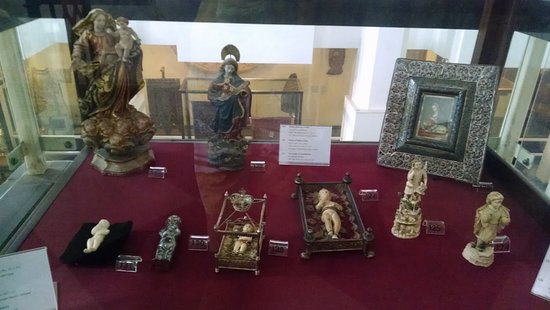
Christianity has played an undeniable role in the history and culture of Goa and the Museum of Christian Art is where you can get a glimpse into this rich history. The museum showcases many relics that are as old as the Portuguese invasion of the region. From statues and furniture to ivory, paintings, and precious metals, you will find a wide range of interesting exhibits here. Located in old Goa or Velha Goa, the museum is closed on Sundays and open from 9:30 am to 5 pm. Entry fee is Rs 30 per person.

Located in Calangute beach, Casino Palms is the most famous casino in Goa. Try your luck playing roulette and other games. The casino is open 24 hours daily. There is also a bar and plush lounges inside the casino to enjoy the nightlife.

Chorao Island’s name is is from Sanskrit which means ‘Stunning Precious Stone’. The largest island in Goa, it is located just three km from Panaji and has grown from a settlement for Portuguese noblemen to a quaint island with churches and old villas.

Cascading from the height of 50 m or 24 feet, the Harvalem Waterfalls is one of the those places where you can have a relaxing picnic. These falls make a plunge pool at the bottom where one can swim in and relax with cold waters. A temple dedicated to Lord Shiva is nearby along with a well-maintained park where one can just sit and observe the deep beauty it possesses. If you plan to visit this waterfalls, try to reach right after the monsoon as the water gushes in the highest amount during the time making it beautiful more than ever. The falls are located about 8 km from the town of Bicholim, which is around 25 km from Panjim and is open daily between 9 am and 6 pm.

This was all about North Goa. In the next blog post, we will go down south and see what South Goa has to offer.

Travel Bucket List – India: Goa Part 1

Located just south of my home state of Mahashtra, the state of Goa is the smallest Indian state by area and the fourth smallest by population. Goa has the highest GDP per capita among all Indian states – two and a half times that of the country. It was ranked the best-placed state by the Eleventh Finance Commission for its infrastructure and ranked on top for the best quality of life in India by the National Commission on Population based on the 12 Indicators

Rock art engravings found in Goa exhibit the earliest traces of human life in India. In the 3rd century BC, Goa was part of the Maurya Empire, ruled by the Buddhist emperor, Ashoka of Magadha. Between the 2nd century BC and the 6th century AD, Goa was ruled by the Bhojas of Goa. The rule later passed to the Chalukyas of Badami, who controlled it between 578 and 753, and later the Rashtrakutas of Malkhed from 753 to 963. From 765 to 1015, the Southern Silharas of Konkan ruled Goa as the feudatories of the Chalukyas and the Rashtrakutas. Over the next few centuries, Goa was successively ruled by the Kadambas as the feudatories of the Chalukyas of Kalyani. In 1312, Goa came under the governance of the Delhi Sultanate. The kingdom’s grip on the region was weak, and by 1370 it was forced to surrender it to Harihara I of the Vijayanagara empire. The Vijayanagara monarchs held on to the territory until 1469, when it was appropriated by the Bahmani sultans of Gulbarga. After that dynasty crumbled, the area fell into the hands of the Adil Shahis of Bijapur, who established as their auxiliary capital the city known under the Portuguese as Velha Goa (or Old Goa). In 1510, the Portuguese defeated the ruling Bijapur sultan Yusuf Adil Shah with the help of a local ally, Timayya. They set up a permanent settlement in Velha Goa. This was the beginning of Portuguese colonial rule in Goa that would last for four and a half centuries, until its annexation in 1961. In 1843 the Portuguese moved the capital to Panaji from Velha Goa. By the mid-18th century, Portuguese Goa had expanded to most of the present-day state limits. Simultaneously the Portuguese lost other possessions in India until their borders stabilised and formed the Estado da Índia Portuguesa or State of Portuguese India. After India gained independence from the British in 1947, India requested that Portuguese territories on the Indian subcontinent be ceded to India. Portugal refused to negotiate on the sovereignty of its Indian enclaves. On 19 December 1961, the Indian Army invaded with Operation Vijay resulting in the annexation of Goa, and of Daman and Diu islands into the Indian union. Goa, along with Daman and Diu, was organised as a centrally administered union territory of India. On 30 May 1987, the union territory was split, and Goa was made India’s twenty-fifth state, with Daman and Diu remaining a union territory.

Goa features a tropical monsoon climate and being in the tropical zone and near the Arabian Sea, has a hot and humid climate for most of the year. The month of May is usually the hottest, seeing daytime temperatures of over 35 °C coupled with high humidity. The state’s three seasons are: Southwest monsoon period (June – September), post-monsoon period (October – January) and fair weather period (February – May). Over 90% of the average annual rainfall is received during the monsoon season.

The state is divided into two main regions – North Goa and South Goa. Panaji, which is the capital of the state is also the district headquarters of North Goa. The headquarters for South Goa is the city of Margao, which is the second largest city as well as the commercial and cultural capital of the state.

Goa is a state with highest proportion of urban population with 62.17% of the population living in urban areas. Even though the state was under Portugese occupation for more than four centuries, Hindus dominate the state. They are around two thirds the population in the state, while Christians account for a quarter of the population. Of the balance population, Muslims account for about 8.5% and the balance 0.5% are the Sikhs, Jains and other communities.

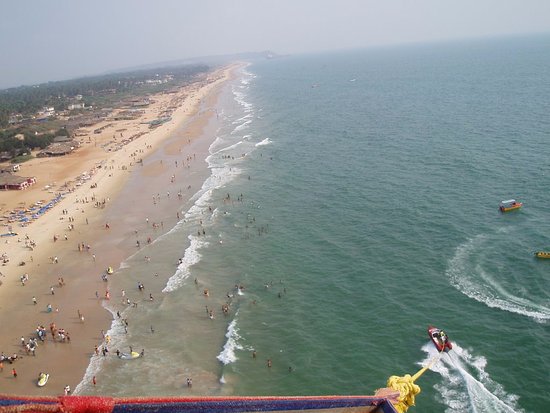
Tourism is the the biggest industry in the state, which accounts for around 12% of all foreign tourist arrivals in India. There are also scores of domestic tourists who love visiting Goa, especially for it’s beaches and nightlife. You generally see western or foreign tourists come to Goa in the winter months while domestic tourists visit Goa during the summer. One of the biggest tourist attractions in Goa is water sports. Beaches like Baga and Calangute offer jet-skiing, parasailing, banana boat rides, water scooter rides, and more. Over 450 years of Portuguese rule and the influence of the Portuguese culture presents to visitors to Goa a cultural environment that is not found elsewhere in India. Goa is often described as a fusion between Eastern and Western culture with Portuguese culture having a dominant position in the state be it in its architectural, cultural or social settings. The state of Goa is famous for its excellent beaches, churches, and temples.[61] The Bom Jesus Cathedral, Fort Aguada and a new wax museum on Indian history, culture and heritage in Old Goa are other tourism destinations.

Rice with fish curry (xit koddi in Konkani) is the staple diet in Goa. Goan cuisine is famous for its rich variety of fish dishes cooked with elaborate recipes. Coconut and coconut oil are widely used in Goan cooking along with chili peppers, spices, and vinegar is used in the Catholic cuisine, giving the food a unique flavour. The Goan cuisine is heavily influenced by Portuguese cuisine. Goan food may be divided into Goan Catholic and Goan Hindu cuisine with each showing very distinct tastes, characteristics, and cooking styles. Pork dishes such as Vindalho, Xacuti, chouriço, and Sorpotel are cooked for major occasions among the Goan Catholics. An exotic Goan vegetable stew, known as Khatkhate, is a very popular dish during the celebrations of festivals, Hindu and Christian alike. A rich egg-based, multi-layered sweet dish known as bebinca is a favourite at Christmas. Ros omelette is one of the most popular snacks and street foods in Goa, it is traditionally sold on food carts on streets. The most popular alcoholic beverage in Goa is feni; cashew feni is made from the fermentation of the fruit of the cashew tree, while coconut feni is made from the sap of toddy palms. In fact the bar culture is one of the unique aspects of the Goan villages where a local bar serves as a meeting point for villagers to unwind. Goa also has a rich wine culture, as a nod to its Portugese and Catholic heritage.