World Down Syndrome Day       

Last week, on 21 March, the world celebrated World Down Syndrome Day, a day dedicated to raising awareness about Down syndrome and promoting the rights and well-being of individuals with Down syndrome. First celebrated in 2006, 21 March was selected as it was the 21st day of the third month of the year which signifies the uniqueness of the triplication (trisomy) of the 21st chromosome which causes Down syndrome.

Down syndrome is a genetic disorder that occurs when an individual has an extra copy of the 21st chromosome, resulting in intellectual and developmental challenges. Down syndrome affects people of all ages, races, and ethnicities, and it is estimated that over 250 million people are living with this condition worldwide. Chromosomes are “packages” of genes in the body. They determine how a baby’s body forms and functions as it grows. Around 1 in every 800 babies will be born with Down syndrome which occurs naturally as there is no known cause. Down syndrome usually causes varying degrees of intellectual and physical disability and associated medical issues. Despite this, many people are still misinformed about Down syndrome and individuals with the syndrome often face discrimination and stigma. World Down Syndrome Day provides an opportunity to educate the public and promote a better understanding of Down syndrome, and celebrate the unique contributions and achievements of individuals with Down syndrome.

One of the main goals of World Down Syndrome Day is to raise awareness about the rights and needs of individuals with Down syndrome. This includes ensuring that individuals with Down syndrome have access to the same opportunities and services as their peers, including education, employment, healthcare, and independent living. It is important to recognise that individuals with Down syndrome have the same aspirations and dreams as everyone else, and it is our responsibility as a society to provide them with the support and resources they need to achieve their full potential. This day also celebrates the accomplishments and achievements of individuals with Down syndrome. The day showcases the talents and abilities of individuals with Down syndrome and highlights the contributions they make to their communities.

The theme for the 2023 edition of World Down Syndrome Day is “With Us Not For Us”. The message of With Us Not For Us is key to a human rights-based approach to disability. It is based on moving away from the outdated charity model of disability, where people with disability were treated as objects of charity, deserving of pity and relying on others for support to a human rights-based approach that views people with disabilities as having the right to be treated fairly and having the same opportunities as everyone else, working With others to improve their lives.

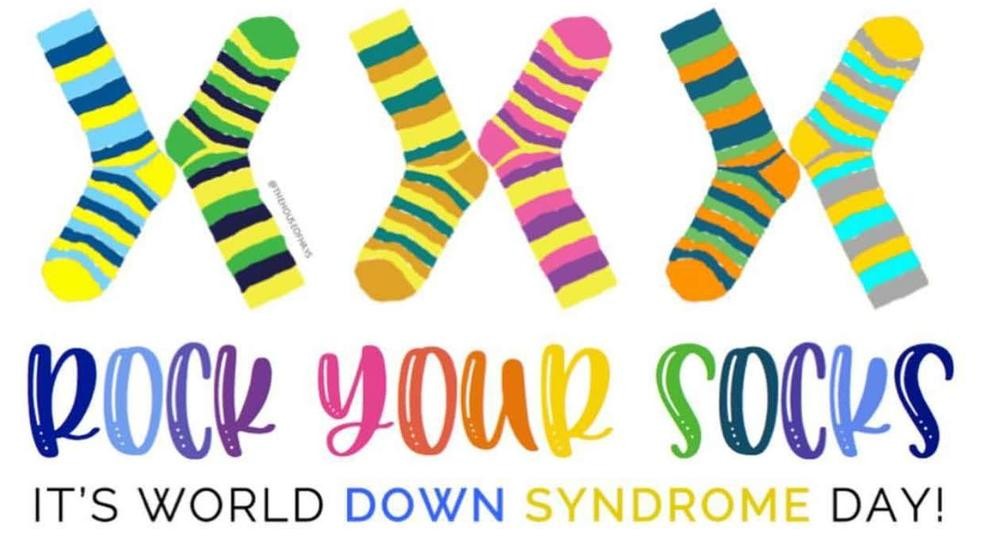
World Down Syndrome Day is a day to celebrate the diversity of individuals with Down syndrome and to remind us all that we are all more alike than we are different. In addition to raising awareness and celebrating the accomplishments of individuals with Down syndrome, World Down Syndrome Day is also an opportunity to advocate for change. This includes advocating for policies and practices that support the rights and needs of individuals with Down syndrome, as well as working to remove barriers and promote inclusion in all areas of life. A common activity on this day is to wear colourful or mismatched socks, to show support for people with Down syndrome because socks are shaped somewhat like chromosomes. An animated short, Freebird, was created to recognize World Down Syndrome Day in 2021. The film, set to a song, Freedom by Jordan Hart, won the Chicago International Children’s Film Festival the same year.
World Down Syndrome Day is a day to raise awareness, celebrate the accomplishments of individuals with Down syndrome, and advocate for change. It is a day to recognise the unique contributions and strengths of individuals with Down syndrome and to remind us all that with the right support and opportunities, anything is possible. On this day, let us all come together to celebrate the diversity of individuals with Down syndrome and to work towards a world that is more inclusive, supportive, and empowering for everyone.
International Day of Happiness

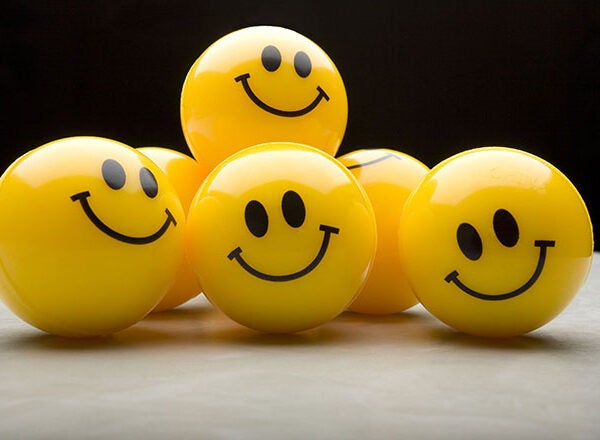
That elusive state of mind we are all searching for, happiness has multiple meanings and each meaning is different for each of us. Celebrated all over the year each year on 20 March, the International Day of Happiness was established by the United Nations General Assembly on 28 June 2012 and aims to make people around the world realize the importance of happiness in their lives.

Before the establishment of the International Day of Happiness, the President of the World Happiness Foundation, Jayme Illien, along with Luis Gallardo founded Happytalism. Illien ran a campaign at the United Nations from 2006 to 2012 to encourage and advance the primacy of happiness, well-being, and democracy. In 2011, Jayme Illien proposed the idea of the International Day of Happiness at the United Nations General Assembly to promote happiness economics around the world by improving the economic development of all countries. The idea was adopted by the United Nations General Assembly on 19 July 2011 at the initiative of then-Prime Minister Jigme Thinley of Bhutan, a country that has famously pursued the target of Gross National Happiness since the 1970s.

The International Day of Happiness was officially established in 2012 and first commemorated in 2013. Building on the concept of Jayme Illien, the United Nations has taken a step forward with World Happiness Day to inform people about the importance of happiness in people’s lives and the need to incorporate happiness into public policies. On World Happiness Day, the United Nations General Assembly calls for people to make more continuous progress and the small things that continue to make their lives better.

The pursuit of happiness is a fundamental human goal and happiness plays an important role in addressing the many challenges the world faces, both complex and interrelated. The world needs a new economic paradigm that recognises the parity between the three pillars of sustainable development. Social, economic, and environmental well-being are indivisible and together they define gross global happiness. Happiness should not be a luxury for a few with the pursuit of happiness being universal and fundamental.

In the steps to Global Happiness, we learn that happiness is a fundamental human right and goal for all, happiness is a universal aspiration in the lives of all with happiness being a way of living, being, and serving communities and society. Happiness is a north star for individuals, communities, governments, and society and the path to happiness leads toward achieving sustainable development goals. Happiness is a new paradigm for human development and the worldwide celebration of the international day of happiness is democratic, diverse, organic, and inclusive.

The World Happiness Report is published by the Sustainable Development Solutions Network, a global initiative of the United Nations. This report ranks the different countries on national happiness, based on respondent ratings of the lives of their citizens, the report also correlates with various quality of life factors and the report primarily uses data from the Gallup World Poll.

On this International Happiness Day, while you’re enjoying the things that bring you happiness, please think about sharing your happiness with others. Be grateful, share your blessings and give back as much as you can and share happiness.

World Oral Health Day

Organised annually on 20 March, World Oral Health Day is observed to raise global awareness of the issues around oral health and the importance of oral hygiene so that governments, health associations and the general public can work together to achieve healthier mouths and happier lives. World Oral Health Day aims to recognise the importance of good oral health and unite to reduce the burden of oral diseases which affect individuals, health systems, and economies everywhere. It also aims to empower people with the knowledge, tools, and confidence to secure good oral health

Oral diseases are a major health concern for many countries and negatively impact people throughout their lives. 90% of the world’s population will suffer from oral diseases in their lifetime, many avoidable. Oral diseases lead to pain and discomfort, social isolation, and loss of self-confidence, and they are often linked to other serious health issues. And yet, there is no reason to suffer – most oral health conditions are largely preventable and can be treated in their early stages. 

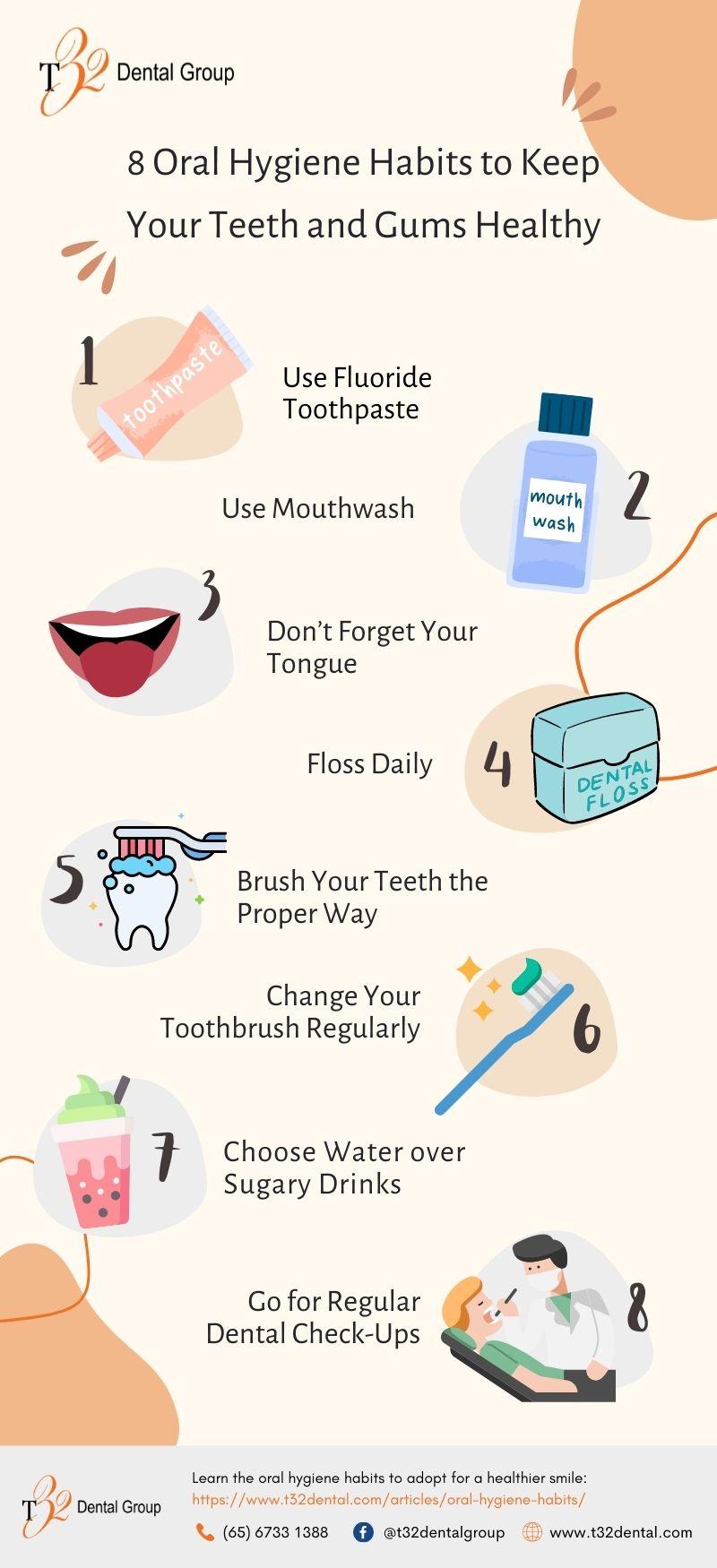
Oral hygiene is the practice of keeping one’s mouth clean and free of disease and other problems by regular brushing of the teeth and cleaning between the teeth. Oral hygiene must be carried out regularly to enable the prevention of dental disease and bad breath. The most common types of dental disease are tooth decay which includes cavities, and dental caries and gum diseases, including gingivitis, and periodontitis. General guidelines for adults suggest brushing at least twice a day with fluoridated toothpaste and brushing last thing at night and at least on one other occasion. Cleaning between the teeth is called interdental cleaning and is as important as tooth brushing. This is because a toothbrush cannot reach between the teeth and therefore only removes about 50% of plaque from the surface of the teeth. There are many tools to clean between the teeth, including floss, tape and interdental brushes; it is up to each individual to choose which tool they prefer to use. Sometimes white or straight teeth are associated with oral hygiene. However, a hygienic mouth can have stained teeth or crooked teeth. To improve the appearance of their teeth, people may use tooth whitening treatments and orthodontics.

More than 130 countries take part in World Oral Health Day which is organised by the FDI World Dental Federation. World Oral Health Day was launched on 20 March 2013 by the FDI World Dental Federation which also marks the launch of a year-long campaign to raise awareness of oral health and the prevention of oral diseases. Since 2013 these campaigns have featured a specific theme. Since 2014 and in collaboration with its daughter organisation, the International Association of Dental Students or IADS, FDI organises an annual worldwide competition for best awareness and prophylactic activities held by dental student organizations in celebration of World Oral Health Day.

The campaign theme for the years 2021 to 2023 is Be Proud of Your Mouth. This theme that spans three years sends out a simple but powerful message to value and take care of our mouths. This year, the campaign wants to inspire change by focusing on the importance of oral health at every stage of life, because no matter what age one is, caring for the mouth and looking after oral health is important.

So take care of your oral health,  because establishing good oral hygiene and dietary habits have proven to be essential to achieving and maintaining, overall physical and emotional well-being throughout life.

International Women’s Day 2023

Today is International Women’s Day, a day which brings to the fore the women’s rights movement, bringing attention to issues such as gender equality, reproductive rights, and violence and abuse against women.

Spurred on by the universal female suffrage movement that had begun in New Zealand, IWD originated from labour movements in North America and Europe during the early 20th century. The earliest version was purportedly a Women’s Day organised by the Socialist Party of America in New York City on February 28, 1909. This inspired German delegates at the 1910 International Socialist Women’s Conference to propose a special Women’s Day be organised annually, albeit with no set date; the following year saw the first demonstrations and commemorations of International Women’s Day across Europe. After women gained suffrage in Soviet Russia in 1917 which was the beginning of the February Revolution, International Women’s Day was made a national holiday on March 8; it was subsequently celebrated on that date by the socialist movement and communist countries. The holiday was associated with far-left movements and governments until its adoption by the global feminist movement in the late 1960s. International Women’s Day became a mainstream global holiday following its adoption by the United Nations in 1977. The UN observes the holiday in connection with a particular issue, campaign, or theme in women’s rights.

International Women’s Day is a day when women can imagine a gender-equal world, a world free of bias, stereotypes, and discrimination. A world that’s diverse, equitable, and inclusive an a world where difference is valued and celebrated. Together and collectively, women’s equality can be forged and equity embraced.

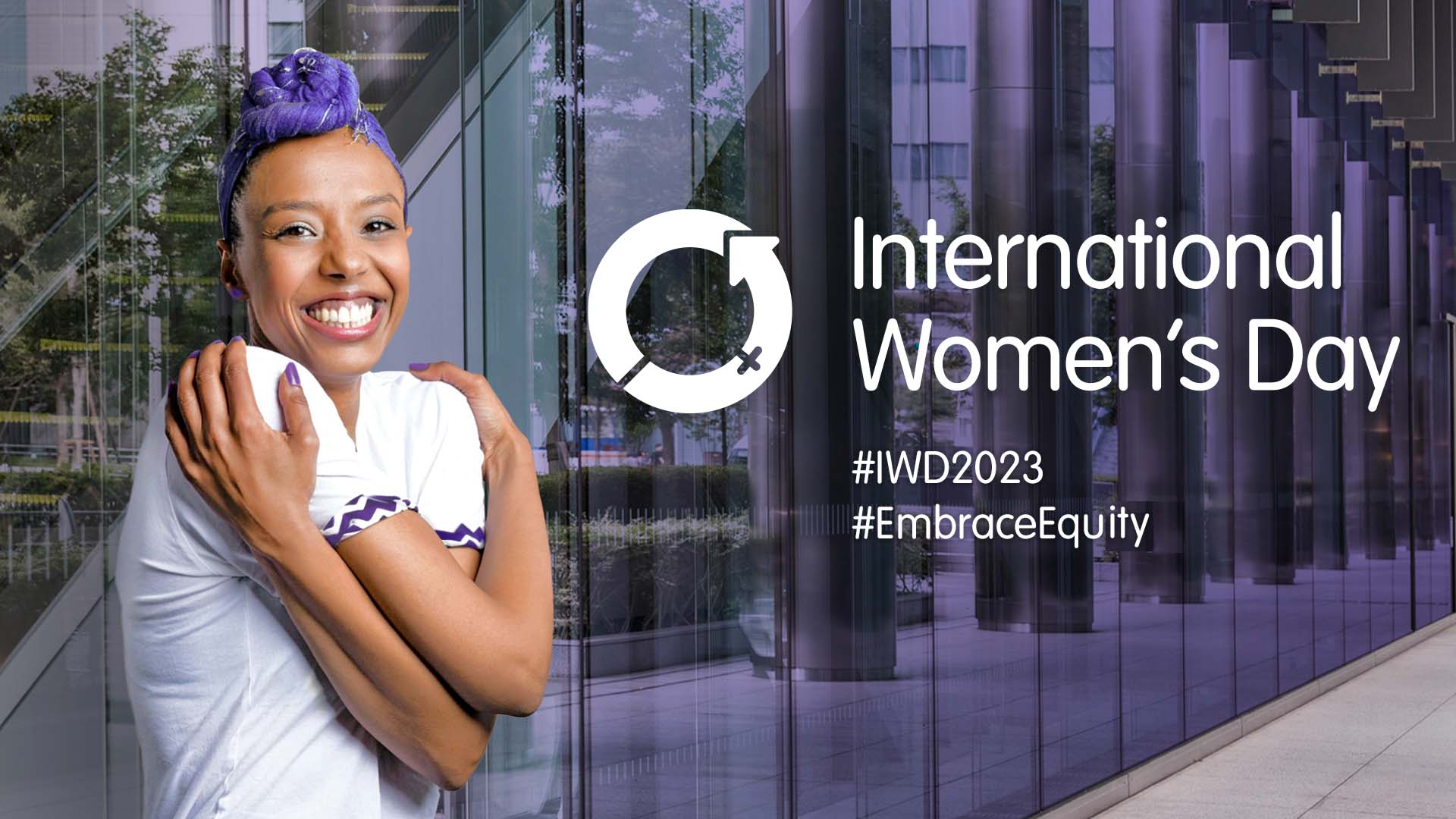
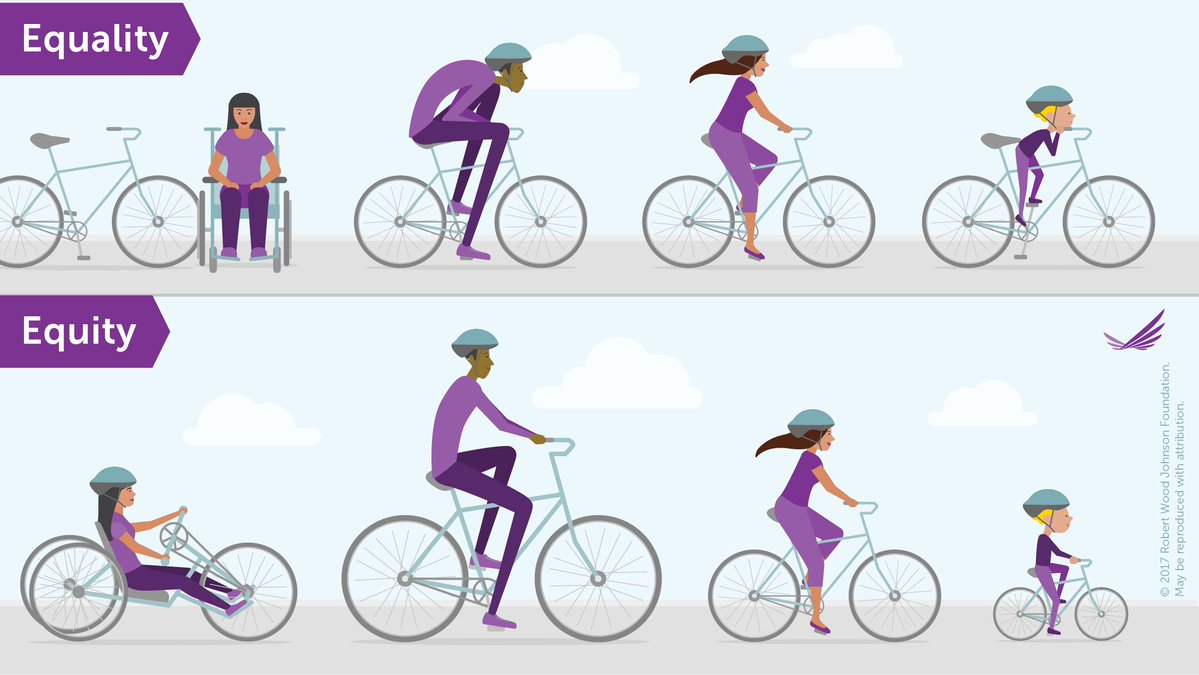
And Embrace Equity is the theme for this year’s IWD. Equity isn’t just a nice-to-have, it’s a must-have. A focus on gender equity needs to be part of every society’s DNA and it is critical to understand the difference between equity and equality. The words equity and equality are often used interchangeably. Etymologically, the root word they share is aequus, meaning even, fair or equal – which led to equity being from the Latin aequitas, and equality from aequalitas. Yet, despite these similarities, equity and equality are inherently different concepts, and the IWD 2023 #EmbraceEquity campaign theme seeks to help forge worldwide conversations about this important issue and its impact. 

So, what’s the difference between equity and equality – and why is it important to understand and acknowledge this? Equality means each individual or group of people is given the same resources or opportunities. Equity recognizes that each person has different circumstances, and allocates the exact resources and opportunities needed to reach an equal outcome. Equity can be defined as giving everyone what they need to be successful. In other words, it’s not giving everyone the same thing. If we give everyone the same thing, expecting that will make people equal, it assumes that everyone started in the same place – and this can be vastly inaccurate because everyone isn’t the same.

We can all truly embrace equity. It should not be just something we say or write about. It’s something we need to think about, know, and embrace. It’s what we believe in, unconditionally. Equity means creating an inclusive world. All of us, irrespective of gender can play a part in creating an inclusive world by actively supporting and embracing equity within our sphere of influence. We can and should challenge gender stereotypes, call out discrimination, draw attention to bias, and seek out inclusion. Collective activism is what drives change. From grassroots action to wide-scale momentum, we can all embrace equity. Forging gender equity isn’t limited to women solely fighting the good fight. Allies are incredibly important for the social, economic, cultural, and political advancement of women.

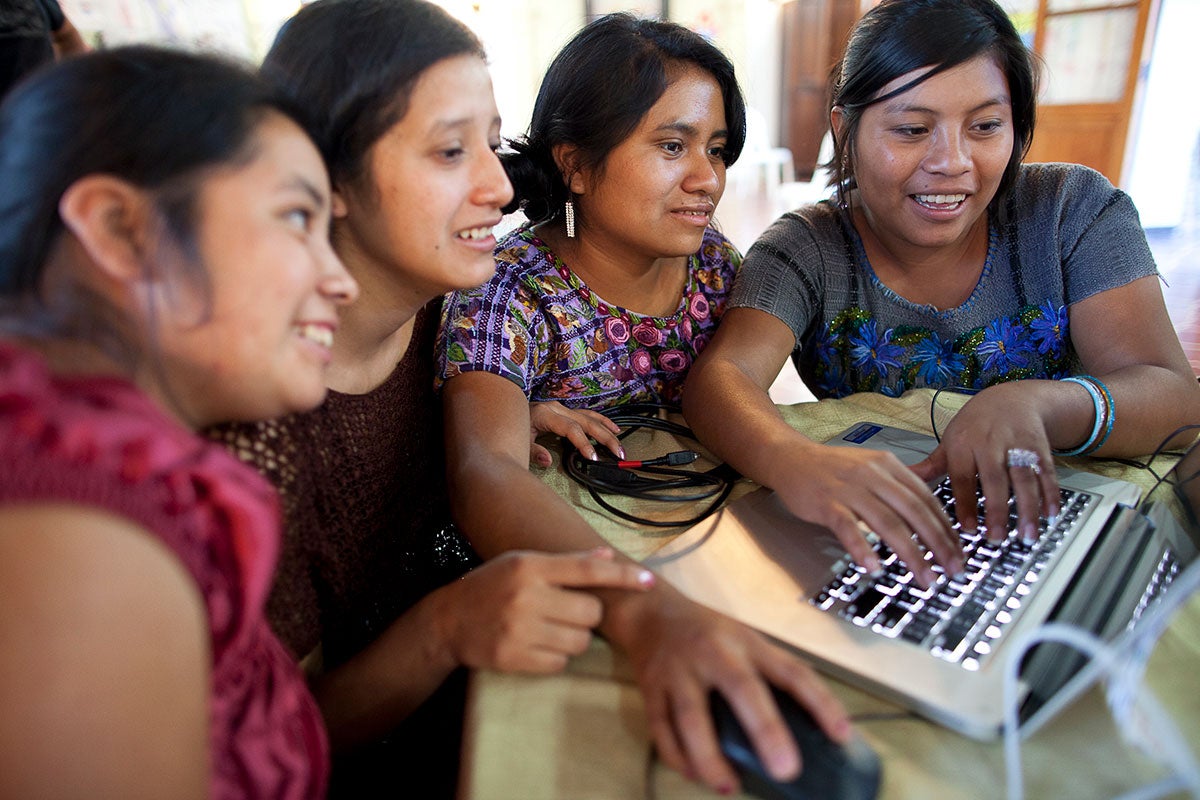
Over at the United Nations, the theme for International Women’s Day is DigitALL: Innovation and technology for gender equality. This theme highlights the need for inclusive and transformative technology and digital education.

The United Nations recognises and celebrates the women and girls who are championing the advancement of transformative technology and digital education. This IWD will explore the impact of the digital gender gap on widening economic and social inequalities and will also spotlight the importance of protecting the rights of women and girls in digital spaces and addressing online and ICT-facilitated gender-based violence. Bringing women and other marginalised groups into technology results in more creative solutions and has greater potential for innovations that meet women’s needs and promote gender equality. Their lack of inclusion, by contrast, comes with massive costs. As per the UN Women’s Gender Snapshot 2022 report, women’s exclusion from the digital world has shaved $1 trillion from the gross domestic product of low-and middle-income countries in the last decade—a loss that will grow to $1.5 trillion by 2025 without action. Reversing this trend will require tackling the problem of online violence, which a study of 51 countries revealed 38 percent of women had personally experienced.

A gender-responsive approach to innovation, technology, and digital education can increase the awareness of women and girls regarding their rights and civic engagement. Advancements in digital technology offer immense opportunities to address development and humanitarian challenges and to achieve the 2030 Agenda’s Sustainable Development Goals. Unfortunately, the opportunities of the digital revolution also present a risk of perpetuating existing patterns of gender inequality. Growing inequalities are becoming increasingly evident in the context of digital skills and access to technologies, with women being left behind as the result of this digital gender divide. The need for inclusive and transformative technology and digital education is therefore crucial for a sustainable future.

Lets us all celebrate women’s achievements today and raise awareness about the discriminations we face. Let’s take action to drive gender parity and embrace equity.

World Cancer Day

Tomorrow is World Cancer Day, an international observance that takes place every year. The day is observed to raise awareness of cancer and to encourage its prevention, detection, and treatment. The day is organised by the Union for International Cancer Control or UICC to support the goals of the World Cancer Declaration, written in 2008. The primary goal of World Cancer Day is to increase awareness about the disease and significantly reduce illness and death caused by cancer as well as an opportunity to rally the international community to end the injustice of preventable suffering from cancer. This can include things like promoting healthy lifestyles, increasing access to cancer screenings and treatments, and investing in cancer research. The day is observed by the United Nations.

World Cancer Day was established on 4 February 2000 at the World Cancer Summit Against Cancer for the New Millennium, held in Paris. The Charter of Paris Against Cancer, which was created to promote research, prevent cancer, and improve patient services, also included an article establishing the anniversary of the document’s official signing as World Cancer Day. This was signed at the Summit by the then General Director of UNESCO, Kōichirō Matsuura, and then French President Jacques Chirac. World Cancer Day targets misinformation, raises awareness and reduces stigma.

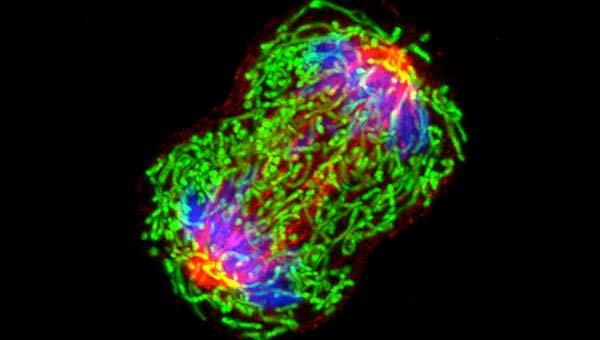
Cancer is a disease which occurs when changes in a group of normal cells within the body lead to uncontrolled, abnormal growth forming a lump called a tumour; this is true of all cancers except leukaemia which is cancer of the blood. If left untreated, tumours can grow and spread into the surrounding normal tissue, or to other parts of the body via the bloodstream and lymphatic systems, and can affect the digestive, nervous and circulatory systems or release hormones that may affect body function.

Cancer tumours can be divided into three groups: benign, malignant or precancerous. Benign tumours are not cancerous and rarely threaten life. They tend to grow quite slowly, do not spread to other parts of the body and are usually made up of cells quite similar to normal or healthy cells. They will only cause a problem if they grow very large, become uncomfortable or press on other organs. Malignant tumours are faster growing than benign tumours and can spread and destroy neighbouring tissue. Cells of malignant tumours can break off from the primary tumour and spread to other parts of the body through a process known as metastasis. Upon invading healthy tissue at the new site they continue to divide and grow. These secondary sites are known as metastases and the condition is referred to as metastatic cancer. Precancerous or premalignant describes the condition involving abnormal cells which may or are likely to develop into cancer.

There are five main types of cancer. Carcinoma cancers arise from the epithelial cells which are the lining of cells that help protect or enclose organs. Carcinomas may invade the surrounding tissues and organs and metastasise to the lymph nodes and other areas of the body. The most common forms of cancer in this group are breast, prostate, lung and colon cancer. A type of malignant tumour of the bone or soft tissue like fat, muscle, blood vessels, nerves and other connective tissues that support and surround organs, the most common forms of sarcoma are leiomyosarcoma, liposarcoma and osteosarcoma. Lymphoma and Myeloma are cancers that begin in the cells of the immune system. Lymphoma is a cancer of the lymphatic system, which runs all through the body, and can therefore occur anywhere. Myeloma or multiple myeloma starts in the plasma cells, a type of white blood cell that produces antibodies to help fight infection. This cancer can affect the cell’s ability to produce antibodies effectively. Leukaemia is a cancer of the white blood cells and bone marrow, the tissue that forms blood cells. There are several subtypes; common are lymphocytic leukaemia and chronic lymphocytic leukaemia. Brain and spinal cord cancers are known as central nervous system cancers. Some are benign while others can grow and spread.

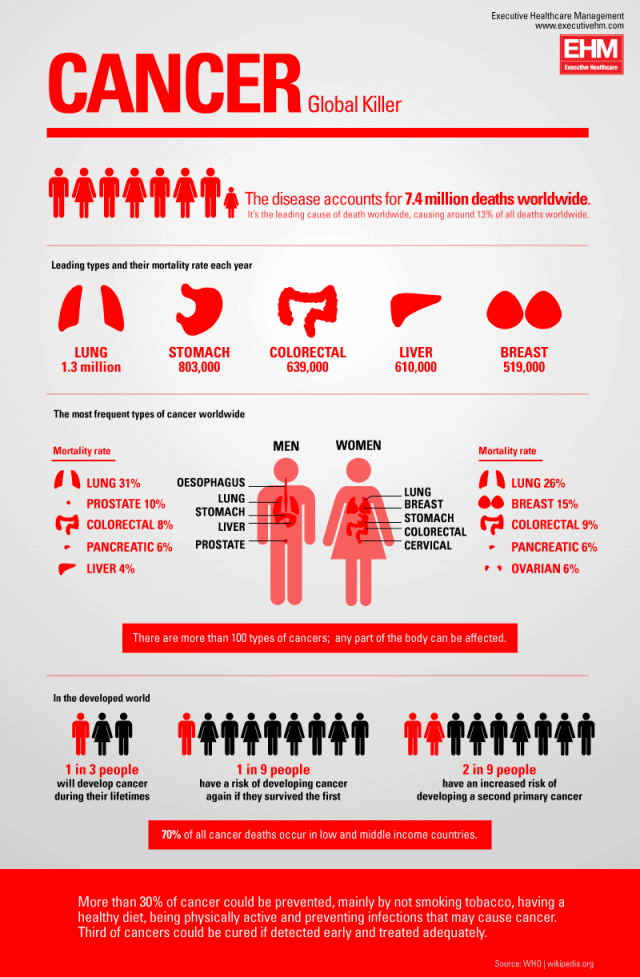
Cancers can be caused by many different factors and, as with many other illnesses, most cancers are the result of exposure to several different causal factors. Around one-third of cancer cases can be prevented by reducing behavioural and dietary risks. Modifiable risk factors include the drinking of alcohol, being overweight or obese, diet and nutrition, physical activity, tobacco, ionising radiation, workplace hazards and infection. Non-modifiable risk factors include age, cancer-causing substances or carcinogens in the body, genetics, and one’s immune system.

With so many different types of cancers, the symptoms are varied and depend on where the disease is located. However, there are some key signs and symptoms to look out for, including unusual lumps or swelling, coughing, breathlessness or difficulty swallowing, changes in bowel habits, unexpected bleeding, unexplained weight loss, fatigue, pain or aches, new moles or changes to a mole, complications with urinating, unusual breast changes, appetite loss, a sore or ulcer that won’t heal, heartburn or indigestion and heavy night sweats.

Cancer is the second-leading cause of death worldwide with 10 million people dying from it every year, which is more than the deaths because of HIV/AIDS, malaria and tuberculosis combined. By 2030, experts project cancer deaths to rise to 13 million. More than 40% of cancer-related death could be preventable as they are linked to modifiable risk factors. At least one-third of all deaths related to cancer could be prevented through routine screening, and early detection and treatment. 70% of cancer deaths occur in low-to-middle-income countries and millions of lives could be saved each year by implementing resource-appropriate strategies for prevention, early detection and treatment. The total annual economic cost of cancer is estimated at US$1.16 trillion.

The theme for the years 2022-2024 is Close the care gap which focuses on eliminating the difference in access to cancer care services faced by populations of various groups of country income, age, gender, ethnicity etc. The World Cancer Day theme is a multi-year campaign that means more exposure and engagement, more opportunities to build global awareness and ultimately more impact. In 2022, the first year of the Close the Care Gap campaign was all about understanding and recognising the inequities in cancer care around the globe. This was the year to question the status quo and help reduce stigma; to listen to the perspectives of the people living with cancer and their communities and let those lived experiences guide our thoughts and actions. This year is all about uniting voices and taking action. These actions can take countless forms, from motivating neighbours to provide transport to cancer treatment for a fellow resident or ensuring that healthy and affordable food options are offered at the local school. In 2024, the last year of the campaign will bring attention to a higher level by raising voices to engage leaders and become lifelong advocates fully equipped to push for lasting change.

In recent years, cities have begun to support the day by lighting up important landmarks in orange and blue. In 2019, 55 landmarks in 37 cities participated in the landmark lighting initiative and at least 60 governments officially observe World Cancer Day. The event invites everyone to take action, make a pledge and support the cancer movement. By doing this, it aims to reduce the number of premature deaths from cancer and improve the quality of life for cancer patients around the world.