International Day of Epidemic Preparedness

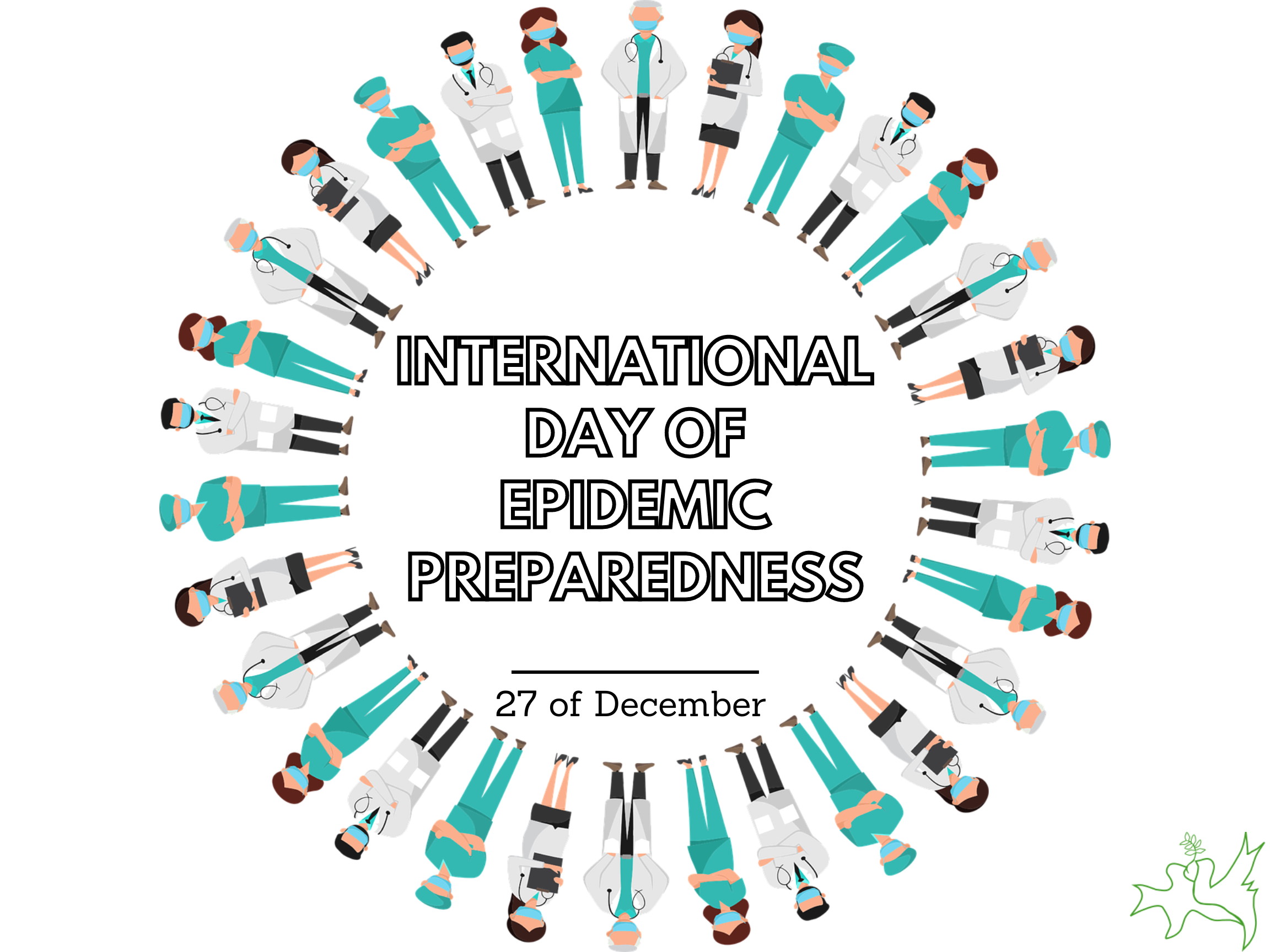
COVID-19 has devasted the world and has shown us how much of an impact this pandemic as well as that of major infectious diseases and epidemics has on human lives, wreaking havoc on long-term social and economic development. Global health crises threaten to overwhelm already overstretched health systems, disrupt global supply chains and cause disproportionate devastation of the livelihoods of people, including women and children, and the economies of the poorest and most vulnerable countries. There is an urgent need to have resilient and robust health systems, which can reach those who are vulnerable or in vulnerable situations. The first-ever International Day of Epidemic Preparedness was held on 27 December 2020.

In the event of the absence of international attention, future epidemics could surpass previous outbreaks in terms of intensity and gravity. It is important to strengthen epidemic prevention by applying lessons learned on epidemic management and how to prevent the stoppage of basic services. There is a great need of raising awareness, the exchange of information, scientific knowledge and best practices, quality education, and advocacy programmes on epidemics at the local, national, regional and global levels as effective measures to prevent and respond to epidemics. It is important to strengthen epidemic prevention by applying lessons learned on epidemic management and how to prevent the stoppage of basic services, and to raise the level of preparedness to have the earliest and most adequate response to any epidemic that may arise, and recognising also the value of an integrated One Health approach that fosters the integration of human health, animal health and plant health, as well as environmental and other relevant sectors.

International cooperation and multilateralism play an important role in the response to epidemics. The significance of partnership and solidarity among every individual, community, State, and regional and international organisation, in all stages of epidemic management, can’t be stressed enough, as well as the importance of considering a gender perspective in this regard.

Last month Singapore’s Ministry of Health officially launched a new research programme that aims to build up Singapore’s preparedness and response capabilities for future pandemics. The Programme for Research in Epidemic Preparedness and Response’s (PREPARE) immediate task will be to work closely with MOH to develop a national epidemic research and development plan. This dedicated research programme will help to bring together multi-disciplinary experts throughout the pandemic research ecosystem in a coordinated fashion and will also further strengthen Singapore’s existing capabilities by forming research networks as well as developing necessary tools, methods, and products to respond to future infectious disease outbreak threats. Internationally, the new programme will strengthen research partnerships, share information and knowledge, and collaborate in clinical trials with various institutions in the region.

The United Nations system, in particular the World Health Organization, plays a pivotal role in coordinating responses to epidemics, per its mandate, and in supporting national, regional and international efforts to prevent, mitigate and address the impacts of infectious diseases and epidemics under the goal of advancing the 2030 Agenda. There is a need to recognise the primary role and responsibility of Governments and the indispensable contribution of relevant stakeholders in tackling global health challenges, especially women, who make up the majority of the world’s health workers. Member states must commit to ensuring inclusive, equal and non-discriminatory participation, with special attention to those, who are vulnerable or in vulnerable situations with the highest chance of epidemic infection. There is an urgent need to have resilient and robust health systems, to reach those who are vulnerable or in vulnerable situations.

The theme for the 2022 International Day of Epidemic Preparedness is
International Mountains Day

Yesterday was the International Mountains Day. December 11 was designated as International Mountains Day by the United Nations General Assembly in 2003 which encouraged the international community to organize events at all levels on that day to highlight the importance of sustainable mountain development. FAO is the UN organisation mandated to lead the observance of International Mountain Day.

International Mountain Day has its roots in 1992 when the adoption of Chapter 13 of Agenda 21 or Managing Fragile Ecosystems: Sustainable Mountain Development at the United Nations Conference on Environment and Development put a milestone in the history of mountain development. The increasing attention to the importance of mountains led the UN General Assembly to declare 2002 the UN International Year of Mountains. The first international day was celebrated for the first time the following year, in 2003.

Mountains cover 27% of the earth’s surface and are home to 15% of the world´s population or 1.1 billion people, hosting about half of the world’s biodiversity hotspots. They provide fresh water for everyday life to half of humanity and their conservation is a key factor for sustainable development and is part of Goal 15 of the SDGs. More than half of humanity relies on mountain freshwater for everyday life and six of the 20 most important food crops originate in the mountains. Unfortunately, mountains are under threat from climate change and overexploitation. As the global climate continues to warm, mountain people — some of the world’s poorest — face even greater struggles to survive. The rising temperatures also mean that mountain glaciers are melting at unprecedented rates, affecting freshwater supplies downstream for millions of people. This problem affects us all. We must reduce our carbon footprint and take care of these natural treasures.

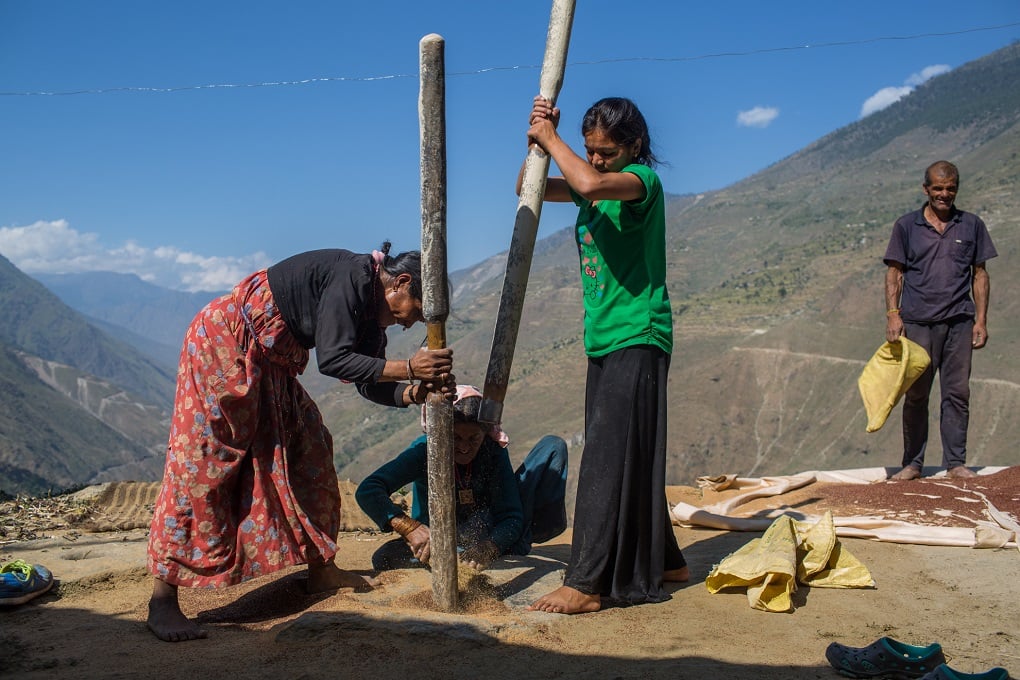
Women move mountains is the theme of this year’s International Mountain Day. Women play a key role in environmental protection and social and economic development in mountain areas. They are often the primary managers of mountain resources, guardians of biodiversity, keepers of traditional knowledge, custodians of local culture and experts in traditional medicine. Increasing climate variability, coupled with a lack of investment in mountain agriculture and rural development, has often pushed men to migrate elsewhere in search of alternative livelihoods. Women have therefore taken on many tasks formerly done by men, yet mountain women are often invisible due to a lack of decision-making power and unequal access to resources. As farmers, market sellers, businesswomen, artisans, entrepreneurs and community leaders, mountain women and girls, in particular in rural areas, have the potential to be major agents of change. When rural women have access to resources, services and opportunities, they become a driving force against hunger, malnutrition and rural poverty and are active in the development of mountain economies. To trigger real change towards sustainable development, it is important to engage in gender transformative change. International Mountain Day is an opportunity to raise awareness about the need to empower mountain women so they can participate more effectively in decision-making processes and have more control over productive resources. By sharing excellence, opportunities and capacity development in mountains, the Day can promote gender equality and therefore contribute to improving social justice, livelihoods and resilience.

International Human Rights Day

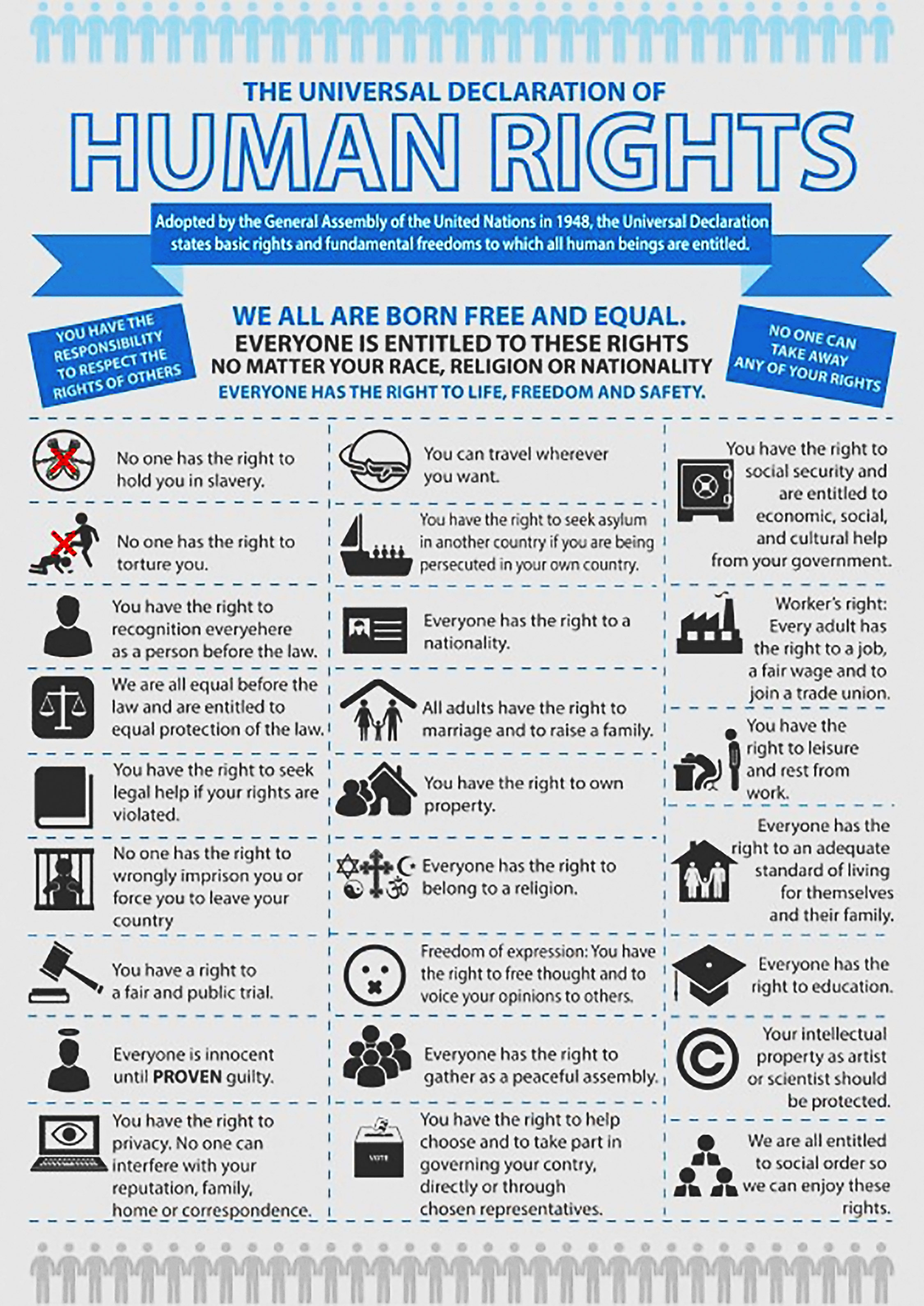
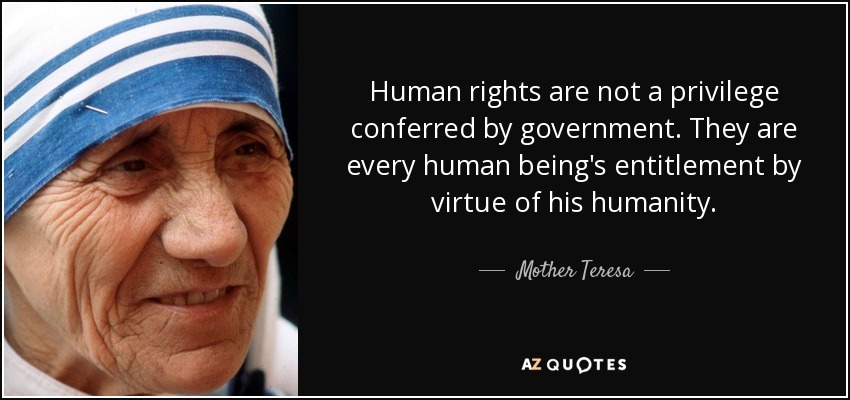
Human rights are basic rights that belong to all of us simply because we are human. They embody key values in our society and are an important means of protection for us all, especially those who may face abuse, neglect and isolation. Most importantly, these rights give us power and enable us to speak up and challenge the poor treatment from a public authority.

The Universal Declaration of Human Rights or UDHR is a milestone document in the history of human rights. Drafted by representatives with different legal and cultural backgrounds from all regions of the world, it set out, for the first time, the fundamental human rights to be universally protected. The power of the Universal Declaration is the power of ideas to change the world. It inspires us to continue working to ensure that all people can gain freedom, equality and dignity. The Declaration was adopted by the UN General Assembly in Paris on 10 December 1948 during its 183rd plenary meeting. The UDHR holds the world record as the most translated document except for the Bible.

The 75th anniversary of the Universal Declaration of Human Rights will be celebrated on 10 December 2023. During the 75th anniversary celebrations, the aim is to educate and increase global knowledge and awareness of the UDHR and its enduring relevance for our times and the future; promote attitude change by countering the increasing scepticism of, and rollbacks against human rights by establishing that human rights are never relative and must always be upheld as what unites all of humanity. It also empowers and mobilises by offering concrete knowledge and tools to help people better fight for their rights.

Human Rights Day is observed every year on 10 December and commemorates the day in 1948 the United Nations General Assembly adopted the Universal Declaration of Human Rights. The date was chosen to honour the United Nations General Assembly’s adoption and proclamation, on 10 December 1948, of the Universal Declaration of Human Rights or UDHR, the first global enunciation of human rights and one of the first major achievements of the new United Nations. The formal establishment of Human Rights Day occurred on 4 December 1950. It is also on this day that the five-yearly United Nations Prize in the Field of Human Rights and Nobel Peace Prizes are awarded. When adopted, the declaration was proclaimed as a common standard of achievement for all peoples and all nations, towards which individuals and societies should strive by progressive measures, national and international, to secure their universal and effective recognition and observance.

In the decades since the ratification of the UDHR, human rights have, in real terms, become more recognised and more guaranteed across the globe. The Universal Declaration of Human Rights sets out a broad range of fundamental rights and freedoms to which all of us are entitled. It guarantees the rights of every individual everywhere, without distinction based on nationality, place of residence, gender, national or ethnic origin, religion, language, or any other status.

Although the Declaration its broad range of political, civil, economic, social and cultural rights is not a binding document, it inspired more than 60 human rights instruments which together constitute an international standard of human rights. Today the general consent of all United Nations Member States on the basic Human Rights laid down in the Declaration makes it even stronger and emphasises the relevance of Human Rights in daily lives.

In South Africa, Human Rights Day is celebrated on 21 March, in remembrance of the Sharpeville massacre which took place on 21 March 1960. This massacre occurred as a result of protests against the Apartheid regime in South Africa. It is celebrated on 11 December in Kiribati.

Each year, Human Rights Day has a different theme. In 2021, the focus was on young people and how one is never too young to make a difference in the world. In 2022, Human Rights Day is focusing on how rights are the beginning of peace within societies, and a way to create a fairer society for future generations.

If you want to commemorate Human Rights Day, you can speak up for what you care about, volunteer or donate to an organisation or cause that you believe in, make sure you choose fair trade or ethically made products and gifts and listen to those who have stories to tell which you must share with others.

World Diabetes Day

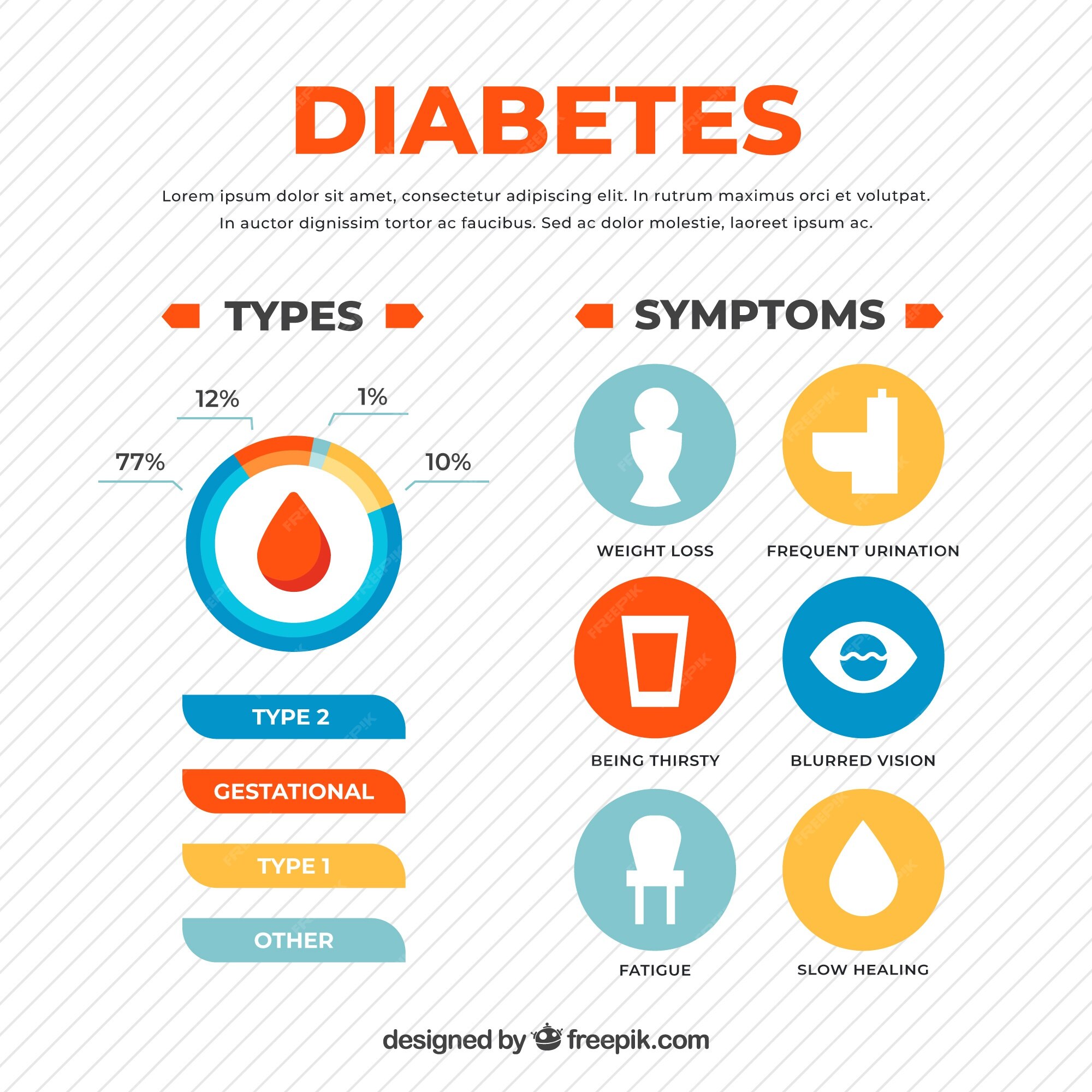
Also known as Diabetes Mellitus, diabetes, as it is popularly known, is a group of metabolic disorders characterised by a high blood sugar level or hyperglycemia over a prolonged period. Symptoms often include frequent urination, increased thirst and increased appetite. If left untreated, diabetes can cause many health complications, including diabetic ketoacidosis, hyperosmolar hyperglycemic state, or death. Serious long-term complications include cardiovascular disease, stroke, chronic kidney disease, foot ulcers, damage to the nerves, damage to the eyes, and cognitive impairment. Diabetes occurs when either the pancreas is not producing enough insulin or the cells of the body are not responding properly to the insulin produced. There are three main types of diabetes mellitus. Type 1 diabetes results from the failure of the pancreas to produce enough insulin due to the loss of beta cells and was previously referred to as insulin-dependent diabetes mellitus or juvenile diabetes and usually appears during childhood or adolescence, but can also develop in adults. Type 2 diabetes begins with insulin resistance, a condition in which cells fail to respond to insulin properly. As the disease progresses, a lack of insulin may also develop which was previously referred to as non-insulin-dependent diabetes mellitus or adult-onset diabetes. Though more common in older adults, a significant increase in the prevalence of obesity among children has led to more cases of type 2 diabetes in younger people. Gestational diabetes is the third main form and occurs when pregnant women without a previous history of diabetes develop high blood sugar levels and blood sugar usually returns to normal soon after delivery. However, women who had gestational diabetes during pregnancy have a higher risk of developing type 2 diabetes later in life.

The seventh leading cause of death globally, in 2021, approximately 537 million adults between the ages of 20 and 79 are living with diabetes with the total number of people living with the disease projected to rise to 643 million by 2030 and 783 million by 2045. 3 in 4 adults with diabetes live in low-and middle-income countries and almost 1 in 2 or 240 million adults living with diabetes are undiagnosed. The disease has caused 6.7 million deaths and at least US 966 billion dollars in health expenditure which is 9% of total spending on adults. More than 1.2 million children and adolescents between the ages of 0 and 19 are living with type 1 diabetes with 1 in 6 live births or 21 million affected by diabetes during pregnancy. 541 million adults are at increased risk of developing type 2 diabetes.

I have been a diabetic for about eight years now and so like to use this day to highlight this silent disease. Held annually on 14 November, the birthday of Sir Frederick Banting, who co-discovered insulin along with Charles Best in 1922, World Diabetes Day’s main focus is the global awareness campaign focusing on diabetes mellitus. World Diabetes Day was launched in 1991 by the International Diabetes Federation, IDF and the World Health Organization, WHO in response to the rapid rise of diabetes around the world. By 2016, World Diabetes Day was being commemorated by over 230 IDF member associations in more than 160 countries and territories. It became an official United Nations Day in 2006. The campaign is represented by a blue circle logo that is the global symbol for diabetes awareness. It signifies the unity of the global diabetes community in response to the diabetes epidemic.

Every year, the World Diabetes Day campaign focuses on a dedicated theme that runs for one or more years. The theme for World Diabetes Day for the years 2021 to 2023 is Access to Diabetes Care. Millions of people with diabetes around the world do not have access to diabetes care. People with diabetes require ongoing care and support to manage their condition and avoid complications. Medicine, technologies, support and care have to be made available to every diabetic that requires them. Governments have to increase investments in diabetes care and prevention. The rising number of people affected by diabetes is putting added strain on healthcare systems because it is the healthcare professionals who must know how to detect and diagnose the condition early and provide the best possible care. And simultaneously, people living with diabetes need access to ongoing education to understand their condition and carry out the daily self-care essential to staying healthy and avoiding complications.

2022 is also the centenary of the discovery of insulin. In May 1921, the experiments that would culminate in the synthesis of commercially available insulin first began in Toronto, Canada. Frederick Banting and Charles Best experimented on several diabetes-induced dogs with limited success. A breakthrough came when one of the dogs, named Marjorie by the Toronto team, survived for 70 days with injections of the pancreatic extract, or Isletin as the team were calling it. On January 23, 1922, the first successful injection of insulin was administered to a person living with diabetes.

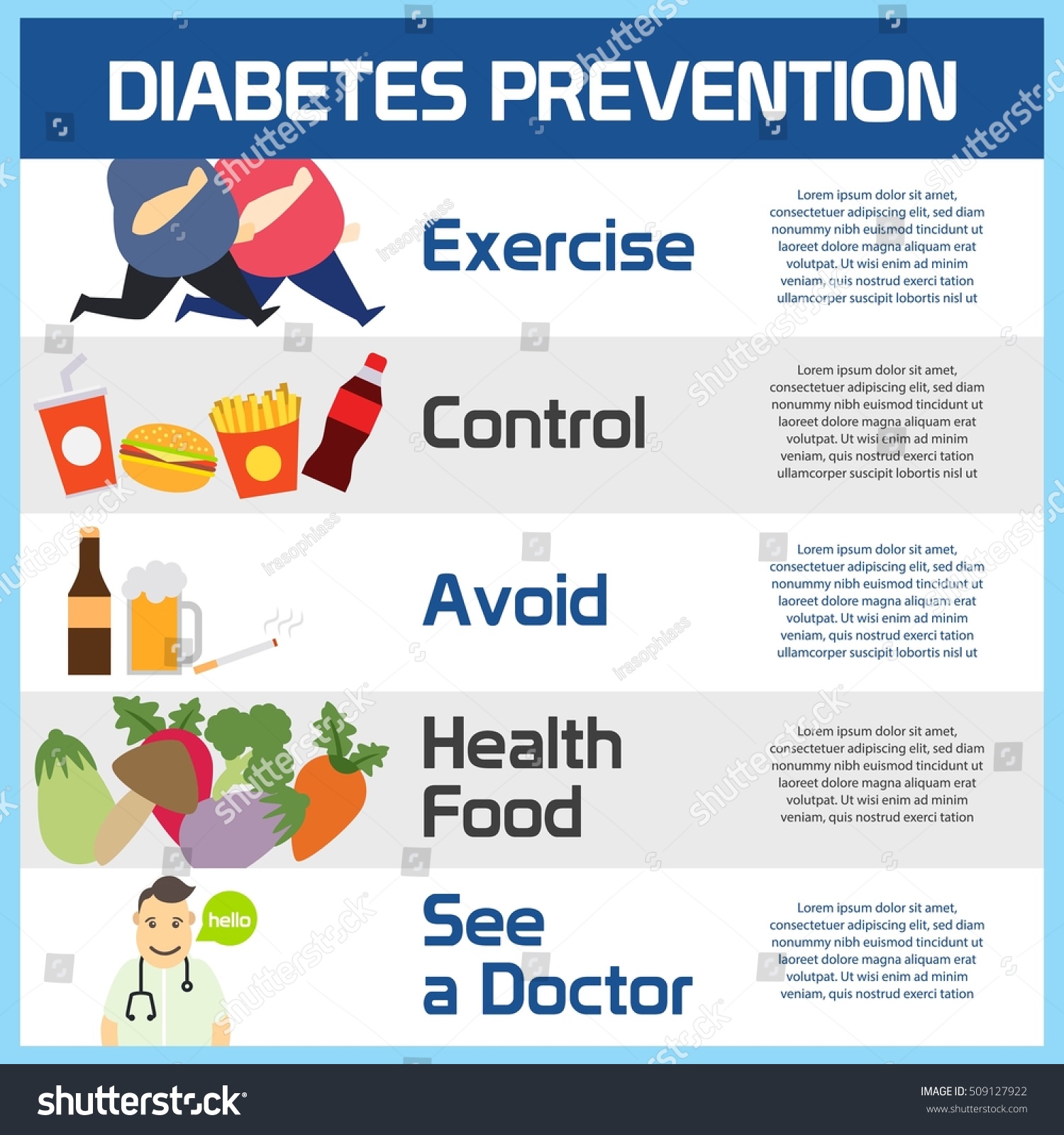
More people must know the importance of this condition and how they can recognise the signs and symptoms. This knowledge will allow individuals and entire families alike to support each other in their efforts to live healthier, diabetes-free lives. While some risk factors for developing diabetes cannot be changed, making healthy lifestyle choices can dramatically reduce a person’s chances of developing it. The key ways one can reduce the risk of developing diabetes include exercising 30 minutes or more, at least five days a week because exercise helps in losing weight, naturally lowers and maintains blood sugar levels, and boosts the body’s sensitivity to insulin, allowing the body to properly manage its blood sugar levels. It is also important to maintain a healthy weight because in many cases, being overweight or obese is the number one trigger that sets off the development of diabetes. One should also eat a healthy diet which includes plenty of fruits, vegetables, whole grains, nuts and seeds, as opposed to sugary drinks and snacks.

So get moving, eat healthily and stay healthy to beat diabetes, the silent killer.

World Statistics Day

Statistics is the discipline that concerns the collection, organization, analysis, interpretation, and presentation of data. In applying statistics to a scientific, industrial, or social problem, it is conventional, to begin with, a statistical population or a statistical model to be studied. Populations can be diverse groups of people or objects such as “all people living in a country” or “every atom composing a crystal”. Statistics deals with every aspect of data, including the planning of data collection in terms of the design of surveys and experiments. When census data cannot be collected, statisticians collect data by developing specific experiment designs and survey samples. Representative sampling assures that inferences and conclusions can reasonably extend from the sample to the population as a whole. An experimental study involves taking measurements of the system under study, manipulating the system, and then taking additional measurements using the same procedure to determine if the manipulation has modified the values of the measurements. In contrast, an observational study does not involve experimental manipulation.

Two main statistical methods are used in data analysis: descriptive statistics, which summarize data from a sample using indexes such as the mean or standard deviation, and inferential statistics, which conclude data that are subject to random variation like observational errors and sampling variation. Descriptive statistics are most often concerned with two sets of properties of a distribution like a sample or a population. The central tendency or location seeks to characterise the distribution’s central or typical value, while dispersion or variability characterises the extent to which members of the distribution depart from its centre and each other. Inferences in mathematical statistics are made under the framework of probability theory, which deals with the analysis of random phenomena.

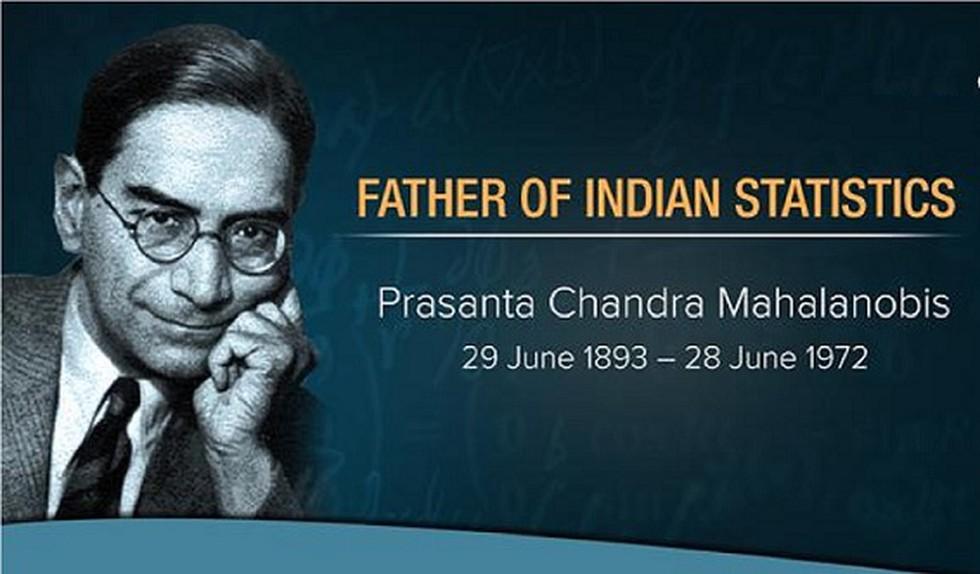
Celebrated every five years, World Statistics Day is an international day to celebrate statistics created by the United Nations Statistical Commission and was first celebrated on 20 October 2010. The day is celebrated in more than 103 countries worldwide, including 51 African countries that jointly celebrate African Statistics Day annually on 18 November. India celebrates its statistics day on 29 June, the birthday of the statistician Prasanta Chandra Mahalanobis.

Statistics are fundamental for evidence-based policymaking. Current, reliable, timely and trusted data help us to understand the changing world in which we live and to drive the transformations that are needed, leaving no one behind. The coronavirus pandemic has further elevated the importance of data to save lives and recover better. Applying statistics to larger groups of data gives a general overview of issues, including scientific, industrial, or social problems.

World Statistics Day is an opportunity to recognise statisticians worldwide who work to provide reliable data, adhere to the Fundamental Principles of Official Statistics, and build more resilient and insightful data ecosystems. The day aims to show that good data and statistics are indispensable for informed decision-making by all actors in society.

Statistics are important to make sure everyone is counted, especially the poorest and vulnerable so that each child’s birth gets does not go unregistered and no incidence of disease, no matter how remote the location, shall remain unrecorded. Local statistics ensure that every child has access to education and so global statistics are needed to monitor the overall effects of climate change.

In India, National Statistics Day is celebrated annually on June 29 which is the birth anniversary of the late Professor Prasanta Chandra Mahalanobis to mark his contribution in the fields of statistics and economic planning. A noted Indian scientist and applied statistician, Professor Prasanta Chandra Mahalanobis introduced the Mahalanobis distance, a statistical measure, and random sampling. He was also one of the members of the first Planning Commission of India and played a key role in shaping the first 5-year plan. He was also instrumental in designing the way surveys are conducted today and introduced the concept of pilot surveys and advocated the importance of sampling methods. Professor Mahalanobis also established the National Statistical Institute (ISI) in 1950, which also housed a Statistical Laboratory.

National Statistics Day Day is celebrated to create public awareness, especially in the younger generation who can for drawing inspiration from him about the role and importance of statistics in socio-economic planning and policy formulation. The day is celebrated by holding seminars, discussions, and competitions to highlight the importance of official statistics in national development. National Statistics Day has a theme every year and the theme for Statistics Day 2022 was Data for Sustainable Development.