International Day of Education

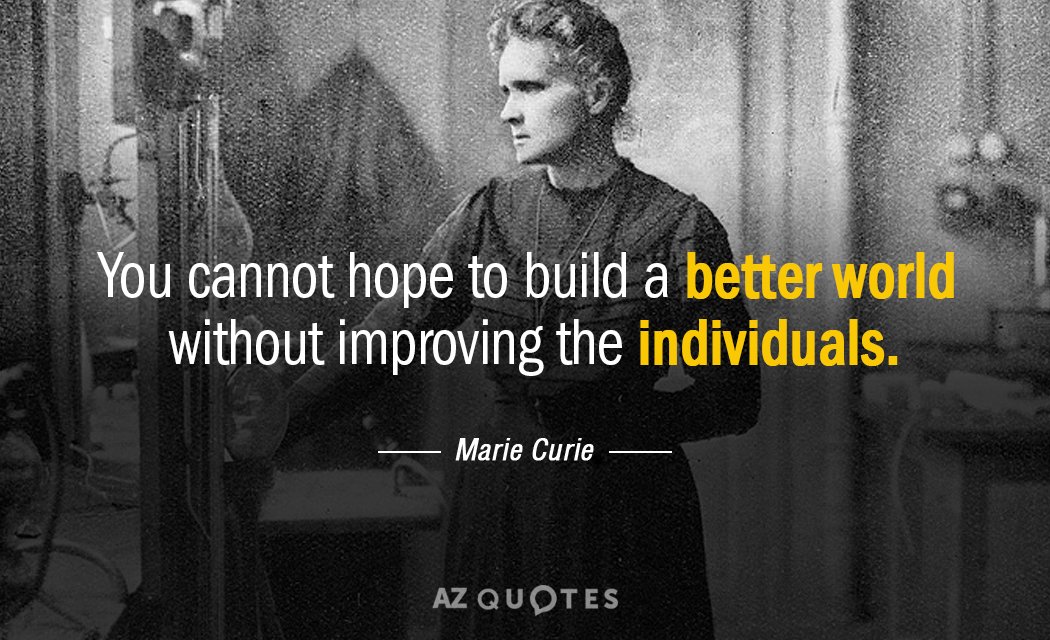
Education is the most powerful weapon which you can use to change the world — Nelson Mandela

Education is not just a privilege; it’s a fundamental human right and a foundation for peace and development. Every year, the world comes together on January 24 to celebrate the International Day of Education. This day is a reminder of the power of education to transform lives, strengthen communities, and promote equity across generations. In 2025, the focus of the International Day of Education is set on a critical issue of our time: “Fostering Digital Literacy for All.” As digital technology increasingly shapes every facet of our lives, the emphasis on digital literacy reflects the need to equip individuals worldwide with the skills they need to thrive in a connected world.

The International Day of Education was established in 2018 by the United Nations General Assembly in recognition of education’s role in promoting global peace and sustainable development. Education is enshrined in Article 26 of the Universal Declaration of Human Rights, which calls for free and compulsory elementary education for all. The UN’s Sustainable Development Goal 4 (SDG 4) specifically seeks to “ensure inclusive and equitable quality education and promote lifelong learning opportunities for all” by 2030.

The UN dedicated January 24 as a day to emphasise education’s impact on economic growth, poverty alleviation, gender equality, and social mobility. It calls on governments, civil society, educators, and citizens worldwide to recognize and act on the critical role of education in solving some of the world’s greatest challenges. By shining a spotlight on education, the UN aims to drive attention and resources toward ensuring that everyone has access to quality education, regardless of where they live or their socioeconomic status.

Each year, the International Day of Education adopts a new theme that highlights a pressing global education issue. These themes reflect emerging challenges and underscore education’s vital role in addressing them. For instance, in 2021, amid the COVID-19 pandemic, the theme was Recover and Revitalize Education for the COVID-19 Generation, which focused on restoring learning opportunities disrupted by the pandemic. In 2022, the theme Changing Course, Transforming Education highlighted the need for innovation in education to keep pace with a rapidly changing world. These themes provide a framework for international organisations, policymakers, educators, and advocates to focus their efforts, raise awareness, and implement changes in educational policies and practices that align with global needs. The day serves as a global rallying call to prioritise education at all levels, address inequalities, and close the gaps in access, quality, and inclusivity in education systems worldwide. By raising awareness, the day encourages nations to make policy commitments, increase funding for education, and work towards equitable, high-quality education for all.

Education is central to the achievement of many of the UN’s Sustainable Development Goals (SDGs). In particular, SDG 4 aims to ensure inclusive and equitable quality education, which supports several other goals such as reducing poverty, achieving gender equality, and promoting decent work. Through initiatives linked to the International Day of Education, communities worldwide are empowered to take concrete steps toward these objectives. The celebration has inspired countries and organisations worldwide to take action. For instance, in some regions, governments have used the day to announce new educational initiatives, while NGOs have leveraged the platform to secure funding for education projects. These examples demonstrate the day’s potential as a catalyst for real change, mobilizing support for increased educational access and improvements across the globe.

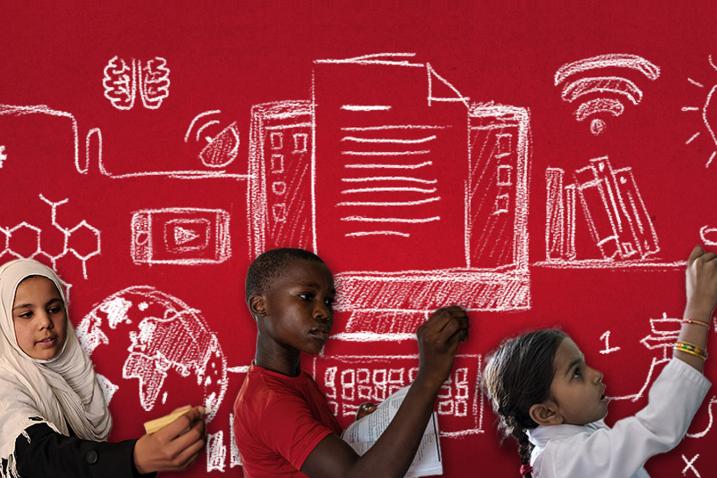
In today’s digital era, literacy is no longer limited to reading, writing, and arithmetic. Digital literacy has become essential for participating fully in society, accessing economic opportunities, and engaging in lifelong learning. In 2025, the theme “Fostering Digital Literacy for All” addresses the pressing need to bridge the digital divide and equip people worldwide with the digital skills necessary to thrive in an increasingly digital world.

Digital literacy includes skills that allow individuals to use digital devices, communicate online, and critically evaluate digital content. It’s essential for success in the modern workforce, where most jobs require some level of digital proficiency. Moreover, digital literacy empowers individuals to access valuable information, navigate online services, and engage with society safely and responsibly. This is especially important in a post-pandemic world where education, work, and social interactions increasingly rely on digital platforms. The focus on digital literacy aligns with SDG 4’s goal of promoting equitable education, as it seeks to ensure that everyone, regardless of location or economic status, can gain the skills they need to engage in and benefit from the digital economy.

UNESCO, along with organizations such as UNICEF and the International Telecommunication Union (ITU), has been at the forefront of promoting digital literacy. Through initiatives like the Global Education Coalition, UNESCO partners with governments, private sector companies, and non-profits to provide digital learning resources, improve connectivity, and ensure that students and teachers in underserved regions have access to the tools they need for digital learning.

Some innovative initiatives have made significant strides in advancing digital literacy. For instance, in certain rural areas, mobile tech schools provide digital devices and internet access to students who lack these resources at home. In parts of Africa, mobile learning platforms bring educational content to students via cell phones, allowing for flexible learning in areas with limited internet connectivity. Government programs in countries like India have launched digital literacy campaigns that train adults and young people alike in essential digital skills. These programs highlight the transformative potential of digital literacy and serve as models that can be adapted and implemented worldwide.

While the benefits of digital literacy are clear, achieving universal digital literacy remains challenging due to barriers related to infrastructure, teacher training, and economic disparities. In many developing countries, access to digital devices and reliable internet remains limited. For digital literacy to become a reality, infrastructure investments are crucial. Expanding internet access to remote areas, providing affordable devices, and creating digital hubs in underserved communities are essential steps toward bridging the digital divide. Teachers play a vital role in imparting digital skills. However, many educators lack the necessary training to incorporate digital literacy into their lessons effectively. Ensuring that teachers are equipped with both digital skills and teaching strategies for digital literacy is essential for preparing students for a digital future.

Socioeconomic factors also play a major role in access to digital resources. Families with limited financial means may struggle to afford internet access or digital devices for their children. Addressing these disparities requires policy interventions and funding that prioritize affordable access to technology for all. Digital literacy cannot be achieved by governments alone. Collaboration with the private sector, community organizations, and local governments is essential. Many tech companies, for example, partner with schools to donate devices, offer training programs, and fund digital literacy initiatives. Community organizations also play a significant role by providing free or low-cost digital training programs, creating community tech hubs, and offering mentorship to individuals in need. For instance, in countries with limited educational resources, corporations like Google and Microsoft have partnered with local schools to provide teacher training in digital tools. Community-based initiatives, such as public internet hubs and volunteer-led tech literacy workshops, further contribute to building digital skills in underserved areas. Such collaborations demonstrate how partnerships can help make digital literacy accessible to all.

Anyone can support the cause of digital literacy. Individuals can volunteer with local literacy programs, mentor students in digital skills, or donate digital devices to schools and community centers. Raising awareness through social media or community outreach can also help amplify the need for digital literacy. Schools, non-profits, and companies can contribute by launching digital literacy programs, donating resources, or partnering with government agencies to expand access to digital education. Advocacy for policies that support digital literacy as a core educational component can also create lasting change.

The 2025 International Day of Education theme emphasises that digital skills are not a luxury but a necessity. For individuals to thrive in today’s world, they need to understand and utilise digital tools responsibly and effectively. Ensuring that everyone has access to digital literacy is essential for promoting equality, economic opportunity, and social inclusion. By supporting initiatives that promote digital literacy, each of us can contribute to a future where everyone has the skills they need to succeed in a digital world.

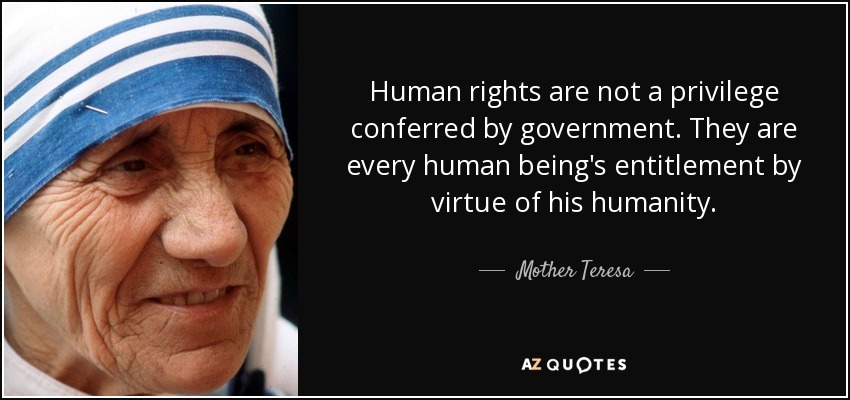
Human Rights Day

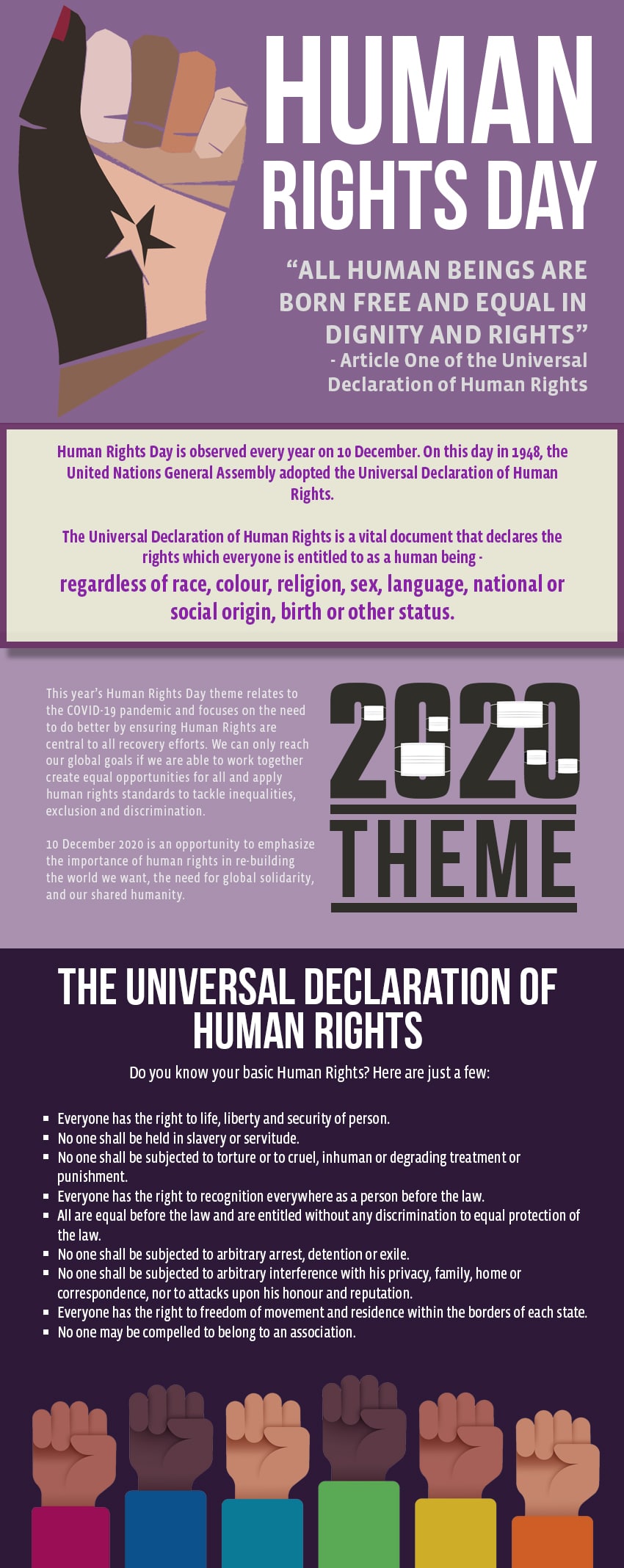
Held annually on December 10th to commemorate the adoption of the Universal Declaration of Human Rights (UDHR) by the United Nations General Assembly in 1948, Human Rights Day was established to mark the adoption of the landmark document, drafted in the aftermath of World War II, set out for the first time the fundamental human rights to be universally protected.

The horrors of World War II, including the Holocaust and other atrocities, highlighted the need for a universal framework to protect human rights. The Universal Declaration of Human Rights set out, for the first time, fundamental human rights to be universally protected.

The UDHR consists of 30 articles affirming an individual’s rights. These include the right to life, liberty, and security of person; freedom from torture and degrading treatment; the right to equality before the law; freedom of belief and religion; freedom of opinion and expression; the right to work and education; and the right to health and well-being. The declaration has been translated into over 500 languages, making it the most translated document in the world.

Human Rights Day serves several important purposes. The day helps educate the public about human rights issues and challenges around the world. It provides a platform for human rights advocates to push for policy changes and improved protections. Human Rights Day celebrates the progress made in advancing human rights globally. It encourages reflection on the state of human rights and areas where improvement is needed. The day unites people worldwide in the cause of promoting and protecting human rights.

Understanding the current state of human rights globally provides context for the importance of Human Rights Day. While progress has been made since the adoption of the UDHR, significant challenges remain. Many countries still struggle with issues such as freedom of expression, assembly, and fair trials. Poverty, lack of access to education and healthcare, and cultural discrimination persist in many parts of the world. Gender inequality, violence against women, and discrimination continue to be global issues. Child labour, lack of access to education, and child marriage remain significant problems in many regions. Many countries still criminalise same-sex relationships, and discrimination against LGBTQ+ individuals is widespread. The global refugee crisis and treatment of migrants continue to pose human rights challenges. Indigenous peoples often face discrimination and struggle to protect their lands and cultures. Issues of privacy, surveillance, and online freedom of expression are growing concerns. Climate change and environmental degradation increasingly impact human rights, particularly for vulnerable populations.

The United Nations plays a crucial role in promoting and protecting human rights globally. Established in 1993, the Office of the High Commissioner for Human Rights (OHCHR) is the leading UN entity on human rights. It supports the work of UN human rights mechanisms, including the Human Rights Council and the core treaty bodies. Created in 2006, the Human Rights Council is an inter-governmental body responsible for strengthening the promotion and protection of human rights around the world.

Despite progress, numerous challenges to human rights persist globally. The rise of authoritarian regimes in various parts of the world threatens civil and political rights. Economic inequality continues to undermine social and economic rights. Various forms of discrimination based on race, gender, sexual orientation, and other factors persist. Ongoing conflicts in various regions lead to severe human rights violations. Environmental degradation and climate change increasingly impact human rights, particularly for vulnerable populations. The misuse of technology for surveillance and control threatens privacy and freedom of expression. The spread of misinformation and hate speech online poses challenges to human rights. The COVID-19 pandemic has highlighted and exacerbated existing human rights issues.

Human rights education is crucial for creating a culture that respects and promotes human rights. These include integrating human rights education into school curricula at all levels, providing human rights training for professionals such as law enforcement officers, healthcare workers, and educators, conducting campaigns to educate the general public about human rights, implementing community-based programs that promote human rights awareness and activism, and developing and disseminating online resources for human rights education.

Human Rights Day serves as a powerful reminder of the universal values enshrined in the Universal Declaration of Human Rights and the ongoing struggle to realise these rights for all people. As we face complex global challenges, from climate change to technological disruption, the principles outlined in the Universal Declaration of Human Rights remain as relevant as ever. Human Rights Day reminds us that respect for human dignity, equality, and justice must be at the core of our responses to these challenges. By promoting human rights education, supporting civil society organizations, engaging businesses in human rights responsibilities, and leveraging technology for positive change, we can work towards a world where the rights of all individuals are respected and protected.

Human Rights Day is not just a day of commemoration, but a call to action. It challenges each of us to stand up for our rights and the rights of others, to speak out against injustice, and to work towards a world where the principles of the Universal Declaration of Human Rights are realized for everyone, everywhere.

International Day of Persons with Disabilities

International Day of Persons with Disabilities is a globally recognized observance dedicated to promoting the rights and well-being of persons with disabilities. The day was established by the United Nations General Assembly in 1992 to promote understanding of disability issues and mobilise support for the dignity, rights, and well-being of persons with disabilities. It also aims to increase awareness of the benefits of integrating persons with disabilities in every aspect of political, social, economic, and cultural life. The date chosen for this observance, December 3rd, holds no specific historical significance.

The establishment of IDPD in 1992 came at a time when disability rights were gaining increased attention on the global stage. This period saw a shift in how disability was perceived, moving from a medical model that focused on individual impairments to a social model that emphasised societal barriers and discrimination.

The International Day of Persons with Disabilities serves several important purposes. The day helps educate the public about disability issues, challenges stereotypes and promoting understanding. It provides a platform for disability rights advocates to push for policy changes and improved accessibility. IDPD celebrates the achievements and contributions of persons with disabilities to society and emphasises the importance of creating an inclusive society where persons with disabilities can participate fully and unites governments, organisations, and individuals worldwide in promoting disability rights.

The theme for International Day of Persons with Disabilities 2024 is “Transformative Solutions for Inclusive Development: The Role of Innovation in Fuelling an Accessible and Equitable World”. This theme emphasises the importance of innovation in creating a more inclusive and equitable world for people with disabilities. It focuses on several key areas, including technological innovation, which explores how new technologies can improve accessibility and independence for persons with disabilities, social innovation, which includes developing new approaches to social inclusion and community participation, policy innovation, which encourages innovative policies and legislation that promote disability rights and inclusion, and economic innovation, which creates new opportunities for economic empowerment and employment for persons with disabilities.

The theme aligns with the broader goals of the United Nations’ 2030 Agenda for Sustainable Development, which pledges to “leave no one behind.” It emphasises that innovation is crucial for achieving the Sustainable Development Goals (SDGs) in a way that is inclusive of people with disabilities.

To fully appreciate the importance of IDPD, it’s crucial to understand what disability means and the various types of disabilities that exist. The World Health Organisation or WHO, defines disability as an umbrella term, covering impairments, activity limitations, and participation restrictions. An impairment is a problem in body function or structure; an activity limitation is a difficulty encountered by an individual in executing a task or action; and a participation restriction is a problem experienced by an individual in involvement in life situations.

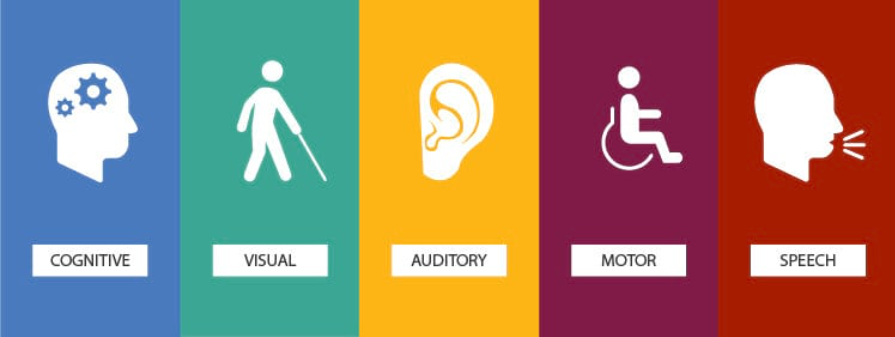
Disabilities can be broadly categorised into several types. Physical disabilities affect a person’s mobility or dexterity. Examples include spinal cord injuries, muscular dystrophy, and amputations. Sensory disabilities affect one or more senses. They include visual impairments, hearing impairments, and sensory processing disorders. Intellectual disabilities affect a person’s ability to learn at an expected level and function in daily life. Down syndrome is an example. Psychiatric disabilities include mental health conditions such as depression, anxiety disorders, and schizophrenia. Neurological disabilities affect the nervous system. Examples include epilepsy, multiple sclerosis, and Parkinson’s disease. Learning disabilities are those that affect a person’s ability to interpret what they see and hear or to link information from different parts of the brain. Dyslexia is an example. Lastly, invisible disabilities are not immediately apparent but can significantly impact a person’s life. They include chronic pain conditions and some mental health disorders. It’s important to note that many people may experience multiple disabilities, and the impact of a disability can vary greatly from person to person.

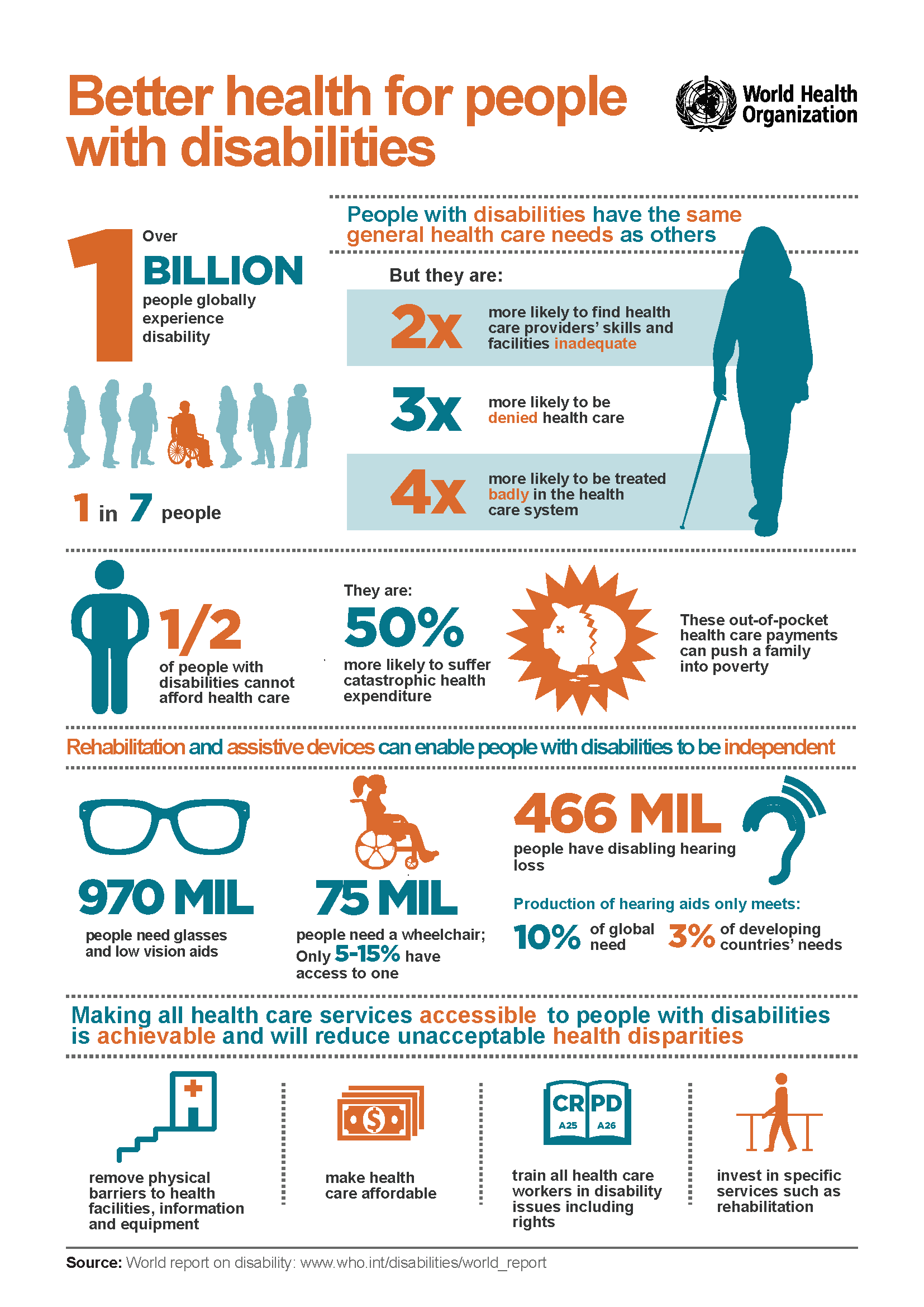
Understanding the scale of disability worldwide helps to contextualise the importance of IDPD. According to the World Health Organization, over 1 billion people, or about 15% of the world’s population, live with some form of disability, between 110-190 million adults have significant difficulties in functioning and the rates of disability are increasing due to an ageing population and increases in chronic health conditions. Persons with disabilities are more likely to experience adverse socioeconomic outcomes such as less education, poorer health outcomes, lower levels of employment, and higher poverty rates. These statistics underscore the need for continued efforts to promote disability rights and inclusion, which IDPD helps to spotlight.

The United Nations has played a crucial role in advancing disability rights globally. Key UN initiatives include the Convention on the Rights of Persons with Disabilities (CRPD), adopted in 2006. The CRPD is an international human rights treaty intended to protect the rights and dignity of persons with disabilities. It promotes, protects, and ensures the full enjoyment of human rights by persons with disabilities and ensures that they enjoy full equality under the law.

The United Nations Disability Inclusion Strategy was launched in June 2019 and provides the foundation for sustainable and transformative progress on disability inclusion through all pillars of the work of the United Nations. It seeks to raise the UN’s standards and performance on disability inclusion across its programs and operations.

The 2030 Agenda for Sustainable Development pledges to “leave no one behind,” including people with disabilities. Several SDGs explicitly reference disability, including those related to education, employment, inequality reduction, and sustainable cities].

Despite progress in disability rights, people with disabilities continue to face numerous challenges. Negative attitudes and misconceptions about disability persist in many societies. Inaccessible buildings, transportation, and public spaces limit participation and independence. Lack of accessible information and communication technologies can exclude persons with disabilities from various aspects of life. Many children with disabilities do not have access to inclusive education. Persons with disabilities often face higher unemployment rates and lower wages. Persons with disabilities may face barriers in accessing quality healthcare. There’s a strong link between disability and poverty, with each potentially leading to or exacerbating the other. Persons with disabilities may face barriers to voting or running for office. IDPD helps to highlight these challenges and promote solutions.

Some innovative approaches to disability inclusion may include advanced prosthetics, screen readers, speech recognition software, and other technologies enhancing independence and accessibility. A universal design approach to create products, environments, and systems that are usable by all people to the greatest extent possible without adaptation. Inclusive Education Technologies including digital learning platforms with built-in accessibility features making education more inclusive. Smart Cities with urban planning that incorporates accessibility from the ground up, including smart traffic systems and accessible public transportation. AI is used to develop more sophisticated assistive devices and to improve accessibility in digital spaces with these technologies used for rehabilitation, skills training, and to create more inclusive experiences. Innovative approaches to flexible working, job carving, and supported employment are opening up new opportunities and disability-led innovation where persons with disabilities lead innovation efforts, ensuring solutions meet real needs.

Governments play a crucial role in promoting disability rights and inclusion. Key areas of focus include enacting and enforcing laws that protect the rights of persons with disabilities, such as anti-discrimination legislation; developing and implementing standards for physical and digital accessibility; promoting inclusive education systems that accommodate students with diverse needs; implementing policies to increase employment opportunities for persons with disabilities, such as quota systems or tax incentives for employers; ensuring healthcare systems are accessible and meet the specific needs of persons with disabilities; providing adequate social protection measures for persons with disabilities; improving disability data collection to inform policy-making; and popularising government-led campaigns to raise public awareness about disability issues.

The International Day of Persons with Disabilities serves as a powerful reminder of the ongoing need to promote the rights and well-being of persons with disabilities. Today it’s clear that innovation will play a crucial role in creating a more accessible and equitable world. However, technology alone is not enough. True inclusion requires a shift in societal attitudes, robust policy frameworks, and the active participation of persons with disabilities in all aspects of life. IDPD provides an annual opportunity to reflect on progress made, challenges remaining, and to renew our commitment to building a world that values and includes all its diverse members.

It’s crucial to remember that disability rights are human rights. By working together, governments, civil society, the private sector, and individuals can create a world where all people, regardless of ability, can fully participate and contribute to society. This is not just beneficial for people with disabilities but for society as a whole.

World Children’s Day

Celebrated annually on November 20, World Children’s Day is dedicated to promoting children’s rights and welfare worldwide. Established as Universal Children’s Day in 1954 by the United Nations General Assembly, the day was created to promote international togetherness, and awareness among children worldwide, and improve children’s welfare. November 20th was chosen to commemorate two important milestones in advancing children’s rights.

On November 20, 1959, the UN General Assembly adopted the Declaration of the Rights of the Child. This landmark document outlined the fundamental rights of children, emphasising their need for special protection and care. Exactly 30 years later, on November 20, 1989, the UN General Assembly adopted the Convention on the Rights of the Child (CRC). This set out children’s civil, political, economic, social, and cultural rights and has been ratified by 196 countries, making it the most widely ratified human rights treaty in history.

Over the years, World Children’s Day has evolved to become a platform for advocating children’s rights and addressing the challenges they face. It serves as a reminder of the commitments made by countries to uphold the rights of children and ensure their well-being. The day helps raise awareness about the rights of children and the importance of ensuring their well-being. It highlights issues such as child labour, child abuse, and lack of access to education and healthcare. World Children’s Day emphasises the importance of protecting and promoting children’s rights as outlined in the CRC. It encourages governments, organisations, and individuals to take action to uphold these rights. The day encourages children to participate in discussions and decision-making processes that affect their lives. It empowers them to voice their opinions and be active agents of change. World Children’s Day fosters a sense of global solidarity and cooperation in addressing the challenges faced by children. It brings together various stakeholders, including governments, NGOs, and communities, to work towards a common goal.

The theme for World Children’s Day 2024 is “A Better Future for Every Child.” This theme underscores the importance of creating a world where every child can thrive, regardless of background or circumstances. It focuses on several key areas, including ensuring access to quality education for all children, including marginalised and vulnerable groups; promoting access to healthcare services, proper nutrition, and a healthy environment for children; safeguarding children from violence, exploitation, and abuse; encouraging children’s participation in decision-making processes that affect their lives; and addressing inequalities and ensuring that every child, regardless of their socio-economic status, gender, or ethnicity, has equal opportunities to succeed.

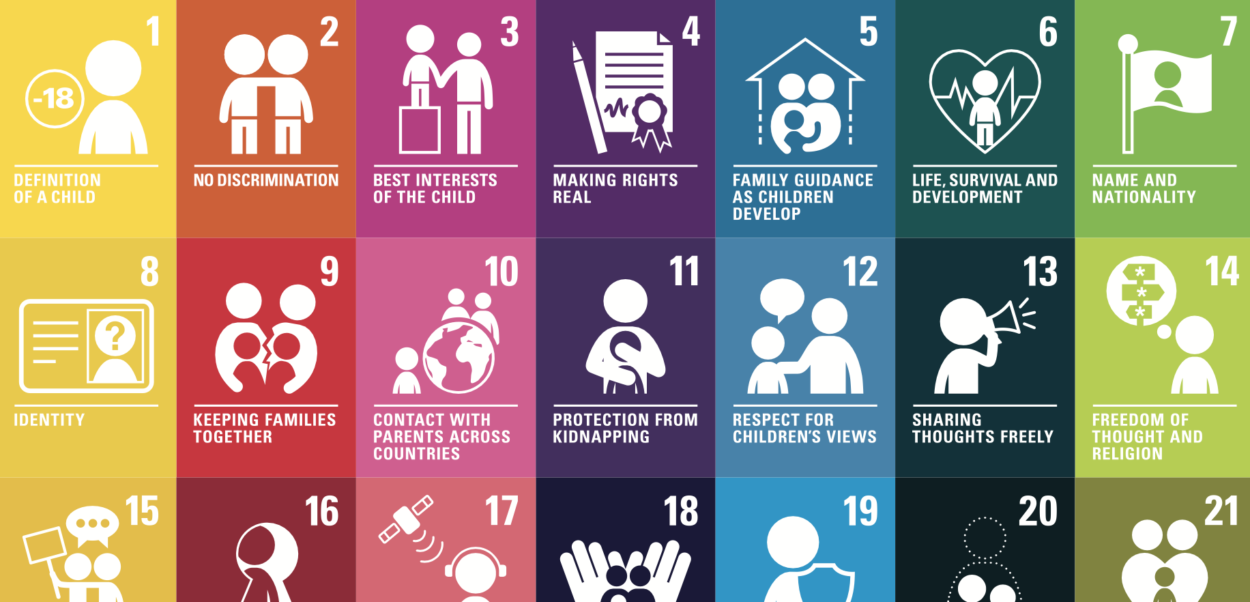
To fully appreciate the importance of World Children’s Day, it’s crucial to understand the rights of children as outlined in the CRC. The Convention on the Rights of the Child includes 54 articles that cover various aspects of children’s rights.

Some of the key rights include the Right to Life, Survival, and Development where every child has the inherent right to life, and governments must ensure their survival and development. The Right to Education is one where every child has the right to free primary education, and access to secondary and higher education should be available to all while under the Right to Health, children must have the right to the highest attainable standard of health and access to healthcare services. Under the Right to Protection from Abuse and Exploitation, children must be protected from all forms of physical or mental violence, injury, abuse, neglect, and exploitation and children have the right to express their views freely in all matters affecting them and to have their opinions taken into account under the Right to Participation.

Despite significant progress in promoting children’s rights, many challenges remain. Some of the key issues affecting children worldwide include:

  • Child Labour: Millions of children are engaged in child labour, often in hazardous conditions, depriving them of their right to education and a safe childhood.
  • Child Marriage: Child marriage remains prevalent in many parts of the world, leading to negative health, education, and economic outcomes for girls.
  • Lack of Access to Education: Many children, particularly in low-income countries, lack access to quality education due to factors such as poverty, conflict, and discrimination.
  • Malnutrition: Malnutrition remains a significant issue, affecting children’s physical and cognitive development and increasing their vulnerability to diseases.
  • Violence and Exploitation: Children continue to face various forms of violence, including physical, sexual, and emotional abuse, as well as exploitation in the form of trafficking and forced labor.

Governments and organisations play a crucial role in promoting and protecting children’s rights. World Children’s Day highlights their responsibilities and encourages them to take action. Governments must develop and implement policies that uphold children’s rights and address the challenges they face. Adequate resources must be allocated to programs and services that support children’s health, education, and protection. Governments and organisations should collaborate with various stakeholders, including NGOs, communities, and the private sector, to create a supportive environment for children. Effective monitoring and accountability mechanisms should be in place to ensure that children’s rights are upheld and that progress is made towards achieving the goals set out in the CRC.

Children and youth are not just passive recipients of rights; they are active agents of change. World Children’s Day encourages their participation and empowers them to take action. Children and youth must be encouraged to advocate for their rights and the rights of their peers. Organisations and governments must provide platforms for them to voice their opinions and participate in decision-making processes. Peer education programmes must be supported where children and youth can educate each other about their rights and how to protect them. Youth-led initiatives that address issues affecting children and contribute to their well-being must be promoted and supported. Mentorship programmes that connect children and youth with positive role models who can guide and support themmust be developed.

World Children’s Day has had a significant impact on promoting children’s rights and improving their well-being. The day has successfully raised awareness about children’s rights and the challenges they face, leading to greater public support and action. Advocacy efforts on World Children’s Day have contributed to policy changes and the implementation of laws that protect children’s rights. Initiatives launched on World Children’s Day have helped improve access to education for marginalised and vulnerable children. Programmes and campaigns have strengthened child protection systems, reducing the incidence of violence, exploitation, and abuse. The day has empowered children and youth to take an active role in advocating for their rights and contributing to positive change in their communities.

While significant progress has been made, there is still much work to be done to ensure that every child can enjoy their rights and reach their full potential. World Children’s Day highlights the importance of promoting and protecting children’s rights. The day serves as a reminder of the commitments made by countries to uphold the rights of children and the importance of collective action in achieving this goal. By raising awareness, advocating for change, and supporting initiatives that benefit children, we can create a world where every child can thrive and reach their full potential.

World Diabetes Day

World Diabetes Day is an annual global health awareness campaign observed on November 14th. The day was established in 1991 by the International Diabetes Federation (IDF) and the World Health Organization (WHO) in response to the rapidly increasing prevalence of diabetes worldwide. The date, November 14th, was chosen to honour the birthday of Sir Frederick Banting, who, along with Charles Best, first conceived the idea that led to the discovery of insulin in 1922.

The day gained official recognition as a United Nations Day in 2006 with a resolution that acknowledged diabetes as a chronic, debilitating, and costly disease associated with severe complications that pose a significant threat to families, countries, and the entire world. Since its inception, World Diabetes Day has grown into a global campaign reaching millions of people in over 160 countries. It serves as a platform for diabetes awareness and advocacy, uniting the global diabetes community in a collective effort to address the growing diabetes epidemic.

World Diabetes Day plays a crucial role in raising awareness by helping educate the public about diabetes, its risk factors, symptoms, and complications; by encouraging people to get tested, it supports early detection and intervention; the day advocates for better care and pushes for improved access to quality diabetes care and treatment options; it highlights the importance of ongoing research in diabetes prevention and management; and fosters community support by bringing together individuals, healthcare professionals, and organisations to support those affected by diabetes.

The theme for World Diabetes Day from 2024 to 2026 will be ‘Diabetes and Well-being’. This theme will focus on three key aspects between 2024 and 2026 – physical well-being, societal well-being, and mental well-being. The choice of this theme reflects a holistic approach to diabetes management, recognising that diabetes affects not only physical health but also mental and social well-being. By addressing these interconnected aspects, the campaign aims to improve the overall quality of life for people living with diabetes.

To fully appreciate the importance of World Diabetes Day, it’s crucial to understand the nature of diabetes and its impact on global health. There are two main types of diabetes: Type 1 diabetes is an autoimmune condition where the body doesn’t produce insulin. It’s not preventable and requires daily insulin administration. Type 2 diabetes results from the body’s ineffective use of insulin. It’s often associated with physical inactivity and excess body weight, and in many cases, it’s preventable.

Common symptoms of diabetes include frequent urination, excessive thirst, unexplained weight loss, slow-healing wounds, recurring skin infections, and numbness or tingling in hands and feet. It’s important to note that symptoms can be less pronounced in Type 2 diabetes, and diagnosis may occur years after onset.

The IDF Diabetes Atlas provides alarming statistics on the global diabetes scenario. In 2021, 537 million adults or 1 in 10 were living with diabetes. This number is expected to rise to 643 million by 2030 and 783 million by 2045. Almost half of adults with diabetes or 44% remain undiagnosed, primarily with type 2 diabetes. Over three-quarters of people with diabetes live in low and middle-income countries. 541 million adults are at increased risk of developing type 2 diabetes. Over 1.2 million children and adolescents between the ages of 0 and 19 years live with type 1 diabetes.

Diabetes imposes a substantial economic burden globally. In 2021, diabetes accounted for at least $966 billion in health expenditure, constituting 9% of the global total spent on healthcare. High blood glucose or hyperglycemia during pregnancy affects one in six live births or about 21 million.

World Diabetes Day serves as a catalyst for various activities and initiatives aimed at raising awareness and promoting better diabetes care. The official colour of diabetes awareness is blue. Wearing blue clothing or accessories on November 14th shows support for the cause. One can use social media and other platforms to educate others about diabetes, its risk factors, and the importance of a healthy lifestyle. Another way is to encourage those at risk to get tested for diabetes, supporting early detection and intervention. One can host or participate in events, workshops, or seminars that raise awareness about diabetes in local communities. The IDF provides an interactive tool for individuals to assess their risk of developing type 2 diabetes.

Healthcare professionals play a crucial role in diabetes management and prevention. World Diabetes Day highlights their importance and provides resources to support their work. The day often features educational sessions for healthcare providers to stay updated on the latest diabetes care practices. It encourages healthcare professionals to engage more effectively with patients, promoting better diabetes management. Healthcare professionals are encouraged to advocate for better diabetes care policies and resources. The day highlights opportunities for healthcare professionals to participate in diabetes research.

World Diabetes Day emphasises the importance of diabetes prevention and effective management. Key strategies include promoting balanced diets, regular physical activity, and maintaining a healthy weight; encouraging regular check-ups and diabetes screenings, especially for those at higher risk; stressing the importance of following prescribed treatment plans for those diagnosed with diabetes; providing resources and support for people with diabetes to effectively manage their condition; and highlighting new technologies and treatments that can improve diabetes management.

World Diabetes Day fosters global collaboration in the fight against diabetes. This includes international partnerships which encourage cooperation between countries and organisations to address diabetes on a global scale; knowledge sharing and the facilitating the exchange of best practices and research findings across borders; advocating for equitable distribution of diabetes care resources, especially in low and middle-income countries; and promoting consistent policies and guidelines for diabetes prevention and management worldwide.

While World Diabetes Day has made significant strides in raising awareness and improving diabetes care, several challenges remain. These include ensuring equitable access to quality diabetes care, especially in resource-limited settings; combating social stigma associated with diabetes and promoting inclusivity; addressing the gap in access to diabetes management technologies between high and low-income countries; managing the increasing prevalence of diabetes alongside other chronic conditions; and developing strategies to engage younger generations in diabetes prevention and awareness.

World Diabetes Day stands as a beacon of hope and action in the global fight against diabetes. Today, the focus is shifting towards a more holistic approach to diabetes care, encompassing physical, societal, and mental well-being. The day serves not only as a reminder of the challenges posed by diabetes but also as a celebration of the progress made in diabetes care and management. It unites millions of people worldwide in a common cause, fostering a sense of community and shared purpose.

World Diabetes Day remains a crucial platform for raising awareness, promoting prevention, and advocating for better care. It reminds us that while diabetes is a serious condition, it is manageable with the right knowledge, support, and resources.