International Day of Persons with Disabilities

International Day of Persons with Disabilities is a globally recognized observance dedicated to promoting the rights and well-being of persons with disabilities. The day was established by the United Nations General Assembly in 1992 to promote understanding of disability issues and mobilise support for the dignity, rights, and well-being of persons with disabilities. It also aims to increase awareness of the benefits of integrating persons with disabilities in every aspect of political, social, economic, and cultural life. The date chosen for this observance, December 3rd, holds no specific historical significance.

The establishment of IDPD in 1992 came at a time when disability rights were gaining increased attention on the global stage. This period saw a shift in how disability was perceived, moving from a medical model that focused on individual impairments to a social model that emphasised societal barriers and discrimination.

The International Day of Persons with Disabilities serves several important purposes. The day helps educate the public about disability issues, challenges stereotypes and promoting understanding. It provides a platform for disability rights advocates to push for policy changes and improved accessibility. IDPD celebrates the achievements and contributions of persons with disabilities to society and emphasises the importance of creating an inclusive society where persons with disabilities can participate fully and unites governments, organisations, and individuals worldwide in promoting disability rights.

The theme for International Day of Persons with Disabilities 2024 is “Transformative Solutions for Inclusive Development: The Role of Innovation in Fuelling an Accessible and Equitable World”. This theme emphasises the importance of innovation in creating a more inclusive and equitable world for people with disabilities. It focuses on several key areas, including technological innovation, which explores how new technologies can improve accessibility and independence for persons with disabilities, social innovation, which includes developing new approaches to social inclusion and community participation, policy innovation, which encourages innovative policies and legislation that promote disability rights and inclusion, and economic innovation, which creates new opportunities for economic empowerment and employment for persons with disabilities.

The theme aligns with the broader goals of the United Nations’ 2030 Agenda for Sustainable Development, which pledges to “leave no one behind.” It emphasises that innovation is crucial for achieving the Sustainable Development Goals (SDGs) in a way that is inclusive of people with disabilities.

To fully appreciate the importance of IDPD, it’s crucial to understand what disability means and the various types of disabilities that exist. The World Health Organisation or WHO, defines disability as an umbrella term, covering impairments, activity limitations, and participation restrictions. An impairment is a problem in body function or structure; an activity limitation is a difficulty encountered by an individual in executing a task or action; and a participation restriction is a problem experienced by an individual in involvement in life situations.
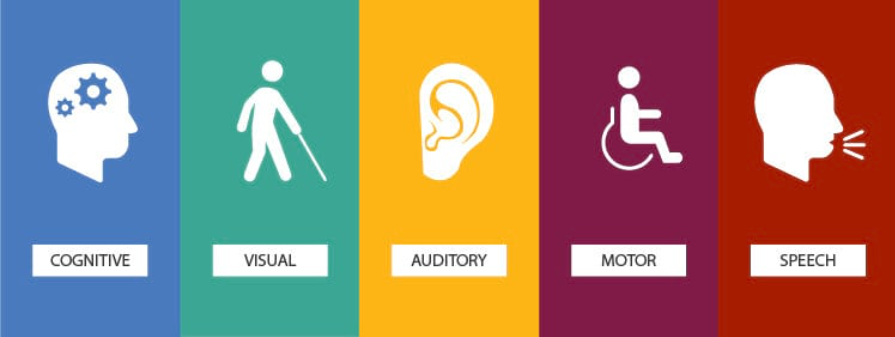
Disabilities can be broadly categorised into several types. Physical disabilities affect a person’s mobility or dexterity. Examples include spinal cord injuries, muscular dystrophy, and amputations. Sensory disabilities affect one or more senses. They include visual impairments, hearing impairments, and sensory processing disorders. Intellectual disabilities affect a person’s ability to learn at an expected level and function in daily life. Down syndrome is an example. Psychiatric disabilities include mental health conditions such as depression, anxiety disorders, and schizophrenia. Neurological disabilities affect the nervous system. Examples include epilepsy, multiple sclerosis, and Parkinson’s disease. Learning disabilities are those that affect a person’s ability to interpret what they see and hear or to link information from different parts of the brain. Dyslexia is an example. Lastly, invisible disabilities are not immediately apparent but can significantly impact a person’s life. They include chronic pain conditions and some mental health disorders. It’s important to note that many people may experience multiple disabilities, and the impact of a disability can vary greatly from person to person.

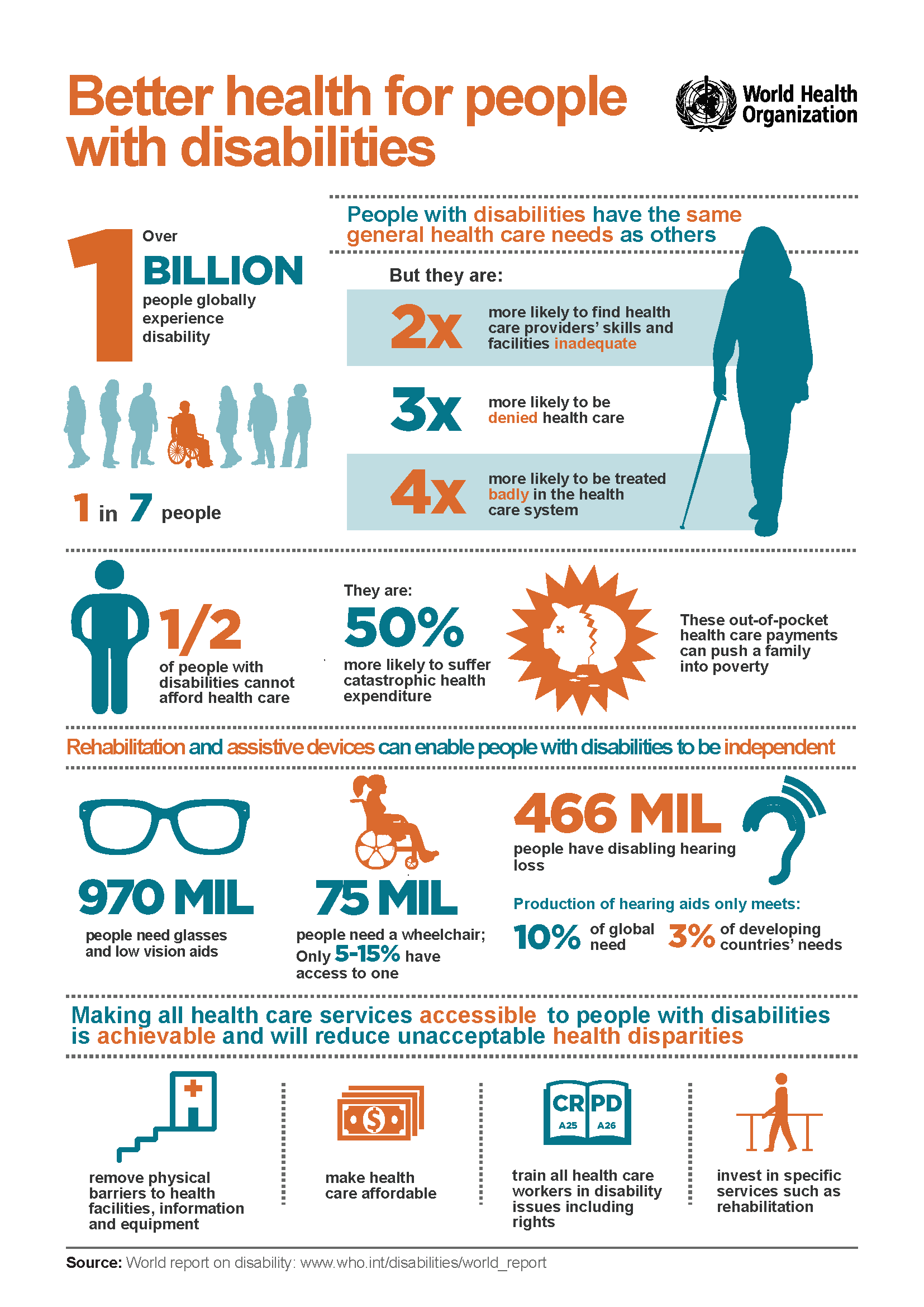
Understanding the scale of disability worldwide helps to contextualise the importance of IDPD. According to the World Health Organization, over 1 billion people, or about 15% of the world’s population, live with some form of disability, between 110-190 million adults have significant difficulties in functioning and the rates of disability are increasing due to an ageing population and increases in chronic health conditions. Persons with disabilities are more likely to experience adverse socioeconomic outcomes such as less education, poorer health outcomes, lower levels of employment, and higher poverty rates. These statistics underscore the need for continued efforts to promote disability rights and inclusion, which IDPD helps to spotlight.

The United Nations has played a crucial role in advancing disability rights globally. Key UN initiatives include the Convention on the Rights of Persons with Disabilities (CRPD), adopted in 2006. The CRPD is an international human rights treaty intended to protect the rights and dignity of persons with disabilities. It promotes, protects, and ensures the full enjoyment of human rights by persons with disabilities and ensures that they enjoy full equality under the law.
The United Nations Disability Inclusion Strategy was launched in June 2019 and provides the foundation for sustainable and transformative progress on disability inclusion through all pillars of the work of the United Nations. It seeks to raise the UN’s standards and performance on disability inclusion across its programs and operations.

The 2030 Agenda for Sustainable Development pledges to “leave no one behind,” including people with disabilities. Several SDGs explicitly reference disability, including those related to education, employment, inequality reduction, and sustainable cities].

Despite progress in disability rights, people with disabilities continue to face numerous challenges. Negative attitudes and misconceptions about disability persist in many societies. Inaccessible buildings, transportation, and public spaces limit participation and independence. Lack of accessible information and communication technologies can exclude persons with disabilities from various aspects of life. Many children with disabilities do not have access to inclusive education. Persons with disabilities often face higher unemployment rates and lower wages. Persons with disabilities may face barriers in accessing quality healthcare. There’s a strong link between disability and poverty, with each potentially leading to or exacerbating the other. Persons with disabilities may face barriers to voting or running for office. IDPD helps to highlight these challenges and promote solutions.

Some innovative approaches to disability inclusion may include advanced prosthetics, screen readers, speech recognition software, and other technologies enhancing independence and accessibility. A universal design approach to create products, environments, and systems that are usable by all people to the greatest extent possible without adaptation. Inclusive Education Technologies including digital learning platforms with built-in accessibility features making education more inclusive. Smart Cities with urban planning that incorporates accessibility from the ground up, including smart traffic systems and accessible public transportation. AI is used to develop more sophisticated assistive devices and to improve accessibility in digital spaces with these technologies used for rehabilitation, skills training, and to create more inclusive experiences. Innovative approaches to flexible working, job carving, and supported employment are opening up new opportunities and disability-led innovation where persons with disabilities lead innovation efforts, ensuring solutions meet real needs.

Governments play a crucial role in promoting disability rights and inclusion. Key areas of focus include enacting and enforcing laws that protect the rights of persons with disabilities, such as anti-discrimination legislation; developing and implementing standards for physical and digital accessibility; promoting inclusive education systems that accommodate students with diverse needs; implementing policies to increase employment opportunities for persons with disabilities, such as quota systems or tax incentives for employers; ensuring healthcare systems are accessible and meet the specific needs of persons with disabilities; providing adequate social protection measures for persons with disabilities; improving disability data collection to inform policy-making; and popularising government-led campaigns to raise public awareness about disability issues.

The International Day of Persons with Disabilities serves as a powerful reminder of the ongoing need to promote the rights and well-being of persons with disabilities. Today it’s clear that innovation will play a crucial role in creating a more accessible and equitable world. However, technology alone is not enough. True inclusion requires a shift in societal attitudes, robust policy frameworks, and the active participation of persons with disabilities in all aspects of life. IDPD provides an annual opportunity to reflect on progress made, challenges remaining, and to renew our commitment to building a world that values and includes all its diverse members.

It’s crucial to remember that disability rights are human rights. By working together, governments, civil society, the private sector, and individuals can create a world where all people, regardless of ability, can fully participate and contribute to society. This is not just beneficial for people with disabilities but for society as a whole.

World Children’s Day

Celebrated annually on November 20, World Children’s Day is dedicated to promoting children’s rights and welfare worldwide. Established as Universal Children’s Day in 1954 by the United Nations General Assembly, the day was created to promote international togetherness, and awareness among children worldwide, and improve children’s welfare. November 20th was chosen to commemorate two important milestones in advancing children’s rights.

On November 20, 1959, the UN General Assembly adopted the Declaration of the Rights of the Child. This landmark document outlined the fundamental rights of children, emphasising their need for special protection and care. Exactly 30 years later, on November 20, 1989, the UN General Assembly adopted the Convention on the Rights of the Child (CRC). This set out children’s civil, political, economic, social, and cultural rights and has been ratified by 196 countries, making it the most widely ratified human rights treaty in history.

Over the years, World Children’s Day has evolved to become a platform for advocating children’s rights and addressing the challenges they face. It serves as a reminder of the commitments made by countries to uphold the rights of children and ensure their well-being. The day helps raise awareness about the rights of children and the importance of ensuring their well-being. It highlights issues such as child labour, child abuse, and lack of access to education and healthcare. World Children’s Day emphasises the importance of protecting and promoting children’s rights as outlined in the CRC. It encourages governments, organisations, and individuals to take action to uphold these rights. The day encourages children to participate in discussions and decision-making processes that affect their lives. It empowers them to voice their opinions and be active agents of change. World Children’s Day fosters a sense of global solidarity and cooperation in addressing the challenges faced by children. It brings together various stakeholders, including governments, NGOs, and communities, to work towards a common goal.

The theme for World Children’s Day 2024 is “A Better Future for Every Child.” This theme underscores the importance of creating a world where every child can thrive, regardless of background or circumstances. It focuses on several key areas, including ensuring access to quality education for all children, including marginalised and vulnerable groups; promoting access to healthcare services, proper nutrition, and a healthy environment for children; safeguarding children from violence, exploitation, and abuse; encouraging children’s participation in decision-making processes that affect their lives; and addressing inequalities and ensuring that every child, regardless of their socio-economic status, gender, or ethnicity, has equal opportunities to succeed.

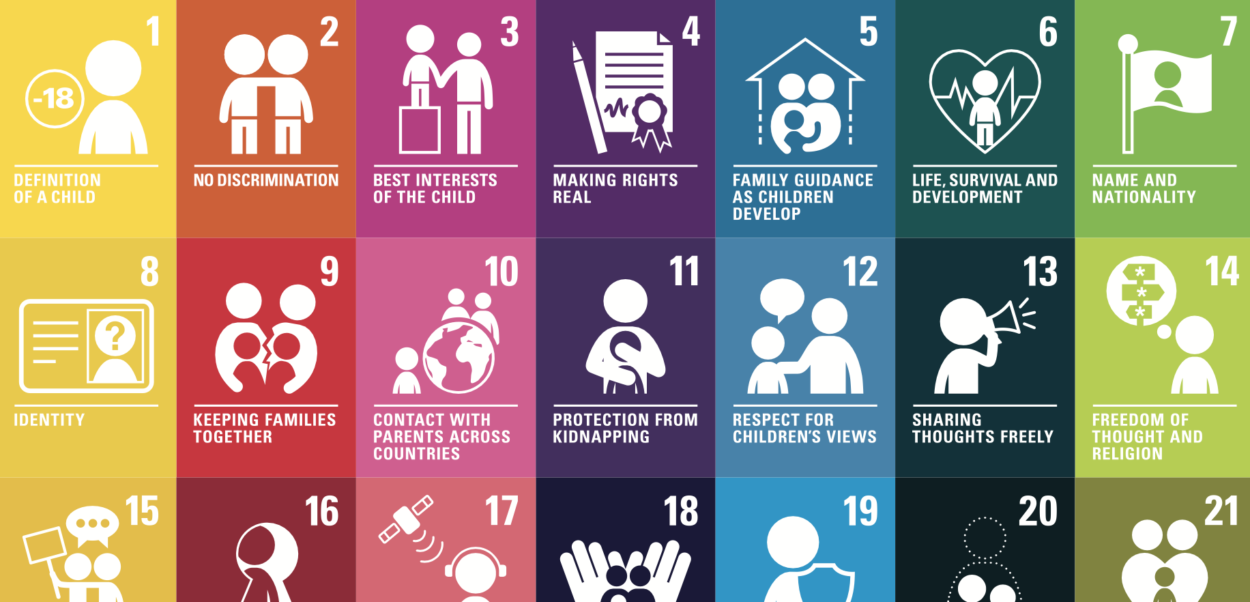
To fully appreciate the importance of World Children’s Day, it’s crucial to understand the rights of children as outlined in the CRC. The Convention on the Rights of the Child includes 54 articles that cover various aspects of children’s rights.

Some of the key rights include the Right to Life, Survival, and Development where every child has the inherent right to life, and governments must ensure their survival and development. The Right to Education is one where every child has the right to free primary education, and access to secondary and higher education should be available to all while under the Right to Health, children must have the right to the highest attainable standard of health and access to healthcare services. Under the Right to Protection from Abuse and Exploitation, children must be protected from all forms of physical or mental violence, injury, abuse, neglect, and exploitation and children have the right to express their views freely in all matters affecting them and to have their opinions taken into account under the Right to Participation.

Despite significant progress in promoting children’s rights, many challenges remain. Some of the key issues affecting children worldwide include:

  • Child Labour: Millions of children are engaged in child labour, often in hazardous conditions, depriving them of their right to education and a safe childhood.
  • Child Marriage: Child marriage remains prevalent in many parts of the world, leading to negative health, education, and economic outcomes for girls.
  • Lack of Access to Education: Many children, particularly in low-income countries, lack access to quality education due to factors such as poverty, conflict, and discrimination.
  • Malnutrition: Malnutrition remains a significant issue, affecting children’s physical and cognitive development and increasing their vulnerability to diseases.
  • Violence and Exploitation: Children continue to face various forms of violence, including physical, sexual, and emotional abuse, as well as exploitation in the form of trafficking and forced labor.

Governments and organisations play a crucial role in promoting and protecting children’s rights. World Children’s Day highlights their responsibilities and encourages them to take action. Governments must develop and implement policies that uphold children’s rights and address the challenges they face. Adequate resources must be allocated to programs and services that support children’s health, education, and protection. Governments and organisations should collaborate with various stakeholders, including NGOs, communities, and the private sector, to create a supportive environment for children. Effective monitoring and accountability mechanisms should be in place to ensure that children’s rights are upheld and that progress is made towards achieving the goals set out in the CRC.

Children and youth are not just passive recipients of rights; they are active agents of change. World Children’s Day encourages their participation and empowers them to take action. Children and youth must be encouraged to advocate for their rights and the rights of their peers. Organisations and governments must provide platforms for them to voice their opinions and participate in decision-making processes. Peer education programmes must be supported where children and youth can educate each other about their rights and how to protect them. Youth-led initiatives that address issues affecting children and contribute to their well-being must be promoted and supported. Mentorship programmes that connect children and youth with positive role models who can guide and support themmust be developed.

World Children’s Day has had a significant impact on promoting children’s rights and improving their well-being. The day has successfully raised awareness about children’s rights and the challenges they face, leading to greater public support and action. Advocacy efforts on World Children’s Day have contributed to policy changes and the implementation of laws that protect children’s rights. Initiatives launched on World Children’s Day have helped improve access to education for marginalised and vulnerable children. Programmes and campaigns have strengthened child protection systems, reducing the incidence of violence, exploitation, and abuse. The day has empowered children and youth to take an active role in advocating for their rights and contributing to positive change in their communities.

While significant progress has been made, there is still much work to be done to ensure that every child can enjoy their rights and reach their full potential. World Children’s Day highlights the importance of promoting and protecting children’s rights. The day serves as a reminder of the commitments made by countries to uphold the rights of children and the importance of collective action in achieving this goal. By raising awareness, advocating for change, and supporting initiatives that benefit children, we can create a world where every child can thrive and reach their full potential.

World Diabetes Day

World Diabetes Day is an annual global health awareness campaign observed on November 14th. The day was established in 1991 by the International Diabetes Federation (IDF) and the World Health Organization (WHO) in response to the rapidly increasing prevalence of diabetes worldwide. The date, November 14th, was chosen to honour the birthday of Sir Frederick Banting, who, along with Charles Best, first conceived the idea that led to the discovery of insulin in 1922.

The day gained official recognition as a United Nations Day in 2006 with a resolution that acknowledged diabetes as a chronic, debilitating, and costly disease associated with severe complications that pose a significant threat to families, countries, and the entire world. Since its inception, World Diabetes Day has grown into a global campaign reaching millions of people in over 160 countries. It serves as a platform for diabetes awareness and advocacy, uniting the global diabetes community in a collective effort to address the growing diabetes epidemic.

World Diabetes Day plays a crucial role in raising awareness by helping educate the public about diabetes, its risk factors, symptoms, and complications; by encouraging people to get tested, it supports early detection and intervention; the day advocates for better care and pushes for improved access to quality diabetes care and treatment options; it highlights the importance of ongoing research in diabetes prevention and management; and fosters community support by bringing together individuals, healthcare professionals, and organisations to support those affected by diabetes.

The theme for World Diabetes Day from 2024 to 2026 will be ‘Diabetes and Well-being’. This theme will focus on three key aspects between 2024 and 2026 – physical well-being, societal well-being, and mental well-being. The choice of this theme reflects a holistic approach to diabetes management, recognising that diabetes affects not only physical health but also mental and social well-being. By addressing these interconnected aspects, the campaign aims to improve the overall quality of life for people living with diabetes.

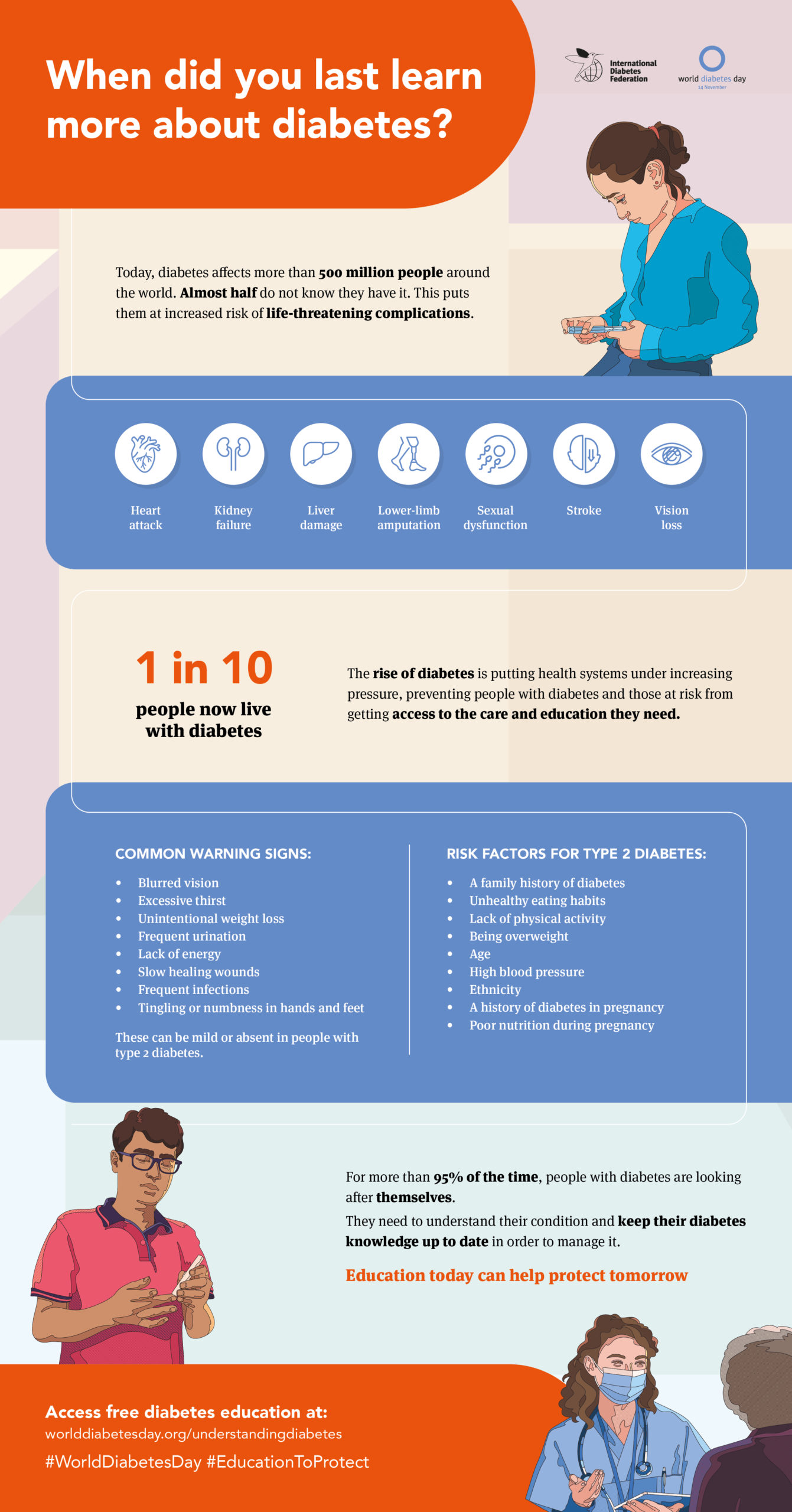
To fully appreciate the importance of World Diabetes Day, it’s crucial to understand the nature of diabetes and its impact on global health. There are two main types of diabetes: Type 1 diabetes is an autoimmune condition where the body doesn’t produce insulin. It’s not preventable and requires daily insulin administration. Type 2 diabetes results from the body’s ineffective use of insulin. It’s often associated with physical inactivity and excess body weight, and in many cases, it’s preventable.

Common symptoms of diabetes include frequent urination, excessive thirst, unexplained weight loss, slow-healing wounds, recurring skin infections, and numbness or tingling in hands and feet. It’s important to note that symptoms can be less pronounced in Type 2 diabetes, and diagnosis may occur years after onset.

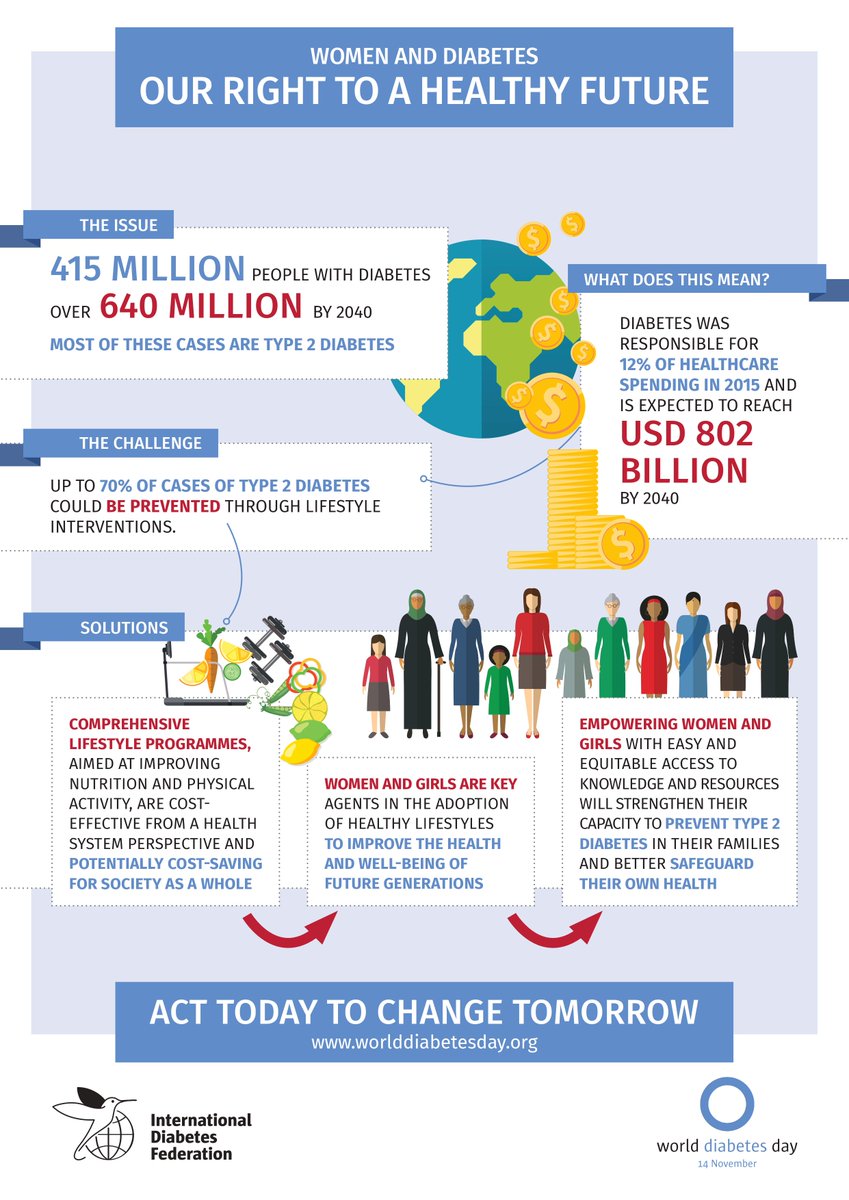
The IDF Diabetes Atlas provides alarming statistics on the global diabetes scenario. In 2021, 537 million adults or 1 in 10 were living with diabetes. This number is expected to rise to 643 million by 2030 and 783 million by 2045. Almost half of adults with diabetes or 44% remain undiagnosed, primarily with type 2 diabetes. Over three-quarters of people with diabetes live in low and middle-income countries. 541 million adults are at increased risk of developing type 2 diabetes. Over 1.2 million children and adolescents between the ages of 0 and 19 years live with type 1 diabetes.

Diabetes imposes a substantial economic burden globally. In 2021, diabetes accounted for at least $966 billion in health expenditure, constituting 9% of the global total spent on healthcare. High blood glucose or hyperglycemia during pregnancy affects one in six live births or about 21 million.

World Diabetes Day serves as a catalyst for various activities and initiatives aimed at raising awareness and promoting better diabetes care. The official colour of diabetes awareness is blue. Wearing blue clothing or accessories on November 14th shows support for the cause. One can use social media and other platforms to educate others about diabetes, its risk factors, and the importance of a healthy lifestyle. Another way is to encourage those at risk to get tested for diabetes, supporting early detection and intervention. One can host or participate in events, workshops, or seminars that raise awareness about diabetes in local communities. The IDF provides an interactive tool for individuals to assess their risk of developing type 2 diabetes.

Healthcare professionals play a crucial role in diabetes management and prevention. World Diabetes Day highlights their importance and provides resources to support their work. The day often features educational sessions for healthcare providers to stay updated on the latest diabetes care practices. It encourages healthcare professionals to engage more effectively with patients, promoting better diabetes management. Healthcare professionals are encouraged to advocate for better diabetes care policies and resources. The day highlights opportunities for healthcare professionals to participate in diabetes research.

World Diabetes Day emphasises the importance of diabetes prevention and effective management. Key strategies include promoting balanced diets, regular physical activity, and maintaining a healthy weight; encouraging regular check-ups and diabetes screenings, especially for those at higher risk; stressing the importance of following prescribed treatment plans for those diagnosed with diabetes; providing resources and support for people with diabetes to effectively manage their condition; and highlighting new technologies and treatments that can improve diabetes management.

World Diabetes Day fosters global collaboration in the fight against diabetes. This includes international partnerships which encourage cooperation between countries and organisations to address diabetes on a global scale; knowledge sharing and the facilitating the exchange of best practices and research findings across borders; advocating for equitable distribution of diabetes care resources, especially in low and middle-income countries; and promoting consistent policies and guidelines for diabetes prevention and management worldwide.

While World Diabetes Day has made significant strides in raising awareness and improving diabetes care, several challenges remain. These include ensuring equitable access to quality diabetes care, especially in resource-limited settings; combating social stigma associated with diabetes and promoting inclusivity; addressing the gap in access to diabetes management technologies between high and low-income countries; managing the increasing prevalence of diabetes alongside other chronic conditions; and developing strategies to engage younger generations in diabetes prevention and awareness.

World Diabetes Day stands as a beacon of hope and action in the global fight against diabetes. Today, the focus is shifting towards a more holistic approach to diabetes care, encompassing physical, societal, and mental well-being. The day serves not only as a reminder of the challenges posed by diabetes but also as a celebration of the progress made in diabetes care and management. It unites millions of people worldwide in a common cause, fostering a sense of community and shared purpose.

World Diabetes Day remains a crucial platform for raising awareness, promoting prevention, and advocating for better care. It reminds us that while diabetes is a serious condition, it is manageable with the right knowledge, support, and resources.

World Tsunami Awareness Day

World Tsunami Awareness Day is observed annually on November 5th to raise awareness about the dangers of tsunamis and the importance of preparedness and early warning systems. Established by the United Nations General Assembly on December 22, 2015, this day serves as a reminder of the devastating impact of tsunamis and the need for proactive measures to mitigate their effects. 

The Japanese delegation proposed the day, reflecting Japan’s long history of tsunami experiences and its commitment to disaster risk reduction. November 5th was chosen to commemorate the Japanese story of “Inamura-no-hi,” which translates to “burning of the rice sheaves.” This tale recounts the actions of a Japanese farmer, Hamaguchi Goryō, who, in 1858 set fire to his rice crop to warn his village of an impending tsunami following an earthquake. His foresight allowed many villagers to evacuate to safety, and he later built protective seawalls to safeguard against future tsunamis.

The establishment of WTAD came in the wake of numerous devastating tsunamis, most notably the Indian Ocean tsunami of December 26, 2004. This catastrophic event resulted in over 230,000 fatalities across 14 countries, including Indonesia, Sri Lanka, India, and Thailand. The sheer scale of destruction highlighted the urgent need for improved tsunami preparedness and early warning systems worldwide. In response, the UN and various organisations began to focus on raising awareness about tsunamis and promoting disaster risk reduction strategies.

World Tsunami Awareness Day serves several important purposes. The day aims to educate the public about the risks associated with tsunamis and the importance of preparedness. It highlights the need for communities, especially those in coastal areas, to understand tsunami risks and take proactive measures. The day encourages governments, organisations, and communities to develop and implement effective tsunami early warning systems and disaster response plans. Preparedness can significantly reduce the loss of life and property during a tsunami. The day serves as a solemn reminder of the lives lost in past tsunamis, particularly the 2004 Indian Ocean tsunami. It honours the resilience of affected communities and the ongoing efforts to rebuild and recover. World Tsunami Awareness Day fosters collaboration among governments, NGOs, and communities to share best practices and innovative approaches to tsunami risk reduction. The day provides a platform for advocating for policies that prioritise disaster risk reduction and enhance the resilience of vulnerable communities.

The theme for World Tsunami Awareness Day 2024 is “Agriculture and Food Systems: The Key to Ending Hunger and Achieving Food Security.” This theme emphasises the critical role of agriculture and food systems in addressing the challenges posed by tsunamis and other natural disasters.

The theme highlights how tsunamis can disrupt agricultural production and food supply chains, leading to food insecurity. Coastal communities often rely on agriculture and fishing for their livelihoods, making them particularly vulnerable to the impacts of tsunamis. The theme encourages the adoption of sustainable agricultural practices that can withstand the impact of natural disasters. This includes promoting resilient crop varieties, improving soil health, and implementing effective water management strategies. 

The theme underscores the importance of integrating disaster risk reduction into agricultural policies and practices. This includes developing early warning systems for tsunamis and other disasters that can affect food production. The theme emphasises the need to build resilient communities that can adapt to the impacts of tsunamis and other natural disasters. This involves empowering local farmers and communities to take proactive measures to protect their livelihoods. It calls for collaboration among governments, NGOs, and international organisations to address the challenges of food security in the face of natural disasters. This includes sharing knowledge, resources, and best practices for disaster preparedness.

The Indian Ocean tsunami of December 26, 2004, remains one of the deadliest natural disasters in history. Triggered by a magnitude 9.1 earthquake off the coast of Sumatra, Indonesia, the tsunami struck several countries, including Indonesia, Sri Lanka, India, Thailand, and others. The impact was catastrophic, with over 230,000 lives lost and millions more affected.

The 2004 tsunami highlighted several critical lessons about disaster preparedness and response. The lack of a comprehensive tsunami warning system in the Indian Ocean region contributed to the high death toll. In the aftermath of the disaster, there was a global push to establish early warning systems to alert communities of impending tsunamis. The disaster underscored the need for communities to be prepared for tsunamis. Education and training programs that teach residents about tsunami risks and evacuation procedures are essential for saving lives.

The response to the 2004 tsunami demonstrated the importance of international cooperation in disaster relief efforts. Countries and organisations came together to provide aid and support to affected communities. The disaster highlighted the need for long-term resilience building in vulnerable communities. This includes infrastructure investments, disaster risk reduction strategies, and sustainable agricultural practices. Local knowledge and traditional practices play a crucial role in disaster preparedness. Engaging communities in planning and response efforts can enhance resilience and improve outcomes.

World Tsunami Awareness Day is observed through various activities and initiatives aimed at raising awareness and promoting preparedness. UNESCO plays a vital role in promoting tsunami awareness and preparedness through its Intergovernmental Oceanographic Commission (IOC). The IOC coordinates national and regional tsunami early warning services and raises global awareness about effective actions to reduce disaster risk.

As we look to the future, several trends and priorities are emerging in the field of tsunami preparedness and disaster risk reduction. The use of technology, such as satellite monitoring and early warning systems, is becoming increasingly important in tsunami preparedness. Innovations in data collection and analysis can enhance our understanding of tsunami risks and improve response efforts. Engaging communities in disaster preparedness efforts is crucial for building resilience. Local knowledge and participation can significantly enhance the effectiveness of preparedness initiatives. Climate change is expected to increase the frequency and intensity of natural disasters, including tsunamis. Integrating climate change considerations into disaster risk reduction strategies is essential for enhancing resilience. Addressing the needs of vulnerable communities is critical for effective disaster preparedness. Ensuring that marginalised populations have access to information, resources, and support is essential for reducing risk. Continued collaboration among countries, organisations, and communities is vital for sharing knowledge, resources, and best practices in tsunami preparedness and disaster risk reduction.

World Tsunami Awareness Day serves as a crucial reminder of the ongoing risks posed by tsunamis and the importance of preparedness and early warning systems. The lessons learned from the 2004 Boxing Day tsunami continue to inform the understanding of tsunami risks and the importance of proactive measures to mitigate their impacts. By raising awareness, promoting preparedness, and fostering collaboration, we can work towards a more resilient future for communities at risk of tsunamis.

World Cities Day

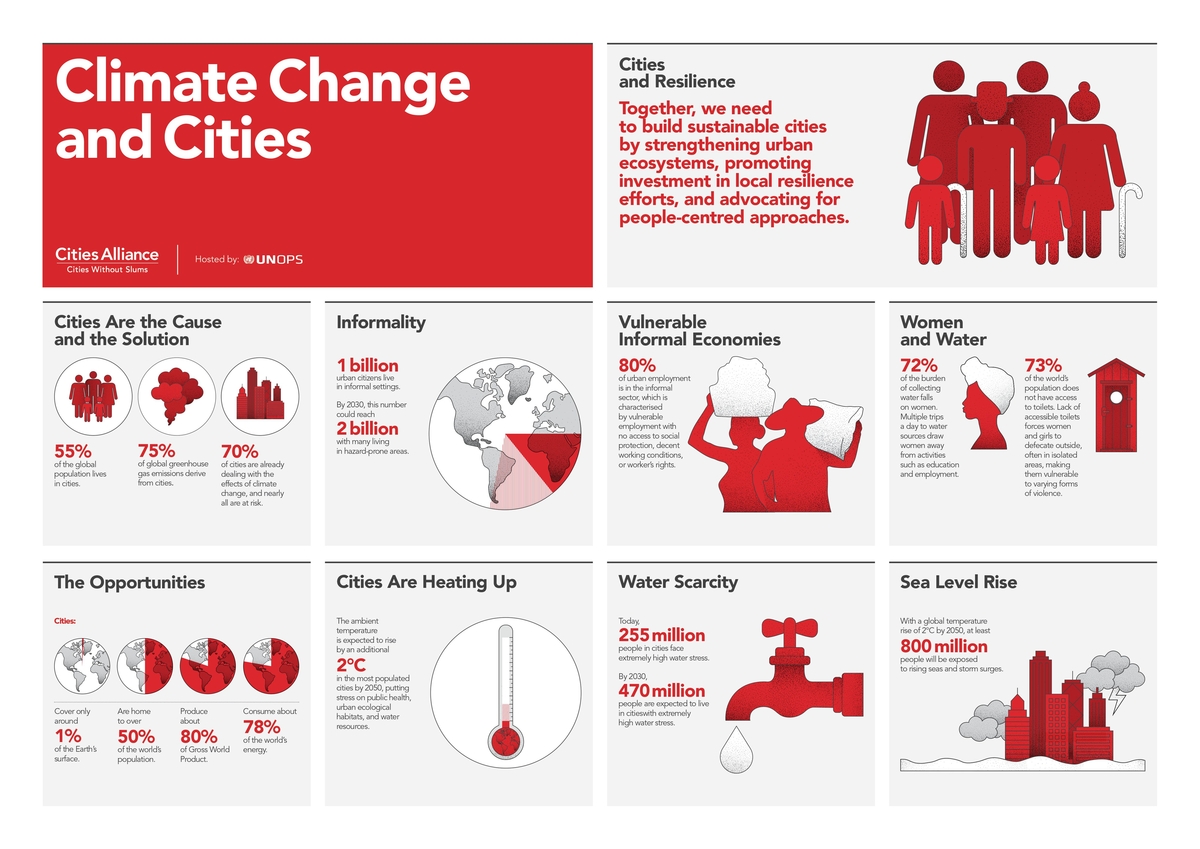
Held annually on October 31st, World Cities Day was established by the United Nations to promote the international community’s interest in global urbanisation and sustainable urban development. World Cities Day was established by the United Nations General Assembly on December 27, 2013, starting in 2014. The day was created to promote the international community’s interest in global urbanisation, push forward cooperation among countries in meeting opportunities and addressing challenges of urbanisation, and contribute to sustainable urban development around the world.

The observance of World Cities Day is a legacy of Expo 2010, held in Shanghai, China. The Expo’s theme, Better City, Better Life, emphasised the importance of cities in fostering sustainable development and improving the quality of life for urban residents. This theme continues to be the general theme for World Cities Day, reflecting the ongoing commitment to enhancing urban living conditions globally.

World Cities Day aligns with Sustainable Development Goal 11, which aims to make cities inclusive, safe, resilient, and sustainable. This goal underscores the importance of sustainable urban planning and management in achieving broader development objectives. By focusing on cities, World Cities Day highlights the critical role urban areas play in driving economic growth, innovation, and social progress.

The general theme of World Cities Day is “Better City, Better Life.” Each year, a different sub-theme is selected to address specific challenges or highlight successes in urbanisation. This approach allows for a focused discussion on various aspects of urban development and encourages the sharing of best practices among cities worldwide.

The theme for World Cities Day 2024 is “Youth leading climate and local action for cities.” This theme emphasises the role of young people in driving climate action and local initiatives to make cities more sustainable and resilient. Young people are increasingly advocating for bolder steps to tackle the climate crisis, and this year’s theme aims to capture their bold ideas and ambitious targets, turning them into tangible achievements.

Youth engagement is crucial for sustainable urban development. Young people bring fresh perspectives, innovative solutions, and a sense of urgency to address climate change and other urban challenges. By focusing on youth-led initiatives, World Cities Day 2024 aims to empower the next generation of urban leaders and foster a culture of active participation and collaboration.

The theme encourages cities to meet young people where they are, which often means utilising digital platforms. The theme also promotes the idea of youth participation in decision-making processes. This could lead to the development of new governance structures in urban planning, such as youth advisory boards or mandated youth representation in city councils. The theme highlights the importance of addressing climate challenges in informal settlements, where many young people reside. Urban planners need to develop more inclusive strategies that consider the unique needs of these areas. Youth engagement often highlight intersectional issues such as social equity and environmental justice. Young people are early adopters of new technologies. Their involvement could lead to greater integration of smart city technologies and data-driven decision-making in urban planning processes.

World Cities Day serves as a platform to raise awareness about the importance of sustainable urban development. It encourages governments, organisations, and individuals to reflect on the role of cities in shaping our future and to take action to make urban areas more inclusive, safe, resilient, and sustainable.

One of the key objectives of World Cities Day is to foster collaboration among countries, cities, and stakeholders. Urbanisation presents both opportunities and challenges that require coordinated efforts and collective action. World Cities Day provides a forum for dialogue and cooperation, enabling cities to learn from each other and work together to address common challenges and achieve sustainable development goals.

World Cities Day also celebrates the achievements and successes of cities in promoting sustainable development. It recognises the efforts of cities that have implemented innovative solutions to improve urban living conditions and enhance the quality of life for their residents. By showcasing these successes, World Cities Day inspires other cities to adopt similar approaches and strive for continuous improvement.

To celebrate World Cities Day, one can do an urban safari, which is a fun and engaging way to celebrate the day. So one can grab a camera and explore a city, capturing photos of hidden gems and famous landmarks, reveling new sights and interesting angles in familiar places, and encouraging one to appreciate the beauty and diversity of their urban environment.

World Cities Day is a vital observance that highlights the importance of sustainable urban development and the role of cities in shaping our future. The day encourages active participation and collaboration among all stakeholders, particularly young people. As cities continue to grow and evolve, World Cities Day serves as a reminder of the need for inclusive, safe, resilient, and sustainable urban environments.