World Tsunami Awareness Day

World Tsunami Awareness Day is observed annually on November 5th to raise awareness about the dangers of tsunamis and the importance of preparedness and early warning systems. Established by the United Nations General Assembly on December 22, 2015, this day serves as a reminder of the devastating impact of tsunamis and the need for proactive measures to mitigate their effects. 

The Japanese delegation proposed the day, reflecting Japan’s long history of tsunami experiences and its commitment to disaster risk reduction. November 5th was chosen to commemorate the Japanese story of “Inamura-no-hi,” which translates to “burning of the rice sheaves.” This tale recounts the actions of a Japanese farmer, Hamaguchi Goryō, who, in 1858 set fire to his rice crop to warn his village of an impending tsunami following an earthquake. His foresight allowed many villagers to evacuate to safety, and he later built protective seawalls to safeguard against future tsunamis.

The establishment of WTAD came in the wake of numerous devastating tsunamis, most notably the Indian Ocean tsunami of December 26, 2004. This catastrophic event resulted in over 230,000 fatalities across 14 countries, including Indonesia, Sri Lanka, India, and Thailand. The sheer scale of destruction highlighted the urgent need for improved tsunami preparedness and early warning systems worldwide. In response, the UN and various organisations began to focus on raising awareness about tsunamis and promoting disaster risk reduction strategies.

World Tsunami Awareness Day serves several important purposes. The day aims to educate the public about the risks associated with tsunamis and the importance of preparedness. It highlights the need for communities, especially those in coastal areas, to understand tsunami risks and take proactive measures. The day encourages governments, organisations, and communities to develop and implement effective tsunami early warning systems and disaster response plans. Preparedness can significantly reduce the loss of life and property during a tsunami. The day serves as a solemn reminder of the lives lost in past tsunamis, particularly the 2004 Indian Ocean tsunami. It honours the resilience of affected communities and the ongoing efforts to rebuild and recover. World Tsunami Awareness Day fosters collaboration among governments, NGOs, and communities to share best practices and innovative approaches to tsunami risk reduction. The day provides a platform for advocating for policies that prioritise disaster risk reduction and enhance the resilience of vulnerable communities.

The theme for World Tsunami Awareness Day 2024 is “Agriculture and Food Systems: The Key to Ending Hunger and Achieving Food Security.” This theme emphasises the critical role of agriculture and food systems in addressing the challenges posed by tsunamis and other natural disasters.

The theme highlights how tsunamis can disrupt agricultural production and food supply chains, leading to food insecurity. Coastal communities often rely on agriculture and fishing for their livelihoods, making them particularly vulnerable to the impacts of tsunamis. The theme encourages the adoption of sustainable agricultural practices that can withstand the impact of natural disasters. This includes promoting resilient crop varieties, improving soil health, and implementing effective water management strategies. 

The theme underscores the importance of integrating disaster risk reduction into agricultural policies and practices. This includes developing early warning systems for tsunamis and other disasters that can affect food production. The theme emphasises the need to build resilient communities that can adapt to the impacts of tsunamis and other natural disasters. This involves empowering local farmers and communities to take proactive measures to protect their livelihoods. It calls for collaboration among governments, NGOs, and international organisations to address the challenges of food security in the face of natural disasters. This includes sharing knowledge, resources, and best practices for disaster preparedness.

The Indian Ocean tsunami of December 26, 2004, remains one of the deadliest natural disasters in history. Triggered by a magnitude 9.1 earthquake off the coast of Sumatra, Indonesia, the tsunami struck several countries, including Indonesia, Sri Lanka, India, Thailand, and others. The impact was catastrophic, with over 230,000 lives lost and millions more affected.

The 2004 tsunami highlighted several critical lessons about disaster preparedness and response. The lack of a comprehensive tsunami warning system in the Indian Ocean region contributed to the high death toll. In the aftermath of the disaster, there was a global push to establish early warning systems to alert communities of impending tsunamis. The disaster underscored the need for communities to be prepared for tsunamis. Education and training programs that teach residents about tsunami risks and evacuation procedures are essential for saving lives.

The response to the 2004 tsunami demonstrated the importance of international cooperation in disaster relief efforts. Countries and organisations came together to provide aid and support to affected communities. The disaster highlighted the need for long-term resilience building in vulnerable communities. This includes infrastructure investments, disaster risk reduction strategies, and sustainable agricultural practices. Local knowledge and traditional practices play a crucial role in disaster preparedness. Engaging communities in planning and response efforts can enhance resilience and improve outcomes.

World Tsunami Awareness Day is observed through various activities and initiatives aimed at raising awareness and promoting preparedness. UNESCO plays a vital role in promoting tsunami awareness and preparedness through its Intergovernmental Oceanographic Commission (IOC). The IOC coordinates national and regional tsunami early warning services and raises global awareness about effective actions to reduce disaster risk.

As we look to the future, several trends and priorities are emerging in the field of tsunami preparedness and disaster risk reduction. The use of technology, such as satellite monitoring and early warning systems, is becoming increasingly important in tsunami preparedness. Innovations in data collection and analysis can enhance our understanding of tsunami risks and improve response efforts. Engaging communities in disaster preparedness efforts is crucial for building resilience. Local knowledge and participation can significantly enhance the effectiveness of preparedness initiatives. Climate change is expected to increase the frequency and intensity of natural disasters, including tsunamis. Integrating climate change considerations into disaster risk reduction strategies is essential for enhancing resilience. Addressing the needs of vulnerable communities is critical for effective disaster preparedness. Ensuring that marginalised populations have access to information, resources, and support is essential for reducing risk. Continued collaboration among countries, organisations, and communities is vital for sharing knowledge, resources, and best practices in tsunami preparedness and disaster risk reduction.

World Tsunami Awareness Day serves as a crucial reminder of the ongoing risks posed by tsunamis and the importance of preparedness and early warning systems. The lessons learned from the 2004 Boxing Day tsunami continue to inform the understanding of tsunami risks and the importance of proactive measures to mitigate their impacts. By raising awareness, promoting preparedness, and fostering collaboration, we can work towards a more resilient future for communities at risk of tsunamis.


World Cities Day

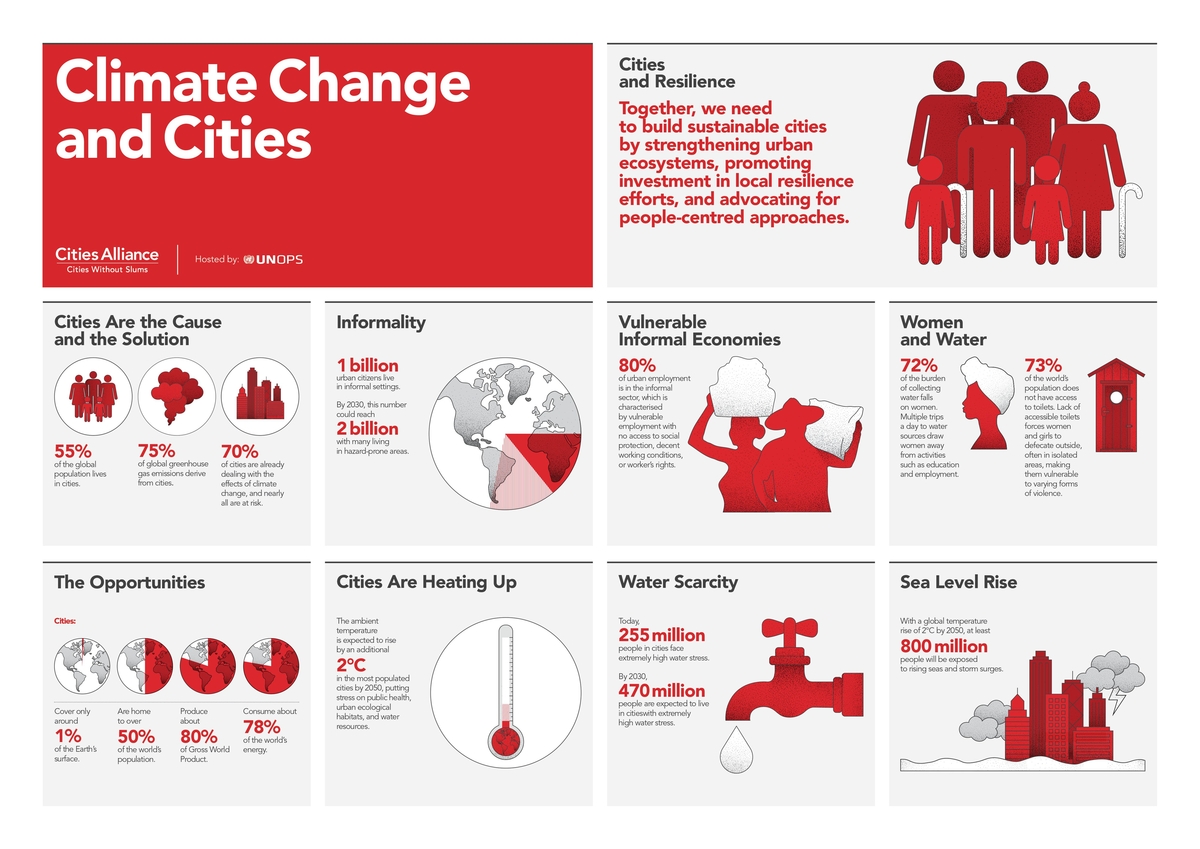
Held annually on October 31st, World Cities Day was established by the United Nations to promote the international community’s interest in global urbanisation and sustainable urban development. World Cities Day was established by the United Nations General Assembly on December 27, 2013, starting in 2014. The day was created to promote the international community’s interest in global urbanisation, push forward cooperation among countries in meeting opportunities and addressing challenges of urbanisation, and contribute to sustainable urban development around the world.

The observance of World Cities Day is a legacy of Expo 2010, held in Shanghai, China. The Expo’s theme, Better City, Better Life, emphasised the importance of cities in fostering sustainable development and improving the quality of life for urban residents. This theme continues to be the general theme for World Cities Day, reflecting the ongoing commitment to enhancing urban living conditions globally.

World Cities Day aligns with Sustainable Development Goal 11, which aims to make cities inclusive, safe, resilient, and sustainable. This goal underscores the importance of sustainable urban planning and management in achieving broader development objectives. By focusing on cities, World Cities Day highlights the critical role urban areas play in driving economic growth, innovation, and social progress.

The general theme of World Cities Day is “Better City, Better Life.” Each year, a different sub-theme is selected to address specific challenges or highlight successes in urbanisation. This approach allows for a focused discussion on various aspects of urban development and encourages the sharing of best practices among cities worldwide.

The theme for World Cities Day 2024 is “Youth leading climate and local action for cities.” This theme emphasises the role of young people in driving climate action and local initiatives to make cities more sustainable and resilient. Young people are increasingly advocating for bolder steps to tackle the climate crisis, and this year’s theme aims to capture their bold ideas and ambitious targets, turning them into tangible achievements.

Youth engagement is crucial for sustainable urban development. Young people bring fresh perspectives, innovative solutions, and a sense of urgency to address climate change and other urban challenges. By focusing on youth-led initiatives, World Cities Day 2024 aims to empower the next generation of urban leaders and foster a culture of active participation and collaboration.

The theme encourages cities to meet young people where they are, which often means utilising digital platforms. The theme also promotes the idea of youth participation in decision-making processes. This could lead to the development of new governance structures in urban planning, such as youth advisory boards or mandated youth representation in city councils. The theme highlights the importance of addressing climate challenges in informal settlements, where many young people reside. Urban planners need to develop more inclusive strategies that consider the unique needs of these areas. Youth engagement often highlight intersectional issues such as social equity and environmental justice. Young people are early adopters of new technologies. Their involvement could lead to greater integration of smart city technologies and data-driven decision-making in urban planning processes.

World Cities Day serves as a platform to raise awareness about the importance of sustainable urban development. It encourages governments, organisations, and individuals to reflect on the role of cities in shaping our future and to take action to make urban areas more inclusive, safe, resilient, and sustainable.

One of the key objectives of World Cities Day is to foster collaboration among countries, cities, and stakeholders. Urbanisation presents both opportunities and challenges that require coordinated efforts and collective action. World Cities Day provides a forum for dialogue and cooperation, enabling cities to learn from each other and work together to address common challenges and achieve sustainable development goals.

World Cities Day also celebrates the achievements and successes of cities in promoting sustainable development. It recognises the efforts of cities that have implemented innovative solutions to improve urban living conditions and enhance the quality of life for their residents. By showcasing these successes, World Cities Day inspires other cities to adopt similar approaches and strive for continuous improvement.

To celebrate World Cities Day, one can do an urban safari, which is a fun and engaging way to celebrate the day. So one can grab a camera and explore a city, capturing photos of hidden gems and famous landmarks, reveling new sights and interesting angles in familiar places, and encouraging one to appreciate the beauty and diversity of their urban environment.

World Cities Day is a vital observance that highlights the importance of sustainable urban development and the role of cities in shaping our future. The day encourages active participation and collaboration among all stakeholders, particularly young people. As cities continue to grow and evolve, World Cities Day serves as a reminder of the need for inclusive, safe, resilient, and sustainable urban environments.

World Food Day

World Food Day is observed annually on October 16th to commemorate the founding of the Food and Agriculture Organisation (FAO) of the United Nations in 1945. This day serves as a platform to raise awareness about global hunger, food security, and the importance of sustainable agriculture. 

World Food Day was established by the FAO’s Member Countries during the Organisation’s 20th General Conference in November 1979. The Hungarian delegation, led by Dr. Pál Romány, proposed the idea of celebrating World Food Day to raise awareness about hunger and food security issues globally. The day was officially recognised and celebrated for the first time on October 16, 1981.

The establishment of World Food Day came at a time when the world was facing significant challenges related to hunger and malnutrition. The post-World War II era saw a growing recognition of the need for coordinated efforts to address food insecurity and improve agricultural practices. The FAO was created to lead these efforts, focusing on eradicating hunger and promoting sustainable agriculture.

The significance of food security is also intertwined with the Universal Declaration of Human Rights, adopted by the United Nations in 1948. Article 25 states that everyone has the right to a standard of living adequate for health and well-being, including food, clothing, housing, and medical care. This declaration underscores the importance of ensuring all individuals have access to sufficient and nutritious food.

World Food Day serves several important purposes. The day helps educate the public about the global hunger crisis and the importance of food security and highlights the challenges faced by millions of people who don’t have access to sufficient food. World Food Day encourages individuals, communities, and governments to take action to combat hunger and malnutrition. It serves as a call to mobilise resources and support initiatives at improve food security. The day recognises the progress in addressing hunger and promoting sustainable agricultural practices. It celebrates the efforts of organisations, governments, and individuals working to improve food security. World Food Day fosters collaboration among various stakeholders, including governments, NGOs, businesses, and communities, to address the complex challenges of food security. The day provides a platform for advocating for policies that support sustainable agriculture, food security, and the rights of marginalised communities.

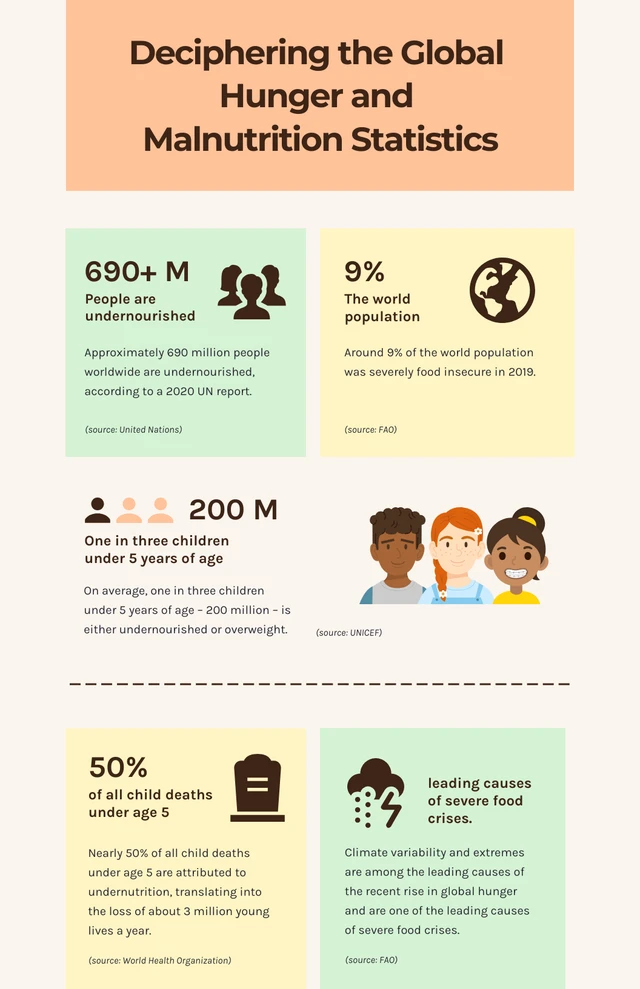
The theme for World Food Day 2024 is “Right to foods for a better life and a better future.” The world’s farmers produce enough food to feed more than the global population yet, hunger persists. Up to 783 million people face hunger due to conflict, repeated weather shocks and economic downturns. This impacts the poor and vulnerable most severely, many of whom are agricultural households, reflecting widening inequalities across and within countries.

Food is the third most basic human need after air and water – everyone should have the right to adequate food. Human rights such as the right to food, life and liberty, work and education are recognised by the Universal Declaration of Human Rights and two legally binding international covenants. emphasises the critical role of agriculture and food systems in addressing global hunger and ensuring that everyone has access to sufficient and nutritious food.

‘Foods’ stands for diversity, nutrition, affordability, accessibility and safety. A greater diversity of nutritious foods should be available in our fields, fishing nets, markets, and on our tables, for the benefit of all. Over 2.8 billion people in the world are unable to afford a healthy diet. Unhealthy diets are the leading cause of all forms of malnutrition – undernutrition, micronutrient deficiencies and obesity, which now exist in most countries, cutting across socio-economic classes. Yet today, too many people suffer from hunger and are unable to afford healthy diets. More vulnerable people are often forced to rely on staple foods or less expensive foods that can be unhealthy, while others suffer from the unavailability of fresh or varied foods, lack the information they need to choose a healthy diet, or simply opt for convenience.

Hunger and malnutrition are further exacerbated by protracted or prolonged crises that are driven by a combination of conflict, extreme weather events and economic shocks. Agrifood systems, as a whole, are vulnerable to disasters and crises, particularly the impacts of climate change, but at the same time, they are generating pollution, degrading soil, water and air, contributing to greenhouse gas emissions, and causing biodiversity loss. By transforming agrifood systems, there is great potential to mitigate climate change and support peaceful, resilient and causing inclusive livelihoods for all.

Despite progress in addressing hunger, significant challenges remain. According to the FAO, nearly 690 million people were undernourished in 2020, and millions suffer from micronutrient deficiencies. The COVID-19 pandemic has exacerbated food insecurity, pushing more people into hunger. Climate change poses a significant threat to food security, impacting agricultural productivity and increasing the frequency of extreme weather events. Farmers are facing challenges such as droughts, floods, and changing growing seasons.

Armed conflicts and political instability disrupt food production and distribution, leading to increased hunger. Displaced populations often lack access to food and essential services. Economic disparities and poverty limit access to food for many individuals and families. Addressing the root causes of poverty is essential for improving food security. Approximately one-third of all food produced globally is wasted, contributing to hunger and environmental degradation. Reducing food waste is crucial for improving food security.

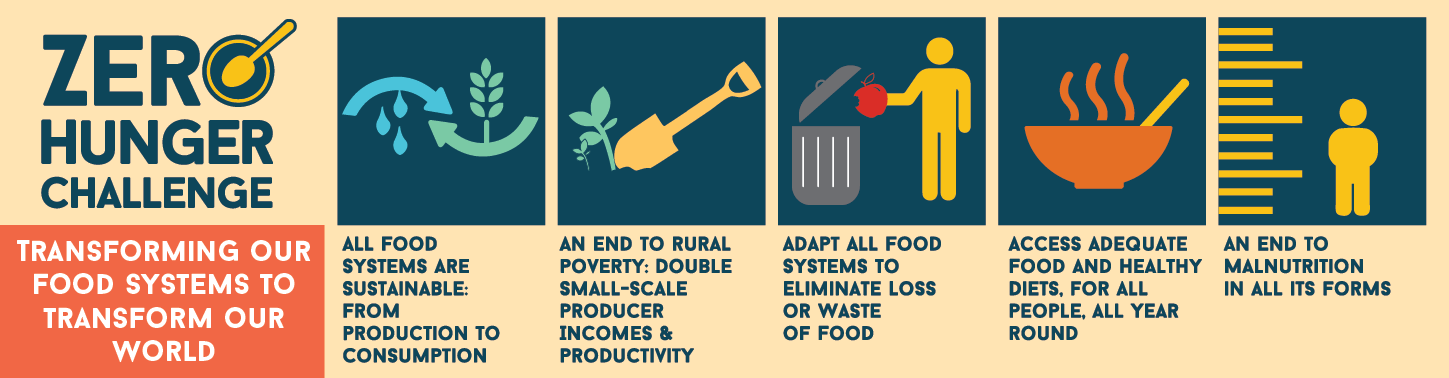
World Food Day is celebrated in over 150 countries, with various events and activities aimed at raising awareness and promoting action. The FAO plays a crucial role in addressing global food security challenges. Established in 1945, the organization works to eliminate hunger, improve nutrition, and promote sustainable agriculture. Launched by the UN Secretary-General, the Zero Hunger Challenge calls for a world where no one suffers from hunger. It aims to promote sustainable food systems and eliminate food waste. The Scaling Up Nutrition or SUN movement brings together governments, civil society, and the private sector to improve nutrition and address malnutrition in all its forms. The Global Agriculture and Food Security Program or GAFSP initiative provides funding to support agricultural investments in developing countries, aiming to improve food security and reduce poverty. The International Fund for Agricultural Development, IFAD focuses on rural development and poverty reduction by supporting smallholder farmers and promoting sustainable agricultural practices.

Innovations in agriculture and food systems are essential for addressing the challenges of food security. Key areas of innovation include agroecology, which promotes sustainable farming practices that enhance biodiversity, improve soil health, and increase resilience to climate change. Precision agriculture uses technology, such as drones and sensors, that allows farmers to optimise resource use, reduce waste, and improve crop yields. Vertical farming is an innovative farming method that involves growing crops in stacked layers, often in urban environments, maximising space and minimising resource use. The development of plant-based and lab-grown proteins provides sustainable alternatives to traditional livestock farming, reducing environmental impact. Innovations in food preservation, packaging, and distribution can help reduce food waste and improve food security.

Education and awareness are critical for promoting food security and sustainable agriculture. Integrating food education and nutrition programs into school curricula can help children develop healthy eating habits and understand the importance of sustainable food systems. Organising workshops and training sessions for farmers and community members can promote sustainable agricultural practices and improve food production. Launching campaigns to raise awareness about food security issues, healthy eating, and sustainable practices can engage the public and promote action. Partnering with media outlets to share stories and information about food security challenges can help raise awareness and inspire action. Involving young people in food security initiatives and encouraging their participation in advocacy efforts can help create a new generation of advocates for sustainable agriculture.

World Food Day serves as a vital reminder of the ongoing challenges related to hunger and food security. It is essential to recognise the critical role that sustainable agriculture plays in addressing these challenges. Through collective action, innovative practices, and a commitment to promoting food security for all, one can work towards a world where everyone has access to sufficient, nutritious food. World Food Day provides an opportunity for individuals, communities, and organisations to come together, raise awareness, and take meaningful action to combat hunger and promote sustainable agriculture. Food is not just a basic human right; it is also a vital component of health, well-being, and social stability. By prioritising food security and sustainable agricultural practices, a more equitable and sustainable future for all can be created.

World Teachers Day

World Teachers’ Day, celebrated annually on October 5th, is a global observance that honours the teaching profession and recognises educator’s crucial role in shaping our world. This day serves as an opportunity to appreciate teachers’ dedication, reflect on their challenges, and advocate for their rights and working conditions. 

The roots of World Teachers’ Day can be traced back to 1966 when the United Nations Educational, Scientific and Cultural Organization (UNESCO) and the International Labour Organization (ILO) adopted the “Recommendation Concerning the Status of Teachers.” This landmark document set international standards for the teaching profession, addressing issues such as teachers’ rights, responsibilities, initial preparation, further education, recruitment, employment, and working conditions.

It wasn’t until 1994, however, World Teachers’ Day was officially established. On October 5, 1994, UNESCO proclaimed the first World Teachers’ Day to commemorate the signing of the 1966 recommendation. The date was chosen to honour this significant educational milestone and raise awareness about teachers’ contributions to society.

Since its inception, World Teachers’ Day has grown into a global celebration, observed in over 100 countries. It serves as a focal point for governments, organisations, and communities to reflect on the state of education and the teaching profession.

World Teachers’ Day holds immense significance for several reasons. The day acknowledges the pivotal role teachers play in providing quality education and shaping future generations. It provides a platform to advocate for teachers’ rights, better working conditions, and professional development opportunities. The day draws attention to the challenges faced by educators worldwide, including resource shortages, overcrowded classrooms, and inadequate support. World Teachers’ Day helps attract and retain talented individuals to the teaching profession by highlighting its importance and value. It fosters a sense of unity among educators worldwide, encouraging the sharing of best practices and experiences across borders. The day stimulates discussions among policymakers, teachers, and other stakeholders about improving education systems and supporting teachers. And lastly, it raises public awareness about the crucial role of teachers in achieving global education goals and sustainable development.

Each year, UNESCO and its partners select a theme for World Teachers’ Day that reflects current priorities and challenges in global education. These themes serve to focus discussions and actions around specific aspects of the teaching profession and education at large. The focus this year is on “Empowering Educators: Strengthening Resilience, Building Sustainability.” This theme highlights the crucial need to support and empower teachers in an ever-changing educational landscape. In these challenging times, teachers have emerged as beacons of resilience, adapting and innovating for their students.This theme recognises the challenges educators face and emphasizes the importance of building their resilience to adapt to new circumstances, technologies, and teaching methodologies. It acknowledges the need to equip educators with the tools, skills, and support necessary to navigate the complexities of modern teaching.

By focusing on strengthening resilience, the theme recognises the importance of helping teachers develop the mental, emotional, and professional fortitude to overcome challenges and adapt to change. This resilience is crucial in maintaining high-quality education in the face of global uncertainties, technological advancements, and evolving societal needs. The emphasis on building sustainability in this theme extends beyond environmental concerns to encompass the sustainability of the teaching profession itself. It calls for creating supportive environments, providing ongoing professional development, and ensuring that teaching remains an attractive and viable long-term career choice.

This theme also aligns with broader global goals, such as the UN Sustainable Development Goals, particularly SDG 4 on Quality Education. It recognises that empowered and resilient teachers are key to providing inclusive, equitable, and quality education for all. After all, sustainable development starts with quality education. 

The day is marked by a variety of activities and events around the globe, aimed at honouring teachers and promoting the teaching profession. These activities ensure that World Teachers’ Day resonates with people from all walks of life, fostering a culture of respect and appreciation for educators.

While World Teachers’ Day is a celebration, it also serves as a platform to address the challenges facing educators worldwide. Many countries face severe teacher shortages, particularly in rural and underprivileged areas. Teachers in many parts of the world are underpaid, leading to low morale and difficulty in attracting talented individuals to the profession. Increasing administrative tasks and large class sizes often lead to teacher burnout. Many teachers lack access to quality, ongoing professional development opportunities. The rapid pace of technological change requires constant upskilling, which can be challenging for many educators. In some regions, teachers face physical dangers, including violence and threats from extremist groups. Many schools, especially in developing countries, lack basic teaching materials and infrastructure. Frequent changes in educational policies can create instability and uncertainty for teachers. In some societies, teaching is not accorded the respect and status it deserves, affecting teacher morale and recruitment. The emotional demands of teaching can take a toll on educators’ mental health and well-being. Addressing these challenges is crucial for improving the quality of education globally and ensuring that teaching remains an attractive and respected profession.

The COVID-19 pandemic has had a profound impact on education systems worldwide, bringing unprecedented challenges to teachers and students alike. Teachers had to quickly adapt to remote teaching, often with limited training and resources. The pandemic highlighted and exacerbated existing inequalities in access to technology and internet connectivity. Both teachers and students faced increased stress, anxiety, and isolation during lockdowns and school closures. Many students experienced significant learning losses, particularly those from disadvantaged backgrounds. Teachers often found themselves working longer hours to adapt curricula, support students remotely, and manage new technologies. As schools reopened, teachers had to balance educational needs with health and safety protocols. The crisis spurred innovation in teaching methods and the use of educational technology. The pandemic highlighted the essential role of teachers in society and education systems. These experiences have reshaped conversations about the future of education and the support needed for teachers to effectively navigate crises and adapt to changing educational landscapes.

Several trends and innovations are shaping the future of teaching. The integration of online and in-person instruction is likely to become more prevalent, offering flexibility and personalised learning experiences. AI tools may assist teachers in tasks like grading, personalized instruction, and identifying students who need additional support. There’s a growing emphasis on hands-on, interdisciplinary projects that develop critical thinking and problem-solving skills. Increased focus on developing students’ emotional intelligence and interpersonal skills alongside academic knowledge. Technology enables teachers and students to collaborate with peers around the world, fostering global citizenship. The use of game-design elements in non-game contexts to increase student engagement and motivation. These technologies offer immersive learning experiences, particularly beneficial in subjects like science and history. Data-driven approaches allow for more tailored educational experiences based on individual student needs and progress. Short, focused courses allow teachers to continuously update their skills and knowledge in specific areas. Integrating environmental awareness and sustainable practices across all subjects and grade levels. These trends highlight the need for ongoing professional development and support for teachers as they navigate an ever-evolving educational landscape.

World Teachers’ Day serves as a reminder of the critical role teachers play in achieving global education goals, particularly the United Nations Sustainable Development Goal 4 (SDG 4), which aims to “ensure inclusive and equitable quality education and promote lifelong learning opportunities for all” by 2030. 

Teachers are at the forefront of efforts to improve access to education, especially for marginalised and vulnerable populations. They enhance the quality of education by implementing effective teaching strategies and fostering critical thinking skills. Teachers promote gender equality through gender-sensitive teaching practices and encouraging girls’ participation in all subjects. They foster global citizenship by teaching about global issues promoting intercultural understanding and supporting lifelong learning by instilling a love for learning and providing skills for continuous self-improvement. Teachers adapt education to local contexts ensuring relevance and cultural appropriateness of curricula and implement inclusive education by catering to diverse learning needs and abilities in the classroom by integrating technology and leveraging digital tools to enhance learning experiences and outcomes. World Teachers’ Day highlights the importance of supporting and empowering teachers to fulfil these crucial roles effectively.

In a world facing complex challenges – from climate change to technological disruption – the role of teachers in shaping informed, skilled, and compassionate global citizens is more critical than ever. World Teachers’ Day serves not only as a celebration of educators’ dedication and impact but also as a call to action. 

The day reminds us of the need to invest in teacher education by ensuring that teachers are well-prepared for the evolving demands of their profession; to improve working conditions by providing teachers with the resources, support, and respect they need to excel in their roles; to elevate the teaching profession by attracting and retaining talented individuals by enhancing the status and appeal of teaching careers; to foster innovation in education by encouraging new approaches to teaching and learning that prepare students for the challenges of the 21st century; to promote equity in education by addressing disparities in educational access and quality, both within and between countries; to support teacher well-being by recognising the importance of teachers’ mental and physical health in delivering quality education; and to engage in global dialogue by facilitating the exchange of ideas and best practices among educators worldwide.

In honouring teachers, we acknowledge that they are not just transmitters of knowledge, but shapers of futures, nurturers of potential, and catalysts for positive change. World Teachers’ Day reminds us all – students, parents, policymakers, and community members – of the profound impact a good teacher can have and the collective responsibility we share in supporting the teaching profession.

World Maritime Day

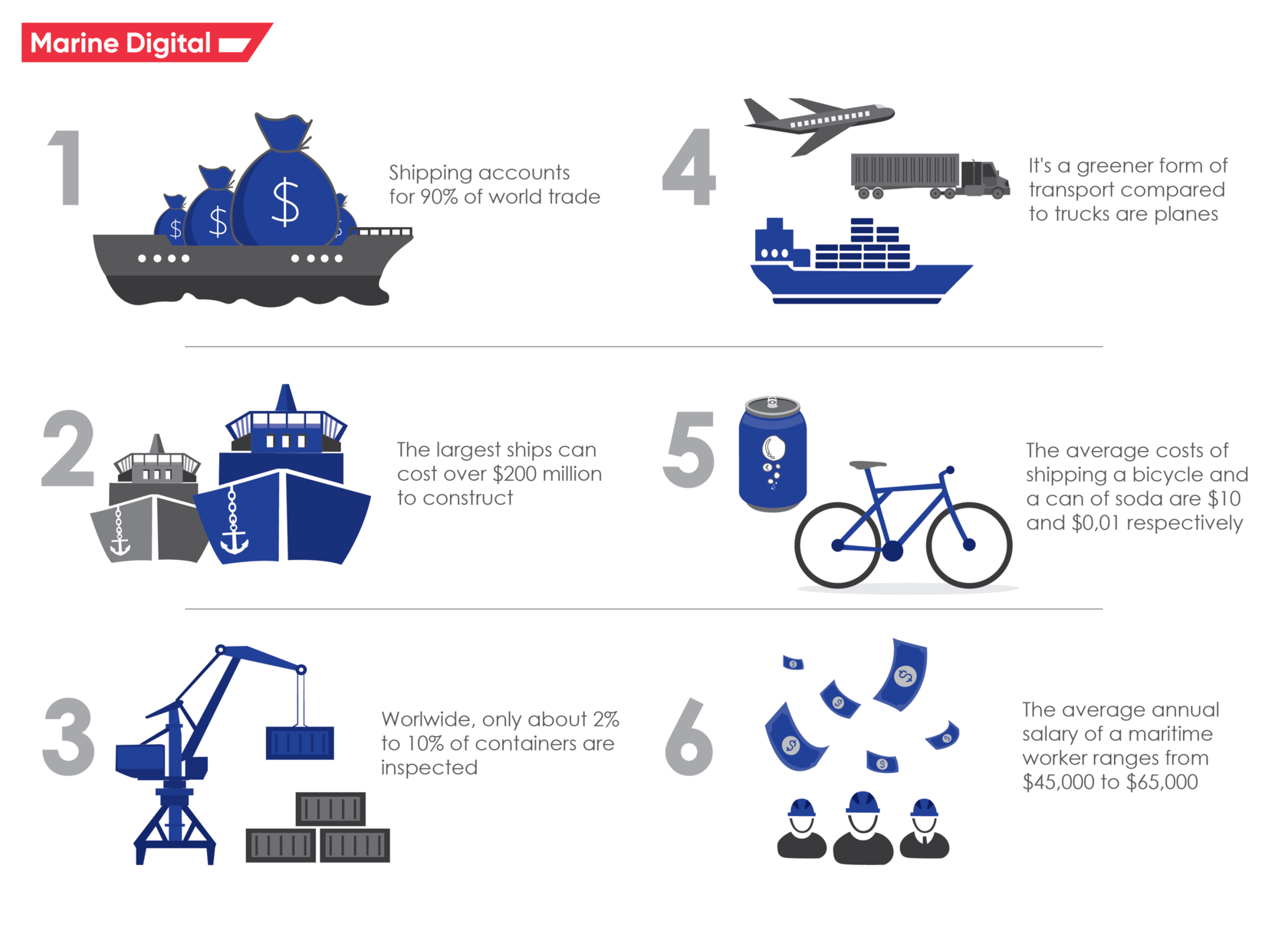
International shipping transports more than 80 per cent of global trade to peoples and communities worldwide. Shipping is the most efficient and cost-effective method of international transportation for most goods; it provides a dependable, low-cost means of transporting goods globally, facilitating commerce and helping to create prosperity among nations and peoples. The world relies on a safe, secure and efficient international shipping industry, which is an essential component of any programme for future sustainable green economic growth in a sustainable manner.

The roots of World Maritime Day can be traced back to the establishment of the International Maritime Organization or IMO itself. The IMO, originally known as the Inter-Governmental Maritime Consultative Organization or IMCO, was established in Geneva in 1948. However, it wasn’t until 1958 that the organisation came into force. World Maritime Day was first celebrated on March 17, 1978, marking the date when the IMO Convention entered into force in 1958. The annual day was started to draw global attention to the vital role of international shipping in supporting and sustaining the global economy and the importance of maritime security, safety, and the marine environment.

World Maritime Day serves several crucial purposes in today’s globalised world. It helps raise awareness about the importance of shipping safety, maritime security, and the marine environment among the general public, policymakers, and industry stakeholders. The day showcases the significant contributions of the maritime industry to the global economy. Over 80% of global trade by volume is carried by sea, making maritime transport essential for sustainable development and economic growth. World Maritime Day fosters international cooperation in maritime affairs, encouraging nations to work together to address common challenges and achieve shared goals. The day provides an opportunity to recognise and appreciate the 1.5 million seafarers who operate the global fleet, ensuring the smooth flow of international trade. Through various events and activities, World Maritime Day helps educate the public about maritime issues, careers, and the sector’s importance to everyday life.

Each year, the IMO selects a theme for World Maritime Day that reflects current priorities in the maritime sector. These themes have covered a range of issues, from safety and environmental protection to the human element of shipping.

Yesterday was World Maritime Day 2024. The theme for this year is “Navigating the Future: Safety First!”. This year’s theme reflects the IMO’s work to enhance maritime safety and security, in tandem with the protection of the marine environment, whilst ensuring its regulatory development process safely anticipates the fast pace of technological change and innovation. The theme provides the opportunity to focus on the full range of safety regulatory implications arising from new and adapted technologies and the introduction of alternative fuels including measures to reduce greenhouse gas emissions from ships, as IMO strives to ensure the safety and efficiency of shipping are maintained, and potentially improved so that the flow of seaborne international trade continues to be smooth and efficient.

World Maritime Day is celebrated globally through many activities and events organised by governments, maritime organisations, educational institutions, and industry stakeholders. These celebrations engage the public, promote maritime careers, and foster discussions on key industry issues. World Maritime Day plays a significant role in shaping global maritime policy. The annual themes often align with or influence the IMO’s strategic directions and work programs.

In addition to individual country celebrations, the IMO organises an annual World Maritime Day Parallel Event. This event is hosted by a different IMO Member State each year, providing an opportunity for the host country to showcase its maritime capabilities and culture. The Parallel Event typically includes high-level conferences and panel discussions, technical workshops on maritime issues, cultural exhibitions and performances, site visits to local maritime facilities, and networking opportunities for industry professionals. This year’s parallel event will be hosted by Spain in Barcelona from 20 – 22 October.

The maritime industry plays a crucial role in achieving many of the United Nations Sustainable Development Goals (SDGs). World Maritime Day themes often reflect this connection, highlighting how the maritime sector can contribute to sustainable development.

World Maritime Day stands as a testament to the enduring importance of the maritime sector in our globalised world. From its origins as a day to mark the IMO’s establishment to its current role as a global platform for addressing critical maritime issues, this annual observance continues to evolve and adapt to the changing needs of the industry and the world at large. The day serves as a reminder of the vital role that shipping plays in our daily lives and the global economy. It highlights the dedication and skill of the millions of maritime professionals who keep our oceans safe and our trade flowing. The day also underscores the collective responsibility we all share in ensuring that maritime activities are conducted safely, securely, and with minimal impact on the marine environment.