World Food Day

World Food Day is observed annually on October 16th to commemorate the founding of the Food and Agriculture Organisation (FAO) of the United Nations in 1945. This day serves as a platform to raise awareness about global hunger, food security, and the importance of sustainable agriculture. 

World Food Day was established by the FAO’s Member Countries during the Organisation’s 20th General Conference in November 1979. The Hungarian delegation, led by Dr. Pál Romány, proposed the idea of celebrating World Food Day to raise awareness about hunger and food security issues globally. The day was officially recognised and celebrated for the first time on October 16, 1981.

The establishment of World Food Day came at a time when the world was facing significant challenges related to hunger and malnutrition. The post-World War II era saw a growing recognition of the need for coordinated efforts to address food insecurity and improve agricultural practices. The FAO was created to lead these efforts, focusing on eradicating hunger and promoting sustainable agriculture.

The significance of food security is also intertwined with the Universal Declaration of Human Rights, adopted by the United Nations in 1948. Article 25 states that everyone has the right to a standard of living adequate for health and well-being, including food, clothing, housing, and medical care. This declaration underscores the importance of ensuring all individuals have access to sufficient and nutritious food.

World Food Day serves several important purposes. The day helps educate the public about the global hunger crisis and the importance of food security and highlights the challenges faced by millions of people who don’t have access to sufficient food. World Food Day encourages individuals, communities, and governments to take action to combat hunger and malnutrition. It serves as a call to mobilise resources and support initiatives at improve food security. The day recognises the progress in addressing hunger and promoting sustainable agricultural practices. It celebrates the efforts of organisations, governments, and individuals working to improve food security. World Food Day fosters collaboration among various stakeholders, including governments, NGOs, businesses, and communities, to address the complex challenges of food security. The day provides a platform for advocating for policies that support sustainable agriculture, food security, and the rights of marginalised communities.

The theme for World Food Day 2024 is “Right to foods for a better life and a better future.” The world’s farmers produce enough food to feed more than the global population yet, hunger persists. Up to 783 million people face hunger due to conflict, repeated weather shocks and economic downturns. This impacts the poor and vulnerable most severely, many of whom are agricultural households, reflecting widening inequalities across and within countries.

Food is the third most basic human need after air and water – everyone should have the right to adequate food. Human rights such as the right to food, life and liberty, work and education are recognised by the Universal Declaration of Human Rights and two legally binding international covenants. emphasises the critical role of agriculture and food systems in addressing global hunger and ensuring that everyone has access to sufficient and nutritious food.

‘Foods’ stands for diversity, nutrition, affordability, accessibility and safety. A greater diversity of nutritious foods should be available in our fields, fishing nets, markets, and on our tables, for the benefit of all. Over 2.8 billion people in the world are unable to afford a healthy diet. Unhealthy diets are the leading cause of all forms of malnutrition – undernutrition, micronutrient deficiencies and obesity, which now exist in most countries, cutting across socio-economic classes. Yet today, too many people suffer from hunger and are unable to afford healthy diets. More vulnerable people are often forced to rely on staple foods or less expensive foods that can be unhealthy, while others suffer from the unavailability of fresh or varied foods, lack the information they need to choose a healthy diet, or simply opt for convenience.
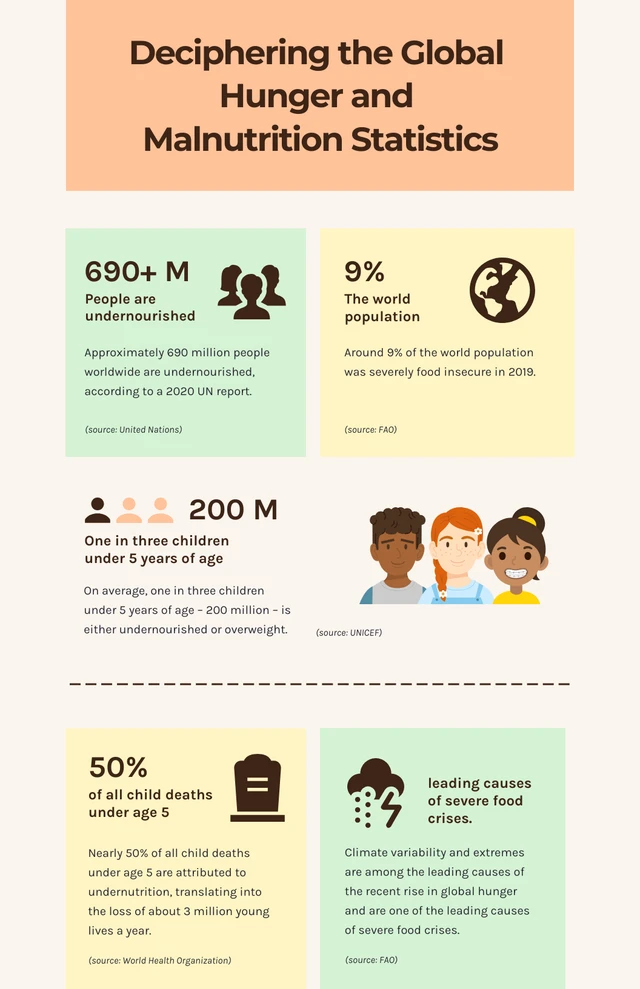
Hunger and malnutrition are further exacerbated by protracted or prolonged crises that are driven by a combination of conflict, extreme weather events and economic shocks. Agrifood systems, as a whole, are vulnerable to disasters and crises, particularly the impacts of climate change, but at the same time, they are generating pollution, degrading soil, water and air, contributing to greenhouse gas emissions, and causing biodiversity loss. By transforming agrifood systems, there is great potential to mitigate climate change and support peaceful, resilient and causing inclusive livelihoods for all.

Despite progress in addressing hunger, significant challenges remain. According to the FAO, nearly 690 million people were undernourished in 2020, and millions suffer from micronutrient deficiencies. The COVID-19 pandemic has exacerbated food insecurity, pushing more people into hunger. Climate change poses a significant threat to food security, impacting agricultural productivity and increasing the frequency of extreme weather events. Farmers are facing challenges such as droughts, floods, and changing growing seasons.

Armed conflicts and political instability disrupt food production and distribution, leading to increased hunger. Displaced populations often lack access to food and essential services. Economic disparities and poverty limit access to food for many individuals and families. Addressing the root causes of poverty is essential for improving food security. Approximately one-third of all food produced globally is wasted, contributing to hunger and environmental degradation. Reducing food waste is crucial for improving food security.
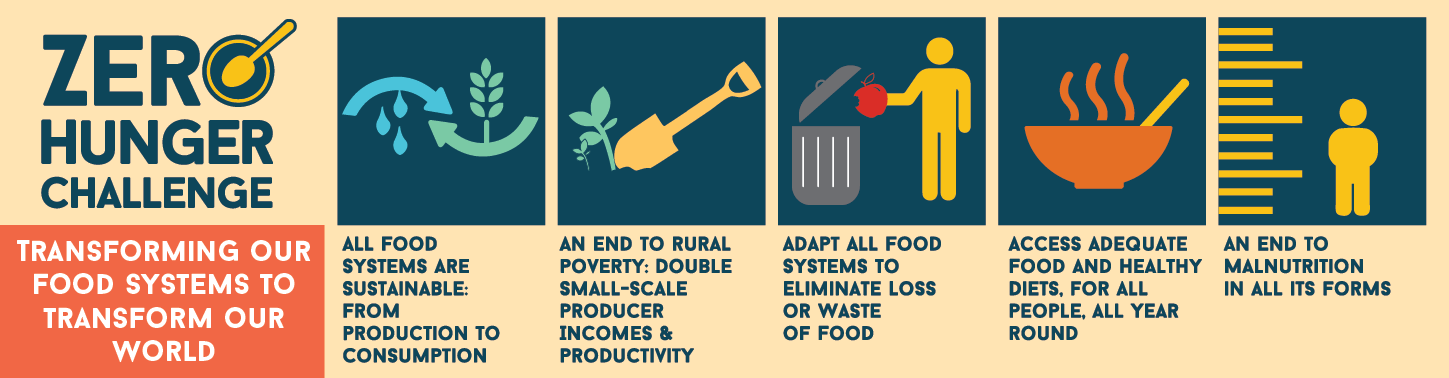
World Food Day is celebrated in over 150 countries, with various events and activities aimed at raising awareness and promoting action. The FAO plays a crucial role in addressing global food security challenges. Established in 1945, the organization works to eliminate hunger, improve nutrition, and promote sustainable agriculture. Launched by the UN Secretary-General, the Zero Hunger Challenge calls for a world where no one suffers from hunger. It aims to promote sustainable food systems and eliminate food waste. The Scaling Up Nutrition or SUN movement brings together governments, civil society, and the private sector to improve nutrition and address malnutrition in all its forms. The Global Agriculture and Food Security Program or GAFSP initiative provides funding to support agricultural investments in developing countries, aiming to improve food security and reduce poverty. The International Fund for Agricultural Development, IFAD focuses on rural development and poverty reduction by supporting smallholder farmers and promoting sustainable agricultural practices.

Innovations in agriculture and food systems are essential for addressing the challenges of food security. Key areas of innovation include agroecology, which promotes sustainable farming practices that enhance biodiversity, improve soil health, and increase resilience to climate change. Precision agriculture uses technology, such as drones and sensors, that allows farmers to optimise resource use, reduce waste, and improve crop yields. Vertical farming is an innovative farming method that involves growing crops in stacked layers, often in urban environments, maximising space and minimising resource use. The development of plant-based and lab-grown proteins provides sustainable alternatives to traditional livestock farming, reducing environmental impact. Innovations in food preservation, packaging, and distribution can help reduce food waste and improve food security.

Education and awareness are critical for promoting food security and sustainable agriculture. Integrating food education and nutrition programs into school curricula can help children develop healthy eating habits and understand the importance of sustainable food systems. Organising workshops and training sessions for farmers and community members can promote sustainable agricultural practices and improve food production. Launching campaigns to raise awareness about food security issues, healthy eating, and sustainable practices can engage the public and promote action. Partnering with media outlets to share stories and information about food security challenges can help raise awareness and inspire action. Involving young people in food security initiatives and encouraging their participation in advocacy efforts can help create a new generation of advocates for sustainable agriculture.

World Food Day serves as a vital reminder of the ongoing challenges related to hunger and food security. It is essential to recognise the critical role that sustainable agriculture plays in addressing these challenges. Through collective action, innovative practices, and a commitment to promoting food security for all, one can work towards a world where everyone has access to sufficient, nutritious food. World Food Day provides an opportunity for individuals, communities, and organisations to come together, raise awareness, and take meaningful action to combat hunger and promote sustainable agriculture. Food is not just a basic human right; it is also a vital component of health, well-being, and social stability. By prioritising food security and sustainable agricultural practices, a more equitable and sustainable future for all can be created.

World Teachers Day

World Teachers’ Day, celebrated annually on October 5th, is a global observance that honours the teaching profession and recognises educator’s crucial role in shaping our world. This day serves as an opportunity to appreciate teachers’ dedication, reflect on their challenges, and advocate for their rights and working conditions. 

The roots of World Teachers’ Day can be traced back to 1966 when the United Nations Educational, Scientific and Cultural Organization (UNESCO) and the International Labour Organization (ILO) adopted the “Recommendation Concerning the Status of Teachers.” This landmark document set international standards for the teaching profession, addressing issues such as teachers’ rights, responsibilities, initial preparation, further education, recruitment, employment, and working conditions.

It wasn’t until 1994, however, World Teachers’ Day was officially established. On October 5, 1994, UNESCO proclaimed the first World Teachers’ Day to commemorate the signing of the 1966 recommendation. The date was chosen to honour this significant educational milestone and raise awareness about teachers’ contributions to society.

Since its inception, World Teachers’ Day has grown into a global celebration, observed in over 100 countries. It serves as a focal point for governments, organisations, and communities to reflect on the state of education and the teaching profession.

World Teachers’ Day holds immense significance for several reasons. The day acknowledges the pivotal role teachers play in providing quality education and shaping future generations. It provides a platform to advocate for teachers’ rights, better working conditions, and professional development opportunities. The day draws attention to the challenges faced by educators worldwide, including resource shortages, overcrowded classrooms, and inadequate support. World Teachers’ Day helps attract and retain talented individuals to the teaching profession by highlighting its importance and value. It fosters a sense of unity among educators worldwide, encouraging the sharing of best practices and experiences across borders. The day stimulates discussions among policymakers, teachers, and other stakeholders about improving education systems and supporting teachers. And lastly, it raises public awareness about the crucial role of teachers in achieving global education goals and sustainable development.

Each year, UNESCO and its partners select a theme for World Teachers’ Day that reflects current priorities and challenges in global education. These themes serve to focus discussions and actions around specific aspects of the teaching profession and education at large. The focus this year is on “Empowering Educators: Strengthening Resilience, Building Sustainability.” This theme highlights the crucial need to support and empower teachers in an ever-changing educational landscape. In these challenging times, teachers have emerged as beacons of resilience, adapting and innovating for their students.This theme recognises the challenges educators face and emphasizes the importance of building their resilience to adapt to new circumstances, technologies, and teaching methodologies. It acknowledges the need to equip educators with the tools, skills, and support necessary to navigate the complexities of modern teaching.

By focusing on strengthening resilience, the theme recognises the importance of helping teachers develop the mental, emotional, and professional fortitude to overcome challenges and adapt to change. This resilience is crucial in maintaining high-quality education in the face of global uncertainties, technological advancements, and evolving societal needs. The emphasis on building sustainability in this theme extends beyond environmental concerns to encompass the sustainability of the teaching profession itself. It calls for creating supportive environments, providing ongoing professional development, and ensuring that teaching remains an attractive and viable long-term career choice.

This theme also aligns with broader global goals, such as the UN Sustainable Development Goals, particularly SDG 4 on Quality Education. It recognises that empowered and resilient teachers are key to providing inclusive, equitable, and quality education for all. After all, sustainable development starts with quality education. 

The day is marked by a variety of activities and events around the globe, aimed at honouring teachers and promoting the teaching profession. These activities ensure that World Teachers’ Day resonates with people from all walks of life, fostering a culture of respect and appreciation for educators.

While World Teachers’ Day is a celebration, it also serves as a platform to address the challenges facing educators worldwide. Many countries face severe teacher shortages, particularly in rural and underprivileged areas. Teachers in many parts of the world are underpaid, leading to low morale and difficulty in attracting talented individuals to the profession. Increasing administrative tasks and large class sizes often lead to teacher burnout. Many teachers lack access to quality, ongoing professional development opportunities. The rapid pace of technological change requires constant upskilling, which can be challenging for many educators. In some regions, teachers face physical dangers, including violence and threats from extremist groups. Many schools, especially in developing countries, lack basic teaching materials and infrastructure. Frequent changes in educational policies can create instability and uncertainty for teachers. In some societies, teaching is not accorded the respect and status it deserves, affecting teacher morale and recruitment. The emotional demands of teaching can take a toll on educators’ mental health and well-being. Addressing these challenges is crucial for improving the quality of education globally and ensuring that teaching remains an attractive and respected profession.

The COVID-19 pandemic has had a profound impact on education systems worldwide, bringing unprecedented challenges to teachers and students alike. Teachers had to quickly adapt to remote teaching, often with limited training and resources. The pandemic highlighted and exacerbated existing inequalities in access to technology and internet connectivity. Both teachers and students faced increased stress, anxiety, and isolation during lockdowns and school closures. Many students experienced significant learning losses, particularly those from disadvantaged backgrounds. Teachers often found themselves working longer hours to adapt curricula, support students remotely, and manage new technologies. As schools reopened, teachers had to balance educational needs with health and safety protocols. The crisis spurred innovation in teaching methods and the use of educational technology. The pandemic highlighted the essential role of teachers in society and education systems. These experiences have reshaped conversations about the future of education and the support needed for teachers to effectively navigate crises and adapt to changing educational landscapes.

Several trends and innovations are shaping the future of teaching. The integration of online and in-person instruction is likely to become more prevalent, offering flexibility and personalised learning experiences. AI tools may assist teachers in tasks like grading, personalized instruction, and identifying students who need additional support. There’s a growing emphasis on hands-on, interdisciplinary projects that develop critical thinking and problem-solving skills. Increased focus on developing students’ emotional intelligence and interpersonal skills alongside academic knowledge. Technology enables teachers and students to collaborate with peers around the world, fostering global citizenship. The use of game-design elements in non-game contexts to increase student engagement and motivation. These technologies offer immersive learning experiences, particularly beneficial in subjects like science and history. Data-driven approaches allow for more tailored educational experiences based on individual student needs and progress. Short, focused courses allow teachers to continuously update their skills and knowledge in specific areas. Integrating environmental awareness and sustainable practices across all subjects and grade levels. These trends highlight the need for ongoing professional development and support for teachers as they navigate an ever-evolving educational landscape.

World Teachers’ Day serves as a reminder of the critical role teachers play in achieving global education goals, particularly the United Nations Sustainable Development Goal 4 (SDG 4), which aims to “ensure inclusive and equitable quality education and promote lifelong learning opportunities for all” by 2030. 

Teachers are at the forefront of efforts to improve access to education, especially for marginalised and vulnerable populations. They enhance the quality of education by implementing effective teaching strategies and fostering critical thinking skills. Teachers promote gender equality through gender-sensitive teaching practices and encouraging girls’ participation in all subjects. They foster global citizenship by teaching about global issues promoting intercultural understanding and supporting lifelong learning by instilling a love for learning and providing skills for continuous self-improvement. Teachers adapt education to local contexts ensuring relevance and cultural appropriateness of curricula and implement inclusive education by catering to diverse learning needs and abilities in the classroom by integrating technology and leveraging digital tools to enhance learning experiences and outcomes. World Teachers’ Day highlights the importance of supporting and empowering teachers to fulfil these crucial roles effectively.

In a world facing complex challenges – from climate change to technological disruption – the role of teachers in shaping informed, skilled, and compassionate global citizens is more critical than ever. World Teachers’ Day serves not only as a celebration of educators’ dedication and impact but also as a call to action. 

The day reminds us of the need to invest in teacher education by ensuring that teachers are well-prepared for the evolving demands of their profession; to improve working conditions by providing teachers with the resources, support, and respect they need to excel in their roles; to elevate the teaching profession by attracting and retaining talented individuals by enhancing the status and appeal of teaching careers; to foster innovation in education by encouraging new approaches to teaching and learning that prepare students for the challenges of the 21st century; to promote equity in education by addressing disparities in educational access and quality, both within and between countries; to support teacher well-being by recognising the importance of teachers’ mental and physical health in delivering quality education; and to engage in global dialogue by facilitating the exchange of ideas and best practices among educators worldwide.

In honouring teachers, we acknowledge that they are not just transmitters of knowledge, but shapers of futures, nurturers of potential, and catalysts for positive change. World Teachers’ Day reminds us all – students, parents, policymakers, and community members – of the profound impact a good teacher can have and the collective responsibility we share in supporting the teaching profession.

World Maritime Day

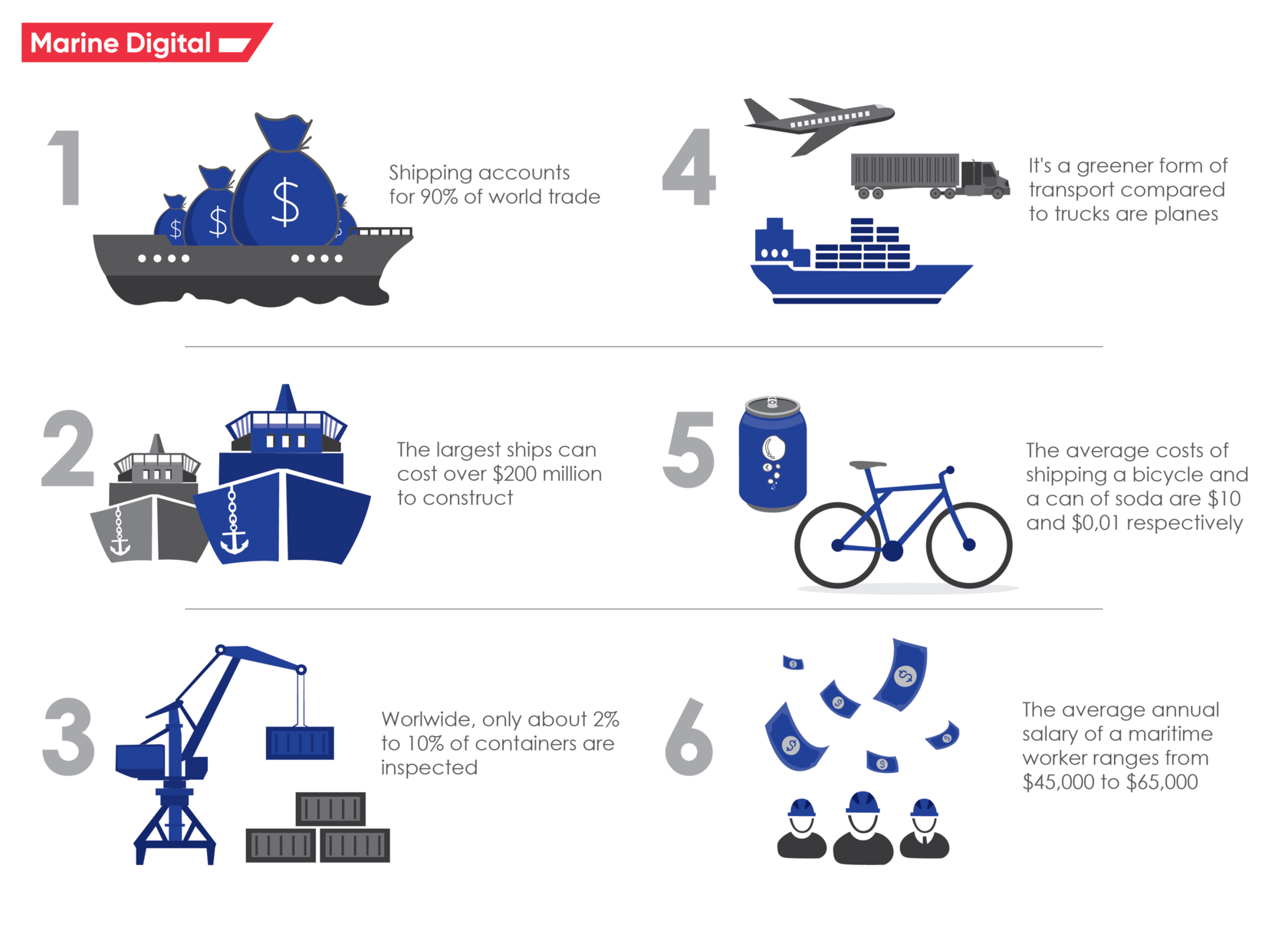
International shipping transports more than 80 per cent of global trade to peoples and communities worldwide. Shipping is the most efficient and cost-effective method of international transportation for most goods; it provides a dependable, low-cost means of transporting goods globally, facilitating commerce and helping to create prosperity among nations and peoples. The world relies on a safe, secure and efficient international shipping industry, which is an essential component of any programme for future sustainable green economic growth in a sustainable manner.

The roots of World Maritime Day can be traced back to the establishment of the International Maritime Organization or IMO itself. The IMO, originally known as the Inter-Governmental Maritime Consultative Organization or IMCO, was established in Geneva in 1948. However, it wasn’t until 1958 that the organisation came into force. World Maritime Day was first celebrated on March 17, 1978, marking the date when the IMO Convention entered into force in 1958. The annual day was started to draw global attention to the vital role of international shipping in supporting and sustaining the global economy and the importance of maritime security, safety, and the marine environment.

World Maritime Day serves several crucial purposes in today’s globalised world. It helps raise awareness about the importance of shipping safety, maritime security, and the marine environment among the general public, policymakers, and industry stakeholders. The day showcases the significant contributions of the maritime industry to the global economy. Over 80% of global trade by volume is carried by sea, making maritime transport essential for sustainable development and economic growth. World Maritime Day fosters international cooperation in maritime affairs, encouraging nations to work together to address common challenges and achieve shared goals. The day provides an opportunity to recognise and appreciate the 1.5 million seafarers who operate the global fleet, ensuring the smooth flow of international trade. Through various events and activities, World Maritime Day helps educate the public about maritime issues, careers, and the sector’s importance to everyday life.

Each year, the IMO selects a theme for World Maritime Day that reflects current priorities in the maritime sector. These themes have covered a range of issues, from safety and environmental protection to the human element of shipping.

Yesterday was World Maritime Day 2024. The theme for this year is “Navigating the Future: Safety First!”. This year’s theme reflects the IMO’s work to enhance maritime safety and security, in tandem with the protection of the marine environment, whilst ensuring its regulatory development process safely anticipates the fast pace of technological change and innovation. The theme provides the opportunity to focus on the full range of safety regulatory implications arising from new and adapted technologies and the introduction of alternative fuels including measures to reduce greenhouse gas emissions from ships, as IMO strives to ensure the safety and efficiency of shipping are maintained, and potentially improved so that the flow of seaborne international trade continues to be smooth and efficient.

World Maritime Day is celebrated globally through many activities and events organised by governments, maritime organisations, educational institutions, and industry stakeholders. These celebrations engage the public, promote maritime careers, and foster discussions on key industry issues. World Maritime Day plays a significant role in shaping global maritime policy. The annual themes often align with or influence the IMO’s strategic directions and work programs.

In addition to individual country celebrations, the IMO organises an annual World Maritime Day Parallel Event. This event is hosted by a different IMO Member State each year, providing an opportunity for the host country to showcase its maritime capabilities and culture. The Parallel Event typically includes high-level conferences and panel discussions, technical workshops on maritime issues, cultural exhibitions and performances, site visits to local maritime facilities, and networking opportunities for industry professionals. This year’s parallel event will be hosted by Spain in Barcelona from 20 – 22 October.

The maritime industry plays a crucial role in achieving many of the United Nations Sustainable Development Goals (SDGs). World Maritime Day themes often reflect this connection, highlighting how the maritime sector can contribute to sustainable development.

World Maritime Day stands as a testament to the enduring importance of the maritime sector in our globalised world. From its origins as a day to mark the IMO’s establishment to its current role as a global platform for addressing critical maritime issues, this annual observance continues to evolve and adapt to the changing needs of the industry and the world at large. The day serves as a reminder of the vital role that shipping plays in our daily lives and the global economy. It highlights the dedication and skill of the millions of maritime professionals who keep our oceans safe and our trade flowing. The day also underscores the collective responsibility we all share in ensuring that maritime activities are conducted safely, securely, and with minimal impact on the marine environment.

International Equal Pay Day

On September 18th each year, the world observes International Equal Pay Day – a day dedicated to raising awareness about the persistent gender pay gap and advocating for equal compensation regardless of gender. This important observance highlights the ongoing struggle for wage equality and serves as a call to action for governments, businesses, and individuals to address pay discrimination and create more equitable workplaces.

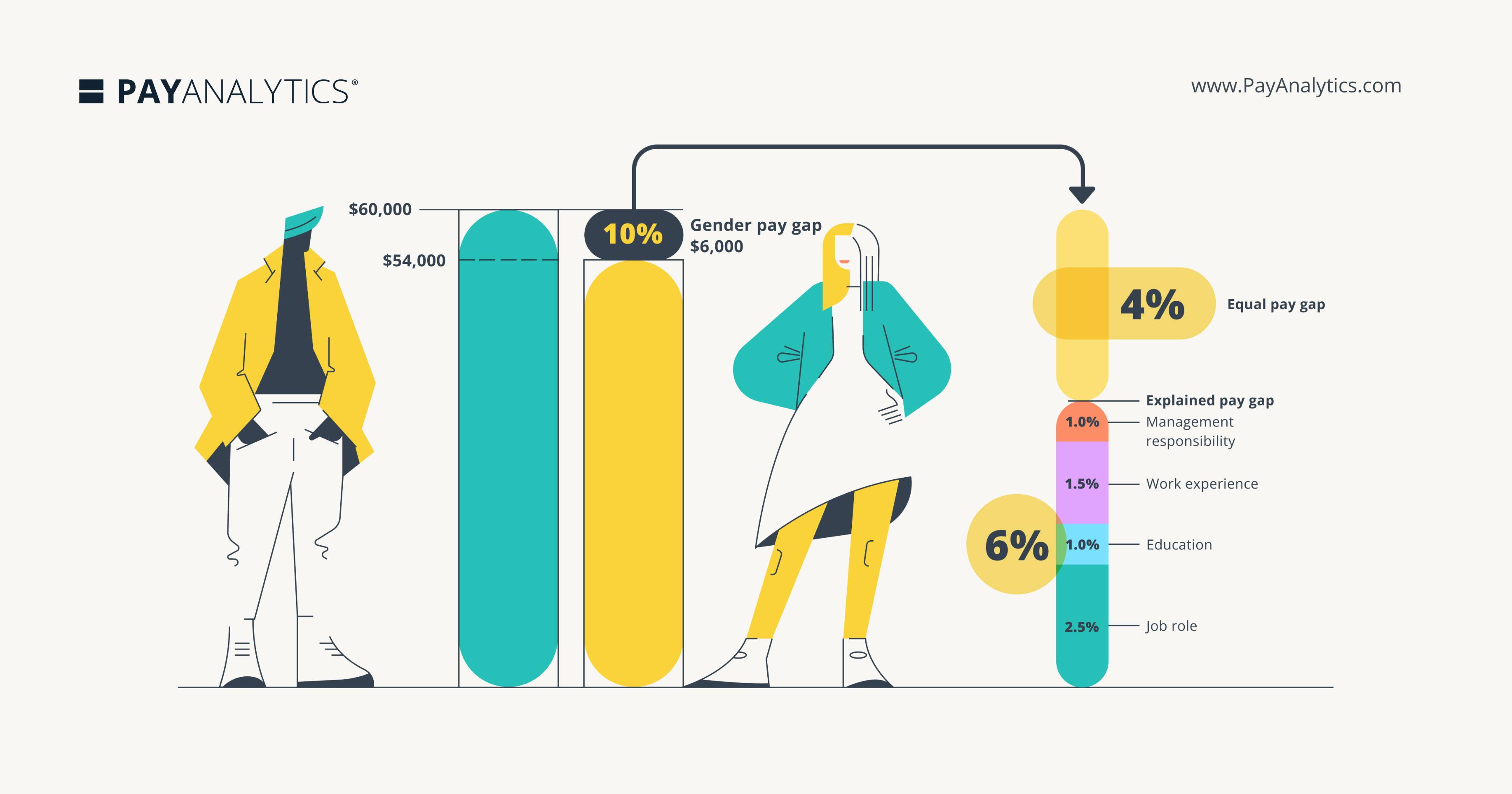
The gender pay gap remains a pervasive issue globally, with women on average earning less than men for work of equal value across nearly all industries and occupations. International Equal Pay Day shines a spotlight on this inequality and aims to accelerate progress towards achieving equal pay for work of equal value.

Equal pay for equal work is a fundamental human right and a cornerstone of gender equality. When women are paid less than men for the same work, it perpetuates gender discrimination and has far-reaching negative impacts on individuals, families, communities, and entire economies.

At its core, equal pay is about basic fairness and economic justice. When women are paid less for the same work, it devalues their contributions and sends the message that their labour is worth less. This violates the principle of equal pay for equal work and undermines notions of meritocracy and fair compensation. Paying women equally is simply the right thing to do from an ethical standpoint.

The gender pay gap contributes significantly to poverty rates among women and families. When women earn less, it reduces household incomes and makes it harder for families to make ends meet. Equal pay would boost incomes for women and families, helping to lift many out of poverty. This in turn improves quality of life, access to resources, and overall family well-being.

Closing the gender pay gap would provide a major boost to the global economy. When women have more income, they tend to spend more on goods and services, stimulating economic activity and growth. Some estimates suggest that achieving pay equity could add trillions of dollars to the global GDP. Pay equality allows economies to benefit from women’s full economic participation and purchasing power.

Research shows that companies with greater gender diversity and pay equity tend to outperform their less equitable peers. Equal pay helps businesses attract and retain top female talent, reduce turnover, increase productivity and innovation, and improve company reputation. Pay equity is increasingly seen as a competitive advantage for forward-thinking businesses.

The pay gap is both a cause and a consequence of broader gender inequalities in society. Closing the pay gap helps break down gender stereotypes, challenges occupational segregation, and creates more opportunities for women’s advancement. Equal pay is a crucial step towards achieving overall gender equality across social, political, and economic spheres.

When women earn less over their lifetimes due to the pay gap, it reduces their long-term economic security and increases their risk of poverty in old age. Equal pay allows women to accrue more savings, build greater wealth, and have more resources for retirement. This enhances women’s financial independence and security throughout their lives.

Achieving equal pay sends a powerful message to girls and young women that their work is equally valued and that they can aspire to any career. It helps break intergenerational cycles of inequality and creates more opportunities for the next generation. Equal pay sets an important precedent of fairness and equality for youth.

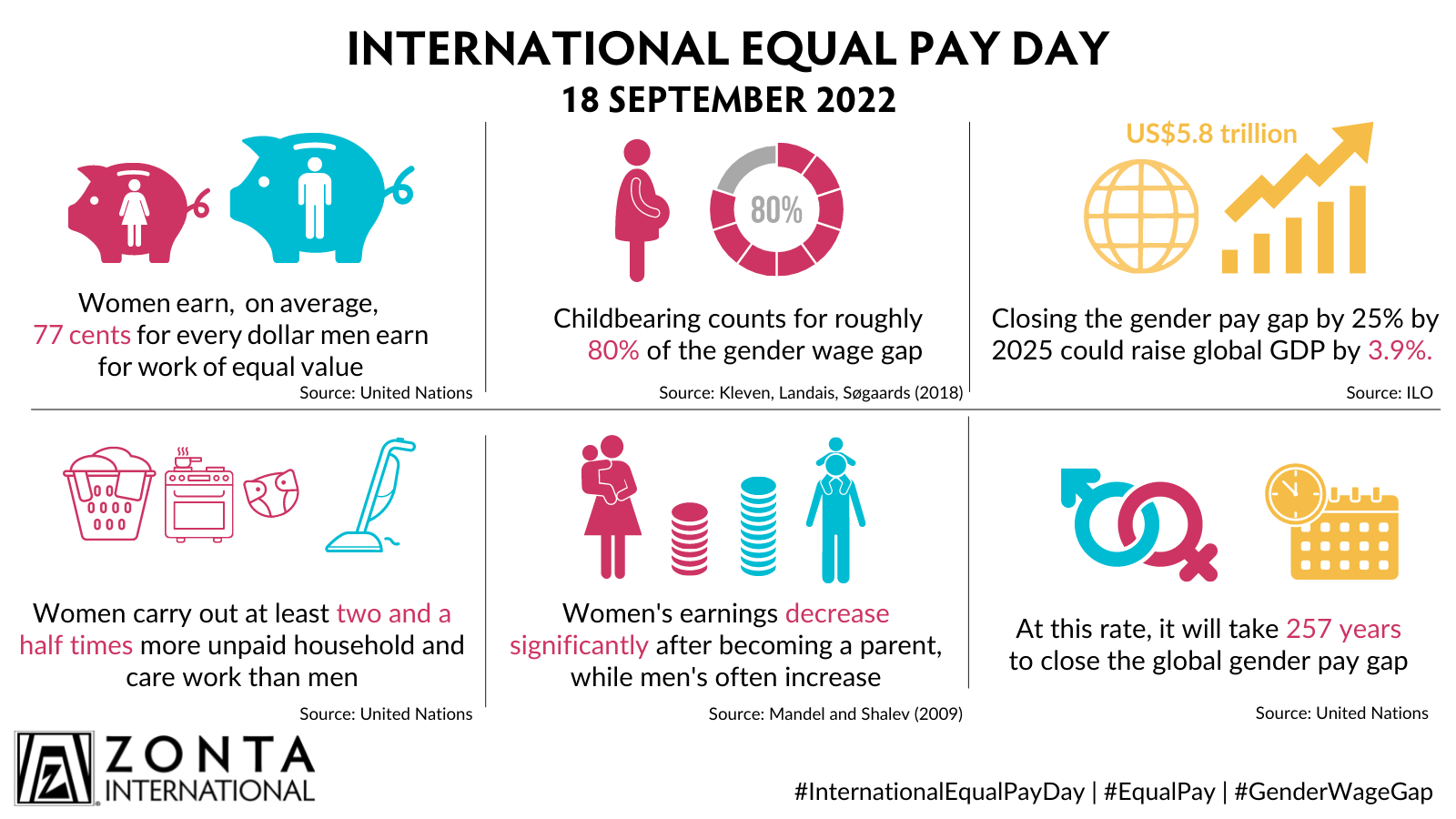
The date of September 18th for International Equal Pay Day was chosen deliberately to highlight how far into the year women must work to earn what men earned in the previous year. In other words, it symbolically represents the extra days women must work to catch up to men’s earnings. The September 18th date is based on global estimates that women earn on average about 77% of what men earn for work of equal value. This translates to a pay gap of about 23%. Mathematically, women would need to work about 70 extra days into the new year, or until September 18th to make up this 23% difference.

The specific date may vary slightly from year to year and differs in various countries based on their pay gaps. However, September 18th was chosen as a representative global date to create a unified day of awareness and action.

The September 18th date occurs near the end of the year to emphasise how long women must work to catch up. It falls on a weekday to highlight the issue in the context of the regular workweek. It’s after most schools are back in session, allowing for educational events. It avoids major holidays or national observances in most countries. The date provides time after summer vacations for organising awareness activities

By choosing a date that viscerally demonstrates the tangible impact of the pay gap, International Equal Pay Day aims to create a sense of urgency around addressing this persistent inequality. The September 18th observance serves as a powerful reminder that women are still playing catch-up when it comes to compensation.

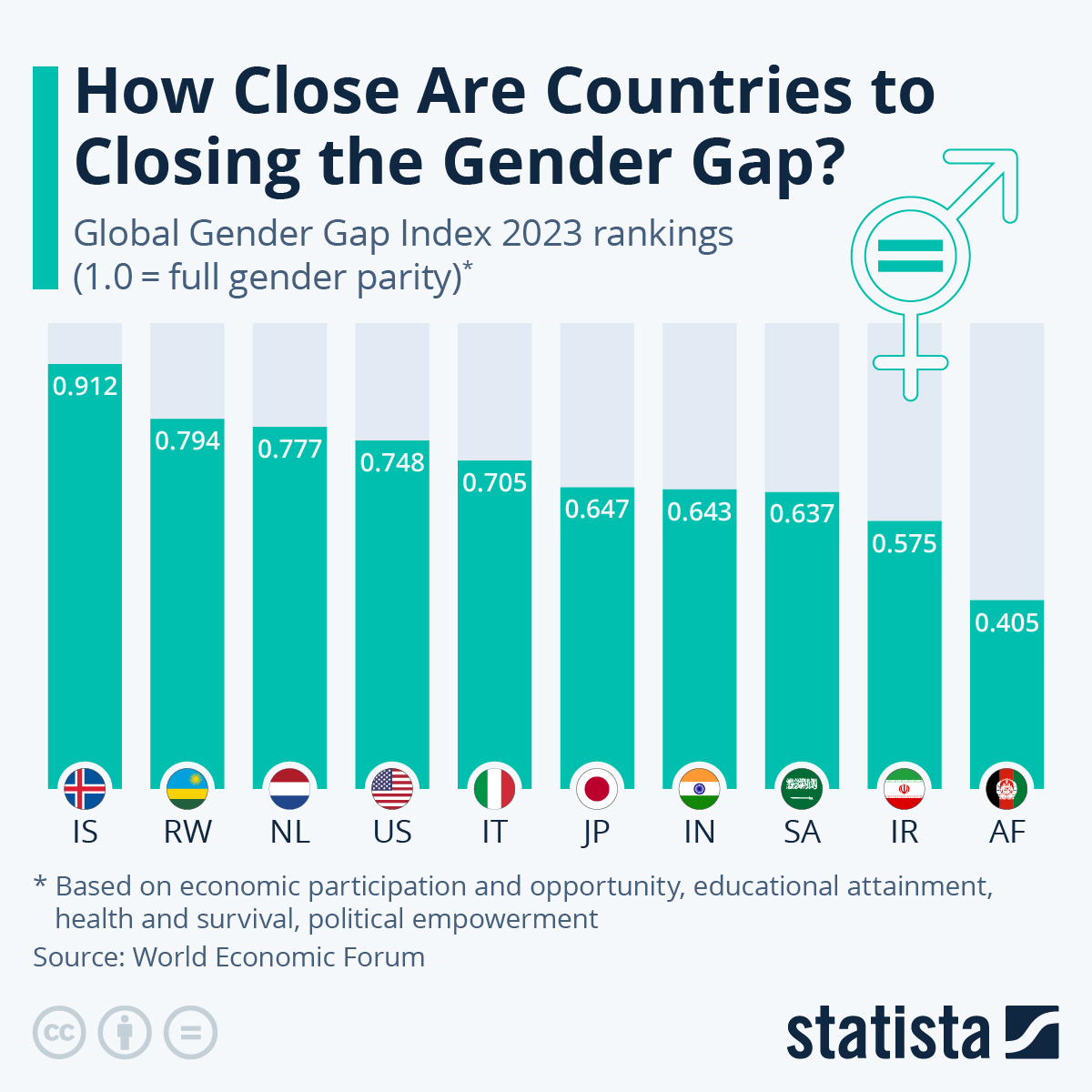
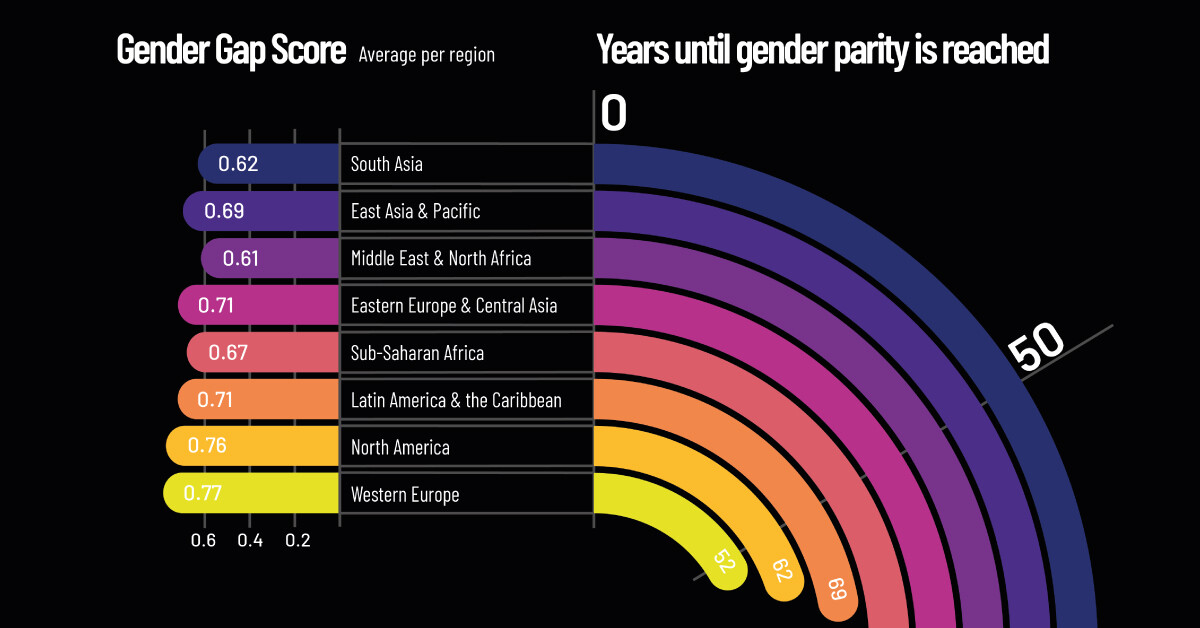
While progress has been made in recent decades towards narrowing the gender pay gap, significant disparities persist around the world. Worldwide, women earn on average 77% of what men earn for work of equal value. The global gender pay gap is estimated at 23%. At the current rate of progress, it will take 257 years to close the global gender pay gap. The pay gap tends to be smallest in countries with strong equal pay laws and social policies. Scandinavian countries like Iceland and Norway have some of the smallest pay gaps while the gap tends to be larger in developing countries and regions with weaker labour protections. The pay gap is often wider for women of colour, immigrant women, and other marginalised groups. Factors like race, ethnicity, age, disability status, and sexual orientation intersect with gender to impact pay. An intersectional approach is needed to address pay inequalities faced by diverse groups of women.

Women are overrepresented in lower-paying occupations and underrepresented in higher-paying fields. Even in female-dominated occupations, men tend to earn more and advance faster. Increasing women’s access to male-dominated, higher-paying fields is key to closing the gap. Women often face a “motherhood penalty” in pay and career advancement after having children. The pay gap tends to widen for women after becoming mothers. Better parental leave and childcare policies are needed to address this.

Women are underrepresented in senior leadership and high-paying executive roles. The pay gap tends to be largest at the top of the wage distribution. Getting more women into leadership positions is crucial for pay equity. While the numbers vary by country and context, the overall picture shows that the gender pay gap remains a persistent global challenge requiring continued focus and action. International Equal Pay Day serves as an important reminder of how much work remains to be done.

To effectively address the pay gap, it’s important to understand its complex root causes. The gender pay gap stems from a variety of interrelated factors. Despite laws against pay discrimination, both conscious and unconscious biases continue to impact hiring, promotion, and compensation decisions. Stereotypes about women’s capabilities and commitment can lead to lower starting salaries and fewer opportunities for advancement. Women are overrepresented in lower-paying fields and underrepresented in higher-paying STEM and leadership roles. This occupational segregation is influenced by societal expectations, education disparities, and discrimination.

Women still shoulder a disproportionate share of unpaid care work for children and family members. This can lead to career interruptions, reduced hours, and missed opportunities for advancement that impact long-term earnings. When pay information is not transparent, it’s harder to identify and address gender-based pay disparities. Secrecy around compensation allows pay discrimination to persist unchallenged. Research shows women are less likely to negotiate salaries and raises, and face backlash when they do. This can lead to lower starting salaries that compound over time.

Women are more likely to work part-time, often due to caregiving duties. Part-time work tends to pay less per hour and offers fewer opportunities for advancement. While women have made great strides in educational attainment, gaps remain in some fields. Limited access to training and professional development can also hinder women’s career progression. Jobs traditionally associated with women, like teaching and caregiving, tend to be paid less than male-dominated professions requiring similar skills and education.

With fewer women in senior decision-making roles, there are limited champions for pay equity initiatives and role models for aspiring female leaders. Weak or poorly enforced equal pay laws, along with limited paid leave and childcare support, create an environment where the pay gap can persist. Understanding these multifaceted root causes is essential for developing comprehensive solutions to close the gender pay gap. Effective strategies must address both individual factors and broader systemic issues.

Closing the gender pay gap requires a multifaceted approach involving governments, employers, and individuals.

What governments can do is strengthen and enforce equal pay laws, mandate pay transparency and reporting, implement comprehensive paid family leave policies, invest in affordable, high-quality childcare, promote women’s education and training in high-paying fields, set targets for women’s representation in leadership roles, and raise the minimum wage and improve protections for part-time workers.

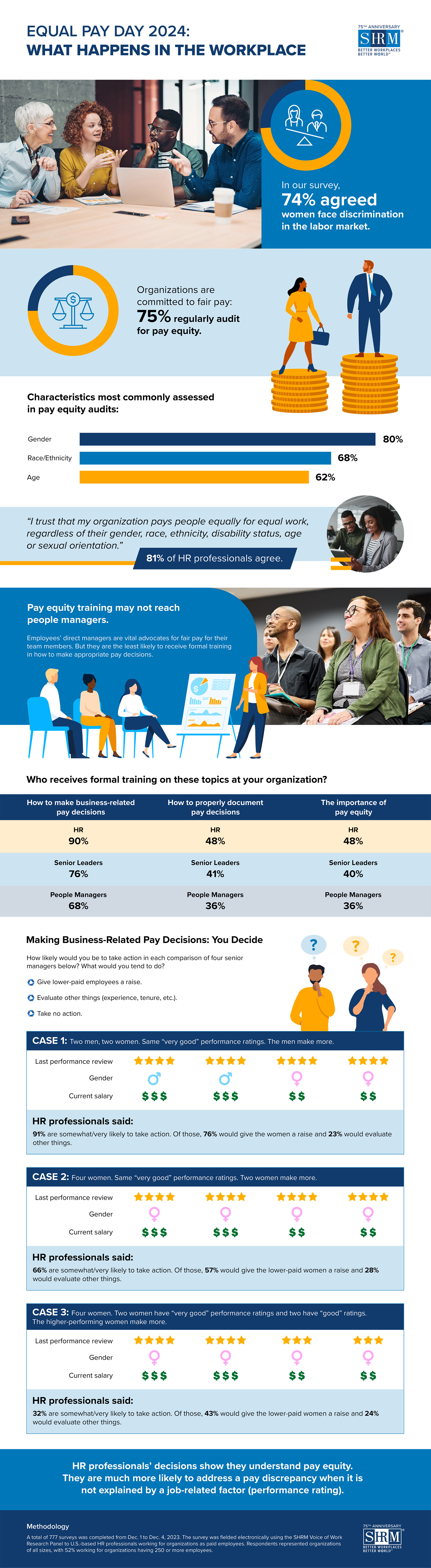
Actions that employers can take include conducting regular pay equity audits and addressing any disparities, implementing transparent pay scales and job evaluation systems, training managers on unconscious bias in hiring and promotion decisions, offering flexible work arrangements to support work-life balance, actively recruiting and promoting women into leadership positions, providing mentorship and sponsorship programmes for women, and offering paid parental leave and supporting returning parents

As an individual, one should educate oneself about the pay gap and one’s rights, research salary information and negotiate fair compensation, support and mentor other women in the workplace, join or form employee resource groups focused on gender equity, advocate for pay transparency and equity initiatives at one’s workplace, challenge gender stereotypes and biases when one encounters them, and share caregiving responsibilities more equally in one’s household.

Collectively, we should support organisations working to close the pay gap, participate in Equal Pay Day awareness events and campaigns, advocate for policy changes with elected officials, boycott companies with poor track records on pay equity, use social media to raise awareness about the pay gap, encourage men to be allies in the fight for pay equity, and join unions or professional associations advocating for fair pay.

By taking action at multiple levels – from government policies to workplace practices to individual behaviours – we can accelerate progress towards closing the gender pay gap. Every step, no matter how small, contributes to creating a more equitable world.

Data and transparency play a crucial role in identifying, understanding, and addressing the gender pay gap. Without accurate information on compensation across genders, it’s difficult to pinpoint where disparities exist and take targeted action to close them. Comprehensive pay data allows organisations to identify where gender-based pay gaps exist within their workforce. This data can reveal patterns across departments, job levels, and demographic groups. Regular collection and analysis of pay data enables tracking of progress over time. This allows organisations and policymakers to assess the effectiveness of various initiatives and adjust strategies as needed. Robust data on the pay gap informs the development of evidence-based policies at both the organizational and governmental levels. It helps policymakers understand the scope of the problem and design targeted interventions.

Transparent reporting of pay gap data raises awareness among employees, stakeholders, and the public. This increased visibility can create pressure for change and hold organizations accountable. When employees have access to pay information, they are better equipped to negotiate fair compensation and challenge discriminatory practices. Transparency reduces information asymmetry in salary negotiations. Public reporting of pay data allows for benchmarking and identification of best practices. Organisations can learn from peers who have successfully narrowed their pay gaps.

In many jurisdictions, pay data reporting is becoming a legal requirement. Transparency initiatives help organisations stay compliant with evolving equal pay laws. Openness about pay practices demonstrates a commitment to fairness and can build trust with employees, customers, and investors. It shows that an organization has nothing to hide.

To leverage the power of data and transparency, organizations and governments should conduct regular pay equity audits, implement pay transparency policies, publicly report gender pay gap data, use standardised metrics for consistent reporting, analyse intersectional data to understand disparities among different groups, invest in data collection and analysis capabilities, and foster a culture of openness around compensation. By embracing data and transparency, we can shine a light on pay disparities and create the accountability needed to drive real change.

While closing the gender pay gap is fundamentally about fairness and equality, there is also a strong business case for pay equity. Companies that prioritise fair compensation regardless of gender often see significant benefits. Organisations known for pay equity are better positioned to attract and retain top talent, particularly women, who are increasingly prioritising fair pay when choosing employers. When employees feel they are compensated fairly, they tend to be more engaged, motivated, and productive. Pay equity contributes to a positive workplace culture. Diverse teams with equitable pay practices tend to be more innovative and creative, bringing a wider range of perspectives to problem-solving.

Companies that demonstrate a commitment to pay equity often enjoy improved reputations among customers, investors, and the general public. This can translate into brand loyalty and increased market share. Proactively addressing pay equity reduces the risk of costly discrimination lawsuits and regulatory penalties. It’s often more cost-effective to address disparities early than to face legal challenges later. Research suggests that companies with greater gender diversity and pay equity tend to outperform their less equitable peers financially. Pay equity can contribute to stronger bottom-line results.

When women are fairly compensated and represented at all levels of an organization, it leads to more balanced and effective decision-making. Many investors now consider gender pay equity as part of their environmental, social, and governance (ESG) criteria. Companies with strong pay equity practices may be more attractive to socially conscious investors. For companies serving diverse customer bases, pay equity helps ensure the workforce better reflects and understands its customers, leading to improved products and services.

As pay equity becomes increasingly important to employees, customers, and regulators, companies that address it now will be better positioned for future success. By recognising and leveraging these business benefits, companies can align their financial interests with the ethical imperative of pay equity. This creates a win-win situation where doing the right thing also drives business success.

International Equal Pay Day serves as a powerful reminder of the ongoing struggle for wage equality and the importance of closing the gender pay gap. While progress has been made, significant disparities persist, requiring continued focus and action from governments, employers, and individuals.

The reasons for prioritising equal pay are compelling – from basic fairness and economic justice to improved business performance and accelerated economic growth. By addressing the root causes of the pay gap and implementing comprehensive solutions, we can create more equitable workplaces and societies.

As we commemorate International Equal Pay Day on September 18th, let it serve not just as a day of awareness, but as a call to action. Every person has a role to play in advancing pay equity, whether through advocating for policy changes, implementing fair practices in the workplace, or challenging biases in our daily lives.

Closing the gender pay gap is not just about numbers on a paycheck – it’s about valuing women’s contributions equally, creating opportunities for advancement, and building a more just and prosperous world for all. As we strive for wage equality, we move closer to realizing the full potential of half the world’s population.

World Humanitarian Day: Celebrating the Unsung Heroes of Humanity

In a world where conflict, natural disasters, and poverty continue to ravage communities, leaving countless individuals in dire need of assistance, the importance of humanitarianism cannot be overstated. World Humanitarian Day, observed on August 19th, is a testament to the tireless efforts of humanitarians who risk their lives to provide aid, support, and hope to those affected by crises. This day serves as a poignant reminder of the critical role humanitarianism plays in alleviating suffering, promoting resilience, and fostering a more compassionate world.

World Humanitarian Day was first observed in 2008, following the adoption of a United Nations General Assembly resolution. The creation of World Humanitarian Day was a direct response to the tragic bombing of the United Nations headquarters in Baghdad, Iraq, on August 19, 2003. This event resulted in the loss of 22 humanitarian aid workers, including Sérgio Vieira de Mello, the UN Special Representative of the Secretary-General for Iraq. This devastating incident highlighted the risks and sacrifices made by humanitarian personnel in their line of duty and underscored the need for greater recognition and support for their efforts.

Humanitarianism is a philosophy and practice that seeks to alleviate human suffering, promote human dignity, and protect human life. It is rooted in the principles of humanity, impartiality, neutrality, and independence, which guide the actions of humanitarian organizations and individuals. Humanitarianism encompasses a broad range of activities, including disaster response, refugee support, healthcare, education, and advocacy, all aimed at addressing the needs of vulnerable populations.

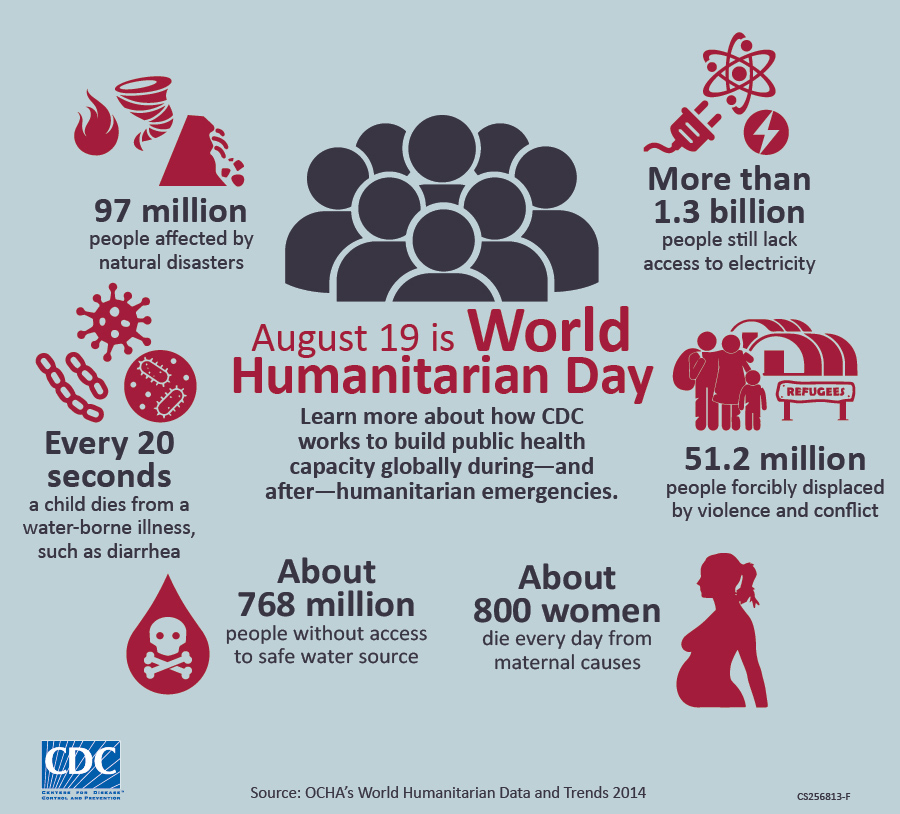
In today’s world, where conflicts, natural disasters, and pandemics continue to escalate, the need for humanitarianism has never been more pressing. The world is facing unprecedented humanitarian challenges, with over 200 million people in need of humanitarian assistance in 2020 alone. Conflicts, climate change, and pandemics have led to a significant increase in displacement, hunger, and disease, underscoring the critical role of humanitarians in responding to these crises. Humanitarian workers are increasingly becoming targets of violence, with attacks on aid convoys, healthcare facilities, and personnel on the rise. In 2020, 484 humanitarian workers were killed, injured, or kidnapped, highlighting the need for greater protection and support for these brave individuals. Humanitarian responses are often underfunded, with significant gaps between the needs of affected populations and the resources available to respond. In 2020, the United Nations Office for the Coordination of Humanitarian Affairs (OCHA) reported a funding gap of over 40% for its global humanitarian appeals.

World Humanitarian Day serves as a platform to promote international cooperation and solidarity in responding to humanitarian crises. It encourages governments, organizations, and individuals to work together to address the root causes of humanitarian needs and support those affected by crises. This day provides an opportunity to recognize and honour the unsung heroes of humanitarianism, who often work in dangerous and challenging environments to provide life-saving assistance. By celebrating their bravery and dedication, we can inspire a new generation of humanitarians to join the cause.

World Humanitarian Day raises awareness about the humanitarian challenges facing the world and advocates for policy changes, increased funding, and greater support for humanitarian efforts. It serves as a powerful platform to amplify the voices of affected communities and promote a more compassionate and equitable world.

World Humanitarian Day is a poignant reminder of the critical role humanitarianism plays in alleviating suffering, promoting resilience, and fostering a more compassionate world. As we commemorate this day, we honour the bravery and dedication of humanitarians, recognize the growing humanitarian needs, and advocate for greater support and cooperation to address these challenges. In a world where crises continue to escalate, the importance of humanitarianism cannot be overstated. Let us come together to celebrate the unsung heroes of humanity and work towards a future where no one is left behind.