International Day of Nowruz

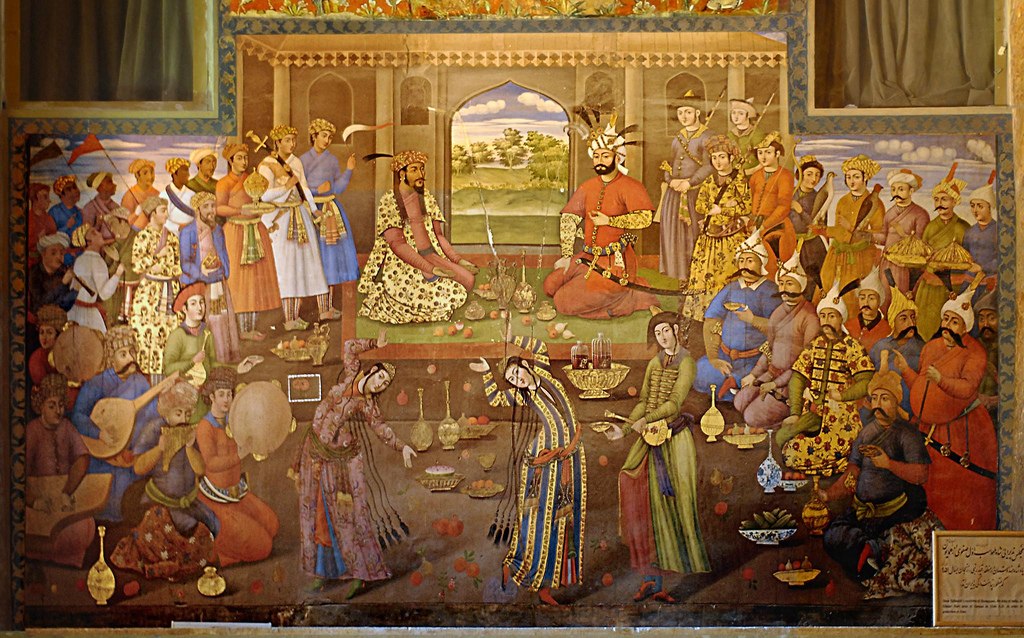
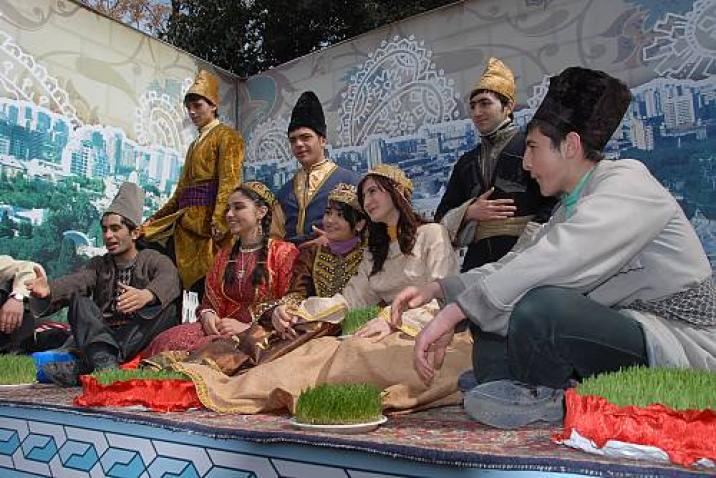
Tomorrow is the International Day of Nowroz, a celebration of the first day of spring and the new year in the Solar Hijri calendar, which is based on the astronomical vernal equinox. It is observed by more than 300 million people around the world, especially in Iran and the Persian diaspora, as well as in Central Asia, the Caucasus, the Balkans, and South Asia. It has been celebrated for over 3,000 years and has its roots in the ancient Iranian religion of Zoroastrianism, which viewed the arrival of spring as a victory of light over darkness.

The Solar Hijri calendar is a solar calendar that is used in Iran and Afghanistan. It is based on the astronomical observation of the March equinox, which marks the beginning of the new year, called Nowruz. The calendar has 12 months, with the first six months having 31 days, the next five having 30 days, and the last month having 29 or 30 days depending on the leap year. The calendar counts the years from the migration of the Islamic prophet Muhammad in 622 CE, but it is not related to the Islamic Hijri calendar, which is a lunar calendar. The Solar Hijri calendar is also known as the Persian calendar, the Iranian calendar, and the SH calendar.

The history of Nowruz is very ancient and rich. Nowruz which means a new day in Persian, is the celebration of the first day of spring and the new year in the Solar Hijri calendar, which is based on the astronomical vernal equinox. Nowruz survived the Islamic conquest of Persia in the seventh century and the decline of Zoroastrianism’s popularity, and it spread across the globe through the diaspora of Persian people throughout history. It is also a holy day for Zoroastrians, Baháʼís, and some Muslim communities.

The International Day of Nowroz was proclaimed by the United Nations General Assembly in 2010, at the initiative of several countries that share this holiday, to promote the values of peace, solidarity, reconciliation, neighbourliness, and mutual respect among peoples and communities. It is also inscribed on the UNESCO Representative List of the Intangible Cultural Heritage of Humanity, as a cultural tradition observed by numerous peoples.

The 2024 theme of the International Day of Nowroz is “To protect the planet and live in harmony with nature”. This theme reflects the message of the UN Secretary-General António Guterres, who urged the world to choose hope and compassion, embrace the opportunities that lie ahead, and work together to build a more peaceful, more sustainable and more inclusive world for all. He also highlighted the importance of celebrating humanity’s rich cultural heritage and diversity and being guided by the values of peace, dialogue and solidarity.

The theme also resonates with the spirit of Nowruz, which means “new day” in Persian and symbolises the renewal of nature and life. Celebrating Nowruz means the affirmation of life in harmony with nature, awareness of the inseparable link between constructive labour and natural cycles of renewal, and a solicitous and respectful attitude towards natural sources of life.

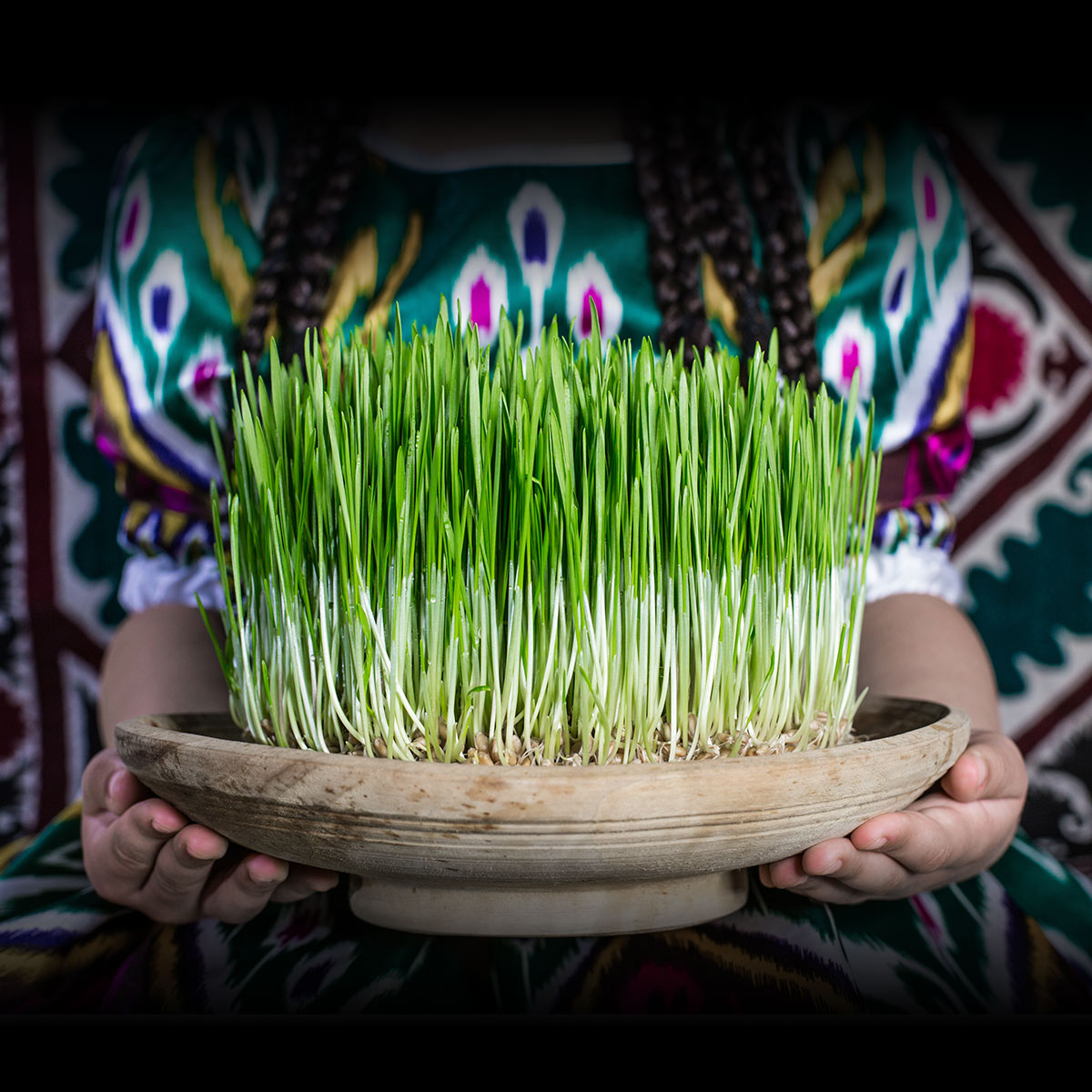
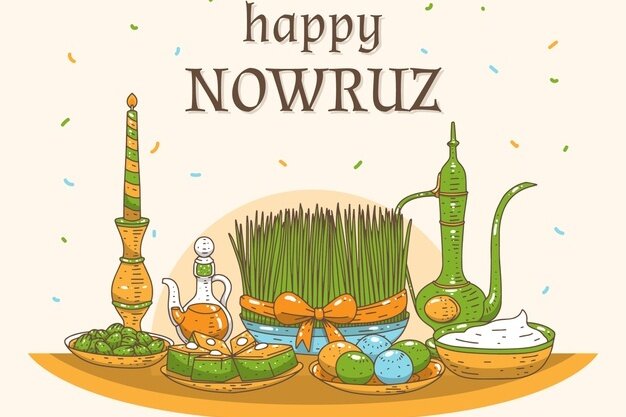
Some of the traditions and rituals of Nowruz include preparing for the holiday by cleaning the house, buying new clothes, and visiting family and friends. The haft-seen table is also set up. This is a display of seven symbolic items that start with the letter “s” in Farsi, such as seed sprouts, garlic, apple, vinegar, sumac, and a pudding made of sprouted wheat. The table may also include other items, such as a mirror, eggs, coins, candles, a book of poetry, and a Koran. Charshanbe Suri, which is the last Wednesday before Nowruz, is celebrated by jumping over fire, banging spoons on doors, and visiting cemeteries. These activities are meant to scare away bad luck, bring happiness, and honour the dead. Gifts are exchanged, especially for children, and charity is given to the poor and needy. Celebrants enjoy a special meal with loved ones, usually consisting of rice, fish, herbs, and other dishes and participate in various festivities, such as music, dance, sports, games, and nature outings. The 13th of Nowruz, known as Sizdah Bedar is celebrated by spending the day outdoors, picnicking, and throwing away the seed sprouts from the haft-seen table. This is believed to ward off evil and bring good fortune.

Different countries celebrate Nowruz in their way. In Iran, people light up the streets and skies for Chaharshanbe Suri, or Red Celebration, in honour of fire, an element Zoroastrians believe to be a symbol of purity. They also set up a haft-seen table, which is a display of seven symbolic items that start with the letter “s” in Farsi, such as seed sprouts, garlic, apple, vinegar, sumac, and a pudding made of sprouted wheat. In Azerbaijan, people celebrate Novruz by making bonfires and jumping over them, which is believed to burn away the troubles of the past year. They also visit the graves of their ancestors, plant trees, and cook special dishes, such as samani halva, a sweet paste made from wheat germ and nuts. In Afghanistan, people celebrate Nowroz by flying kites, playing games, and watching buzkashi, a traditional sport involving horsemen competing for a goat carcass. They also prepare a special dish called haft mewa, which is a mixture of seven dried fruits and nuts soaked in water. In Central Asia, people celebrate Nawruz by wearing new clothes, visiting relatives and friends, and exchanging gifts. They also enjoy various festivities, such as music, dance, sports, and nature outings. Some of the traditional foods include sumalak, a porridge made from wheat sprouts and flour, and naan, a flatbread baked in a clay oven. In Kurdish regions, people celebrate Newroz by wearing colourful clothes, dancing in circles, and singing folk songs. They also light bonfires and jump over them, symbolising the resistance and freedom of the Kurdish people. Some of the traditional foods include dolma, stuffed grape leaves, and kofta, minced meatballs.

Nowruz is a celebration of life, hope, and renewal that transcends borders, religions, and cultures. It is a reminder of our common humanity and our shared responsibility to care for our planet and each other. As the world faces unprecedented challenges and uncertainties, Nowruz offers us a message of hope and resilience. It invites us to appreciate the beauty of nature, the diversity of cultures, and the bonds of friendship. It also urges us to reflect on our actions, our values, and our goals. It is a time to express our love and gratitude to our families and friends and to extend our generosity and compassion to those in need. Let us join the millions of people around the world who celebrate Nowruz, and let us share the blessings of this new day.

International Women’s Day 2024

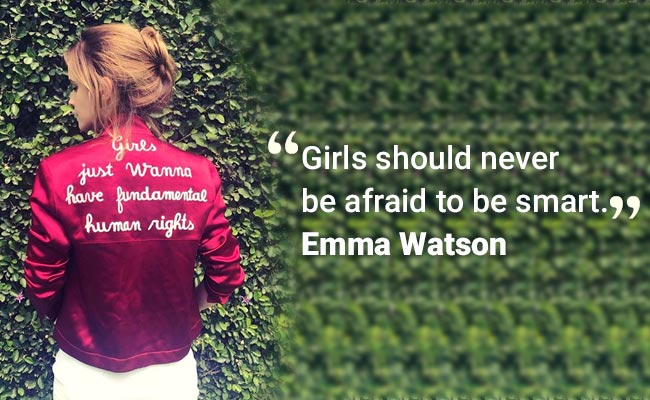
Celebrated annually on March 8, International Women’s Day, or IWD, recognises the social, economic, cultural, and political achievements of women. It also serves as a powerful reminder of the ongoing fight for gender equality.

The roots of International Women’s Day can be traced back to the early 20th century. In 1908, 15,000 women marched through the streets of New York City, demanding shorter hours, better pay, and voting rights — a testament to the growing momentum of the women’s suffrage movement in the United States. The idea of an international day to honour women’s achievements gained traction at the second International Conference of Working Women in Copenhagen in 1910. Inspired by the courage and resolve of their American counterparts, delegates from across the globe unanimously agreed to establish a day dedicated to advancing women’s rights and promoting gender equality. In 1911, International Women’s Day was officially celebrated for the first time in Austria, Denmark, Germany, and Switzerland, with rallies, marches, and public gatherings calling for women’s suffrage, improved working conditions, and an end to discrimination and inequality. Over the years, International Women’s Day has evolved into a global phenomenon, celebrated in countries and communities around the world. From grassroots initiatives to high-profile events, the day serves as a platform to recognize and celebrate the achievements, contributions, and resilience of women from all walks of life.

At its core, International Women’s Day is a rallying cry for gender equality and women’s empowerment. It serves as a reminder of the progress made in advancing women’s rights, while also shining a spotlight on the persistent barriers and challenges that women continue to face in achieving full equality and justice. International Women’s Day is a catalyst for change—a call to action for individuals, communities, and governments to redouble their efforts in promoting gender equality and women’s rights. It sparks conversations, ignites movements, and fosters solidarity among women and allies worldwide.

The theme for IWD 2024 is Inspire Inclusion. But what does it truly entail? When we inspire others to understand and value women’s inclusion, we forge a better world. When women themselves are inspired to be included, there’s a sense of belonging, relevance, and empowerment. As world-renowned feminist, journalist, and activist Gloria Steinem once said, “The story of women’s struggle for equality belongs to no single feminist nor to any one organization but to the collective efforts of all who care about human rights.” IWD transcends borders, organisations, and groups—it’s a day of collective global activism and celebration. To inspire inclusion, we must act consistently. When women aren’t present, we must question why. When discrimination occurs, we must call it out. When treatment isn’t equitable, we must act. This commitment applies each and every time.

So how can we inspire inclusion? On an individual basis, we should understand, value, and seek out the inclusion of women and girls; share knowledge, support, and encouragement with others; and embrace diversity, be it race, age, ability, faith, body image, and identity. As a group or on an organisational level, we must forge women’s economic empowerment; recruit, retain, and develop female talent; support women and girls in leadership, decision-making, business, and STEM; design and build infrastructure that meets women’s needs; help women and girls make informed decisions about their health; provide access to quality education and training; elevate women and girls’ participation and achievement in sports; and promote the creative and artistic talents of women and girls.

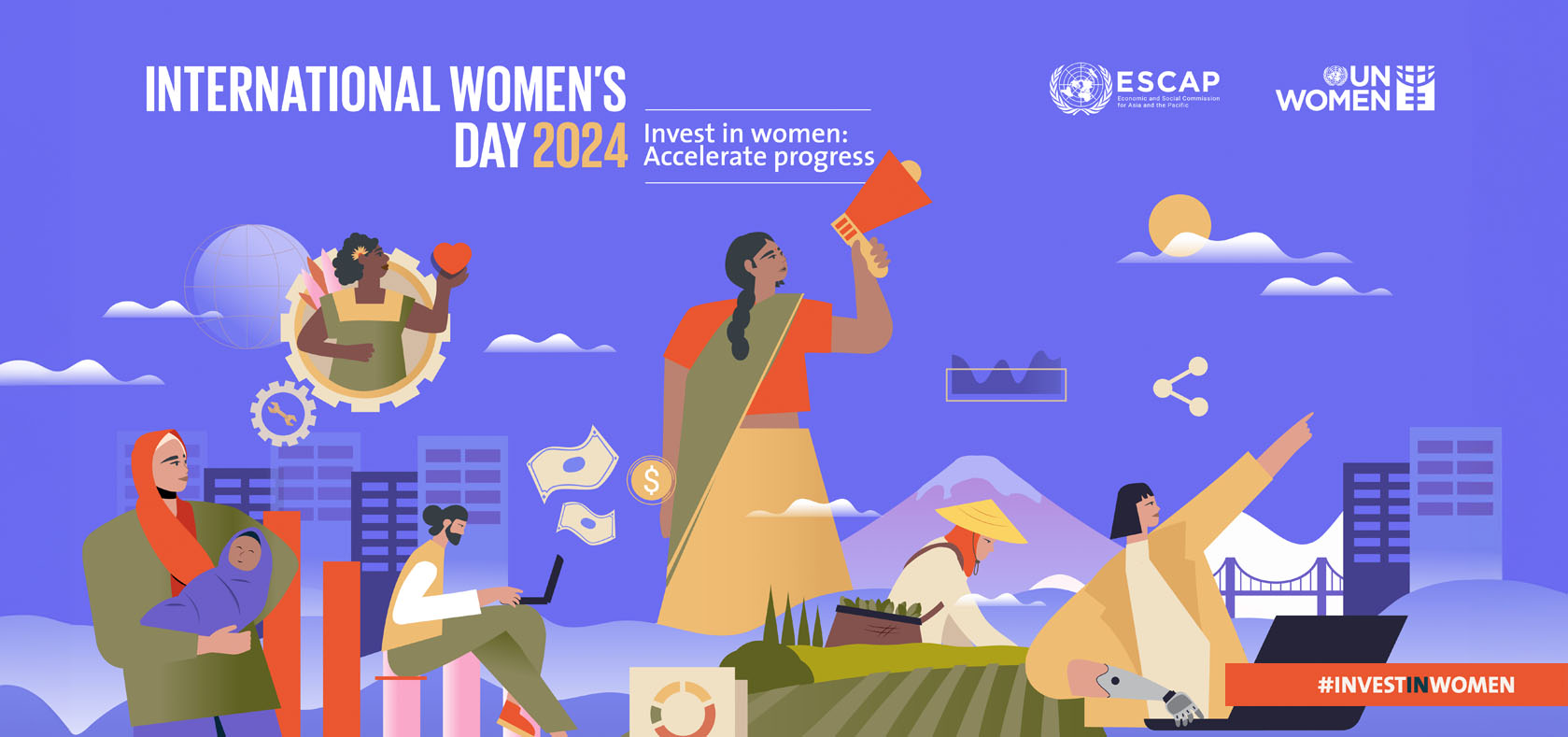
Over at the United Nations, the theme for IWD 2024 is Invest in Women: Accelerate Progress. In a world grappling with geopolitical conflicts, poverty, and climate change, empowering women becomes paramount. We can invest in women through:

  • Economic Empowerment: By economically empowering women, we advance women’s rights and gender equality globally. Financial independence opens doors to education, healthcare, and self-determination.
  • Technology and Education: Leverage technology and education in the digital age to empower women and girls. Bridging the digital divide ensures equal access to opportunities.
  • Collective Solutions: These crises demand collective solutions. When we invest in women, we invest in progress for all.

As we celebrate International Women’s Day, let us commit to inspiring inclusion, championing economic empowerment, and investing in women. Together, we can create a world where every woman’s voice is heard, every dream is achievable, and every barrier is dismantled.

World NGO Day

Non-governmental organisations or NGOs, typically work toward public or social welfare goals. From grassroots initiatives to international advocacy campaigns, NGOs embody the spirit of resilience, compassion, and solidarity that transcends borders and empowers communities. They are critical change agents in promoting economic growth, human rights and social progress, operating outside of governmental influences. To commemorate the pivotal role that NGOs play in shaping our world and driving positive transformations, every year, February 27 is designated as World NGO Day

NGOs fill crucial gaps in societal structures by addressing issues that may be overlooked or neglected by governments and other institutions. From providing humanitarian aid in times of crisis to advocating for human rights and environmental protection, NGOs serve as vital lifelines for marginalized communities around the world. At the heart of NGO work lies a commitment to empowering communities to take charge of their destinies. Through capacity-building initiatives, educational programs, and grassroots organising, NGOs enable individuals and groups to amplify their voices, assert their rights, and drive sustainable change from within.

NGOs are often at the forefront of innovation, pioneering new approaches and solutions to complex social, economic, and environmental challenges. Whether through technology-driven interventions, social entrepreneurship, or cross-sectoral partnerships, NGOs harness the power of innovation to create lasting impact and drive systemic change. Advocacy lies at the core of NGO activism, as organisations work tirelessly to raise awareness, mobilise public support, and influence policy decisions at local, national, and international levels. By amplifying the voices of the marginalised and holding decision-makers accountable, NGOs play a pivotal role in shaping policies and advancing social justice agendas.

World NGO Day, observed annually on February 27, serves as a global platform to celebrate the achievements, contributions, and resilience of NGOs worldwide. It is a day to honour the dedication and passion of individuals and organisations who work tirelessly to create a more just, equitable, and sustainable world for all.

The theme of World NGO Day 2024 is Building a Sustainable Future: The Role of NGOs in Achieving the Sustainable Development Goals (SDGs). This theme emphasises the critical role that NGOs play in addressing global challenges and working towards a more sustainable future. It also highlights how NGOs are contributing to the achievement of the Sustainable Development Goals (SDGs) set by the United Nations.

Embracing change entails embracing innovation, creativity, and agility in the pursuit of social impact. NGOs are encouraged to explore new approaches, technologies, and partnerships that enable them to respond effectively to emerging needs and dynamics while staying true to their core values and missions. Building resilience also requires building bridges of solidarity and collaboration across sectors, disciplines, and borders. NGOs are called upon to forge strategic alliances, share best practices, and mobilise resources in pursuit of common goals and shared aspirations. In a world marked by interconnectedness and interdependence, solidarity emerges as a powerful force for positive change.

As we commemorate World NGO Day, let us reaffirm our commitment to the principles of social justice, equity, and solidarity. Let us celebrate the resilience and courage of NGOs and their tireless efforts to build a better world for present and future generations. As individuals, communities, and institutions, let us pledge to support and empower NGOs in their mission to create a more just, equitable, and sustainable world. Together, we can harness the power of collective action, innovation, and compassion to overcome adversity, foster resilience, and realize our shared vision of a brighter tomorrow. Not just on February 27, but throughout the year, let us stand in solidarity with NGOs worldwide, honouring their invaluable contributions and unwavering commitment to humanity’s collective journey towards dignity, equality, and justice for all.

International Day of Education

Education is every human being’s fundamental right. And today, as we celebrate the International Day of Education, this couldn’t be more true.

The International Day of Education was proclaimed by the United Nations General Assembly in December 2018 to recognize the role of education in promoting peace, sustainable development, and global citizenship. The choice of January 24th commemorates the adoption of the Sustainable Development Goals or SDGs, in 2015, with Goal 4 specifically focusing on ensuring inclusive and equitable quality education for all.

Despite its undeniable importance, access to quality education remains a pressing global challenge. According to UNESCO, 258 million children and youth are still out of school, and 763 million adults are illiterate. These disparities disproportionately affect girls, minorities, and individuals living in conflict-affected areas. These statistics represent not just numbers, but human lives robbed of the opportunities that education affords. Imagine a world where every child, regardless of their background, has the chance to learn, to dream, and to contribute to the betterment of society. This is the world we must strive for, and education is the bridge that will lead us there.

Education is not merely the transfer of knowledge; it is a catalyst for societal transformation. It is the key that unlocks doors to opportunities, empowers individuals to realise their full potential, and propels communities towards progress.

Education has the power to break the intergenerational cycle of poverty. It equips individuals with the skills and knowledge needed to secure better economic opportunities, creating a ripple effect that uplifts families and communities. Education is a potent tool in dismantling gender disparities. It empowers girls and women, providing them with the tools to challenge societal norms, pursue careers, and contribute meaningfully to their communities. It nurtures a sense of global citizenship, and instills values of empathy, tolerance, and understanding, fostering a generation that is aware of and engaged with the interconnected world in which we live. In the face of challenges, be they economic downturns or global health crises, educated societies are more resilient. Education equips individuals and communities with problem-solving skills, adaptability, and the ability to navigate uncertainties.

While the International Day of Education is a celebration of progress, it is also an opportunity to acknowledge the challenges that persist in the realm of global education. Despite concerted efforts, millions around the world still face barriers to accessing quality education. These challenges include disparities in access to quality education, both within and between countries. Marginalised communities, rural areas, and conflict zones often face limited educational resources, perpetuating cycles of poverty. While progress has been made in advancing gender equality in education, disparities persist. Girls, particularly in certain regions, may still face barriers to access, including cultural norms, early marriage, and lack of resources. Access alone is not enough; the quality of education is equally crucial. In some regions, even when children have access to schools, the quality of teaching, infrastructure, and learning materials may fall below acceptable standards. The digital revolution has opened new frontiers in education, but a digital divide persists. Not all students have equal access to technology and online learning resources, exacerbating existing inequalities. Global crises, such as the COVID-19 pandemic, have underscored the vulnerability of education systems. Disruptions, whether due to pandemics, conflicts, or natural disasters, can have lasting consequences on the education of millions of children and youth.

In 2024, children should not have to fight for their right to educate themselves. The power of knowledge should be used to address the challenges of our time. Let us use education to build a world where everyone has the opportunity to reach their full potential and contribute to a more just, peaceful, and sustainable future. Every action, however small, can make a difference. Together, we can make education a reality for every child and young person, paving the way for a brighter future for all.

Remember, education is not a luxury; it is a fundamental human right. It is the foundation for a just and equitable society, and it is the key to a sustainable future. Without inclusive and equitable quality education and lifelong opportunities for all, countries will not succeed in achieving gender equality and breaking the cycle of poverty that is leaving millions of children, youth and adults behind.

World AIDS Day

Observed on December 1st each year, World AIDS Day is a global call to action, an opportunity to remember those we’ve lost and a reminder of the ongoing fight against HIV/AIDS.

World AIDS Day was first conceived in August 1987 by James W. Bunn and Thomas Netter, two public information officers for the Global Programme on AIDS at the World Health Organization, or WHO, in Geneva, Switzerland. Their goal was to create a day dedicated to raising awareness about HIV/AIDS and honouring those affected by the virus. December 1st was chosen and the inaugural World AIDS Day was observed later that year.

HIV, or the Human Immunodeficiency Virus, and AIDS, or Acquired Immunodeficiency Syndrome, have had a profound impact on global health and society. HIV is a virus that attacks the immune system, weakening the body’s ability to fight off infections and diseases. It is primarily transmitted through unprotected sexual intercourse, the sharing of needles among intravenous drug users, and from mother to child during childbirth or breastfeeding. The virus can also be transmitted through blood transfusions and organ transplants if the blood or organs are not screened for HIV.

AIDS is the final stage of HIV infection, characterized by a severely compromised immune system. At this stage, the body becomes vulnerable to opportunistic infections and cancers that a healthy immune system would typically fend off. Without proper medical care and treatment, AIDS can be life-threatening.

Since the beginning of the HIV/AIDS pandemic, it has claimed the lives of millions of people worldwide. It has also had far-reaching social and economic consequences, particularly in sub-Saharan Africa, which remains the most affected region. HIV/AIDS has challenged healthcare systems, strained resources, and tested our collective ability to respond to a global health crisis.

The World AIDS Day theme for 2023 is “Ending the HIV/AIDS Pandemic: Equitable Access to Care and Prevention.” This theme encapsulates the urgent need to tackle the HIV/AIDS pandemic on multiple fronts. The theme underscores the shared commitment to bringing an end to the HIV/AIDS pandemic once and for all. It acknowledges the progress made over the years but emphasizes the work that remains to be done.

The term “equitable access” is central to the theme. It highlights the importance of ensuring that all individuals, regardless of their background, geographical location, or economic status, have equal access to essential HIV/AIDS care and prevention measures. The theme also recognises that tackling HIV/AIDS requires a dual approach. Care involves providing support, treatment, and medical services to those living with HIV/AIDS. Prevention focuses on education, awareness, and measures to stop the further spread of the virus.

The theme aligns with the broader global health equity movement, emphasizing the need to bridge healthcare disparities and ensure that everyone has the same opportunities for a healthy life. It underscores the importance of eliminating stigma and discrimination associated with HIV/AIDS. Equitable access means creating an environment where individuals feel safe and supported to seek testing, treatment, and care. Addressing HIV/AIDS requires the active involvement of communities, governments, healthcare systems, and international organizations. The theme encourages collaboration and a shared responsibility in the fight against the virus. Equitable access extends to education and awareness programs that empower individuals with knowledge about HIV/AIDS prevention, transmission, and treatment. It’s a reminder that information is a powerful tool in the fight against the virus.

As we reflect on the theme of World AIDS Day 2023, it’s crucial to acknowledge that the battle against HIV/AIDS is far from over. But there is hope, and there are concrete steps we can take. We should support policies and initiatives that promote equitable access to HIV/AIDS care, treatment, and prevention measures and advocate for increased funding for research and healthcare infrastructure.

As we commemorate World AIDS Day 2023 and reflect on its theme, we are reminded that the fight against HIV/AIDS is a shared responsibility. It is a testament to our capacity to come together as a global community, transcending borders and differences in pursuit of a common goal – ending the HIV/AIDS pandemic and ensuring equitable access to care and prevention.

This World AIDS Day, let us honour the memory of those we have lost, support those living with HIV/AIDS, and recommit ourselves to the collective effort to create a world where no one is left behind in the fight against this devastating virus. In our unity and resolve, we find hope and the potential for a brighter, healthier future for all.