World NGO Day

Non-governmental organisations or NGOs, typically work toward public or social welfare goals. From grassroots initiatives to international advocacy campaigns, NGOs embody the spirit of resilience, compassion, and solidarity that transcends borders and empowers communities. They are critical change agents in promoting economic growth, human rights and social progress, operating outside of governmental influences. To commemorate the pivotal role that NGOs play in shaping our world and driving positive transformations, every year, February 27 is designated as World NGO Day

NGOs fill crucial gaps in societal structures by addressing issues that may be overlooked or neglected by governments and other institutions. From providing humanitarian aid in times of crisis to advocating for human rights and environmental protection, NGOs serve as vital lifelines for marginalized communities around the world. At the heart of NGO work lies a commitment to empowering communities to take charge of their destinies. Through capacity-building initiatives, educational programs, and grassroots organising, NGOs enable individuals and groups to amplify their voices, assert their rights, and drive sustainable change from within.

NGOs are often at the forefront of innovation, pioneering new approaches and solutions to complex social, economic, and environmental challenges. Whether through technology-driven interventions, social entrepreneurship, or cross-sectoral partnerships, NGOs harness the power of innovation to create lasting impact and drive systemic change. Advocacy lies at the core of NGO activism, as organisations work tirelessly to raise awareness, mobilise public support, and influence policy decisions at local, national, and international levels. By amplifying the voices of the marginalised and holding decision-makers accountable, NGOs play a pivotal role in shaping policies and advancing social justice agendas.

World NGO Day, observed annually on February 27, serves as a global platform to celebrate the achievements, contributions, and resilience of NGOs worldwide. It is a day to honour the dedication and passion of individuals and organisations who work tirelessly to create a more just, equitable, and sustainable world for all.

The theme of World NGO Day 2024 is Building a Sustainable Future: The Role of NGOs in Achieving the Sustainable Development Goals (SDGs). This theme emphasises the critical role that NGOs play in addressing global challenges and working towards a more sustainable future. It also highlights how NGOs are contributing to the achievement of the Sustainable Development Goals (SDGs) set by the United Nations.

Embracing change entails embracing innovation, creativity, and agility in the pursuit of social impact. NGOs are encouraged to explore new approaches, technologies, and partnerships that enable them to respond effectively to emerging needs and dynamics while staying true to their core values and missions. Building resilience also requires building bridges of solidarity and collaboration across sectors, disciplines, and borders. NGOs are called upon to forge strategic alliances, share best practices, and mobilise resources in pursuit of common goals and shared aspirations. In a world marked by interconnectedness and interdependence, solidarity emerges as a powerful force for positive change.

As we commemorate World NGO Day, let us reaffirm our commitment to the principles of social justice, equity, and solidarity. Let us celebrate the resilience and courage of NGOs and their tireless efforts to build a better world for present and future generations. As individuals, communities, and institutions, let us pledge to support and empower NGOs in their mission to create a more just, equitable, and sustainable world. Together, we can harness the power of collective action, innovation, and compassion to overcome adversity, foster resilience, and realize our shared vision of a brighter tomorrow. Not just on February 27, but throughout the year, let us stand in solidarity with NGOs worldwide, honouring their invaluable contributions and unwavering commitment to humanity’s collective journey towards dignity, equality, and justice for all.

International Day of Education

Education is every human being’s fundamental right. And today, as we celebrate the International Day of Education, this couldn’t be more true.

The International Day of Education was proclaimed by the United Nations General Assembly in December 2018 to recognize the role of education in promoting peace, sustainable development, and global citizenship. The choice of January 24th commemorates the adoption of the Sustainable Development Goals or SDGs, in 2015, with Goal 4 specifically focusing on ensuring inclusive and equitable quality education for all.

Despite its undeniable importance, access to quality education remains a pressing global challenge. According to UNESCO, 258 million children and youth are still out of school, and 763 million adults are illiterate. These disparities disproportionately affect girls, minorities, and individuals living in conflict-affected areas. These statistics represent not just numbers, but human lives robbed of the opportunities that education affords. Imagine a world where every child, regardless of their background, has the chance to learn, to dream, and to contribute to the betterment of society. This is the world we must strive for, and education is the bridge that will lead us there.

Education is not merely the transfer of knowledge; it is a catalyst for societal transformation. It is the key that unlocks doors to opportunities, empowers individuals to realise their full potential, and propels communities towards progress.

Education has the power to break the intergenerational cycle of poverty. It equips individuals with the skills and knowledge needed to secure better economic opportunities, creating a ripple effect that uplifts families and communities. Education is a potent tool in dismantling gender disparities. It empowers girls and women, providing them with the tools to challenge societal norms, pursue careers, and contribute meaningfully to their communities. It nurtures a sense of global citizenship, and instills values of empathy, tolerance, and understanding, fostering a generation that is aware of and engaged with the interconnected world in which we live. In the face of challenges, be they economic downturns or global health crises, educated societies are more resilient. Education equips individuals and communities with problem-solving skills, adaptability, and the ability to navigate uncertainties.

While the International Day of Education is a celebration of progress, it is also an opportunity to acknowledge the challenges that persist in the realm of global education. Despite concerted efforts, millions around the world still face barriers to accessing quality education. These challenges include disparities in access to quality education, both within and between countries. Marginalised communities, rural areas, and conflict zones often face limited educational resources, perpetuating cycles of poverty. While progress has been made in advancing gender equality in education, disparities persist. Girls, particularly in certain regions, may still face barriers to access, including cultural norms, early marriage, and lack of resources. Access alone is not enough; the quality of education is equally crucial. In some regions, even when children have access to schools, the quality of teaching, infrastructure, and learning materials may fall below acceptable standards. The digital revolution has opened new frontiers in education, but a digital divide persists. Not all students have equal access to technology and online learning resources, exacerbating existing inequalities. Global crises, such as the COVID-19 pandemic, have underscored the vulnerability of education systems. Disruptions, whether due to pandemics, conflicts, or natural disasters, can have lasting consequences on the education of millions of children and youth.

In 2024, children should not have to fight for their right to educate themselves. The power of knowledge should be used to address the challenges of our time. Let us use education to build a world where everyone has the opportunity to reach their full potential and contribute to a more just, peaceful, and sustainable future. Every action, however small, can make a difference. Together, we can make education a reality for every child and young person, paving the way for a brighter future for all.

Remember, education is not a luxury; it is a fundamental human right. It is the foundation for a just and equitable society, and it is the key to a sustainable future. Without inclusive and equitable quality education and lifelong opportunities for all, countries will not succeed in achieving gender equality and breaking the cycle of poverty that is leaving millions of children, youth and adults behind.

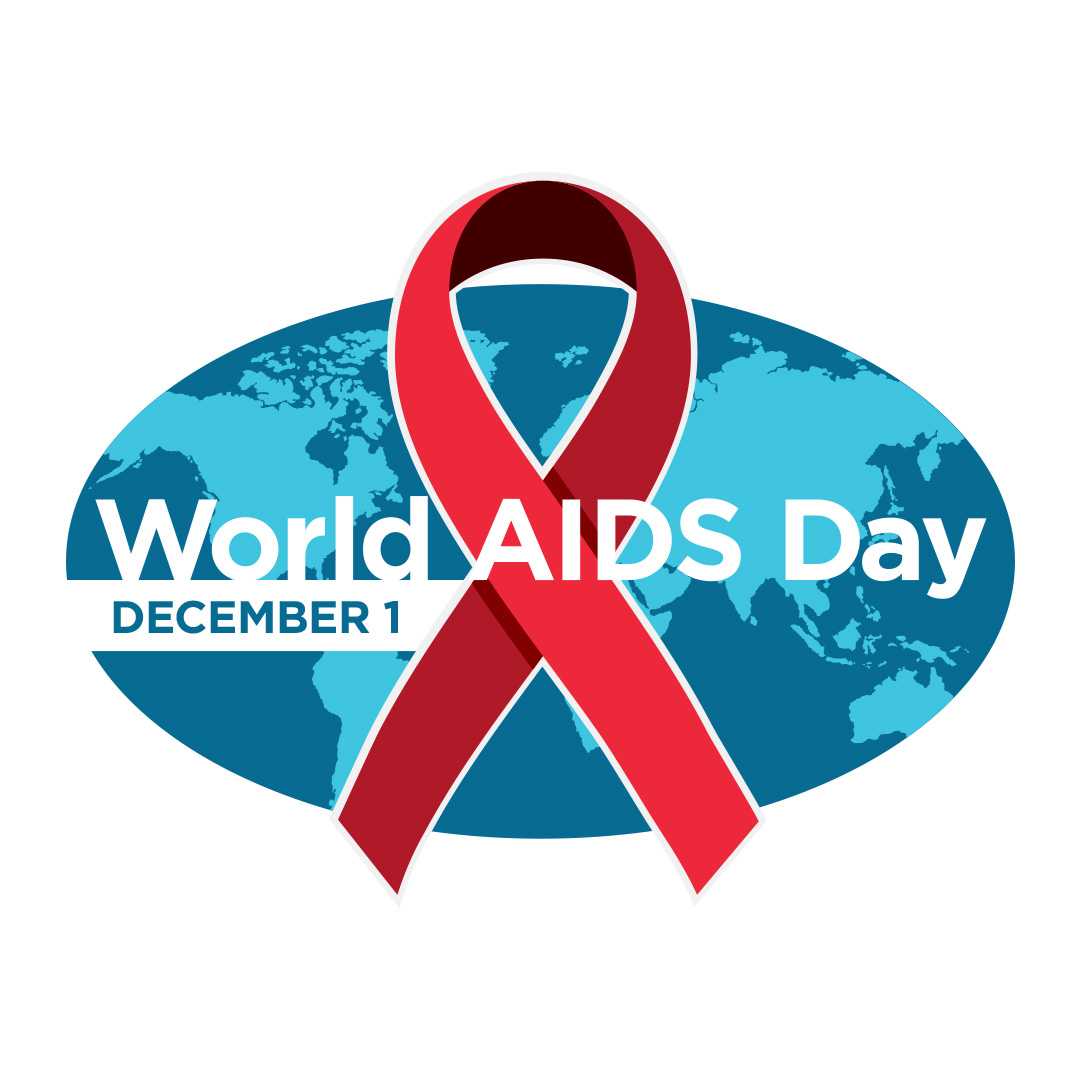
World AIDS Day

Observed on December 1st each year, World AIDS Day is a global call to action, an opportunity to remember those we’ve lost and a reminder of the ongoing fight against HIV/AIDS.

World AIDS Day was first conceived in August 1987 by James W. Bunn and Thomas Netter, two public information officers for the Global Programme on AIDS at the World Health Organization, or WHO, in Geneva, Switzerland. Their goal was to create a day dedicated to raising awareness about HIV/AIDS and honouring those affected by the virus. December 1st was chosen and the inaugural World AIDS Day was observed later that year.

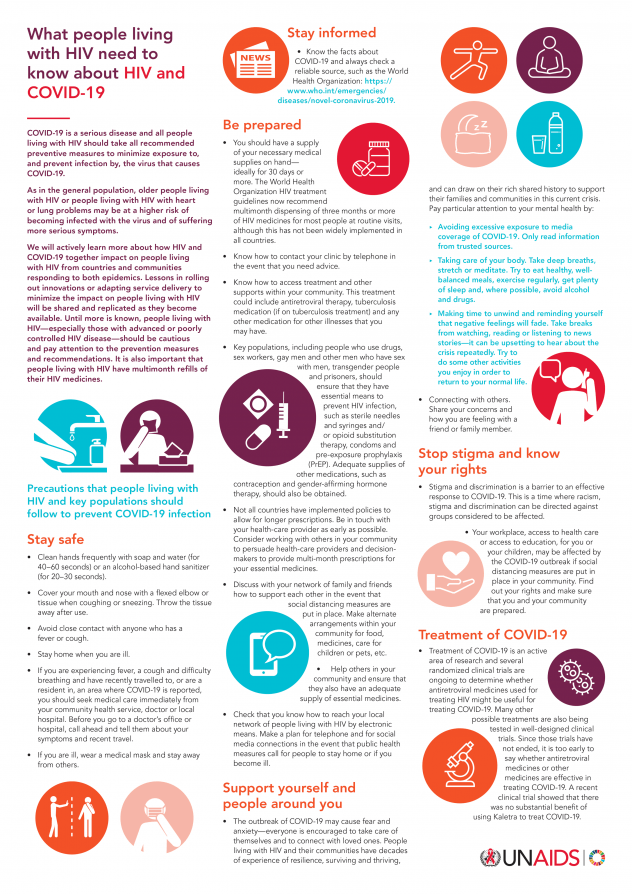
HIV, or the Human Immunodeficiency Virus, and AIDS, or Acquired Immunodeficiency Syndrome, have had a profound impact on global health and society. HIV is a virus that attacks the immune system, weakening the body’s ability to fight off infections and diseases. It is primarily transmitted through unprotected sexual intercourse, the sharing of needles among intravenous drug users, and from mother to child during childbirth or breastfeeding. The virus can also be transmitted through blood transfusions and organ transplants if the blood or organs are not screened for HIV.

AIDS is the final stage of HIV infection, characterized by a severely compromised immune system. At this stage, the body becomes vulnerable to opportunistic infections and cancers that a healthy immune system would typically fend off. Without proper medical care and treatment, AIDS can be life-threatening.

Since the beginning of the HIV/AIDS pandemic, it has claimed the lives of millions of people worldwide. It has also had far-reaching social and economic consequences, particularly in sub-Saharan Africa, which remains the most affected region. HIV/AIDS has challenged healthcare systems, strained resources, and tested our collective ability to respond to a global health crisis.

The World AIDS Day theme for 2023 is “Ending the HIV/AIDS Pandemic: Equitable Access to Care and Prevention.” This theme encapsulates the urgent need to tackle the HIV/AIDS pandemic on multiple fronts. The theme underscores the shared commitment to bringing an end to the HIV/AIDS pandemic once and for all. It acknowledges the progress made over the years but emphasizes the work that remains to be done.

The term “equitable access” is central to the theme. It highlights the importance of ensuring that all individuals, regardless of their background, geographical location, or economic status, have equal access to essential HIV/AIDS care and prevention measures. The theme also recognises that tackling HIV/AIDS requires a dual approach. Care involves providing support, treatment, and medical services to those living with HIV/AIDS. Prevention focuses on education, awareness, and measures to stop the further spread of the virus.

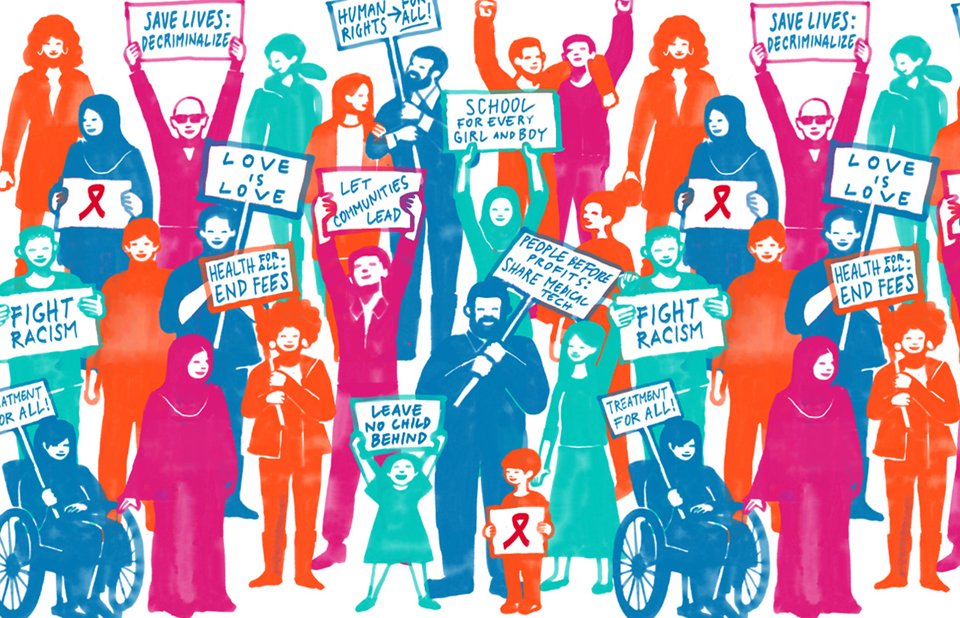
The theme aligns with the broader global health equity movement, emphasizing the need to bridge healthcare disparities and ensure that everyone has the same opportunities for a healthy life. It underscores the importance of eliminating stigma and discrimination associated with HIV/AIDS. Equitable access means creating an environment where individuals feel safe and supported to seek testing, treatment, and care. Addressing HIV/AIDS requires the active involvement of communities, governments, healthcare systems, and international organizations. The theme encourages collaboration and a shared responsibility in the fight against the virus. Equitable access extends to education and awareness programs that empower individuals with knowledge about HIV/AIDS prevention, transmission, and treatment. It’s a reminder that information is a powerful tool in the fight against the virus.

As we reflect on the theme of World AIDS Day 2023, it’s crucial to acknowledge that the battle against HIV/AIDS is far from over. But there is hope, and there are concrete steps we can take. We should support policies and initiatives that promote equitable access to HIV/AIDS care, treatment, and prevention measures and advocate for increased funding for research and healthcare infrastructure.

As we commemorate World AIDS Day 2023 and reflect on its theme, we are reminded that the fight against HIV/AIDS is a shared responsibility. It is a testament to our capacity to come together as a global community, transcending borders and differences in pursuit of a common goal – ending the HIV/AIDS pandemic and ensuring equitable access to care and prevention.

This World AIDS Day, let us honour the memory of those we have lost, support those living with HIV/AIDS, and recommit ourselves to the collective effort to create a world where no one is left behind in the fight against this devastating virus. In our unity and resolve, we find hope and the potential for a brighter, healthier future for all.

International Men’s Day

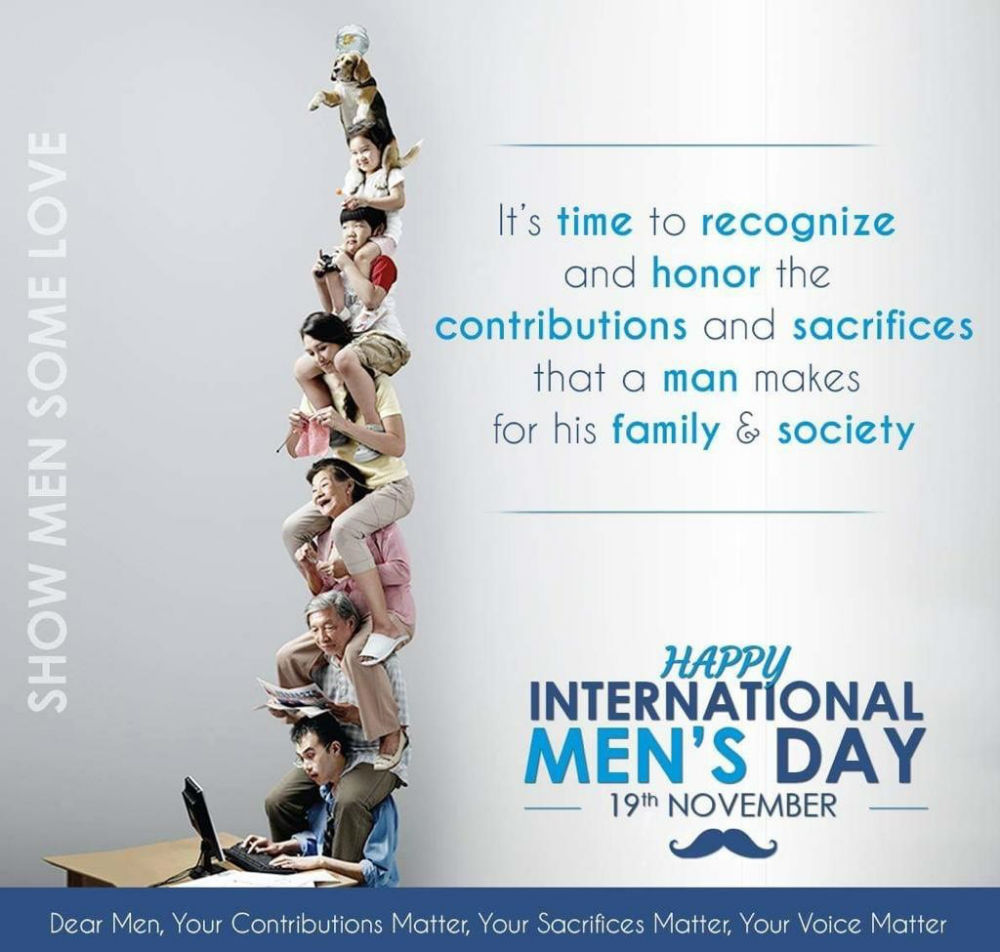
Just like we celebrate the accomplishments and contributions of women on International Women’s Day, it’s equally important to recognise and celebrate the achievements, challenges, and roles of men in our society. Yesterday, as we celebrated International Men’s Day, let’s discuss why dedicating a day to celebrate men is crucial.

Let’s take a moment to understand what this day represents. International Men’s Day, observed on November 19th each year, is a day dedicated to celebrating men and promoting positive masculinity. It’s an occasion to raise awareness about men’s health, gender equality, and the important contributions men make to their families, communities, and society as a whole.

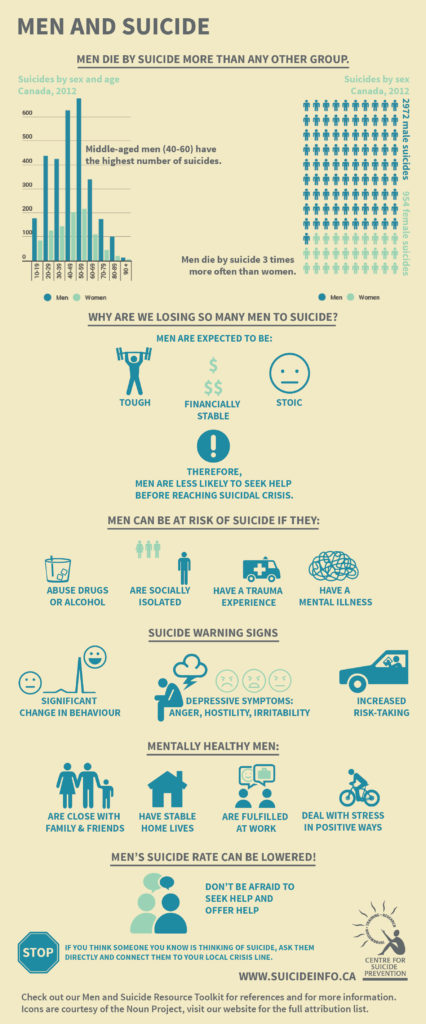
The theme for International Men’s Day in 2023 is “Zero Male Suicide”. This theme highlights the critical importance of addressing men’s mental health and the alarming rates of suicide among men worldwide. It calls for increased awareness, open dialogue, and support systems to prevent male suicides. By striving for zero male suicide, the focus is on destigmatising seeking help, encouraging early intervention, and fostering a culture of emotional well-being where men can reach out without fear or shame. This theme underscores the urgent need to create a world where every man knows that his life is valued and that he is not alone in his struggles.

The theme draws attention to the critical issue of men’s mental health, which is often overlooked or stigmatised. By emphasising the need to prevent male suicide, it encourages society to acknowledge and address the mental health challenges that men face. Men have disproportionately higher suicide rates than women in many parts of the world. This theme underscores the urgency of the issue and highlights the need for targeted interventions and support to reduce these rates. Suicide is often associated with shame and stigma, which can deter individuals, especially men, from seeking help. “Zero Male Suicide” aims to destigmatize mental health issues and promote an environment where men feel comfortable seeking assistance when needed. Encouraging early intervention and providing accessible mental health services is crucial for preventing suicides. The theme emphasizes the importance of identifying signs of distress and providing timely support to those at risk. It also challenges traditional notions of masculinity that discourage emotional expression and seeking help by encouraging a more inclusive and positive definition of masculinity that embraces emotional well-being.

So, why do we need a day dedicated to celebrating men in the first place? International Men’s Day complements International Women’s Day by promoting gender equality. It acknowledges that both men and women face unique challenges and encourages dialogue on achieving equity for all. Traditional notions of masculinity can sometimes be limiting and harmful. International Men’s Day provides an opportunity to redefine masculinity positively and inclusively, encouraging men to express their emotions, seek help when needed, and be nurturing caregivers. Celebrating men who contribute positively to their communities and society at large provides role models for younger generations. It encourages boys and young men to aspire to be compassionate, empathetic, and responsible individuals. Just as women’s issues are important, so are men’s issues. International Men’s Day shines a light on topics like men’s health, fatherhood, and workplace challenges that men may face, helping to address and rectify these issues. This day encourages open conversations about men’s experiences, challenges, and needs. It fosters understanding and empathy among individuals of all genders, ultimately strengthening relationships and communities.

Why can’t we celebrate men every day? The truth is, we should celebrate and support men every day. However, by having a specific day, the day provides a dedicated space to focus on specific issues and challenges that men face. It ensures that these topics are not overlooked amidst the busyness of daily life. The observance of International Men’s Day generates global awareness and participation. It encourages individuals, communities, and organisations worldwide to come together, creating a collective impact that is hard to achieve daily.

The day serves as an inspiration for initiatives and conversations that extend beyond November 19. It offers an educational platform to learn more about men’s issues and how to address them effectively. It also promotes a sense of unity and solidarity among men and their allies. It reminds us that we are all part of a global community committed to addressing gender-related challenges.

In a world that increasingly recognizes the importance of diversity and gender equality, International Men’s Day stands as a meaningful occasion to honour and support men from all walks of life. The day reminds us that men’s well-being, both physical and mental, is a vital part of the gender equality conversation. While we should strive to celebrate and support men every day, having a dedicated day amplifies our efforts and sends a powerful message: that men’s experiences, contributions, and challenges matter.

So, on yesterday, today, and every day beyond, let’s celebrate International Men’s Day by fostering understanding, empathy, and positive change in our communities and across the globe.

World Menopause Day

Held annually on 18 October, World Menopause Day aims to raise awareness about menopause and its impact on women’s health and well-being.

Menopause is a natural biological process that marks the end of a woman’s reproductive years. It is defined as the cessation of menstruation for a consecutive 12 months, usually occurring between the ages of 45 and 55, though it can occur earlier or later. Menopause is a part of the aging process and signifies a decrease in the production of reproductive hormones like estrogen and progesterone.

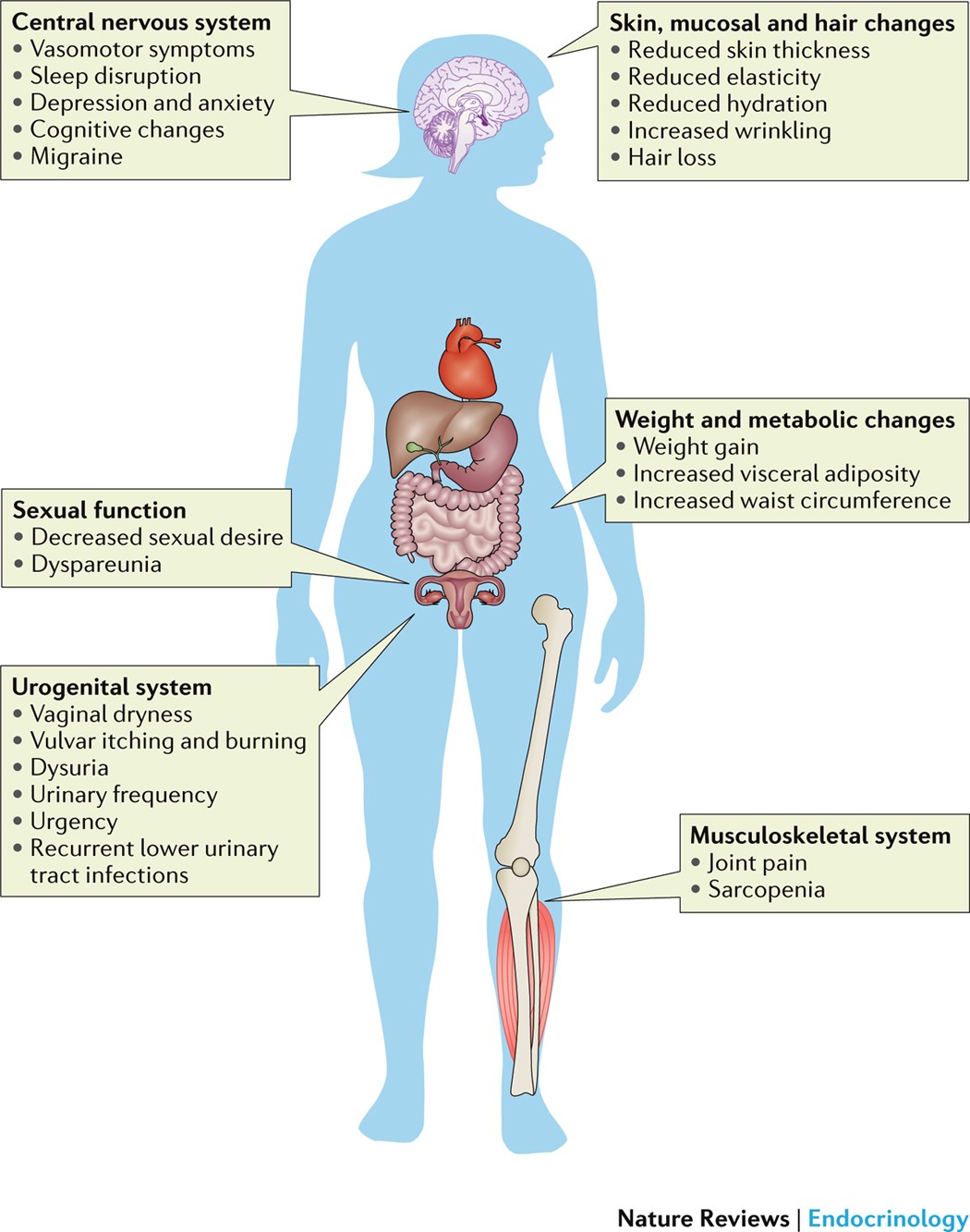
Perimenopause, the transitional phase leading up to menopause, often starts several years before the final menstrual period. During this time, women may experience irregular periods, hot flashes, night sweats, mood swings, and other symptoms as their hormone levels fluctuate. Menopause itself is not a medical condition but rather a natural phase of life, and it is essential to understand and normalize this process to support women adequately.

World Menopause Day holds immense significance as it brings attention to the physical, emotional, and psychological changes women undergo during this critical life stage. Menopause affects women globally, and by promoting awareness and understanding, we can create a more supportive and compassionate society for women transitioning through this phase.

Menopause is a time of change—a shift from the reproductive phase of life to a new chapter that holds infinite possibilities. Women must embrace this transformation positively. Society can play a vital role in reshaping the narrative surrounding menopause, dispelling myths, and celebrating this natural process as a beautiful and empowering journey. By encouraging open conversations about menopause, we can foster a supportive environment where women feel understood and accepted. For many years, menopause has been surrounded by silence and stigma. Women often felt uncomfortable discussing their experiences, and this lack of open dialogue hindered the spread of awareness and access to accurate information. Women should be encouraged to break this silence and share their menopause stories without fear or shame. When women speak up and share their experiences, it helps others understand that they are not alone and that menopause is a shared experience, that transcends cultural and geographical boundaries.

Knowledge is power, and empowering women with accurate information about menopause is vital for their physical and mental well-being. Understanding the physiological changes, symptoms, and potential treatments available can make a significant difference in how women navigate through menopause. Menopause affects women in diverse ways, and its impact goes beyond physical symptoms. It can have emotional and psychological repercussions as well. Support from family, friends, employers, and healthcare providers plays a crucial role in women’s menopause journey.

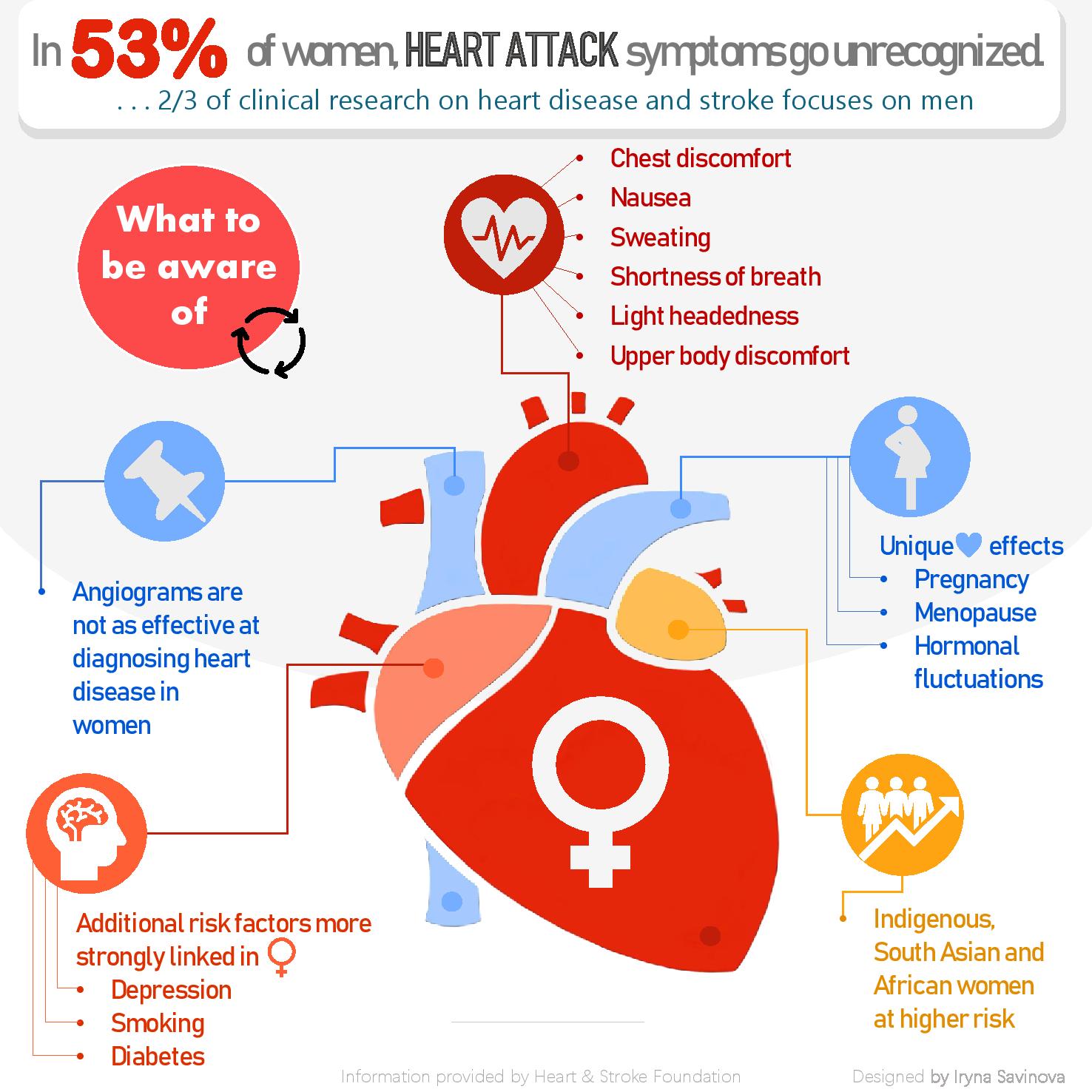
The theme for World Menopause Day 2023 is Cardiovascular Disease. According to the World Health Organisation, cardiovascular disease or CVD, also called heart and circulatory disease, is an umbrella name for conditions that affect the heart or circulation. Depending on the Source or DotS this umbrella may include Cardiovascular Conditions; Cardiovascular Diseases or CVD/CVDs; Cardiovascular Disorders; Diseases or Disorders of the Heart and Blood Vessels, Diseases or Disorders of the Heart and Circulatory System, Heart Diseases, Heart and Circulatory Diseases, and Stroke. These also include coronary heart disease which is a disease of the blood vessels supplying the heart muscle; cerebrovascular disease, a disease of the blood vessels supplying the brain; peripheral arterial disease which is a disease of blood vessels supplying the arms and legs; rheumatic heart disease which is damages to the heart muscle and heart valves from rheumatic fever, caused by streptococcal bacteria; congenital heart diseases that are birth defects that affect the normal development and functioning of the heart caused by malformations of the heart structure from birth; and deep vein thrombosis and pulmonary embolism which are blood clots in the leg veins, which can dislodge and move to the heart and lungs.

Before menopause, women have a lower risk of heart disease than men. However, as women age and their oestrogen levels fall, their risk of cardiovascular disease increases. Though heart disease is often thought of as a man’s disease, cardiovascular diseases often account for more than half of the deaths of women over 55 years old. There are several risk factors for CVD, including smoking, stress, alcohol, high blood pressure, high blood cholesterol, being physically inactive, being overweight or obese, diabetes, a family history of heart disease, the ethnic background, gender, age, and prevention.

To Prevent heart disease and stroke, one should know their risk, eat a healthy diet, be physically active, watch their weight, live tobacco-free, manage conditions, take necessary medicines, and be a team player. The cardiovascular risk factors that every woman should know about include age at the time of menopause, the cause and timing of menopause, estrogen levels, hot flashes and night sweats, depression and sleep problems, increased visceral fat, and cholesterol levels and metabolic syndrome risk.

World Menopause Day 2023 encourages the creation of supportive environments where women feel comfortable discussing their concerns and seeking help. Employers should consider providing flexible work arrangements to accommodate menopause-related challenges, and healthcare providers should offer personalised care and treatment options tailored to each woman’s needs. By breaking the silence, promoting knowledge, and fostering supportive environments, we can ensure that women navigate menopause with dignity and grace, embracing the change it brings and empowering themselves to lead healthy and fulfilling lives. Let us stand together on this day and beyond, championing the cause of women’s health and celebrating the beauty of menopause.