World Population Day

Every year on 11 July, the world observes World Population Day, a pivotal occasion that shines a spotlight on the complex dynamics of global population trends and their far-reaching implications. As humanity continues to grow, this day serves as a poignant reminder of the delicate balance we must strike between accommodating our burgeoning numbers and preserving the planet’s finite resources.

The origins of World Population Day can be traced back to 1989, when the United Nations Development Programme, UNDP, proposed the idea of commemorating the day. This initiative was born out of the recognition that the world’s population had reached a staggering five billion people on July 11, 1987, a milestone that underscored the urgency of addressing population-related challenges. The first official observance of World Population Day took place on July 11, 1990, with over 90 countries participating. Since then, it has become an annual event, providing a platform for governments, non-governmental organisations, and civil society to raise awareness, promote advocacy, and foster dialogue on critical issues related to population growth, reproductive health, and sustainable development.
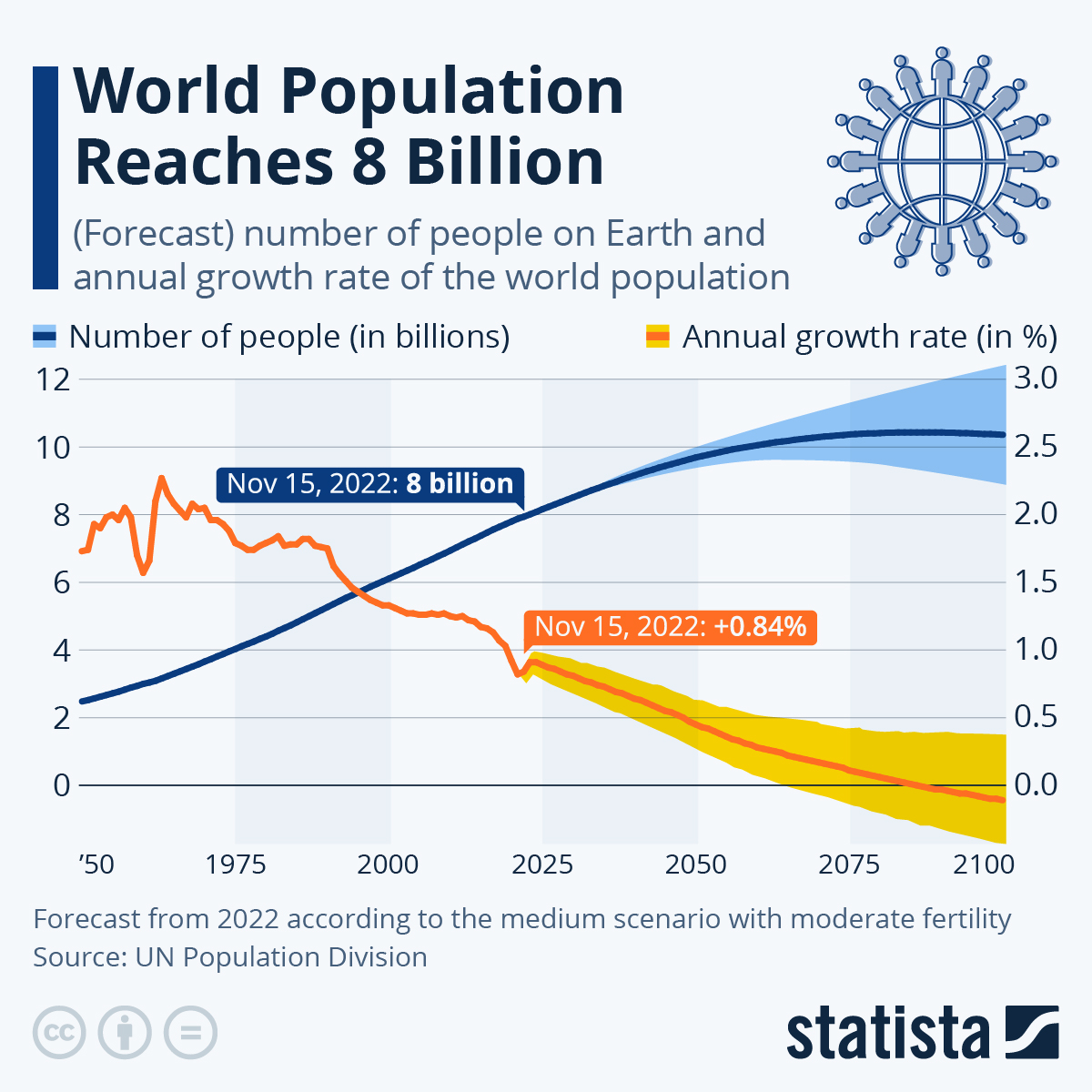
Population growth is a complex phenomenon with both positive and negative implications. On the one hand, a growing population can drive economic growth, innovation, and cultural diversity. A larger workforce can contribute to increased productivity, while a diverse population can foster creativity and new perspectives.

However, unchecked population growth can also strain finite resources, exacerbate environmental degradation, and intensify social and economic inequalities. Rapid population growth can lead to overcrowding, inadequate access to healthcare, education, and housing, and increased competition for limited resources such as food, water, and energy.

It is crucial to strike a balance between accommodating population growth and ensuring sustainable development. This requires a multifaceted approach that addresses issues such as access to family planning services, women’s empowerment, education, and economic opportunities, as well as responsible resource management and environmental conservation.
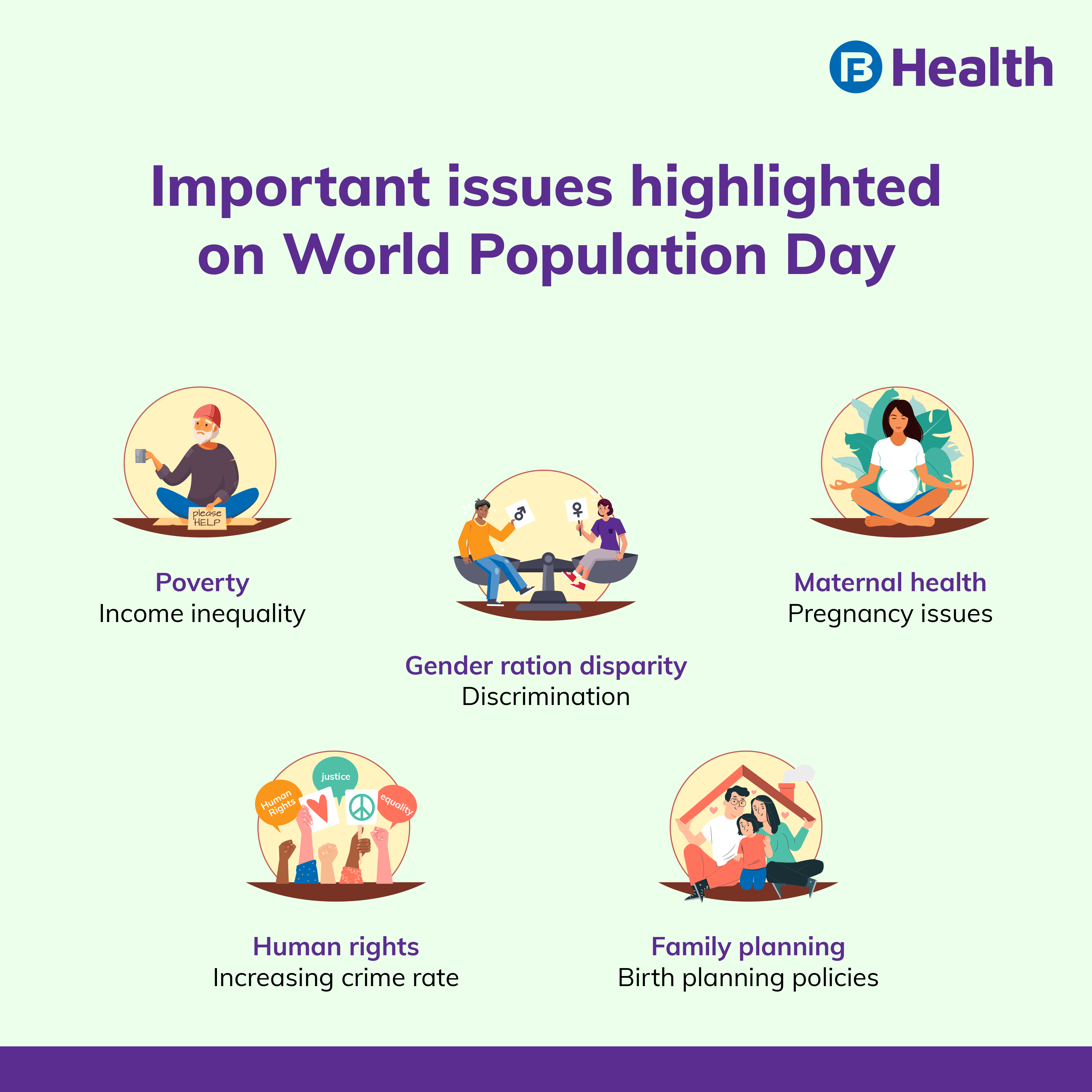
World Population Day serves as a powerful reminder of the interconnectedness of population dynamics and global development challenges. It highlights the importance of investing in reproductive health services, promoting gender equality, and empowering women and girls to make informed choices about their lives and families. By raising awareness and fostering dialogue, World Population Day aims to mobilise efforts towards achieving the United Nations’ Sustainable Development Goals (SDGs), particularly those related to health, education, gender equality, and sustainable cities and communities.

Each year, the United Nations sets a specific theme for World Population Day, providing a focal point for discussions and initiatives. For 2024, the theme is “Empowering Women, Transforming Societies.” This theme recognises the pivotal role that women play in shaping population dynamics and driving sustainable development. When women are empowered with access to education, healthcare, and economic opportunities, they are better equipped to make informed decisions about their reproductive health and family planning. This, in turn, can lead to improved maternal and child health outcomes, reduced poverty, and greater gender equality. Empowering women has a ripple effect on society as a whole. When women can participate fully in social, economic, and political spheres, they can contribute to the development of more inclusive, equitable, and sustainable communities.
Women’s empowerment through education and reproductive health services allows them to make informed family planning choices, which can help manage population growth rates. Gender discrimination and a lack of opportunities for women hinder their ability to fully participate in and contribute to economic and social progress. Promoting women’s rights, ending gender-based discrimination, and ensuring access to sexual and reproductive health services are crucial for achieving many of the Sustainable Development Goals related to health, education, and inclusive development.
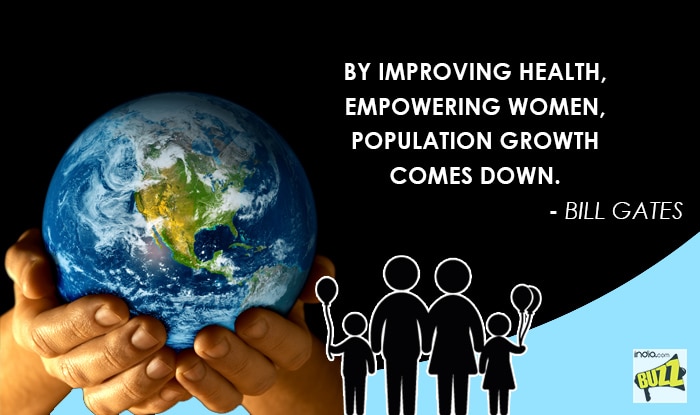
World Population Day serves as a vital reminder of the intricate relationship between population dynamics, sustainable development, and the empowerment of women and girls. As we celebrate this day in 2024, let us renew our commitment to creating a world where every individual has access to quality education, healthcare, and economic opportunities, regardless of gender. By empowering women and promoting gender equality, we can unlock the transformative potential of societies and pave the way for a more sustainable and equitable future for all. It is through collective action, advocacy, and a shared vision that we can address the challenges posed by population growth and ensure a prosperous and thriving world for generations to come.
World Blood Donor Day

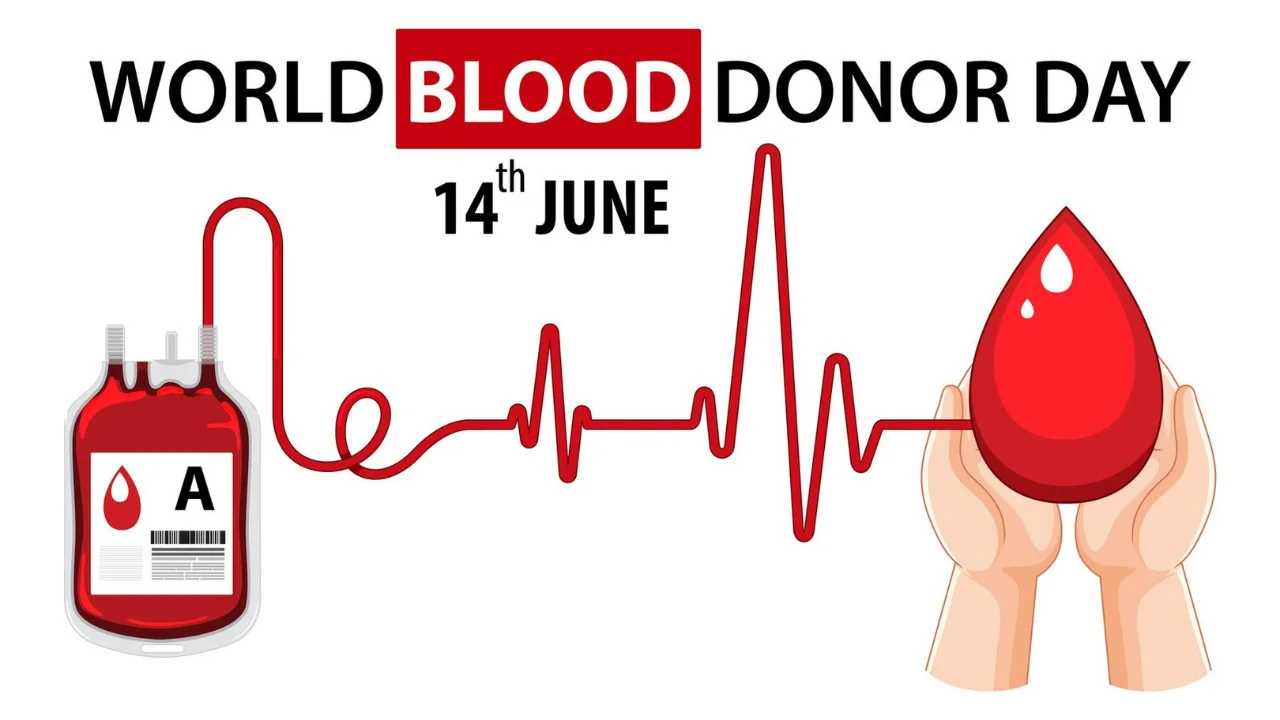
Friday is World Blood Donor Day, a global event celebrated annually on June 14th to raise awareness about the critical need for safe blood and blood products and to honour the selfless individuals who donate blood to save lives.

The idea for World Blood Donor Day was first proposed by the World Health Organisation or WHO, in 2004, in collaboration with the International Federation of Red Cross and Red Crescent Societies, the International Federation of Blood Donor Organisations, and the International Society of Blood Transfusion. The date of June 14th was chosen to commemorate the birthday of Karl Landsteiner, the Austrian-American physician who discovered the ABO blood group system in 1901 – a groundbreaking achievement that paved the way for safe blood transfusions and the modern practice of blood banking.

The first World Blood Donor Day was celebrated in 2005, and since then, it has become an annual event observed by all member states of the WHO. The event aims to thank voluntary blood donors for their life-saving contributions, while also encouraging more people to become regular blood donors.

The theme for World Blood Donor Day 2024 is “Give Blood, Give Plasma, Share Life, Share Often.”. This theme reflects the crucial role that blood and plasma donations play in maintaining the health and well-being of communities around the world. The 2024 theme will focus on several key objectives, including, celebrating and expressing gratitude to individuals who donate blood and plasma, inspiring more people to become blood donors, and encouraging healthy individuals to donate blood and plasma regularly, within safe and feasible limits, to improve the quality of life for patients who depend on transfusions and contribute to the establishment of a reliable blood supply system. emphasising the vital role of voluntary, non-remunerated regular blood and plasma donations in achieving universal access to safe blood products for all populations, and mobilising support at national, regional, and global levels from governments and development partners to invest in, strengthen, and sustain national blood programs. The 2024 campaign aims to raise awareness about the importance of blood and plasma donations and to inspire more people to become regular, voluntary blood donors.

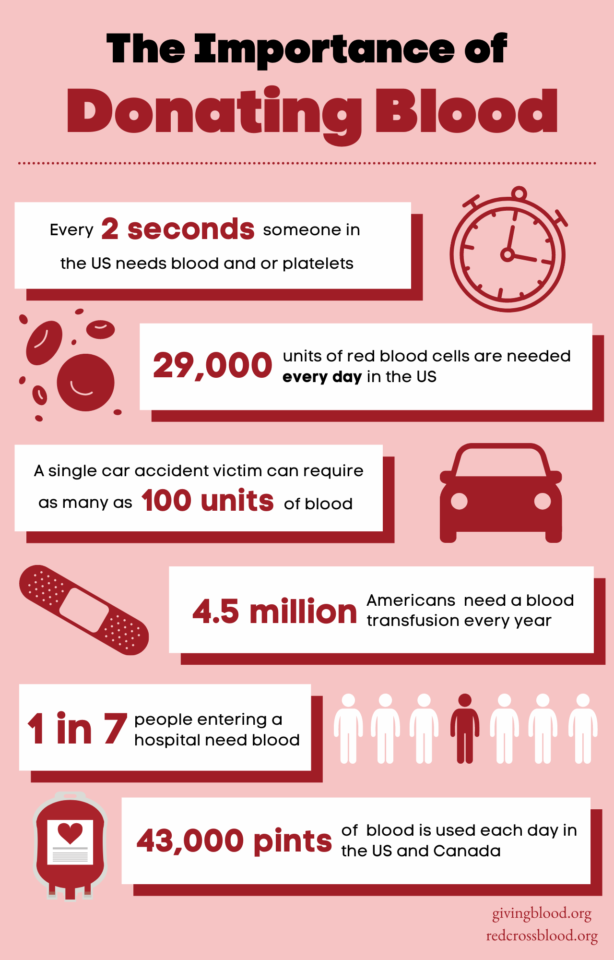
So why is blood donation so important? Blood is a precious and irreplaceable resource that is essential for saving lives and supporting complex medical and surgical procedures. Every day, millions of people around the world rely on blood transfusions to treat life-threatening conditions, such as severe bleeding, anaemia, and various forms of cancer. However, in many countries, there is not an adequate supply of safe blood, and blood services face the challenge of making sufficient blood available while also ensuring its quality and safety. An adequate supply can only be assured through regular donations by voluntary, unpaid blood donors.

The WHO’s goal is for all countries to obtain all their blood supplies from voluntary, unpaid donors by 2020. As of 2014, 60 countries had their national blood supplies based on 99-100% voluntary, unpaid blood donations, while 73 countries were still largely dependent on family and paid donors. In 2020, the WHO found that from 2013 to 2018, blood donations from voluntary, unpaid donors increased by 7.8 million across 156 countries. By 2018, 79 countries, mostly high- and middle-income, were collecting more than 90% of their blood supply from voluntary, unpaid donors. However, in 56 countries, more than half of the blood supply was still dependent on family/replacement and paid blood donors as of 2018. So, while progress has been made, with more countries transitioning to 100% voluntary, unpaid blood donation systems, there are still a significant number of countries that remain heavily reliant on family/replacement and paid donors. Continued efforts are needed to promote voluntary blood donation globally. World Blood Donor Day plays a vital role in promoting a culture of voluntary blood donation, ensuring the availability of safe blood, and saving lives through the selfless acts of blood donors.

Blood is classified into different types based on the presence or absence of specific antigens on the surface of red blood cells. The main blood group systems are ABO and Rh, which together determine an individual’s blood type. The ABO blood group system consists of four main blood types: A, B, AB, and O. The Rh system, on the other hand, is based on the presence or absence of the Rh factor, which can be either positive (+) or negative (-). The rarity of blood types varies significantly, with some being more common than others. Here’s a breakdown of the relative rarity of different blood types:

  • O-negative: The universal donor blood type, O-negative, is the rarest, accounting for only about 7% of the population.
  • AB-positive: The universal recipient blood type, AB-positive, is the least common, making up only about 3.4% of the population.
  • A-negative: Approximately 6.3% of the population has this blood type.
  • B-negative: Around 1.5% of people have this blood type.
  • O-positive: The most common blood type, O-positive, is found in about 37.4% of the population.
  • A-positive: Approximately 35.7% of people have this blood type.
  • B-positive: Around 8.5% of the population has this blood type.

The rarity of certain blood types, such as O-negative and AB-positive, underscores the importance of having a diverse and reliable pool of blood donors. Individuals with these rare blood types play a crucial role in ensuring that patients in need can receive the specific blood products they require.

Blood donation has a profound and immediate impact on the lives of those in need. Every unit of blood donated can potentially save up to three lives, as the different components of blood like red cells, platelets, and plasma can be separated and used to treat a variety of medical conditions. Blood transfusions are essential for treating severe bleeding, anaemia, and various forms of cancer, as well as supporting complex medical and surgical procedures. They also play a critical role in maternal and perinatal care, helping to reduce rates of death and disability due to severe bleeding. Beyond the direct impact on patients, blood donation also has broader societal benefits. A reliable and sustainable blood supply helps to strengthen national health systems, ensuring that essential medical services are available when needed. It also fosters a sense of community and solidarity, as individuals come together to support one another in times of need.

World Blood Donor Day 2024 presents a unique opportunity for individuals around the world to become part of the #GenerationDonor movement. By donating blood or plasma, people can make a tangible and life-changing difference in the lives of those who depend on these vital resources. To encourage more people to become regular blood donors, the 2024 campaign will feature educational initiatives, such as a World Blood Donor Day quiz, to raise awareness about the importance of blood donation and the different blood types. The campaign will also provide resources and support for individuals and organizations to organise their blood donation events and activities.

By participating in World Blood Donor Day 2024, people can not only save lives but also inspire others to follow in their footsteps. Together, we can build a global community where the gift of blood and plasma is celebrated and shared freely, ensuring that no one is left behind in the quest for universal access to safe blood products. As we recognise the rarity of certain blood types and the profound impact that blood donation can have on individual lives and entire communities, we are reminded of the power of collective action.

World Environment Day

The United Nations’ flagship event for promoting worldwide awareness, and action for the environment, World Environment Day was established in 1972 and is celebrated annually on June 5. Today, it has become the largest global platform for environmental public outreach, engaging millions worldwide. The idea for World Environment Day was born at the 1972 United Nations Conference on the Human Environment in Stockholm, Sweden. During this landmark event, the UN General Assembly designated June 5 as World Environment Day, with the first celebration the following year, in 1973.

The original theme for the inaugural World Environment Day was “Only One Earth,” a call to action to protect our planet’s finite resources and bring people and nature back into balance. This motto has remained relevant over the decades, as humanity grapples with the devastating effects of environmental degradation.

Over the years, World Environment Day has tackled pressing environmental issues, from air pollution and plastic waste to illegal wildlife trade and sustainable consumption. Each year, the event is hosted in a different country, where official celebrations and initiatives take place. This rotating hosting model has allowed World Environment Day to shine a spotlight on the diverse environmental challenges faced by nations around the globe.

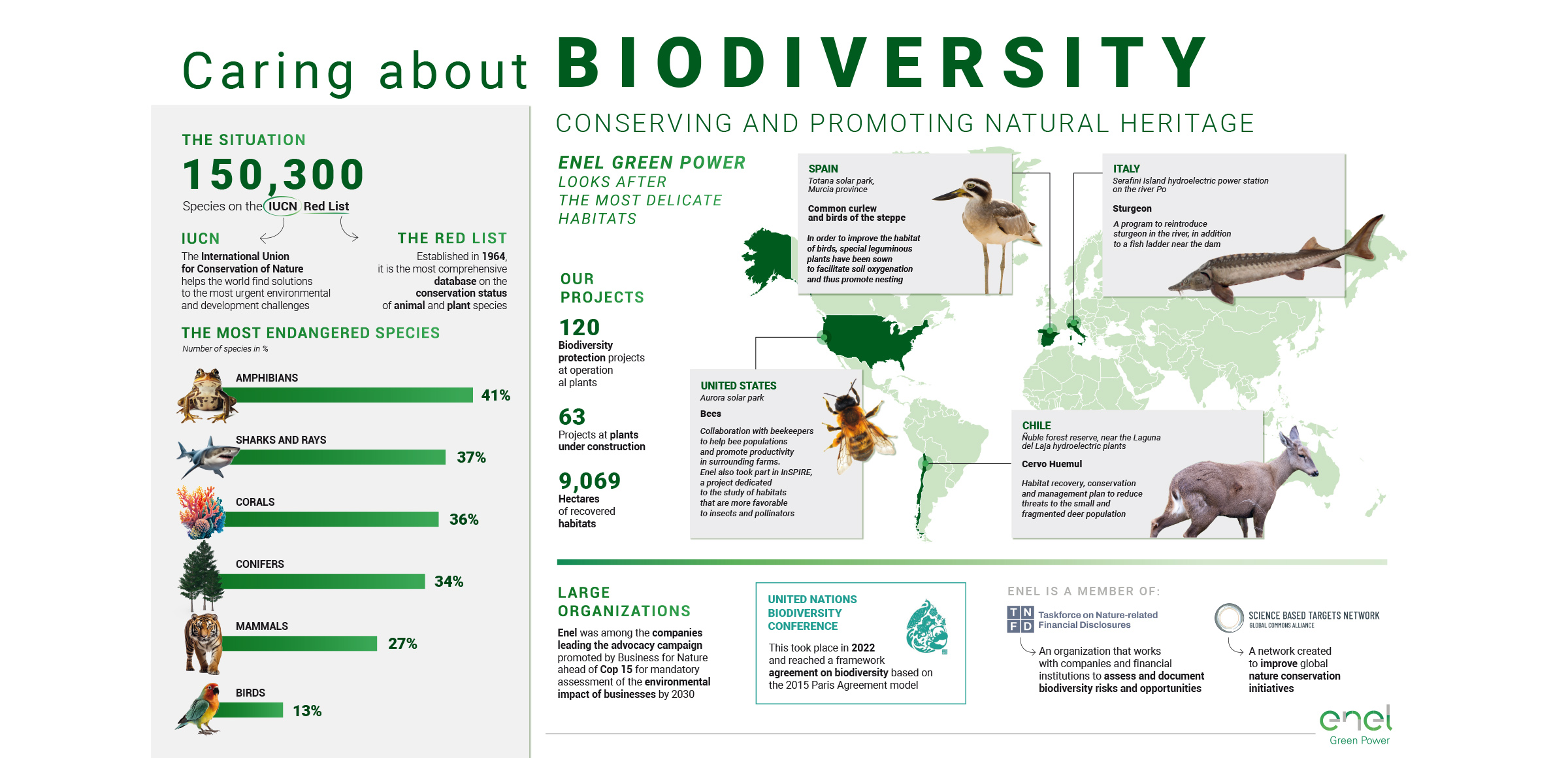
Biodiversity underpins the healthy functioning of ecosystems and provides a wide range of benefits that are critical for human societies and the natural world. Conserving biodiversity is essential for securing a sustainable future. Diverse ecosystems are more resilient and better able to withstand and recover from disturbances, including disease outbreaks. Healthy, diverse ecosystems can absorb and store large amounts of carbon, helping to mitigate climate change. Diverse natural habitats, like wetlands and forests, can help regulate extreme weather events and protect against natural disasters. Biodiversity supports food production and provides resources and income for many communities, especially in developing countries. Many modern pharmaceuticals are derived from plant and animal species, and biodiversity loss threatens the discovery of future cures and treatments. Biodiversity is integral to human health, well-being, and cultural heritage, providing opportunities for tourism, outdoor recreation, and inspiration. Diverse ecosystems are more stable and better able to withstand environmental stresses and disturbances, ensuring the continued provision of essential services.

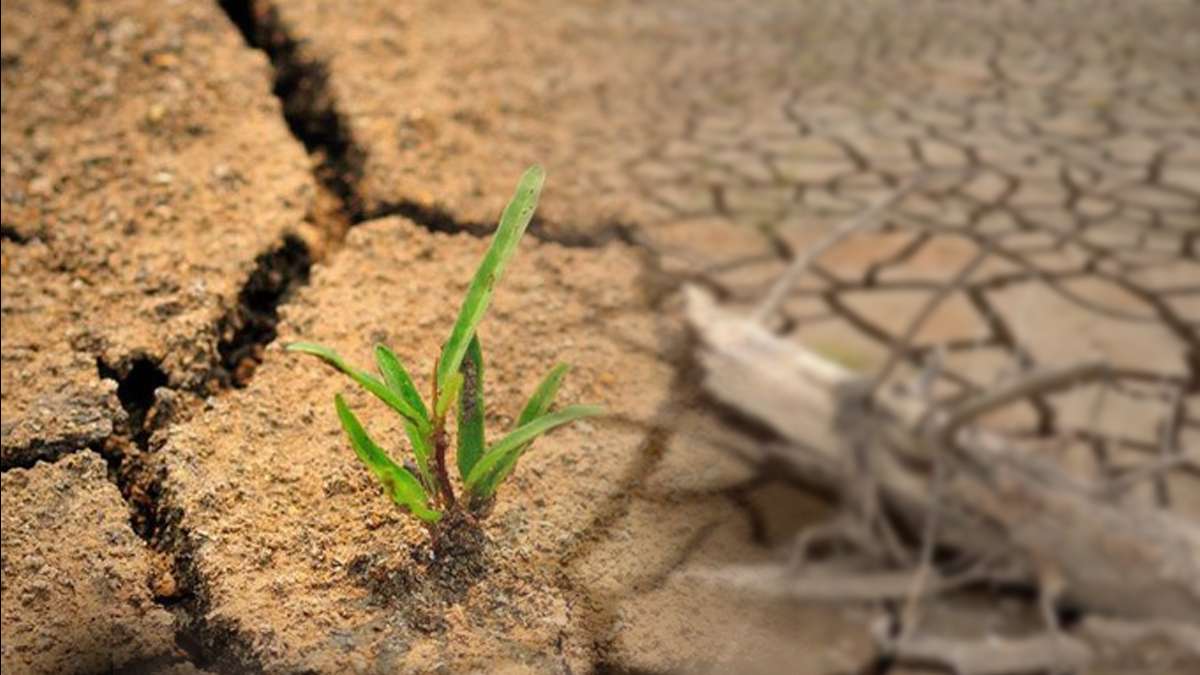
The theme for World Environment Day 2024 will focus on land restoration, desertification and drought resilience, under the slogan “Our Land. Our Future. We are #GenerationRestoration.” This theme is particularly timely, as 2024 marks the 30th anniversary of the United Nations Convention to Combat Desertification, UNCCD. According to the UNCCD, up to 40% of the planet’s land is currently degraded, directly affecting half of the world’s population and threatening roughly half of global GDP or USD 44 trillion. The number and duration of droughts have increased by 29% since 2000, and without urgent action, droughts may affect over three-quarters of the world’s population by 2050. Land degradation and desertification pose a grave threat to food security, biodiversity, and the livelihoods of millions of people worldwide.

The 2024 World Environment Day campaign aims to mobilise global action to address these pressing challenges. Land restoration is a key pillar of the UN Decade on Ecosystem Restoration from 2021 to 2030, a rallying call for the protection and revival of ecosystems around the world, which is critical to achieving the Sustainable Development Goals.

The Kingdom of Saudi Arabia has been selected to host the 2024 World Environment Day global celebrations. As a nation facing the challenges of land degradation, desertification and drought, the Kingdom is deeply invested in delivering solutions. Through initiatives such as the Saudi Green Initiative and the Middle East Green Initiative, the Kingdom is taking action both nationally and regionally to address these environmental threats. The 16th session of the Conference of the Parties (COP 16) to the UNCCD will also be held in Riyadh, Saudi Arabia, from December 2–13, 2024.

The 2024 World Environment Day theme of land restoration, desertification and drought resilience is a critical call to action. Healthy, productive land is the foundation for sustaining life on our planet, providing food, water, and livelihoods for billions of people. The alarming rate of land degradation and desertification poses an existential threat to humanity. Every second, an area the size of four football fields of healthy land becomes degraded, adding up to 100 million hectares every year. Climate change is exacerbating these challenges, with droughts becoming more frequent and severe. Currently, around 2 billion people live on drylands vulnerable to desertification, which could displace an estimated 50 million people by 2030. Urgent action is needed to halt and reverse these trends. Land restoration, through practices such as reforestation, sustainable agriculture, and the revival of degraded ecosystems, is a key solution.

Ecosystem restoration is at the heart of the 2024 World Environment Day campaign. By reviving forests, wetlands, grasslands, and other natural habitats, we can not only combat desertification and drought, but also mitigate climate change, protect biodiversity, and secure the livelihoods of millions of people. The UN Decade on Ecosystem Restoration, set to take place from 2021 to 2030, has set a global goal of restoring 1 billion hectares of degraded land by 2030. This ambitious target represents a critical opportunity to heal our planet and secure a sustainable future for all. Restoration efforts can take place at any scale, from community-led initiatives to large-scale national and international programs. Everyone has a role to play in becoming part of #GenerationRestoration and lending a helping hand to our planet.

The World Environment Day 2024 will serve as a powerful platform to mobilise global action towards land restoration, desertification and drought resilience. The event will bring together governments, businesses, civil society, and individuals to share best practices, showcase innovative solutions, and inspire collective action. Ahead of the celebrations, the World Environment Day campaign was launched on April 28, 2024, in Riyadh, Saudi Arabia. This campaign focused on combating desertification, restoring land, and building drought resilience. The campaign aims to mobilise global action, showcase solutions, and inspire collective efforts towards restoring degraded ecosystems, protecting land, and building resilience against droughts. This aligns with the UN Decade on Ecosystem Restoration (2021-2030) and global commitments to restore 1 billion hectares of degraded land by 2030.

World Environment Day 2024 will be a pivotal moment in the global effort to address the urgent challenges of land degradation, desertification and drought. As the world grapples with the devastating effects of environmental degradation, the 2024 theme of land restoration, desertification and drought resilience offers a glimmer of hope. By mobilizing global action and empowering individuals, communities, and nations to become part of #GenerationRestoration, we can work towards a future where our land is healthy, our ecosystems are thriving, and our communities are resilient. The stakes have never been higher, but the power of collective action has never been more inspiring. Let us heed the call of World Environment Day 2024 and commit ourselves to restoring our land, securing our future, and building a sustainable world for generations to come.
The International Day of Potato: Celebrating a Global Staple

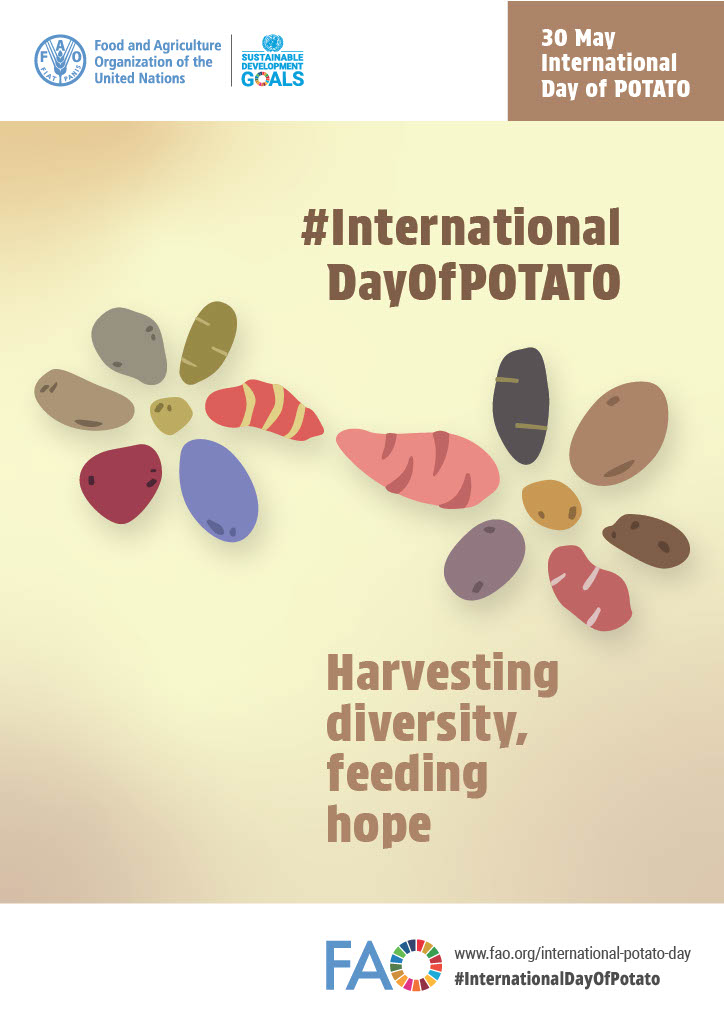
The potato, a humble tuber that has nourished civilizations for millennia, is finally getting its due recognition on the global stage. On December 30, 2023, the United Nations General Assembly proclaimed May 30th as the International Day of the Potato, a testament to the crop’s enduring importance in feeding the world.

The potato’s origins can be traced back to the Andes of South America, where it was first cultivated by indigenous communities between 5,000 and 8,000 years ago. These early potato growers recognised the tuber’s remarkable resilience and nutritional value, making it a staple food that sustained the Inca civilization.

The potato’s journey to global prominence began in the 16th century, when Spanish conquistadors brought the crop back to Europe. Initially viewed with suspicion, the potato slowly gained acceptance and became a dietary mainstay, fueling the rise of urbanisation and the Industrial Revolution. During the Qing Dynasty in China, the introduction of the potato helped alleviate famine, solidifying its place as an essential crop.

The potato’s resilience was further tested during times of conflict, such as World War II, when its high yield and storage capabilities provided much-needed food security. However, the Irish Famine of the 1840s serves as a stark reminder of the dangers of relying on a single crop variety, as a lack of genetic diversity left the potato vulnerable to disease.

Today, the potato stands as a beacon of food security and a pillar of sustainable agriculture. With over 5,000 varieties worldwide, the potato’s genetic wealth offers a powerful tool to combat pests, diseases, and the impacts of climate change. From the 12,000-hectare Potato Park in the Andes, where indigenous communities manage and protect their potato genetic resources, to the innovative use of potato starch in bioplastics, the humble tuber continues to inspire innovation and drive progress.

The potato’s global significance is undeniable. It is the third most consumed food crop globally, with 159 countries cultivating the tuber. This widespread cultivation is a testament to the potato’s adaptability, as it thrives in diverse farming systems, from small-scale, hand-tended plots in the Andes to vast, mechanised commercial farms across different continents.

The potato’s nutritional profile is equally impressive. Rich in carbohydrates, vitamins, and minerals, the potato is a complete food that can help address issues of food security and malnutrition. Furthermore, the crop’s high yield and efficient use of resources make it a valuable tool in the fight against hunger and poverty.

The cultural and culinary dimensions of the potato are equally captivating. From the iconic Irish potato famine to the Russian love affair with vodka, the potato has woven itself into the fabric of human history and tradition. Across the globe, the potato has inspired a myriad of beloved dishes, from French fries and mashed potatoes to the Peruvian causa and the Indian aloo tikki.

The inaugural International Day of the Potato, to be celebrated tomorrow, will be a momentous occasion, marking a significant milestone in the global recognition of this remarkable crop. The day will provide an opportunity to showcase the potato’s multifaceted contributions to food security, nutrition, and sustainable agriculture, while also honouring the crucial role of small-scale family farmers, a significant proportion of whom are women, in safeguarding the crop’s genetic diversity.

The celebrations will be led by the Food and Agriculture Organization, or FAO of the United Nations, in collaboration with the World Potato Congress, Inc. and national governments. The day will feature a range of activities and initiatives designed to raise awareness, advocate for the potato, and celebrate its cultural and culinary significance.

One of the key highlights of the 2024 celebrations will be the formal adoption of the International Day of Potato proposal by the FAO during their annual general assembly in December 2022, followed by the approval and resolution of the declaration during the United Nations General Assembly in September 2023. This formal recognition will pave the way for the first-ever International Potato Day to be celebrated on May 30, 2024, just a few days before the next World Potato Congress in Adelaide, Australia.

The International Day of Potato 2024 will be a momentous occasion, a global celebration of a crop that has nourished civilisations, fueled economic progress and continues to play a vital role in addressing the challenges of food security, nutrition, and sustainable agriculture. As the world comes together to honour the humble potato, it is a testament to the enduring power of this remarkable tuber and the resilience of the communities that have cultivated it for millennia.

International Day of Families: Celebrating Family Connections

The International Day of Families is an annual observance recognised by the United Nations on May 15th. This day aims to raise awareness of the importance of families and the role they play in society. Families come in many shapes and sizes, but they all share the fundamental purpose of providing love, support, and a sense of belonging for their members.

The theme for the International Day of Families in 2024 is “Strengthening Family Connections in a Digital World.” This theme reflects the growing influence of technology on modern family life and the need to find a healthy balance between digital engagement and quality time together. As families navigate an increasingly online landscape, it is crucial to explore ways of using technology to enhance family bonds rather than allowing it to become a barrier.

The International Day of Families was first established in the 1980s, when the United Nations started to focus attention on issues related to families. In 1993, the UN General Assembly passed a resolution designating May 15 as the International Day of Families. The fundamental goal of establishing this observance was to raise awareness of the importance of families and the issues affecting them globally. The day is meant to encourage people worldwide to improve their living standards and promote social progress.

The traditional nuclear family model of a married mother and father with children is no longer the only accepted family structure. Families today come in diverse forms, including single-parent households, blended families, same-sex couples, multigenerational homes, and families formed through adoption or surrogacy. This diversity is a testament to the resilience and adaptability of the family unit.

Regardless of their composition, families serve as the foundation for individual development and social cohesion. They provide a haven where children can grow, learn, and thrive. Families also play a crucial role in transmitting cultural values, traditions, and beliefs from one generation to the next.

While technology has brought many benefits to modern families, it has also introduced new challenges that require thoughtful navigation. The ubiquity of digital devices and the constant connectivity they enable can sometimes come at the expense of face-to-face interaction and quality time spent together.

Parents today often struggle to find the right balance between allowing their children to explore the digital world and setting boundaries to protect them from potential online risks, such as cyberbullying, excessive screen time, and exposure to inappropriate content.  Additionally, the blurring of work and home life due to remote work and the always-on nature of digital communication can make it difficult for families to truly disconnect and enjoy uninterrupted quality time.

The 2024 theme of the International Day of Families, “Strengthening Family Connections in a Digital World,” encourages families to embrace technology in a way that enhances their relationships and supports their overall well-being. Here are some strategies families can consider:

  • Establishing Digital Boundaries: Setting clear boundaries and guidelines around technology use can help families maintain a healthy balance. This may include designating tech-free zones or times, such as during mealtimes or before bedtime, and encouraging everyone to be present and engaged with one another.
  • Fostering Digital Literacy: Educating family members, especially children, on the responsible and safe use of digital technologies is crucial. Families can learn together about online privacy, cybersecurity, and the importance of critical thinking when consuming digital content.
  • Leveraging Technology for Connectivity: While excessive screen time can be detrimental, technology can also be used to strengthen family connections. Families can utilise video calls, messaging apps, and social media to stay in touch with loved ones who live far away, share important moments, and coordinate family activities.
  • Engaging in Digital Activities Together: Families can find ways to use technology as a tool for shared experiences and bonding. This could include playing interactive games, watching movies or shows together, or even collaborating on creative projects using digital tools.
  • Prioritising Offline Interactions: Despite the convenience and allure of digital devices, families need to make time for face-to-face interactions, outdoor activities, and unplugged experiences. These offline moments allow for deeper connections, uninterrupted conversations, and the cultivation of meaningful memories.

The International Day of Families in 2024 presents an opportunity for families around the world to reflect on the importance of their relationships and explore ways to strengthen their connections in the digital age. The day serves as a timely reminder of the enduring significance of the family unit and the need to adapt to the evolving digital landscape. By embracing technology in a way that enhances family connections, families can navigate the challenges of the modern world while preserving the core values and traditions that have sustained them throughout history.

As we celebrate this day, let us be inspired to cultivate stronger, more resilient family bonds that can withstand the test of time and the ever-changing digital landscape. Together, we can create a future where families thrive, both online and offline, and where the power of human connection remains at the heart of our lives.