In My Hands Today…

The Last American Road Trip: A Memoir – Sarah Kendzior

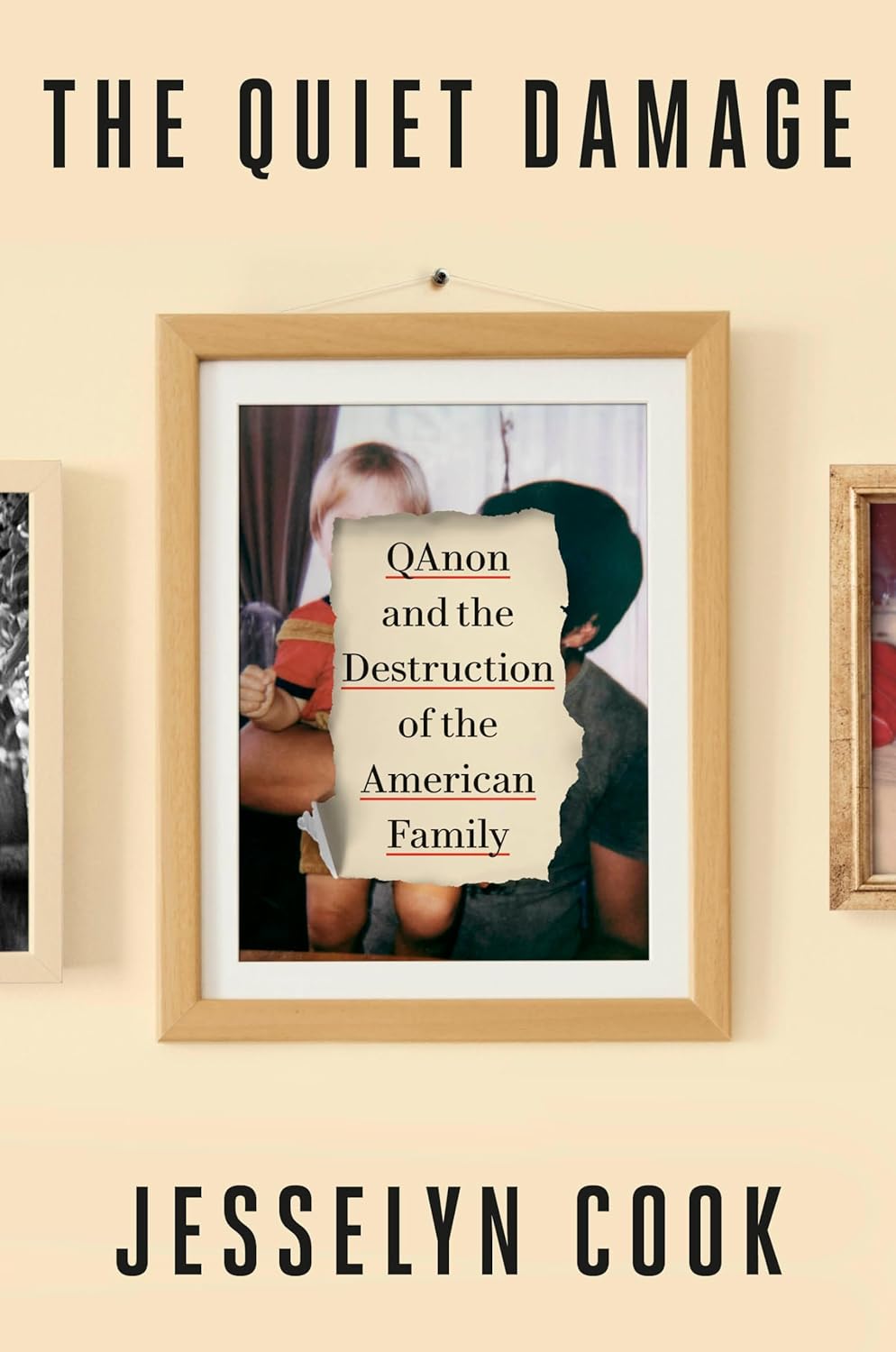
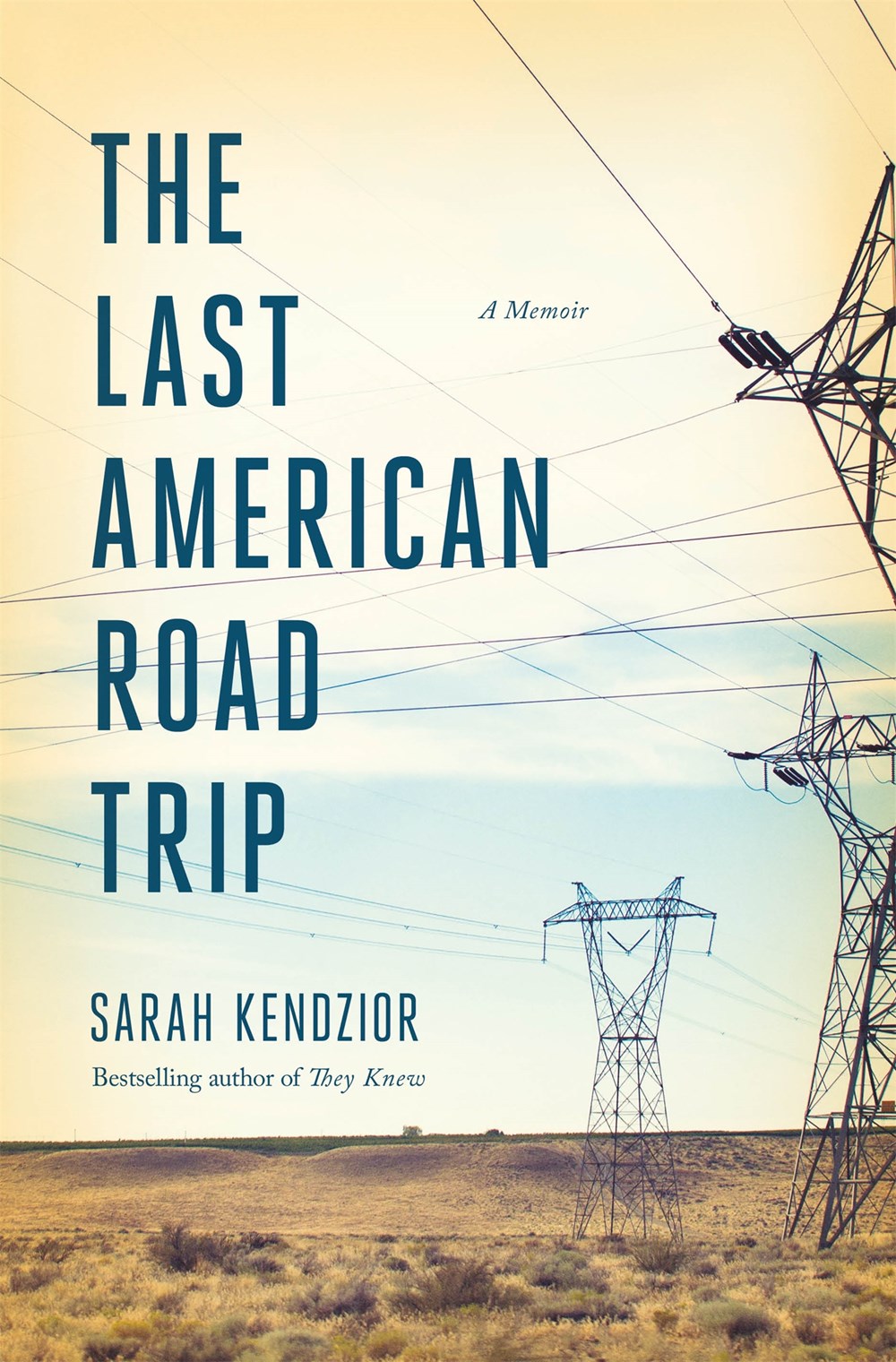
It is one thing to study the fall of democracy, another to have it hit your homeland — and yet another to raise children as it happens. The Last American Road Trip is one family’s journey to the most beautiful, fascinating, and bizarre places in the US during one of its most tumultuous eras. As Kendzior works as a journalist chronicling political turmoil, she becomes determined that her young children see America before it’s too late. So Kendzior, her husband, and the kids hit the road — again and again.

Starting from Missouri, the family drives across America in every direction as cataclysmic events – the rise of autocracy, political and technological chaos, and the pandemic – reshape American life. They explore Route 66, national parks, historical sites, and Americana icons as Kendzior contemplates love for country in a broken heartland. Together, the family watches the landscape of the United States – physical, environmental, social, political -transform through the car window.

Part memoir, part political history, The Last American Road Trip is one mother’s promise to her children that their country will be there for them in the future – even though at times she struggles to believe it herself.

In My Hands Today…

Taking Manhattan: The Extraordinary Events That Created New York and Shaped America – Russell Shorto

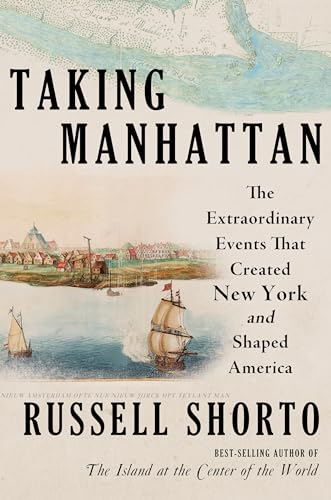
In 1664, England decided to invade the Dutch-controlled city of New Amsterdam on Manhattan Island. Charles II and his brother, the Duke of York, had dreams of empire, and their archrivals, the Dutch, were in the way. But Richard Nicolls, who led the English flotilla bent on destruction, changed his strategy once he began parleying with Peter Stuyvesant, the Dutch leader on Manhattan.

Bristling with vibrant characters, Taking Manhattan reveals the founding of New York to be an the result not of an English military takeover but of clever negotiations that led to a fusion of the multiethnic capitalistic society the Dutch had pioneered to the power of the rising English empire. But the birth of what might be termed the first modern city is also a story of the brutal dispossession of Native Americans and of the roots of American slavery. Taking Manhattan shows how the paradox of New York’s origins—boundless opportunity coupled with subjugation and displacement—reflect America’s promise and failure to this day. Russell Shorto, whose work has been described as “astonishing” (New York Times) and “revelatory” (New York magazine), has once again mined newly translated sources to offer a vibrant tale and a fresh and trenchant argument about American beginnings.

In My Hands Today…

The Ride: Paul Revere and the Night That Saved America – Kostya Kennedy

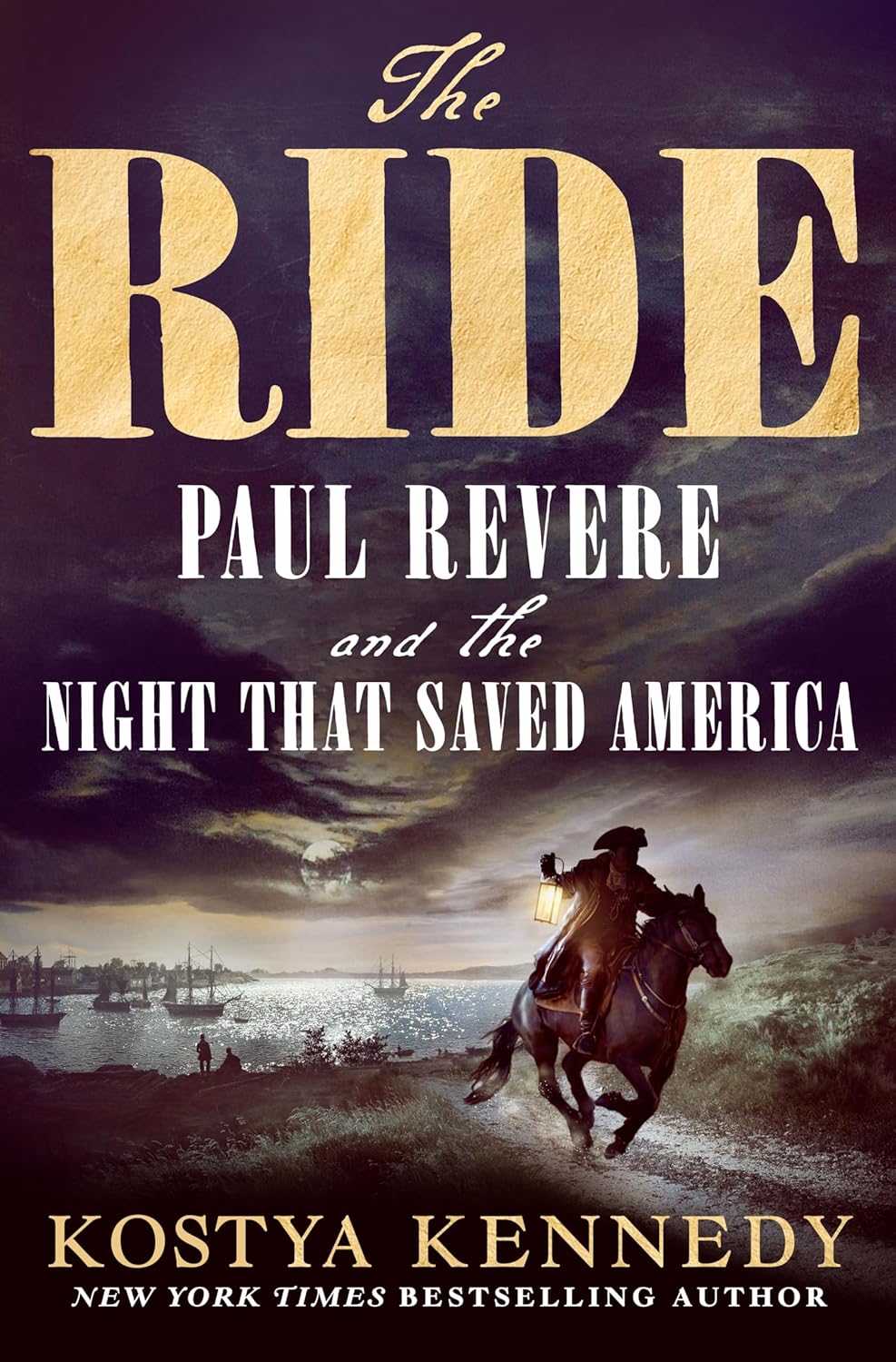
On April 18, 1775, a Boston-based silversmith, engraver, and anti-British political operative named Paul Revere set out on a borrowed horse to fulfill a dangerous but crucial task to alert American colonists of advancing British troops, which would seek to crush their nascent revolt. Revere was not the only rider that night, and indeed, he had completed at least 18 previous rides throughout New England, disseminating intelligence about British movements. But this ride was like no other, and its consequences in the months and years to come—as the American Revolution morphed from isolated skirmishes to a full-fledged war—became one of our founding legends.

In The Ride, Kostya Kennedy presents a dramatic new narrative of the events of April 18 and 19, 1775, informed by fresh primary and secondary source research into archives, family letters and diaries, contemporary accounts, and more. Kennedy reveals Revere’s ride to be more complex than it is usually portrayed—a coordinated series of rides by numerous men, near-disaster, capture by British forces, and finally success. While Revere was central to the ride and its plotting, Kennedy reveals the other men (and, perhaps, a woman with information about the movement of British forces) who helped to set in motion the events that would lead to America’s independence.

In My Hands Today…

Assassination Vacation – Sarah Vowell

With Assassination Vacation, she takes us on a road trip like no other—a journey to the pit stops of American political murder and through the myriad ways they have been used for fun and profit, for political and cultural advantage.

From Buffalo to Alaska, Washington to the Dry Tortugas, Vowell visits locations immortalized and influenced by the spilling of politically important blood, reporting as she goes with her trademark blend of wisecracking humor, remarkable honesty, and thought-provoking criticism. We learn about the jinx that was Robert Todd Lincoln (present at the assassinations of Presidents Lincoln, Garfield, and McKinley) and witness the politicking that went into the making of the Lincoln Memorial. The resulting narrative is much more than an entertaining and informative travelogue—it is the disturbing and fascinating story of how American death has been manipulated by popular culture, including literature, architecture, sculpture, and—the author’s favorite— historical tourism. Though the themes of loss and violence are explored and we make detours to see how the Republican Party became the Republican Party, there are all kinds of lighter diversions along the way into the lives of the three presidents and their assassins, including mummies, show tunes, mean-spirited totem poles, and a nineteenth-century biblical sex cult.

In My Hands Today…

Travels with Charley: In Search of America – John Steinbeck

A quest across America, from the northernmost tip of Maine to California’s Monterey Peninsula

To hear the speech of the real America, to smell the grass and the trees, to see the colors and the light—these were John Steinbeck’s goals as he set out, at the age of fifty-eight, to rediscover the country he had been writing about for so many years.

With Charley, his French poodle, Steinbeck drives the interstates and the country roads, dines with truckers, encounters bears at Yellowstone and old friends in San Francisco. Along the way he reflects on the American character, racial hostility, the particular form of American loneliness he finds almost everywhere, and the unexpected kindness of strangers.