In My Hands Today…

Tipu Sultan: The Saga of Mysore’s Interregnum, 1760–1799 – Vikram Sampath
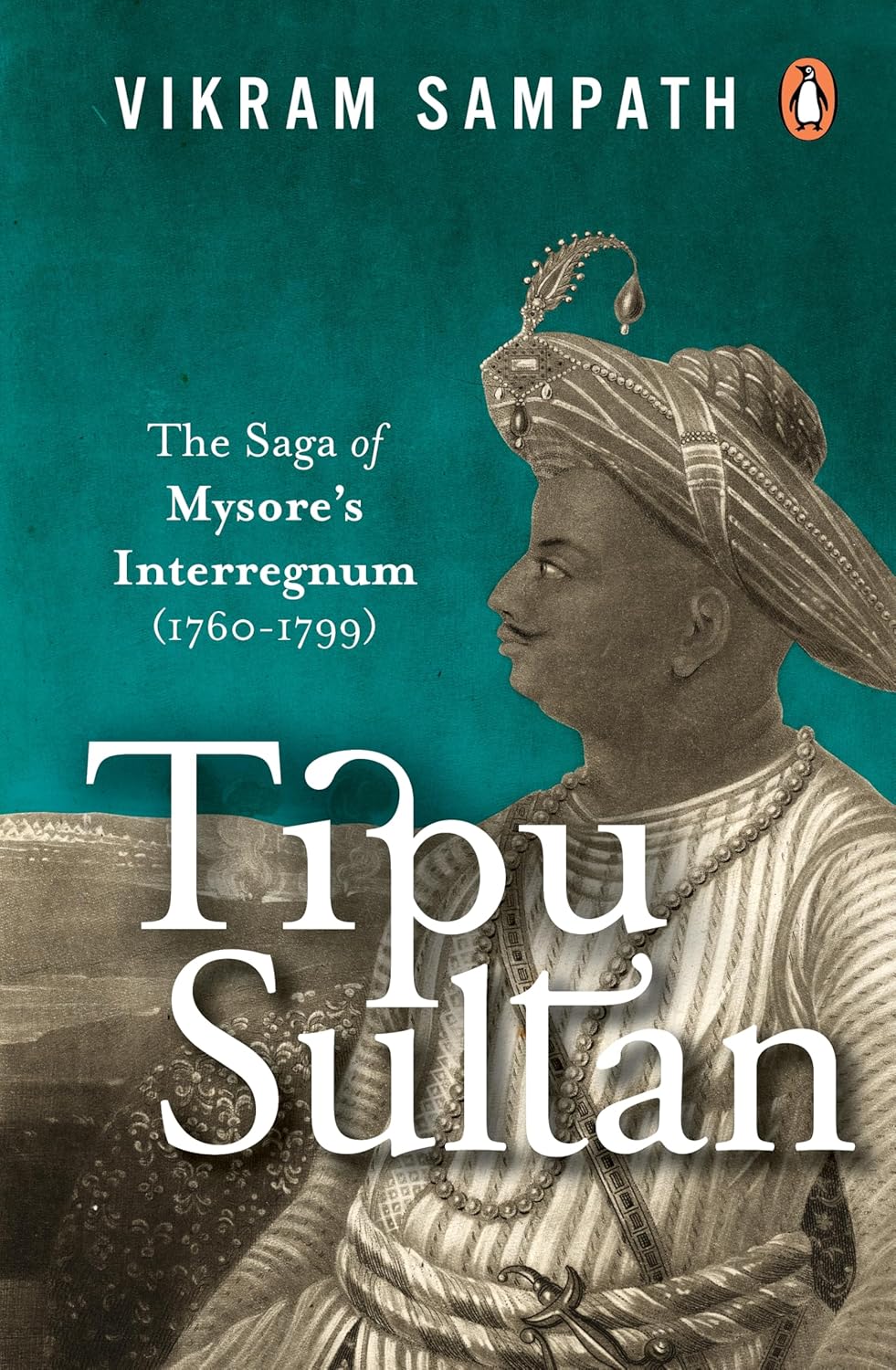
Tipu’s ascent to power was accidental. His father Haidar Ali was a beneficiary of the benevolence of the Maharaja of Mysore. But in a series of fascinating events, the Machiavellian Haidar ran with the hare and hunted with the hounds; he ended up overthrowing his own benefactor and usurping the throne of Mysore from the Wodeyars in 1761. In a war-scarred life, father and son led Mysore through four momentous battles against the British, termed the Anglo-Mysore Wars. The first two, led by Haidar, brought the English East India Company to its knees. Chasing the enemy to the very gates of Madras, Haidar made the British sign such humiliating terms of treaties that sent shockwaves back in London.

In the hubris of this success, Tipu obtained the kingdom on a platter, unlike his father, who worked up the ranks to achieve glory. In a diabolical war thirst, Tipu launched lethal attacks on Malabar, Mangalore, Travancore, Coorg, and left behind a trail of death, destruction and worse, mass-conversions and the desecration of religious places of worship. While he was an astute administrator and a brave soldier, the strategic tact with opponents and the diplomatic balance that Haidar had sought to maintain with the Hindu majority were both dangerously upset by Tipu’s foolhardiness on matters of faith. The social report card of this eighteenth-century ruler was anything but clean. And yet, one simply cannot deny his position as a renowned military warrior and one of the most powerful rulers of Southern India.

In My Hands Today…

Bravehearts of Bharat: Vignettes from Indian History – Vikram Sampath

History has always been the handmaiden of the victor. ‘Until the lions have their own storytellers,’ said Chinua Achebe, ‘the history of the hunt will always glorify the hunter!’ Exploring the lives, times and works of long-forgotten and mostly neglected fifteen unsung heroes and heroines of our past, this book brings to light the contribution of the warriors who not only donned an armour and burst into the battlefield but also kept the flame of hope alive under adverse circumstances.

Narrating the tales of valour and success that India, as a nation and civilization, bore witness to in its long and tumultuous past, the book opens a window to the stories of select men and women who valiantly fought against invaders for their rights, faith and freedom.

From Rajarshi Bhagyachandra Jai Singh of Manipur, Lalitaditya Muktapida of Kashmir, Chand Bibi of Ahmednagar, Lachit Barphukan of Assam, Begum Hazrat Mahal of Awadh to Rani Abbakka Chowta of Ullal, Martanda Varma of Travancore, Rani Rudrama Devi of Warangal, Rani Naiki Devi of Gujarat and Banda Singh Bahadur, among others, are some of the ‘bravehearts’ who fought to uphold the tradition and culture of their land.

In My Hands Today…

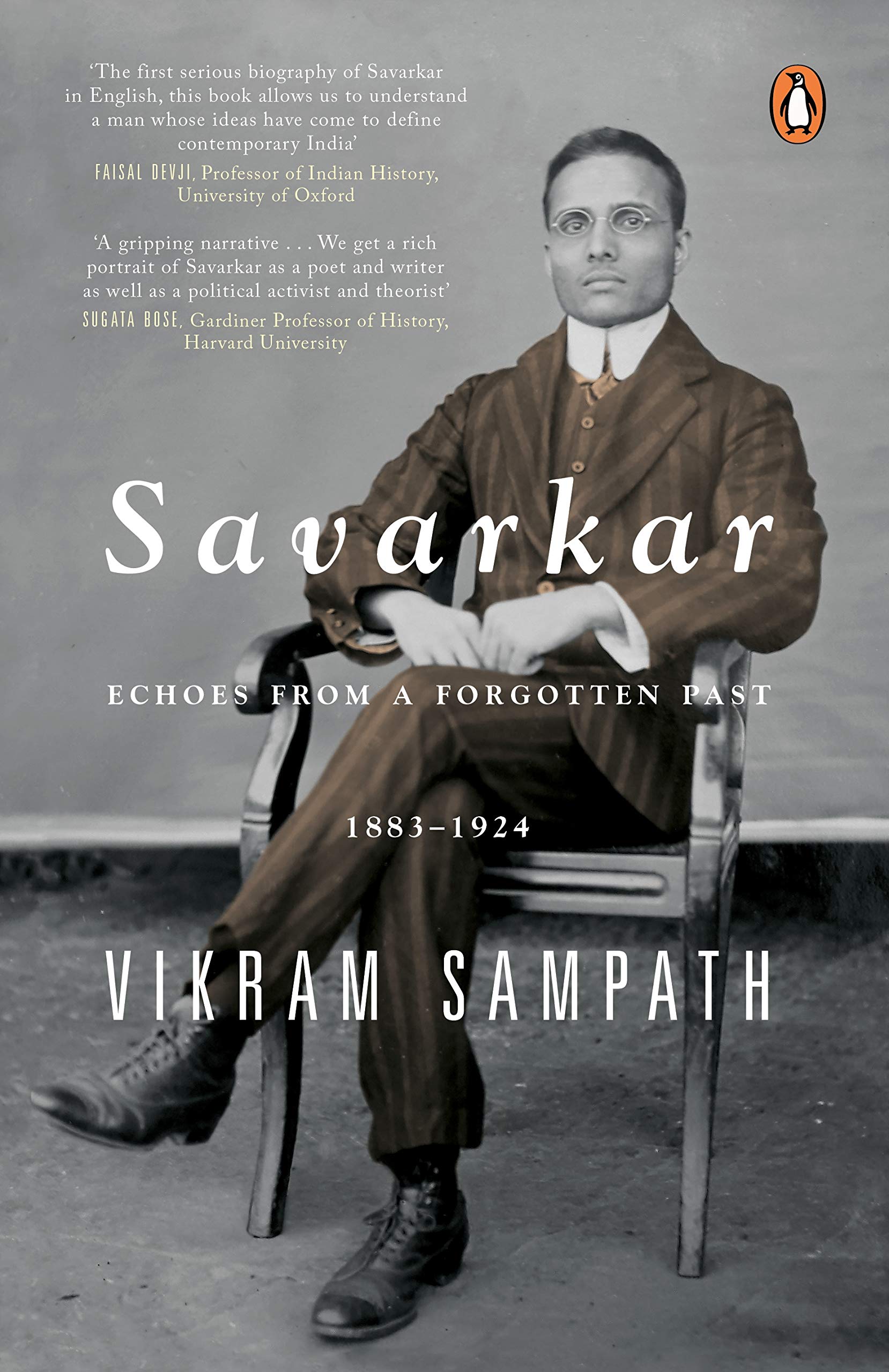
Savarkar: Echoes from a Forgotten Past, 1883–1924 – Vikram Sampath

As the intellectual fountainhead of the ideology of Hindutva, which is in political ascendancy in India today, Vinayak Damodar Savarkar is undoubtedly one of the most contentious political thinkers and leaders of the twentieth century. Accounts of his eventful and stormy life have oscillated from eulogizing hagiographies to disparaging demonization. The truth, as always, lies somewhere in between and has unfortunately never been brought to light. Savarkar and his ideology stood as one of the strongest and most virulent opponents of Gandhi, his pacifist philosophy and the Indian National Congress.

An alleged atheist and a staunch rationalist who opposed orthodox Hindu beliefs, encouraged inter-caste marriage and dining, and dismissed cow worship as mere superstition, Savarkar was, arguably, the most vocal political voice for the Hindu community through the entire course of India’s freedom struggle. From the heady days of revolution and generating international support for the cause of India’s freedom as a law student in London, Savarkar found himself arrested, unfairly tried for sedition, transported and incarcerated at the Cellular Jail, in the Andamans, for over a decade, where he underwent unimaginable torture.

From being an optimistic advocate of Hindu-Muslim unity in his treatise on the 1857 War of Independence, what was it that transformed him in the Cellular Jail to a proponent of ‘Hindutva’, which viewed Muslims with suspicion?

Drawing from a vast range of original archival documents across India and abroad, this biography in two parts-the first focusing on the years leading up to his incarceration and eventual release from the Kalapani-puts Savarkar, his life and philosophy in a new perspective and looks at the man with all his achievements and failings.