The Last Mughal: The Fall of a Dynasty: Delhi, 1857 – William Dalrymple
 On a hazy November afternoon in Rangoon, 1862, a shrouded corpse was escorted by a small group of British soldiers to an anonymous grave in a prison enclosure. As the British Commissioner in charge insisted, “No vestige will remain to distinguish where the last of the Great Moghuls rests.”
Bahadur Shah Zafar II, the last Mughal Emperor, was a mystic, an accomplished poet and a skilled calligrapher. But while his Mughal ancestors had controlled most of India, the aged Zafar was king in name only. Deprived of real political power by the East India Company, he nevertheless succeeded in creating a court of great brilliance, and presided over one of the great cultural renaissances of Indian history.
Then, in 1857, Zafar gave his blessing to a rebellion among the Company’s own Indian troops, thereby transforming an army mutiny into the largest uprising any empire had to face in the entire course of the nineteenth century. The Siege of Delhi was the Raj’s Stalingrad: one of the most horrific events in the history of Empire, in which thousands on both sides died. And when the British took the city—securing their hold on the subcontinent for the next ninety years—tens of thousands more Indians were executed, including all but two of Zafar’s sixteen sons. By the end of the four-month siege, Delhi was reduced to a battered, empty ruin, and Zafar was sentenced to exile in Burma. There he died, the last Mughal ruler in a line that stretched back to the sixteenth century.
Award-winning historian and travel writer William Dalrymple shapes his powerful retelling of this fateful course of events from groundbreaking material: previously unexamined Urdu and Persian manuscripts that include Indian eyewitness accounts and records of the Delhi courts, police and administration during the siege. The Last Mughal is a revelatory work—the first to present the Indian perspective on the fall of Delhi—and has as its heart both the dazzling capital personified by Zafar and the stories of the individuals tragically caught up in one of the bloodiest upheavals in history.

 Sparkling with irrepressible wit, City of Djinns peels back the layers of Delhi’s centuries-old history, revealing an extraordinary array of characters along the way-from eunuchs to descendants of great Moguls. With refreshingly open-minded curiosity, William Dalrymple explores the seven “dead” cities of Delhi as well as the eighth city-today’s Delhi. Underlying his quest is the legend of the djinns, fire-formed spirits that are said to assure the city’s Phoenix-like regeneration no matter how many times it is destroyed. Entertaining, fascinating, and informative, City of Djinns is an irresistible blend of research and adventure.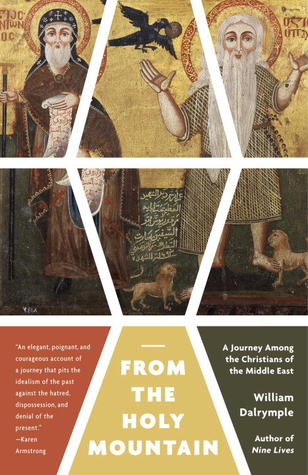


 Memories and Such