Lady Doctors: The Untold Stories of India’s First Women in Medicine – Kavitha Rao
At a time when medicine is a highly sought-after career for Indian women, it is hard to imagine what it was like for the pioneers. The story of how firmly they were bound in fetters of family, caste, and society and how fiercely they fought to escape needs to be told. In Lady Doctors, Kavitha Rao unearths the extraordinary stories of six women from the 1860s to the 1930s who defied the idea that they were unfit for medicine by virtue of their gender.
From Anandibai Joshi, who broke caste rules by crossing an ocean, to Rukhmabai Raut, who escaped a child marriage, divorced her husband, and studied to be a doctor; from Kadambini Ganguly, who took care of eight children while she worked, to child widow Haimabati Sen, who overcame poverty and hardship—these women had a profound and lasting impact. And in their forgotten lives lie many lessons for modern women.
In truth, the compelling stories of these radical women have been erased from our textbooks and memories because histories have mostly been written by men, about men. In an immensely readable narrative and with impeccable research, Lady Doctors rectifies this omission.
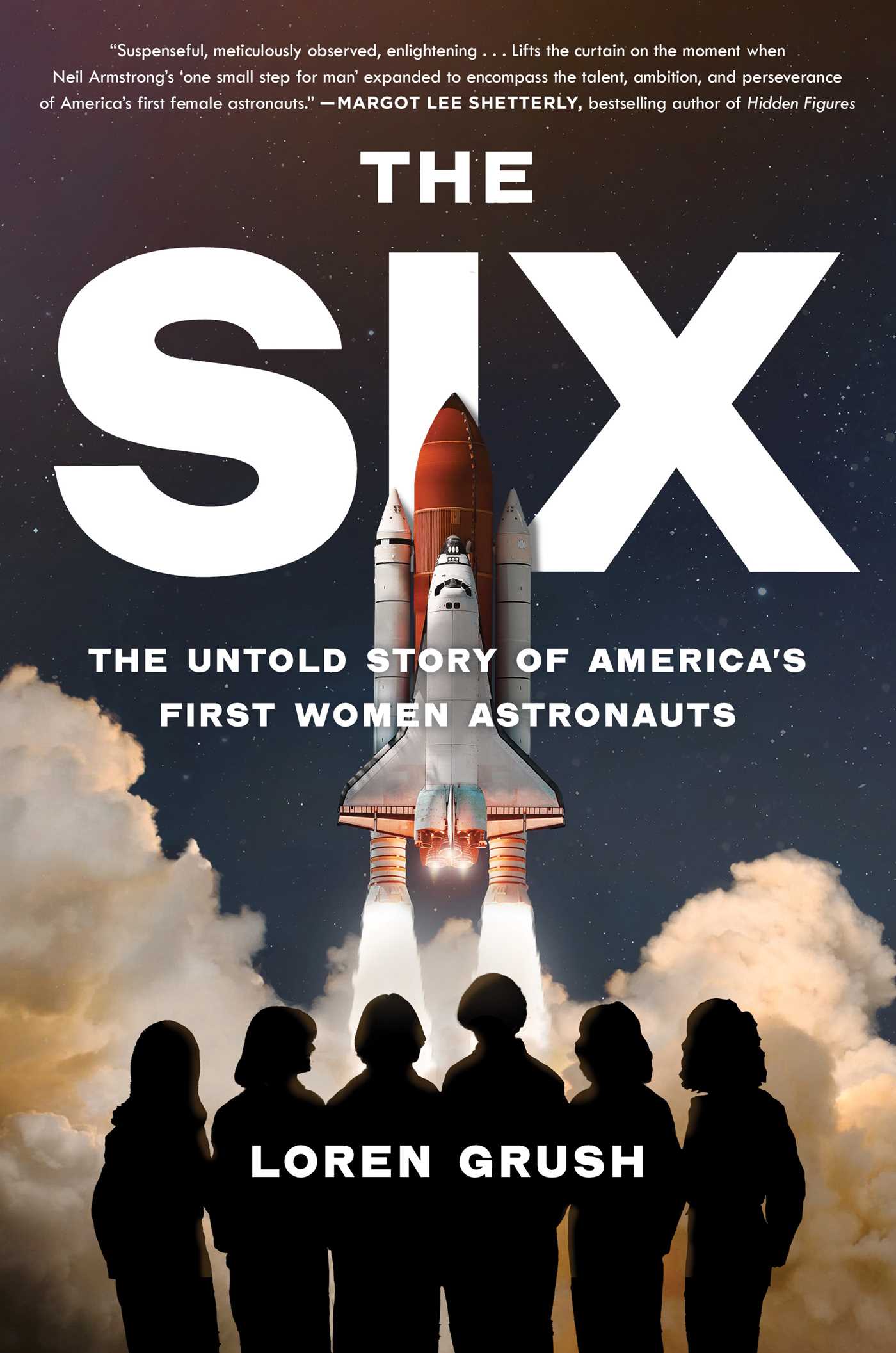
The Six: The Untold Story of America’s First Women Astronauts – Loren Grush
When NASA sent astronauts to the moon in the 1960s and 1970s, the agency excluded women from the corps, arguing that only military test pilots—a group then made up exclusively of men—had the right stuff. It was an era in which women were steered away from jobs in science and deemed unqualified for space flight. Eventually, though, NASA recognized its blunder and opened the application process to a wider array of hopefuls, regardless of race or gender. From a candidate pool of 8,000, six elite women were selected in 1978: Sally Ride, Judy Resnik, Anna Fisher, Kathy Sullivan, Shannon Lucid, and Rhea Seddon.
In The Six , acclaimed journalist Loren Grush shows these brilliant and courageous women enduring claustrophobic—and sometimes deeply sexist—media attention, undergoing rigorous survival training, and preparing for years to take multi-million-dollar payloads into orbit. Together, the Six helped build the tools that made the space program run. One of the group, Judy Resnik, sacrificed her life when the Space Shuttle Challenger exploded at 46,000 feet. Everyone knows of Sally Ride’s history-making first space ride, but each of the Six would make their mark.
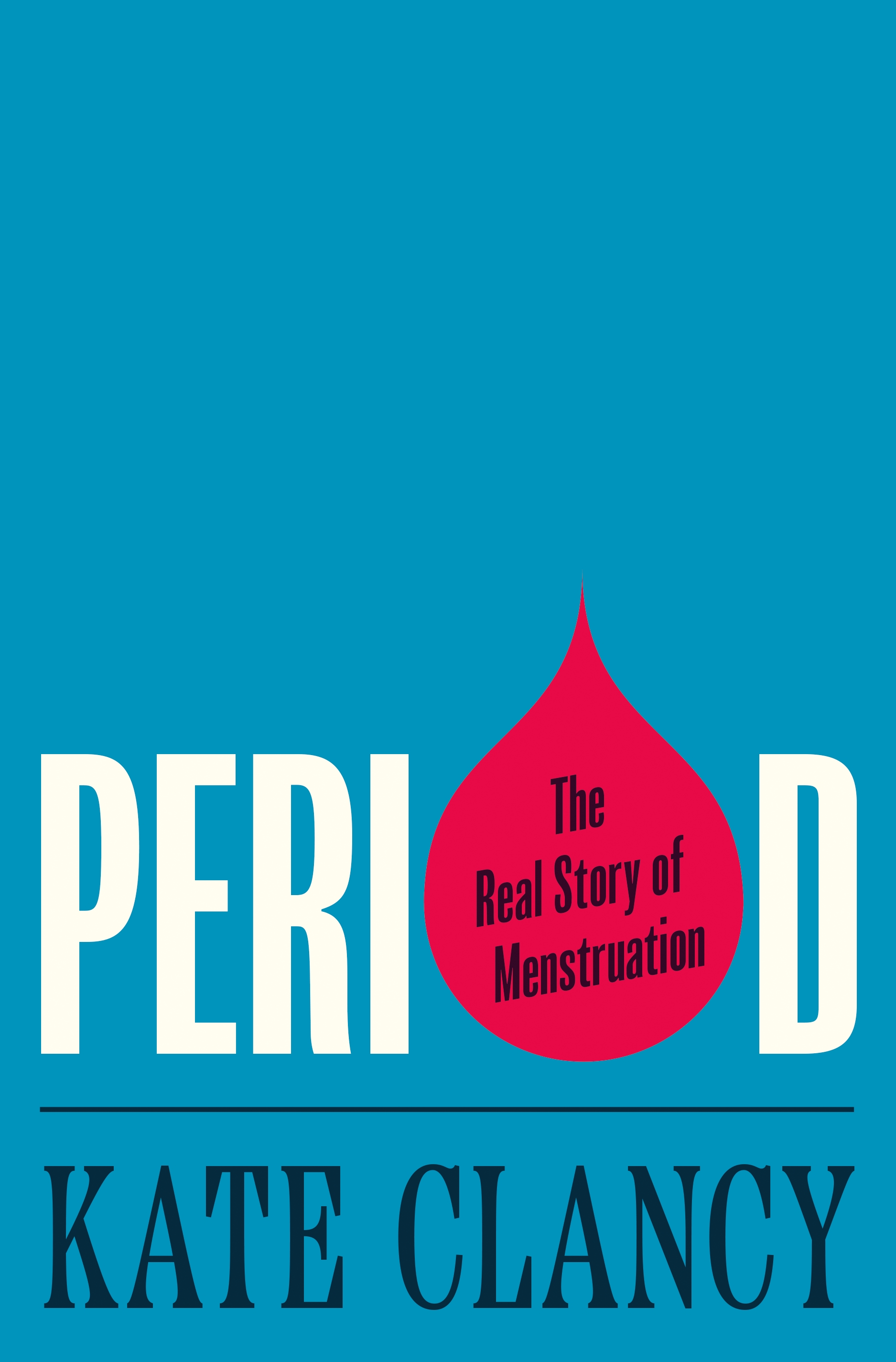
Period: The Real Story of Menstruation – Kate Clancy
Menstruation is something half the world does for a week at a time, for months and years on end, yet it remains largely misunderstood. Scientists once thought of an individual’s period as useless and some doctors still believe it’s unsafe for a menstruating person to swim in the ocean wearing a tampon. Period counters the false theories that have long defined the study of the uterus, exposing the eugenic history of gynecology while providing an intersectional feminist perspective on menstruation science.
Blending interviews and personal experience with engaging stories from her own pioneering research, Kate Clancy challenges many of the myths and false assumptions that have defined the study of the uterus. There is no such a thing as a “normal” menstrual cycle. In fact, menstrual cycles are incredibly variable and highly responsive to environmental and psychological stressors. Clancy takes up a host of timely issues surrounding menstruation, from bodily autonomy, menstrual hygiene, and the COVID-19 vaccine to the ways racism, sexism, and medical betrayal warp public perceptions of menstruation and erase it from public life.
Offering a revelatory new perspective on one of the most captivating biological processes in the human body, Period will change the way you think about the past, present, and future of periods.
The Bandit Queen of India: An Indian Woman’s Amazing Journey from Peasant to International Legend – Phoolan Devi, Paul Rambali and Marie-Thérèse Cuny
She was born in India to the lowest caste, a group with few rights and even fewer prospects. Enduring cruel poverty, Phoolan Devi survived the humiliation of an abusive marriage, the savage killing of her bandit-lover, and horrifying gang rape to claim retribution for herself and all low-caste women of the Indian plains. In a three-year campaign that rocked the government, she delivered justice to rape victims and stole from the rich to give to the poor, before negotiating surrender on her own terms. Throughout her years of imprisonment without trial, Phoolan Devi remained a beacon of hope for the poor and the downtrodden. In 1996, amidst both popular support and media controversy, she was elected to the Parliament.
On July 25, 2001, Phoolan Devi was shot dead in Delhi. The identity of her killers is unknown, but it is thought that they may include relatives of villagers killed by her gang nearly twenty years ago. For over a decade millions have found the power and scope of Phoolan Devi’s myth irresistible. Here is the story of her life through her eyes and in her own voice.
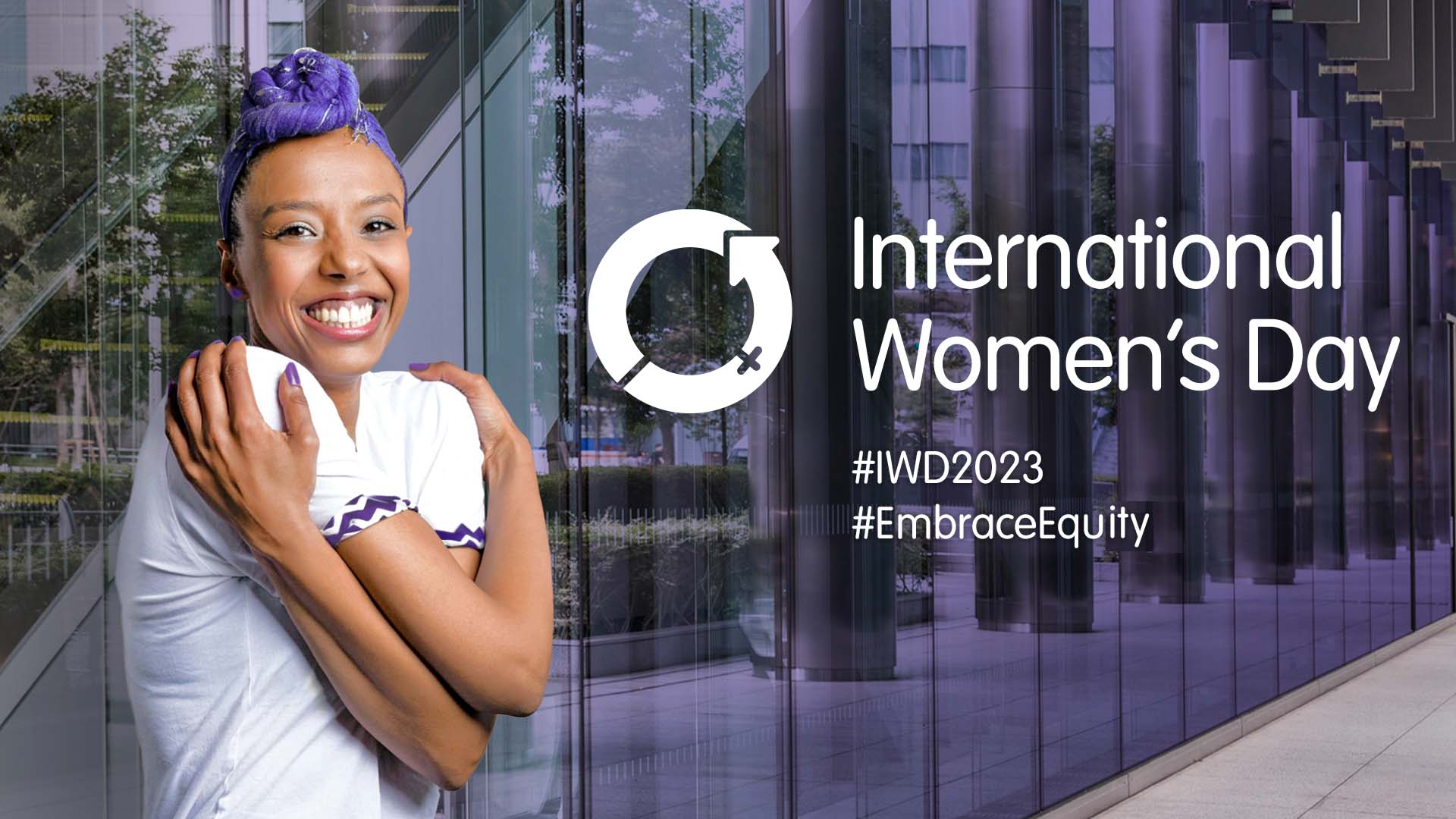
Today is International Women’s Day, a day which brings to the fore the women’s rights movement, bringing attention to issues such as gender equality, reproductive rights, and violence and abuse against women.
Spurred on by the universal female suffrage movement that had begun in New Zealand, IWD originated from labour movements in North America and Europe during the early 20th century. The earliest version was purportedly a Women’s Day organised by the Socialist Party of America in New York City on February 28, 1909. This inspired German delegates at the 1910 International Socialist Women’s Conference to propose a special Women’s Day be organised annually, albeit with no set date; the following year saw the first demonstrations and commemorations of International Women’s Day across Europe. After women gained suffrage in Soviet Russia in 1917 which was the beginning of the February Revolution, International Women’s Day was made a national holiday on March 8; it was subsequently celebrated on that date by the socialist movement and communist countries. The holiday was associated with far-left movements and governments until its adoption by the global feminist movement in the late 1960s. International Women’s Day became a mainstream global holiday following its adoption by the United Nations in 1977. The UN observes the holiday in connection with a particular issue, campaign, or theme in women’s rights.
International Women’s Day is a day when women can imagine a gender-equal world, a world free of bias, stereotypes, and discrimination. A world that’s diverse, equitable, and inclusive an a world where difference is valued and celebrated. Together and collectively, women’s equality can be forged and equity embraced.
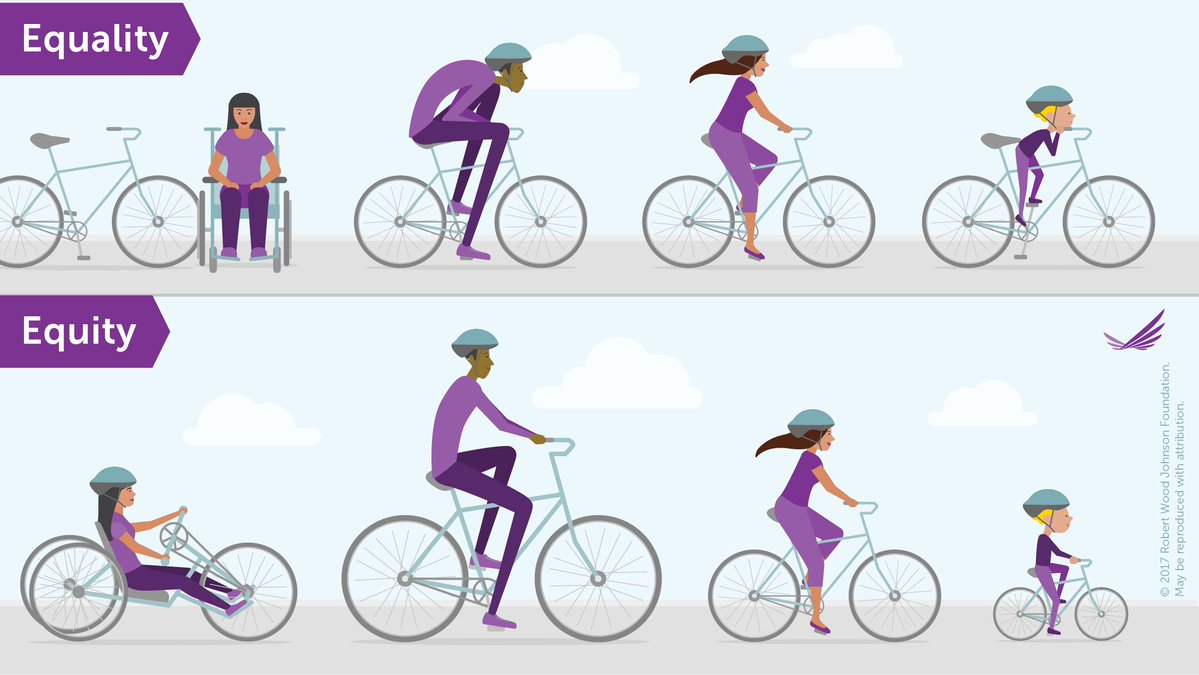
And Embrace Equity is the theme for this year’s IWD. Equity isn’t just a nice-to-have, it’s a must-have. A focus on gender equity needs to be part of every society’s DNA and it is critical to understand the difference between equity and equality. The words equity and equality are often used interchangeably. Etymologically, the root word they share is aequus, meaning even, fair or equal – which led to equity being from the Latin aequitas, and equality from aequalitas. Yet, despite these similarities, equity and equality are inherently different concepts, and the IWD 2023 #EmbraceEquity campaign theme seeks to help forge worldwide conversations about this important issue and its impact.
So, what’s the difference between equity and equality – and why is it important to understand and acknowledge this? Equality means each individual or group of people is given the same resources or opportunities. Equity recognizes that each person has different circumstances, and allocates the exact resources and opportunities needed to reach an equal outcome. Equity can be defined as giving everyone what they need to be successful. In other words, it’s not giving everyone the same thing. If we give everyone the same thing, expecting that will make people equal, it assumes that everyone started in the same place – and this can be vastly inaccurate because everyone isn’t the same.
We can all truly embrace equity. It should not be just something we say or write about. It’s something we need to think about, know, and embrace. It’s what we believe in, unconditionally. Equity means creating an inclusive world. All of us, irrespective of gender can play a part in creating an inclusive world by actively supporting and embracing equity within our sphere of influence. We can and should challenge gender stereotypes, call out discrimination, draw attention to bias, and seek out inclusion. Collective activism is what drives change. From grassroots action to wide-scale momentum, we can all embrace equity. Forging gender equity isn’t limited to women solely fighting the good fight. Allies are incredibly important for the social, economic, cultural, and political advancement of women.
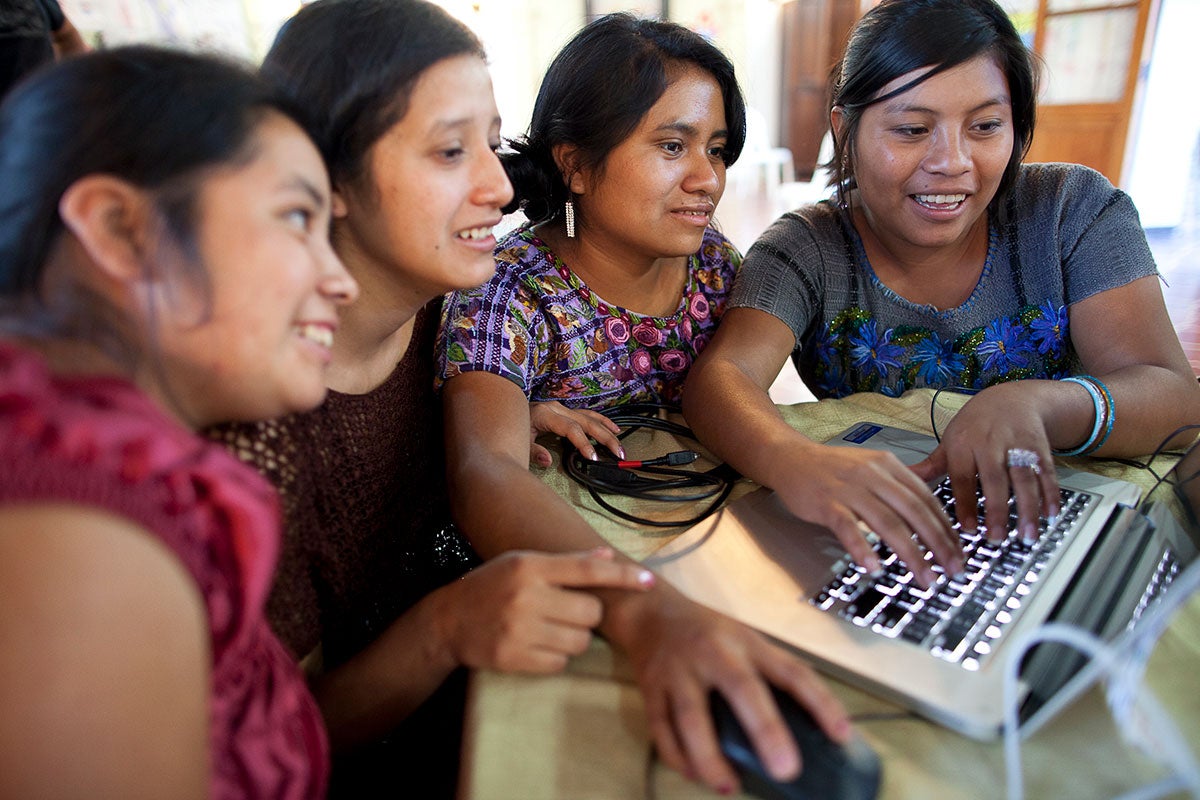
Over at the United Nations, the theme for International Women’s Day is DigitALL: Innovation and technology for gender equality. This theme highlights the need for inclusive and transformative technology and digital education.
The United Nations recognises and celebrates the women and girls who are championing the advancement of transformative technology and digital education. This IWD will explore the impact of the digital gender gap on widening economic and social inequalities and will also spotlight the importance of protecting the rights of women and girls in digital spaces and addressing online and ICT-facilitated gender-based violence. Bringing women and other marginalised groups into technology results in more creative solutions and has greater potential for innovations that meet women’s needs and promote gender equality. Their lack of inclusion, by contrast, comes with massive costs. As per the UN Women’s Gender Snapshot 2022 report, women’s exclusion from the digital world has shaved $1 trillion from the gross domestic product of low-and middle-income countries in the last decade—a loss that will grow to $1.5 trillion by 2025 without action. Reversing this trend will require tackling the problem of online violence, which a study of 51 countries revealed 38 percent of women had personally experienced.
A gender-responsive approach to innovation, technology, and digital education can increase the awareness of women and girls regarding their rights and civic engagement. Advancements in digital technology offer immense opportunities to address development and humanitarian challenges and to achieve the 2030 Agenda’s Sustainable Development Goals. Unfortunately, the opportunities of the digital revolution also present a risk of perpetuating existing patterns of gender inequality. Growing inequalities are becoming increasingly evident in the context of digital skills and access to technologies, with women being left behind as the result of this digital gender divide. The need for inclusive and transformative technology and digital education is therefore crucial for a sustainable future.
Lets us all celebrate women’s achievements today and raise awareness about the discriminations we face. Let’s take action to drive gender parity and embrace equity.




 Memories and Such