Family Footprints: An Unforgettable Italian Adventure – Part 4

First view of Venice

Venice
We reached Venice around 8 pm, and my god, the first view of the city by the water completely blew me away! We reached just around sunset, and the city was so beautiful! We took a water taxi to the stop closest to our Airbnb, which was the Rialto Bridge, and walked to the house. Venice is full of cobbled streets and lots of bridges, so we had a slightly hard time walking to the house. The flat was on the second floor and didn’t have an elevator, so again I had to climb with the luggage. We went and brought back food, had a nice dinner with wine, and slept after a tiring day.

St Mark’s Square

The next day, our last day of the trip, we woke up slightly late, and then after getting ready and checking out, we left our luggage at a luggage storage place. There are lots around, and we found one midway between our house and the water taxi point. We also booked tickets for a water taxi to get to the airport before leaving the house. After coffee, we walked to St. Mark’s Square, where we took in the beauty of the square and the Doge’s Palace. Then it was time to tick off a bucket list item—a gondola ride. We negotiated and got two gondolas and took the one-hour ride. After that, it was time for a quick lunch before one of us had to leave for the train station, as she was continuing her trip in Italy. The rest of us wandered around and finally picked up our luggage before heading to the water taxi embarkation point at Rialto. The taxi took about an hour to get to the airport, which is also connected to a jetty. It was super hot at this point, and it was the only time I had to put my hair up! Then a two-hour flight back to London before we took a taxi back to my sister’s house.

Another view of the Venice Grand Canal

The next day, the day I was flying back to Singapore, we all woke up late, after being exhausted the previous six days. After getting ready, I got my sister to take me food shopping. I had a list of some cheese, tea, and oils to buy, which I was not able to purchase in Italy because of the rules in the UK. Then we went to lunch at this amazing West African restaurant. We had the tasting menu, which lasted for about 2 hours. After that, we dropped the sister, who also lives in London, at the train station, which was the easiest way for her to get home, and then rushed home because it was late for me to get to the airport. I was stressed at this point because I had heard so much about how long it would take to clear check-in and passport control at London Heathrow that I was constantly refreshing all the apps I had checking about the times it would take me. After quickly changing and putting my things in my bag, we left for the airport. Check-in was smooth, as was passport control and customs, and I was finally on the other side. Then it was another 13 hours to Singapore, which I spent more or less sleeping, and then I was reunited with my family!

And that was our epic trip in spring!

Taking off from London Heathrow

Some last thoughts:

We packed too much into the trip – if I have to redo it, I would only do one main activity or attraction in a day and let us flow through the day. Since this was the first trip to Italy for most of us, we wanted to maximise our time there. What we forgot was that if you have six women trying to get out of the door, things will be delayed! Also, maybe we should not have gone to Venice and had an additional day in Florence. But this just means I have to go back to see all that I missed.

We used the Frecciarossa high-speed train from the Italian Rail, and I was impressed. We decided to spend a bit more and booked business class tickets on both journeys. The trains left and arrived on time on both trips. On the trip from Rome to Florence, other than us, there were two other people in the cabin, while we were the only ones in the cabin on the trip from Florence to Venice. The ticket also included a drink and a cookie. There is a small storage area above the seats, and bigger bags can be stored in a dedicated space at the entrance of the cabin. It was safe, as this was a nonstop trip and we were in eye contact with our luggage at all times. During the Rome to Florence trip, we did have some police asking to see our passports, but this didn’t happen on the second trip.

We also used Rome’s metro almost exclusively during our time there and didn’t have any issues. We all had contactless cards and used them. Rome’s metro has a fixed charge, and we paid €1.5 for each trip, irrespective of the distance, and you only need to tap your card when you enter, not when you exit. We did see a couple jump fare when we were coming back from dinner near Piazza Popolo, so that took us by surprise.

I was also worried about pickpockets in Italy and especially in Rome and had taken the precaution of having my phone on a lanyard around my neck at all times, but we didn’t see anything, and touch wood, nothing happened to us. I guess, growing up in India, we unconsciously were careful, or maybe we didn’t look like it was worth pickpocketing us. I also never had my passport with me; instead, I had a photo and my digital copy on hand.

Somewhere in Florence

Some tips and tricks that may help future travellers:

Overall Italy:

  • The streets are cobbled, and most older buildings don’t have lifts or elevators. So, before you pack that extra piece of clothing, think about whether you will be able to carry it up. My knowledge is from Airbnb, so if you are staying in a hotel, it may be different.
  • When visiting churches, shoulders and knees must be covered (men too), hats off, and no sleeveless tops. Both Florence’s Duomo and St Mark’s Basilica are strict and actively turning people away. Pack a light scarf for instant compliance.
  • Reserve, screenshot, repeat. Timed tickets for hot spots (Colosseum arena, Brunelleschi’s Dome, Accademia, Uffizi) open ~90 days out and often live only in a QR code. Save it offline: Italian turnstiles frequently lose signal, and email apps can lag. Florence’s Dome is now gated by the Brunelleschi Pass, so no pass, no climb.
  • Stamp (or check in) your regional train ticket. Paper regional tickets must be time-stamped in the green/white machines; digital tickets need the Trenitalia/Italo “check-in” tap before departure. Fines start around €50 if the conductor catches an unstamped fare.
  • Historic centres in pretty much all Italian cities are camera-policed limited-traffic zones; a rental car that strays inside can trigger an €80–€120 ticket months after you’re home, plus the agency’s admin fee. Park outside the walls and ride public transport instead.
  • Carry a small cross-body and stay alert.
  • Keep phones zipped away during crowd surges and ignore “helpful” strangers who bump or offer petitions.
Piazza del Popolo

Rome:

  • Book tickets early for major sites like the Colosseum and the Vatican. We booked almost 2 months out and still could not get the dates/times we wanted. Hence, the big miss when we went to Vatican City.
  • Use contactless cards on Rome’s public transit system. We used the same card for both the metro and the bus and, in both cases, paid €1.50 for each ride, irrespective of its length.
  • Hydrate from the street. Rome’s 2,500 nasoni fountains pour free, safe water 24/7. Carry a bottle and skip pricey kiosks. Look for “acqua non potabile” signs before sipping.
Views from Castello di Brolio

Florence:

  • Book Brunelleschi Pass tickets in advance for timed entry.
  • The Uffizi is free on the first Sunday of the month, but expect crowds.
  • Avoid driving in ZTL zones; you will be liable for heavy fines otherwise.
Grand Canal, Venice

Venice:

  • Budget for the “invisible” fees. Venice now charges day-trippers €5 (€10 if you book within 4 days of arrival) on 54 peak-season dates; carry the downloaded QR or risk a €50–€300 fine at the causeways.
  • Take the skip-the-line queue for St. Mark’s Basilica; watch for acqua alta.
  • The vaporetto pass is cheaper, but avoid large luggage. Though when we did use it from the station to our Airbnb, one of us had a large luggage, it was ok, but manageable.
  • There are fines for feeding pigeons or sitting on the Rialto Bridge steps.

Sacred Stones, Spaces and Stories: Shakthipeeta Part 19

Ujaani Temple, Mangalkot, West Bengal
The Ujani Shakti Peeth, located in the serene village of Ujani near Guskara in Bardhaman district is dedicated to Maa Mangal Chandi, a powerful form of Goddess Durga. It is believed that Sati’s right wrist fell at this location in Ujani village.

The temple has been a centre of devotion for centuries. The name Mangal Chandi reflects the goddess’s role as a protector and benefactor of her devotees. The word Mangal means welfare, while Chandi refers to Goddess Durga’s fierce and protective aspect. The temple’s current structure is simple yet exudes an aura of divinity that draws pilgrims seeking peace and blessings. The temple is located about 16 kilometers from Guskara Railway Station and is easily accessible by road. Surrounded by lush greenery and ancient trees, the temple offers a serene environment for meditation and worship.

Goddess Sati is worshipped here as Maa Mangal Chandi, symbolising divine protection and nurturing energy. Lord Shiva is revered as Kapilambar Bhairava, representing his role as a guardian and protector. The combination of Maa Mangal Chandi and Kapilambar Bhairava represents the union of nurturing feminine energy with protective masculine power, making this Shakti Peetha a site of immense spiritual significance.

The Ujani Shakti Peeth stands out for its distinctive characteristics. The sanctum sanctorum houses two idols: one of Maa Mangal Chandi and another of Lord Shiva as Kapilambar Bhairava. Maa Mangal Chandi’s idol depicts her in a benevolent yet powerful form, adorned with ornaments and flowers offered by devotees. Kapilambar Bhairava’s idol symbolises Lord Shiva’s meditative yet protective aspect.

The temple structure is painted yellow and lacks elaborate architectural ornamentation. Its simplicity emphasizes spiritual connection over material grandeur. The courtyard is shaded by ancient trees that add to the temple’s serene ambiance. A pavilion or mandap in front of the deity provides space for devotees to sit and meditate. Pilgrims often describe entering meditative states effortlessly in this peaceful setting. Surrounded by greenery, the temple offers a calm environment ideal for introspection and prayer. Birds chirping in the trees add to its natural charm.

Daily pujas are performed by priests with morning Aarti begining at sunrise with chanting of hymns like Durga Saptashati and evening Aarti concluding with the lighting oil lamps around the temple premises. Durga Puja is celebrated with great fervor at Ujani Shakti Peeth. Elaborate rituals are conducted to honour Maa Mangal Chandi’s victory over evil forces. The deity is adorned with new clothes and jewelry donated by devotees during this time. Navratri is celebrated twice a year with grand rituals honoring Maa Mangal Chandi’s nurturing aspect. Devotees observe fasting during these nine days to seek blessings for prosperity and protection.

Dedicated to Lord Shiva who is worshipped as Kapilambar Bhairava, Mahashivratri involves night-long prayers and abhishekam with milk, honey, ghee, curd, and holy water. Devotees light oil lamps around the temple premises as part of their offerings. Yagnas are conducted during auspicious occasions like Navratri to invoke divine blessings for health, wealth, and spiritual growth.

According to legend, when Sati’s right wrist fell at this site after being dismembered by Vishnu’s Sudarshan Chakra, it radiated immense divine energy that sanctified not only Ujani but also its surrounding regions. Devotees believe that this energy can still be felt within the temple premises during meditation or prayer. Local lore suggests that Kapilambar Bhairava appeared in his fierce form to protect this sacred site from negative energies after Sati’s right wrist fell here. His presence ensures balance and harmony at Ujani Shakti Peeth. Devotees believe that Maa Mangal Chandi possesses miraculous healing powers. Many pilgrims visit the temple seeking relief from physical ailments or emotional distress after hearing stories of miraculous recoveries attributed to her blessings.

The Ujani Shakti Peeth offers visitors a unique spiritual experience rooted in mythology and devotion.

Bargabhima Temple, Tamluk, West Bengal
Located in Tamluk, Purba Medinipur district, the Vibhash Shakti Peeth, also known as the Bargabhima Temple, is dedicated to Maa Kapalini or Bhimarupa, an incarnation of Goddess Durga. As one of the 51 sacred Shakti Peethas, it is believed that the left ankle or heel of Goddess Sati fell at this site. Nestled on the banks of the Roopnarayan River, this ancient temple blends spirituality, history, and cultural heritage. Lord Shiva is worshipped here as Sarvanand Bhairava.

The temple is said to have been constructed during the reign of the Mayur dynasty, which ruled over Tamluk in ancient times. The current structure has undergone several renovations over centuries but retains its spiritual essence. Historical records suggest that the temple has been a centre of devotion for over 1,000 years. Tamluk itself holds special significance as a sacred Vaishnava Tirtha or pilgrimage site. According to the Jaimini Mahabharata and Kashidas Mahabharata, Lord Krishna visited Tamluk to release the divine horse for the Ashwamedha Yajna.

Goddess Sati is worshipped here as Maa Kapalini or Bhimarupa, symbolising power and protection. Lord Shiva is revered as Sarvanand Bhairava, representing his role as a guardian and protector. The left ankle or vama gulpha of Sati is believed to have fallen at this site.

The sanctum sanctorum houses an idol of Maa Kapalini in her fierce form. She is depicted with multiple arms holding weapons and adorned with ornaments offered by devotees. Adjacent to her shrine is a large black stone Shiva Lingam representing Sarvanand Bhairava. The Lingam is surrounded by a circular white marble boundary. The temple architecture reflects a blend of Hindu, Buddhist, and Oriya styles. Its pyramidal dome resembles Kalinga temple tombs, while the natmandir or prayer hall follows the traditional Bengali aatchala style. The intricate carvings on its walls depict scenes from Hindu mythology.

Situated on the banks of the Roopnarayan River amidst lush greenery, the temple offers a serene environment ideal for meditation and prayer. During India’s freedom struggle, revolutionaries like Khudiram Bose visited this temple to seek blessings before embarking on their missions. The temple served as an oath-taking site for many revolutionaries who vowed to free their motherland. Unlike most temples where vegetarian offerings are made, Maa Kapalini’s prasad includes non-vegetarian items such as cooked fish or sol mach. This practice reflects ancient traditions associated with Shakti worship.

The rituals at Vibhash Shakti Peeth reflect deep-rooted traditions combined with local customs. Daily pujas are performed by priests. The morning Aarti begins at sunrise with chanting of hymns like Durga Saptashati, while evening Aarti concludes with lighting oil lamps around the temple premises. Durga Puja is celebrated with grandeur at Vibhash Shakti Peeth. Elaborate rituals are conducted over nine days to honour Maa Kapalini’s victory over evil forces. Devotees participate in cultural programs and community feasts during this time.

Held during Makara Sankranti in January, Barunir Mela is an annual fair that attracts thousands of pilgrims who come to take a holy dip in the Roopnarayan River before offering prayers at the temple. On Sharad Purnima, special prayers are held under moonlight to invoke divine blessings for prosperity and happiness. Dedicated to Sarvanand Bhairava, Mahashivratri involves night-long prayers and abhishekam with milk, honey, ghee, curd, and holy water. Devotees light oil lamps around the Shiva Lingam as part of their offerings.

Tamluk holds special significance due to its association with Lord Krishna. According to local lore recorded in Jaimini Mahabharata and Kashidas Mahabharata, Lord Krishna visited Tamluk during his Ashwamedha Yajna and blessed the region with his divine presence. During India’s freedom struggle, many revolutionaries took oaths at Vibhash Shakti Peeth before embarking on their missions. They believed that Maa Kapalini’s blessings would protect them in their fight for independence.

The Vibhash Shakti Peeth offers visitors a unique spiritual experience rooted in mythology and devotion. Unique features like non-vegetarian prasad emphasise ancient traditions while preserving spiritual heritage. Whether you seek spiritual solace or wish to explore India’s rich cultural heritage, visiting this ancient shrine will leave you feeling connected to divine feminine energy embodied by Maa Kapalini.

Jogadya Temple, Kshirgram, West Bengal
The Jogadya Temple, located in Kshirgram, Purba Bardhaman district s dedicated to Maa Jogadya, a fierce form of Goddess Durga. Lord Shiva is worshipped here as Kshireshwar Bhairava. It is believed that the big toe of Sati’s right leg fell at this site, sanctifying it as a Shakti Peetha. Known for its unique rituals, historical significance, and mystical legends, the Jogadya Temple attracts devotees from across India who come to seek blessings and experience its divine energy.

Historical evidence suggests that the temple dates back to the 11th century CE. It was originally constructed as a brick temple surrounded by a compound wall. Over time, it underwent several phases of destruction and reconstruction. The temple was severely damaged during invasions by Kalapahar but was later restored by local rulers and devotees. The current structure reflects a blend of ancient and modern architecture.

The name Jogadya derives from two Sanskrit words: Jug meaning era and Adya meaning the first, symbolising the goddess as the primordial force who presides over all eras. Locals also refer to the temple as Maa-er Baari or the Mother’s Home, emphasising its importance in their lives. The combination of Maa Jogadya and Kshireshwar Bhairava represents the union of nurturing feminine energy with protective masculine power.

The main sanctum does not house a traditional idol but instead has an altar connected to an underground chamber symbolising Maa Jogadya’s connection to the underworld or Paatalnivasini. Devotees worship this altar as her divine presence. Adjacent to the temple lies a sacred pond known as Kshirdighi. It is believed that Maa Jogadya resides in this water body. The goddess is ceremonially brought out of the water only seven days a year for public worship. Devotees believe that bathing in this pond purifies sins and brings prosperity. A copper pot or kalash filled with water from the sacred pond, Kshirdighi, is placed on the altar during special rituals.

A beautifully carved decagonal statue of Mahishamardini Durga was created by Nabin Chandra Bhaskar in imitation of an older idol lost during invasions. This statue is housed in a new temple built by villagers and remains open for darshan throughout the year. The temple complex includes three main sections: the domed sanctum or the garbhagriha, an entrance hall or the ardhamandap, and a dance hall or the natmandir. Its design reflects traditional Bengali temple architecture with minimal ornamentation. A small shrine dedicated to Lord Shiva as Kshireshwar Bhairava stands near Maa Jogadya’s temple. The idol of Shiva is placed at an elevated height and is accessible via stairs.

Daily pujas are performed by priests with the morning Aarti at sunrise which begins with chanting of hymns like Durga Saptashati, while evening Aarti concludes with lighting oil lamps around the temple premises. On Baishakh Sankranti, the last day of Baishakh, Maa Jogadya is ceremonially brought out of Kshirdighi for public worship. This grand event attracts thousands of devotees who gather to witness her darshan. Buffalo sacrifices are performed during this ritual as part of ancient Shakti worship practices. Apart from Baishakh Sankranti, Maa Jogadya is brought out on select days like Asadh Navami, Vijayadashami or Dussehra, Paush Sankranti, and Makara Sankranti for worship by priests or specific community members. Durga Puja is celebrated with grandeur at Jogadya Temple. Elaborate rituals are conducted over nine days to honor Maa Durga’s victory over evil forces. Devotees participate in cultural programs and community feasts during this time. On new moon nights or Amavasya, special Tantric rituals are conducted by priests to invoke Maa Jogadya’s protective energy.

According to local legend recorded in Chandi Mangal and Jogadya Bandana, Hanuman carried Maa Durga on his back while searching for a suitable place to establish her shrine after rescuing her from Paatal Lok, the underworld. He chose Kshirgram due to its central position on Earth. This story reinforces the belief that Kshirgram is a spiritually significant location. During renovations of Kshirdighi in recent years, villagers discovered an ancient idol believed to be the original statue of Maa Jogadya hidden underwater for centuries to protect it from invaders. In medieval times, human sacrifices were reportedly performed at Jogadya Temple as part of Shakti worship rituals. These were later replaced by buffalo sacrifices under royal decree from the Bardhaman Raj family.

The Jogadya Temple is somewhere one should go if they are seeking spiritual solace or wish to explore India’s rich cultural heritage.

Marvels of Time: From Ancient to the Modern World

Humanity has always been captivated by monumental achievements that reflect creativity, engineering brilliance, and cultural significance. The “Wonders of the World” concept has evolved over centuries, starting with the Seven Wonders of the Ancient World and extending to modern marvels.

The Seven Wonders of the Ancient World

The Seven Wonders of the Ancient World were iconic structures celebrated for their grandeur and artistic excellence during classical antiquity. These wonders were concentrated around the Mediterranean Basin, reflecting the geographical scope of ancient Greek civilisation. They were chosen based on a combination of cultural, artistic, and historical significance during classical antiquity rather than age or geographic diversity.

The list originated in ancient Greece, where travelers and scholars like Herodotus and Callimachus of Cyrene compiled it to celebrate extraordinary human achievements within the Hellenistic world. The wonders were concentrated around the Mediterranean Basin, reflecting the geographic scope of Greek civilisation and its cultural connections. The Greeks valued monumental structures that represented perfection, grandeur, and artistic excellence. The number seven was symbolic for them, representing perfection and plenty, as well as the number of known planets at the time.

The selected wonders were celebrated for their artistic beauty and architectural ingenuity. These monuments reflected human creativity and craftsmanship, aligning with Greek ideals of aesthetics and engineering. The wonders were widely recognised in their time due to their fame among travellers, historians, and poets. Their inclusion in guidebooks and writings ensured their place in collective memory. Older monuments like Göbekli Tepe or Malta’s Megalithic Temples were less known to the Greeks because they were geographically distant or had fallen into obscurity by then.

Many older monuments had deteriorated significantly by the time the list was compiled. The Seven Wonders were chosen because they were still impressive or intact enough to inspire awe during antiquity. The Great Pyramid of Giza was included because it remained a monumental marvel while ruins like Göbekli Tepe or Jericho lacked sufficient preservation to be appreciated in the same way during that era. The selection also reflects a bias toward Mediterranean cultures familiar to Greek travellers. Monuments outside this region, such as those in Asia or Africa, were largely excluded despite their age or significance.

The seven wonders of the ancient world are:

Great Pyramid of Giza, Egypt
Date of Construction: 2584–2561 BC
Builders: Egyptians
Status: The only surviving wonder
Location: Giza Necropolis, Egypt

The Great Pyramid of Giza stands as a testament to ancient engineering prowess. Built as a tomb for Pharaoh Khufu, it is composed of approximately 2.3 million limestone blocks. Its precise construction methods remain a mystery, inspiring awe even today.

Hanging Gardens of Babylon, Iraq
Date of Construction: c. 600 BC
Builders: Babylonians or Assyrians
Status: Existence debated
Location: Hillah or Nineveh, Iraq

Legend describes these gardens as lush terraces built by King Nebuchadnezzar II for his queen. Despite their fame, no archaeological evidence has confirmed their existence, sparking debates among historians.

Statue of Zeus at Olympia, Greece
Date of Construction: 435 BC
Builders: Greeks, Phidias
Status: Destroyed by fire in Constantinople
Location: Olympia, Greece

This ornate statue depicts Zeus seated on a throne, adorned with gold and ivory. It was considered a masterpiece of ancient Greek sculpture.

Temple of Artemis at Ephesus, Turkey
Date of Construction: c. 550 BC
Builders: Greeks and Lydians
Status: Destroyed by arson and plundering
Location: Near Selçuk, Turkey

Dedicated to Artemis, this colossal temple was renowned for its artistic embellishments and immense size.

Mausoleum at Halicarnassus, Turkey
Date of Construction: 351 BC
Builders: Greeks, Persians, Carians
Status: Destroyed by earthquakes
Location: Bodrum, Turkey

Built as a tomb for King Mausolus by his wife Artemisia, this structure inspired the term “mausoleum” for grand burial monuments.

Colossus of Rhodes, Greece
Date of Construction: 292–280 BC
Builders: Greeks, Chares of Lindos
Status: Destroyed by an earthquake
Location: Rhodes, Greece

A massive bronze statue celebrating Rhodes’ victory over Cyprus, it stood at the harbor entrance before collapsing in an earthquake.

Lighthouse of Alexandria, Egypt
Date of Construction: c. 280 BC
Builders: Greeks and Ptolemaic Egyptians
Status: Destroyed by earthquakes
Location: Alexandria, Egypt

Guiding sailors safely into Alexandria’s harbor, this lighthouse was among the tallest man-made structures in antiquity.

The Seven Wonders inspired generations with their architectural ingenuity and artistic grandeur. Their legacy influenced Roman culture, Renaissance art, and modern tourism. Except for the Great Pyramid, all other wonders have succumbed to natural disasters or human intervention.

Having said that, several monuments in Asia and the rest of the world are significantly older than the Seven Wonders of the Ancient World, which were constructed between the 6th and 3rd centuries BCE. These sites showcase the ingenuity and creativity of early civilizations, often challenging our understanding of prehistoric societies. Below are some notable examples:

ASIA

Göbekli Tepe, Turkey
Date: 9500–7500 BCE
Significance: Located in southern Turkey, Göbekli Tepe is considered the world’s oldest known temple complex. It predates agriculture and features massive T-shaped stone pillars arranged in circles, adorned with intricate carvings of animals.
Why It’s Remarkable: Its construction challenges conventional views of early human societies, suggesting organized religion existed before settled agricultural communities.

Tell Qaramel, Syria
Date: 10650–9650 BCE
Significance: Situated in northern Syria, this site contains five stone towers believed to be among the oldest known structures of their type in the world.
Why It’s Remarkable: These towers indicate advanced architectural skills during the Pre-Pottery Neolithic period, long before the construction of monumental structures elsewhere.

Mehrgarh, Pakistan
Date: 7000 BCE
Significance: A Neolithic settlement located in modern-day Balochistan, Mehrgarh is one of the earliest sites showing evidence of farming, domestication of animals, and advanced craftsmanship.
Why It’s Remarkable: It represents one of the first instances of urban planning and organised settlement in South Asia.

Jericho, West Bank, Palestine
Date: c. 8000 BCE
Significance: The Tower of Jericho, an 8.5-meter-tall stone structure, is one of the earliest examples of monumental architecture. Jericho itself is considered one of the oldest continuously inhabited cities in the world.
Why It’s Remarkable: The tower demonstrates early engineering skills and possibly served religious or defensive purposes.

Çatalhöyük, Turkey
Date: 7500–5700 BCE
Significance: This large Neolithic settlement in southern Anatolia features densely packed mud-brick houses with no streets, accessed via rooftops. Wall paintings and artifacts suggest a rich cultural life.
Why It’s Remarkable: Çatalhöyük is often cited as one of the earliest examples of urban living.

Ziggurat of Ur, Iraq
Date: c. 2100 BCE
Significance: While not as old as Göbekli Tepe or Tell Qaramel, this Sumerian ziggurat in Mesopotamia predates many ancient wonders like the Hanging Gardens or Colossus of Rhodes. It served as a temple to honor Nanna, the moon god.
Why It’s Remarkable: Its advanced design and astronomical alignment reflect early Mesopotamian engineering and religious practices.

EUROPE

Megalithic Temples of Malta, Malta
Date: c. 3600–2500 BCE
Significance: The Ġgantija and Ħaġar Qim temples are some of the oldest free-standing stone structures in the world. They were used for religious purposes and featured intricate carvings and altars.
Why It’s Remarkable: These temples predate both Stonehenge and the Egyptian pyramids, showcasing advanced construction techniques for their time.

Newgrange, County Meath, Ireland
Date: c. 3200 BCE
Significance: This prehistoric passage tomb is aligned with the winter solstice, allowing sunlight to illuminate its inner chamber during sunrise on specific days.
Why It’s Remarkable: Its sophisticated astronomical alignment highlights early humans’ understanding of celestial events.

Stonehenge, Wiltshire, England
Date: c. 3000–2000 BCE
Significance: This iconic Neolithic monument consists of massive stone circles believed to have been used for ceremonial or astronomical purposes.
Why It’s Remarkable: Its construction over centuries reflects significant cultural and technological development in prehistoric Britain.

Cairn of Barnenez, Brittany, France
Date: c. 4800 BCE
Significance: This megalithic burial mound is one of Europe’s oldest structures, featuring chambers built with large stones.
Why It’s Remarkable: Its age and scale make it a critical site for understanding early European funerary practices.

AFRICA

Pyramid of Djoser, Saqqara, Egypt
Date: c. 2667–2648 BCE
Significance: Designed by Imhotep for Pharaoh Djoser, this step pyramid is considered the earliest large-scale cut-stone construction in history.
Why It’s Remarkable: It laid the foundation for later pyramid-building techniques in ancient Egypt.

Tichitt Culture Settlements, Mauritania
Date: c. 2200–200 BCE
Significance: These stone-based settlements feature well-organized streets and fortified compounds built by agropastoralists in West Africa.
Why It’s Remarkable: The settlements represent one of Africa’s earliest urbanized societies south of the Sahara.

Nabta Playa, Nubian Desert, near the Egypt-Sudan border
Date: c. 4500 BCE
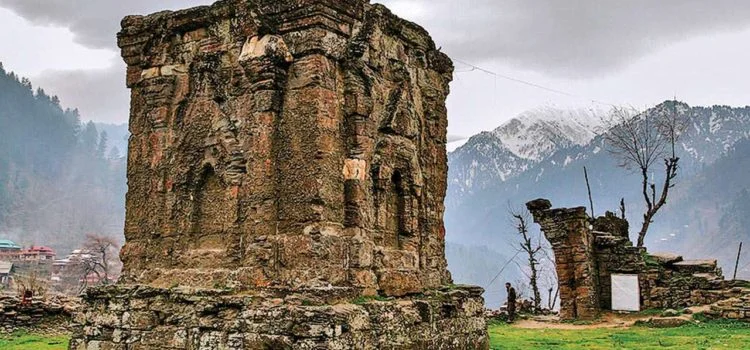
Significance: This site features a stone circle believed to be an early astronomical observatory, predating Stonehenge by thousands of years.
Why It’s Remarkable: Nabta Playa demonstrates early humans’ interest in astronomy and their ability to organize communal projects.

THE AMERICAS

Caral-Supe Civilisation, Supe Valley, Peru
Date: c. 2627 BCE
Significance: Caral is one of the oldest urban centers in the Americas, featuring pyramids, plazas, and residential areas constructed by one of South America’s earliest civilizations.
Why It’s Remarkable: Its advanced city planning and monumental architecture rival contemporary developments in Mesopotamia and Egypt.

Sechin Bajo, Áncash Region, Peru
Date: c. 3500 BCE
Significance: This ceremonial center includes ruins dating back to one of the earliest known civilizations in South America.
Why It’s Remarkable: The site predates many other well-known ancient cities globally, showcasing early societal organization.

Monte Verde, Llanquihue Province, Chile
Date: c. 14,500 years ago (Pre-Clovis Era)
Significance: While not a monument in the traditional sense, Monte Verde is one of the oldest known human settlements in the Americas, featuring evidence of shelters and tools made by early hunter-gatherers.
Why It’s Remarkable: Its age challenges earlier theories about human migration into the Americas.

The Seven Wonders of the Ancient World were primarily constructed during classical antiquity (6th–3rd centuries BCE), with only the Great Pyramid being older than this timeframe. In contrast, these monuments date back thousands of years, showcasing advanced architectural and cultural achievements during prehistoric times. These ancient sites highlight humanity’s ingenuity long before the era traditionally celebrated by classical wonders. Their significance lies not only in their age but also in their influence on subsequent civilizations and their role in shaping early human history.

The New Seven Wonders of the Modern World
In 2007, a global initiative led by the New7Wonders Foundation selected seven new wonders through public votes from over 200 candidates worldwide. These modern wonders symbolise humanity’s ability to create masterpieces across cultures.

Great Wall of China, China
Date of Construction: Since 7th century BC
Location: China
Stretching over 13,000 miles, this defensive fortification represents centuries of Chinese engineering against invasions.

Petra, Jordan
Date of Construction: c. 100 BC
Location: Ma’an Governorate, Jordan
Known as the ‘Rose City,’ Petra features intricate rock-cut architecture that blends natural beauty with human ingenuity.

Christ the Redeemer Statue, Brazil
Date Completed: October 12, 1931
Location: Rio de Janeiro
Towering over Rio de Janeiro at 98 feet tall, this statue symbolises peace and Christianity while offering panoramic views.

Machu Picchu, Peru
Date of Construction: c. AD 1450
Location: Urubamba Province
Nestled in the Andes Mountains, this Incan citadel showcases advanced dry-stone construction techniques without mortar.

Chichén Itzá, Mexico
Date Built: c. AD 600
Location: Yucatán Peninsula
This Mayan city features El Castillo—a pyramid dedicated to Kukulcán—and reflects astronomical precision in its design.

Roman Colosseum, Italy
Date Completed: AD 80
Location: Rome
An iconic amphitheater that hosted gladiatorial contests and public spectacles during ancient Rome’s peak.

Taj Mahal, India
Date Completed: c. AD 1648
Location: Agra
Commissioned by Emperor Shah Jahan as a mausoleum for his wife, Mumtaz Mahal, its white marble facade epitomises Mughal artistry.

Other monuments that could be considered wonders of the world include the following:

Angkor Wat, Cambodia
Significance: The largest religious monument in the world, Angkor Wat reflects the grandeur of the Khmer Empire and its intricate architectural design.
Why It’s Remarkable: Its scale and artistry make it a masterpiece of human creativity.

Moai Statues of Easter Island, Chile
Significance: These massive stone statues carved by the Rapa Nui people represent their ancestors and cultural heritage.
Why It’s Remarkable: Their mysterious construction and placement continue to intrigue historians.

Hagia Sophia, Turkey
Significance: Originally built as a Byzantine cathedral in 537 CE, Hagia Sophia has served as a mosque and museum, showcasing architectural brilliance.
Why It’s Remarkable: Its massive dome and historical transformations symbolize cultural fusion.

Neuschwanstein Castle, Germany
Significance: This fairytale castle in Bavaria represents romantic architecture and inspired Disney’s iconic designs.
Why It’s Remarkable: Its picturesque setting and elaborate design make it a unique wonder.

Great Mosque of Djenné, Mali
Significance: A stunning example of mud-brick architecture, this mosque is central to Mali’s cultural heritage.
Why It’s Remarkable: Its construction techniques and annual maintenance rituals showcase community involvement.

Sydney Opera House, Australia
Significance: An iconic modern structure known for its unique shell-like design and cultural significance.
Why It’s Remarkable: It is a global symbol of architectural innovation.

Iguazu Falls, Argentina/Brazil
Significance: One of the largest and most powerful waterfall systems in the world, spanning multiple cascades.
Why It’s Remarkable: Its sheer size and beauty make it an unforgettable natural spectacle.

Aurora Borealis, Northern Hemisphere
Significance: Also known as the Northern Lights, this celestial phenomenon creates mesmerizing displays of color in polar skies.
Why It’s Remarkable: Its rarity and visual splendor captivate observers worldwide.

Hạ Long Bay, Vietnam
Significance: Known for its emerald waters and limestone karst formations, this UNESCO World Heritage Site is a natural treasure.
Why It’s Remarkable: Its surreal landscape feels like stepping into another world.

Table Mountain, South Africa
Significance: Overlooking Cape Town, this flat-topped mountain offers panoramic views and diverse flora.
Why It’s Remarkable: Its unique shape and ecological richness make it a standout landmark.

Amazon Rainforest, South America
Significance: The world’s largest tropical rainforest spans multiple countries and supports unparalleled biodiversity.
Why It’s Remarkable: Its ecological importance makes it vital for global environmental health.

HONOURABLE MENTIONS

Old City of Jerusalem, Israel: A spiritual centre for three major religions with millennia of history.
Potala Palace, Tibet: An architectural marvel symbolising Tibetan Buddhism.
Grand Canyon, USA: A geological masterpiece carved by the Colorado River over millions of years

The wonders, both ancient and modern, serve as reminders of humanity’s boundless creativity across eras and cultures. They inspire admiration not only for their physical grandeur but also for their stories that transcend time. These marvels invite us to explore history while appreciating contemporary achievements that continue to shape our world.

International Literacy Day

Source

Celebrated annually on 08 September, International Literacy Day serves as a powerful reminder of the transformative power of literacy in shaping individuals, families, and societies. The roots of the day can be traced back to 1965 when the World Conference of Ministers of Education on the Eradication of Illiteracy convened in Tehran, Iran. This gathering sparked a global conversation about the critical need to promote literacy worldwide. In response to this growing awareness, UNESCO officially declared September 8th as International Literacy Day during its 14th General Conference in 1966.

The inaugural celebration of International Literacy Day took place on September 8, 1967, marking the beginning of a concerted global effort to combat illiteracy and promote education. Since then, this day has been observed annually, serving as a platform to highlight the importance of literacy as a fundamental human right and a catalyst for personal and societal development.

Literacy is far more than the ability to read and write; it is a cornerstone of human dignity and a gateway to lifelong learning and personal growth. The significance of literacy extends across various aspects of life:

  • Personal Empowerment: Literacy equips individuals with the tools to access information, understand their rights, and make informed decisions. It fosters critical thinking, enhances problem-solving skills, and boosts self-confidence. For many, literacy is the key that unlocks doors to better employment opportunities, improved health outcomes, and greater social mobility.
  • Social Integration: In an increasingly interconnected world, literacy facilitates effective communication and promotes mutual understanding among diverse communities. It enables individuals to participate actively in civic life, contribute to democratic processes, and engage meaningfully with their communities.
  • Economic Development: Literacy is intrinsically linked to economic progress, both at individual and societal levels. A literate workforce is more productive, adaptable, and innovative, driving economic growth and reducing poverty. For individuals, literacy often translates to better job prospects and increased earning potential.
  • Health and Well-being: Health literacy, a crucial component of overall literacy, empowers individuals to make informed decisions about their health and well-being. It enables people to understand medical information, follow treatment plans, and adopt healthier lifestyles.
  • Cultural Preservation and Exchange: Literacy plays a vital role in preserving cultural heritage and facilitating cross-cultural exchange. It allows for the documentation and transmission of traditional knowledge, stories, and customs across generations and borders.

The effects of literacy ripple through generations, with particularly profound implications for children and their families:

  • Early Childhood Development: Literacy begins long before a child enters formal schooling. Early exposure to books, storytelling, and language-rich environments lays the foundation for future learning and cognitive development. Children raised in literate households often have larger vocabularies, stronger language skills, and better school readiness.
  • Academic Success: Literacy is the bedrock of academic achievement across all subjects. Children who develop strong literacy skills early on are more likely to excel in school, have higher graduation rates, and pursue higher education. This academic success often translates to better career prospects and economic stability in adulthood.
  • Family Dynamics: When parents are literate, they are better equipped to support their children’s education, help with homework, and engage in meaningful discussions about school and learning. This parental involvement creates a positive feedback loop, reinforcing the value of education within the family unit.
  • Breaking the Cycle of Poverty: Literacy can be a powerful tool in breaking intergenerational cycles of poverty. Educated parents are more likely to prioritise their children’s education, leading to improved life outcomes for subsequent generations.
  • Health and Nutrition: Literate parents are better able to understand and implement health and nutrition guidelines, resulting in improved family health outcomes. They can read medication instructions, understand nutritional information, and make informed healthcare decisions.
  • Social and Emotional Development: Literacy fosters emotional intelligence and social skills. Through reading, children are exposed to diverse perspectives, develop empathy, and learn to navigate complex social situations.
  • Digital Literacy: In today’s digital age, literacy extends beyond traditional reading and writing to include digital competencies. Digitally literate children are better prepared to navigate the online world safely and leverage technology for learning and future career opportunities.

The theme for International Literacy Day 2025 is “Promoting literacy for a world in transition: Building the foundation for sustainable and peaceful societies.”. This theme emphasises the importance of literacy in navigating a changing world, and highlights how literacy can contribute to building peaceful and sustainable societies. It is also seen as a foundation for development with literacy seen as a crucial building block for progress.

Despite significant progress in recent decades, literacy remains a pressing global challenge. According to UNESCO, as of 2020, at least 773 million young people and adults worldwide lacked basic literacy skills. This staggering figure underscores the urgent need for continued efforts to promote literacy and education globally. Some key statistics and trends include:

  • Gender Gap: Two-thirds of the world’s illiterate adults are women, highlighting the persistent gender disparities in education.
  • Youth Literacy: While youth literacy rates have improved significantly, millions of young people still lack basic reading and writing skills.
  • Regional Disparities: Literacy rates vary widely across regions, with Sub-Saharan Africa and South Asia facing the greatest challenges.
  • Impact of COVID-19: The global pandemic has exacerbated educational inequalities, with an estimated 24 million learners at risk of never returning to formal education.
  • Digital Divide: As education increasingly relies on technology, the digital divide threatens to widen literacy gaps between those with and without access to digital resources.
Source

Despite these challenges, there have been notable successes in the global literacy movement:

  • Rising Global Literacy: The global literacy rate has increased dramatically over the past two centuries, from less than 15% in 1820 to over 85% today.
  • Innovative Programmes: Numerous literacy programs worldwide are making significant impacts, leveraging technology, community engagement, and culturally sensitive approaches to reach underserved populations.
  • Increased Awareness: International Literacy Day has played a crucial role in raising global awareness about the importance of literacy, spurring action from governments, NGOs, and individuals.
  • Policy Prioritisation: Many countries have prioritized literacy in their national education policies, allocating resources and implementing targeted interventions to improve literacy rates.

International Literacy Day is marked by a wide range of events and initiatives worldwide, aimed at promoting literacy and highlighting its importance. In the digital age, technology plays an increasingly important role in literacy education. E-learning platforms and online learning tools and apps provide accessible, interactive ways to develop reading and writing skills. E-books and online libraries make literature more accessible to those in remote or underserved areas. Assistive technologies and text-to-speech and speech-to-text tools help individuals with learning disabilities or visual impairments access written content. Educational games and apps make learning to read and write more engaging and interactive for children. Smartphones and tablets enable literacy learning on-the-go, reaching populations that may not have access to traditional educational resources.

As we celebrate the progress made in global literacy, it’s crucial to acknowledge the challenges that remain and look towards future directions. Efforts must focus on the most marginalised populations, including those in conflict zones, remote areas, and extreme poverty. While much attention is given to child literacy, adult literacy programs remain crucial for breaking cycles of illiteracy. Beyond basic reading and writing, there’s a growing need to promote functional literacy skills relevant to modern life and work. As technology becomes increasingly integral to daily life, digital literacy skills are becoming as essential as traditional literacy. Recognising and valuing linguistic diversity in literacy education is crucial for inclusive and effective learning. Ensuring consistent and adequate funding for literacy programs remains a challenge, particularly in developing countries. Improving the quality and quantity of trained literacy educators is essential for sustainable progress.

International Literacy Day serves as both a celebration of progress and a call to action. It reminds us that literacy is not just a fundamental human right but a powerful tool for personal empowerment, social cohesion, and global development. As we look towards the future, it’s clear that the journey towards universal literacy is far from over. It requires the concerted efforts of governments, educators, communities, and individuals worldwide. By investing in literacy, we invest in human potential, paving the way for a more equitable, peaceful, and prosperous world.

In the words often attributed to Margaret Fuller, “Today a reader, tomorrow a leader.” By empowering individuals with the gift of literacy, we are nurturing the leaders, innovators, and change-makers of tomorrow. Let us embrace this mission with renewed vigor and dedication, for in doing so, we are shaping a brighter future for generations to come.

Sacred Stones, Spaces and Stories: Shakthipeeta Part 18

Ratnavali, Khanakul I, West Bengal
Also known as the Anandamayee Shakti Peeth, the Ratnavali Shakti Peeth is a sacred temple located in Khanakul-Krishnanagar, Hooghly district. Nestled on the banks of the Ratnakar River, this ancient shrine is dedicated to Maa Kumari, and Lord Shiva is worshipped as Bhairava.

It is believed that Sati’s right shoulder fell at this location in Khanakul-Krishnanagar. The temple has been a centre of devotion for centuries and is known locally as the Anandamayee Shakti Peeth. The name Ratnavali translates to a string of gems, symbolising the divine radiance and spiritual wealth associated with this sacred site. The current structure reflects traditional Bengali temple architecture and has undergone renovations over time to preserve its sanctity.

Goddess Sati is worshipped here as Maa Kumari, symbolising purity and divine energy. Lord Shiva is revered as Bhairava, representing his protective aspect. The right shoulder or dakshina skandha of Sati fell at this site.

The temple is situated on the tranquil banks of the Ratnakar River, adding to its serene ambiance. Devotees believe that the river’s waters carry divine blessings and often perform purification rituals before entering the temple. The sanctum sanctorum houses an intricately carved idol of Maa Kumari adorned with ornaments and flowers. Adjacent to her shrine is a smaller shrine dedicated to Bhairava, symbolizing Lord Shiva’s presence as her protector. The temple features traditional Bengali architecture with a curved roof or chala and terracotta designs on its walls. Its simplicity emphasizes spiritual connection over material grandeur. During Navratri, the temple becomes a hub of religious activity with grand decorations, cultural performances, and community feasts. Despite being located in a relatively remote area, the temple is well-connected by road and rail. Pilgrims often travel from Howrah or Kolkata to visit this sacred site.

Daily worship includes the morning and evening aartis and devotees offer flowers, especially hibiscus, fruits, sweets, incense sticks, and coconuts to Maa Kumari while chanting hymns like Durga Saptashati. Navratri is celebrated twice a year in March-April and September-October with great fervor. Special pujas are performed over nine days to honor Maa Kumari’s nurturing aspect. Devotees observe fasting during these nine days as an act of devotion. Durga Puja is one of the most vibrant festivals celebrated at Ratnavali Shakti Peeth. Elaborate rituals are conducted to honor Mahishamardini Durga’s victory over evil forces. The deity is adorned with new clothes and jewelry donated by devotees during this time.

Dedicated to Bhairava or Lord Shiva, Maha Shivratri involves night-long prayers and abhishekam with milk, honey, ghee, curd, and holy water. Devotees light oil lamps around the temple premises as part of their offerings. Havan ceremonies are conducted during auspicious occasions like Navratri and Shivratri to invoke divine blessings for prosperity and protection.

According to legend, when Sati’s right shoulder fell at this site after being dismembered by Vishnu’s Sudarshan Chakra, it radiated immense divine energy that sanctified the surrounding area. Devotees believe that this energy still permeates the temple premises, making it a powerful center for spiritual awakening. Local lore suggests that Bhairava appeared in his fierce form to protect this sacred site from negative energies after Sati’s right shoulder fell here. His presence ensures balance and harmony at Ratnavali Shakti Peeth. It is believed that devotees who pray earnestly at Ratnavali Shakti Peeth experience miraculous healing from ailments. Many pilgrims visit the temple seeking relief from physical and emotional hardships through Maa Kumari’s blessings.

The Ratnavali Shakti Peeth offers visitors a unique spiritual experience rooted in mythology, devotion, and natural beauty. Whether you seek spiritual solace or wish to explore India’s rich cultural heritage, visiting this ancient shrine will leave you feeling connected to the divine feminine energy.

Trishrota/Bhramari Devi, Jalpaiguri, West Bengal
The Bhramari Devi Temple, also known as the Trisrota Shakti Peetha, is a revered Hindu shrine located in Bodaganj village, Jalpaiguri district. Nestled on the banks of the Tista River, this temple is one of the 51 sacred Shakti Peethas, where it is believed that the thumb of Sati’s left leg fell.

The temple is named after Maa Bhramari, an incarnation of Goddess Durga who is associated with bees or bhramara in Sanskrit. According to legend, Maa Bhramari transformed into a swarm of bees to defeat a demon named Arun Asura who had terrorised heaven and earth. Her fierce yet protective nature earned her the title Goddess of Bees. Lord Shiva, worshipped here as Ambar Bhairava.

While the exact date of the temple’s construction remains unknown, it has been a center of devotion for centuries. The temple’s serene location on the banks of the Tista River adds to its spiritual ambiance and makes it an ideal destination for meditation and worship.

Maa Bhramari is known as the Goddess of Bees. Devotees believe that her divine energy manifests through bees that protect her temple. Honey, associated with bees, is offered as a sacred item during rituals. The temple is located on the banks of the Tista River, also known as Trisrota, meaning three streams. The river’s tranquil flow creates a serene environment that enhances meditation and spiritual practices. Unlike many temples that house stone or metal idols, Maa Bhramari is represented by a symbolic stone structure adorned with flowers and sacred cloths. The temple features traditional Bengali architectural elements with minimal ornamentation. Its natural setting amidst greenery adds to its charm. Devotees believe that Maa Bhramari possesses miraculous powers to heal ailments, bless couples with children, and protect devotees from evil forces.

The rituals at Trisrota Shakti Peetha reflect ancient Hindu traditions combined with local customs. Daily pujas are performed by priests who offer flowers, especially hibiscus, fruits, honey, incense sticks, and coconuts to Maa Bhramari. Morning Aarti begins at sunrise with chanting of hymns like Durga Saptashati. Evening Aarti concludes with lighting oil lamps around the temple premises. Bhramari Puja, a special 10-day festival dedicated to Maa Bhramari takes place annually in July-August. During this time the temple is decorated with flowers and lights, devotees offer honey as a sacred item, and cultural performances and community feasts are organised.

Navratri is celebrated twice a year in March-April and September-October with grand rituals honoring Maa Bhramari’s protective aspect. Devotees observe fasting during these nine days to seek blessings for prosperity and protection. Honey or madhu is considered sacred due to its association with bees and is offered daily at Maa Bhramari’s altar. Yagnas are conducted during auspicious occasions like Navratri to invoke divine blessings for health, wealth, and spiritual growth.

According to legend, Arun Asura was a cruel demon who terrorised heaven and earth after gaining immense power through penance. He drove out gods from their celestial abodes and harassed their families. In desperation, they sought help from Maa Parmeshwari, another form of Goddess Durga, who transformed into Maa Bhramari—a giant bee surrounded by swarms of bees. Maa Bhramari attacked Arun Asura with her swarm, piercing his chest repeatedly until he was defeated. This victory symbolises triumph over evil forces and establishes Maa Bhramari as a fierce protector.

Devotees believe that Maa Bhramari possesses miraculous healing powers. Many pilgrims visit the temple seeking relief from physical ailments or emotional distress after hearing stories of miraculous recoveries attributed to her blessings. It is said that those who offer honey at Maa Bhramari’s altar with sincere devotion often see their wishes fulfilled—whether related to financial stability, fertility, or personal growth.

The Trisrota Shakti Peetha with its unique rituals like honey offerings emphasise simplicity in worship while preserving ancient traditions. Whether you seek spiritual solace or wish to explore India’s rich cultural heritage, visiting this ancient shrine will leave you feeling connected to the divine feminine energy embodied by Maa Bhramari.

Nandikeshwari Temple, Sainthia, West Bengal
Believed to be where the necklace of Sati fell, the Nandikeshwari Temple, located in Sainthia, Birbhum district is dedicated to Maa Nandikeshwari, an incarnation of Goddess Durga. The origins of the Nandikeshwari Temple are deeply rooted in Hindu mythology. After Sati’s self-immolation during Daksha Yajna, Lord Vishnu dismembered her body with his Sudarshan Chakra to pacify Lord Shiva’s grief-stricken Tandava. It is believed that Sati’s necklace fell at this site in what was once known as Nandipur village, now part of Sainthia town. This event sanctified the location as one of the 51 Shakti Peethas.

The temple was constructed in 1913 CE, the year 1320 according to the Bengali calendar on an elevated platform. Over time, it has undergone renovations but retains its ancient charm. The name Nandikeshwari derives from Nandi, the sacred bull and follower of Lord Shiva, and Ishwari, meaning goddess. This etymology reflects the temple’s association with both Shiva and Shakti. Sainthia itself is derived from the Bengali term Sain, meaning Islamic priest, symbolising the region’s history of cultural coexistence. The temple stands on the banks of the Mayurakshi River.

Goddess Sati is worshipped here as Maa Nandikeshwari, symbolising divine protection and nurturing energy. Lord Shiva is revered here as Nandikeshwar Bhairava, representing his role as a guardian and protector. The necklace or mala of Sati is believed to have fallen at this site. The combination of Maa Nandikeshwari and Nandikeshwar Bhairava represents the union of nurturing feminine energy with protective masculine power, making this Shakti Peetha a site of immense spiritual significance.

The Nandikeshwari Temple stands out for its distinctive characteristics. The main idol in the temple is a black stone that has turned red over time due to the continuous application of vermilion by devotees. This stone is adorned with a silver crown and three golden eyes symbolizing divine vision. Devotees believe that touching or praying before this sacred stone brings blessings and fulfils wishes.

Adjacent to the temple is an ancient banyan tree where devotees tie red or yellow threads with prayers for wish fulfilment. This practice symbolises their faith in Maa Nandikeshwari’s divine grace. The temple features a pyramidal dome marking Maa Nandikeshwari’s sanctum. Surrounding it are smaller shrines dedicated to other deities like Lord Shiva, Ram-Sita, Radha-Krishna, Saraswati, Lakshmi-Narayana, and Hanuman. The walls overlooking the main temple feature carvings of the Dasa Mahavidya, the ten forms of Goddess Durga, symbolising her diverse manifestations.

The rituals at Nandikeshwari Temple reflect deep-rooted traditions combined with local customs. Daily pujas are performed by priests who offer flowers, fruits, coconuts, rice, incense sticks, and sweets to Maa Nandikeshwari. Morning Aarti begins at sunrise with chanting of hymns like Durga Saptashati, while evening Aarti concludes with lighting oil lamps around the temple premises.

The 10-day Nandikeshwari Utsav is a festival held annually in October-November is one of the most important events at the temple. During this time, the temple is adorned with flowers and lights, special yagnas are conducted to invoke divine blessings, and devotees from across India participate in cultural programs and community feasts. Celebrated on Buddha Purnima, the full moon day commemorating the birth of the Buddha, the festival of Baishakhi Purnima, involves special prayers and offerings at Maa Nandikeshwari’s altar. Devotees light lamps under the banyan tree to seek blessings for prosperity and happiness.

Kali Puja is celebrated with grand rituals honoring Maa Durga’s fierce aspect as Kali. Devotees offer red hibiscus flowers symbolic of power and victory over evil forces. On new moon nights or Amavasya, special Tantric rituals are conducted by priests to invoke Maa Nandikeshwari’s protective energy.

It is believed that when Sati’s necklace fell at this site, it radiated immense divine energy that sanctified not only Sainthia but also its surrounding regions. Devotees claim that this energy can still be felt within the temple premises during meditation or prayer. According to legend, tying threads around the banyan tree adjacent to the temple fulfills devotees’ wishes—whether related to health, prosperity, or personal relationships. Many pilgrims return annually to untie their threads as a gesture of gratitude after their wishes are fulfilled. Devotees believe that Maa Nandikeshwari possesses miraculous healing powers. Many visit the temple seeking relief from physical ailments or emotional distress after hearing stories of miraculous recoveries attributed to her blessings.

The Nandikeshwari Temple, on the banks of the Mayurakshi River provides an ideal setting for meditation and introspection. If one is seeking spiritual solace, visiting this ancient shrine will leave one connected to the divine feminine energy.