Sacred Stones, Spaces and Stories: Shakthipeeta Part 14

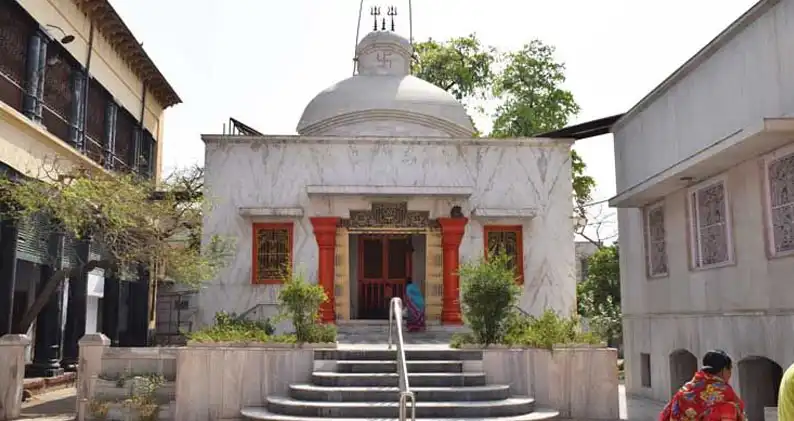
Sri Kanchi Kamakshi Amman Temple, Kanchipuram, Tamil Nadu
Located in the ancient city of Kanchipuram in Tamil Nadu, the origins of the Kanchi Kamakoti Temple are as complex as they are controversial. Traditional accounts, passed down through generations of devotees, attribute its founding to the revered philosopher Adi Shankara in 482 BC.

Scholarly research suggests a more recent establishment, dating back to the early 19th century. In 1821, the Maratha king of Tanjore, Serfoji II Bhonsle, established what was initially known as the Kumbakonam Mutt as a branch of the Sringeri Mutt. This institution would later evolve into what we now know as the Kanchi Kamakoti Temple.

In 1842 when the East India Company, in a controversial move, appointed the head of the mutt as the sole trustee of the Kamakshi temple in Kanchipuram, marked a significant turning point in the temple’s history and set the stage for its rise to prominence, despite protests from the traditional priests.

The temple is dedicated to Goddess Kamakshi, a form of the divine feminine often associated with Parvati. The temple is said to be where Shakti’s spine fell down on earth.

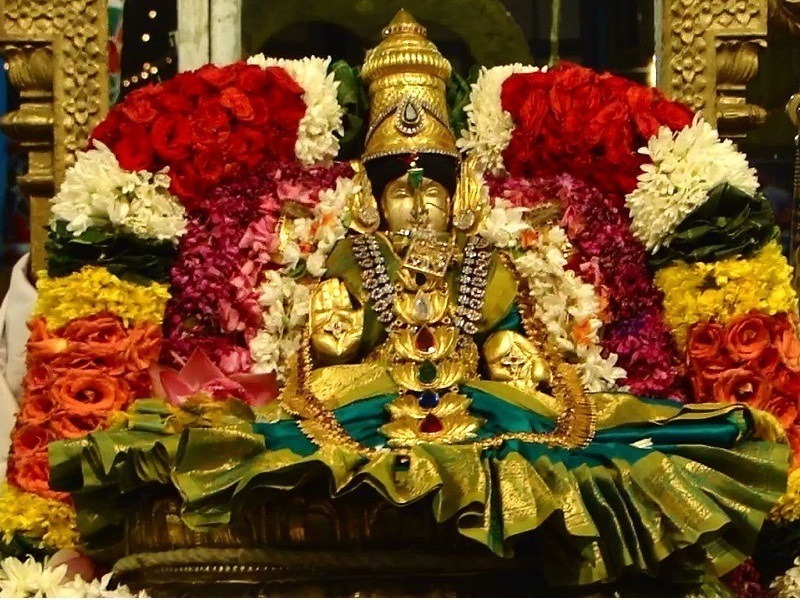
As one steps into the main sanctum, their gaze is immediately drawn to the mesmerising idol of Goddess Kamakshi. Unlike many other temples where the deity stands or reclines, here Kamakshi sits in the Padmasana or lotus pose, her four arms holding symbolic items: a noose, a goad, a sugarcane bow, and a flower arrow.

The temple’s architecture is a harmonious blend of styles, reflecting the various influences it has absorbed over time. The towering gopuram or temple tower reaches towards the sky, its intricate carvings telling stories of divine exploits and cosmic battles. Inside, the Gayatri Mandapa houses the main idol, its 24 pillars said to represent the 24 syllables of the Gayatri Mantra. One of the most intriguing features of the temple is the Sri Yantra placed in front of the main idol. Legend has it that this powerful geometric symbol was installed by Adi Shankara himself.

The prayers and rituals at the Kanchi Kamakoti Temple begins with the Gau Pooja and Gaja Pooja, honouring the sacred cow and elephant respectively. Throughout the day, four main worship services are offered, each accompanied by its own set of rituals and offerings. Devotees queue patiently, waiting for their chance to receive darshan of the goddess and offer their prayers. One of the most unique aspects of worship here is the presence of multiple forms of the goddess within the same temple complex. To the right of the main idol, one’ll find Tapa Kamakshi, depicted as a yogini in a balancing pose. To the left is Anjana Kamakshi, also known as Arupa Lakshmi, representing the formless aspect of the goddess.

The annual Brahmotsavam, held in the Tamil month of Masi, February-March according to the Gregorian calendar, is a grand affair lasting ten days. The highlight of this festival is the Maasi Pooram, considered the manifestation day of Lalitha Maha Tripura Sundari in Kanchipuram. During Navaratri, the temple becomes a hub of activity, with special pujas performed each day to honor the nine forms of the goddess. The air is filled with the heady aroma of flowers and incense, and the sound of devotional music echoes through the halls.

Adi Kamakshi Amman Temple, Kanchipuram, Tamil Nadu
Nestled in the ancient city of Kanchipuram in Tamil Nadu, the Adi Kamakshi Amman Temple stands as a testament to centuries of devotion and spiritual significance. This sacred shrine, dedicated to Goddess Kamakshi, is not just a place of worship but a powerful symbol of divine feminine energy that has drawn pilgrims for millennia.

While the exact date of the Adi Kamakshi Amman Temple is not certain, historical records and legends suggest that the temple’s roots may reach back to the 7th century. The temple is believed to have been founded by the Pallava kings, who ruled Kanchipuram as their capital from the 5th to 8th centuries. Over the centuries, the temple has undergone numerous renovations and expansions by various ruling dynasties. The Cholas are credited with modifications in the 14th century, while the Vijayanagara rulers made further enhancements in the 17th century. Some legends even suggest a more recent construction date of 1783 for certain elements of the temple.

The temple’s history is deeply intertwined with the life of Adi Shankaracharya, the revered 8th-century philosopher and theologian. It is believed that Adi Shankaracharya consecrated the Sri Chakra, a mystical diagram representing the cosmos, in this temple, enhancing its spiritual significance.

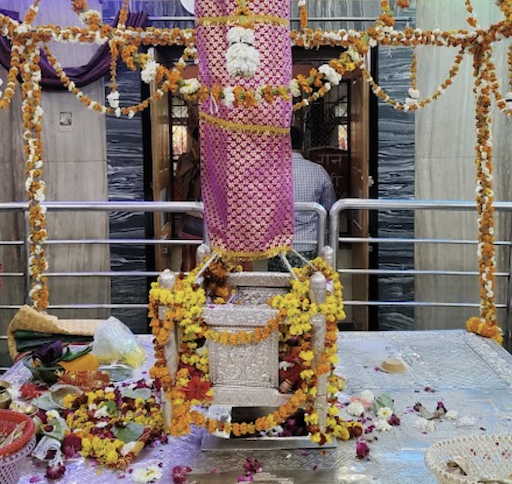
According to tradition, it is believed that the navel or nabhi of Goddess Sati fell at this sacred spot. The Shakti Peetha here is known as Kanchi Kamakshi, and the temple is often referred to as the Kanchi Kamakshi Amman Temple. The name Kamakshi means she whose eyes awaken desire in Sanskrit. The goddess is worshipped here as Kamakshi, a benign form of Parvati. She is depicted in a unique seated posture called padmasana, with four hands holding a rope or pasa, an elephant goad or ankusa, sugarcane bow or bana, and a bunch of five flowers as arrows or pushpa bana.

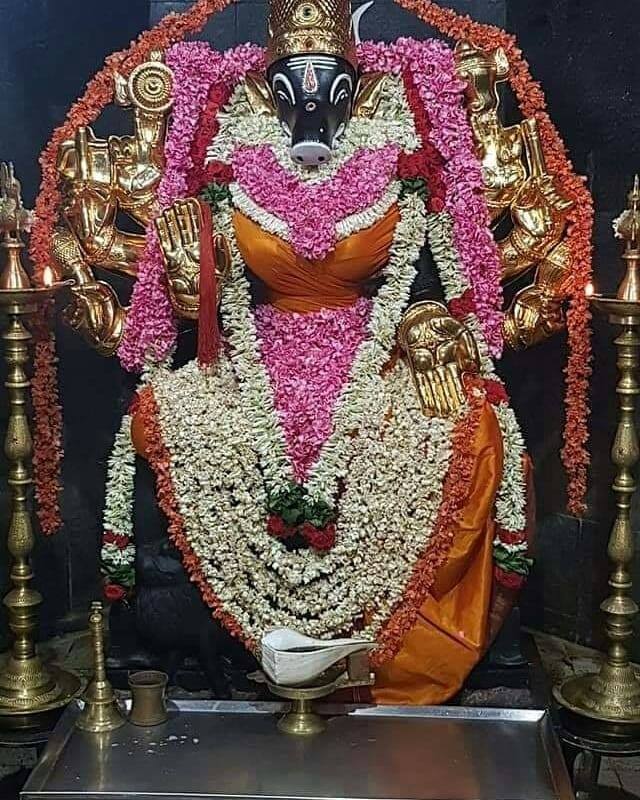
In front of the sanctum is the Sri Chakra installed by Adi Sankaracharya. It is said that after the consecration of the Sri Chakra, the fierce form of the goddess became benign or sowmya. The main sanctum houses a sacred space called Bilaakasha, from which Goddess Kamakshi is believed to have emerged to slay demons. The temple complex includes a shrine to Adi Varaha Perumal or Lord Vishnu, also known as Kalvar, which is one of the 108 Divya Desams. The Gayatri Mandapam houses the idols of Goddesses Varahi, Rupalakshmi, Arupalakshmi, and Ardhanarishwara. A pillar near the Kamakshi Amman shrine is worshipped as Santhana-stambham, connected to the story of King Dasaratha praying for progeny. The temple complex houses several other shrines dedicated to various deities including Utsava-Kamakshi, Bangaru-Kamakshi, and Kasi Vishwanatha.

The temple follows a strict schedule of four daily pujas. Brahmotsavam, the temple’s annual festival, typically held in the Tamil month of Maasi in February-March, is a grand celebration. The Silver Chariot Festival on the 7th day is particularly spectacular. Navaratri is celebrated with great grandeur, featuring special pujas and cultural performances. Every Friday at 7 pm, the Golden Chariot is taken in a procession around the temple, creating a deeply spiritual atmosphere. Other festivals, including Aadi, Aippasi Pooram, Sankara Jayanthi, and Vaikasi Vasanta Utsavam are also celebrated with enthusiasm at the temple. Special rituals are performed on the full moon day or Pournami of every month.

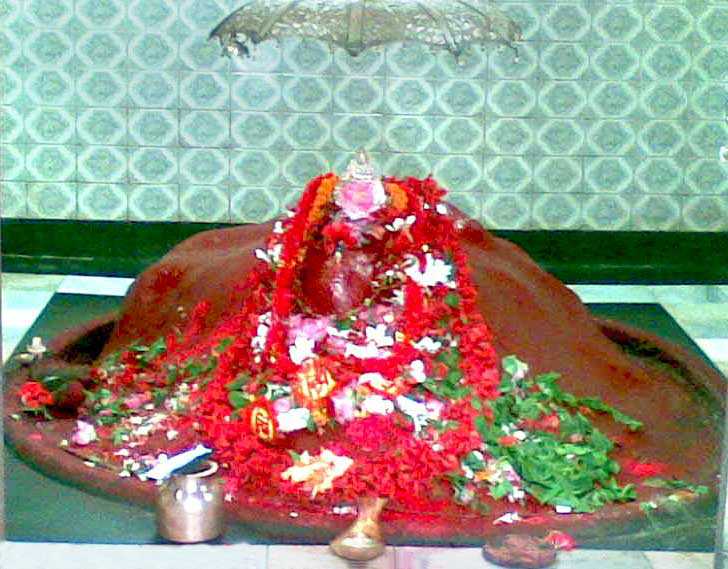
It is believed that Goddess Kamakshi was originally a fierce deity. After Adi Sankaracharya installed the Sri Chakra, she transformed into a benign and compassionate form. The Santhana-stambham in the temple is associated with the story of King Dasaratha of Ayodhya, who is said to have prayed here for progeny. A legend speaks of a golden statue of Kamakshi that was carried throughout South India after the fall of the Vijayanagar Empire in 1565. It was finally enshrined in this temple in 1783. According to local lore, Goddess Kamakshi created a mud idol of Lord Shiva in Kanchi to worship him. To test her devotion, Lord Shiva incarnated as the Kamba River with high tides. The Goddess protected the idol by grasping it closely, leading to the establishment of Kanchipuram. Another legend tells of Kamakshi performing a penance on a needle tip surrounded by five fires or Panchakagni to free herself from worldly desires. Pleased with her devotion, Lord Shiva married her.

As you stand in the temple courtyard, surrounded by centuries of devotion and the echoes of ancient rituals, you can’t help but feel a connection to the spiritual heritage that has shaped this land for millennia. The Adi Kamakshi Amman Temple, with its blend of myth, history, and living faith invites all who visit to partake in its timeless spiritual journey.

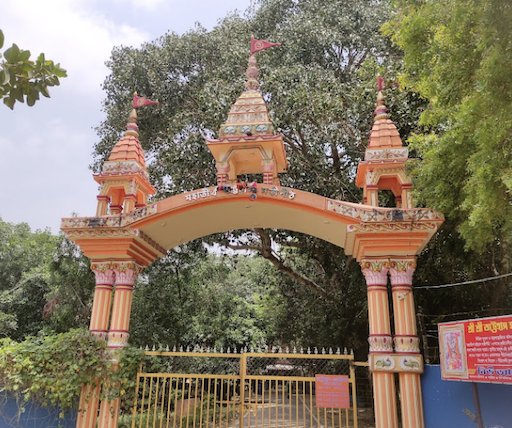
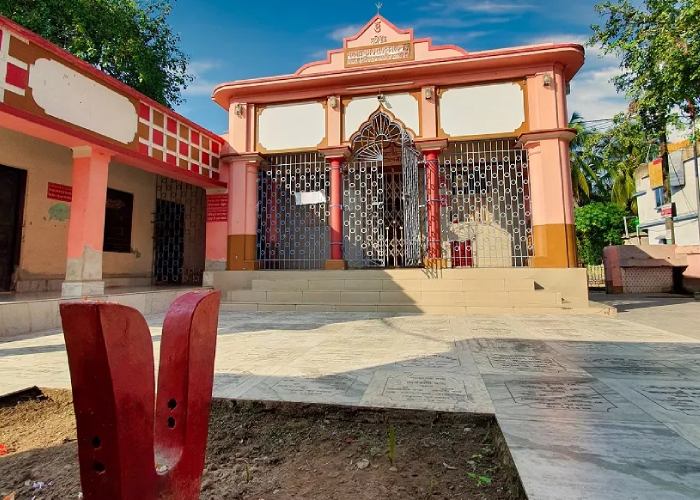
Tripura Sundari temple, Radhakishorepur Village, Udaipur, Tripura
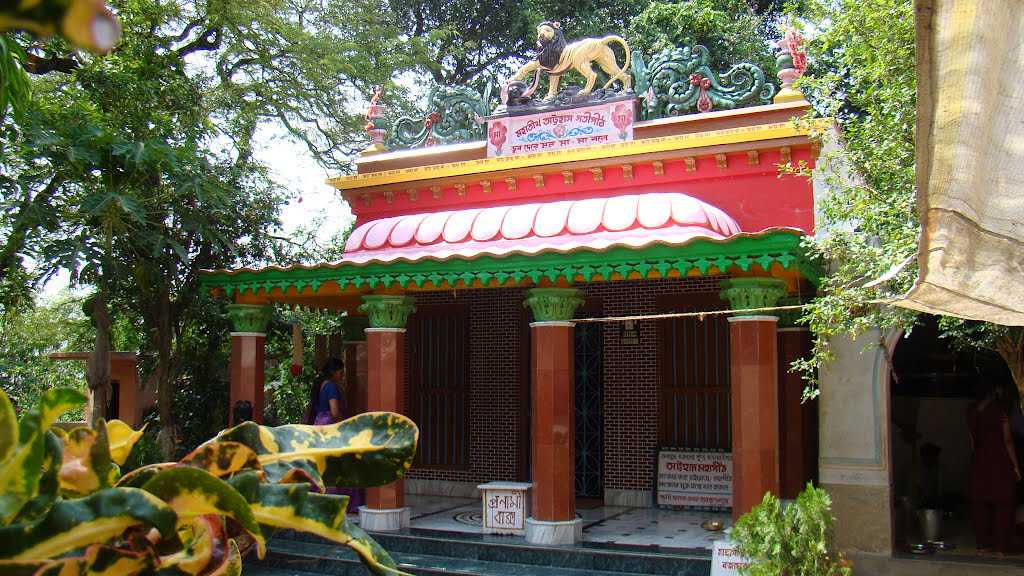
The Tripura Sundari Temple, which is located about 55 km from Agartala, near the village of Radhakishore, in the city of Udaipur is dedicated to Goddess Tripura Sundari. The goddess lends her name to the state of Tripura.

The origins of the Tripura Sundari Temple stretch back to the late 15th century. According to historical records, the temple was founded by Maharaja Dhanya Manikya, who ruled over Tripura in the closing years of the 15th century. The king had a divine vision in which Goddess Tripura Sundari instructed him to initiate her worship on the hilltop near the town of Udaipur, the then capital of the kingdom. The temple came into being around the year 1501 CE, making it over 500 years old.

Interestingly, the king initially found that a temple dedicated to Lord Vishnu already existed on the hillock. This presented a dilemma, as he was unsure how to reconcile the worship of Vishnu with the installation of a Shakti idol. However, a second divine vision resolved this conflict, revealing to the king that Vishnu and Shakti were different forms of the same Supreme Deity or Brahman. This resolution exemplifies the syncretic nature of Hinduism, bridging the gap between Vaishnava and Shakta traditions.

According to tradition, it is believed that a part of the right foot or the Dakshin Charan of Sati, including the big toe, fell at this sacred spot. At the Tripura Sundari Temple, the goddess is worshipped as Tripurasundari, also known locally as Devi Tripureshwari. She is considered the third mahavidya and a main form of Parvati. The accompanying Bhairava, the fierce manifestation of Lord Shiva who is present at each Shakti Peetha, is known here as Tripuresh.

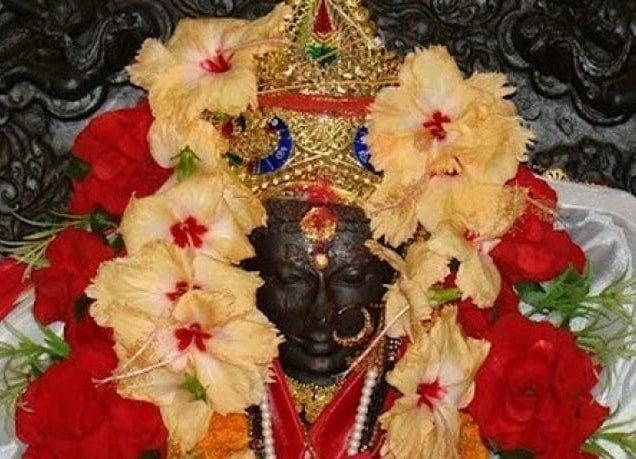
The main shrine houses two similar but different-sized black stone idols of the Goddess. The larger and more prominent idol, standing at 5 feet in height, represents Goddess Tripura Sundari. The smaller idol, affectionately called Chhoto-Ma or Little Mother, is 2 feet tall and represents Goddess Chandi.

The temple is set upon a small hillock that resembles the hump of a tortoise or Kurma. This shape, called Kurmaprsthakrti, is considered the holiest possible site for a Shakti temple. The main shrine is a cubical edifice with a three-tier roof and a finial, constructed in the Bengali Ek-ratna style. The smaller idol of Goddess Chandi was said to have been carried by the kings of Tripura to the battlefield as well as on hunting expeditions, linking the temple to the royal history of Tripura. On the eastern side of the temple lies the famous Kalyan Sagar lake, home to fishes and tortoises of enormous size. Devotees feed these creatures with puffed rice and biscuits, and fishing is strictly prohibited in this sacred water body.

The temple remains open from 6 am to 10 pm. The day begins with a morning aarti, setting the spiritual tone for the day. A special puja is performed at midday, marking the sun’s zenith. The day’s worship concludes with an evening aarti. A unique aspect of the temple is the Panchamrit Abhishekam, a sacred bath of the deity with five different nectars.

Every year on Diwali, a famous Mela or fair takes place near the temple, attracting more than 200,000 pilgrims. Navaratri is celebrated with great fervour with mantras recited daily by learned Brahmins, and women performing a havan on Ashtami, the eighth day. Durga Puja and Kali Puja are among the most celebrated at the temple, drawing large crowds of devotees. The Purnima Fair is held every full moon day, attracting pilgrims from various regions. Sindoor Utsav is a unique celebration that marks the culmination of Navaratri, where devotees smear each other with vermilion, symbolising the victory of good over evil.

The temple’s origin is linked to the divine vision of Maharaja Dhanya Manikya, who was instructed by the goddess to establish her worship at this site. The story of how the temple transitioned from a Vishnu shrine to a Shakti Peetha illustrates the fluid nature of Hindu worship and the underlying unity of different divine manifestations. The smaller idol of Goddess Chandi, carried by Tripura’s kings into battle and on hunts, speaks to the deep connection between royal power and divine protection in the region’s history. The prohibition of fishing in the Kalyan Sagar and the practice of feeding the aquatic life there reflects the Hindu principle of respect for all forms of life.

As you stand in the temple courtyard, surrounded by centuries of devotion and the echoes of ancient rituals, you can’t help but feel a connection to the spiritual heritage that has shaped this land. The Tripura Sundari Temple, with its blend of myth, history, and living faith, continues to be a powerful force in Tripura, inviting all who visit to partake in its timeless spiritual journey.

Celebrating SG60

On Saturday, Singapore marks a momentous milestone: its 60th year of independence. SG60 is not just a commemoration of the nation’s birth but a celebration of its remarkable transformation from a fledgling city-state to a global metropolis. 

Singapore’s journey began on August 9, 1965, with the Proclamation of Independence. The document, drafted by Minister for Law Edmund Barker and signed by Prime Minister Lee Kuan Yew, announced Singapore’s separation from Malaysia and its emergence as a sovereign, democratic, and independent nation. The proclamation declared Singapore’s commitment to justice, equality, and the welfare of its people, a vision that has guided the nation for six decades.

“Now I LEE KUAN YEW Prime Minister of Singapore, DO HEREBY PROCLAIM AND DECLARE on behalf of the people and the Government of Singapore that as from today the ninth day of August in the year one thousand nine hundred and sixty-five Singapore shall forever be a sovereign democratic and independent nation, founded upon the principles of justice and ever seeking the welfare and happiness of her people in a more just and equal society.”

SG60 is more than a birthday; it is a national moment to reflect on Singapore’s journey, celebrate its achievements, and reaffirm the values that have shaped its identity. As Prime Minister Lawrence Wong emphasised, SG60 is a time for all Singaporeans to reflect on the values that brought the country this far—resilience, unity, multiculturalism, and openness—and to look ahead to the future.

The theme for SG60, “Building Our Singapore Together,” highlights the importance of collective effort in shaping the nation’s next chapter. It is a call for every Singaporean to connect, care, and contribute, fostering a sense of shared responsibility and community spirit.

SG60 is marked by a vibrant calendar of events that span the arts, sports, family, and community engagement. These include the SG60 Homecoming Concert at Jewel Changi Airport on August 1, featuring homegrown stars like Stefanie Sun, Kit Chan, and Regina Song. The event is part of Changi Airport Group’s “Together, We Make Magic” series, which also includes horticultural displays and a spectacular outdoor light-up along Airport Boulevard.

The National Family Festival on May 31 was a large-scale event promoting family values and intergenerational bonding, reinforcing the importance of strong family ties in Singapore’s social fabric. On June 24, the International Conference on Cohesive Societies brought together local and global leaders, fostering interfaith and multicultural dialogue, reflecting Singapore’s commitment to harmony and inclusivity. Between July 11 to 20, Singapore hosted the World Aquatics Championships with the world’s top aquatic athletes participating. This event showcased Singapore’s status as a global sporting hub and the World Aquatics Masters Championships also offered opportunities for local participation. 

GetActive! Singapore in July and August is a nationwide movement encouraging Singaporeans to celebrate National Day through sports and active living, with companies and communities hosting their own activities. The Purple Parade is Singapore’s largest disability inclusion movement, promoting awareness and support for persons with disabilities, a testament to the nation’s commitment to inclusivity.

At the Changi Airport SG60 Outdoor Light-Up and Floral Displays, iconic locations like the Merlion, Toa Payoh Dragon Playground, and Gardens by the Bay will be illuminated, while floral installations across Changi’s terminals and Jewel Changi Airport feature the national flower, Vanda Miss Joaquim, and a six-metre-high floral Merlion made from 60 plant types. The Arts and Heritage Triple Bill is a series of special arts and heritage events that invites Singaporeans to explore the nation’s history and identity, fostering reflection and unity.

Singapore’s progress over the past 60 years is a testament to its people’s resilience and determination. From its early struggles with unemployment, housing shortages, and limited resources, the nation has become a global financial centre, a leader in education and healthcare, and a model of multicultural harmony.

Key milestones include:

  • Economic Transformation: From a trading port to a diversified economy driven by innovation and technology.
  • Housing and Urban Development: The Housing and Development Board (HDB) provided affordable homes, transforming the cityscape and improving living standards.
  • Education and Workforce: Investments in education created a skilled workforce, powering Singapore’s economic growth.
  • Multiculturalism and Social Cohesion: Policies promoting racial and religious harmony have fostered a stable, inclusive society.

SG60 is not just a look back; it is a rallying call to shape the next chapter of the Singapore story. The celebrations emphasise the need for Singaporeans to stay united, embrace change, and continue building a society that is open, resilient, and caring. The Forward Singapore exercise, which informs the SG60 theme, encourages citizens to participate in shaping policies and initiatives, ensuring that Singapore remains a place of opportunity and hope for future generations.

At the core of SG60 are the values that have defined Singapore’s journey. These include multiculturalism, which is celebrated through events like the Chingay Parade and the International Conference on Cohesive Societies, reinforcing the importance of diversity and harmony; resilience, which honours stories of overcoming adversity, from the early days of independence to the challenges of a fast-changing world; openness and boldness, which are reflected in Singapore’s embrace of globalisation, innovation, and new ideas; and care and contribution, which are encouraged through community initiatives, volunteerism, and efforts to support the vulnerable.

As Singapore turns 60, the nation pauses to celebrate not just its achievements, but the spirit of its people. From grand concerts and sporting events to community festivals and acts of kindness, SG60 is a reminder that Singapore’s greatest strength lies in its unity and collective resolve. Whether you are attending a concert at Jewel Changi Airport, participating in a community walkathon, or simply reflecting on the nation’s journey, SG60 offers every Singaporean a chance to be part of something bigger, a shared story of hope, progress, and togetherness.

As the red and white flags fly high and familiar songs fill the air, Singaporeans are reminded that the journey continues, powered by the same values and spirit that have always defined this remarkable city-state. 

Happy birthday, Singapore! Happy SG60! And Majulah Singapura!

World Breastfeeding Week

World Breastfeeding Week, celebrated annually from August 1st to 7th, stands as a global testament to the importance of breastfeeding in nurturing healthy infants and supporting maternal well-being. This week-long observance, first celebrated in 1992, commemorates the Innocenti Declaration signed in August 1990 by government policymakers, WHO, UNICEF, and other organisations to protect, promote, and support breastfeeding.

World Breastfeeding Week emerged from a collective recognition of the need to prioritise breastfeeding on a global scale. The World Alliance for Breastfeeding Action (WABA), a global network dedicated to protecting, promoting, and supporting breastfeeding worldwide, organises this annual event. WABA collaborates closely with the World Health Organization (WHO) and UNICEF to ensure that aid reaches the right communities and individuals.

The overarching goal of World Breastfeeding Week is multifaceted. It highlights the importance of breastfeeding, encourages and promotes breastfeeding practices, and improves the health outcomes for babies and mothers globally

World Breastfeeding Week adopts a specific theme to focus its efforts and messaging each year. For 2025, the theme is “Prioritise breastfeeding: create sustainable support systems.” The campaign underscores the importance of prioritising breastfeeding by building robust and sustainable support systems. A supportive environment for breastfeeding benefits families and significantly reduces the environmental impact associated with artificial feeding. The week aims to connect actors across all levels involved in breastfeeding support to create resilient and sustainable support systems.

Breastfeeding stands as the gold standard for infant nutrition, offering many benefits that extend far beyond basic sustenance. The World Health Organisation (WHO) recommends exclusive breastfeeding for the first six months of life, followed by continued breastfeeding with appropriate complementary foods for up to two years or beyond.

Breast milk provides the ideal nutrition for infants, offering a nearly perfect mix of vitamins, protein, and fat: everything a baby needs for healthy growth. This natural food is provided in a form that’s more easily digested than infant formula.

One of the most significant advantages of breastfeeding is the transfer of antibodies from mother to child. These antibodies help infants fight off viruses and bacteria, providing a crucial boost to the developing immune system. This immunological support translates into tangible health benefits including a lower risk of respiratory tract infections, fewer ear infections, reduced incidence of diarrhea, and a decreased risk of sudden infant death syndrome (SIDS).

The benefits of breastfeeding extend well into childhood and even adulthood. Research has linked breastfeeding to lower risk of asthma and allergies, reduced likelihood of obesity in childhood and adulthood, decreased risk of type 1 diabetes, and potential improvements in cognitive development and IQ scores.

The impact of breastfeeding on global health cannot be overstated. Increased breastfeeding to near-universal levels in low and medium-income countries could prevent approximately 820,000 deaths of children under the age of five annually. This statistic alone underscores the critical role of breastfeeding in reducing infant mortality and improving global health outcomes.

While breastfeeding offers numerous benefits, it’s equally important to understand the potential consequences when infants are not breastfed or when breastfeeding rates are suboptimal. Infants who are not breastfed face higher risks of gastrointestinal infections, respiratory infections, otitis media (ear infections), necrotising enterocolitis, particularly in premature infants. These conditions can lead to increased hospitalisations and doctor visits, placing a burden on both families and healthcare systems.

The absence of breastfeeding can have lasting effects on an individual’s health. These include an increased risk of childhood obesity, a higher likelihood of developing type 1 diabetes, and the potential for lower IQ scores and reduced cognitive development.

On a broader scale, suboptimal breastfeeding practices have significant health and economic consequences. A study in the USA attributed 3,340 annual excess deaths to suboptimal breastfeeding, with 78% of these being maternal deaths due to myocardial infarction, breast cancer, and diabetes. Additionally, 721 excess pediatric deaths were attributed mainly to Sudden Infant Death Syndrome and necrotising enterocolitis. The economic costs associated with not breastfeeding are substantial. In Australia alone, it’s estimated that costs related to not breastfeeding amount to 1.448 million Australian dollars per day.

While much focus is placed on infant health, breastfeeding also offers significant benefits to mothers. Mothers who breastfeed experience faster postpartum recovery: Breastfeeding releases oxytocin, which helps the uterus return to its pre-pregnancy size and may reduce postpartum bleeding. Breastfeeding burns extra calories, potentially aiding in postpartum weight loss. Breastfeeding is associated with lower risks of breast and ovarian cancers. Some studies suggest breastfeeding may lower the risk of osteoporosis. Breastfeeding is linked to a decreased risk of hypertension and improved cardiovascular health. Breastfeeding promotes bonding between mother and child through skin-to-skin contact and eye contact, fostering a sense of security and emotional connection.

Despite the clear benefits, many mothers face challenges in initiating and maintaining breastfeeding. World Breastfeeding Week aims to address these challenges by promoting education and support. Some of the common barriers to breastfeeding include a lack of knowledge about breastfeeding techniques and benefits, insufficient support from healthcare providers, workplace constraints, including lack of paid maternity leave and lactation rooms, cultural and societal pressures, and medical issues that may complicate breastfeeding.

World Breastfeeding Week emphasises the importance of a multi-faceted approach to supporting breastfeeding mothers. The week educates and informs families about the benefits of breastfeeding and proper techniques, trains healthcare practitioners to provide effective support to mothers and babies, encouraging peer groups and community initiatives to promote and sustain breastfeeding, advocates for breastfeeding-friendly workplaces, including adequate maternity leave and lactation facilities, and pushing for policies that protect and promote breastfeeding rights.

World Breastfeeding Week has become a powerful platform for raising awareness and driving change. It is celebrated in more than 170 countries, uniting governments, organisations, and communities in the common goal of supporting breastfeeding. The week serves as a catalyst for policy changes at national and international levels, increased funding for breastfeeding support programmes, greater public awareness of the importance of breastfeeding, improved training for healthcare professionals in breastfeeding support, and the development of breastfeeding-friendly initiatives in workplaces and communities.

Sacred Stones, Spaces and Stories: Shakthipeeta Part 13

Bhagavathy Temple, Kanyakumari, Tamil Nadu
Nestled at the southernmost tip of mainland India, the Bhagavathy Amman Temple in Kanyakumari is dedicated to Goddess Kanya Kumari. Historical records and legends suggest that the temple’s roots may reach back to the early Sangam period between 300 BC and 300 CE.

The temple is believed to be over 3000 years old, with its original sanctum possibly dating back to this era. Over the centuries, the temple has undergone numerous renovations and expansions by various ruling dynasties. The Pandyas are credited with the initial construction, while subsequent contributions and enhancements were made by the Cholas, the Vijayanagara Empire, and the Travancore royalty. Sage Parashurama, the sixth avatar of Lord Vishnu, is said to have performed the consecration of the temple and installed the main idol of Devi Bhagavathy. This blue stone image, facing east, is believed to have been consecrated by the sage himself.

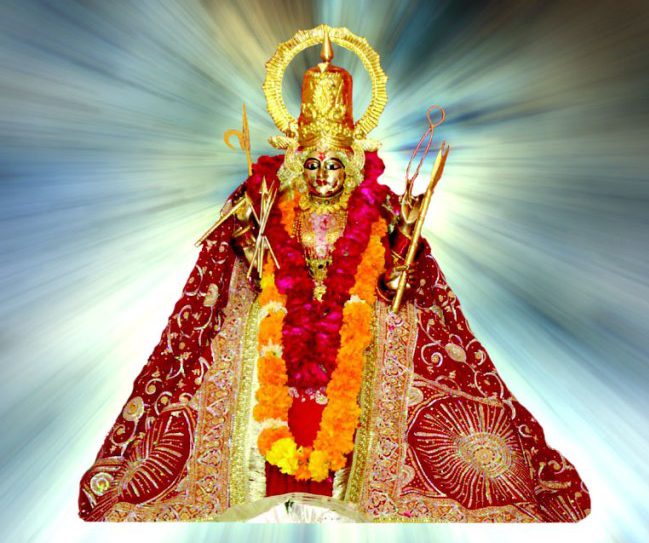
According to tradition, it is believed that the right shoulder and the area around the spine of Goddess Sati here. The Shakti Peetha here is known as Sarvani, and the temple is often referred to as the Sarvani Shaktipeeth. The presence of Kundalini Shakti in the region is attributed to the falling of these parts of Sati’s body. At the Bhagavathy Amman Temple, the goddess is worshipped as Devi Kanya Kumari, an incarnation of Parvati, the divine consort of Shiva. The name Kanyakumari itself is significant, with Kanya meaning Virgin and Kumari meaning Girl. The Bhairava, the fierce manifestation of Lord Shiva who accompanies the goddess at each Shakti Peetha, is known here as Nimish.

The temple showcases the magnificent Dravidian style of architecture, characterised by its impressive gopuram or gateway tower, intricate carvings, and grand mandapams or pillared halls. Situated at the confluence of three great water bodies: the Indian Ocean, Arabian Sea, and the Bay of Bengal, the temple offers a unique spiritual and geographical setting. Perhaps the most famous feature of the temple is the diamond nose ring worn by the goddess. This nose ring is believed to be so dazzling that it once caused a merchant ship to crash on nearby rocks, mistaking its sparkle for a lighthouse beacon.

Due to the incident with the nose ring, the eastern door of the temple is kept permanently closed, only to be opened on special occasions like Chitra Pournami. The temple complex houses several other shrines dedicated to various deities including Lord Surya Deva, Lord Ganesha, Lord Ayyappa, Goddess Bala Sundari, and Goddess Vijaya Sundari. An ancient well within the temple premises is believed to be connected to its Shakti Peetha status.

Every day, sacred texts are read from 8 to 9:30 am, organised by the temple trust. Women gather daily in the afternoon to sing devotional songs. Every evening, there is a recitation of the Devi Purana, followed by storytelling and kirtana. Puja is performed in the morning, with aarti conducted both in the morning and evening.

Navratri is celebrated with great fervour. Daily mantras are recited by learned Brahmins, and women perform havan on Ashtami, the eighth day. The Vaisakha Festival is a significant celebration at the temple. On Chitra Pournami, the eastern door of the temple is opened, a rare occurrence. The best time to visit the temple is believed to be during the Brahma Muhurta, from 4:30 to 5:30 am.

According to Hindu mythology, the demon Banasura gained a blessing that he could only be killed by a virgin girl. To eliminate this threat, Goddess Parasakthi took the form of Kumari, a virgin girl. The goddess eventually defeated Banasura. Saint Narada and Lord Parasurama then requested the goddess to exist on earth until the end of Kaliyuga, which she accepted. Another popular legend tells of how Goddess Kanya Kumari was set to marry Lord Shiva. However, on the wedding day, as Lord Shiva was on his way from Suchindram, Narada assumed the form of a rooster and crowed prematurely. Hearing this, Shiva believed he had missed the auspicious hour and returned, leaving Kanya Kumari unwed. It is said that when the devastating tsunami struck the region in 2004, the Bhagavathy Amman Temple was one of the few structures that escaped destruction, believed to be due to the divine protection of the goddess.

The Bhagavathy Amman Temple is a living link to India’s rich spiritual traditions, inviting all who visit to experience the divine presence of the Mother Goddess in her manifestation as Kanya Kumari.

Shuchi Temple, Suchindrum, Tamil Nadu
Nestled in the southernmost district of Kanyakumari in Tamil Nadu, the Shuchi Temple in Suchindrum is dedicated to the trinity of Shiva, Vishnu, and Brahma. The exact date of the temple’s establishment remains uncertain, but historical records and legends suggest that the temple’s roots may reach back over 3000 years. The temple is said to have been built by Parashurama, the sixth avatar of Lord Vishnu.

Over the centuries, the temple has undergone numerous renovations and expansions by various ruling dynasties. The earliest lithic records of Suchindram belong to the 9th century. The present masonry structure was built during the Chola dynasty in the 9th century, while later expansions are attributed to Thirumalai Nayak and the Travancore Maharajas. The temple’s construction took place over an extended period of at least six hundred years, with parts of the temple dating back to the late 8th century, while others are from the 15th century. Until Kanyakumari became part of Tamil Nadu, the Suchindram Temple was under the administration of the Travancore Kings.

According to tradition, it is believed that the upper teeth of Goddess Sati fell here. The Shakti Peetha here is known as Shuchi, and the goddess is worshipped as Maa Narayani, wife of Narayan. Suchindrum is the location where Lord Indra achieved Suchi or purification. At the Shuchi Temple, Lord Shiva is worshipped as Sangharor Samhara or the destroyer. The Bhairava, the fierce manifestation of Lord Shiva who accompanies the goddess at each Shakti Peetha, is known here as Samhara Bhairava. He is present in a nearby village, and in Suchindram, he is locally called Sthanu Shiva.

What makes this temple truly unique is the presence of Sri Sthanumalayan, a representation of the combined forces of Shiva, Vishnu, and Brahma. The name Sthanumalayan is derived from Thanu representing Lord Shiva, Mal representing Lord Vishnu, and Ayan representing Lord Brahma. This unified representation is rare in Hindu temples and makes the Shuchi Temple particularly special.

The temple showcases the magnificent Dravidian style of architecture, characterised by its impressive gopuram or gateway tower, intricate carvings, and grand mandapams. The Thousand Pillared Hall is a magnificent hall featuring precisely carved pillars, each telling different stories through their sculptures. The hall serves as an excellent example of Dravidian architecture and artistic excellence. The temple is famous for its musical pillars, a unique architectural feature. There is a huge beautiful idol of Nandi the bull made from a single stone in front of the temple. The temple complex houses several other shrines dedicated to various deities including Lord Surya Deva, Lord Ganesha, Lord Ayyappa, Goddess Bala Sundari, and Goddess Vijaya Sundar. The tallest is the eastern tower, with 11 stories and a height of 44 m.

The temple follows a strict schedule of six daily pujas: Ushakalam at dawn, Kalasanthi in the morning, Uchikalam at noon, Sayarakshai in the evening, Irandam Kalam at night, and Ardha Jamam at midnight. The various festivals celebrated in the temple include Margazhi Thiruvadhirai in December-January, Thai Pongal in January, Panguni Uthiram in March-April, Chithirai festival in April-May, Navaratri celebrated with twice a year, Shivaratri, Suchindram maargali festival and Rath Yatra, Avani in August, and Masi festival in March.

According to the Sthalapurana, Indra suffered a curse from sage Gowthama when he stealthily cast amorous glances at Ahalya, the wife of Gowthama. Unable to bear the mortification brought about by the curse, Indra sought immediate redemption. He came to Gnana Aranya, as this place was then called, and offered worship to Lord Shiva. Relieving Indra of his curse, Lord Shiva granted his wish that the place where he attained purification should henceforth be called Suchindrum.

Another story tells that the Trimurti: Brahma, Vishnu, and Shiva, cajoled by their divine consorts, came down to Earth to test the chastity of Anusuya, wife of sage Athri at Gnana Aranya. The Gods, for this misadventure, had to suffer a curse from the Rishipatni and undergo the purification process before they could be restored to their former glory. One of the legends of Suchindram is related to the chastity of Anasuya, wife of Sage Atri. The legend says that the trimurtis appeared in front of Anasuya as begging brahmins. When she was about to serve them, they imposed a condition that they would eat only if she served them naked. Through the power of her chastity, she converted the three Gods into babies and suckled them.

As you stand in the temple courtyard, surrounded by centuries of devotion and the echoes of ancient rituals, you can’t help but feel a connection to the spiritual heritage that has shaped this land for millennia. The Shuchi Temple, with its blend of myth, history, and living faith, continues to be a powerful force, inviting all who visit to partake in its timeless spiritual journey.

Family Footprints: An Unforgettable Italian Adventure – Part 1

It’s been a couple of months since I came back from my epic spring trip. So, it’s high time I wrote a trip report, and that’s what this, along with a few more posts, will be all about.

To recap, six of us cousins and sisters planned on a trip together this spring. We’d been planning this trip for a long time, and it finally came together in May. How are we related? We’re all first cousins, our mums are sisters, and we’ve been quite close all our lives. When we were younger, because of the age gap, maybe we could not be as close as we wanted to, but as adults, we have maintained a closeness and know all the highs and lows of each other’s lives.

My home for the 13 odd hours to London

The Planning
After going back and forth on locations, we finally zeroed in on Italy. Mainly because it checked all boxes, including being vegetarian and vegan-friendly. Our base would be London, where two of my cousins lived, and the others would travel to Europe. We flew in from North America and Asia. Once the location was decided, I decided to spend some days before the trip in London. I decided to travel about five days before we were supposed to fly out to continental Europe, and I was the first to arrive.

I flew Singapore’s flagship airline, Singapore Airlines. My options were nonstop flights to London or transiting in the Middle East. I decided to go the nonstop route since it was a 13-hour flight, and this would be my first long-haul flight, and I don’t do very well during flights. Even on flights to India, after about two hours, I start getting impatient and just want to land. So I rationalised that a nonstop flight would be faster, hence, it would be easier on me. Next came the choice of the airline. My choices were Singapore Airlines, which, at the time I booked my tickets, had four daily flights to Singapore, British Airways, which had two daily flights and Qantas Airlines, which had one daily flight, all flying into London Heathrow. I think Singapore Airlines also had one flight to London Gatwick, but since Heathrow was closer to my sister’s house, I didn’t look at this option. I next looked at ticket prices and all three airlines had similar prices, within $100-150 of each other. Since I have been a KrisFlyer member, and this trip would give me miles, it was a no-brainer for me to choose SIA. I booked a day flight out to London, which meant I took the flight that left Singapore around 9 am and landed in London around 3:45 pm, local time. My return flight was a late evening flight which left London at 8:30 pm, landing in Singapore the next day around 5 pm. This meant I reached London late enough that I don’t crash with jetlag and can sleep after an early dinner to be able to sightsee the next day, and the return flight meant I had almost the entire day after landing from Italy to spend more time with my sisters.

I also offered to plan the itinerary of the trip. The cousin I was staying with is an intrepid traveller, and between her practical know-how and my planning skills, we were able to plan the trip. We decided to go to three cities, Rome, Florence and Venice. We stayed in Rome for three nights, spent two nights in Florence and stayed overnight in Venice. All travel between Italian cities was conducted using their high-speed trains. We flew out of London Gatwick to Rome and from Venice into London Heathrow.

My almost 14-hour flight from Singapore to London Heathrow was uneventful. The aircraft was an A380, which meant about 500 people across multiple classes were flying together on two levels. I had booked the cheapest ticket, which came with 25 kg of checked-in baggage and 7 kg of carry-on luggage. While booking the ticket, I wanted to book the exit row seat, which came in at SGD 150 per seat per leg, but was dissuaded by my sister, who said this would open up during check-in. She was wrong. A month or so after I booked my ticket, those seats were snapped up, and I regretted not purchasing them when I could. Since I was a solo passenger and maybe because of my frequent flyer membership, I got an aisle seat (thank god) next to a lovely couple who were travelling from New Zealand to London. So at least I was able to move around during the flight. Since my flight was a day flight and we were flying west, chasing the sun, I felt the flight was boring!

I had pre-loaded my phone and tablet with entertainment and books, and also used the in-flight entertainment system, but as I mentioned earlier, I get bored easily onboard. So the walking around really helped. I could not sleep because I was well-rested and also excited, though I think I did take a couple of small naps during the flight.

Buckingham Palace

London
We landed in London on time, and immigration was a breeze. Singapore citizens need an ETA or Electronic Travel Authorisation instead of a visa, which I had gotten a week before my trip. I needed to download the UK ETA app on my phone and apply for the ETA by scanning my passport’s biometrics into it. It cost about GBP 16 or SGD 30, and approval came in less than five minutes after the application. The ETA is valid for two years, and I can stay in the UK for tourism purposes for six months at a time. So, because I had the ETA, all I needed to do was scan my passport at border control, and I was officially in the UK!

My sister picked me up from the airport, and after meeting her family, we went for a walk around 8 pm, and the sun was still shining! I laboured on till dinner and bedtime because I wanted to be fresh for the next day, my first day in London. I had about 2.5 days to explore London, after which the others would land and our trip would officially begin.

On my first full day in London, we left the house early and headed to Hyde Park. My sister lives on the outer edge of zone 1, walking distance from a tube station, so that was our mode of transport. After walking across Hyde Park, I checked out the Serpentine lake and saw Kensington Palace from outside, and then sat for a while in Kensington Gardens before walking out of the park.

Serpentine Lake at Hyde Park

Our next stop was the Victoria & Albert Museum. This museum has been on my visit list for years. When I was in my late teens or early twenties, the V&A Museum had a travelling show they took to many cities around the world, including Mumbai. I think this was to celebrate a milestone year in the museum’s history. I went to the museum twice, once alone and once with my sister, and this cousin and her sister. I was entranced and knew whenever I go to London, I had to visit the museum. And to my good fortune, my sister also enjoys museums and just the week before she had gotten membership to the V&A. This meant, in addition to the free exhibits, we could also check out their special exhibit, which was an exhibit showcasing Cartier’s jewellery over the years, which was out of the world.

After spending a few delightful hours at the museum, we went back to Hyde Park because my sister had to run some errands. We then walked to Buckingham Palace and saw it from the outside. Then walked across St James’ Park, where we spent some time admiring the views and then home. I had walked more than 23,000 steps and was feeling jet lagged at this point.

Tower of London

On the next day, we left home bright and early to go and visit the Tower of London. I had prebooked a slot for us for 9:30 am. The Tower of London is phenomenal. If there is only one attraction you want to pay for in London, it should be this. Rising on the north bank of the Thames, the Tower of London began in 1078 when William the Conqueror ordered the White Tower, a stark stone keep meant to cow newly conquered Londoners and guard the capital. Over nine tumultuous centuries, it expanded into a concentric fortress, royal palace, menagerie, mint, and, most famously, a high-security prison. Its walls echo with tales of intrigue and tragedy: Anne Boleyn’s final walk, Guy Fawkes’s interrogation, and the mysterious disappearance of the “Princes in the Tower.” The Tower is a UNESCO World Heritage Site today and one of Britain’s most popular museums and tourist attractions.

I wanted to see the crown jewels and especially the Koh-i-Noor diamond, but to be honest, the diamond felt a bit underwhelming to me. Maybe because of the diamond’s history, I expected it to be much more, but it didn’t speak to me like I thought it would. We also joined a Yeoman Warder’s tour, but because of the crowd, we couldn’t hear much, so left the tour less than 10 minutes after joining it.

Tower Bridge

After the Tower of London, we walked to the Tower Bridge and took some photos before our next destination, a quaint church close to the Tower Bridge called St Dubstan of the East. Set within the ruins of a Wren church, St Dunstan in the East Church Garden is a green oasis with benches and a fountain with greenery draping the historic walls. The church was originally built around 1100, a new south aisle was added in 1391 and it was repaired in 1631. It was severely damaged in 1666 by the Great Fire of London. The Church was again severely damaged in the Blitz of 1941. Wren’s tower and steeple survived the bombing. During the reorganisation of the Anglican Church after World War II, it was decided not to rebuild St Dunstan’s. In 1967, the City of London decided to turn the remains into a public garden, which opened in 1970. When we were there, it was lunchtime and we found many office workers having lunch there. I wish there were someplace like this when I worked full-time, so I could also have a breather during lunch in cool and sylvan surroundings.

St Dunstan of the East

Our next destination was a place that was GG’s wish, Leadenhall Market. A huge Harry Potter fan, Leadenhall Market is where the first film of the series, Harry Potter and the Philosopher’s Stone, was partly filmed. Leadenhall Market was used to represent the area of London leading to the popular wizarding pub The Leaky Cauldron and was the inspiration for the magical shopping street Diagon Alley. It’s a charming, airy market in the heart of the city with shops, boutiques and restaurants with stunning architecture dating back to the 14th century.

City of London from Sky Garden

We were hungry at this point, and our next stop was perfect for lunch. We went to London’s highest public garden, the Sky Garden, to take in 360-degree views of the city’s iconic skyline as well as have lunch at one of the restaurants in the space. Access to the Sky Garden is free of charge, but spaces are limited and visits must be booked in advance. Here we were joined by others in the family, and it was lovely to see all the sights in the city centre with the Thames flowing past, and then have a yummy lunch.

Post lunch, we wandered across the London Bridge and walked to Borough Market. This is one of the largest and oldest food markets in London, with a market on the site dating back to at least the 12th century. The present buildings were built in the 1850s, and today the market mainly sells speciality foods to the general public. After having some dessert here, we hopped into the tube to Greenwich to take an uber for an exciting trip.

The financial district from the Uber Boat

At Greenwich, we walked down to the pier to take an Uber boat down the Thames. The only option available at that point was a boat to the Westminster Pier, so we hopped into that. It was a nice way to see London by the river, and I enjoyed the trip, soaking in the sights that I would otherwise not see. The trip took about 30-40 minutes, and we were able to pay using the same cards that we used on the tube and bus. After disembarking from the boat, we wandered around Westminster and then took the tube home.

St Paul’s Cathedral

On my third day in London, the first thing we did was to return to the airport to pick up my sister. After she came home and freshened up, we went out. Our destination was the St Paul’s Cathedral. Dominating the skyline with its gleaming dome, St Paul’s Cathedral is the masterpiece Sir Christopher Wren raised after the Great Fire of 1666, and was completed in 1710. Outside, its soaring 365-ft silhouette draws the eye, while inside, a serene Baroque nave draws the eye up to a coffered dome inspired by St Peter’s in Rome. Whisper along the interior of the Whispering Gallery to test the acoustics, then climb to the Golden Gallery for panoramic views of the Thames, the Shard and Tower Bridge. In the crypt, Admiral Nelson, the Duke of Wellington and Sir Winston Churchill lie. The cathedral hosted the funerals of Diana’s maternal grandmother, state services after the Blitz, and the wedding of Prince Charles and Lady Diana in 1981. The stairs going up are a killer to the knees, but the views from the top are spectacular.

After lunch at a Greek restaurant, my first time, we took the tube to Covent Garden, walked around the theatre district a bit, and then went to Europe’s largest shopping centre, Westfield, for some retail therapy and dinner. And that was pretty much the end of my London sojourn.

The Theatre District, somewhere near Covent Garden

The next day was spent travelling to both London Heathrow and Gatwick to pick up the last two who landed almost at the same time. So we had a mini road trip before our big trip. In the evening, we all trooped to the last sister’s place, who lived a bit further away, but closer to Gatwick which was from where we were supposed to board our flight to Rome. After a scrumptious dinner, we woke up early on flight day. The taxi to drop us at the airport was supposed to pick us up at 5:30 am, so we had an early start.

The next three parts will be all about our Italian adventure, so keep watching this space!