Happy New Year! It’s the first Monday of the new year, and here’s wishing everyone a fantabulous 2026! May this year be the year when all your wishes come true and all your aims and dreams come to fruition!
I’m approaching 2026 differently. Not with a list of grand resolutions or a neatly packaged vision board. Not with the assumption that clarity must arrive before action. And definitely not with the belief that hope has to be loud to be real. If the past year taught me anything, it’s this: I don’t need certainty to move forward. I need honesty. I need room to adjust. I need a way of living and working that doesn’t require me to constantly negotiate my worth. So this isn’t a manifesto. It’s a quieter reckoning. A look at what I want more of, what I’m done carrying, and what kind of year I’m willing to build.
For a long time, I believed that the right role, the right organisation, the right external “yes” would bring alignment with it. That once the conditions were right, everything else would fall into place. 2026 is the year I stop outsourcing alignment. I want work that fits the shape of my life, not the other way around. Work that uses my experience without flattening it. Work that values judgment, context, and long thinking over constant visibility. This doesn’t mean lowering ambition. It means being precise about it. I’m no longer interested in roles that require me to fragment myself to fit in. Or in environments where sustainability is discussed but never practised. I want to build something that has coherence, even if it grows more slowly.
Progress used to mean movement that other people could see. Titles. Announcements. External markers that made sense on paper. In 2026, progress needs to feel different. It needs to feel like momentum without panic. Like effort without depletion. Like days that end with energy still intact. I want to measure progress by better questions, not louder answers. By decisions that feel grounded rather than reactive. By choosing depth over speed, even when speed is rewarded more visibly. This is not a rejection of growth. It’s a recalibration of pace.
One of my quiet hopes for 2026 is to spend more time practising my craft and less time explaining it. I want work that allows for thinking, shaping, and refining. Work where experience is trusted rather than constantly proven. Where contribution isn’t measured only by immediacy or volume. I’m drawn to roles and projects that sit at the intersection of strategy, storytelling, and stewardship. Where long-term thinking matters. Where care is not seen as a weakness. I don’t need everything I do to be public-facing. I don’t need applause. I need meaning.
Writing stays. Not as a side project squeezed into spare hours, but as a central way I make sense of the world. In 2026, I want to treat writing with more seriousness and less romanticism. That means showing up even when it’s unglamorous. Letting pieces take time. Allowing my voice to evolve without forcing it into trends. I want to write essays that ask better questions. Pieces that sit with ambiguity instead of rushing to resolve it. Work that feels lived-in rather than polished for effect. I don’t know exactly where this writing will land. And I’m making peace with that.
One of my most practical hopes for 2026 is stability. Not the kind that comes from locking myself into something that drains me, but the kind that allows me to breathe. To plan. To rest without guilt. I want income streams that are diversified but coherent. Work that respects my time and experience. Fewer compromises that feel like erosion. This is about dignity as much as security. I want to stop normalising anxiety as the price of ambition.
I am also entering 2026 with a deeper respect for my limits. Not as constraints to push against endlessly, but as information. I want days that include pauses. Weeks that don’t feel like endurance tests. A relationship with my body that is attentive rather than adversarial. Health is no longer a background concern. It’s part of the structure. So is rest.
Travel will remain important, but with a different intention. Not as a way to flee exhaustion, but as a way to expand perspective. To stay curious. To remember that there are many ways to live a good life. I want travel that allows for immersion rather than accumulation. Fewer places, more presence. Less documenting, more noticing.
In 2026, I want to invest more deeply in relationships that don’t require me to explain myself repeatedly. Where conversation can be quiet. Where presence matters more than productivity. Where I can show up as I am, not as who I’m supposed to be at that stage of life. This also means releasing relationships that are sustained only by obligation or history. That isn’t a loss. It’s honesty.
Perhaps the biggest shift I’m carrying into 2026 is this: I no longer believe in arrival. There is no final version of life where everything clicks and stays that way. There is only continued adjustment. Learning. Choosing again. This is oddly freeing. It means I don’t have to get everything right this year. I just have to stay awake.
I’m carrying forward patience, but not passivity. Discernment, not cynicism. Hope that is quieter, steadier, and less attached to spectacle. I’m carrying forward the knowledge that I can live well even when outcomes are unresolved.
So this is how I’m stepping into 2026. Not with fireworks, but with intention. Not with certainty, but with clarity about what no longer works. I don’t know exactly what the year will bring. And for once, that doesn’t feel like a failure of imagination. It feels like space. And space, I’ve learned, is where the most honest work begins. So watch this space as I navigate 2026 to become a better version of myself
I thought this year would end neatly. With a sentence that closed the loop. A role that made sense of the effort. A clear signal that said, “This is where it was all leading.” That didn’t happen. And once the initial disappointment had settled, I realised something uncomfortable but useful. I had been holding the year hostage to one outcome. As if everything else only counted if that final note landed right. It didn’t. So here’s the honest version instead.
This was a year of motion, not resolution. Of showing up without guarantees. Of living fully while waiting and slowly learning that waiting can quietly take over your life if you let it. Much of this year sat in a strange in-between space. Not stuck, but not quite moving in the way I wanted. There were applications, interviews, and preparation that went deeper than usual. Hope that felt earned. And long stretches of silence. Waiting is deceptively draining. It looks passive, but it demands constant emotional regulation. You rehearse futures that may never arrive. You keep parts of yourself on pause. You tell yourself not to plan too far ahead, just in case. At some point, I noticed how much energy I was handing over to rooms I wasn’t in. Committees. Panels. Conversations about my future are happening without me. That realisation didn’t make the outcome easier. But it shifted something. It made me more protective of my present.
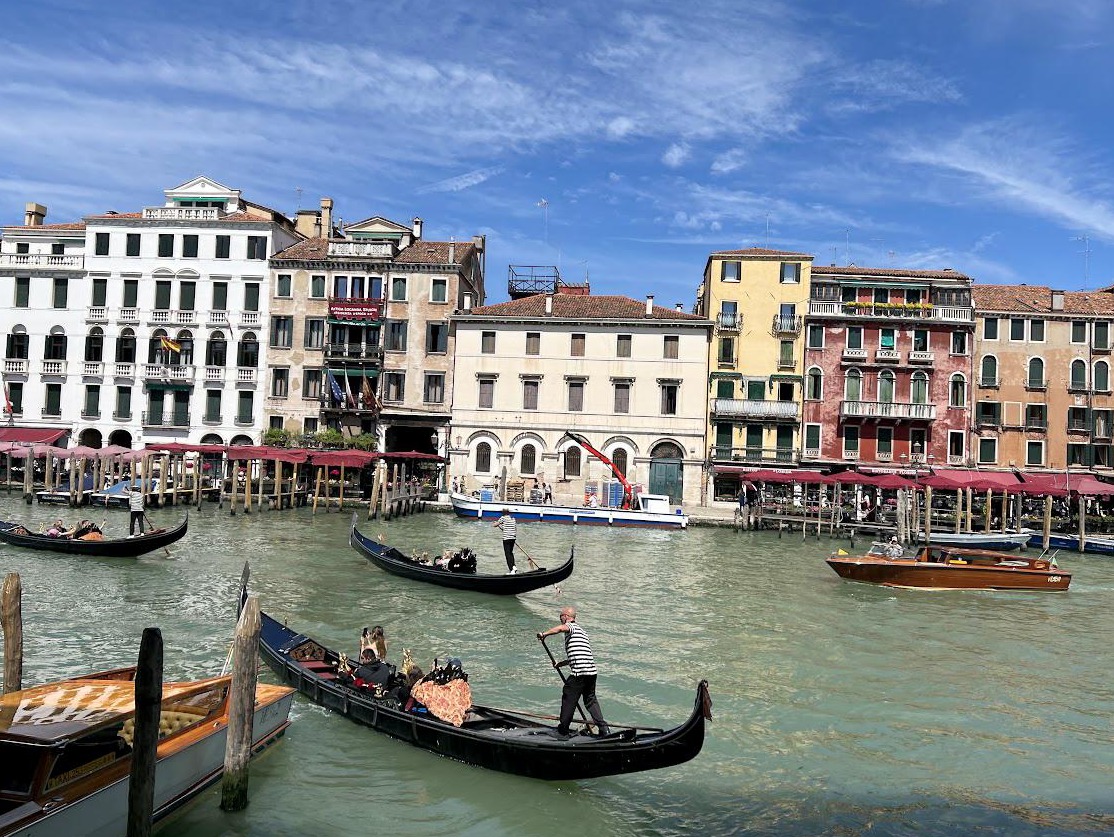
Europe was the high point of the year, without question. Not because it was perfect. But because it gave me distance from my own noise. This trip, with five of my sisters, people who have known me for decades, was the trip I didn’t know I needed. Something is clarifying about being away from the context that constantly defines you. No one knows your backstory. No one asks what you do in the shorthand ways that invite comparison. You are free to just exist. I walked a lot. Without tracking steps. Without destinations. I noticed how my mind slowed down when it wasn’t trying to optimise the day. Meals took longer. Thoughts had room to finish themselves. Travel, when it works, doesn’t distract you from real life. It reminds you of who you are when you’re not performing competence or ambition. Europe reminded me that I like slowness. That I pay attention. That I feel most myself when days are shaped by curiosity rather than urgency. That version of me isn’t exclusive to travel. She just gets crowded out at home.
Later in the year, I made a small trip to Bangalore to meet my parents. I spent the ten days chilling at home, being with them, taking them to doctor appointments, meeting family, and just spending more time with myself. While there, we found that my mum has cataracts in both eyes, one eye more severe than the other. So I will be taking a trip again in the new year to be a caregiver, along with my sister, and get both eyes operated on.
We ended the year with a family trip to the beautiful Cameron Highlands. This trip was also because S and I were celebrating a milestone anniversary. It was there that I went through both highs and lows. The trip was very relaxing, but on the day of our anniversary, I got the news that a position I was sure was my dream position in my dream organisation was not mine. It took me a couple of days to recover, but the mountains helped me realise that maybe this was not the dream I needed; it may have been the dream I wanted.
The Cameron Highlands had a gentleness, with mornings without rush and evenings without hurry. The kind of rest that doesn’t announce itself as recovery but leaves you steadier. It was also a reminder that life doesn’t pause for professional disappointment. Love continues. Family continues. Shared meals and ordinary conversations continue. That matters more than we admit when we’re busy chasing outcomes.
Professionally, this year forced a reckoning. I’ve always believed that the right role would bring a sense of arrival. That would quiet the internal questioning. That would validate the long, nonlinear path. This year challenged that belief. The disappointment wasn’t just about a no. It was about letting go of a future I had already lived in my head. And that takes time. I’ve had to sit with harder questions instead. What kind of work actually sustains me? How much flexibility am I willing to claim rather than apologise for? What does success look like when it isn’t tied to institutional approval? I don’t have tidy answers. But I’m no longer willing to trade alignment for legitimacy.
One thing I’m quietly proud of is that I kept writing. Not consistently. Not always confidently. But honestly. This year, writing became less about output and more about staying in conversation with myself. A way to think clearly when everything else felt provisional. I’m less interested now in metrics that don’t nourish me. Less tempted by external validation that fades quickly. More committed to depth, even when it’s slower. Words remain the place I return to when I need to make sense of things.
This year took certainty. It took a few carefully constructed narratives about timing and fairness. But it gave perspective. Distance from urgency. Proof that I can carry disappointment without letting it hollow me out. It gave me joy that had nothing to do with achievement. Long walks. Shared silence. Familiar places seen with new eyes. It reminded me that my life is larger than any single role.
I’m ending the year without the professional punctuation mark I wanted. But I’m ending it grounded. Still curious. Still willing to hope, just more carefully. This isn’t a victory lap. It’s a checkpoint. A pause to acknowledge the ground I’ve covered. And then, quietly, to keep going.
Air travel has shrunk the world, making it possible to cross continents in a single day. Today’s aviation marvels, like direct flights from Singapore to New York or London to Sydney, make journeys once considered arduous more accessible. But behind the allure of clocking 14, 17, or even 19 hours in the sky lies a set of physical, psychological, and logistical challenges.
So what happens to your body on (ultra) long-haul flights?
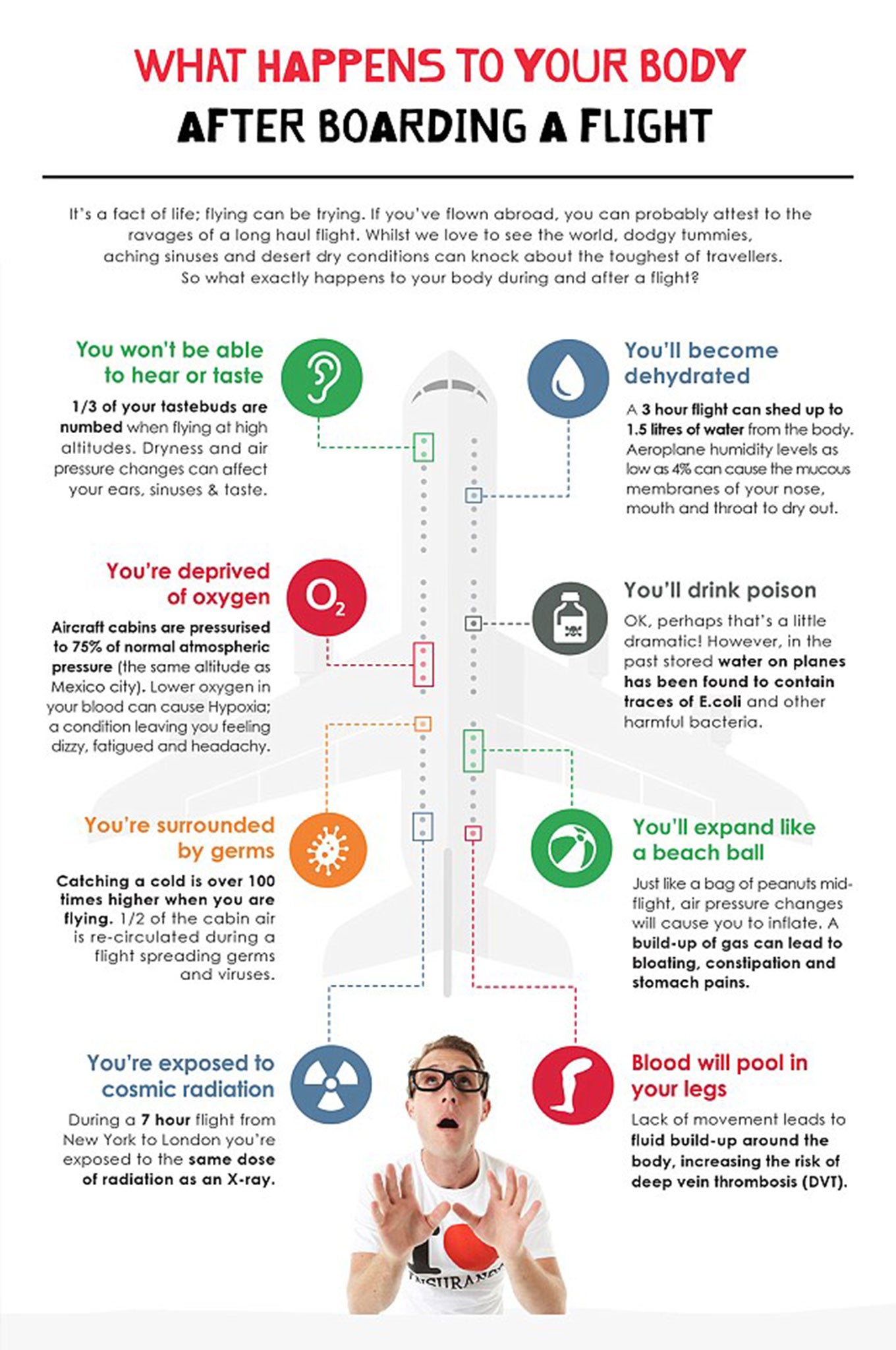
Dehydration and Humidity: Aircraft cabins typically have humidity levels significantly lower than those of most deserts, often below 20%. This causes rapid dehydration, leading to symptoms such as dry skin, parched lips, sore eyes, and an overall sense of tiredness. Prolonged dehydration may also aggravate headaches and impair your body’s ability to ward off illnesses.
Circadian Rhythms and Fatigue: Long-haul flights often cross multiple time zones. This disrupts your circadian rhythm, or your body’s internal clock, resulting in jet lag. Symptoms include insomnia, daytime fatigue, impaired concentration, digestive issues, and decreased physical performance.
Reduced Oxygen and Cabin Pressure: Aircraft cabins are pressurised to simulate an altitude of 6,000 to 8,000 feet. Oxygen saturation drops, which can lead to a sensation of breathlessness, mild hypoxia, which is especially concerning for people with pre-existing heart/lung conditions, and increased fatigue.
Immobility and Blood Clot Risks: Extended periods of limited movement can slow blood circulation in the legs, increasing the risk of deep vein thrombosis (DVT), blood clots that can be life-threatening if they travel to the lungs. Swollen feet, muscle stiffness, and general discomfort are common byproducts of sitting for hours without movement.
Bloating, Gas, and Digestive Upset: Lower cabin pressure can cause gases in your intestines to expand, resulting in bloating, indigestion, or abdominal discomfort. It’s common to feel gassy or experience changes in bowel habits after long flights.
Stress, Germs, and Energetic Drain: Travelling exposes you to more germs and stress; think airport crowds, queues, and irregular routines. All these factors contribute to fatigue and lower immunity upon arrival.
Weighing Your Options: Nonstop vs. Transit (Connecting) Flights When deciding between nonstop flights and those with transits or connections, travellers need to weigh several considerations. Nonstop flights are undoubtedly the fastest and most straightforward way to reach your destination, sparing you the hassle and potential stress of layovers, missed connections, or lost luggage. This simplicity and predictability can contribute to a smoother travel experience, allowing you to maintain a more regular sleep and meal schedule. However, nonstop ultra-long-haul flights can be more expensive and exert a greater physical toll, as being confined to an aircraft seat for extended periods increases discomfort, fatigue, and risks related to prolonged immobility. Not all city pairs offer nonstop service, which can also limit options.
On the other hand, connecting flights typically present a more budget-friendly alternative, often costing less than their nonstop counterparts. They also break up the journey, providing you with opportunities to stretch, refresh, or even explore a new city during a layover. These routes offer greater flexibility in terms of airlines, schedules, and potential stopover destinations. The downsides, however, include a longer total travel time and more opportunities for travel disruptions due to delays, missed connections, or baggage mishandling. Ultimately, choosing nonstop or connecting flights comes down to balancing priorities: whether you place more value on speed and convenience or on cost savings and the ability to break up the trip.
When Should You Choose Each? If you prize speed, simplicity, and convenience, and your budget allows, nonstop flights are preferable. If you value saving money, increased flexibility, or want a physical break on ultra-long trips, connecting flights may suit you better.
Making Long- and Ultra-Long-Haul Flights Bearable: Tips, Tricks, and Hacks Surviving (and even enjoying) hours in the sky requires planning, adaptability, and a toolkit of comfort strategies. Here’s what seasoned travellers and medical experts recommend:
Rest Well in Advance: Try to get a solid night’s sleep before your journey.
Exercise and Shower: A brisk workout and relaxing hot shower right before traveling aid relaxation and circulation.
Dress for Comfort: Wear loose-fitting, layered clothing; consider compression socks to reduce DVT risk.
Packing Essentials
Hydration Helpers: Bring a refillable water bottle to fill after passing security. Drink often, and minimise caffeine and alcohol, which amplify dehydration.
Entertainment Arsenal: Pre-load your device with movies, books, music, podcasts, games, and chargers; avoid relying solely on in-seat entertainment.
Snack Savvy: Pack healthy snacks like nuts, fruit, or energy bars. Airline food schedules may not suit your hunger or dietary preferences.
Travel Comfort Gear: Don’t forget a supportive neck pillow, sleep mask, earplugs or noise-cancelling headphones, and a lightweight blanket or scarf.
Personal Care Kit: Moisturiser, lip balm, toothbrush, toothpaste, and facial wipes will keep you feeling fresh.
In-Flight Hacks
Move Regularly: Walk the aisles as allowed; at minimum, do foot pumps, ankle circles, mini stretches, and stand up every 60–90 minutes.
Stay Hydrated: Sip water throughout the flight, even if you don’t feel thirsty.
Minimise Alcohol and Caffeine: Alcohol disrupts sleep patterns; caffeine heightens dehydration and can delay recovery from jet lag.
Sleep Smart: Adjust your watch to the destination time and try to sleep in blocks matched to your new schedule. Use a sleep mask and neck pillow for better rest. Consider (with medical advice) light sleep aids or melatonin.
Dress Warmly: Cabins can feel chilly; layer up as needed.
Plan for Arrival: Use spare time to review destination details, meet work deadlines, or journal about your trip, it makes the time feel productive and meaningful.
East vs. West: Does Direction Matter? Flight times are often shorter when flying eastward, particularly on transcontinental and transpacific routes. This is mostly due to prevailing jet streams, powerful, high-altitude winds that generally move west to east in both hemispheres. Planes heading east can ride these “sky rivers” and cut total flight time by 30–90 minutes or more, depending on the route.
Jet Lag: East or West, Which Is Worse? Jet lag is typically worse when flying east than west. The reason: your body clock finds it harder to adjust to a shorter day (phase advance, flying east) than a longer one (phase delay, flying west). Essentially while flying west, you “gain” hours, and your circadian rhythm is better able to stretch the day, a process more natural to most people. On the other hand, if you fly east, you “lose” hours, compressing the day and forcing your body to adapt to an earlier bedtime, which most find harder. So if If minimising jet lag is a top priority and routes/fares allow, opt for a westward journey to make your arrival a bit smoother, especially on multi-time-zone or ultra-long-haul flights.
Is flying ultra long-haul safe? Yes, for healthy individuals, though special care is needed if you have heart, lung, or blood conditions, or if you’re pregnant or have recently gone scuba diving. Always consult your doctor before booking.
Should I pay for that non-stop ticket? If time, routine, and convenience are huge for you (especially for business, families, or mobility concerns), the extra cost may be well worth it. If you’re price-sensitive, want a leisurely journey, or don’t mind breaking it up, connecting flights shine.
How can I make the economy class feel like business? While there’s no substitute for lie-flat beds, you can maximize comfort in economy by choosing an aisle or bulkhead seat for extra legroom, boarding early to settle in, and upgrading with miles or bidding for premium economy.
Embrace the adventure, be prepared Long- and ultra-long-haul flights can be challenging, but with some preparation, smart choices, and a bit of flexibility, you can emerge healthier, more rested, and even excited to explore your destination. Whether your journey keeps you aloft for a single epic haul or you opt for the scenic route with strategic stopovers, understanding the physical, logistical, and psychological factors at play will ensure you arrive, body and mind, ready for your next adventure.
So, during a long- or ultra-long-haul flight, hydrate, move often, and pack for self-care; make a choice between nonstop and connecting flights based on your own priorities, not just the price; if you can, fly west to minimise jet lag; and treat ultra-long-haul flights as part of the journey’s adventure, not just an ordeal.
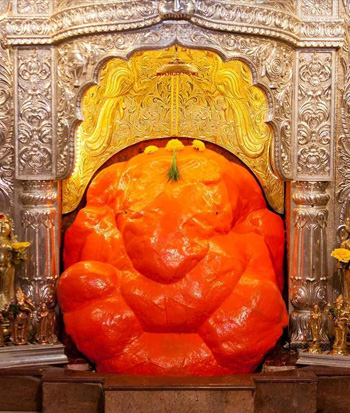
Rising from the fertile plains of the Pune district, the Mahaganapati Temple at Ranjangaon stands as the culminating jewel of Maharashtra’s Ashtavinayak pilgrimage. Revered as the seat of Mahaganapati, the “Great Ganesha”, this temple is steeped in legend, history, and architectural grandeur. Here, Lord Ganesha is worshipped in his most potent form, invoked even by Lord Shiva himself in the cosmic battle against the demon Tripurasura. For centuries, devotees and warriors alike have sought Mahaganapati’s blessings, making Ranjangaon not just a spiritual destination but a living testament to the enduring power of faith and myth.
Ranjangaon is a tranquil village located about 50 km from Pune, along the Pune-Ahmednagar highway. The temple’s strategic location made it a favoured stop for Maratha chieftains and pilgrims journeying through the Deccan. Today, it is the eighth and final stop for those completing the revered Ashtavinayak Yatra, a circuit of eight self-manifested Ganesha temples across Maharashtra.
Historical records and the temple’s stone pillars suggest that the Mahaganapati Temple was originally constructed in the 9th or 10th century, with significant enhancements during the Peshwa era. Shrimant Madhavrao I, the Peshwa ruler, was a devout worshipper who regularly visited the temple before heading to battle. He built a stone sanctum around the idol and created a special cellar to safeguard the deity during times of turmoil. The temple’s hall and surrounding apartments, or owaris, were commissioned by Sardar Kibe, Sardar Pawar, and Sardar Shinde, prominent nobles of the time. In modern times, the temple’s Nagarkhana, or drum house, above the entrance, was inaugurated by Chief Minister Manohar Joshi in 1997, reflecting ongoing reverence and restoration.
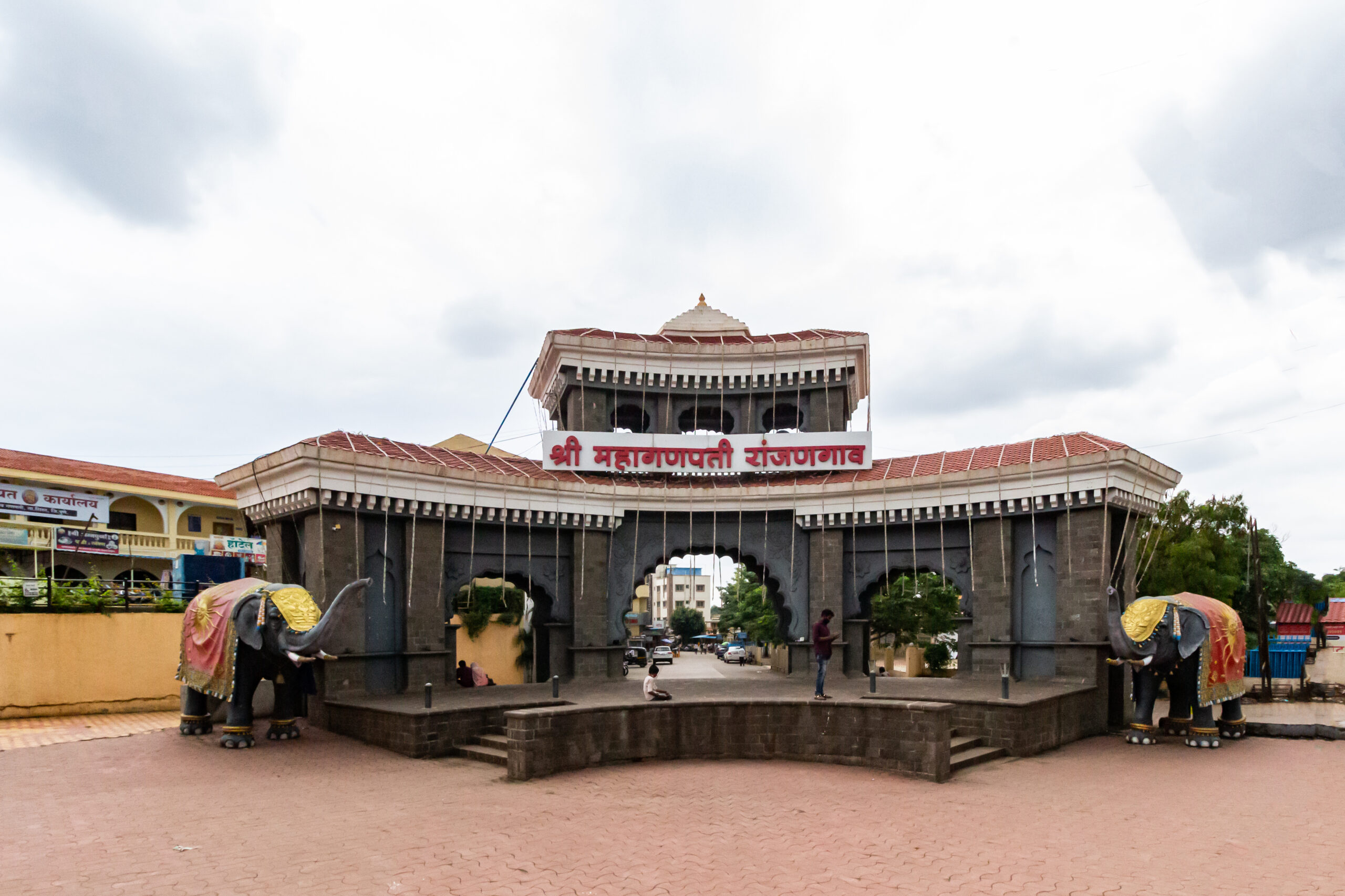
The temple boasts a massive and ornate entrance gate, flanked by two imposing dwarapalas, or gatekeepers, visible from the main road. The temple is ingeniously constructed so that during Dakshinayana, the sun’s southern movement, the rays of the rising sun fall directly on the main idol in the sanctum, a marvel of ancient engineering. The drum house above the entrance is used during festivals and processions, adding to the temple’s festive aura. The sanctum houses the swayambhu, or self-manifested idol, of Mahaganapati, seated on a lotus and accompanied by his consorts, Riddhi and Siddhi. Local tradition holds that the original idol, known as “Mahotkat,” is hidden in a basement and is said to have ten trunks and twenty arms, though the visible idol is more conventional in form.
The temple’s enduring myth centres on the cosmic battle between good and evil, with Mahaganapati as the divine catalyst. According to legend, the esteemed sage Grutsamad once sneezed, and from this act, a boy named Tripurasura was born. Tripurasura, raised with spiritual wisdom, learned the Ganesh mantra from his father and performed severe penance to Lord Ganesha. Pleased, Ganesha granted him a boon: Tripurasura would become the most powerful being in the universe and could only be defeated by Lord Shiva, after which he would attain liberation.
Empowered by this boon, Tripurasura’s pride grew unchecked. He conquered the underworld, the heavens, and even threatened the gods themselves. Lord Brahma hid in a lotus, and Lord Vishnu retreated to the cosmic ocean, unable to withstand Tripurasura’s might. Desperate, the gods turned to sage Narada, who advised them to worship Lord Ganesha. Ganesha, taking the form of a Brahmin, approached Tripurasura and offered to create three flying chariots that could only be destroyed by Shiva. In exchange, he asked for the Chintamani jewel from Kailash. When Tripurasura demanded the jewel, Lord Shiva refused, leading to a fierce battle.
Despite his power, Shiva could not defeat Tripurasura. Realising his mistake in not honouring Ganesha first, Shiva paused and recited the Shadaakshar Mantra to invoke Ganesha. Blessed with a special beejmantra, or seed mantra, Shiva was finally able to destroy Tripurasura with a single arrow]. This victory was possible only after seeking Ganesha’s grace, emphasising the deity’s role as the remover of all obstacles, even for the gods!
The site where Shiva invoked Ganesha and achieved victory became Ranjangaon, and the form of Ganesha worshipped here is known as Mahaganapati or Tripurarivade Mahaganapati, the destroyer of Tripurasura.
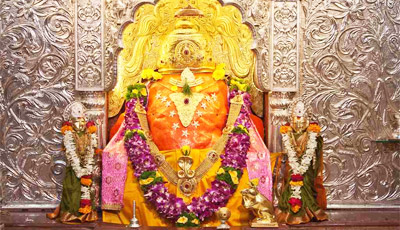
The idol at Ranjangaon is revered as one of the most powerful forms of Ganesha. Mahaganapati is depicted seated on a lotus, flanked by his consorts Riddhi, or prosperity, and Siddhi, or spiritual power. The idol is Swayambhu, believed to have emerged naturally from the earth. In some traditions, the idol is described as “Mahotkat,” possessing ten trunks and twenty arms, though it is more commonly seen with eight, ten, or twelve arms.. The idol’s serene yet commanding presence embodies both the gentle and formidable aspects of the deity.
Each day, the idol is ritually bathed with water, milk, and fragrant substances, accompanied by the chanting of Vedic mantras. Morning and evening aartis are performed with lamps, bells, and devotional songs, filling the temple with a vibrant spiritual energy. Offerings of modaks, coconut, and flowers are made to the deity, and prasad is distributed to devotees as a blessing.
Sahastravartan is an elaborate ritual that involves the recitation of Ganesha’s names or mantras a thousand times, seeking his blessings for the removal of obstacles and the fulfilment of wishes. The Satyavinayak Pooja is a special worship performed for significant life events or to fulfil vows. During the Bhadrapada festival, devotees perform “Lotangan”, which means rolling their bodies in prostration along the path to the temple as an act of surrender and devotion.
Unlike many other villages, the people of Ranjangaon do not bring Ganesha idols into their homes during Ganesh Chaturthi. Instead, the entire community gathers at the Mahaganapati Temple for collective worship, reinforcing the temple’s role as the spiritual heart of the region.
Ganesh Chaturthi is celebrated with immense fervour at Ranjangaon. The temple is adorned with flowers and lights, and special rituals, abhisheks, and aartis are performed. On the fifth day of the festival, a grand feast called a mahabhog is offered to the deity, and the idol is taken in a flower-bedecked palkhi, or palanquin procession, around the temple grounds. Wrestling matches and cultural events are also organised, drawing large crowds from nearby villages.
A unique sixth-day celebration during Bhadrapada sees devotees flocking to the temple, performing special rituals, and participating in communal festivities. The atmosphere is one of joy, devotion, and unity.
The Mahaganapati Temple is more than a place of worship; it is a symbol of the triumph of wisdom and humility over pride and chaos. The legend of Tripurasura underscores the importance of invoking Ganesha before any new undertaking, a tradition now embedded in Hindu practice. The temple’s sun-aligned architecture, powerful idol, and living rituals all reinforce the message that with faith, even the greatest obstacles can be overcome.
Ranjangaon is the eighth and final stop in the Ashtavinayak circuit, making it the spiritual culmination of the pilgrimage. Pilgrims often report a sense of completion and fulfilment upon receiving Mahaganapati’s blessings, believing that their prayers and efforts throughout the yatra have been acknowledged and rewarded.
After Ranjangaon, pilgrims go back to the Moreshwar Temple to complete the Ashtavinayak circuit. And with that visit, they complete the pilgrimage. This circuit is something I have wanted to do for a while, given that the circuit is in my home state, and it is a pilgrimage for my ishtadev! I will do this sooner rather than later; that’s my promise to myself.










 Memories and Such