

The job market can be intimidating, especially for young adults entering the workforce for the first time. Whether fresh out of university or looking for a new role, knowing how to craft a standout resume, ace interviews, and network effectively are critical skills for landing the right job.
Why is navigating the job market important? Entering the job market can be overwhelming, but it’s also an opportunity for growth, exploration, and building your dream career. Here’s why mastering the process is vital. Understanding what employers look for and presenting yourself effectively can set you apart from other candidates. Securing the right job opens doors to new opportunities, mentorships, and long-term career development. Navigating the job market successfully helps you gain confidence in your abilities and value as a professional. Equipped with the right skills, you can make the transition into the workforce more manageable and rewarding. Let’s start by focusing on the first element: creating a powerful resume.

Part 1: Resume Writing – Crafting a Standout Application
Your resume is your first point of contact with potential employers. It’s a snapshot of your professional story that showcases your skills, accomplishments, and experiences. Here’s how to craft a winning resume:
- The purpose of a resume: The resume’s purpose is to summarise your qualifications and convince hiring managers to invite you for an interview. It should be tailored to highlight the skills and experiences that are relevant to the specific role you’re applying for.
- Key components of a resume: A well-structured resume typically includes contact information like name, phone number, email address, and LinkedIn profile. Ensure your email is professional. It should also include a brief overview of your qualifications and career goals. Highlight relevant technical and soft skills that align with the job description. List your work experience in reverse chronological order, focusing on accomplishments rather than duties. Mention your degrees, institutions, and graduation dates and include any certifications, awards, or recognitions that boost your credibility for the role.
- Resume writing tips: Follow these tips for a polished and impactful resume. Customise your resume for each job application by emphasising skills and experience relevant to the role. Start bullet points with strong action verbs like “implemented,” “led,” “optimised,” or “achieved.” Use numbers to quantify achievements (e.g., “Improved sales by 20%” or “Managed a team of 5”). Limit your resume to one page unless you have extensive experience. Check for spelling or grammar mistakes. Errors can make a bad impression.
- Avoid common resume mistakes: Be mindful of these pitfalls: Avoid cluttering your resume with irrelevant details. Focus on what’s important. Use a clean, professional layout with clearly labeled sections. Replace vague objectives with a professional summary showcasing your value.
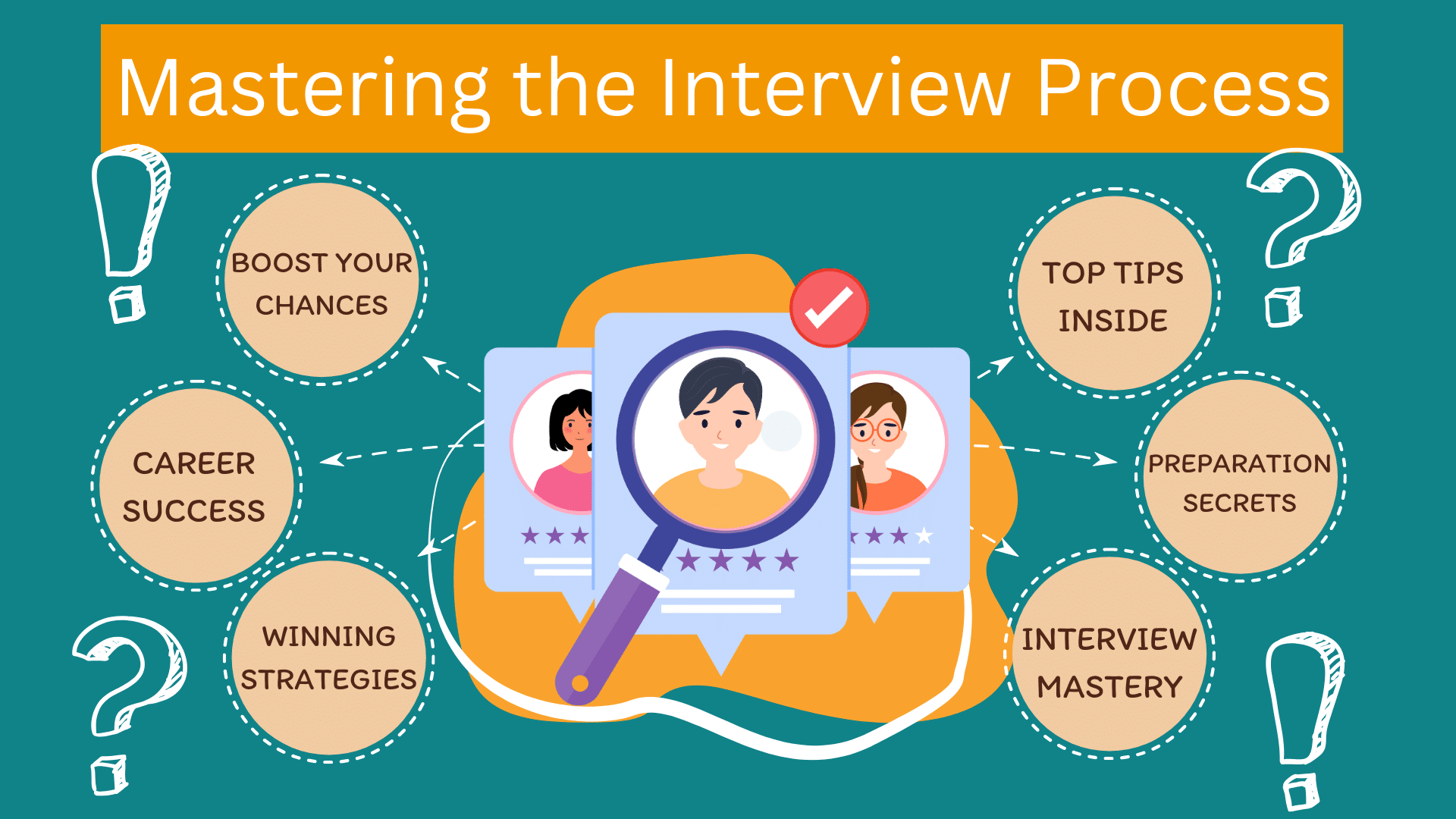
Part 2: Interview Preparation – How to Shine in the Spotlight
Securing an interview means that your resume has done its job. Now, it’s time to shine in person (or virtually) by showcasing your skills, personality, and enthusiasm for the role.
- Types of job interviews: Understanding the types of interviews can help you prepare better. Traditional interviews are one-on-one conversations with hiring managers, while in panel interviews, multiple interviewers ask questions in a formal setting. Behavioural interviews focus on past experiences and how you’ve handled specific situations. Virtual interviews are conducted via video platforms like Zoom or Teams, while group interviews involve interaction with other candidates and assessing your teamwork skills.
- Preparing for the interview: Preparation is the key to interview success. Study the company and research its mission, values, products, and services to familiarise yourself with the industry and competitors. Understand the role. analyse the job description to identify key responsibilities and required qualifications, and prepare to discuss how your skills align with the role. Practice common interview questions, including “tell me about yourself”, “what are your strengths and weaknesses”, “why do you want to work here”, and “describe a challenge you’ve faced and how you overcame it.”
- Prepare STAR responses: Use the STAR method when answering behavioral questions. S stands for Situation, where you describe the context of the example. T stands for Task, where you explain the goal or challenge. A stands for Action, which details the steps you took to address the situation. R stands for Result, or the outcome and what you learned. Dress professionally and choose attire appropriate for the company culture (business formal or smart casual). Avoid noisy jewelry or overly casual clothing. Practice mock interviews and practice interviews with friends or mentors to refine your answers and boost your confidence.
- Performing well during the interview: Make a lasting impression by showcasing professionalism and enthusiasm. Arrive on time. If it’s virtual, test your tech setup and video connection beforehand. For in-person interviews, arrive early. Be engaged and actively listen to questions and respond thoughtfully.
- Highlight your value and focus on how you can contribute to the company rather than just describing your skills. Ask questions and prepare thoughtful questions about the role or company to show genuine interest. Express gratitude and thank the interviewer for their time and opportunity.

Part 3: Networking – Building and Leveraging Connections
Networking is one of the most powerful tools for career advancement. Building professional relationships and tapping into your network can lead to job opportunities, mentorships, and collaboration.
Networking is crucial for several reasons. Many jobs are not publicly listed but filled through referrals. Networking allows you to learn about industries, roles, and companies from experienced professionals. Consistently connecting with others helps you establish your reputation in your field.
Networking doesn’t mean randomly handing out business cards. It’s about building meaningful connections. Start with your existing network and inform friends and family about your career goals; they may have valuable connections. Reach out to former professors or alumni networks for advice and introductions. Attend conferences, workshops, or seminars in your field. Participate in job fairs to connect with recruiters and learn about opportunities.
Leverage online platforms like LinkedIn by optimising your profile and engaging with professionals by commenting on posts, joining groups, and messaging connections. Build connections at work by connecting with colleagues and building relationships with coworkers by collaborating effectively and supporting team efforts. Seek mentorship by finding experienced colleagues who can share insights and guidance. Practice professional communication and be genuine when networking authentically rather than self-promotion. Follow up and send thank-you emails or messages after meetings or introductions.
Introverted individuals can excel at networking by leveraging their strengths. Focus on one-on-one interactions rather than large groups, and prepare talking points to ease conversations. Use written communication (emails or LinkedIn messages) to connect thoughtfully.

Putting It All Together
Navigating the job market takes effort, strategy, and resilience. By mastering the three pillars—resume writing, interviews, and networking—you can position yourself for success. Here’s how to integrate these strategies:
- Build a strong foundation by crafting a polished resume and tailoring it for each job application.
- Prepare for opportunities and practice for interviews thoroughly to showcase your skills confidently.
- Cultivate relationships and dedicate time to build a network that supports your career goals.
- Stay persistent because rejections are inevitable in any job search, but persistence is key. Learn from setbacks and keep improving.
Navigating the job market as a young adult is a vital step in personal and professional growth. By focusing on writing a standout resume, preparing thoroughly for interviews, and building a strong network, you can create the foundation for a successful career. Remember, each step in your journey is an opportunity to learn, connect, and grow. With dedication and the strategies outlined here, you’ll be ready to tackle the job market and achieve your goals!








 Memories and Such