Anglemore Park is the ancestral home of Lady Emily Hargreave’s husband Colin. But the stately calm of country life is destroyed when their neighbour, the Marquess of Montagu, bursts through the French doors from the garden and falls down dead in front of the shocked gathering.
But who has a motive for murdering the young aristocrat? The lovely cousin who was threatened by his engagement, the Oxford friend he falsely accused of cheating, the scheming vicar’s daughter he shamelessly seduced or the relative no one knew existed who appears to claim the Montagu title? Who is the mysterious woman seen walking with him moments before he was brutally attacked?
The trail takes readers into the gilded world of a British manor house and below stairs to the servants who know all the secrets. One family’s hidden past and a forbidden passion are the clues to a puzzle only Lady Emily can solve.
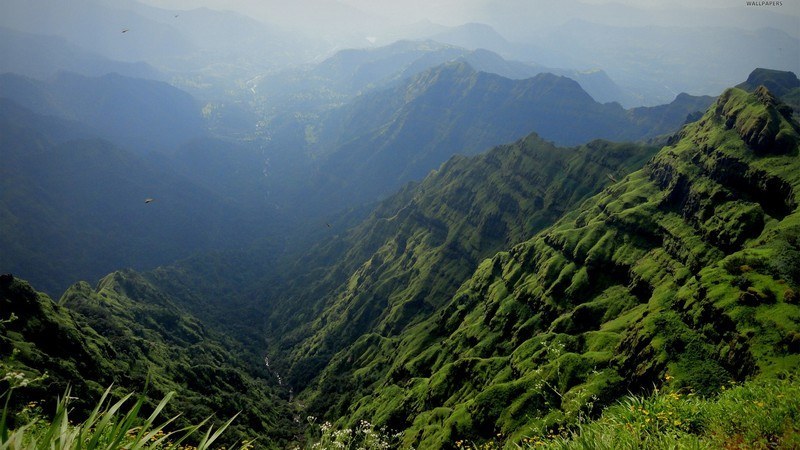
Matheran The closest hill station to Mumbai (around 100 km away), Matheran is nestled amidst the Sahyadri range on the Western Ghats. This cozy town was discovered in 1850 by the British during their occupation of India and subsequently developed into a popular summer retreat. At height of 800 meters (2,625 feet) above sea level, this serene place provides a cooling escape from searing temperatures. With its name literally translating to “overhead forest”, Matheran is the smallest hill station in all of India, but it is extremely popular in terms of tourists looking for a short trip amid spectacular vistas and serenity. However, the most unique thing about it and what makes it so special, is that all vehicles are banned there — even bicycles. It’s a soothing place to relax away from any noise and pollution. Get there by taking the scenic toy train. As with any other hill station, Matheran is famous for its viewpoints. It has a total of 36 viewpoints from where you can enjoy alluring views of the Sahyadri mountain range, the most popular of them being Echo Point, Alexander Louisa Point, Panorama Point and Porcupine Point. Most of these points have easy trekking trails, and they offer sweeping views of the mountains, the sunrise, sunset, and everything in between! Charlotte Lake, close to Echo Point, is a very popular picnic spot where nature enthusiasts love to go and take a stroll in.
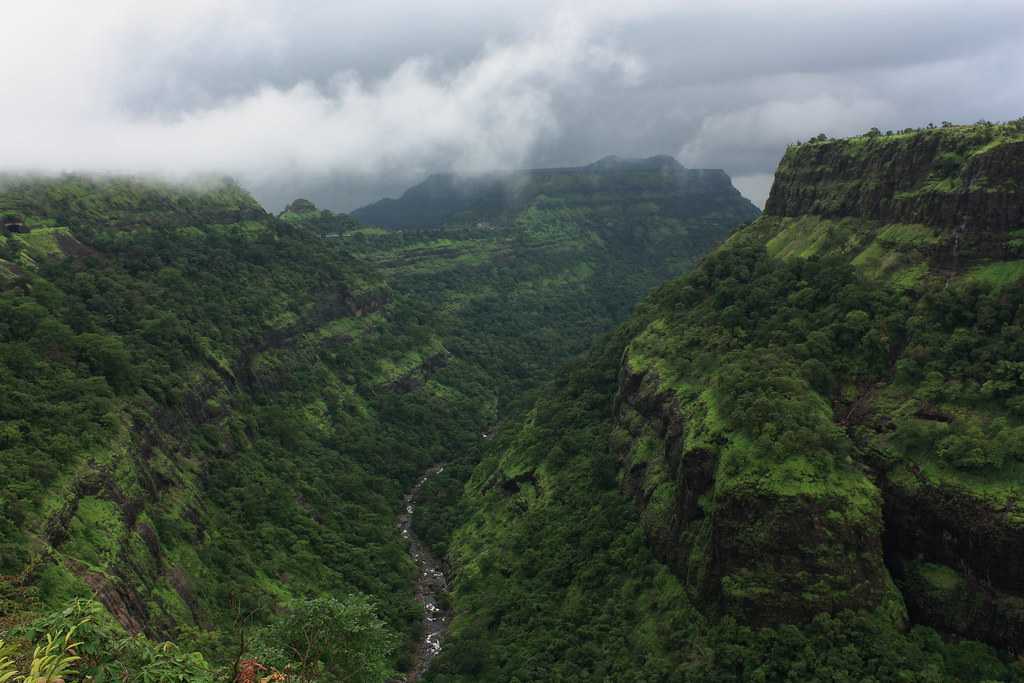
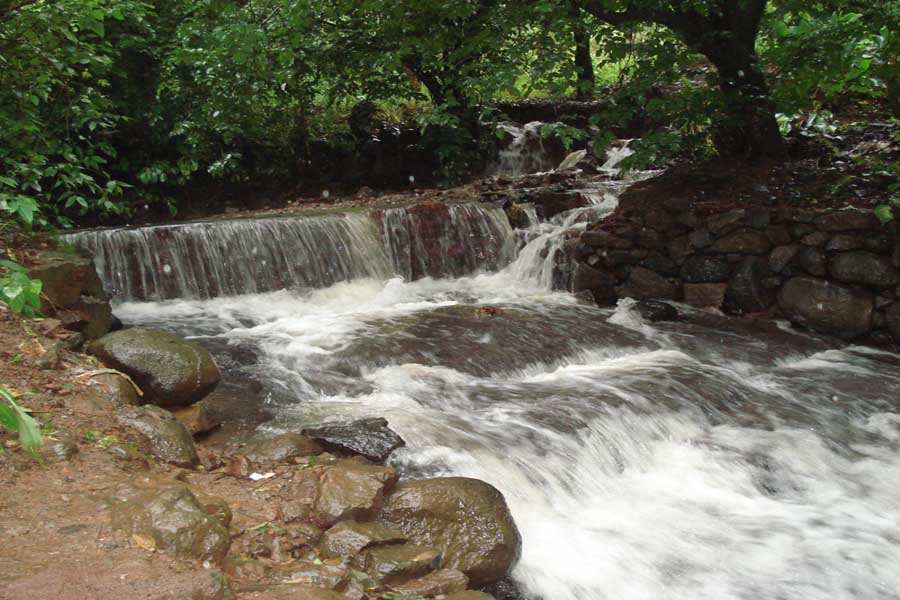
Lonavala One of the most popular hill stations in the state, Lonavala is a perfect weekend getaway, from both Mumbai and Pune, especially during the monsoons. Mists rising from the Sahyadri hills, waterfalls cascading down from the hills to the spiral roads, pristine lakes accompanied by well-built dams and countless places to stay amid the abundance of nature—this is Lonavala for you. The place is a favourite of both nature lovers and hikers. The panoramic views of the mountains are stunning. The best time to visit is between October to May and the main attractions in the town are Tiger’s Leap, Bushi Dam, Lonavala Lake, Lohagad Fort and Karla Caves.
Khandala Another hill station around 3 km from Lonavala and around the midpoint between Mumbai and Pune, Khandala stands in the Western Ghats on the Mumbai-Pune highway. It is a popular weekend holiday destination due to its natural charm. Residents of both Pune and Mumbai find it a convenient weekend getaway. The best to visit to get the full beauty of Khandala is between October and April. You can visit attractions like the Duke’s nose, which is a cliff shaped like a nose, overlook the ravishing valley, Rajmachi Fort, Lohagad Fort, Bedse Caves, Visapur Fort and Kune Waterfalls.
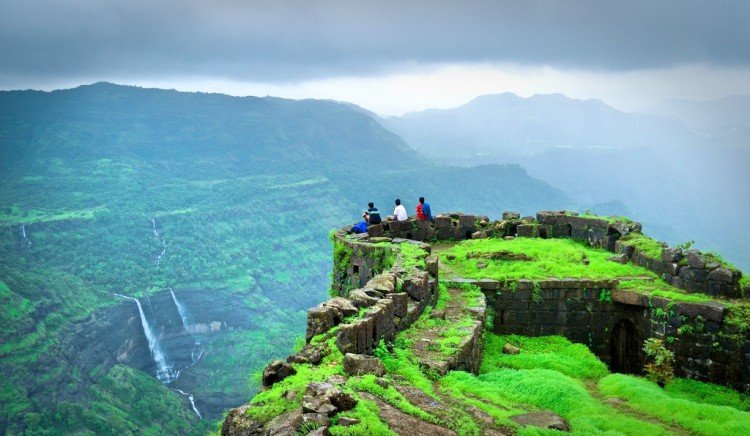
Rajmachi Rajmachi is a small village situated in the Sahyadri mountain range of the Konkan region of Maharashtra. Rajmachi has two fortified peaks – Shrivardhan and Manaranjan forts, located near two famous hills of Lonavala and Khandala. At the base of the fort is the village Udhewadi which is another name for Rajmachi. Rajmachi has seen many change of hands from Shivaji Maharaj, Emperor Aurangzeb, Shahu Maharaj and eventually the British reign. The fort of Rajmachi is famous among trekkers and adventure enthusiasts. If you want to experience a full-fledged trek, you can start from the Kondhane caves side which will take 3-4 hours of climbing, but otherwise you can drive right upto Udhewadi village (from the Lonavala side) and then trek for hardly 20-30 minutes to the top of the fort. The simple and clearly marked trail on both the paths make Rajmachi a very popular beginner’s trek.
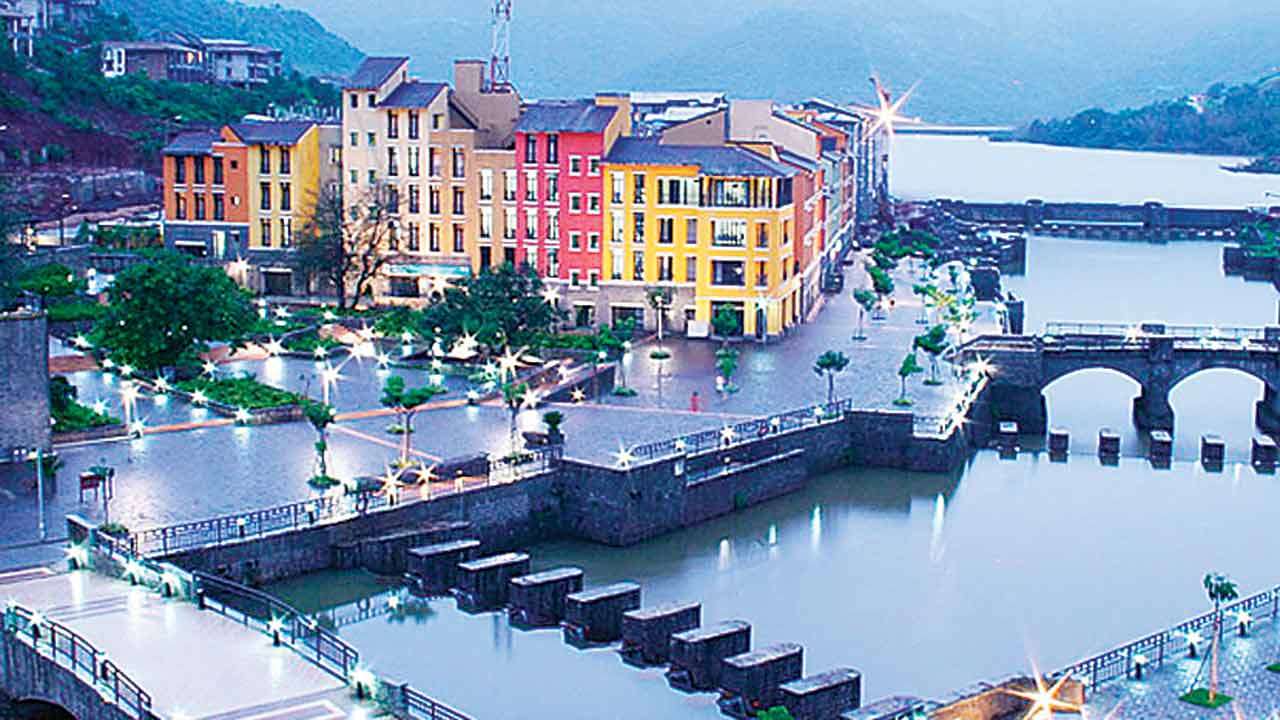
Lavasa Known as India’s newest hill station, the Lavasa Corporation is constructing this private city. The city is a beautiful project, stylistically based on the Italian town Portofino. Spreading across 7 hills, covering an area of 25000 acres, Lavasa is a perfect blend of beauty and infrastructure. The place is dotted with colourful buildings, vibrant hotels, and beautiful streets that offer scenic lake views. Lavasa has a pleasant weather all year long but monsoon is an exceptional time to visit Lavasa. Located in the Western Ghats, Lavasa is around 65 km from Pune and around 200 km from Mumbai. There, you can visit the Mose River, Varasgaon Dam, Laser Animation and Musical Fountain.
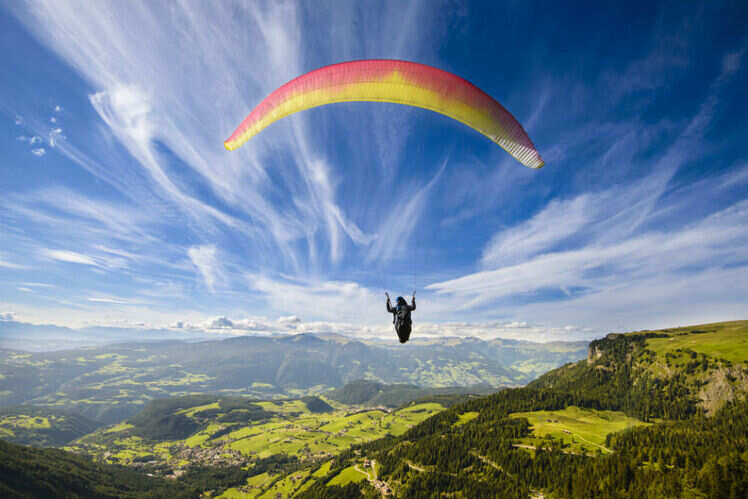
Kamshet Kamshet is a picturesque hill station in Western Ghats, renowned for paragliding and flying schools. Surrounded by Western Ghats, this place is regularly featured in the top 10 must visit destinations of India for an adventurous junkie. Located just 45 km from the main town of Pune, Kamshet is a paragliders paradise. It’s a beautiful place with small villages with natural scenery and fresh air. The area is surrounded by paddy and sunflower fields and it provides an awesome view while you are enjoying the world class paragliding facilities here. Among other important attractions in this region are the Bhairi caves, Bhedsa caves, Khondeshwar temple, Pavana lake and Shinde wadi hills. Due to its proximity to other hill stations like Lonavla andÊKhandala, one can include those places in this trip as well. October to May is the best time to visit Kamshet and
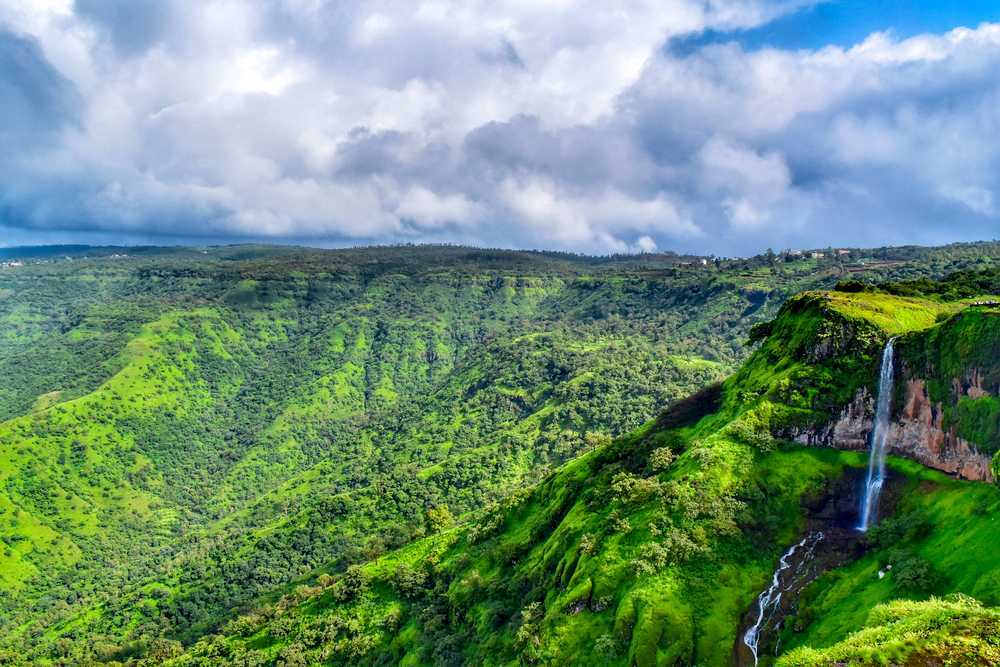
Mahabaleshwar With its breathtaking waterfalls and majestic peaks, Mahabaleshwar is a serene escapade for people in Maharashtra. This erstwhile summer capital of the Bombay Presidency located in Satara district is a quaint hill station located in the Western Ghats and famous for its mesmerising natural beauty that is blessed with beautiful lakes, dense forests, charming valleys and many ancient temples. It is also famous for its gorgeous strawberry farms and offering a variety of delicious foods. October to June are the best months to plan a trip to Mahabaleshwar where you can see attractions like Wilson Point (Sunrise Point), Mumbai Point (Sunset Point), Arthur’s Seat, Mahabaleshwar Temple, Babington Point, Kamalgad Fort, Chinaman’s Falls and Elephant’s Head Point
Panchgani Deriving its name from the five hills surrounding it, Panchgani is a popular hill station near Mahabaleshwar, famous for its various sunset/sunrise points and scenic valley view. With a pleasant climate throughout the year, it appealed to the Britishers who established this place as a summer retreat and it continues to lure tourists to date. Panchgani is located around 1,334 meters above sea level and the picturesque backdrop of hills on one side and coastal plains on the other makes for an amazing view. In the British era, the place was treated as a summer resort and hence many colonial period establishments can be seen here. Mahabaleshwar is like a twin city to Panchgani. The best time to visit both Mahabaleshwar and Panchgani is between September and February. Attractions in Panchgani include Sydney Point, Lingmala Falls, Kamalgarh Fort, Rajpuri Cave, Kaas Plateau, Wai and Devil’s Kitchen
Kaas Plateau Declared as a UNESCO World Natural Heritage Site in 2012, Kaas Plateau in Panchgani is a magical place with landscapes with lakes, flowers and butterflies all around. The Kaas Plateau is a biodiversity hotspot situated at an altitude of 1200 metres and is a major biodiversity hotspot owing to the many varieties of endemic flowers and butterflies that are found here. Housing about 850 species of beautiful wildflowers, the 1000 hectare area of the plateau is now a reserved forest which is famous for its natural beauty and flora, Kaas Lake and how it turns into a valley of flowers during monsoon. To preserve the virgin charms of this location, the number of visitors have been restricted to 3,000 per day. State Transport buses ply from the parking area to Kaas Plateau and cost INR 10 per person each side. The months beginning from August to October witness the Kaas Valley transforming into a blooming beauty of endemic flowers such as Anjani, Paner, Sonki, Kondal, Deepkadee and Kaasa. The sheer variety of colours, shapes and sizes is a delightful sight to behold and makes Kaas Valley an undeniable hit among scientists, naturalists and adventure lovers alike. The many blossoms of the valley stand in stark contrast to the azure of the sky with numerous delicate butterflies fluttering their way through this kaleidoscopic maze. Other attractions in the area include the Kaas Lake, Vajrai Waterfall, Banmoli, Thoseghar Waterfall and Sajjangad Fort
Maval A gorgeous and rustic hamlet, Maval is located along the beautiful green and dark ranges of the Sahyadris. The village is also one of the most prosperous biodiversity regions in Maharashtra. Here, you can not only spot vegetation but also wildlife in all its glory. While the awe inspiring ranges of the Sahyadris add a good measure of beauty and diversity to its backdrop, the quiet and clutter free life of the villagers presents for a getaway in the arms of nature. The best time to visit is during the months of October and May. Attractions near and around Maval include Mangarul Fort, Adesh Green House, Bhaja Caves, Sinhagad Fort, Shivneri Fort and Saras Baug
Bhandardara Bhandardara, a hill station nestled in the Sahyadri ranges of Maharashtra, has all the nature’s blessings a place can get. The lush greenery, the humble waterfalls and surrounded by high mountains makes for the perfect holiday spot for city dwellers. Situated in the Ahmednagar district of Maharashtra, Bhandardara is 117 km. from Mumbai and is easily accessible through roadways. Attractions in Bhandardara include Wilson Dam, Umbrella Falls, Kalsubai Peak, Randha Falls and Arthur Falls.
Chikhaldara The scent of coffee enchants you as you enter the hill station city of Chikhaldara in Amravati district. Being the only coffee growing area in the region, Chikhaldara also boasts of beautiful lakes, breathtaking panoramic viewpoints and exotic wildlife. Featured in the epic of the Mahabharata, this is the place where Bheema killed the villainous Keechaka in a herculean bout and then threw him into the valley. It thus came to be known as Keechakadara—Chikhaldara is its corruption. The sole hill resort in the Vidarbha region, it is situated at an altitude of 1118 m with highest vairat point 1188m. It abounds in wildlife, such as tigers, panthers, sloth bears, sambars, wild boar, and rarely seen wild dogs. Close by is the famous Melghat Tiger Project which has 82 tigers. The scenic beauty of Chikhaldara can be enjoyed from Hurricane Point, Prospect Point, and Devi Point. Other interesting excursions include Gavilgad and Narnala Fort, the Pandit Nehru Botanical Gardens, the Tribal Museum and the Semadoh Lake.
Bhimashankar Bhimashankar, located about 100 km from Pune and 223 km from Mumbai, is a popular temple town. It is located in the village of Bhorgiri in the ghat region of the Sahyadri range at around 3,250 feet above sea level. It is among one of the twelve traditional ‘Jyotilingam’ shrines of Lord Shiva in India. Legend has it that the name Bhimashankar was originated from the river Bhima which evaporated due to the generated between the war of Lord Shiva and the demon Tripurasura. It is considered to be one of the holiest places in India because of the jyotirlinga. Bhimashankar Wildlife Sanctuary is another important reason why people come here.
Ellen Thomas, experienced war correspondent, returns to Afghanistan’s dangerous Helmand Province on assignment, keen to find the murderer of her friend and translator, Jalil. In her search for justice in a land ravaged by death and destruction, she uncovers disturbing truths.
Hasina, forced by tradition into the role of wife and mother, lives in a village which is taken by British Forces. Her only son, Aref, is part of a network of underground fighters and she is determined to protect him, whatever the cost.
Ellen and Hasina are thrown together – one fighting for survival, the other searching for truth – with devastating consequences for them both.
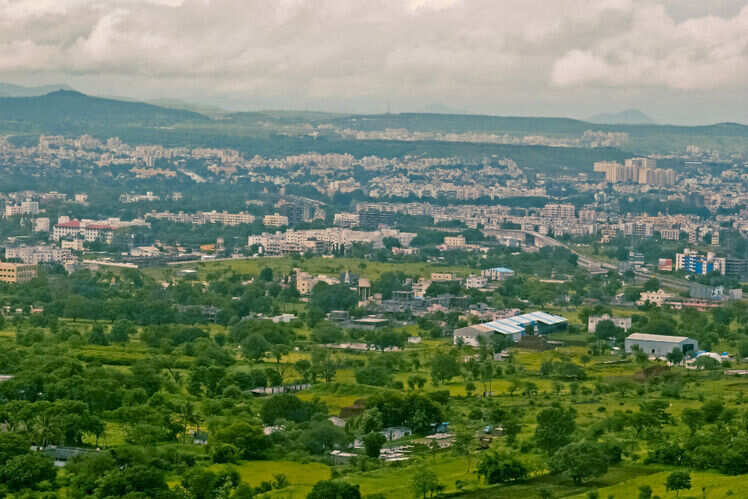
After Mumbai, lets move to Pune. The second largest city in Maharashtra and also called “Oxford of the East” due to the large number of educational institutions in the city, Pune or Poona is also considered to be the cultural capital of the state.
Copper plates dated 858 and 868 show that by the 9th century an agricultural settlement known as Punnaka existed at the location of the modern Pune which was ruled by the Rashtrakuta dynasty. Pune was part of the territory ruled by the Seuna Yadavas of Devagiri from the 9th century to 1327. In 1599, Pune became part of the fiefdom granted to Maloji Bhosale for his services to the Ahmadnagar Sultanate and was ruled by the Ahmadnagar Sultanate until it was annexed by the Mughals in the 17th century. Maloji Bhosale’s grandson, Shivaji, the founder of the Maratha Empire, was born at Shivneri, a fort not far from Pune. It changed hands several times between the Mughals and the Marathas in the period 1680 to 1705. After the destruction of the town in raids by the Adil Shahi dynasty in 1630 and again between 1636 and 1647, Dadoji Konddeo, oversaw the reconstruction of the town. He stabilised the revenue collection and administrative systems of the areas around Pune and the neighbouring Maval region. Shivaji’s mother, Jijabai is said to have commissioned the building of the Kasba Ganapati temple. The Ganesha idol consecrated at this temple has been regarded as the presiding deity (Gramadevata) of the city. From 1703 to 1705, towards the end of the 27-year-long Mughal–Maratha Wars, the town was occupied by Aurangzeb and its name was changed to Muhiyabad.
In 1720, Baji Rao I was appointed Peshwa (Prime Minister) of the Maratha Empire by Chhatrapati Shahu. He moved his base from Saswad to Pune in 1728, marking the beginning of the transformation of what was a kasbah into a large city. He also commissioned the construction of the Shaniwar Wada on the right bank of the Mutha River. The construction was completed in 1730, ushering in the era of Peshwa control of the city. The patronage of the Maratha Peshwas resulted in a great expansion of Pune, with the construction of around 250 temples and bridges in the city, including the Lakdi Pul and the temples on Parvati Hill. The building of temples led to religion being responsible for about 15% of the city’s economy during this period. The Peshwa’s influence in India declined after the defeat of Maratha forces at the Battle of Panipat but Pune remained the seat of power. In 1802 Pune was captured by Yashwantrao Holkar in the Battle of Poona, directly precipitating the Second Anglo-Maratha War of 1803–1805. The Peshwa rule ended with the defeat of Peshwa Bajirao II by the British East India Company in 1818. The city was known as Poona during British rule. Poona Municipality was established in 1858. A railway line from Bombay to the city opened in 1858, run by the Great Indian Peninsula Railway (GIPR). Poona was prominently associated with the struggle for Indian independence. In the period between 1875 and 1910, the city was a centre of agitation led by Gopal Krishna Gokhale and Bal Gangadhar Tilak. The city was also a centre for social reform led by Mahatma Jyotirao Phule, feminist Tarabai Shinde, Dhondo Keshav Karve and Pandita Ramabai. They demanded the abolition of caste prejudice, equal rights for women, harmony between the Hindu and Muslim communities, and better schools for the poor.
The must-see places to visit in this city steeped in culture are below:
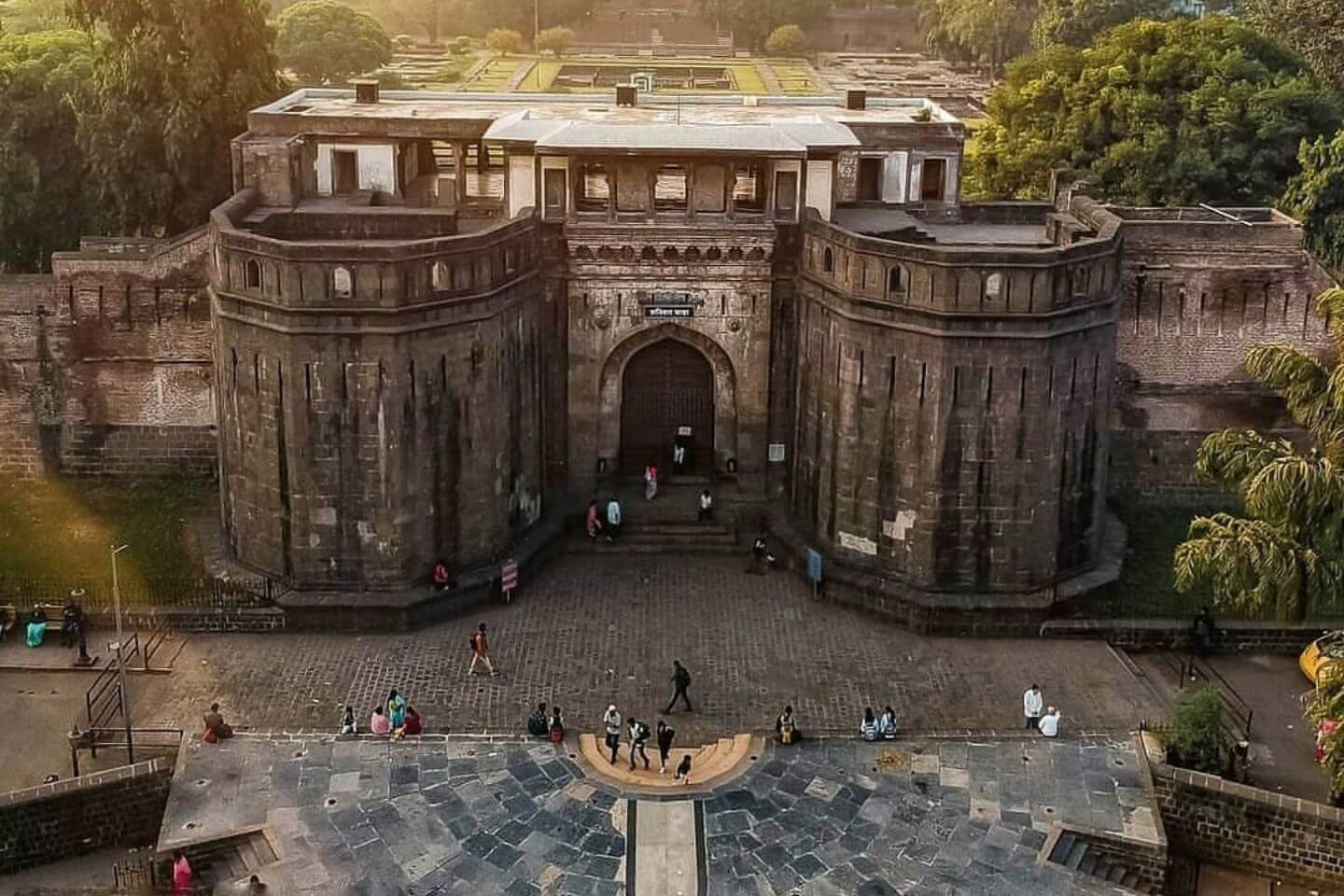
Shaniwar Wada A prominent historical landmark in Pune is Shaniwarwada, a majestic 286 year-old fortification which was built in 1732 and which was the seat of the Peshwas of the Maratha Empire in their heydays. In 1828, the fort was destroyed by a huge fire and later the remnants were transformed to become a tourist site. Shaniwarwada was a seven-storied capital building of the Peshwas built by Peshwa Bajirai I and the Peshwas wanted the building to be made of stone alone. However, after the completion of the ground floor, the people of Satara insisted that stone monument can be sanctioned and built only by the Shahu King, not the Peshwas. With respect to it, the Peshwas were asked to continue the construction of the building by using only bricks. But when the British attacked, only the base floor survived while all the other floors were completely destroyed. The major buildings inside the fort are Thora Rayancha Diwankhana or the court reception hall of the eldest royal member, Naachacha Diwankhana which is the dance hall, Juna Arsa Mahal that is the Old Mirror Hall and so on. Since all the buildings were destroyed in the fire, only descriptions of the remaining areas are available currently. The doorways were made of teak arches with ornamental teardrop teak pillars shaped like Suru trunks. Ceilings were beautified by numerous chandeliers and the floors were filled with polished marble adorned with rich Persian rugs. The walls displayed paintings depicting the Hindu epics. The top floor of the building enacted as the residence of the Peshwa and it was called Meghadambari. The Shaniwar Wada, although ridden with tales of treachery and deceit, is one of the last standing testimonies to the grandeur, valour, and the just rule of the Peshwas. The entire old part of the city of Pune is laid out in a chaotic yet ironically, orderly fashion all around this historical structure. It is around Shaniwar Wada that you will find the oldest markets of Pune including Laxmi Road, Tulshibaug, Ravivar Peth etc. Shaniwarwada is open all days of the week from 8 am to 6:30 pm and there is a Light & Sound show daily. Tickets for the show can be booked between 6:30 – 8:30 pm. Entry fee for Indian citizens is INR 5 while for foreigners it is INR 125. The price of the Light & Sound show is INR 25 per person.
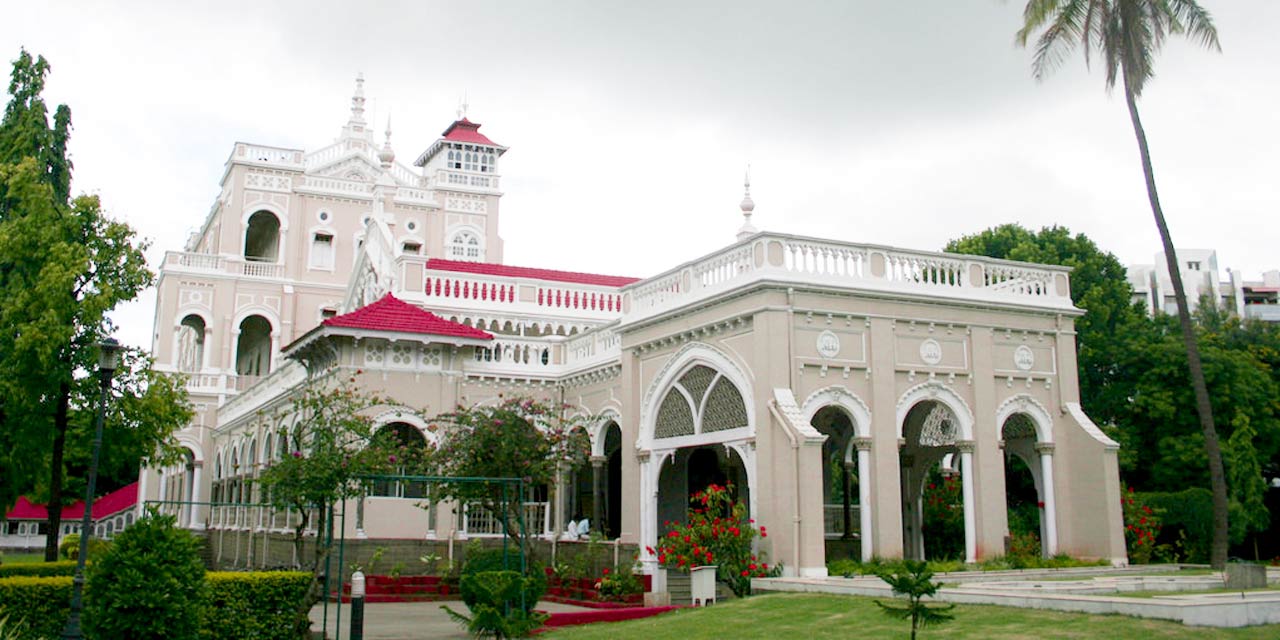
Aga Khan Palace Built by Sultan Muhammed Shah Aga Khan III in the year 1892, the Aga Khan Palace is one of the most important landmarks in Indian history and has been instrumental in many defining moments of India’s independence. It was once the site where Mahatma Gandhi, his wife Kasturba Gandhi, as well as Sarojini Naidu and Mahadev Desai were held prisoners. Spread over a vast land of 19 acres, the palace is now the headquarters of the Gandhi National Memorial society. The Sultan built the palace to support the poor in the neighbouring areas who were hit by a famine. In the memory of Kasturba Gandhi and Mahadev Desai, architect Charles Corea had their memorials built in the premises of the palace. The palace houses a museum which holds a rich collection of pictures. There are also other items like the personal belongings of Gandhis. The Palace also has the ashes of Mahatma Gandhi buried in its ground. In 2003, the monument was declared to be of national importance by the Archaeological Survey of India. The palace is open all days of the week from 9 am to 5:50 pm and entry fee for Indians is INR 5 while that for foreigners it is INR 100.
Lal Mahal Located near Shaniwarwada, Lal Mahal or Red Palace is a historic landmark from the 16th century. Subject to innumerable attacks and initial revival, the palace has significant stories to tell. It was first restored by Shivaji’s father Shahaji Bhosle for his family to stay in the 1630s. The original one had undergone several destructions and the current one is a reconstructed structure, built between 1984 and 1988. Shivaji’s wedding with Maharani Saibai took place in this palace. There is nothing much that this place exhibits or explains because of continuous harm to the building. Consequently, it leaves much to imagination like how big it was, how many rooms etc. The original monument was constructed with the aim of rejuvenating the city of Pune when Dadoji Kondev entered the city with Shivaji Maharaj. Pune Municipal Corporation was the one who rebuilt the current Lal Mahal and the construction was begun in 1984 and ended in 1988. The current palace displays a collection of large sized oil paintings based on the important events happened in the life of Shivaji. There is the Jijamata Garden now recognised as a recreational park for kids.The palace is open on all days between 9 am and 1 pm and then again between 4 – 8 pm. Entry fee for all is INR 3 per person.
Dagdusheth Halwai Ganpati Temple The Shreemant Dagdusheth Halwai Ganapati temple is a famous Pune landmark which is visited by thousands of pilgrims each year. The annual ten-day Ganesh festival celebrated at the temple is the main festival at this temple. The inception of the temple took place over 125 years ago in 1893 by Shri Dagdusheth Halwai (a confectioner) and his wife, Lakshmibai. The idol of Lord Ganapati is 2.2 meters high and 1 meter wide and is adorned with almost 40 kilos of gold. The main idol is insured for a sum of INR 10 million. The temple is open daily from 6 am to 11 pm.
Parvati Hill Temple Constructed as the personal temple of the Peshwas by Balaji Baji Rao in the 17th century, the Parvati Hill Temple rises over 2,000 feet and offers sweeping views of the city. It serves as a shrine for several Hindu Gods- God Shiva, Goddess Parvati, God Vishnu, Goddess Rukmini and God Vitthalla, and God Vinayakar. The Parvati temple, a black stone structure which lies among four other temples and the Peshwa Museum and Parvati Water Tank on the hill however, is dedicated to Goddess Parvati and Lord Shiva. The hill is accessed by climbing 103 stone steps which were originally designed to allow elephants to ascend and descend from the hill. It doesn’t take anyone longer than 10 minutes to reach the top. The hill is the highest point in Pune. The gates of the temple open at 5.00 am and 8.00 pm, while the hill is open daily from 8 am to 5 pm. Sunsets from the hill is beautiful and is favourite activity of Punekars.
Pataleshwar Cave Temple An atypical rock cut cave temple, the Pataleshwar Cave Temple is an ancient temple that dates back to the 8th century during the Rashtrakuta period. The temple is also known as Panchaleshvara or Bamburde temple. The main God in the temple is by Lord Pataleshwar, who is the God of the Underworld, a form of Lord Shiva. Carved out of a single magnanimous rock, this spellbinding monolith originally was located outside the town and when the city limits were expanded, the temple is situated now in downtown Pune. It has been declared as a protected monument by the government. The construction of the temple was inspired by the majestic Elephanta Caves but it was left incomplete. For the same reason, the temple has no real entrance; the only major entrance is next to a banyan tree in the courtyard. The temple is maintained by the Archaeological Survey of India (ASI). The temple is open from 8 am to 5:30 pm and entry is free.
Vetal Tekdi A prominent hill in the city limits of Pune is Vetal Hill which is the highest point at an elevation of 2600 feet. Vetala temple is also located on the top of the hill and that is how the hill got its name as Vetal Hill. Adventure seekers come here in plenty to escape from the hustles and bustles of the city and it is a great morning trek location. The hill surrounds the city across a distance of almost 11 km and acts as the lungs of the city. Vetal Tekdi has a mostly dry deciduous type of vegetation and a number of bird species that are native to the region also call it home. In fact, it is not unusual to spot a peacock or two lingering on the premises early in the morning. Near the temple, there is an observation desk set up by the Indian Forest Department. Vetal Tekdi has two spurs named Fergusson College Hill and Chatturshrungi Hill. There is no particular timing to visit the hill but it is advised to trek up the hill before dawn to enjoy the beautiful sunrise and the unbeatable serenity.
Sinhagad Fort Located in the Sahyadri Mountains, Sinhagad Fort is an ancient fortress known for its historical significance and architecture. It was once known as Kondhana and has witnessed a number of battles; a notable battle being the 1670 Battle of Sinhagad. The name, “Sinhagad”, literally means Lion’s Fort signifying its strength and brilliance. Today, the structure is a perfect landmark for trekkers as it is located at a height of over 750 metres in the Sahyadri Mountains. In fact, the fort is strategically built right in the centre of the line of Maratha forts built in the Sahyadris. Some of these citadels are the Rajgad Fort, Torna Fort and the Purandar Fort. The place is also famous among photographers and nature lovers. Sinhagad Fort and its surroundings mostly provide a good environment for a quick getaway. People living nearby often head to the attraction over the weekend. Back in the time, renowned personalities like Bal Gangadhar Tilak, Mahatma Gandhi have also visited the fort for meetings and holidays. The mountain also serves as a great location for training of the National Defence Academy Students. They hike up the hill till the fort in complete battle gear. Due to its historical and cultural significance, there are restrictions on partying, cooking/ consuming non-vegetarian food, alcohol etc. Nonetheless, one is bound to have a great time if they avoid these activities and soak in the dilapidated yet striking structure and the scenic surroundings.
Shivneri Fort Shivneri Fort is the birthplace of the founder of the Maratha Empire, Chhatrapati Shivaji Maharaj. It was built in the 16th century and was recognised as a military fortification. The place is also famous for being the place where Chhatrapati Shivaji Maharaj was trained. Its proximity from Pune, atop a hill with Junnar at its base, makes Shivneri Fort a good picnic spot for the locals. Its sheer magnificence draws a considerable number of visitors each year. Plus, there are some more attractions nearby which can be covered along with the fort in a day. Its terrain makes it a good trekking route too. Having said that, several history lovers are also drawn to the attraction for its historical significance. An English Traveller, Fraze, who visited Shivneri Fort in the late 17th century noticed that the fort was so well managed that it has enough supplies to feed thousands of families for about 6 to 7 years. The ancient architecture and its massive built is also worth a visit to Shivneri Fort.
On the verge of a stilted life as an aristocrat’s wife, Poppy Hammond does the only sensible thing—she flees the chapel in her wedding gown.
Assisted by the handsome curate who calls himself Sebastian Cantrip, she spirits away to her estranged father’s quiet country village, pursued by the family she left in an uproar. But when the dust of her broken engagement settles and Sebastian disappears under mysterious circumstances, Poppy discovers there is more to her hero than it seems.
With only her feisty lady’s maid for company, Poppy secures employment and travels incognita—east across the seas, chasing a hunch and the whisper of clues. Danger abounds beneath the canopies of the silken city, and Poppy finds herself in the perilous sights of those who will stop at nothing to recover a fabled ancient treasure. Torn between allegiance to her kindly employer and a dashing, shadowy figure, Poppy will risk it all as she attempts to unravel a much larger plan—one that stretches to the very heart of the British government, and one that could endanger everything, and everyone, that she holds dear.




.jpg.jpg?1458196297)




 Memories and Such