In My Hands Today…

Born a Crime: Stories From a South African Childhood – Trevor Noah

Trevor Noah’s unlikely path from apartheid South Africa to the desk of The Daily Show began with a criminal act: his birth. Trevor was born to a white Swiss father and a black Xhosa mother at a time when such a union was punishable by five years in prison. Living proof of his parents’ indiscretion, Trevor was kept mostly indoors for the earliest years of his life, bound by the extreme and often absurd measures his mother took to hide him from a government that could, at any moment, steal him away. Finally liberated by the end of South Africa’s tyrannical white rule, Trevor and his mother set forth on a grand adventure, living openly and freely and embracing the opportunities won by a centuries-long struggle.

Born a Crime is the story of a mischievous young boy who grows into a restless young man as he struggles to find himself in a world where he was never supposed to exist. It is also the story of that young man’s relationship with his fearless, rebellious, and fervently religious mother—his teammate, a woman determined to save her son from the cycle of poverty, violence, and abuse that would ultimately threaten her own life.

World Radio Day

Radio is something that used to be a huge part of our lives, but which sadly today is not much in use. Advances in technology have given people more ways to access an increasing amount of information, but radio still plays a vital role in today’s world. Radio is more than just announcers, news and songs. Radio is about companionship and the emotional connection with the listener. Radio is also a source of innovation that pioneered interaction with audiences and user-generated content decades before they became mainstream and offers a wonderful display of diversity in its formats, in its languages, and among radio professionals themselves.Radio broadcasts provide real-time information, and some that broadcast 24 hours a day, can provide the most recent updates to listeners. Radio has the ability to reach across borders and can become a valuable source of information where reliable news is scarce, and in communities that still do not have a reliable source of television or the internet, it is radio that provides them with news and entertainment. Radio has proved its worth in times of emergency such as when access to the mobile network is down as a result of an overload, or phone lines are cut. Even when there is no electricity, most radio sets can be battery operated or have the ability to be handcranked. In small communities, it also provides an outlet for regular community messaging and activities. More importantly, radio is easy to use, it’s live and it’s human. For more than 80 years, radio has survived and prospered by being the easiest of media to use.

Radio is a powerful medium for celebrating humanity in all its diversity and constitutes a platform for democratic discourse. At the global level, radio remains the most widely consumed medium. This unique ability to reach out the widest audience means radio can shape a society’s experience of diversity, stand as an arena for all voices to speak out, be represented and heard. Radio stations should serve diverse communities, offering a wide variety of programs, viewpoints and content, and reflect the diversity of audiences in their organizations and operations. A low-cost medium specifically suited to reaching remote communities and vulnerable people, radio offers a platform to intervene in the public debate, irrespective of people’s educational level. It also plays a crucial role in emergency communication and disaster relief. Radio is uniquely positioned to bring communities together and foster positive dialogue for change. By listening to its audiences and responding to their needs, radio services provide the diversity of views and voices needed to address the challenges we all face.

In 2011, the United Nations decided to establish a World Radio Day on the basis of a wide consultation process. 13 February was chosen because that was the day United Nations Radio was established in 1946. The objectives of World Radio Day are to raise greater awareness among the public and the media of the importance of radio; to encourage decision makers to establish and provide access to information through radio; as well as to enhance networking and international cooperation among broadcasters.

For World Radio Day 2021, the celebrations are about the event’s 10th anniversary and the more than 110 years of radio. The 2021 theme is New World, New Radio, which recalls how this medium is part of humanity’s history by following the various developments in our society and adapting its services. As the world changes, so does radio. Thus, during the Covid 19 pandemic, radio made it possible, for example, to ensure continuity of learning, to fight against misinformation, and to promote barrier gestures. The theme is divided into three main sub-themes.

The first is Evolution – the world changes and radio evolves which refers to the resilience of the radio and its sustainability. Radio has indeed accompanied historical moments, like moments that are personal to us. Broadcasts and public speaking marked an era. Voices and music have accompanied our daily lives. Debates opened our minds. Radio has been following changes in our world for over a century, evolving with it. Radio remains the world’s witness and relay.

The second sub-theme is Innovation – the world changes and radio adapts and innovates which refers to the fact that radio has had to adapt to new technologies to remain the go-to medium of mobility, accessible everywhere and to everyone. Whereas yesterday’s radio was simply a transistor on our kitchen tables, nowadays the radio follows us on each of our trips thanks to smartphones. Technological progress and digitization have made it possible for the radio to adapt to our new behaviors and lifestyles. Radio is no longer just a sound medium: today, the radio is listened to on TV, and TV is heard on the radio.

The last sub-theme is Connection – the world changes and radio connects with the sub-theme highlighting radio’s services to our society including natural disasters, socio-economic crises and epidemics. No matter the events, radio connects us to forge or maintain links. Public service announcements, alerts, and broadcasts, ensuring the continuity of learning, are examples of services provided and solutions offered by radio to best meet listeners’ needs.

So how can you celebrate World Radio Day? You can remind yourself and others that radio has been part of our media landscape for years and evolves according to events, the sanitary, socio-economic, political, and legislative contexts. You can encourage the connection and maintenance of the link that radio provides thanks to the various services offered, in all circumstances and worldwide. And lastly emphasise the different ways to listen to the radio, anytime and anywhere, making it the number one media for mobility thanks to its adaptation to new technologies.

In My Hands Today…

The Subtle Art of Not Giving a F*ck: A Counterintuitive Approach to Living a Good Life – Mark Manson

In this generation-defining self-help guide, a superstar blogger cuts through the crap to show us how to stop trying to be “positive” all the time so that we can truly become better, happier people.

For decades, we’ve been told that positive thinking is the key to a happy, rich life. “Fk positivity,” Mark Manson says. “Let’s be honest, shit is fked and we have to live with it.” In his wildly popular Internet blog, Manson doesn’t sugarcoat or equivocate. He tells it like it is—a dose of raw, refreshing, honest truth that is sorely lacking today. The Subtle Art of Not Giving a F**k is his antidote to the coddling, let’s-all-feel-good mindset that has infected American society and spoiled a generation, rewarding them with gold medals just for showing up.

Manson makes the argument, backed both by academic research and well-timed poop jokes, that improving our lives hinges not on our ability to turn lemons into lemonade, but on learning to stomach lemons better. Human beings are flawed and limited—”not everybody can be extraordinary, there are winners and losers in society, and some of it is not fair or your fault.” Manson advises us to get to know our limitations and accept them. Once we embrace our fears, faults, and uncertainties, once we stop running and avoiding and start confronting painful truths, we can begin to find the courage, perseverance, honesty, responsibility, curiosity, and forgiveness we seek.

There are only so many things we can give a fk about so we need to figure out which ones really matter, Manson makes clear. While money is nice, caring about what you do with your life is better, because true wealth is about experience. A much-needed grab-you-by-the-shoulders-and-look-you-in-the-eye moment of real-talk, filled with entertaining stories and profane, ruthless humor, The Subtle Art of Not Giving a Fk is a refreshing slap for a generation to help them lead contented, grounded lives.

World Pulses Day

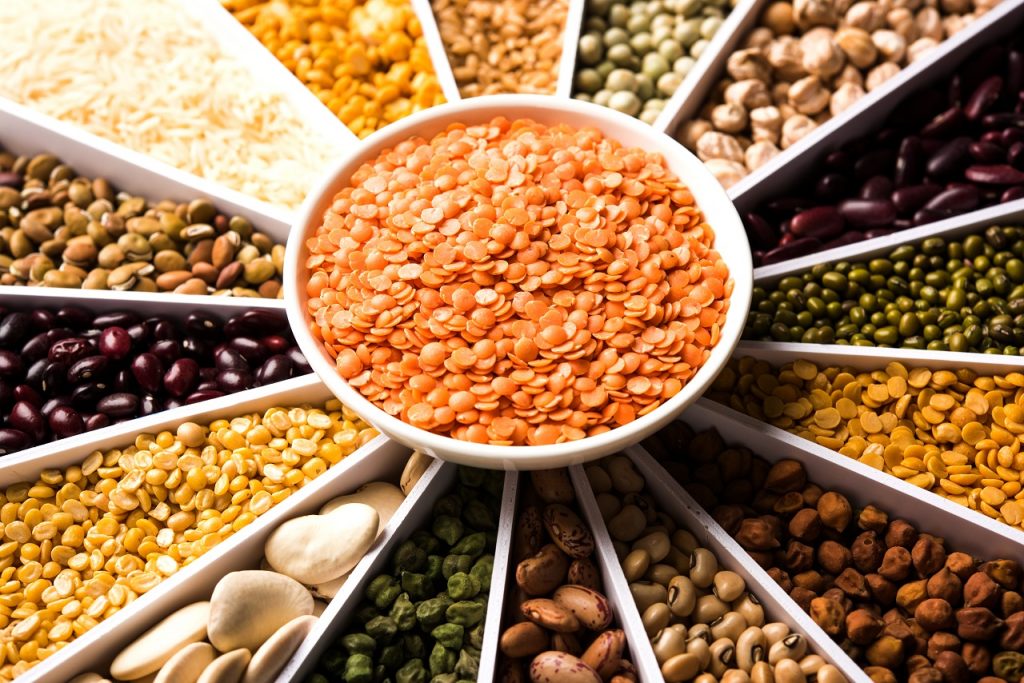
As a vegetarian, pulses are essential to our diet and there is no meal without pulses in some form or the other in our meal. Also known as legumes, pulses are the edible seeds of leguminous plants cultivated for food. Dried beans, lentils and peas are the most commonly known and consumed types of pulses. Pulses do not include crops that are harvested green like green peas and green beans which are classified as vegetable crops. Also excluded are those crops used mainly for oil extraction like soybeans and groundnuts as well as leguminous crops that are used exclusively for sowing purposes like the seeds of clover and alfalfa.

So why are pulses important crops? Pulses are packed with nutrients and have a high protein content, making them an ideal source of protein particularly in regions where meat and dairy are not physically or economically accessible. Pulses are low in fat and rich in soluble fiber, which can lower cholesterol and help in the control of blood sugar. Because of these qualities they are recommended by health organizations for the management of non-communicable diseases like diabetes and heart conditions and pulses have also been shown to help combat obesity.

In addition to the above, pulses are naturally low in fat and contain no cholesterol, which can contribute to reducing the risk of cardiovascular diseases. They are also low in sodium which is a contributor to hypertension. Pulses are a great source of plant-based protein. 100 grams of dry lentils contain a remarkable 25 grams of protein and during cooking, pulses absorb considerable amounts of water, reducing their protein content to around 8 percent. The protein quality of cooked pulses can be increased by simply combining them with cereals in a meal, like lentils with rice, classic Indian food combination. Pulses are a good source of iron and combining them with food containing vitamin C can help optimise optimise the absorption of iron in bodies from pulses, like lemon juice on a dal perhaps. Pulses are high in potassium, which supports heart health and plays an important role for digestive and muscular functions and are often quoted among the top high fibre foods, necessary for supporting digestive health and helping to reduce the risks of cardiovascular diseases as well as an excellent source of folate essential to the nervous system function and especially important during pregnancy to prevent foetal defects. They are low glycaemic index foods and help stabilise blood sugar and insulin levels, making them suitable for people with diabetes and ideal for weight management as well as being naturally gluten-free, they make an ideal food option for coeliacs.

For farmers, pulses are an important crop because they can both sell them and consume them, which helps farmers maintain household food security and creates economic stability. Pulses are also good for the environment because the nitrogen-fixing properties of pulses improve soil fertility, which increases and extends the productivity of the farmland. By using pulses for intercropping and cover crops, farmers can also promote farm biodiversity and soil biodiversity, while keeping harmful pests and diseases at bay. Pulses also contribute to climate change mitigation by reducing dependence on the synthetic fertilizers used to introduce nitrogen artificially into the soil. Greenhouse gases are released during the manufacturing and application of these fertilizers, and their overuse can be detrimental to the environment.

Recognising the value of pulses, the UN General Assembly on 20 December 2013, proclaimed 2016 as the International Year of Pulses which increased the public awareness of the nutritional and environmental benefits of pulses as part of sustainable food production. Building on the success of the International Year of Pulses, Burkina Faso proposed the observance of World Pulses Day and 10 February 2019 was proclaimed as the first World Pulses Day.

Most cultures and cuisines across the world feature pulses in some form or the other. The Indian cusine across states features pulses in different formats from the staple dals and sambars to other dishes like vadas and pakoras. Other dishes include the hummus and falafel from the Mediterranean made of chick peas, to a traditional full English breakfast which usually include baked navy beans, the Bandeja Paisa from Colombia. So try to incorporate some pulses in your daily diet for health!

In My Hands Today…

No Rules Rules: Netflix and the Culture of Reinvention – Reed Hastings and Erin Meyer

There has never before been a company like Netflix. It has led nothing short of a revolution in the entertainment industries, generating billions of dollars in annual revenue while capturing the imaginations of hundreds of millions of people in over 190 countries. But to reach these great heights, Netflix, which launched in 1998 as an online DVD rental service, has had to reinvent itself over and over again. This type of unprecedented flexibility would have been impossible without the counterintuitive and radical management principles that cofounder Reed Hastings established from the very beginning. Hastings rejected the conventional wisdom under which other companies operate and defied tradition to instead build a culture focused on freedom and responsibility, one that has allowed Netflix to adapt and innovate as the needs of its members and the world have simultaneously transformed.

Hastings set new standards, valuing people over process, emphasizing innovation over efficiency, and giving employees context, not controls. At Netflix, there are no vacation or expense policies. At Netflix, adequate performance gets a generous severance, and hard work is irrel-evant. At Netflix, you don’t try to please your boss, you give candid feedback instead. At Netflix, employees don’t need approval, and the company pays top of market. When Hastings and his team first devised these unorthodox principles, the implications were unknown and untested. But in just a short period, their methods led to unparalleled speed and boldness, as Netflix quickly became one of the most loved brands in the world.

Here for the first time, Hastings and Erin Meyer, bestselling author of The Culture Map and one of the world’s most influential business thinkers, dive deep into the controversial ideologies at the heart of the Netflix psyche, which have generated results that are the envy of the business world. Drawing on hundreds of interviews with current and past Netflix employees from around the globe and never-before-told stories of trial and error from Hastings’s own career, No Rules Rules is the fascinating and untold account of the philosophy behind one of the world’s most innovative, imaginative, and successful companies.