

Ranganathaswamy Temple, Srirangam, Tamil Nadu
The Ranganathaswamy Temple isn’t just a landmark in Tamil Nadu. It’s considered the foremost Divya Desam, the sacred abode of Vishnu. Located on Srirangam Island in Tiruchirappalli, it stands as both a spiritual heart and a living city. Pilgrims see it as the gateway to heaven. Locals see it as the soul of their community. And for anyone curious about faith, architecture, or Indian culture, it’s a site where every stone tells a story.
Stories shape Srirangam’s sacred identity. Legends say the idol of Ranganatha, the reclining Vishnu, was first worshipped by Brahma in the celestial world. The god then gave it to King Ikshvaku of the solar dynasty. The idol was passed down through generations before Rama, the hero of the Ramayana, gave it to Ravana’s brother Vibhishana as a blessing. Vibhishana set out for Lanka, but as he rested on the banks of the Kaveri, the idol rooted itself at Srirangam, refusing to be moved. Vishnu had chosen where he’d rest eternally.
Another legend tells how the temple became central to spiritual drama. The four child sages, Sanaka and his brothers, wanted to see Vishnu in heaven. Blocked by Jaya and Vijaya, the lord’s guardians, they cursed them, leading the doorkeepers to be born as powerful opponents in three lifetimes. Vishnu took avatars to defeat them each time. In this tale, the temple’s idol facing south is a reminder: Srirangam wasn’t just a holy site but a stage for cosmic justice, love, and spiritual growth.
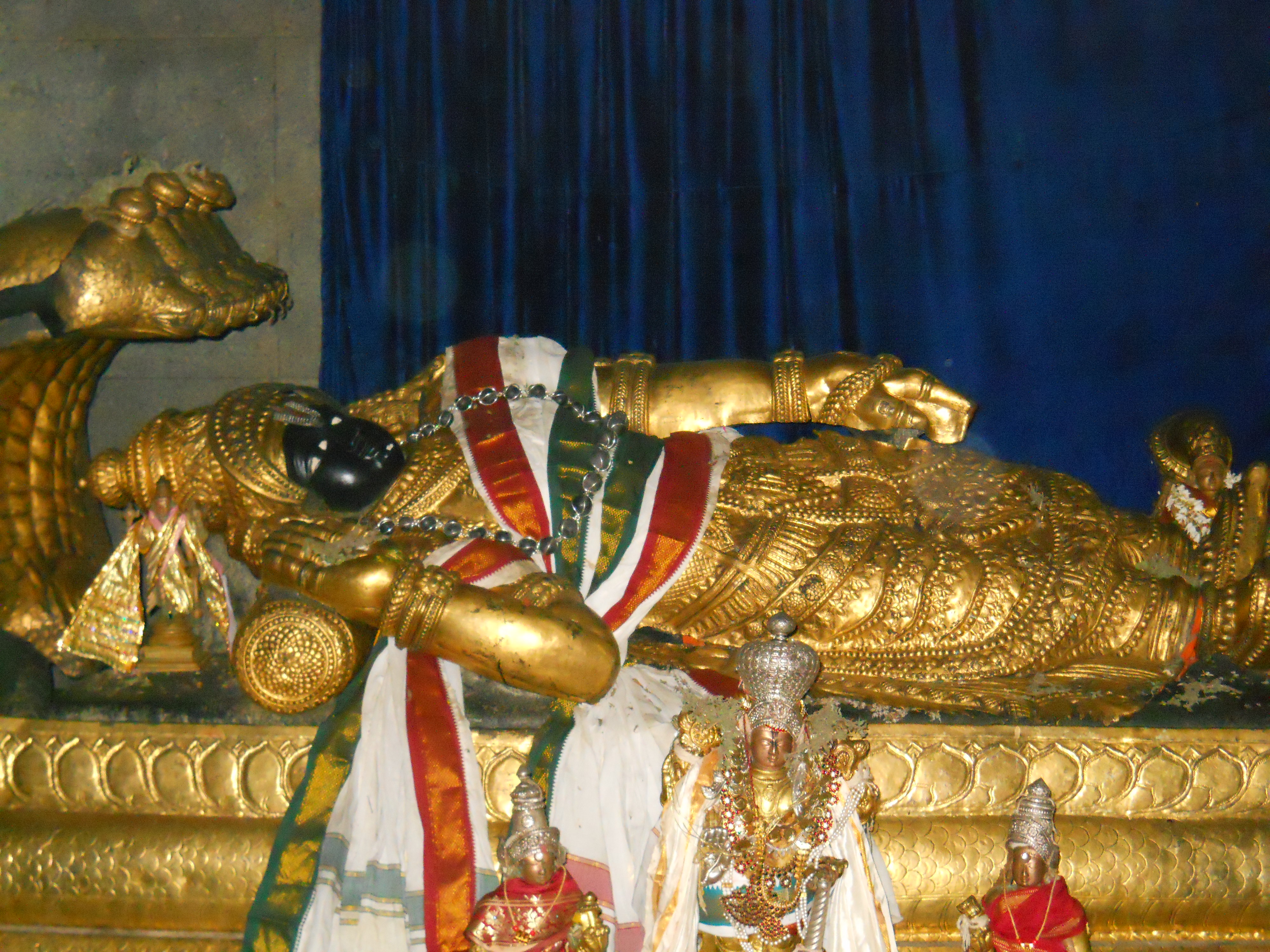
The temple’s stone walls have witnessed centuries of history: worship, war, and renewal. The first structure was built by the Chola king Dharmavarma. It was destroyed by Kaveri floods and rebuilt by the early Cholas, with major work happening between 100 CE and 300 CE. Later rulers, Chola, Pandya, Hoysala, Maratha, and Vijayanagara, added halls, towers, and shrines, leaving inscriptions from the seventh to seventeenth centuries.
History wasn’t always kind. In 1311, Malik Kafur, a general of the Delhi Sultanate, raided Srirangam, looted its treasures, and took the temple’s golden idol to the north. Tamil legends describe how the priests and devotees risked their lives to bring the idol back. Sometimes, the story pivots to the Sultan’s daughter, who fell in love with the idol and eventually surrendered it after much drama and music. Even when invaders controlled the temple for years, spiritual life somehow endured, and the community kept its identity. Restoration only began after Vijayanagara rulers conquered the region in the 1370s, bringing the temple back to life.
During these centuries, the temple drew great saints and thinkers. Ramanujacharya, the influential philosopher who shaped Vishistadvaita, spent years at Srirangam. His teachings, shaped inside these walls, spread far beyond, defining a major tradition of Hindu thought. Scriptural study, scholarship, and fresh rituals flourished, making the temple not just a place of prayer but a centre of learning.

Srirangam is more than ornate; it’s awe-inspiring in scale and detail. Spread over 156 acres, it’s the largest active Hindu temple complex in the world. There are seven concentric walls or prakarams, creating nested enclosures for shrines, water tanks, residential quarters, and even shops. This design mirrors cosmic ideas: circles within circles, each wall carrying its own history and role.
The Rajagopuram, the grand entrance tower, rises to nearly 240 feet, one of the tallest in Asia. Other gopurams, spaced along the walls, guide crowds like beacons, their vibrant colours seen from miles away. Every inch brims with carvings, mixing mythic tales and celestial beings. The temple’s mandapams, pillared halls for worship, songs, and gathering, are full of stories etched in stone.
Dravidian architecture shines here. No detail is overlooked. Pillars show gods, mortals, animals, and scenes from epics. Ceiling panels glow with paintings from different eras, each restoration adding layers. Sacred water tanks, or pushkarinis, sit at the heart of community and ritual. All of this turns the temple into a living museum, capturing centuries of artistry and devotion.

Ritual is the heartbeat of Srirangam. The daily pujas follow strict tradition, with priests tending the main deity early each morning, chanting ancient hymns, and decorating the idol with fresh garlands. Offerings of food, music, and light keep spiritual life moving. Special agro-based rituals keep in sync with the harvest, a sense that God and nature work together.
Festivals here are unforgettable. Vaikunta Ekadasi stands out: for 21 days in December-January, the temple is packed to the brim. Devotees line up to walk through the Vaikunta Dwaram, a gateway imagined as the door to paradise; hundreds of thousands come in hope. The temple organises annadhanams, free meals for all. Songs, drums, and processions fill the streets. Other festivals cleanse the sacred spaces, celebrate solar movements, and mark calendar milestones. Certain rituals involve purifying the sanctum with herbal oils, changing the sacred thread on idols, or massive ablutions.
Local customs shape the rhythm of the temple’s days. In Srirangam, worship spills out into the lanes: residents keep altars in their homes, offer produce, and gather for prayers in open courtyards. Priests and devotees share ties across generations, linking ritual to community.

For pilgrims, reaching Srirangam is both ordinary and profound. The island sits between two branches of the Kaveri River, so approaching often means crossing a bridge, winding through busy streets, and passing vendors selling flowers and beads. As you move closer, gopurams rise on the skyline. The temple-city feels alive at all hours, full of people and bustling shops. Everything centres on the main deity, Sri Ranganatha, inside.
In the village atmosphere, hospitality runs deep. Lodges and dharmshalas welcome travellers. Local people often share directions, offer advice, and sometimes offer simple food. A pilgrimage here means walking: the temple’s gates require devotees to remove shoes, be patient in crowds, and soak up the energy rather than rush through. Collective memories colour the experience; everyone has a story, whether about a lucky prayer answered, a hardship overcome, or just the generosity of Srirangam folk.
After darshan, seeing the deity, many eat in the temple’s annadhanam hall, a communal ritual of sharing food as a blessing. Some wander side streets visiting shrines; others sit quietly by the water tank or under shade trees. The pilgrimage isn’t a single event; it’s an immersion in something larger than oneself.

Srirangam influences more than ritual; it sinks roots into art, literature, and identity. The temple’s music and dance traditions run deep. Famous poets and musicians have performed here, making it a hub for kirtans and recitals. Ramanujacharya didn’t just meditate; he argued, taught, and wrote here, his works changing the direction of Hindu philosophy.
Manuscripts and palm-leaf books in the temple’s library are treasures for researchers. Over time, local festivals and processions have shaped collective memory. The colours, drums, and chants have made their way into Tamil literature, storytelling, and even film. The temple grounds also functioned as schools, the learning centres where kids from local families studied not just scripture but also poetry, math, and ethics.
The blend of spiritual and worldly culture means Srirangam is more than itself. Its stories, of how gods, kings, and poets met are the frame for a resilient local identity. For artists, it’s a source of inspiration. For writers and singers, it’s a stage.
Today, Srirangam Temple balances tradition and change. Management includes both hereditary priests and modern administrative boards. Government and local organisations fund restoration, clean water tanks, and maintain the gopurams. Technology comes in: electric lights brighten the halls, tourists book rooms online, and social media shares festival livestreams.
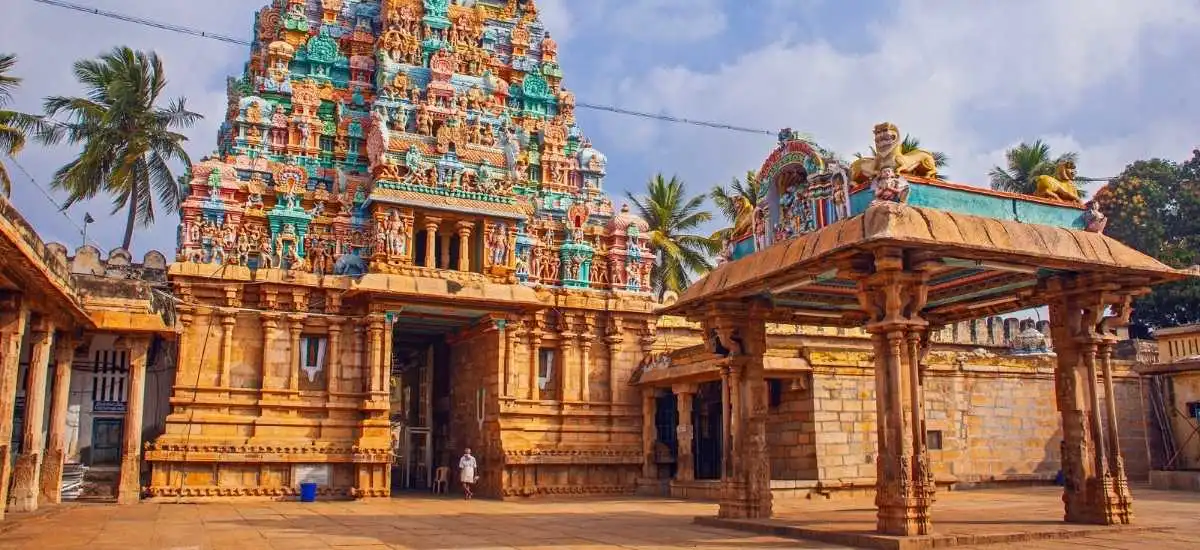
Tourism is booming: crowds swell during festivals, with hundreds of thousands of visitors from across India and the world. Restoration efforts are ongoing, with the government and private groups intent on safeguarding what remains. Local initiatives rebuild roads, renovate shrines, and install new signage to ease visitor flow.
Despite crowds, the temple holds its heart. Annadhanam traditions run strong. Outreach to the poor and local schools keeps the temple rooted in daily life. At the same time, debates keep going on: how best to balance modern needs with sacred roots? Not every visitor is a devotee. Many come for history, art, or just the atmosphere. But for those seeking spiritual renewal, Srirangam remains a place where mystery and meaning endure.
The Ranganathaswamy Temple in Srirangam isn’t just another stop on the Divya Desam circuit. It’s the centre, a place where myth, history, art, and life come together. Its legends speak of cosmic drama and divine mercy. Its walls hold centuries of struggle and renewal, from Chola kings to modern engineers.
For pilgrims, the journey here means more than seeing the idol, it means tracing footsteps, learning old stories, and living communal ties. The temple’s architecture and rituals inspire wonder and reverence, driving continued scholarship and creativity. Festivals and daily worship give rhythm to the city, keeping old traditions alive in new ways.
In the broader landscape of Indian spirituality, Srirangam stands out as proof that faith can build more than walls; it can sustain a living culture, weather upheaval, and renew generation after generation. If you visit, don’t just look at the carvings or join the crowds. Slow down. Notice how history, legend, and everyday life all mix. Listen to the stories. Carry the experience back with you, and see how it shapes your view of the divine.

