Thiruvallur Temple, Thiruvallur, Tamil Nadu
Thiruvallur, located not far from Chennai, is one of the most well-known Divya Desams in northern Tamil Nadu, and yet it carries a quietness that stays with you long after you leave. The presiding deity here is Veera Raghava Perumal, and the goddess is Kanakavalli Thayar. The temple is also known as Thiru Evvul, a name that comes from a simple but meaningful question. When a sage once asked the Lord, “Evvul?” or “Where shall you stay?”, Vishnu chose to remain here. That act of choosing to stay, of not moving on, shapes the identity of this temple. It is not built around a moment of action. It is built around presence.
The central legend of Thiruvallur begins with a sage named Salihotra. According to tradition, he lived a life of discipline and simplicity, offering food daily to anyone who came seeking it. One day, an old man arrived at his hermitage, tired and hungry. The sage offered him food, and the old man ate everything that was served. When he asked for more, the sage gave whatever he had left without hesitation. After the meal, the old man asked for a place to rest. The sage agreed, and the guest lay down, placing his head on the sage’s lap. It was only then that the truth was revealed. The old man was Vishnu himself, testing the depth of the sage’s generosity. When the sage asked where the Lord would stay, the answer came not in words but in action. The Lord remained there, reclining in the same posture, and the place came to be known as Thiru Evvul, the place where the Lord chose to stay.
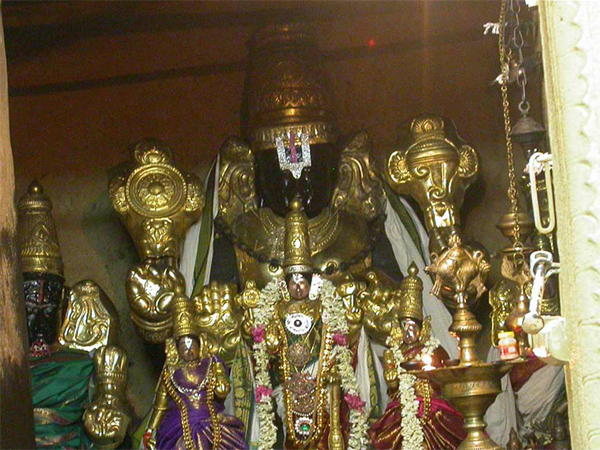
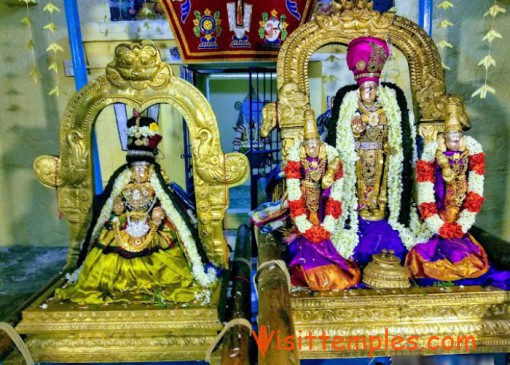
That story shapes the way the deity is seen in this temple. Veera Raghava Perumal is in a reclining posture, resting on Adisesha, but unlike many reclining forms of Vishnu that convey cosmic rest, this form feels closer to human experience. The Lord lies as one who has come as a guest and stayed as a presence. There is something deeply accessible about this image. It does not distance the devotee. It invites them closer. Kanakavalli Thayar’s shrine adds warmth to the space, grounding the experience in compassion. Devotees often move between the two shrines with a sense of familiarity, as though the temple allows for a more personal kind of prayer.
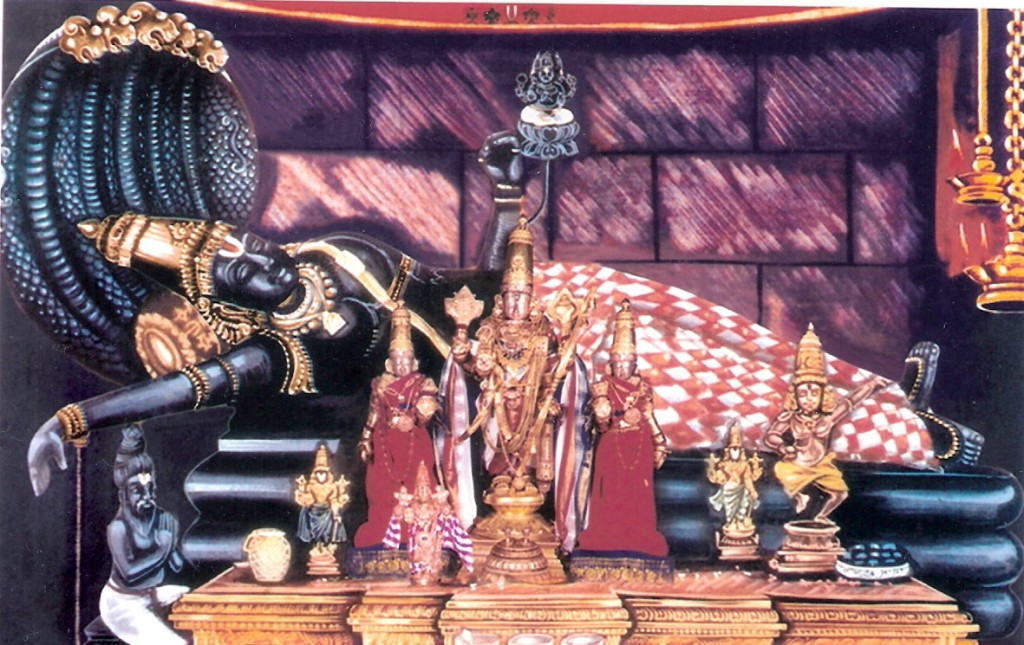
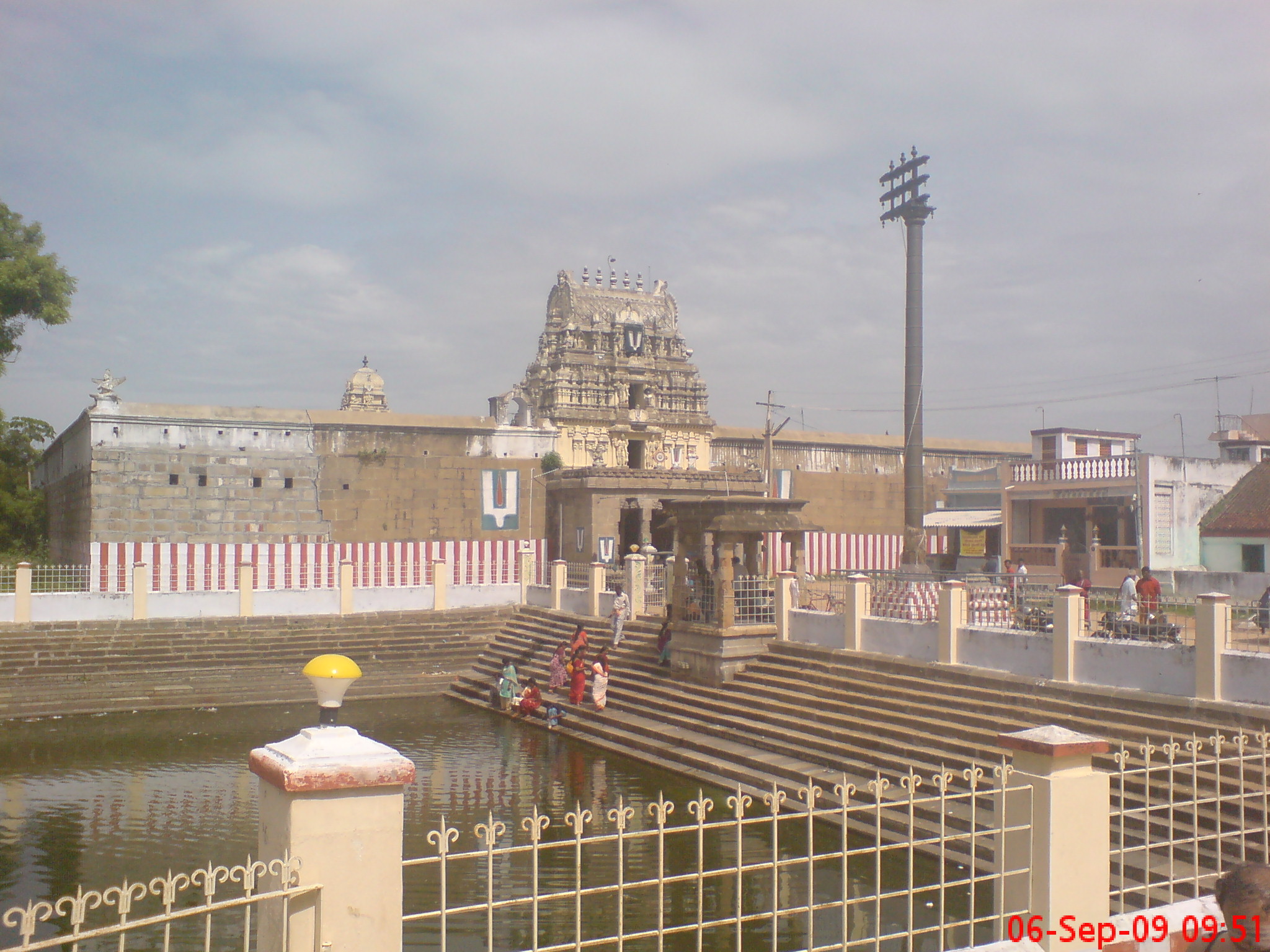
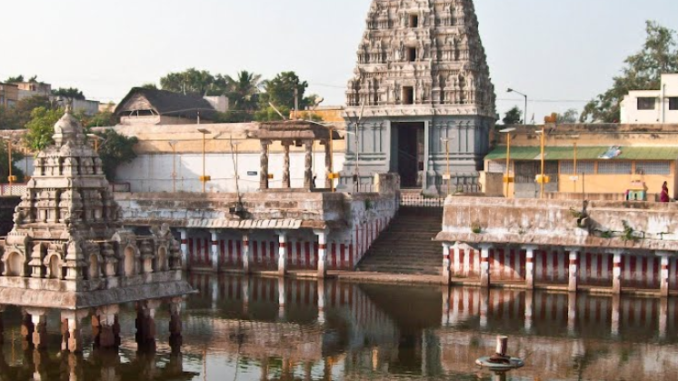
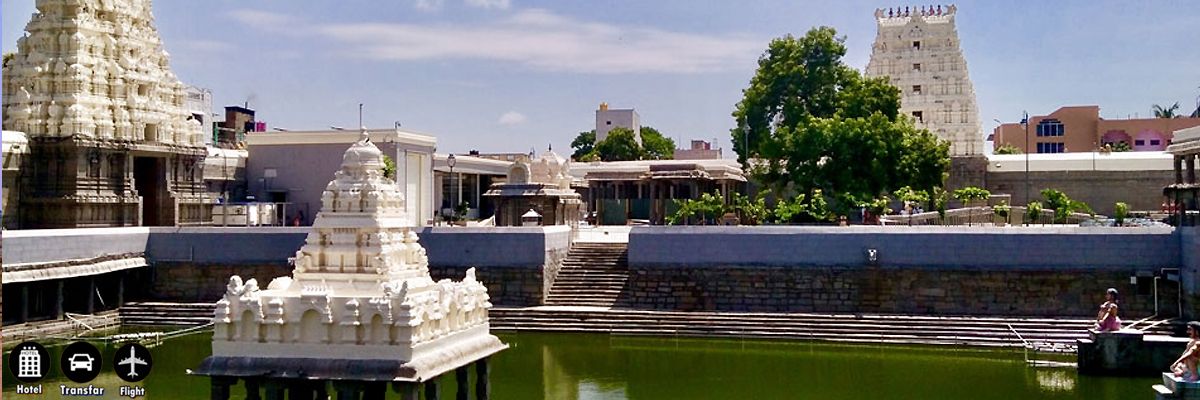
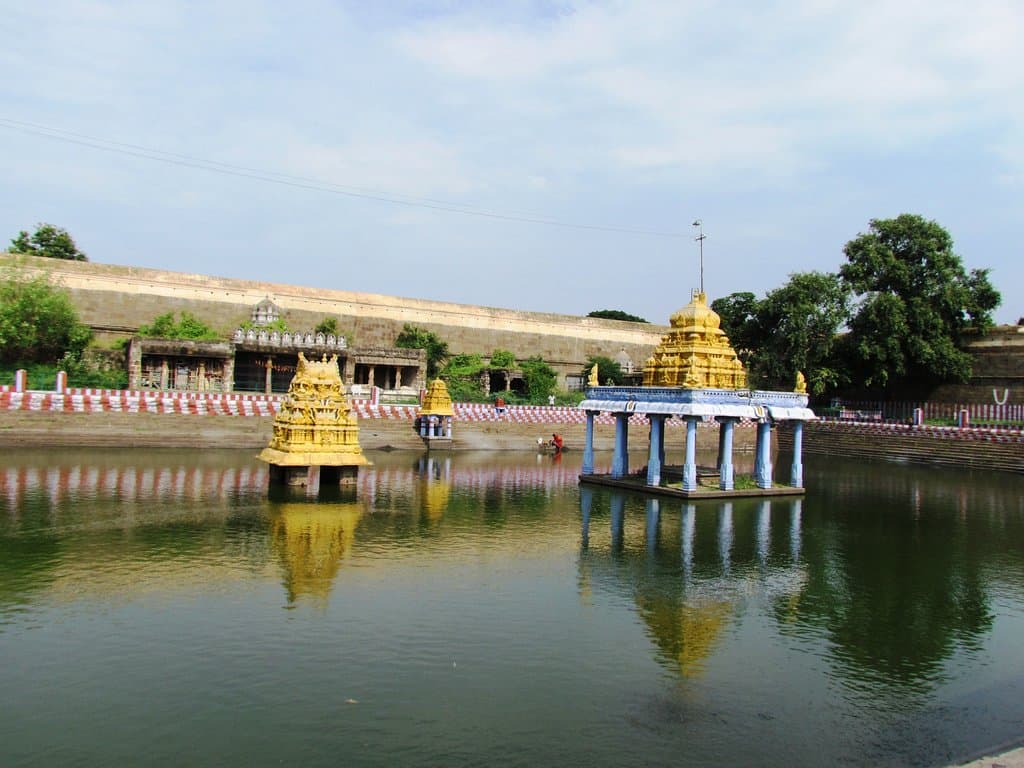
Another important layer of Thiruvallur’s identity is its association with healing. The temple tank, known as Hridaya Pushkarini, is believed to have curative properties, especially for ailments connected with the heart. The connection between the heart and this temple feels appropriate. The central story is about generosity, trust and the ability to give without calculation. It is about the kind of openness that allows the divine to enter quietly. In that sense, healing here is not only physical. It is also emotional. The temple speaks to those who feel burdened, tired or uncertain, offering a space where one can rest without being asked to explain everything.
Historically, Thiruvallur has been an active and important temple for centuries. The structure carries the imprint of Chola and later Vijayanagara patronage, with inscriptions that point to sustained support for rituals, festivals and temple maintenance. Unlike smaller shrines that remained largely local, Thiruvallur grew into a significant pilgrimage site over time. Its location close to Chennai also contributed to its continued relevance. Yet even with that visibility, the temple has retained a sense of inwardness. It does not feel like a place that has been shaped by crowds. It still feels like a place shaped by a story.
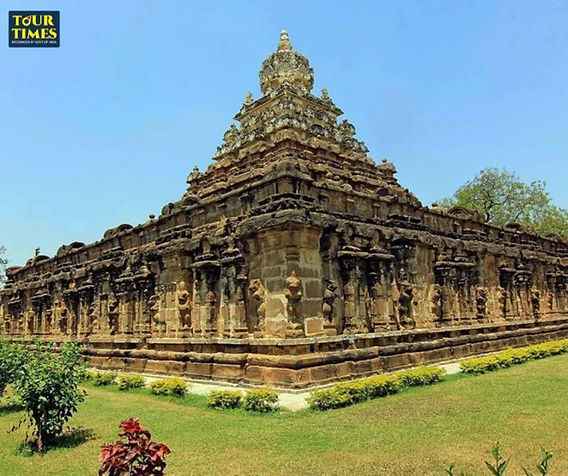
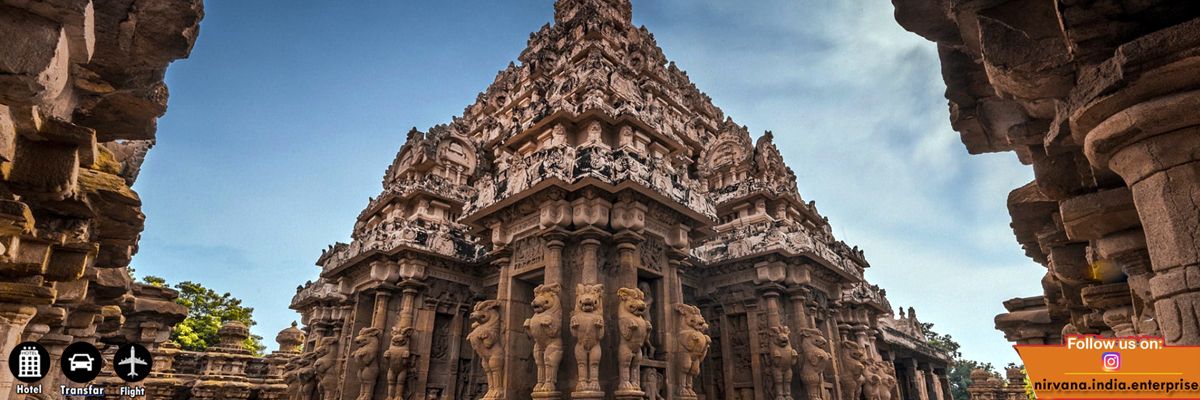
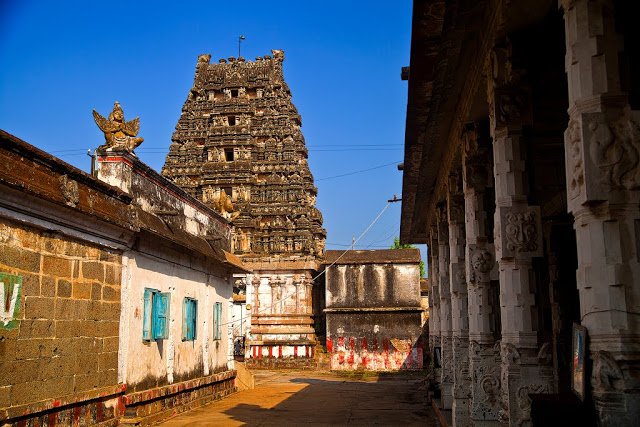
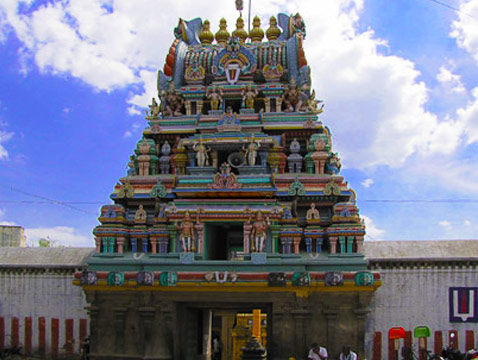
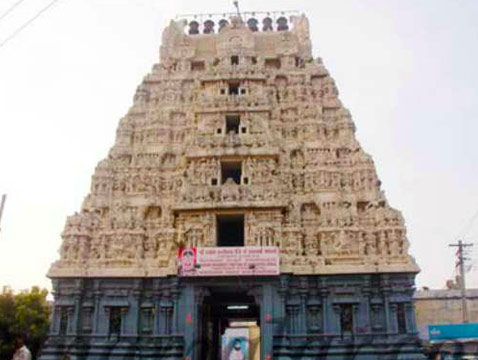
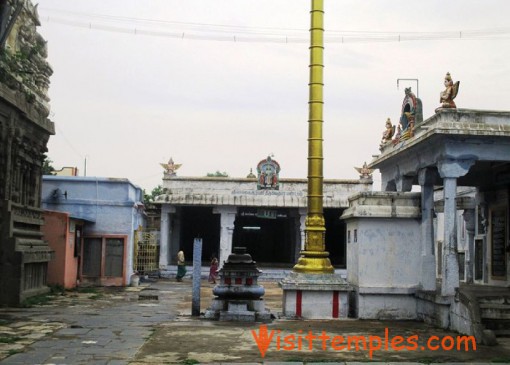
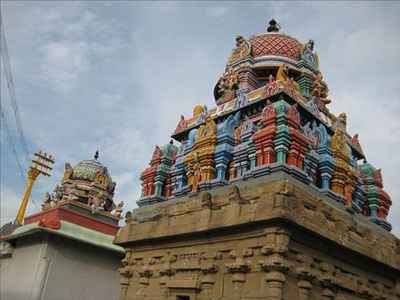
Architecturally, the temple follows the familiar Dravidian style, with a tall gopuram marking the entrance and prakarams guiding the movement inward. The corridors are wide enough to hold festival processions, and the mandapams reflect later additions that expanded the temple’s capacity without altering its core identity. The sanctum, however, remains the emotional centre. The reclining form of Veera Raghava Perumal draws the eye immediately, and the stillness of that image shapes the entire experience. There is no rush here. Even the architecture seems to support a slower pace.
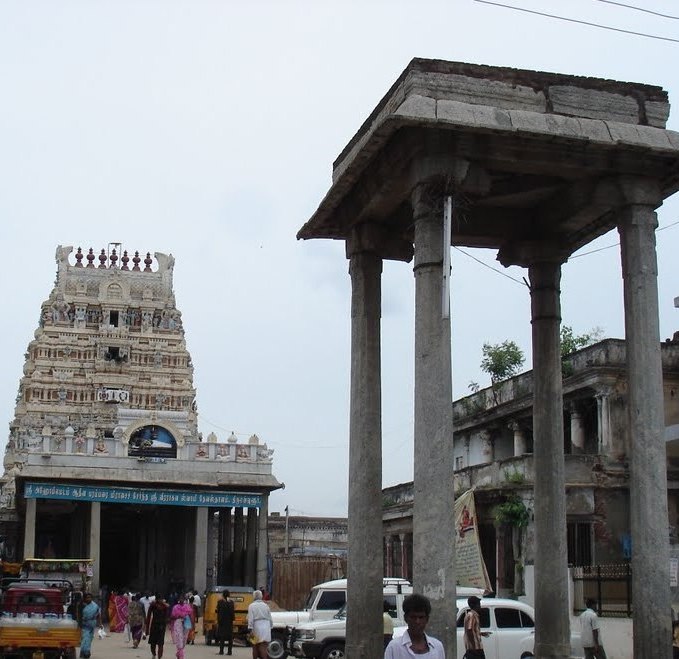
The daily rituals follow the Vaishnavite tradition, with multiple pujas performed throughout the day. The temple becomes especially active during Brahmotsavam, Vaikunta Ekadasi and other major festivals, when the deity is taken out in procession, and the town itself becomes part of the temple’s rhythm. Yet even during these times, the image of the reclining Lord anchors the space. The sense of rest remains intact.
For pilgrims, the experience of Thiruvallur is often shaped by contrast. Coming from busier temples or crowded urban spaces, the act of standing before a deity who is simply resting creates a shift. There is no dramatic gesture to interpret, no intense narrative to hold onto in that moment. Instead, there is quiet. The story of the sage and the guest begins to settle in the mind. One starts to think about what it means to give without knowing who is receiving, to offer without expecting return, and to trust that such acts are seen even when they seem small.
Culturally, Thiruvallur holds a strong place within the Divya Desam tradition through the hymns of the Alvars, who recognised the presence of the Lord here and preserved its memory in the Divya Prabandham. Over time, the temple also became known as a place where prayers for health, especially heart-related concerns, are offered with faith. Families return here across generations, carrying stories of recovery, relief and quiet reassurance. These layers of belief do not feel imposed. They grow naturally out of the temple’s central theme of care and presence.
In modern times, Thiruvallur continues to function as a living temple with steady footfall from both local devotees and pilgrims following the Divya Desam circuit. Renovations and maintenance have preserved the structure, but the core atmosphere remains unchanged. The temple still feels like a place where one can sit, stand or simply remain without urgency.
Thiruvallur ultimately represents rest as a form of grace. Veera Raghava Perumal does not arrive here in motion or in battle. He arrives, stays and rests. The story of Salihotra reminds us that generosity does not always announce itself, but it creates space for the divine to enter. In the larger Divya Desam journey, this temple adds a quiet but important truth. Not every sacred moment is about action. Some are about staying, listening and allowing presence to do its work.
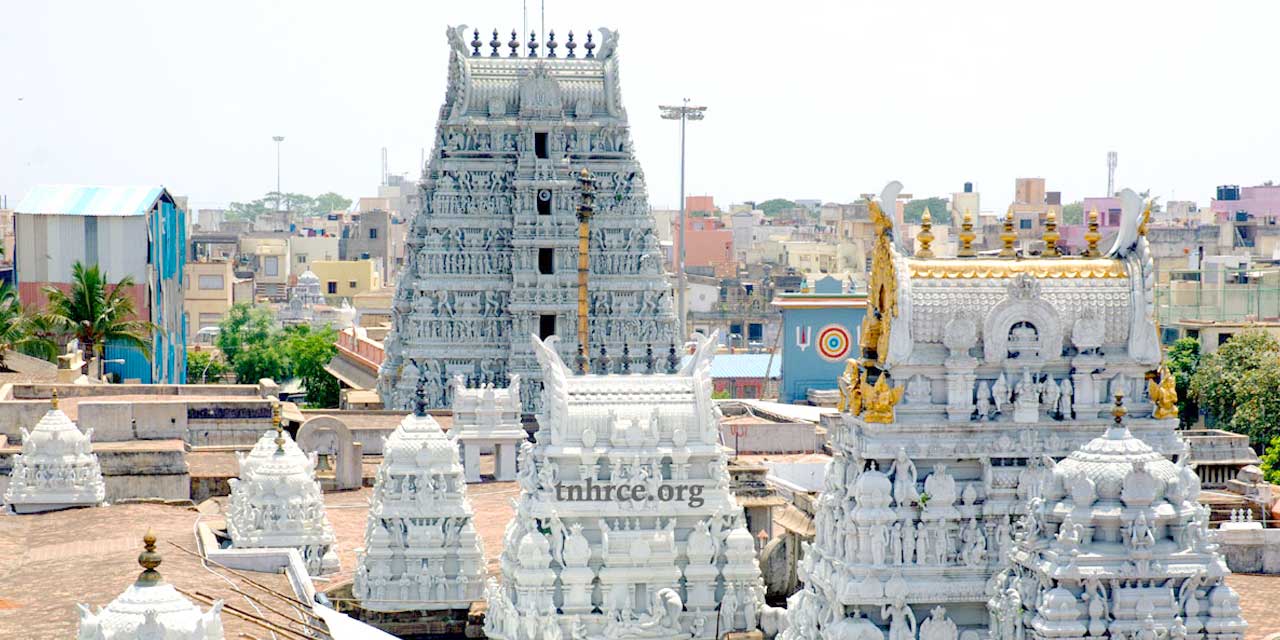
Thiruvallikeni Temple, Chennai, Tamil Nadu
In Chennai, where the city moves fast, and the coastline carries its own rhythm, Thiruvallikeni feels like a place that has learned to hold both movement and stillness together. The presiding deity here is Parthasarathy Perumal, Krishna in his role as the charioteer of Arjuna, with Vedavalli Thayar as the goddess. The name Thiruvallikeni comes from alli, referring to lily or lotus, and keni, meaning pond, pointing to the temple tank that once held blooming lilies. Over time, the place came to be known as Triplicane, but the older name still holds the temple’s original mood. It reminds you that this was once a quieter landscape, shaped by water, reflection and steady devotion, long before it became part of a dense city.
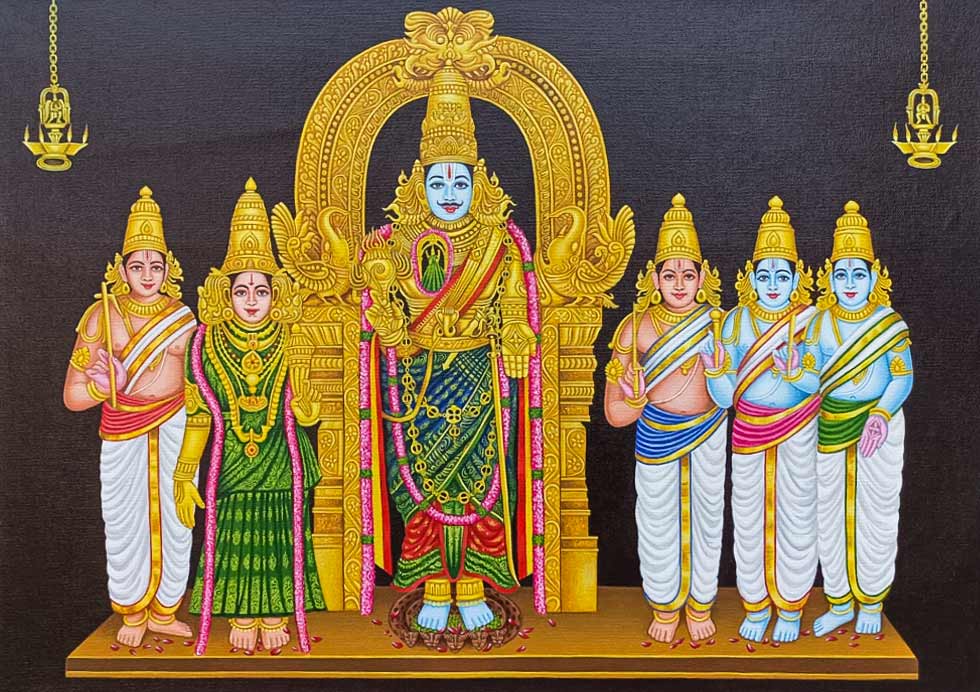
What makes this temple distinct is the form of Krishna that it preserves. Parthasarathy is not the playful child of Vrindavan or the philosophical teacher of the Bhagavad Gita in isolation. Here, he stands as the charioteer in the middle of conflict, guiding Arjuna through confusion, doubt and moral tension. The temple holds onto that moment from the Mahabharata where Krishna chooses not to fight, but to guide. Even the idol reflects the lived reality. The face of the deity bears marks said to represent the wounds Krishna took during the war, and he is depicted with a moustache, an uncommon feature that gives the form a more grounded, almost human presence. This is not a distant or idealised figure. This is Krishna who stood in the dust of the battlefield and chose to remain.
The mythology of the temple is closely tied to this role. It is believed that the temple was established by King Sumati, who wished to see Krishna in his Parthasarathy form. The Lord granted that wish, appearing not as the all-powerful deity who resolves everything instantly, but as the one who stays beside the devotee and guides them through complexity. That distinction matters. The temple does not promise escape from life’s conflicts. It reflects the presence that helps you move through them with clarity.
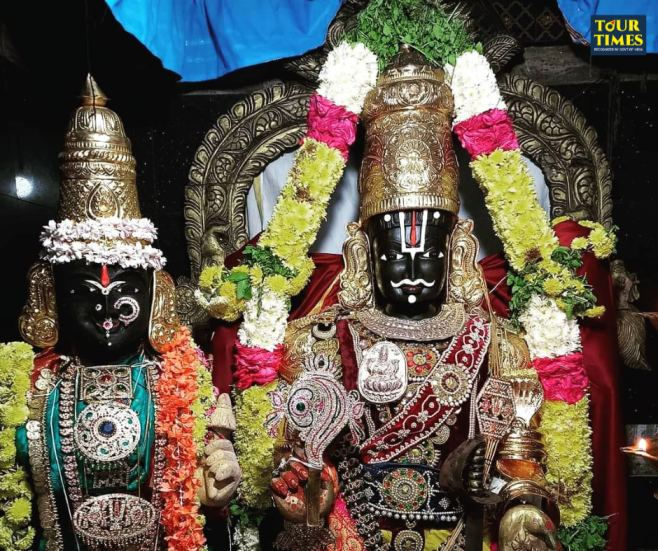
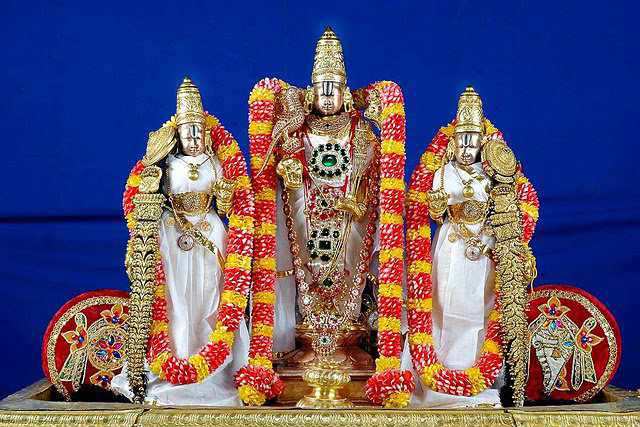
Inside the temple, this idea takes physical form. Parthasarathy Perumal stands in the sanctum with his family, including Rukmini, Balarama, Satyaki, Pradyumna and Aniruddha. The presence of the extended family adds another layer to the temple’s identity. It is not only about the individual devotee and the Lord. It is about relationships, responsibilities and the interconnected nature of life. The sanctum does not isolate Krishna as a solitary figure. It places him within a wider context, just as the Mahabharata places him within the complexity of human ties.
Historically, Thiruvallikeni is one of the oldest temples in Chennai, with roots that go back to the Pallava period. Later, Chola and Vijayanagara rulers expanded and maintained the temple, ensuring that it remained an active centre of worship. Over centuries, as Chennai grew around it, the temple adapted without losing its identity. Today it stands in the middle of a busy neighbourhood, surrounded by narrow streets, shops and constant movement, and yet once inside, the atmosphere shifts. The temple holds its own space within the city.
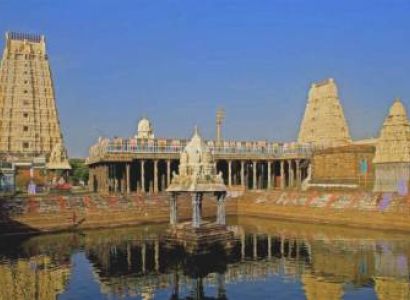
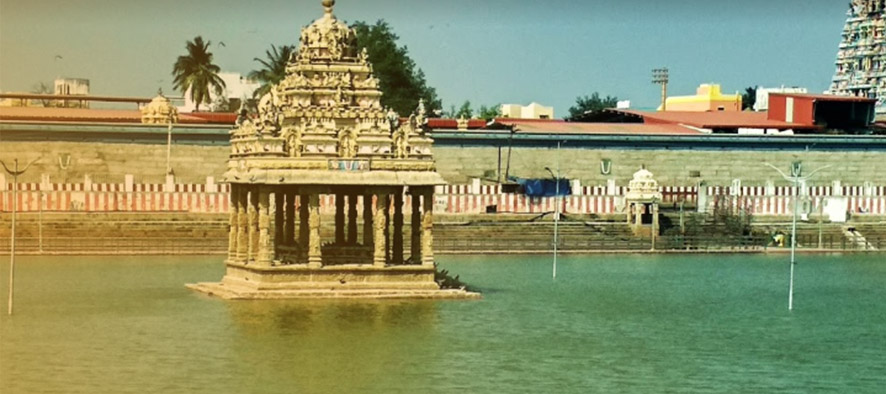
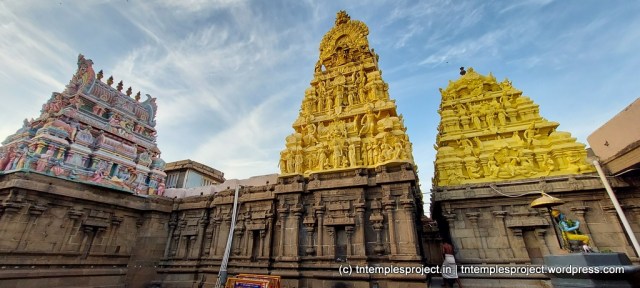
Architecturally, the temple follows the traditional Dravidian style, with a prominent gopuram marking the entrance and multiple prakarams leading inward. The temple tank, known as Kairavini Pushkarini, lies beside the complex and continues to be an important part of ritual life. The corridors carry the sound of chanting, and the mandapams reflect the additions made over centuries. Yet the focus remains on the sanctum, where the form of Parthasarathy draws attention not through ornament but through presence.
The daily rituals here follow the Vaishnavite tradition, but they unfold within the rhythm of a living city. Morning prayers begin before the streets outside fully awaken, and by evening, the temple fills with devotees returning after a day’s work. Festivals such as Brahmotsavam, Vaikunta Ekadasi and the float festival bring large gatherings, with processions moving through the surrounding streets. During these times, the boundary between temple and city becomes thinner. The deity moves through the neighbourhood, and the neighbourhood responds in return.
The pilgrimage experience at Thiruvallikeni is shaped by this closeness to everyday life. You do not approach the temple through long stretches of quiet landscape. You arrive through traffic, shops and noise, and then step into a space that holds something older and steadier. That contrast is part of the experience. It reflects the role of Parthasarathy himself. Krishna did not stand apart from life. He stood within it, guiding from the center rather than from a distance.
Culturally, Thiruvallikeni has a strong place in the Divya Desam tradition, with hymns by the Alvars, especially Thirumangai Alvar, praising the deity here. Over time, the temple has also become deeply woven into the identity of Chennai itself. For many, it is not just a pilgrimage site but a familiar presence, part of the rhythm of daily life. The temple’s festivals, rituals and sounds have shaped the neighbourhood for generations.
In modern times, Thiruvallikeni continues to function as both a major temple and a lived space within the city. It receives a steady flow of devotees, from those following the Divya Desam circuit to those who come as part of their everyday routine. Renovations and maintenance have kept the structure intact, but the essential character of the temple remains unchanged. It still feels grounded, present and close to the lives around it.
Thiruvallikeni ultimately represents the divine in the middle of life, not outside it. Parthasarathy Perumal stands not as a distant figure offering easy answers, but as the guide who stays beside you when things are unclear. In the larger Divya Desam journey, this temple brings the message of companionship. It reminds you that guidance does not always remove conflict. Sometimes it simply helps you face it with steadiness.