

Most of us want clear, healthy skin, but the world of skincare can feel like a maze. Every product claims to be the one thing your skin has been waiting its whole life for. Every expert seems to have a different routine. And somewhere in the middle of all that noise, many of us end up layering too many products, too often, and wondering why our skin looks irritated instead of glowing.
Skin cycling is one of those ideas that cuts through the chaos. It’s simple, practical and doesn’t demand that you overhaul your bathroom cabinet. Think of it as rhythmic skincare: alternating active ingredients with rest days so your skin gets the benefits without the burnout.
Dermatologist Dr Whitney Bowe popularised this method, but the idea itself is intuitive. Our skin doesn’t need every active ingredient every day. In fact, it thrives with balance. With skin cycling, your routine follows a gentle four-night rhythm: exfoliation, retinoid, recovery, recovery. And then you repeat.
That’s it. No drama. No 14-step routines. Just a calm, steady flow that works with your skin rather than bullying it into submission.

To understand why this method resonates with so many people, you just need to think about your skin like you think about your body after a workout. You don’t train the same muscle groups intensely every single day. You push, rest, rebuild. If you skip the rest part, you hit a wall. Skin works the same way.
Active ingredients like acids and retinoids are powerful. Used correctly, they help with texture, pigmentation, acne, fine lines and overall radiance. But used too often, you end up with redness, dryness, or that uncomfortable, tight feeling that makes you consider abandoning skincare altogether. Skin cycling gives your skin room to breathe. It builds consistency without irritation. And because it’s predictable and easy to follow, most people actually stick to it.
Before we dive into age groups and tips, here’s the core routine:
Night 1: Exfoliation Night
Your goal here is to clear dead skin cells so your retinoid can work better the next night. You can use a gentle chemical exfoliant (AHAs like lactic acid or BHAs like salicylic acid), and a mild physical scrub (if you prefer, though chemical exfoliants tend to be kinder). Less is more. You’re not sanding a table, you’re polishing a surface.
Night 2: Retinoid Night
Retinoids support cell turnover and help with everything from acne to wrinkles. Apply a pea-sized amount. If you’re new, buffer it by applying moisturiser first.
Night 3: Recovery Night
Active ingredients take the night off. Your job is simple: hydrate, soothe, and support the barrier. A basic moisturiser works. If you want to be fancy, throw in ceramides, niacinamide or hyaluronic acid.
Night 4: Another Recovery Night
Same as Night 3. No shortcuts. This second rest day is what keeps your skin happy long-term.
Then repeat the cycle.
The beauty of this routine is that you can customise it endlessly. Sensitive skin can extend the cycle to six nights. Experienced users can strengthen their actives. Older skin may prioritise moisture; younger skin may focus on acne control. It grows with you.

Skin Cycling for Different Ages
Different life stages bring different skin concerns. While the method stays the same, the focus shifts.
Let’s break it down by decades, purely as a guideline. Skin never reads the manual, so feel free to adapt based on what yours actually does.
Teens and Early 20s: Keep It Simple
This age group doesn’t need an aggressive routine. Your skin is regenerating fast on its own, so overdoing it can easily lead to breakouts or irritation.
How to adapt skin cycling
• Use very gentle exfoliants, think mandelic or lactic acid.
• Choose the mildest retinoids or stick to retinol instead of prescription-strength versions.
• Keep moisturiser lightweight but consistent.
Why this works
This keeps pores clear without stripping the skin. Retinoids help with acne and early prevention, but the recovery nights stop you from going too far.
Extra tips
• Spot treat breakouts instead of attacking your whole face.
• Don’t mix too many new products at once. Your skin needs time to react honestly.
• Sunscreen every day. Yes, even when you’re not going anywhere.
Late 20s and 30s: Build Good Habits Now
This is the decade where early fine lines show up, pigmentation becomes a tiny bit more stubborn, and stress or lifestyle often shows on the skin.
How to adapt skin cycling
• Keep exfoliation moderate; glycolic acid in small amounts works well.
• Retinoid night becomes slightly more important; consistency beats strength.
• Layer a hydrating serum on exfoliation night so your skin doesn’t feel tight.
Why this works
You’re essentially supporting your natural collagen and slowing down early damage. The cycling rhythm keeps skin strong without overwhelming it.
Extra tips
• If you’re dealing with pigmentation, add vitamin C in the morning on recovery days.
• If you’ve ever said, “I feel tired, but I don’t know why I look tired,” focus on hydration.
• Be patient. Skin goals in your 30s are a marathon, not a sprint.
40s: Support and Strengthen
Skin turnover slows down, hydration decreases naturally, and retinoids become incredibly useful. Skin cycling helps you get the benefits without dryness.
How to adapt skin cycling
• You can keep the traditional four-night cycle.
• On exfoliation night, choose lactic acid — it exfoliates but also hydrates.
• Retinoid night might mean stepping up to a stronger retinol or a prescription option, only if you feel ready.
• Recovery nights should be heavier on barrier-repair ingredients.
Why this works
This age group benefits greatly from predictable routines. Skin cycling supports firmness and smoothness without overstressing the skin.
Extra tips
• Add a peptide serum on recovery nights for extra nourishment.
• Don’t skip sunscreen: UV damage is the biggest reason skin treatments don’t show results.
• Drink water consistently, not dramatically in one sitting.
50s and Beyond: Feed the Skin Generously
At this stage, skin wants comfort, moisture and gentle care. The same cycling pattern works beautifully, but your products may shift to richer textures.
How to adapt skin cycling
• Use the gentlest exfoliant possible; mandelic acid is excellent.
• Retinoid strength depends entirely on tolerance. Some people thrive on strong retinoids at 50; others prefer mild versions. There’s no gold medal for using the strongest product.
• Recovery nights become the star of the show. Layer moisturisers, seal in hydration, and nurture the skin barrier.
Why this works
Skin cycling lets you enjoy the rejuvenation benefits of retinoids without irritating mature skin that may already be dry.
Extra tips
• A humidifier at night can work wonders if you sleep in air-conditioning.
• Don’t forget the neck, it loves to betray us.
• If the cycle ever feels too strong, extend the recovery period. Your skin sets the pace.
Signs Your Skin Cycle Is Working
After a few weeks, you may notice:
• Less irritation
• Smoother texture
• Reduced breakouts
• A healthy glow that doesn’t look forced
• Fewer bad skin days
• More confidence in a routine that actually fits your life
The biggest sign? Your skincare starts feeling calmer. You don’t dread retinoid night. You don’t overthink exfoliation. There’s rhythm. And rhythm is sustainable.
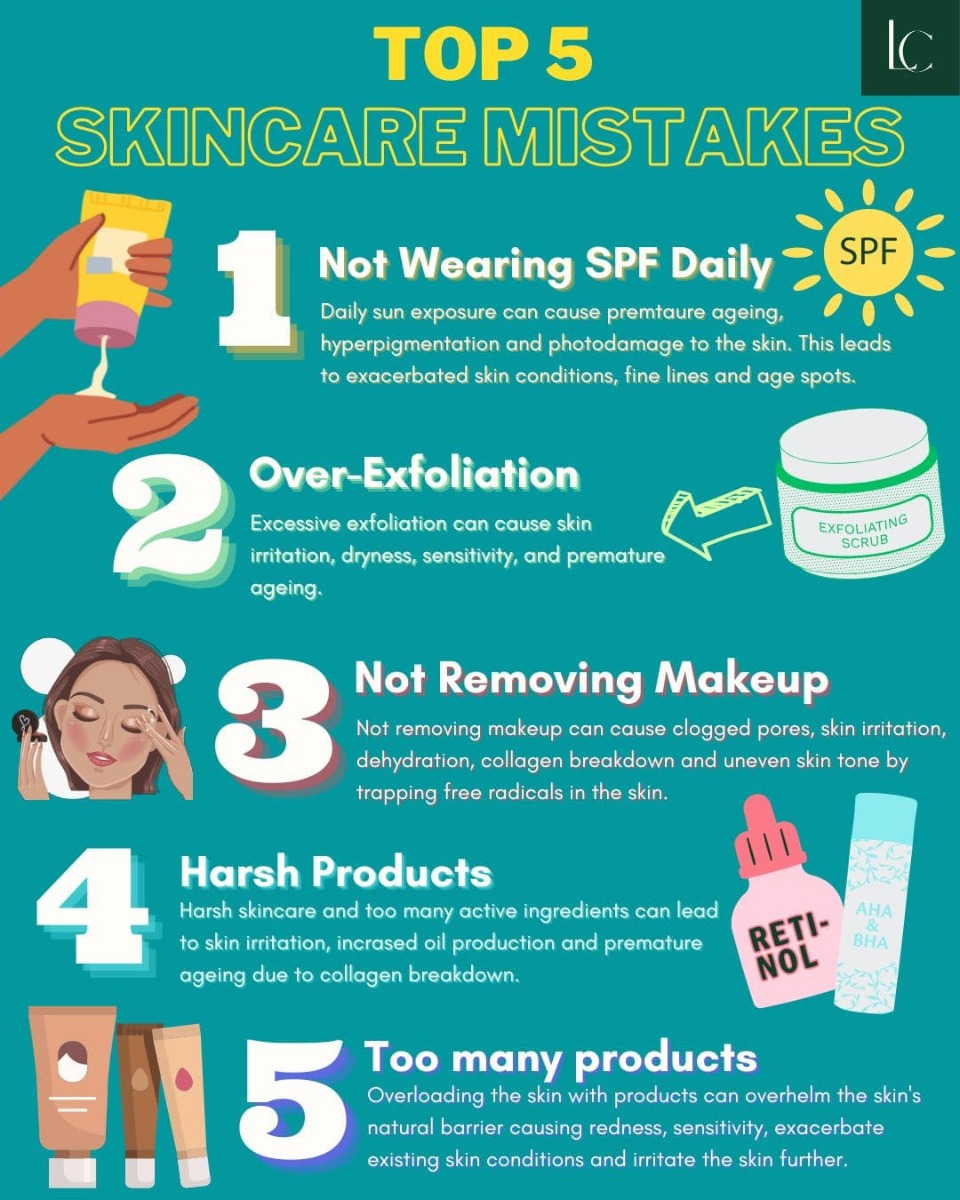
Common Mistakes and How to Avoid Them
Even simple routines can go sideways. Here are the things that trip people up, and the easy fixes.
- Using too many exfoliants across your products: Your cleanser, toner and serum should not all be exfoliating. Choose one.
- Jumping into strong retinoids too fast: Start slow. If your skin is irritated, reduce the frequency, not your enthusiasm.
- Skipping moisturiser because your skin is oily: Oily skin still needs hydration. Otherwise, it produces more oil to compensate.
- Mixing actives on exfoliation or retinoid night: Don’t combine vitamin C, AHAs, BHAs, retinoids, and niacinamide all at once. Spread them across the week.
- Changing your entire routine every week: Let the cycle run for at least a month before tweaking.
Can You Skin Cycle If You’re Already Using Other Treatments? Yes, you just need to place them thoughtfully.
- If you use vitamin C, use it in the morning, preferably on recovery days.
- If you use niacinamide, a great fit on recovery nights or layered gently under your moisturiser.
- If you use acne treatments, use them on your retinoid night only if your skin can handle it. Otherwise, swap them into a recovery night.
- If you have a prescription regimen, follow your doctor’s advice first, and modify the cycle around it.
Skin Cycling for Sensitive Skin
Sensitive or reactive skin often feels like it’s playing defence all the time. The four-night cycle can still work, just with a gentler touch.
- Extend the cycle to six nights: exfoliation, retinoid, recovery, recovery, recovery, recovery.
- Always apply moisturiser before actives.
- Choose lactic or mandelic acid instead of glycolic.
- Use retinol instead of stronger prescription retinoids.
Think “slow and soft” instead of “go big or go home.”
Skin Cycling for Acne-Prone Skin
If you’re dealing with acne, this routine gives structure without irritating your skin further.
- BHAs like salicylic acid are helpful on exfoliation night.
- Retinoid night helps keep pores unclogged.
- Recovery nights stop the dryness spiral that leads to more breakouts.
One thing: avoid picking at your skin. Recovery nights are designed to calm everything, and picking undoes the magic.
Skin Cycling If You’re Busy or Forgetful
A routine that needs too much effort collapses after a week. Skin cycling is ideal if you’re juggling work, family, sleep, ambition and everything else life throws at you.
Try:
- Setting reminders on your phone
- Labelling products by night (some people literally write “Night 1” on their bottle)
- Keeping your routine visible, not tucked away
Your skin doesn’t need perfection. It just needs consistency.
A Few Personal Notes to Bring This Home
The thing I love most about skin cycling is that it respects the skin instead of shaming it. It doesn’t ask you to commit to a complicated ritual. It doesn’t guilt you into panic-buying new serums. It’s gentle, structured and honest, qualities we could all use more of.
Good skincare shouldn’t feel like a second job. It should feel like a quiet conversation with yourself: What does my skin need today? What would help it feel calmer tomorrow?
Once you slip into that rhythm, the routine becomes less about products and more about care. And that’s when the glow happens, not the “Instagram filter glow,” but the real, healthy, rested version that comes from treating your skin with patience and respect.

