Skin Cycling: A Simple Routine for Healthy, Balanced Skin

Most of us want clear, healthy skin, but the world of skincare can feel like a maze. Every product claims to be the one thing your skin has been waiting its whole life for. Every expert seems to have a different routine. And somewhere in the middle of all that noise, many of us end up layering too many products, too often, and wondering why our skin looks irritated instead of glowing.

Skin cycling is one of those ideas that cuts through the chaos. It’s simple, practical and doesn’t demand that you overhaul your bathroom cabinet. Think of it as rhythmic skincare: alternating active ingredients with rest days so your skin gets the benefits without the burnout.

Dermatologist Dr Whitney Bowe popularised this method, but the idea itself is intuitive. Our skin doesn’t need every active ingredient every day. In fact, it thrives with balance. With skin cycling, your routine follows a gentle four-night rhythm: exfoliation, retinoid, recovery, recovery. And then you repeat.

That’s it. No drama. No 14-step routines. Just a calm, steady flow that works with your skin rather than bullying it into submission.

To understand why this method resonates with so many people, you just need to think about your skin like you think about your body after a workout. You don’t train the same muscle groups intensely every single day. You push, rest, rebuild. If you skip the rest part, you hit a wall. Skin works the same way.

Active ingredients like acids and retinoids are powerful. Used correctly, they help with texture, pigmentation, acne, fine lines and overall radiance. But used too often, you end up with redness, dryness, or that uncomfortable, tight feeling that makes you consider abandoning skincare altogether. Skin cycling gives your skin room to breathe. It builds consistency without irritation. And because it’s predictable and easy to follow, most people actually stick to it.

Before we dive into age groups and tips, here’s the core routine:

Night 1: Exfoliation Night
Your goal here is to clear dead skin cells so your retinoid can work better the next night. You can use a gentle chemical exfoliant (AHAs like lactic acid or BHAs like salicylic acid), and a mild physical scrub (if you prefer, though chemical exfoliants tend to be kinder). Less is more. You’re not sanding a table, you’re polishing a surface.

Night 2: Retinoid Night
Retinoids support cell turnover and help with everything from acne to wrinkles. Apply a pea-sized amount. If you’re new, buffer it by applying moisturiser first.

Night 3: Recovery Night
Active ingredients take the night off. Your job is simple: hydrate, soothe, and support the barrier. A basic moisturiser works. If you want to be fancy, throw in ceramides, niacinamide or hyaluronic acid.

Night 4: Another Recovery Night
Same as Night 3. No shortcuts. This second rest day is what keeps your skin happy long-term.

Then repeat the cycle.

The beauty of this routine is that you can customise it endlessly. Sensitive skin can extend the cycle to six nights. Experienced users can strengthen their actives. Older skin may prioritise moisture; younger skin may focus on acne control. It grows with you.

Skin Cycling for Different Ages
Different life stages bring different skin concerns. While the method stays the same, the focus shifts.

Let’s break it down by decades, purely as a guideline. Skin never reads the manual, so feel free to adapt based on what yours actually does.

Teens and Early 20s: Keep It Simple
This age group doesn’t need an aggressive routine. Your skin is regenerating fast on its own, so overdoing it can easily lead to breakouts or irritation.

How to adapt skin cycling
• Use very gentle exfoliants, think mandelic or lactic acid.
• Choose the mildest retinoids or stick to retinol instead of prescription-strength versions.
• Keep moisturiser lightweight but consistent.

Why this works
This keeps pores clear without stripping the skin. Retinoids help with acne and early prevention, but the recovery nights stop you from going too far.

Extra tips
• Spot treat breakouts instead of attacking your whole face.
• Don’t mix too many new products at once. Your skin needs time to react honestly.
• Sunscreen every day. Yes, even when you’re not going anywhere.

Late 20s and 30s: Build Good Habits Now
This is the decade where early fine lines show up, pigmentation becomes a tiny bit more stubborn, and stress or lifestyle often shows on the skin.

How to adapt skin cycling
• Keep exfoliation moderate; glycolic acid in small amounts works well.
• Retinoid night becomes slightly more important; consistency beats strength.
• Layer a hydrating serum on exfoliation night so your skin doesn’t feel tight.

Why this works
You’re essentially supporting your natural collagen and slowing down early damage. The cycling rhythm keeps skin strong without overwhelming it.

Extra tips
• If you’re dealing with pigmentation, add vitamin C in the morning on recovery days.
• If you’ve ever said, “I feel tired, but I don’t know why I look tired,” focus on hydration.
• Be patient. Skin goals in your 30s are a marathon, not a sprint.

40s: Support and Strengthen
Skin turnover slows down, hydration decreases naturally, and retinoids become incredibly useful. Skin cycling helps you get the benefits without dryness.

How to adapt skin cycling
• You can keep the traditional four-night cycle.
• On exfoliation night, choose lactic acid — it exfoliates but also hydrates.
• Retinoid night might mean stepping up to a stronger retinol or a prescription option, only if you feel ready.
• Recovery nights should be heavier on barrier-repair ingredients.

Why this works
This age group benefits greatly from predictable routines. Skin cycling supports firmness and smoothness without overstressing the skin.

Extra tips
• Add a peptide serum on recovery nights for extra nourishment.
• Don’t skip sunscreen: UV damage is the biggest reason skin treatments don’t show results.
• Drink water consistently, not dramatically in one sitting.

50s and Beyond: Feed the Skin Generously
At this stage, skin wants comfort, moisture and gentle care. The same cycling pattern works beautifully, but your products may shift to richer textures.

How to adapt skin cycling
• Use the gentlest exfoliant possible; mandelic acid is excellent.
• Retinoid strength depends entirely on tolerance. Some people thrive on strong retinoids at 50; others prefer mild versions. There’s no gold medal for using the strongest product.
• Recovery nights become the star of the show. Layer moisturisers, seal in hydration, and nurture the skin barrier.

Why this works
Skin cycling lets you enjoy the rejuvenation benefits of retinoids without irritating mature skin that may already be dry.

Extra tips
• A humidifier at night can work wonders if you sleep in air-conditioning.
• Don’t forget the neck, it loves to betray us.
• If the cycle ever feels too strong, extend the recovery period. Your skin sets the pace.

Signs Your Skin Cycle Is Working
After a few weeks, you may notice:
• Less irritation
• Smoother texture
• Reduced breakouts
• A healthy glow that doesn’t look forced
• Fewer bad skin days
• More confidence in a routine that actually fits your life

The biggest sign? Your skincare starts feeling calmer. You don’t dread retinoid night. You don’t overthink exfoliation. There’s rhythm. And rhythm is sustainable.
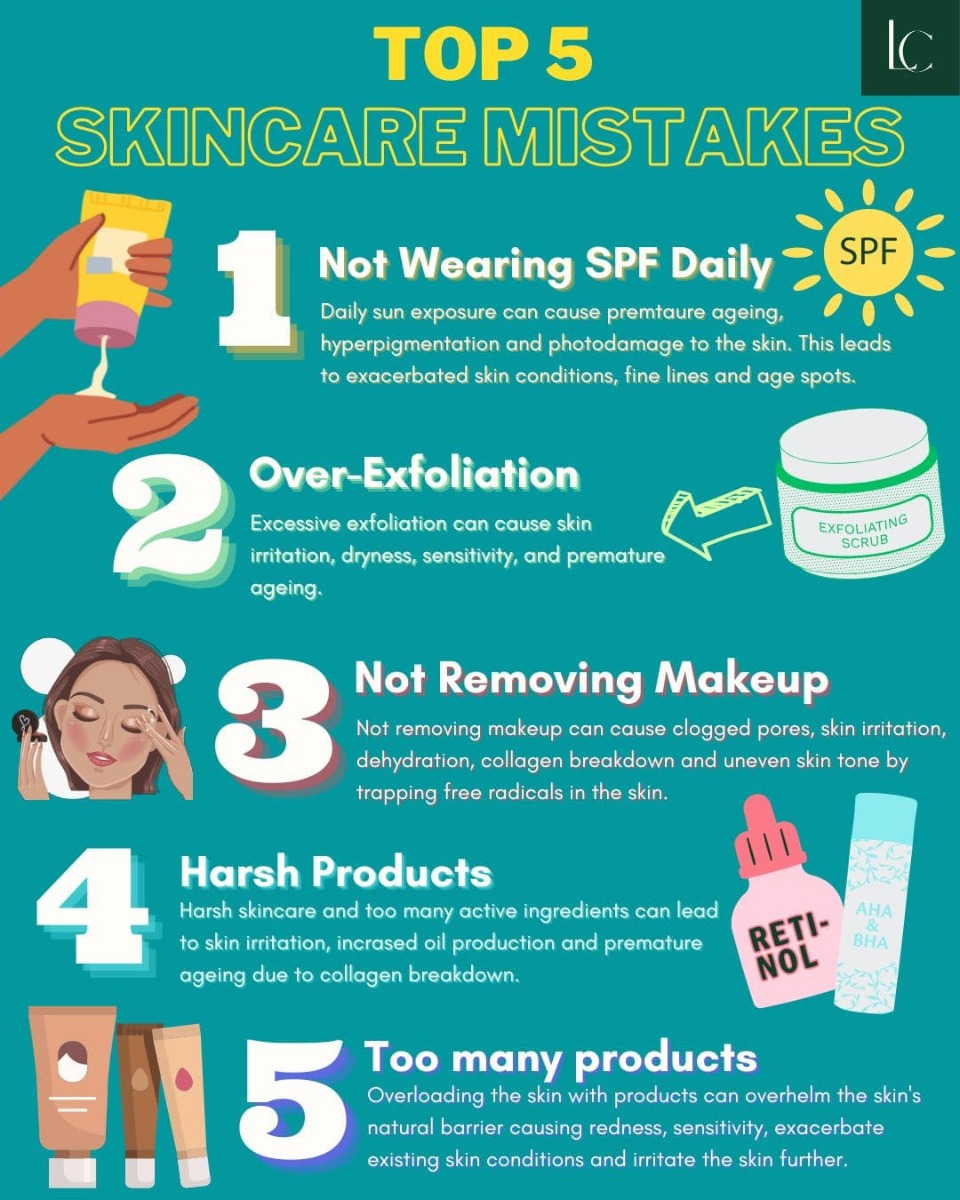
Common Mistakes and How to Avoid Them
Even simple routines can go sideways. Here are the things that trip people up, and the easy fixes.

  • Using too many exfoliants across your products: Your cleanser, toner and serum should not all be exfoliating. Choose one.
  • Jumping into strong retinoids too fast: Start slow. If your skin is irritated, reduce the frequency, not your enthusiasm.
  • Skipping moisturiser because your skin is oily: Oily skin still needs hydration. Otherwise, it produces more oil to compensate.
  • Mixing actives on exfoliation or retinoid night: Don’t combine vitamin C, AHAs, BHAs, retinoids, and niacinamide all at once. Spread them across the week.
  • Changing your entire routine every week: Let the cycle run for at least a month before tweaking.

Can You Skin Cycle If You’re Already Using Other Treatments? Yes, you just need to place them thoughtfully.

  • If you use vitamin C, use it in the morning, preferably on recovery days.
  • If you use niacinamide, a great fit on recovery nights or layered gently under your moisturiser.
  • If you use acne treatments, use them on your retinoid night only if your skin can handle it. Otherwise, swap them into a recovery night.
  • If you have a prescription regimen, follow your doctor’s advice first, and modify the cycle around it.

Skin Cycling for Sensitive Skin
Sensitive or reactive skin often feels like it’s playing defence all the time. The four-night cycle can still work, just with a gentler touch.

  • Extend the cycle to six nights: exfoliation, retinoid, recovery, recovery, recovery, recovery.
  • Always apply moisturiser before actives.
  • Choose lactic or mandelic acid instead of glycolic.
  • Use retinol instead of stronger prescription retinoids.

Think “slow and soft” instead of “go big or go home.”

Skin Cycling for Acne-Prone Skin
If you’re dealing with acne, this routine gives structure without irritating your skin further.

  • BHAs like salicylic acid are helpful on exfoliation night.
  • Retinoid night helps keep pores unclogged.
  • Recovery nights stop the dryness spiral that leads to more breakouts.

One thing: avoid picking at your skin. Recovery nights are designed to calm everything, and picking undoes the magic.

Skin Cycling If You’re Busy or Forgetful
A routine that needs too much effort collapses after a week. Skin cycling is ideal if you’re juggling work, family, sleep, ambition and everything else life throws at you.

Try:

  • Setting reminders on your phone
  • Labelling products by night (some people literally write “Night 1” on their bottle)
  • Keeping your routine visible, not tucked away

Your skin doesn’t need perfection. It just needs consistency.

A Few Personal Notes to Bring This Home
The thing I love most about skin cycling is that it respects the skin instead of shaming it. It doesn’t ask you to commit to a complicated ritual. It doesn’t guilt you into panic-buying new serums. It’s gentle, structured and honest, qualities we could all use more of.

Good skincare shouldn’t feel like a second job. It should feel like a quiet conversation with yourself: What does my skin need today? What would help it feel calmer tomorrow?

Once you slip into that rhythm, the routine becomes less about products and more about care. And that’s when the glow happens, not the “Instagram filter glow,” but the real, healthy, rested version that comes from treating your skin with patience and respect.
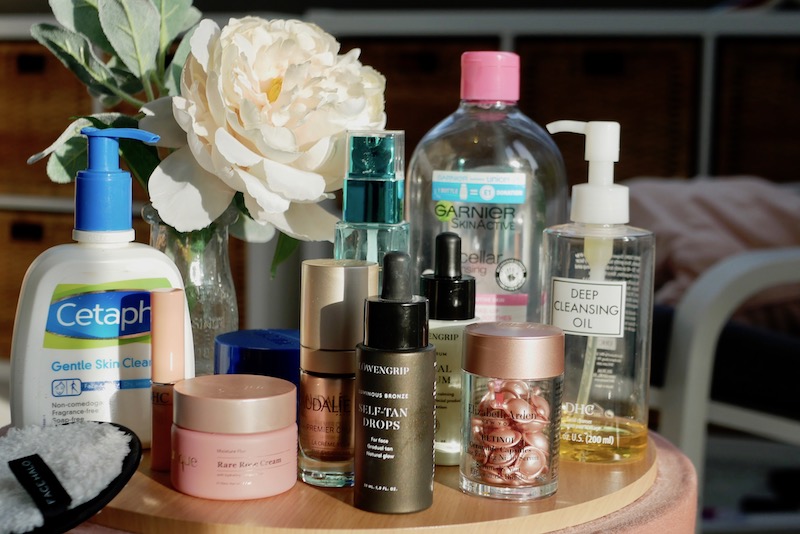
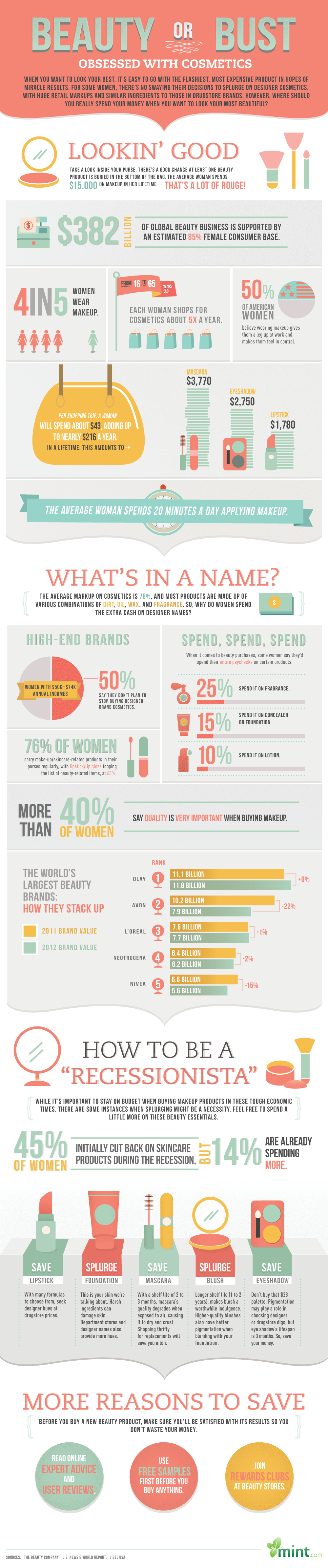
Skincare and Makeup Products: Splurge or Spend?

I normally don’t write about makeup or skincare but have a few exceptions. The first time I did write a post was on my Korean 10-step skincare and today it is an extension of that post. This post was the result of a conversation I had with GG about spending money on skincare. I had some ideas, but wanted to check if what I thought was true or not and decided to check it out more. This blog post is the result of that journey down the rabbit hole. This is my personal opinion and may not be in sync with conventional views.

I have always believed that if one has great skin, then one can get away with minimal or even no makeup. So I would rather invest in skincare rather than makeup mainly because our skin is with us our whole life and showcases our personality. So what are the skincare and makeup products that one should spend money and what should one save on?

Facial Cleanser: This is a step in that one does not need to spend a lot of money. Any cleanser will stay on your face for a very short time and its only job is to clean the face. So any cleanser that claims to moisturise or give any benefit is just hype, I mean, what benefit can be gotten from a product that stays on the face for less than a minute and is washed off? Just purchase a cleanser that is suitable for your face type which is pocket friendly and get on with your day.
Verdict: Save

Toners: I am on the fence on this one. Toners help balance the skin’s PH level and prepare the skin for the following skincare products and no matter how expensive the product is, the main ingredient is water. So I would say save on this product, but buy the best within your budget, which means don’t buy anything that will strip the moisture from the skin, so nothing with alcohols in it.
Verdict: Save

Serums: Serums have highly concentrated ingredients and are designed to sink into the skin and treat them with a high concentration of active ingredients. They are formulated in smooth and smaller molecules that will penetrate deep into the skin. So the more expensive serums have more potent and effective ingredients like Argan oil, olive oil, hyaluronic acid and green tea that provide visible skin benefits. Using serums consistently should show results and for this reason, it’s better to splurge on serums.
Verdict: Spend

Eye Creams: Eye creams are used to hydrate the delicate skin around the eyes. The more hydrated the skin there, the fewer wrinkles will appear. A good quality eye cream will work wonders in depuffing this area and so it is better to spend than to save.
Verdict: Spend

Moisturiser: Another product I am on the fence about. When I did some reading to pent this post, almost all suggested that moisturisers should be in the save section, but I feel that it straddles both sections. Something that sits on your face for more than 12 hours a day should be purchased with thought. Moisturisers act as an invisible barrier that allows the skin to maintain its moisture levels, but it does not absorb into the skin. So any decent moisturiser that does the work of hydrating the skin and protects it from the elements and any makeup applied will do. So maybe instead of splurging, spend wisely, buying according to your budget, but not breaking the bank.
Verdict: Save

Sunscreen: Sun damage can cause premature ageing, dehydration, dark spots, and even skin cancer. So, sun protection is essential to protect the skin from sun damage, and putting on sunscreen is essential, especially given today’s climatic conditions. No matter the climate, one must apply it daily to keep the skin free from tanning and other complications later on in life. Some of the more expensive brands use ingredients that contain antioxidants which tend to be less runny and greasy and don’t make the skin oily or give the skin an ugly white cast. Sunscreens should also be selected based on the sensitivity of the skin.
Verdict: Spend

Sheet Masks: Sheet masks are used as an extra boost or treatment for the skin. Most of them are packed with active ingredients that will give the skin intense hydration in 20 mins. Prices of most sheet masks vary but depending on the need, it may be wiser to save rather than spend. Hydration or blemish control may need a less expensive mask while for anti-ageing masks which need expensive ingredients to work, spending money on them will be better.
Verdict: Save

Lip Balm: An essential product for dry lips, lip balms protect and moisturises lips from cracking and flaking. The skin on the lips is very delicate and thin and needs more care than the rest of the face. Vitamin E, beeswax, and petroleum jelly are the most common ingredients in lip balm. These ingredients are not expensive and in addition, over 80% of lip balms are petroleum jelly based. So one need not spend too much on these products unless the need for a more expensive product is medical.
Verdict: Save

Foundation: With product technology advancing, the foundation is no longer the first step in makeup, but the last step in skincare. According to experts, one should spend on foundations because of the options available at that price point and the technology used. High-quality foundations make the skin look smoother, cover dark spots better, and diminish wrinkles and fine lines, while also incorporating skincare benefits. The best formulation for the face has to be identified based on the skin type so that makeup can go on smoother and the face looks flawless.
Verdict: Spend

Eyeshadow: Pricier shadows tend to be made with better pigments, will last longer, and blend better. A highly pigmented product will stay on all day, so it’s better to invest in a palette that stays long and withstands tears, sweat, and rain.
Verdict: Spend

Eyeliner: While cheap eyeliners can look the same as the more expensive ones when first applied, the duration of application will prove why cheaper ones should be avoided. These tend to rub or break apart during the day with even the waterproof ones so waterproofed that one will have to scrub the eyes until they’re practically red when trying to take them off.
Verdict: Spend

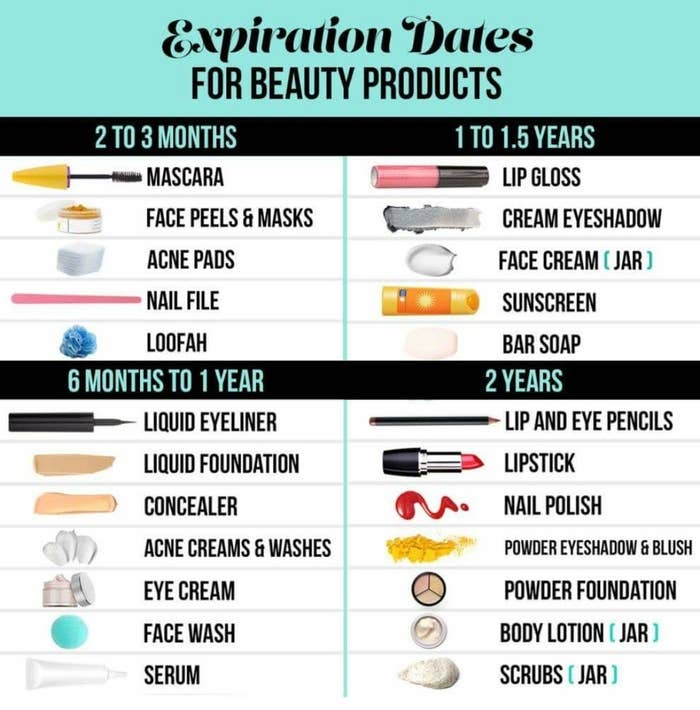
Mascara: Mascaras have a brief shelf life of a maximum of three months so it’s smart to not spend too much on this product. All mascaras irrespective of their price, tend to dry out quickly, so spending much on them is not advisable. Using a proper brush any mascara that’s available at a decent store, will serve the purpose.
Verdict: Save

Bronzer/Blusher: Bronzers and blushers give that nice glow and finding the right one is akin for some to find the holy grail. The key to finding the right bronzer and blusher is to know what works best with the skin type. They don’t need a lot to look good, because applying an excess will make one look like a clown.
Verdict: Save

Lipstick/LipGloss: The difference between an expensive glossy lipstick and a simple one is that the former looks prettier on the shelf. Lip products also have a shelf life so one can buy the less expensive ones and go for suitable colours. This also allows to try seasonal trends without spending too much money.
Verdict: Save

Makeup Remover: A powerful makeup remover can soften the makeup instantly making the entire cleaning process quick and easy. If one is using waterproof makeup such as waterproof mascara, gel liner, and lip tint, one will need an oil-based makeup remover. Otherwise, micellar water is a great option. If makeup is not removed properly, then it will lead to problems, so its better to spend than save here.
Verdict: Spend

Makeup Brushes: Cheap makeup brushes will often shed their bristles on the face, leaving stray hairs that will ruin the foundation and makeup. Spend money and buy good quality brushes because having the right tools and investing in good brushes will ensure the best makeup application. With proper care, they can last years.
Verdict: Spend

So which products do you spend on and where do you save? I’d love to hear your thoughts, so please comment below.

The Korean 10-Step Skincare Regime

Source

I normally don’t post about beauty or skincare and so if I am right, this is a first for me!

But I have been hearing a lot about Korean skincare products and makeup and some time at the beginning of this year, I decided to start a night-time skincare ritual and soon realised that I had already subconsciously incorporated the ten steps.

Living in Singapore means having easy access to Korean and Japanese skincare and beauty products, most of which are highly affordable. This means a lot of the skincare products I use are from these countries. I am a little wary about Japanese and Korean makeup as the colours may not suit my south Asian skin, being more geared to east Asian skin. I like their skincare products because I believe that skin types are pretty much similar across races and so this meant that I could use Korean and Japanese skincare products and also start doing the 10-step skin care.

The 10-Step Skincare method refers to the number of products layered onto the skin one by one. A lot of people (including me) are initially put off by the sheer amount of time that we think this process will take. But after two months of diligently doing it, I can confidently tell you that it does not take more than 10 minutes (more if you are putting on a mask).

Although there are a total of 10 steps in this beauty ritual, most of the time you do between 6-8 steps on any given day or night. It is quite rare that someone does all the steps all the time. The steps change depending on your skin type as well as any seasonal changes where you live. Since I live in the tropics, my skincare regime does not change through the year, but if you are inspired on doing the 10-Step Skincare Regime after reading this post, then please do take note of seasonal changes and your own skin type when you embark on this journey.

So what’s the Korean 10-Step Skincare Routine?
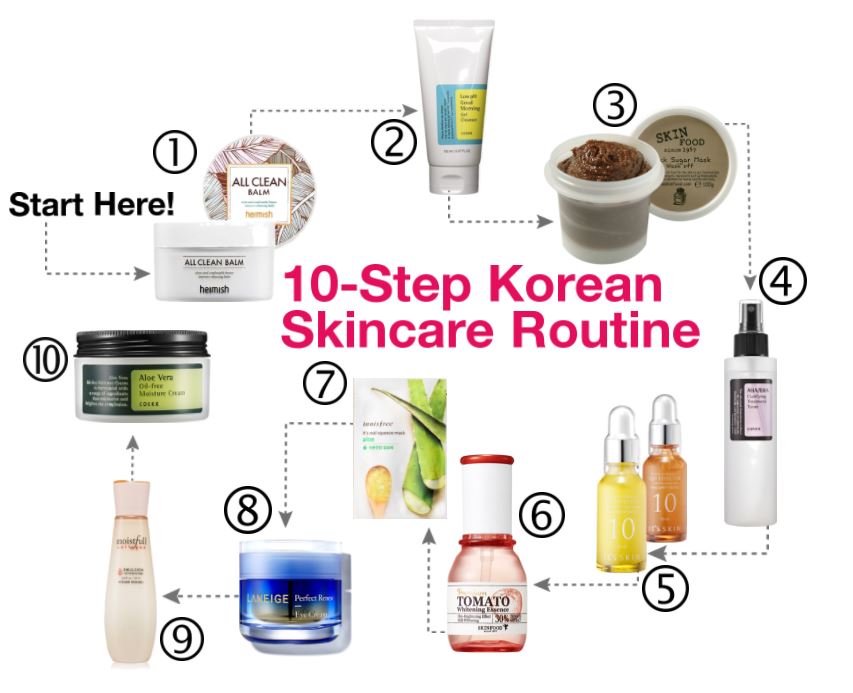
The 10 steps commonly associated with this regime are:

  1. Oil cleanser
  2. Foam/cream cleanser
  3. Exfoliation
  4. Toner
  5. Essence
  6. Treatments
  7. Masks
  8. Eye Cream
  9. Moisturizer
  10. Suncare/Lip Care

Step 1 and Step 2: Double Cleansing

Makeup removal and then cleansing with an oil cleanser is the mainstay of the Korean 10-step regime. Not only are oil cleansers relaxing to use, but applied to dry skin, they also remove all makeup and other oil-based product debris like sebum, sunscreen and pollution particles. You can also massage your skin as you oil cleanse which will stimulate the surface of the skin, preparing it for the products you’re about to apply. It also drains lymphatic glands in your face and neck that can cause puffiness.

Cleansing twice is recommended by dermatologists as it helps to thoroughly remove all impurities that can cause breakouts. Water-based cleansers dissolve the water-based impurities such as dirt and sweat that your oil cleanser didn’t pick up.

I normally don’t use make-up, so generally skip this step, moving straight to my normal cleanser. On days when I do apply some make-up, I usually will use micellar water to remove the make-up before cleansing with my usual foam or cream cleanser.

Step 3: Exfoliation

Exfoliation not only cleans out clogged pores, but it also sloughs off dead skin cells. When you remove this dull layer of cells, brighter skin is revealed. Regular exfoliation will also help your other skincare products absorb and work more efficiently. This step is not recommended for daily use. If you have sensitive skin, you’ll only want to exfoliate once a week. If you have a tougher complexion, you can do it more regularly (about three times a week).

I usually exfoliate around three times a week.

Step 4: Toner

In Korean skincare, toners are typically a thin layer of moisture meant to regulate your pH and soften your skin, preparing it for the steps that will follow. Toners remove any leftover residue from the cleansers while also repairing your skin’s barrier to effectively absorb the moisturisers that follow. Toners also balance the skin’s pH levels, otherwise, the skin can become dry and dehydrated.

I usually apply toner by pouring some in the palms of my hand and then patting it on my skin. I also very lightly slap my skin to help the toner melt into the skin and prep it for the next step.

Step 5: Essence

One of the keys to the glowy results of a regular Korean skincare routine is layering products. Rather than relying on one thick cream to do all the work, Koreans believe that layering products allow the skin to breathe and avoids clogging the pores. So if you think of your toner as the first layer of moisture, think of the essence as the second. These products are typically also thinner in texture, and some even feel watery. They penetrate the skin at a deeper level and aid with the absorption of the products to come.

I pretty much use the essence the same way I use the toner, which is pouring a small amount in the palms of my hands and patting it in with very mild slaps.

Step 6: Treatments

This step includes boosters, serums and ampoules. Packed with powerful ingredients, they target specific skin concerns such as acne, fine lines and hyperpigmentation. This is where you get to play with what you need for your skin. You could also use multiple treatments on the same day, depending on what your skin requires or if you already have perfect skin, you can ignore this step.

I generally use two treatment serums daily, a vitamin C serum and another treatment depending on what my skin needs. I pour a bit in my palms and then pat the serums on my skin. I normally wait for a couple of minutes before the next treatment.

Step 7: Masks

If essences are the heart of Korean skincare, masks or specifically sheet masks are the soul. The key to sheet masks is the sheet, which when in prolonged contact with your face, allows the skin to fully absorb the nutrients and moisture. The purpose of the mask is to give your skin what it needs. Korean sheet masks are also very affordable, especially where I live and it’s very easy to amass a huge stash.

I usually flit between sheet masks and other traditional wash off masks. If I am using a wash off mask, then I do it right after cleansing and before toning. If using sheet masks, then it comes here, in step seven.

Step 8: Eye Cream

The eye cream is not unique to the Korean skincare routine, but it is one of the hardest products to consistently use because it’s more a preventative product if you’re under the age of 40. The eye cream is designed to moisturize the ultra-thin skin around your eyes where crow’s feet and fine lines are bound to appear. However, if you use eye cream regularly before they show up, you’ll see a marked difference in how old you look (or in this case, how young!)

I miss this step more often than I do it, so this post is a reminder for me to do this step more consistently.

Step 9: Moisturiser

More moisture you may be thinking, but in the traditional Korean beauty 10-step routine, you use a cream – also known as an occlusive layer – to seal in all the layers before it. Think of it as making a fragrant stew and putting the lid on the pot. It allows the fragrances and flavours inside to mingle and absorb, which is a lot like what all the luscious ingredients you layered are doing in your epidermis when you add a moisturizer.

I usually use a facial oil and then any normal moisturiser in this step during the day. During the night, I use the facial oil plus a sleeping mask, which I use as a moisturiser since I sleep in an air-conditioned room and I have super dry skin which the air conditioning makes drier.

Step 10: Sun Care/Lip Care

We all know that we should always wear sun protection, even if we are inside the house. It’s the easiest and most effective way to prevent skin cancer as well as ageing that comes from the sun’s harmful rays. It should be the last step, just before you start applying make-up so that it does not get diluted by other skincare products.

I try to use sunscreen as the last step in my morning ritual. This is another step I am sometimes guilty of skipping, especially if I am going to be at home the whole day. But I will make sure I don’t do that and use SPF daily.

In the night, I use a heavy lip balm to finish up my Korean 10-Step Skincare ritual before calling it a night!

My thoughts on doing this diligently for slightly over two months now is that it no longer seems a chore to me now as it was when I first started doing it. Previously, I used to sometimes skip doing a night-time skincare ritual if I was tired or sleepy, but now it’s a part of what I do at night before sleeping, the same as brushing my teeth. It does not take very long to do, I timed it last night and it took me less than 10 minutes to do all steps excluding exfoliation and masking. So to those who are intimidated by the sheer number of steps, take heart that it will become simpler as you continue doing it.

Was this post useful? Did you learn something new? Are you using a skincare regime which is similar to the Korean one? Would love to hear comments, so please write and comment below.