In My Hands Today…

Embers of the Hands: Hidden Histories of the Viking Age – Eleanor Rosamund Barraclough

Imagine a Viking, and a certain image springs to a nameless, faceless warrior, leaping ashore from a longboat, and ready to terrorise the hapless local population of a northern European country.

Yet while such characters define the Viking Age today, they were in the minority. This is the history of all the other people – children, enslaved people, seers, artisans, travellers, writers – who inhabited the medieval Nordic world. Encompassing not just Norway, Denmark and Sweden, but also Iceland, Greenland, parts of the British Isles, Continental Europe and Russia, this is a history of a Viking Age filled with real people of different ages, genders and ethnicities, as told through the traces that they left behind, from hairstyles to place names, love-notes to gravestones.

For the first time, you can immerse yourself in the day-to-day lives of extraordinary culture which spanned centuries and spread from the edge of the North American continent to the Russian steppes, from the Arctic wastelands to the Byzantine Empire and the Islamic Caliphate.

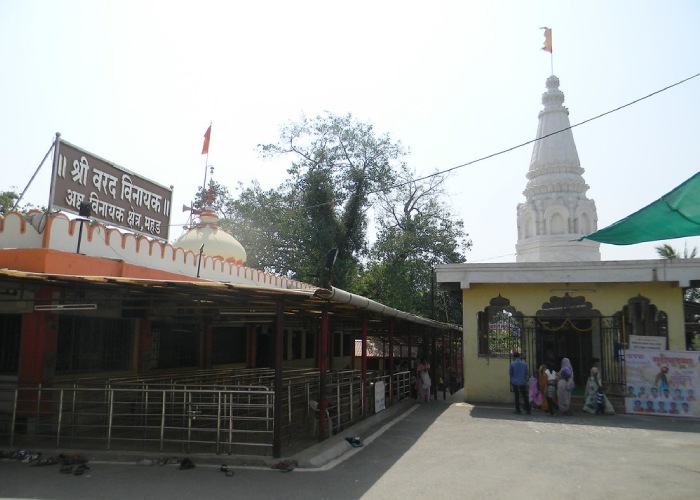
Sacred Stones, Spaces, and Stories: Ashtavinayaka Part 1

Regular readers of this blog will know that Lord Ganesha is my ishtadev, the one whom I connect to and the first I think of in joy and sadness. He is the first whom I think of when I wake up and the last I call upon before I sleep. It’s only fitting, then, that my next instalment in this series on Hindu temples is the Ashtavinayaka temples. So let’s learn more about this form of the elephant god and this temple circuit.

Among the many sacred circuits that devotees undertake, the Ashtavinayaka pilgrimage in Maharashtra holds a unique place. The term Ashtavinayaka translates to “eight Ganeshas,” referring to the eight temples dedicated to Lord Ganesha, the remover of obstacles and the harbinger of wisdom. The Ashtavinayaka Yatra is centred around the city of Pune. The eight temples house eight distinct idols of Ganesha, the Hindu deity of unity, prosperity, learning, and the removal of obstacles. Each of these temples has its legend and history, as distinct from each other as the idols in each temple. The form of each murti of Ganesha and his trunk are distinct from one another. To complete the Ashtavinayaka Yatra, one must revisit the first temple after visiting all eight temples.

Unlike other temple circuits, the Ashtavinayaka pilgrimage is distinctive because each of these eight temples enshrines a self-manifested or Swayambhu idol of Lord Ganesha, believed to have emerged naturally rather than being sculpted by human hands. The Ashtavinayaka temples are located in different parts of Maharashtra, primarily in and around Pune, in the Pune and Raigad districts, and visiting them in a specific sequence is considered highly auspicious.

Out of these eight temples, five are in Pune, two are in Raigad, and one is in Ahmednagar or Ahilyanagar District. The pilgrimage takes 3 days to complete and as per scriptures, must be in this specific prescribed order: Mayureshwar Temple, Morgaon, where Lord Ganesha is astride on a peacock and the starting and ending point of the pilgrimage, Siddhivinayak Temple, Siddhatek, a tranquil temple where Lord Vishnu is said to have meditated, Ballaleshwar Temple, Pali, the only Ganesha temple named after a devotee, Ballal, Varadvinayak Temple, Mahad, known for granting boons or varada, Chintamani Temple, Theur, associated with the return of the mythical Chintamani gem, Girijatmaj Temple, Lenyadri, carved into a mountain, and linked to Goddess Parvati, Vighnahar Temple, Ozar, dedicated to the vanquisher of obstacles, and worshipped by Lord Indra, and the Mahaganapati Temple, Ranjangaon, also known as the Great Ganesha, and connected to Shiva’s victory over the demon Tripurasura. The pilgrimage concludes by returning to Morgaon, completing the sacred loop.

It is believed that to complete the pilgrimage, a devotee must visit all eight temples in the prescribed order and then return to the first temple to complete the spiritual circuit. This act symbolises the cycle of life and the divine presence of Lord Ganesha in all stages of human existence.

Each of these temples is associated with a unique form of Ganesha and carries its legend that adds to the richness of the pilgrimage. However, what ties them together is their collective significance as sites of divine energy and devotion.

Several fascinating legends connect the Ashtavinayaka temples, making this pilgrimage more than just a visit to eight separate shrines. Some of the overarching myths associated with the circuit include

The Legend of Sage Gritsamada and Mayureshwar: According to Hindu mythology, Sage Gritsamada was blessed with a divine son, Ganapati, due to his intense devotion. However, a misunderstanding led to the formation of the Ganapatya sect, which exclusively worshipped Lord Ganesha. This sect played a vital role in the establishment of the Ashtavinayaka temples.

Lord Ganesha’s Battle with the Demon Sindhu: A prevalent myth speaks of the demon Sindhu, who had received a boon that he could only be defeated by an incarnation of Shiva and Parvati’s son. To destroy this menace, Ganesha took the form of Mayureshwar and, riding a peacock, vanquished the demon. This legend explains why the Mayureshwar Temple in Morgaon is considered the most important of the eight temples.

The Story of Ballal and the Self-Manifested Idol: At Ballaleshwar Temple in Pali, the legend of a young devotee named Ballal is widely told. A dedicated worshiper of Ganesha, Ballal was punished by his father for excessive devotion. However, moved by his faith, Ganesha himself appeared before Ballal, blessed him, and took residence in Pali, leading to the establishment of the temple.

Ganesha as the Conqueror of Obstacles: The story behind Vighnahar Temple in Ozar speaks of how Ganesha defeated the demon Vighnasura, who caused disruptions in religious practices. Ganesha subdued him but, on the demon’s plea, allowed him to stay, thus earning the title “Vighnahar” (Remover of Obstacles).

The Connection to the Pandavas: The Girijatmaj Temple at Lenyadri, located in a cave, is believed to be where Goddess Parvati meditated to be blessed with a son. It is also said that the Pandavas from the Mahabharata worshipped at this temple during their exile.

The Ashtavinayaka Yatra is not just a spiritual journey but a process of self-discovery and renewal. The circuit follows a clockwise route, believed to harness cosmic energy. Devotees often complete it within 1–2 days, symbolising detachment from worldly distractions. Devotees follow specific rituals and guidelines while undertaking this pilgrimage. Modak, Lord Ganesha’s favourite sweet, is offered at all temples, along with dhurva grass, red hibiscus flowers, and coconut. Devotees continuously chant prayers and the Ganapati Mantra to invoke his blessings. Pilgrims walk around each temple’s inner sanctum, often 3.5 times, echoing the cyclical nature of time. Tying a red thread at Morgaon and removing it at the final temple symbolises the shedding of sins. Many devotees observe fasts or perform special pujas during the pilgrimage and also listen to stories about Ganesha and his leelas, or divine acts, as part of the experience. Pilgrims observe fasting, avoid non-vegetarian food, and practice celibacy during the yatra to purify the mind and body.

The Ashtavinayaka circuit transcends mere temple-hopping; it is a metaphysical journey through Maharashtra’s heartland, blending devotion, mythology, and nature. Each temple’s unique narrative and the collective ritualistic voyage underscore the Hindu ethos of unity in diversity. For centuries, this pilgrimage has drawn kings, saints, and commoners alike, offering solace and strength. As you embark on this article series, each of the eight temples will reveal its distinct history, myths, and grandeur. Together, they form a mosaic of divine grace, making the Ashtavinayaka pilgrimage a truly transformative experience.

In My Hands Today…

Henry V: The Astonishing Triumph of England’s Greatest Warrior King – Dan Jones

Henry V reigned over England for only nine years and four months and died at the age of just thirty-five, but he looms over the landscape of the late Middle Ages and beyond. The victor of Agincourt, he is remembered as the acme of kingship, a model to be closely imitated by his successors. William Shakespeare deployed Henry V as a study in youthful folly redirected to sober statesmanship. For one modern medievalist, Henry was, quite simply, “the greatest man who ever ruled England.”

For Dan Jones, Henry V is one of the most intriguing characters in all medieval history, but one of the hardest to pin down. He was a hardened, sometimes brutal warrior, yet he was also creative and artistic, with a bookish temperament. He was a leader who made many mistakes, who misjudged his friends and family, but he always seemed to triumph when it mattered. As king, he saved a shattered country from economic ruin, put down rebellions, and secured England’s borders; in foreign diplomacy, he made England a serious player once more. Yet through his conquests in northern France, he sowed the seeds for three generations of calamity at home, in the form of the Wars of the Roses.

Henry V is a historical titan whose legacy has become a complicated one. To understand the man behind the legend, Jones first examines Henry’s years of apprenticeship, when he saw the downfall of one king and the turbulent reign of another. Upon his accession in 1413, he had already been politically and militarily active for years, and his extraordinary achievements as king would come shortly after, earning him an unparalleled historical reputation. Writing with his characteristic wit and style, Jones delivers a thrilling and unmissable life of England’s greatest king.

The Quest for Perfection

Perfection is often described as flawlessness, completeness, or supreme excellence. This concept has fascinated humanity for centuries, influencing art, science, philosophy, and even daily life. While striving for perfection can inspire greatness, it can lead to unrealistic expectations, anxiety, and dissatisfaction.

What is perfection? Perfection is a multifaceted concept that varies depending on context. In mathematics, it refers to ideal numbers; in ethics, it signifies the optimal quality of being; and in aesthetics, it denotes beauty or flawlessness. Philosophically, perfectionism is tied to developing human nature to its highest potential. However, in practical terms, perfection often remains an elusive ideal, something we aspire to but rarely achieve.

Why are people obsessed with perfection? Perfectionism is deeply rooted in psychological traits and experiences. It often stems from high parental expectations, social pressure, or a desire for control. Disorders such as generalised anxiety disorder (GAD), obsessive-compulsive disorder (OCD), and atelophobia (fear of imperfection) can exacerbate perfectionist tendencies. These mental health factors drive individuals to avoid criticism or failure by striving for unattainable ideals.

Modern culture glorifies perfection through social media, academic competition, and workplace environments. Platforms like Instagram showcase curated lives that create unrealistic comparisons. Similarly, cultures emphasising success foster a relentless pursuit of flawlessness as a measure of worth. For some individuals, perfectionism serves as a coping mechanism for past trauma or feelings of inadequacy. By striving for perfection, they seek control over their lives and validation from others.

Philosophers argue that perfectionism stems from humanity’s intrinsic desire to develop its nature fully. While this aspiration can lead to self-improvement, it often results in self-criticism when individuals fail to meet their idealised standards.

Perfectionism can be both a driving force behind achievement and a liability that hinders personal growth. On the one hand, it motivates individuals to excel; on the other hand, it fosters anxiety, procrastination, and fear of failure.

Positive aspects of perfectionism include encouraging high standards, driving innovation and creativity, and promoting discipline and focus. The negative consequences include chronic stress and burnout, procrastination due to the fear of imperfection, hampering productivity by focusing excessively on minor details, and triggering mental health issues like depression and low self-esteem.

So what should you do when chasing perfection?

Realign Expectations: Recognise that perfection is unattainable. Reframe your goals around meaningful achievements rather than flawless outcomes. The adage “perfect is the enemy of good” highlights how striving for perfection can prevent progress.

Set Realistic Goals: Avoid setting overly ambitious targets that lead to frustration. Break tasks into manageable steps and focus on completion rather than perfection.

Practice Self-Compassion: Treat yourself with kindness when you make mistakes. Self-compassion helps counteract the harsh self-criticism associated with perfectionism.

Embrace Mistakes: Mistakes are opportunities for growth rather than failures. Learning from imperfections fosters resilience and adaptability.

Gain Perspective: Understand what truly matters in life. Grades or achievements may seem critical at one moment but lose significance over time. A broader perspective can help reduce stress related to perfectionist tendencies.

Seek Support: Communicate with loved ones or professionals about your struggles with perfectionism. Therapy can help reframe irrational beliefs and develop healthier coping mechanisms.

The journey toward overcoming perfectionism requires conscious effort and mindfulness. Here are actionable steps:

Challenge Irrational Beliefs: Identify thoughts that fuel your perfectionist mindset and replace them with balanced perspectives.
Take Breaks from Social Media: Limit exposure to curated content that exacerbates feelings of inadequacy.
Adopt “Done Is Better Than Perfect”: Focus on completing tasks rather than perfecting them.
Celebrate Small Wins: Acknowledge progress instead of fixating on flaws.
Engage in Mindfulness Practices: Meditation can help reduce stress and cultivate acceptance.

The quest for perfection is deeply ingrained in human nature but fraught with challenges. While striving for excellence can lead to remarkable achievements, an obsession with flawlessness often results in anxiety, dissatisfaction, and missed growth opportunities. By understanding the roots of perfectionism and adopting strategies such as self-compassion and realistic goal-setting, individuals can find the balance between ambition and contentment. Ultimately, embracing imperfection allows us to lead more fulfilling lives—ones where growth matters more than unattainable ideals.

In My Hands Today…

Prevent and Reverse Heart Disease: The Revolutionary, Scientifically Proven, Nutrition-Based Cure – Caldwell B. Esselstyn Jr.

Prevent and Reverse Heart Disease challenges conventional cardiology by posing a compelling, revolutionary idea-that we can, in fact, abolish the heart disease epidemic in this country by changing our diets. Drawing on the groundbreaking results of his twenty-year nutritional study, Dr. Caldwell B. Esselstyn, Jr., a former surgeon, researcher, and clinician at the Cleveland Clinic, convincingly argues that a plant-based, oil-free diet can not only prevent and stop the progression of heart disease, but also reverse its effects.

Furthermore, it can eliminate the need for expensive and invasive surgical interventions, such as bypass and stents, no matter how far the disease has progressed. Dr. Esselstyn began his research with a group of patients who joined his study after traditional medical procedures to treat their advanced heart disease had failed. Within months of following a plant-based, oil-free diet, their angina symptoms eased, their cholesterol levels dropped significantly, and they experienced a marked improvement in blood flow to the heart. Twenty years later, the majority of Dr. Esselstyn’s patients continue to follow his program and remain heart-attack proof.

Prevent and Reverse Heart Disease explains the science behind these dramatic results, and offers readers the same simple, nutrition-based plan that has changed the lives of his patients forever. In addition, Dr. Esselstyn provides more than 150 delicious recipes that he and his wife, Ann Crile Esselstyn, have enjoyed for years and used with their patients. Clearly written and backed by irrefutable scientific evidence, startling photos of angiograms, and inspiring personal stories, Prevent and Reverse Heart Disease will empower readers to take charge of their heart health. It is a powerful call for a paradigm shift in heart-disease therapy.