Festivals of India: Pola

A little-known thanksgiving festival, Pola or Bail Pola is celebrated by farmers in Maharashtra and Chhattisgarh to acknowledge the importance of bulls and oxen, who are a crucial part of agriculture and farming activities. It falls on the day of the Pithori Amavasya the new moon day in the month of Shraavana, which usually falls in August. During Pola, farmers don’t work their bulls in the farmland, and the day is a school holiday in the rural parts of Maharashtra. This year, the festival of Pola falls today, 26 August.

The cow is considered a sacred animal and is worshipped in the Hindu religion. The states of Maharashtra, Chhattisgarh, Madhya Pradesh, Telangana, and Karnataka celebrate the festival called Bail Pola whereas, in states like Madhya Pradesh and Chhattisgarh, the day is also celebrated as Pola Amavasya. The Hindu God and Goddesses are accompanied by animals like a bull named Nandi to Lord Shiva, and the Cow to Lord Krishna. This day is celebrated by the farmers of Maharashtra to pay importance to the cows and bullocks named Bail Pola, meaning Bullock Pola.

The festival is celebrated among the Marathas of central and eastern Maharashtra with a similar festival observed by farmers in other parts of India, known as Mattu Pongal in the South and Godhan in the North and West India. In Telangana, a similar festival is celebrated on full moon day and is called Eruvaka Purnima.

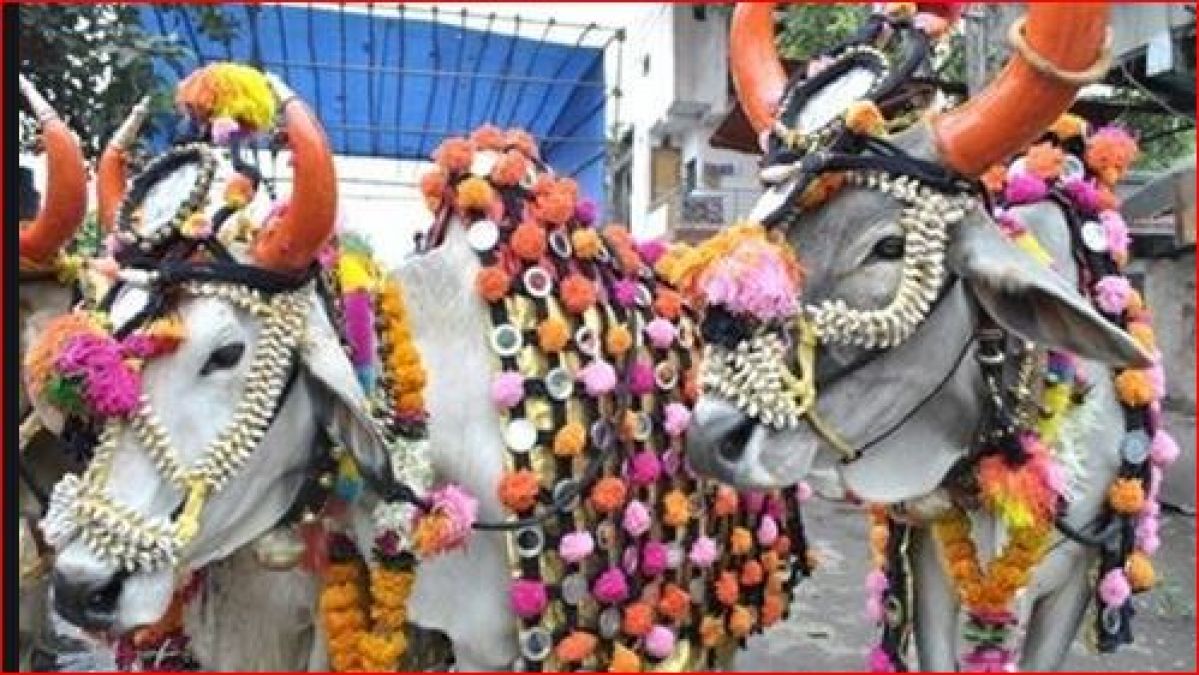
In preparation for the festival, bulls are washed and massaged with oils and then decorated with shawls, bells, and flowers, and their horns coloured, and they get new reins and ropes. The decorated cattle are offered a special food called khichadi, made of bajari or pearl millet. The decorated bulls and oxen are walked in a procession to the village field accompanied by music and dancing with lezhims, a musical instrument found in Maharashtra made of a wooden rod and an iron chain full of metallic pieces and drums. The first bullock to go out is an old bullock with a wooden frame called makhar tied on its horns. This bullock is made to break a toran, a wreath of mango leaves stretched between two posts, and is followed by all the other cattle in the village. A big fair is also organised during the festival including various sports activities including volleyball, wrestling, kabaddi and kho-kho.
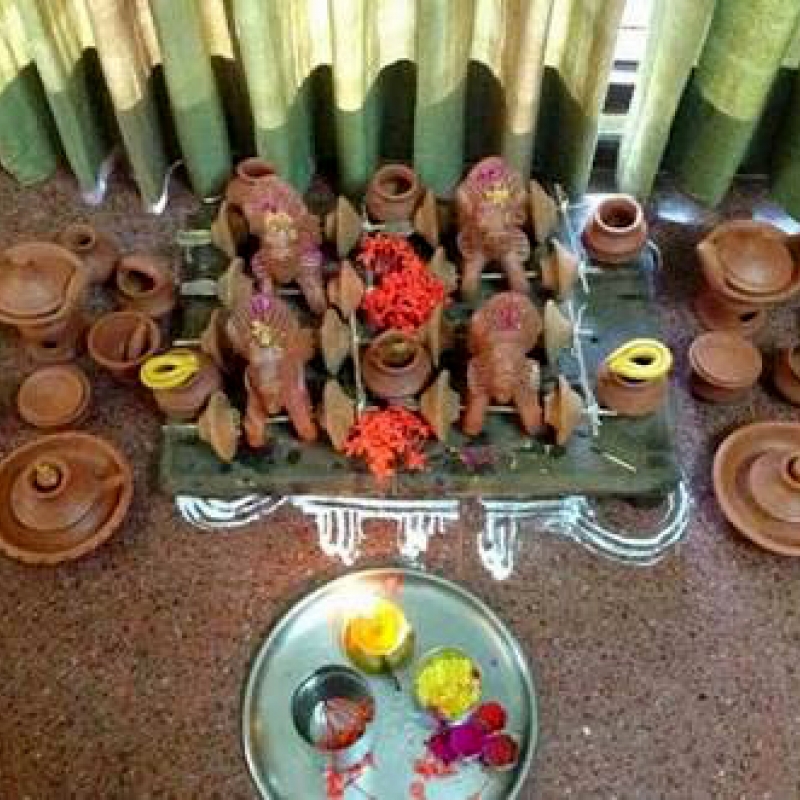
Homes in the village are decorated with rangolis and toran on top of doors. Puja thalis with kumkum, water, and sweets are prepared, and when the cattle are returned from the procession they are formally greeted by family members, with an earthen lamp with ghee for puja and aarti. On the day following Pola, children decorate wooden bulls with beads and flowers.

It is believed that the festival has gotten its name from mythological events and texts. In one of the episodes of Lord Krishna’s life where he killed a demon named Polasur to save the villagers while still a child. And so this day is dedicated to children and animals and children get special treatment on this day.

In My Hands Today…

The Trigger: Hunting the Assassin Who Brought the World to War – Tim Butcher

On a summer morning in Sarajevo a hundred years ago, a teenage assassin named Gavrilo Princip fired not just the opening shots of the First World War but the starting gun for modern history, when he killed Archduke Franz Ferdinand. Yet the events Princip triggered were so monumental that his own story has been largely overlooked, his role garbled and motivations misrepresented.

The Trigger puts this right, filling out as never before a figure who changed our world and whose legacy still has an impact on all of us today. Born a penniless backwoodsman, Princip’s life changed when he trekked through Bosnia and Serbia to attend school. As he ventured across fault lines of faith, nationalism and empire, so tightly clustered in the Balkans, radicalisation slowly transformed him from a frail farm boy into history’s most influential assassin.

By retracing Princip’s journey from his highland birthplace, through the mythical valleys of Bosnia to the fortress city of Belgrade and ultimately Sarajevo, Tim Butcher illuminates our understanding both of Princip and the places that shaped him. Tim uncovers details about Princip that have eluded historians for a century and draws on his own experience, as a war reporter in the Balkans in the 1990s, to face down ghosts of conflicts past and present.

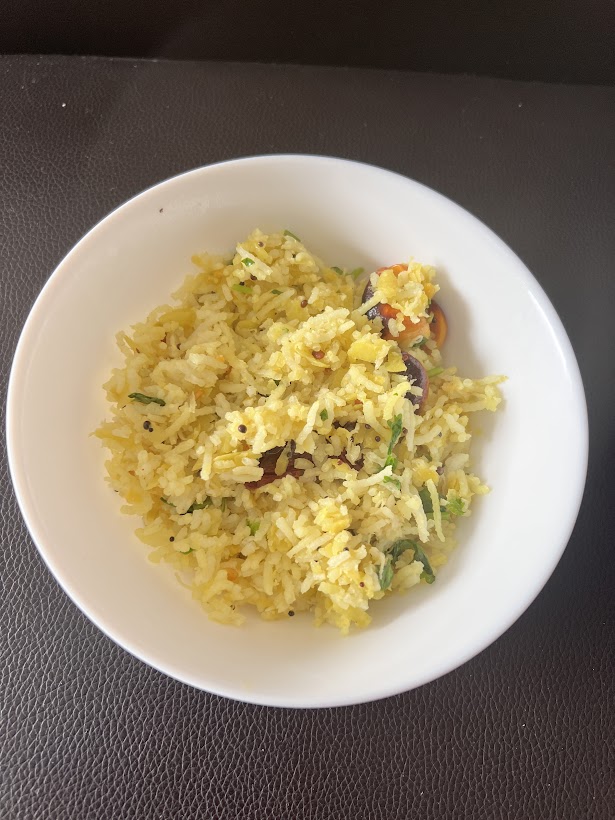
Recipes: Raw Mango Rice

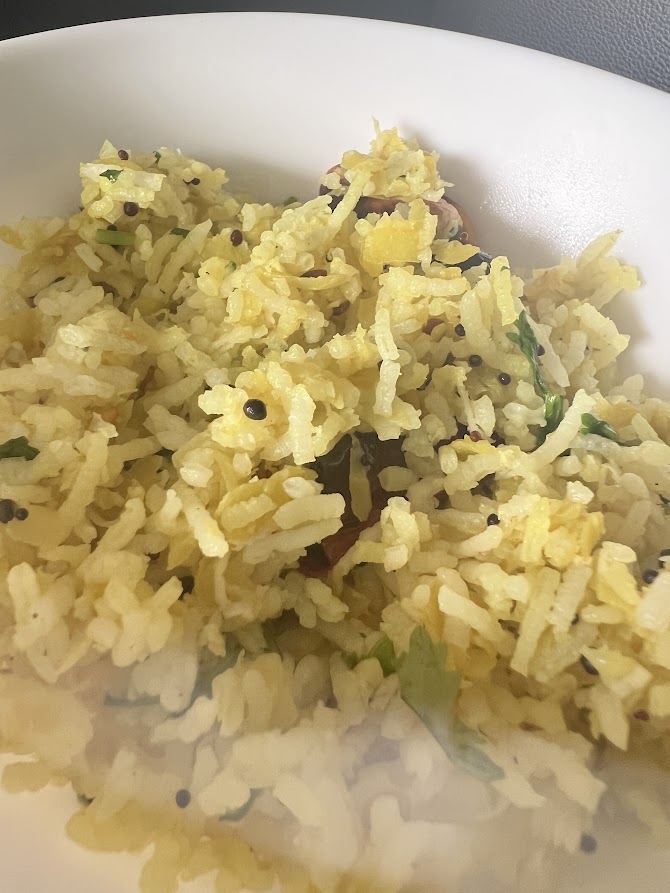
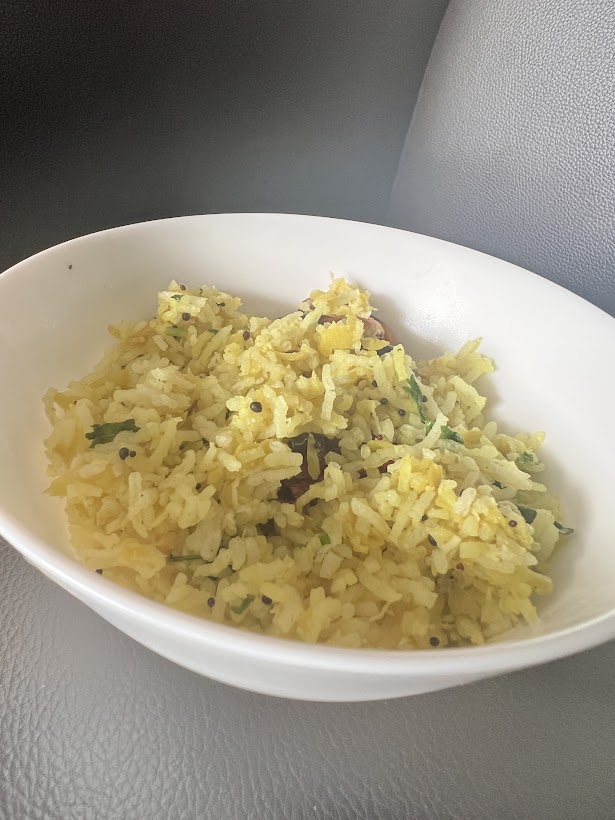
A dish from the state of Karnataka made on special occasions, my mother has been asking me to make this ever since she tasted it in Bengaluru. My sister also makes a version of this rice and kept telling me to try it as it was very tasty. I finally caved in and made it a couple of weeks back when I found some nice raw unripe mangoes in the market. The rice was very tasty and reminded us of lemon rice which is prepared similarly.

Recipes: Raw Mango Rice

Ingredients:

  • 1 raw mango, peeled and grated to get about ½ cup of grated mangoes
  • 1 cup basmati rice, soaked in water for about 30 minutes
  • 2 tbsp oil
  • 1 tsp mustard seeds
  • 1 tsp broken urad dal
  • ¼ tsp turmeric powder
  • 1 tbsp roasted peanuts
  • 6-8 cashew nuts
  • 2 dried red chillies, broken
  • Salt to taste
  • 1 tbsp grated coconut
  • Coriander leaves, finely chopped to garnish

Method:

  • Cook the rice and let it cool. When cool, gently fluff it with a spoon and spread it on a large plate. Keep aside
  • Heat the oil in a pan and when the oil warms up, add in the mustard seeds and let the seeds pop.
  • Next add the turmeric powder, and the urad dal and stir for a few seconds. After this add in the dried chillies, the peanuts and cashew nuts and stir until the cashew nuts start to become golden brown.
  • At this point, add in the grated mango and the salt and stir. Cook covered until the mangoes become tender and cooked.
  • When the mangoes are cooked, add in the rice and gently mix everything. You can check for seasoning at this point and add what is missing.
  • Add in the grated coconut and stir well.
  • Cook covered for a minute or two and serve hot garnished with finely chopped coriander leaves.

In My Hands Today…

The Choice: Embrace the Possible – Edith Eger and Esmé Schwall Weigand

It’s 1944 and sixteen-year-old ballerina and gymnast Edith Eger is sent to Auschwitz. Separated from her parents on arrival, she endures unimaginable experiences, including being made to dance for the infamous Josef Mengele. When the camp is finally liberated, she is pulled from a pile of bodies, barely alive.

The horrors of the Holocaust didn’t break Edith. In fact, they helped her learn to live again with a life-affirming strength and a truly remarkable resilience. The Choice is her unforgettable story.

What Does Success Look Like?

Success, the very word conjures up images of someone who is wealthy or famous or maybe someone who does very well in school or work. Or maybe it is someone who has a wonderful relationship with their spouse, parents or children. Or it could be someone in a combination of the above.

We live in a consumer-driven society and the culture we live in places a big emphasis on making money and defines success by how much we own. Advertising messages communicate that having certain luxury brands is the definition of success. So what makes one successful in this society? Is it hitting a specific income bracket or living in a specific zip code or driving a particular car model? But the question then arises is if success is only an outward manifestation or is it something deeper, something that is intrinsic to what is most important to us?

Every individual has their definition of success and what is important to them. While we need to do some things for the sake of earning an income, it is important to balance responsibilities with activities we enjoy doing. That means having enough free time to spend with people we love as well as time for practising self-care. For this to happen, we need to check if we can balance our lives to do what we enjoy doing and if not, what steps we can take to achieve a more balanced lifestyle.

One thing to be able to achieve that balance is to be secure and stable financially because while one need not be excessively wealthy to be happy, having a healthy bank balance will allow us to design our life in ways we want and a healthy bank balance will give financial stability that can mean success. What this means is that you need to figure out exactly how much you need to live a comfortable lifestyle and use that number to hit your financial goals.

Success is not all about what you do or don’t have. Someone who wants to live a life caring for others without being financially successful and achieves that is successful in their definition of success. Success is also not about big achievements, getting that ultimate promotion which will change all the time. Instead, think of success as small goals which are the ladders to the main big goal. These goals can be small, short-term wins which also give you the impetus to get to the larger goals.

Our definitions of success will change over time because our priorities change and what seemed important back then may become trivial now. Our values and needs evolve and with this, the definition of success will be revised and adjusted.

What is my version of success? It’s pretty simple actually. To me, I will consider myself successful if I am financially stable so that S and I can retire in peace, give my children a good upbringing and education and inculcate in them the values and character that make them excellent human beings and good citizens.

At the end of the day, success is being able to look at yourself in the mirror and feel good about the choices you’ve made. No person is without their mistakes, but you learn and grow through the process. Your version of success doesn’t have to look like anyone else’s, but it must be a definition you feel good about and that is meaningful to you. Ultimately, the way that you define success will lead you toward living a more contented life that is aligned with your values.

What is your definition of success?