Short Story: The Compass

The sun was setting over the small coastal town of Crescent Bay, casting a warm golden hue over the waves. Emma Carter stood in her grandfather’s study, surrounded by dusty bookshelves filled with travelogues and maps. It had been a week since her grandfather, a renowned explorer, had passed away, and she still felt the weight of his absence.

As she rummaged through his belongings, Emma’s fingers brushed against something cool and metallic. She pulled out an ornate compass, its burnt orange casing reflecting the fading light. It was unlike any compass she had seen before—intricate designs adorned its surface, and it felt strangely alive in her hand.

“Ah, you found it,” came a voice from behind her. It was her grandmother, Margaret, who entered the room with a gentle smile tinged with sadness. “Your grandfather always said that compass held more than just direction.”

“What do you mean?” Emma asked, turning the compass over in her hands. Margaret’s eyes sparkled with nostalgia. “He believed it would lead you to places you needed to be—not just physically, but emotionally as well. It was his most prized possession.”

Emma felt a surge of curiosity. “What was his last wish?” Margaret took a deep breath, her expression growing serious. “He wanted you to follow in his footsteps and explore the world. He believed there were still adventures waiting for you.”

Emma’s heart raced at the thought. She had always dreamed of becoming an explorer like her grandfather, but life had kept her tethered to Crescent Bay—school, work, and responsibilities. Now, with this compass in hand and her grandfather’s wish echoing in her mind, she felt an undeniable pull to embark on a journey.

The next morning, Emma packed a small backpack with essentials—water, snacks, a notebook to document her journey—and slipped the compass into her pocket. With one last glance at her childhood home, she set off towards the nearby cliffs that overlooked the ocean.

As she reached the edge of the cliffs, Emma took out the compass and held it before her. The needle spun wildly before settling in one direction—toward the north. She smiled at the thought of adventure awaiting her. “Alright,” she said aloud to herself, “let’s see where this leads.”

Following the compass’s direction, Emma trekked through winding paths and dense forests that bordered Crescent Bay. With each step she took into the wilderness, she felt a sense of freedom wash over her—a stark contrast to the confines of everyday life. Hours passed as she walked deeper into nature. The compass led her to a hidden waterfall cascading into a crystal-clear pool surrounded by vibrant wildflowers. Emma gasped at the beauty before her; it was as if nature had painted this scene just for her.

She sat on a rock by the water’s edge and opened her notebook to jot down her thoughts. “Day 1: Found a hidden waterfall,” she wrote. “The compass is guiding me toward something special.” As she wrote, Emma couldn’t shake off the feeling that this journey was more than just an exploration of new places—it was also about uncovering pieces of herself that had long been buried under layers of expectation and routine. The next day brought new adventures as Emma continued to follow the compass northward. Each destination revealed breathtaking landscapes—a secluded beach with golden sands, and an ancient grove filled with towering trees that whispered secrets in the wind.

One afternoon, while exploring an old fishing village along the coast, Emma stumbled upon an elderly man sitting outside a small shop filled with trinkets and souvenirs. His weathered face broke into a warm smile as he saw Emma approach. “Ah! You look like someone who enjoys adventure,” he said with a twinkle in his eye. “I do!” Emma replied enthusiastically. “I’m following my grandfather’s compass.” The man’s expression shifted to one of recognition. “Your grandfather? Thomas Carter? He was quite the explorer! I remember him well.”

Emma’s heart swelled with pride. “Yes! He passed away recently.” The man nodded solemnly. “He left behind quite a legacy. Did he ever tell you about his journey to find the Lost Isles?” Emma shook her head. “No, he didn’t mention it.” “Ah,” he said thoughtfully. “It’s said that those isles hold treasures beyond imagination—both material and spiritual.” He leaned closer and whispered conspiratorially, “Many have searched for them but few have returned unchanged.”

Intrigued by his words, Emma asked him for more details about these isles and how they related to her grandfather’s adventures. “Your grandfather believed that true treasure lies not just in gold or jewels but in understanding oneself,” he explained. “Perhaps your compass is guiding you toward those isles—not just geographically but emotionally as well.” With newfound determination igniting within her, Emma thanked the man and continued on her journey.

Days turned into weeks as Emma followed the compass further along the coast and inland through lush landscapes dotted with villages rich in culture and history. Each place she visited seemed to resonate with stories from generations past—stories that echoed themes of love, loss, resilience, and hope.

One evening while camping under starlit skies near a serene lake, Emma reflected on what she had learned so far. She realized that every destination brought new insights about herself and her family’s legacy—the sacrifices made by those who came before her and their dreams woven into hers. As she sat by the flickering campfire writing in her notebook about these revelations, she felt an overwhelming sense of connection—not only to nature but also to those who had walked this earth long before her.

“Maybe my grandfather wasn’t just an explorer,” she mused aloud to herself. “Maybe he was also searching for something deeper—a way to understand our place in this world.” But not all days were peaceful; one afternoon while hiking through dense woods toward what appeared on maps as an uncharted area near the coast—dark clouds gathered ominously overhead.

Emma quickened her pace but soon found herself caught in a torrential downpour that soaked through her clothes within minutes. Seeking shelter beneath an ancient tree with gnarled roots protruding from its base—she huddled against its trunk trying desperately to shield herself from the rain pelting down relentlessly around them! As thunder rumbled overhead sending shivers down her spine—Emma closed her eyes tightly wishing the storm would pass quickly allowing sunlight back into life once more!

Suddenly—a flash illuminated the surroundings revealing something glinting among the roots below! Curiosity piqued despite fear gripping her heart; she reached down carefully brushing away mud until uncovering a small metallic box intricately engraved resembling designs reminiscent of ancient times!

Heart racing—she pried open the lid revealing inside delicate necklace adorned with beautifully crafted emeralds glistening even amidst gloom surrounding them! “This must be part of what my grandfather sought!” Emma gasped realising the connection between the necklace discovered here today aligning perfectly alongside stories told earlier during travels! With renewed vigour despite the storm raging outside—Emma carefully secured the necklace around her neck feeling the warmth radiating from stones nestled against her skin!

Once the rain subsided allowing sunlight to break through the clouds illuminating the path ahead—she continued onward determined to uncover secrets hidden within the legacy left behind not just by ancestors but also by those who loved fiercely throughout history!

Days later, arriving at a coastal town bustling with life; locals welcomed warmly sharing tales woven together across generations connecting past present future alike reminding everyone importance of cherishing memories made along the way!

One evening while dining at a local eatery surrounded by laughter joy filling air; Emma overheard a conversation between two fishermen discussing legends tied back towards Lost Isles mentioned earlier during travels! Intrigued—she approached them asking questions prompting them to share stories passed down through families revealing deeper truths surrounding love triangles heartbreaks tragedies faced throughout centuries past…

Each tale resonated deeply within the heart inspiring hope and resilience reminding everyone present how love transcends time itself weaving threads connecting lives forevermore!

After weeks spent exploring the coastline and discovering hidden gems along the way—Emma finally arrived at a destination marked clearly upon the map indicating a location rumouredto to lead towards Lost Isles itself! Standing upon a cliff overlooking the vast expanse of ocean waves crashing against rocks below; she felt a mixture of excitement and trepidation coursing through her veins knowing that her journey was nearing its conclusion yet realising adventure never truly ends!

Taking a deep breath and gathering courage; she held tightly onto the emerald necklace feeling its energy pulsate reminding strength derived from the legacy left behind guiding every step taken thus far! With determination igniting spirit within; Emma set sail aboard the small boat navigating treacherous waters guided solely by intuition trusting compass leading true north towards destiny awaiting discovery…

After hours spent battling waves, she finally emerged victorious upon a shore of pristine white sand stretching endlessly before her. Her eyes were wide open taking everything the moment offered fully appreciating the beauty surrounding her. As sunlight bathed the landscape illuminating the vibrant colours of the flora and fauna thriving all around; Emma stepped ashore feeling a connection deepening within her heart knowing this place held significance beyond comprehension!

Exploring further inland, Emma discovered hidden caves adorned with beautifully crafted murals depicting stories told throughout history capturing the essence of love lost and found again reminding everyone of the importance of cherishing bonds formed across generations…

While exploring the cave adorned with intricately carved symbols resembling the emerald necklace discovered earlier; realisation dawned upon Emma. She understood the truth behind the legacy woven throughout lives lived long ago—the necklace wasn’t merely an artefact representing wealth but rather the embodiment of hope resilience love transcending time itself! After days spent uncovering secrets hidden within the Lost Isles; Emma returned home feeling transformed and enriched with the experiences gained along the way shaping her perspective forevermore!

Back at Crescent Bay surrounded by familiar sights and sounds, Emma’s heart was filled with warmth reminding everyone present of the importance of embracing the journey undertaken together and forging deeper connections. As the news spread throughout the community regarding the discoveries made during Emma’s travels, it inspired others to pursue dreams and to ignite passions reigniting the flames of hope within hearts longing for adventure awaiting discovery beyond horizons unseen…

Standing upon the cliff overlooking ocean waves crashing against rocks below once again; Emma held tightly onto her emerald necklace feeling energy pulsate reminding strength derived from the legacy left behind guiding every step taken thus far! With newfound purpose igniting spirit within; she vowed to continue honouring ancestors ensuring stories lived on inspiring future generations embracing journeys undertaken together forging connections deeper than ever imagined possible…

Festivals of India: Pana Sankranti

Also known as Maha Vishuba Sankranti, Pana Sankranti is a vibrant and culturally significant festival celebrated in Odisha. This auspicious occasion marks the traditional Odia New Year and heralds the arrival of spring, serving as a time for renewal, spiritual reflection, and communal joy. Falling on the first day of the Odia calendar month of Baisakha, typically around mid-April, Pana Sankranti coincides with the solar transit into the Mesha (Aries) Rashi, lending it cultural and astrological importance.

The roots of Pana Sankranti can be traced back to ancient times, with references found in various scriptures and texts. The festival’s origins are deeply intertwined with the agrarian culture of the region. Marking the beginning of the new agricultural year, the festival highlights its importance in the traditional Odia way of life.

One of the most significant aspects of Pana Sankranti is its association with Lord Jagannath, the presiding deity of the Puri Jagannath Temple. According to legend, Lord Jagannath created the Pana drink to remedy the scorching summer heat. Another mythological tale associated with Pana Sankranti involves Lord Vishnu’s incarnation as Varaha (the boar). It is believed that on this day, Lord Vishnu rescued the Earth from the demon Hiranyaksha, an act of divine intervention that is commemorated through various rituals and prayers during the festival.

Pana Sankranti is celebrated with great enthusiasm and fervour across Odisha, with each region adding its unique cultural flavour to the festivities. At the festival’s heart is the preparation and sharing of Pana, a special drink that gives the festival its name. This refreshing concoction is made from many ingredients, including water, jaggery, fruits, and sometimes milk or yoghurt. The Pana is not only a delicious treat but also serves a symbolic purpose, representing the essence of life and the spirit of sharing. It is offered to deities and distributed among family members, friends, and neighbours, fostering a sense of community and togetherness.

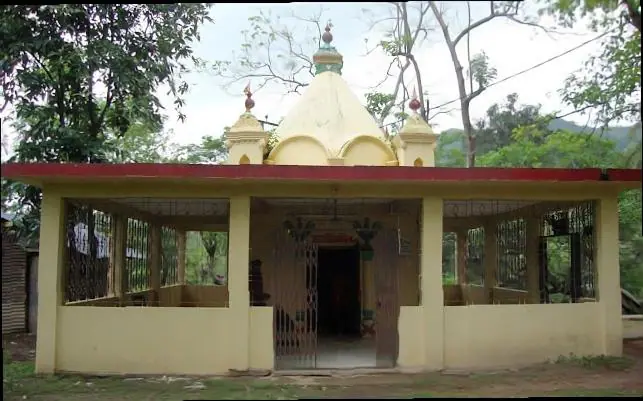
Devotees mark Pana Sankranti by visiting temples dedicated to various deities, with special emphasis on Lord Jagannath, Lord Shiva, and Goddess Tarini. The Tarini Temple near Brahmapur and the Cuttack Chandi are particularly popular pilgrimage sites during this time. One of the most spectacular rituals associated with Pana Sankranti is the Jhaamu Yatra at Sarala Temple, where priests walk across hot coals, demonstrating their devotion and faith. This awe-inspiring display draws many spectators and adds to the festival’s mystical atmosphere.

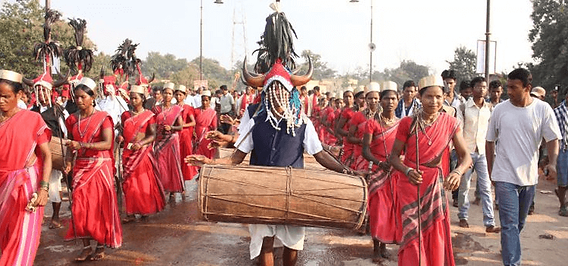
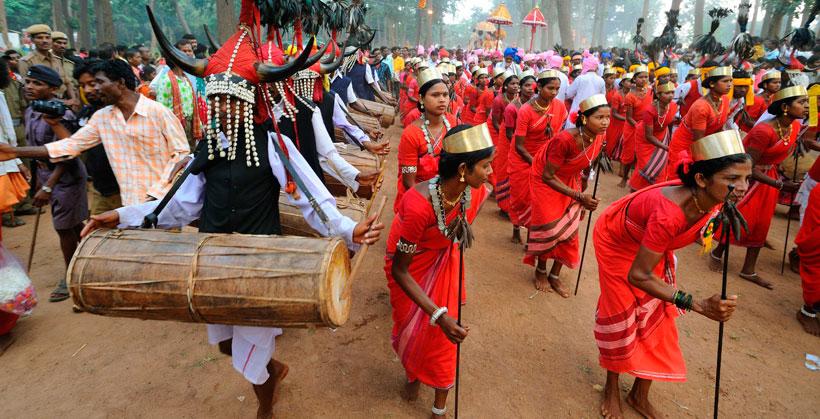
Pana Sankranti is also a time for vibrant cultural expression. One of the most notable traditions is the Danda Nacha, or Danda Jatra, an ancient dance form dedicated to Goddess Kali. Performed by a group of men known as Danduas, this dance is a testament to physical endurance and spiritual devotion, often involving acrobatic feats and rhythmic movements. In different parts of Odisha, various cultural events mark the occasion. For instance, in Chhatrapada, Bhadrak, the Patua Yatra festival spans from April 14th to April 21st, bringing communities together. Northern Odisha resonates with the festivities of Chadak Parva, while in the south, the Meru Yatra festival marks the culmination of the month-long Danda Nata dance festival.

The festival is a time for strengthening social bonds. In urban areas, Odia families often gather in community halls to celebrate together, while in rural settings, the festival takes on a more traditional flavour with community-wide celebrations. These gatherings often feature feasts where traditional delicacies are shared, further reinforcing the sense of community and shared cultural heritage.

Pana Sankranti holds deep significance in Odia culture, embodying various symbolic meanings and cultural values. As the traditional New Year, Pana Sankranti symbolises new beginnings and fresh starts. It’s a time for people to clean their homes, wear new clothes, and set positive intentions for the year ahead. This reflects the universal desire for renewal and the opportunity to begin anew. Pana Sankranti marks the beginning of the new agricultural year. This connection to the land reminds people of the importance of agriculture in their lives and the need to maintain harmony with nature. The festival provides an opportunity for spiritual reflection and devotion. The various rituals, temple visits, and prayers associated with Pana Sankranti allow people to connect with their spiritual beliefs and seek divine blessings for the coming year.

Several myths and legends are associated with Pana Sankranti, adding depth and richness to the festival’s cultural significance. According to one legend, Pana Sankranti is linked to the story of Lord Vishnu’s incarnation as Lord Jagannath. It is believed that on this day, Lord Jagannath, with his siblings Lord Balabhadra and Devi Subhadra, embarked on their annual journey to the Gundicha Temple in Puri, known as the Ratha Yatra. The legend of Lord Jagannath creating the Pana drink as a remedy for the summer heat explains the origin of this central element of the festival and emphasises the belief in divine intervention in everyday life. The myth of Lord Vishnu, in his Varaha avatar, rescuing the Earth from the demon Hiranyaksha on this day adds a cosmic dimension to the festival. This story symbolises the triumph of good over evil and the restoration of cosmic order, themes that resonate with the idea of new beginnings associated with the New Year.

While Pana Sankranti is primarily celebrated in Odisha, similar festivals marking the solar New Year are observed across South and Southeast Asia. These include Vaisakhi in North and Central India and Nepal, Bohag Bihu in Assam, Pohela Boishakh in Bengal, and Puthandu in Tamil Nadu. Each of these festivals shares common themes of renewal and celebration while incorporating unique regional traditions and customs.

In Odisha, the celebration of Pana Sankranti can vary from region to region, with each area adding its local flavour to the festivities. In the Taratarini Temple area, the festival coincides with the Chaitra Yatra, drawing large crowds of devotees. In Northern Odisha, the Chadak Parva is a significant part of the Pana Sankranti celebrations. The Meru Yatra festival in Southern Odisha marks the end of the month-long Danda Nata dance festival, coinciding with Pana Sankranti. These regional variations highlight the diversity within Odisha’s cultural landscape and demonstrate how a single festival can take on different forms while maintaining its core significance.

As with many traditional festivals, the celebration of Pana Sankranti has evolved, adapting to changing social structures and urban lifestyles. In cities, community halls often become the focal point of celebrations, where Odia families gather to observe the festival. This adaptation allows urban dwellers to maintain cultural connections even in modern settings. The preparation and sharing of Pana remain central to the festival, but the recipe might vary from household to household, with some incorporating modern ingredients or adapting the drink to suit contemporary tastes. However, the spirit of sharing and community bonding remains intact.

Pana Sankranti plays a significant role in preserving and promoting Odia culture. The festival serves as a platform for showcasing traditional art forms, music, and dance, helping to pass these cultural treasures on to younger generations. The Danda Nacha, for instance, not only entertains but also educates people about ancient rituals and beliefs. Economically, the festival boosts local businesses. The demand for traditional foods, new clothes, and items used in rituals increased during this time, benefiting local traders and artisans. Additionally, the influx of visitors to temples and pilgrimage sites during Pana Sankranti contributes to the local tourism industry.

In recent years, there has been a growing awareness of the environmental impact of festivals. While Pana Sankranti is generally an eco-friendly celebration, with its focus on natural ingredients and traditional practices, efforts are being made to make it even more sustainable. For instance, some communities are promoting the use of biodegradable materials for decorations and encouraging the responsible disposal of waste generated during the festivities. The tradition of offering water to the Tulsi plant and the symbolic representation of rain through the Pana-filled earthen pot also serve as reminders of the importance of water conservation, especially relevant as the festival marks the beginning of summer.

Pana Sankranti stands as a testament to the rich cultural heritage of Odisha, blending spiritual devotion, communal harmony, and joyous celebration. This festival, with its deep-rooted traditions and evolving practices, continues to play a vital role in the cultural and social fabric of Odia society. As a celebration of new beginnings, Pana Sankranti offers a moment for reflection, renewal, and community bonding. It serves as a bridge between the past and the present, allowing people to honour their traditions while adapting to the changing world around them.

In an increasingly globalised world, festivals like Pana Sankranti play a crucial role in maintaining cultural distinctiveness while fostering a sense of unity and shared heritage. The enduring popularity and significance of Pana Sankranti demonstrate the power of cultural traditions to adapt and thrive, even in the face of rapid social change. As long as people continue to find meaning and joy in coming together to celebrate new beginnings, share in age-old customs, and reaffirm their cultural identity, Pana Sankranti will continue to be a vibrant and integral part of Odia life for generations to come.

Adulting 101: The Importance of Sleep for Young Adults

Sleep is often one of the first sacrifices young adults make in today’s fast-paced world. With busy schedules filled with classes, work, social activities, and the constant allure of technology, many find themselves prioritising everything but rest. However, understanding the importance of sleep and establishing a good sleep schedule is crucial for overall health and well-being.

Sleep is a natural state of rest characterised by altered consciousness, reduced sensory activity, inhibition of voluntary muscles, and decreased interactions with the environment. It plays a vital role in physical health, mental well-being, and cognitive function.

Sleep consists of several stages that cycle throughout the night. NREM or Non-Rapid Eye Movement Sleep consists of three stages. Stage 1 is the light sleep stage where one drifts in and out of sleep; it is easy to wake up during this stage. Stage 2 is the slightly deeper sleep; the heart rate slows down, and body temperature drops. Stage 3 is the deep sleep stage. This stage is crucial for physical recovery and growth.

The REM or Rapid Eye Movement Sleep stage occurs after about 90 minutes of sleep. During REM sleep, the brain is active, dreams occur, and the body experiences temporary paralysis to prevent acting out dreams. REM sleep is essential for memory consolidation and emotional processing.

A typical sleep cycle lasts about 90 minutes and includes both NREM and REM stages. Most adults require 7-9 hours of sleep per night to complete several cycles effectively. Understanding this cycle can help young adults appreciate the importance of uninterrupted sleep.

A good sleep schedule is very important for physical and mental health as good academic performance, social interactions, and long-term health risks.

Adequate sleep is essential for maintaining physical health. Sleep plays a critical role in immune system function. Lack of sleep can weaken the immune response, making individuals more susceptible to illness. During deep sleep, the body releases growth hormones that aid in tissue growth and muscle repair. Poor sleep can disrupt hormones that regulate appetite, leading to weight gain and obesity.

Sleep has a profound impact on mental well-being. Insufficient sleep can lead to irritability, mood swings, anxiety, and depression. Sleep is vital for cognitive processes such as attention, memory consolidation, problem-solving skills, and decision-making abilities.

For students, good sleep is directly linked to academic success. Adequate rest enhances focus and concentration in class or while studying. Sleep helps consolidate memories learned during the day, making it easier to recall information during exams.

Sleep deprivation can affect social skills. Lack of sleep can lead to increased stress levels and irritability, which may strain relationships with peers and family members. Feeling tired can reduce motivation to engage in social activities or maintain friendships.

Chronic sleep deprivation has been linked to various long-term health issues. Inadequate sleep increases the risk of heart disease and hypertension. Poor sleep patterns are associated with insulin resistance and increased risk of type 2 diabetes. Long-term lack of quality sleep can contribute to serious mental health conditions such as anxiety disorders or depression.

Many young adults believe that sacrificing sleep for productivity or social activities is a sign of strength or ambition. However, this mindset can be detrimental. Society often glorifies busyness and productivity at the expense of self-care. It’s essential to challenge this narrative by recognizing that rest is not a weakness but a necessity for optimal performance.

Understanding the science behind why we need sleep can help shift perspectives. Quality rest improves cognitive function, creativity, and problem-solving skills—key attributes for success in both academic and professional settings. Well-rested individuals are better equipped to handle stressors and challenges effectively.

Tips for Establishing a Healthy Sleep Schedule

Creating a consistent sleep schedule is crucial for reaping the benefits of restorative rest. Here are some tips for young adults looking to improve their sleeping habits:

  • Set a consistent sleep schedule: Aim to go to bed and wake up at the same time every day—even on weekends—to regulate the body’s internal clock.
  • Create a relaxing bedtime routine: Establish calming pre-sleep rituals such as reading a book, practising relaxation techniques like deep breathing or meditation, or taking a warm bath to create the best way to start a sleep schedule.
  • Limit screen time before bed: Avoid screens like phones, computers, and TVs at least an hour before bedtime, as blue light interferes with melatonin production—a hormone that regulates sleep.
  • Optimise the sleep environment: Invest in a comfortable mattress and pillows that support restful sleep. Use blackout curtains to keep the room dark; consider earplugs or white noise machines if noise disrupts your rest.
  • Be mindful of food and drink intake: Limit caffeine consumption after mid-afternoon, as it can interfere with the ability to fall asleep. If hungry before bed, opt for light snacks rather than heavy meals that may cause discomfort during the night.
  • Incorporate physical activity: Engage in physical activity during the day; however, avoid vigorous exercise close to bedtime as it may energise instead of helping to wind down.
  • Manage stress levels: Incorporate mindfulness practices like yoga or meditation into the daily routine to help manage stress effectively.
  • Seek professional help if needed: If one continues to experience difficulties with sleeping despite implementing these strategies, seek guidance from a doctor or specialist who can provide insights into potential underlying issues affecting the ability to rest well.

Understanding the importance of quality sleep is essential for young adults navigating their academic pursuits or early careers; prioritising healthy sleeping habits leads to improved physical health but also enhanced mental clarity & emotional resilience! By establishing consistent routines while creating optimal environments conducive towards restful slumber, young individuals will find themselves better equipped both personally & professionally!

Remember—it’s not merely about getting enough hours in bed; it’s about ensuring those hours are restorative! By embracing these tips & strategies, young adults who are embarking on their journey towards better sleeping patterns, their future self will thank them! Prioritise rest today so that one can thrive tomorrow!

Poem: The Gifts We Often Forget

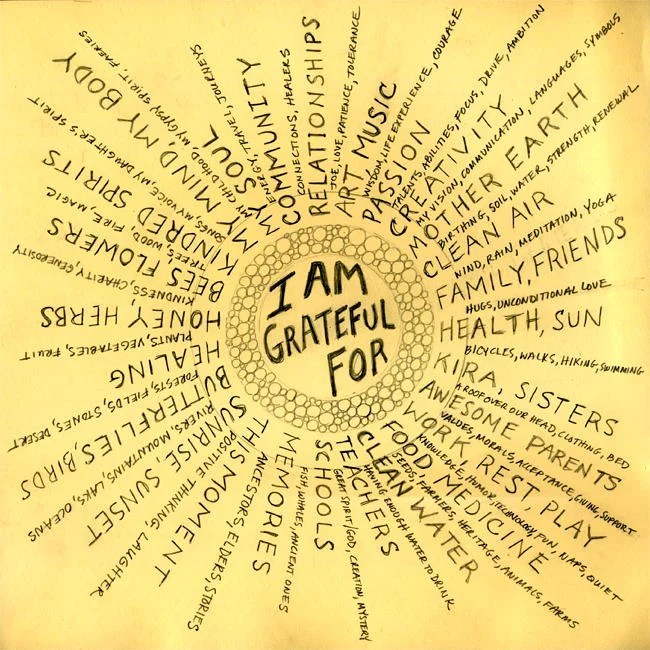
Gratitude is the quiet, heartfelt recognition of life’s blessings, big and small, that enrich our days. It is the acknowledgement of the simple joys, fleeting moments, and enduring connections that make life meaningful. From the warmth of a sunrise to the love of family and friends, gratitude teaches us to see beauty in the ordinary and cherish every gift we’re given.

The Gifts We Often Forget

For the first breath of dawn, soft and new,
For skies painted gold and the morning dew.
For the warmth of the sun and the touch of the breeze,
For the dance of the leaves on whispering trees.

For a heart that beats and eyes that see,
For a mind that dreams and a soul that’s free.
For laughter shared and love that stays,
For the quiet comfort of familiar days.

For the food on our table, the roof overhead,
For the simplest joys, for the paths we tread.
For the kindness of strangers, the bonds that we share,
For moments of peace and answered prayers.

For lessons learned, both easy and tough,
For finding abundance when we feel there’s not enough.
For the strength to rise when the road feels steep,
For the stars that watch over us as we drift to sleep.

Gratitude lives in all that we see,
In the humblest of gifts, in life’s melody.
So let us be thankful, let’s cherish it all,
For the grand and the simple, the big and the small.

The Psychology of Regret: How to Make Decisions You Won’t Regret

Regret is a complex and multifaceted emotion that plays a significant role in the decision-making process and one’s overall well-being. It involves the cognitive and emotional recognition that something desirable did not occur, often due to our actions or inactions. While regret can be challenging to grapple with, understanding its psychology and learning strategies to make better decisions can help us lead more fulfilling lives with fewer regrets.

Regret is an inevitable part of the human experience, particularly in modern times when we are faced with many choices. This emotion can range from mild and fleeting to intense and long-lasting, potentially haunting individuals for years or even a lifetime.

Regret is often characterised by several key components. Self-reproach is a sense of responsibility for the negative outcome, while sadness is about the emotional distress over what could have been. Ruminations are persistent thoughts about the decision and its consequences, and a desire for change is a wish to undo or alter the past decision. Regret can be triggered by both actions taken and opportunities missed. Interestingly, research suggests that regrets related to inaction—the roads not taken—tend to be more persistent and harder to overcome than those stemming from actions.

While regret is a natural and sometimes beneficial emotion, excessive or chronic regret can have significant negative impacts. Regret has been linked to anxiety, depression, and sleep problems. It can increase stress levels and negatively affect hormones and immune systems. Regret, which is also the fear of future regret, can lead to decision paralysis or overly cautious choices. However, when managed effectively, regret can also serve as a catalyst for personal growth and improved decision-making.

To better understand regret and how to manage it, it’s crucial to explore the psychological mechanisms at play.

Several cognitive biases can influence our experience of regret. Negativity bias is the tendency to focus more on negative experiences than positive ones. In black-and-white thinking, one views situations as entirely good or bad, with no middle ground. Catastrophising is assuming the worst possible outcome in a given situation. These biases can amplify feelings of regret and make it more difficult to move past negative experiences.

Regret is closely tied to counterfactual thinking – the process of imagining alternative outcomes to past events. While this type of thinking can sometimes lead to rumination and increased distress, it also plays a crucial role in learning from our experiences and improving future decision-making.

Not everyone experiences regret in the same way. Factors that can influence an individual’s propensity for regret include perfectionism, where those with perfectionistic tendencies may be more prone to regret. Maximisers who seek optimal outcomes tend to experience more regret than satisficers who are content with good enough results. The more opportunities one perceives, the greater the potential for regret.

While it’s impossible to completely eliminate regret from our lives, there are several strategies we can employ to make better decisions and minimise future regrets.

Embrace Self-Compassion: Practicing self-compassion is crucial in managing regret and making better decisions. This involves acknowledging that everyone makes mistakes and experiences regret, treating yourself with kindness and understanding, and using past experiences as learning opportunities rather than sources of self-criticism.

Develop Emotional Intelligence: Improving your emotional intelligence can help you better understand and manage your feelings of regret. Practice identifying and naming your emotions accurately, learn to accept and sit with uncomfortable emotions rather than avoiding them, and use emotional awareness to inform your decision-making process.

Utilise Counterfactual Thinking Constructively: Instead of getting stuck in unproductive rumination, use counterfactual thinking to your advantage. Analyse past decisions objectively to identify areas for improvement, focus on controllable factors that you can change in the future, and use insights gained from this process to inform future decisions.

Implement a Structured Decision-Making Process: Adopting a systematic approach to decision-making can help reduce the likelihood of future regrets. Clearly define the decision to be made, gather relevant information and consider multiple perspectives, identify and evaluate potential alternatives, make a choice based on your values and priorities, implement your decision and monitor the results, and reflect on the outcome and learn from the experience.

Practice Mindfulness: Incorporating mindfulness into your decision-making process can help you make more thoughtful choices. Stay present in the moment and avoid getting caught up in past regrets or future anxieties, pay attention to your thoughts and feelings without judgment, and use mindfulness techniques to reduce stress and enhance clarity when facing important decisions.

Cultivate a Growth Mindset: Adopting a growth mindset can help you view regret as an opportunity for learning and personal development. Embrace challenges as chances to grow and improve, see failures and mistakes as valuable learning experiences, and focus on the process of improvement rather than fixating on outcomes.

Consider Long-Term Consequences: When making decisions, try to look beyond immediate gratification and consider the long-term implications. Visualise how you might feel about your choice in the future, consider how the decision aligns with your core values and life goals, and use techniques like the “10-10-10” rule: How will you feel about this decision in 10 minutes, 10 months, and 10 years?

Seek Multiple Perspectives: Gathering input from others can help you make more well-rounded decisions. Consult with trusted friends, family members, or mentors, seek out diverse viewpoints to challenge your assumptions, and be open to constructive feedback and alternative perspectives.

Learn to Forgive Yourself: Developing the ability to forgive yourself for past mistakes is crucial in managing regret. Acknowledge that you did the best you could with the information and resources available at the time, practice self-forgiveness exercises, such as writing a letter of forgiveness to yourself, and use the REACH model: Recall the hurt, Empathise, Altruistically offer forgiveness, Commit publicly, and Hold onto forgiveness.

Embrace Uncertainty and Imperfection: Accepting that life is inherently uncertain and that perfect decisions are rarely possible can help reduce regret. Recognise that some level of risk is inevitable in decision-making, focus on making good enough decisions rather than striving for perfection, and embrace the idea that mistakes and regrets are part of the human experience and can lead to personal growth.

While regret is often viewed negatively, research suggests that people value regret more than many other negative emotions. This seemingly paradoxical finding highlights the potential benefits of regret when managed effectively. Regret can serve as a powerful motivator for personal development and behaviour change. The experience of regret can inform future choices, helping us avoid similar mistakes. Reflecting on regrets can provide valuable insights into our values and priorities. The counterfactual thinking associated with regret can improve our ability to identify and address issues. Sharing regrets can foster empathy and strengthen relationships.

To make the most of regret’s potential benefits, reflect on the lessons learned from past regrets, identify patterns in your regrets to uncover areas for personal growth, use regret as motivation to take positive action in the present, and share your experiences with others to gain new perspectives and foster connection.

Regret is a complex emotion that plays a significant role in our lives and decision-making processes. While it can be challenging to experience, understanding the psychology of regret and implementing strategies to make better decisions can help us lead more fulfilling lives with fewer regrets. By embracing self-compassion, developing emotional intelligence, utilising counterfactual thinking constructively, and implementing structured decision-making processes, we can learn to navigate life’s choices more effectively. By cultivating a growth mindset, considering long-term consequences, seeking multiple perspectives, and learning to forgive ourselves, we can transform regret from a source of distress into a catalyst for personal growth and improved decision-making.

The goal is not to eliminate regret entirely—as it is a natural and sometimes beneficial part of the human experience—but to develop a healthier relationship with this emotion. By doing so, we can make decisions that align more closely with our values and aspirations, leading to a life of fewer regrets and greater satisfaction. Perfection is not attainable, and some level of regret is inevitable. But, by maintaining a balanced perspective, we can learn to make peace with our regrets and use them as stepping stones toward a more fulfilling future.