

Thiruvelukkai Temple, Kanchipuram, Tamil Nadu
Among the many Divya Desams in Kanchipuram, Thiruvelukkai stands slightly apart because of the form in which Vishnu is worshipped here. The presiding deity is Azhagiya Singar, a graceful form of Narasimha, with Amritavalli Thayar as the goddess. The name Thiruvelukkai is often interpreted as “the sacred place where the Lord chose to stay.” The story suggests that after intense action, the divine paused here. In a city filled with temples representing teaching, illumination and protection, Thiruvelukkai speaks of something quieter, the moment after anger fades and balance returns.
The mythology connected to this temple begins with the well-known story of Narasimha, the fierce incarnation of Vishnu who appeared to destroy the demon king Hiranyakashipu. Narasimha emerged in blazing fury to protect Prahlada and restore righteousness. Yet the story does not end with the destruction of the demon. According to local tradition, after the battle, Narasimha continued moving across the land, still carrying the heat of that divine rage. The gods and sages prayed for the Lord to calm himself and settle into peace. It is believed that Narasimha chose this place in Kanchipuram to rest, allowing the fierce energy to soften. Because the Lord willingly stayed here in a composed form, the place came to be known as Thiruvelukkai.
In the sanctum, Narasimha does not appear in the explosive posture often associated with the incarnation. Instead, he sits with controlled strength. The lion-faced form is still powerful, but the expression is composed, almost reflective. Devotees often describe the image as one of restrained force: the moment when anger has already passed, and wisdom has returned. Amritavalli Thayar’s shrine adds warmth to the space, grounding the intense symbolism of Narasimha with compassion and grace. The presence of both shrines together makes the temple feel balanced rather than intimidating.
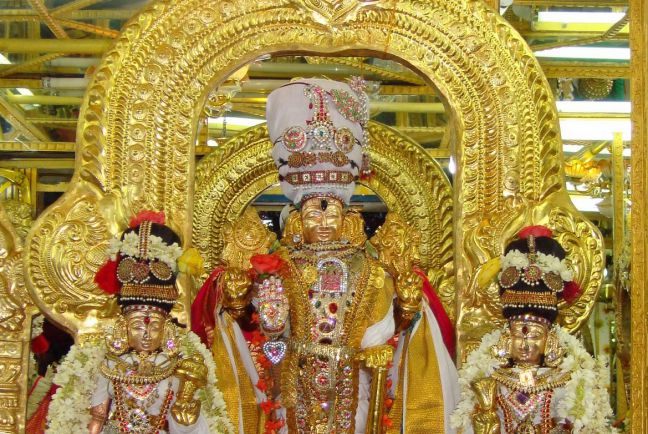
Historically, Thiruvelukkai reflects the same long continuity that marks many temples in Kanchipuram. The earliest structures likely date back to the Pallava period, when the city was an important centre of religion and scholarship. The Cholas later strengthened the stone structure and supported ritual practices through donations and endowments. Vijayanagara rulers and local patrons added mandapams and repairs over time. Despite these additions, the temple never expanded into a monumental scale. Its modest size gives it a quiet dignity. The focus remains on the sanctum rather than the surrounding architecture.
Architecturally, the temple carries the familiar elements of South Indian temple design, though in a more intimate form. The entrance gopuram is modest, and the courtyard leads directly toward the sanctum without long corridors. Inside, Azhagiya Singar faces west, an orientation that immediately draws attention. The idol’s seated posture creates a sense of stability within the space. The lion-faced features are clearly defined, yet the calmness of the form tempers the ferocity usually associated with Narasimha. The temple tank nearby adds to the sense of stillness, reflecting the sky and reinforcing the quiet mood of the surroundings.
The rituals at Thiruvelukkai follow the Vaishnavite tradition and unfold in an unhurried rhythm. Morning worship begins with Suprabhatam, followed by alankaram and neivedyam. Evening aradhanai brings devotees together once more before the temple closes for the day. During festivals such as Narasimha Jayanti and Vaikunta Ekadasi, the temple becomes livelier, but the atmosphere never loses its sense of composure. When the deity is taken out in procession during festival days, devotees often remark on how the seated form of Narasimha appears both majestic and serene.
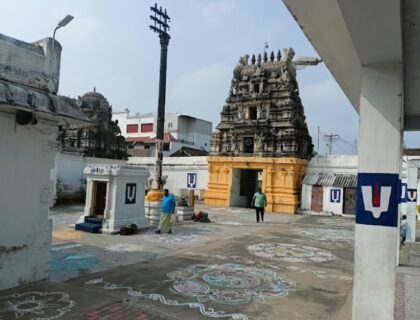
The pilgrimage experience at Thiruvelukkai feels quieter than many other temples in Kanchipuram. The streets around the temple move at a slower pace, and the entrance does not overwhelm visitors with scale. Once inside, the sanctum quickly becomes the focal point. Standing before Azhagiya Singar, one senses a kind of emotional steadiness. The temple seems to acknowledge that anger and turmoil exist, but it also suggests that they do not need to define the end of the story. Calm can follow intensity. Strength can settle into wisdom.
Culturally, Thiruvelukkai occupies an important place within the Divya Desam tradition because of its association with Narasimha’s transformation from fury to composure. The Alvars sang of the Lord here as both powerful and compassionate, recognising that the same force that destroys injustice can also protect with tenderness. For devotees, this duality is comforting. Life often brings moments of frustration or struggle, and the image of Narasimha sitting peacefully reminds them that strength does not have to remain explosive. It can mature into control.
In modern times, the temple continues its daily rhythm without interruption. Renovations have strengthened the structure and improved facilities, but the atmosphere remains largely unchanged. Devotees still come seeking courage and emotional balance. Some pray here when they feel overwhelmed by anger or stress, believing that the Lord who calmed himself here can help steady their own minds.
Thiruvelukkai ultimately represents the quiet moment after intensity. Narasimha’s presence here is not about battle but about what comes after. The fury that once protected Prahlada has softened into watchful calm. In the wider Divya Desam journey, this temple adds an important dimension. It reminds us that strength is not only about action; it is also about knowing when to become still.
Thiruneeragam Temple, Kanchipuram, Tamil Nadu
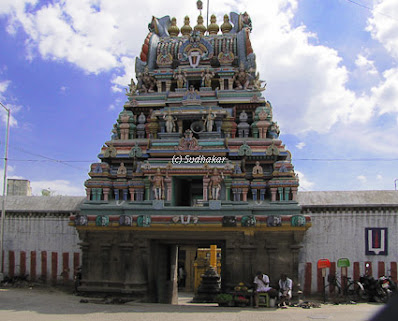
In Kanchipuram, where many Divya Desams sit close to each other within the sacred geography of the town, Thiruneeragam occupies a quieter corner. The presiding deity here is Jagadeeshwara Perumal, with Nilamangai Thayar as the goddess. Today the shrine is located within the Ulagalantha Perumal temple complex, which means it does not stand as a separate temple in the way some of the other Divya Desams do. Yet its presence remains distinct in meaning and tradition. The name Thiruneeragam itself carries the key to the temple’s identity. “Neer” means water, and the temple is associated with the element of water and the calm balance that water represents.
The mythology connected with Thiruneeragam reflects this symbolism. According to tradition, the earth once faced a severe imbalance that led to drought and dryness. Without water, life struggled and the land lost its vitality. The sages and gods prayed to Vishnu for relief, asking him to restore balance to the natural order. Vishnu appeared here as Jagadeeshwara Perumal and blessed the land with life-giving water. The story is simple but meaningful. Water is not just a physical element; it represents renewal, nourishment and continuity. By restoring water, the Lord restored stability itself.
Because of this connection, Thiruneeragam is often associated with emotional and spiritual cooling. Just as water settles dust and calms heat, the presence of the deity here is believed to steady troubled minds. Devotees approach Jagadeeshwara Perumal when life feels dry or difficult, when patience is running low or when circumstances seem uncertain. The symbolism is quiet but powerful. Water does not force change; it nourishes slowly until life begins again.
Historically, the shrine belongs to the larger sacred landscape of Kanchipuram, which flourished under the Pallavas and later under the Cholas. Many temples in the town grew during these periods, supported by rulers who saw Kanchipuram as both a political and spiritual center. Thiruneeragam itself became part of the Ulagalantha Perumal complex over time, likely during Chola or later developments when temple spaces were reorganised and expanded. Even though the shrine is smaller than many others in the town, its identity has remained clear because of the Divya Prabandham hymns that mention it.
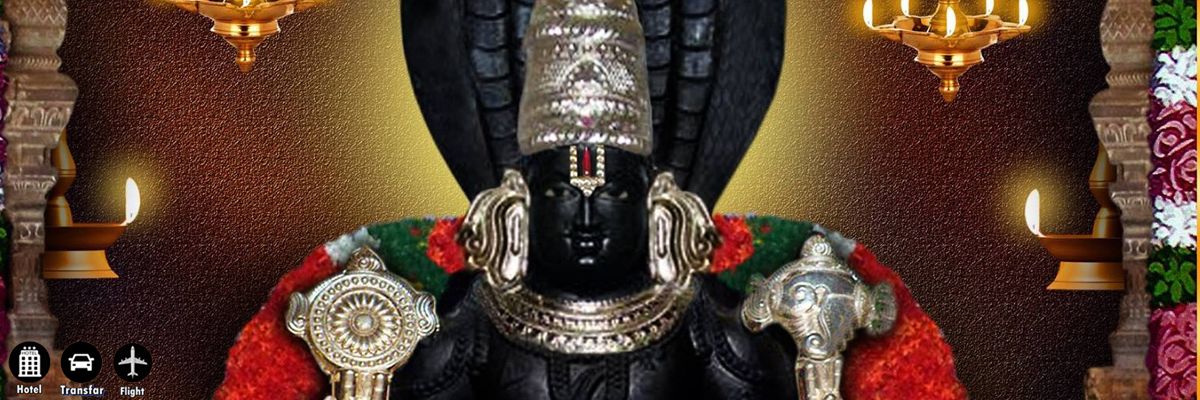
Architecturally, the shrine reflects its modest scale. It does not dominate the temple complex but blends naturally into it. The sanctum housing Jagadeeshwara Perumal is simple and direct. The idol stands in a composed posture, holding the conch and discus, embodying steadiness rather than grandeur. Nilamangai Thayar’s presence nearby adds warmth and reassurance to the space. Together, they create an atmosphere that feels calm and restorative.
The temple environment itself supports this mood. Even within the larger Ulagalantha Perumal complex, the Thiruneeragam shrine carries a sense of quietness. Devotees often pause here for a few moments longer than they expect, as though the symbolism of water naturally slows their pace. The experience is not dramatic. It is subtle, like the gentle shift that happens when heat gives way to rain.
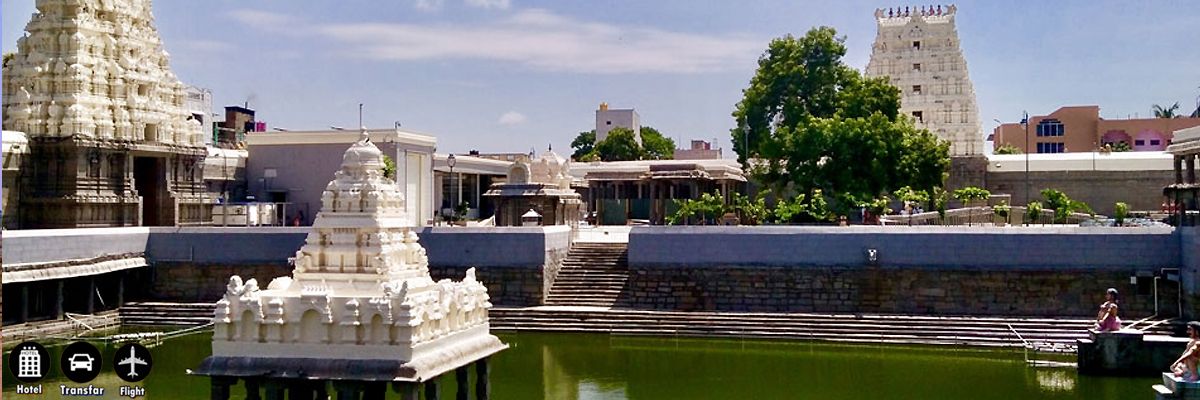
Ritual life here follows the traditional Vaishnavite pattern, with daily worship conducted as part of the larger temple schedule. The rhythms of suprabhatam, alankaram and evening aradhanai unfold steadily. During Vaikunta Ekadasi and other major festivals celebrated in the complex, the shrine receives additional attention, and devotees include it as an essential stop in their pilgrimage through Kanchipuram’s Divya Desams. The presence of the shrine within a larger temple also reflects the layered nature of Kanchipuram itself, where multiple traditions and stories overlap in the same sacred space.
Culturally, Thiruneeragam holds its place through the verses of the Alvars. The hymns that refer to this shrine highlight the Lord’s ability to bring renewal where there was dryness. In Tamil devotional thought, water often symbolises compassion and grace. Just as rivers nourish fields, divine grace sustains life. The temple, therefore, carries a quiet reminder that spiritual growth is not always sudden. Sometimes it arrives gradually, like rain after a long summer.
For pilgrims visiting Kanchipuram, the experience of Thiruneeragam often comes as part of a sequence. Moving from one Divya Desam to another, each temple reveals a different aspect of Vishnu’s presence. Thiruneeragam adds the element of balance through water. After the brilliance of Deepa Prakasa at Thiruthanka or the protective strength of Ashtabuja Perumal, this shrine offers a softer tone. It reminds visitors that restoration does not always come through force or dramatic intervention. Sometimes it comes quietly, through nourishment and patience.
In modern times, the shrine continues to function within the living rhythm of Kanchipuram’s temple life. Pilgrims from across the country still arrive, following the Divya Desam circuit and pausing here to offer prayers. Renovations and temple maintenance have preserved the sanctum while maintaining its simplicity. The shrine remains a small but essential presence in the sacred geography of the town.
Thiruneeragam ultimately represents the gentle power of renewal. Jagadeeshwara Perumal stands as the Lord who restores balance when life becomes dry and uncertain. Nilamangai Thayar adds compassion to that presence, reminding devotees that grace flows quietly but steadily. In the wider Divya Desam journey, this temple brings the message of water, not as spectacle, but as sustenance. It teaches that life continues not through force alone, but through the quiet flow that nourishes everything around it.

