World Press Freedom Day 2024: Empowering Journalists to Uphold Truth and Accountability

World Press Freedom Day is an annual observance celebrated on May 3rd to highlight the fundamental principles of press freedom and honour journalists who have lost their lives in the line of duty.

A free and independent press is the cornerstone of a healthy democracy. Journalists play a crucial watchdog role, holding those in power accountable and shedding light on issues that impact the public. When press freedom is restricted, it erodes the public’s access to accurate, unbiased information and enables the spread of misinformation and propaganda.

As the world grapples with the proliferation of “fake news” and the erosion of trust in media institutions, the need for robust, ethical journalism has never been greater. World Press Freedom Day serves as a reminder that press freedom is a fundamental human right and a necessary condition for sustainable development, peace, and justice.

World Press Freedom Day was established by the United Nations General Assembly in December 1993, following a recommendation from UNESCO’s General Conference. The day is observed annually on May 3rd to celebrate the fundamental principles of press freedom, evaluate press freedom around the world, defend the media from attacks on their independence, and pay tribute to journalists who have lost their lives in the line of duty.

The origins of World Press Freedom Day can be traced back to the “Windhoek Declaration,” a statement of free press principles put together by African newspaper journalists in Windhoek, Namibia, in 1991. This declaration affirmed that “a free press is essential to the development and maintenance of democracy in a nation and for economic development.”.

In 1993, the United Nations General Assembly declared May 3 as World Press Freedom Day, based on a recommendation from UNESCO. The first World Press Freedom Day was celebrated in 1994. Since then, UNESCO has taken the lead in organising the global commemoration of World Press Freedom Day each year, bringing together media professionals, press freedom organisations, and UN agencies to assess the state of press freedom worldwide and discuss solutions to the challenges facing journalists. The annual observance has featured a different theme related to press freedom.

World Press Freedom Day also serves as an occasion to honour journalists who have lost their lives in the line of duty, through the UNESCO/Guillermo Cano World Press Freedom Prize, named after the Colombian journalist who was assassinated in 1986. This is awarded annually to an individual or organization that has made an outstanding contribution to the defence and promotion of press freedom. In 2024, the prize will be an opportunity to honour the memory of the journalists who have made the ultimate sacrifice in their pursuit of the truth and to reaffirm the global commitment to protecting media professionals and ensuring their safety.

This year’s theme, “Empowering Journalists to Uphold Truth and Accountability,” underscores the critical role of journalists in promoting transparency, exposing corruption, and holding those in power accountable. In an era of increasing digital threats, misinformation, and political interference, journalists must be equipped with the resources, skills, and legal protections to fulfil their vital function in society. The UNESCO World Press Freedom Day conference will be hosted in Santiago, Chile.
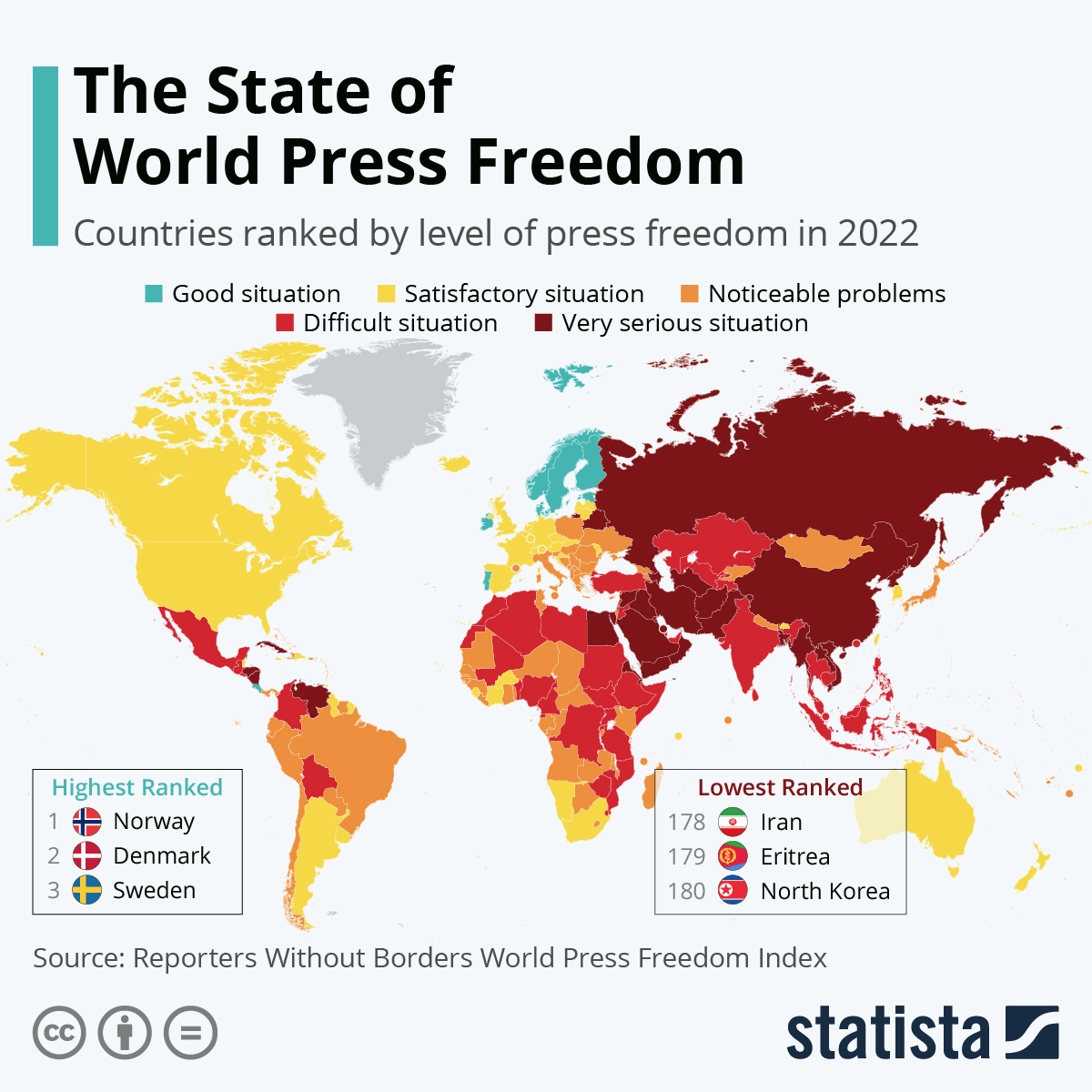
The World Press Freedom Index, published annually by Reporters Without Borders (RSF), provides a comprehensive assessment of the state of press freedom globally. In the 2023 edition, the top-ranked countries for press freedom were Norway, Finland, Sweden, Denmark, and Costa Rica, while the bottom-ranked countries included Eritrea, Turkmenistan, North Korea, and China.

The index measures factors such as media pluralism, media independence, the quality of the legal framework, and the safety of journalists. It highlights the alarming trend of increasing restrictions on press freedom, with more than 73% of the 180 countries assessed as having “problematic,” “difficult,” or “very serious” situations for journalists.

One of the most pressing challenges to press freedom is the ongoing persecution and targeting of journalists around the world. According to the Committee to Protect Journalists (CPJ), at least 67 journalists were killed in 2022 while carrying out their work. Countries with the highest numbers of journalist fatalities include Mexico, Ukraine, and Haiti.

In addition to physical violence, journalists also face other forms of repression, such as arbitrary arrests, imprisonment, and online harassment. The 2023 World Press Freedom Index found that journalism is completely or partly blocked in 73% of the countries assessed, with the COVID-19 pandemic further exacerbating the challenges faced by reporters in the field.
World Press Freedom Day 2024 serves as a critical reminder of the vital role that a free and independent press plays in upholding the principles of democracy, transparency, and accountability. The day is not just a celebration for media professionals; it is also an opportunity to engage the broader public and raise awareness about the importance of press freedom. UNESCO encourages the organisation of events, workshops, and discussions to educate the public about the role of the media in a democratic society and the challenges faced by journalists worldwide.

By participating in World Press Freedom Day activities, citizens can learn to identify and combat the spread of misinformation, support ethical journalism, and advocate for the protection of press freedom in their communities and around the world.

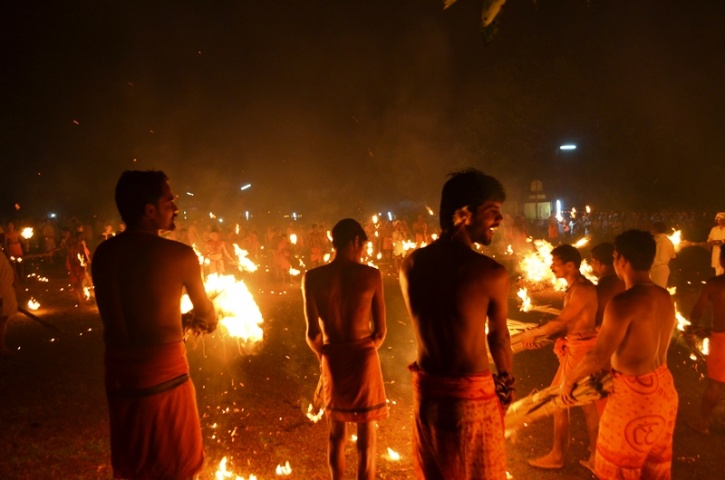
Festivals of India: Agni Keli

In Spain, giant effigies are set alight. In China, molten iron is sprayed on city walls. And in Scotland, a replica Viking ship is lit by a thousand torches. All over the world – and despite the obvious dangers – fire means festivities. But in South India, there’s a fire festival that might just be the wildest of the lot.

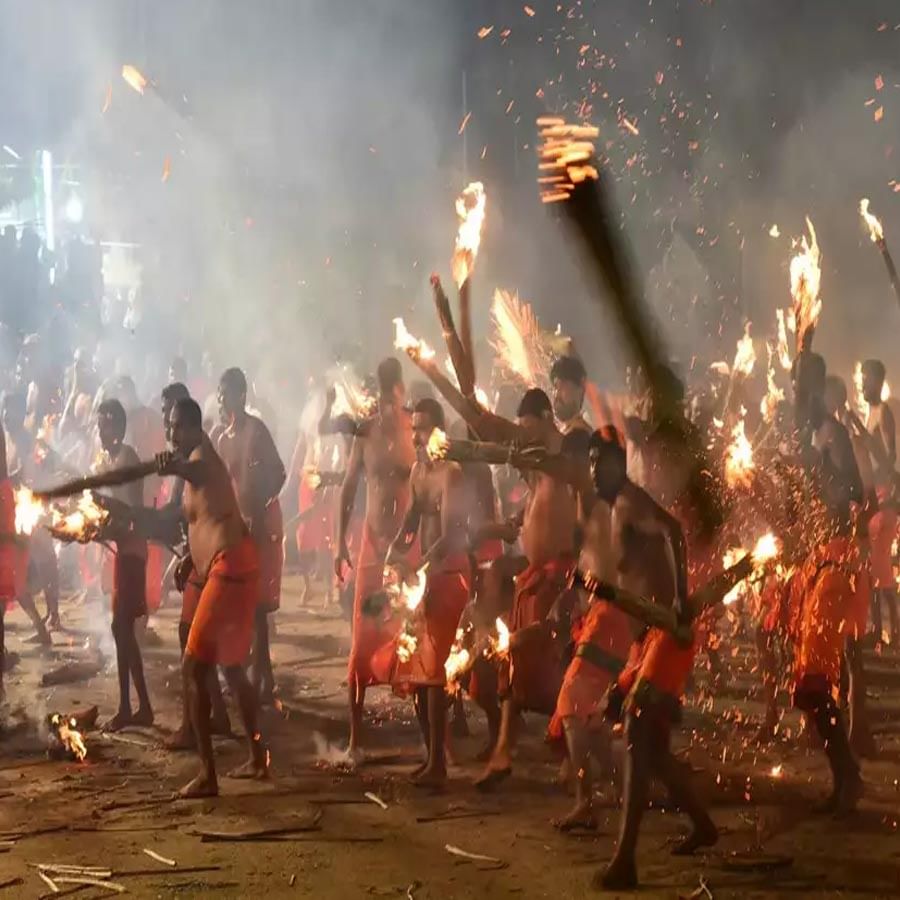
Agni Keli, also known as Agni Khela, is an eight-day-long event held every April in Mangalore, Karnataka. It features an all-out fire brawl, in which participants fling flaming branches straight at each other. Imagine a genuine battle – branches flying through the night sky, sparks falling around the participants, who pick up more branches and throw again. The neat line of men breaks up into chaos, creating a mesmerising spectacle.

It takes part as part of the grand festival of Thoothedhara at the Kateel Durga Parameswari Temple. This temple, also known as Kateelu, lies in Dakshin Kannada on an islet formed naturally in the middle of the sacred Nandini River. The surroundings are adorned with lush greenery and panoramic views, creating a serene and spiritual atmosphere. The temple is dedicated to Goddess Durga Parameswari, who manifests as a Udbhava Moorthi or a naturally formed deity. The goddess is also known as Bhramare, which translates to a big, furious bee. Kateel is considered one of the holiest Hindu temple towns in India.

Agni Keli is a fire-throwing festival in honour of Goddess Durga, the Hindu goddess of war. She is often pictured riding a lion or tiger, bearing weapons in her many arms as she fights demons. Followers believe that Durga is appeased by wild and adventurous rituals like Agni Keli. She is also honoured during the Durga Puja festivities, which take place across South Asia in September and October.

The Agni Keli festival runs over eight days every April. The fire-throwing itself takes place by the Kateel Durga Parameswari Temple, just outside Mangalore. During Agni Keli, participants are divided into two groups, facing each other. They engage in an all-out fire brawl, throwing burning palm fronds at each other from a distance. This fiery exchange symbolises devotion, courage, and the triumph of good over evil.

Agni Keli brings together devotees from various backgrounds. Regardless of caste, creed, or social status, participants engage in this fiery battle with fervour. The shared experience fosters unity and a sense of community. Participants believe that engaging in Agni Keli cleanses them of impurities and negative energies. Agni Keli is a spiritual journey through flames, akin to a baptism by fire, with the fire symbolising purification and renewal.

Agni Keli requires courage and trust in the divine. Participants surrender to the flames, knowing that they are part of a sacred tradition, with their devotion to Goddess Durga fueling their determination. Despite the risks, Agni Keli continues to thrive, preserving its cultural heritage and ancient traditions. The festival ignites the flames of tradition, reminding us of our roots and shared humanity.

Despite the risks, Agni Keli continues to thrive. It reminds us of our ancient roots, our connection to the divine, and the power of collective rituals. In a rapidly changing world, festivals like Agni Keli preserve cultural heritage and ignite the flames of tradition. Agni Keli is not just a fire festival; it is a testament to human resilience, faith, and the enduring spirit of celebration. As the flames dance, they carry the echoes of centuries, reminding us that sometimes, the wildest celebrations are the ones that warm our souls.

World Book and Copyright Day

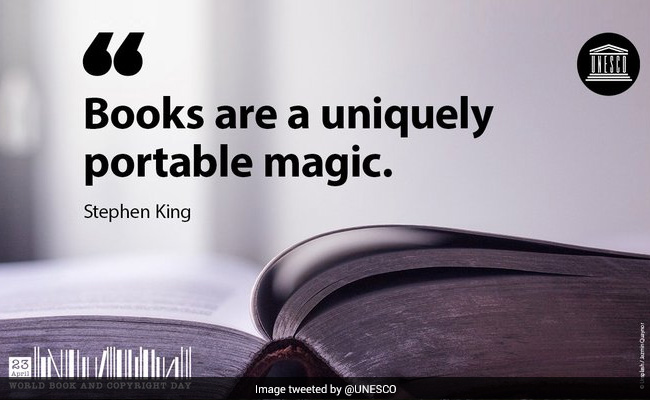
Tomorrow is World Book and Copyright Day. Celebrated annually on April 23rd, the day celebrates the joy of books and reading. It serves as a bridge between the past and the future, connecting generations and cultures. On this day, people across the globe come together to appreciate the role of books in shaping our lives and understanding the world around us.

World Book and Copyright Day was first established by UNESCO in 1995 to be celebrated on April 23rd each year. The date was chosen to honour the passing of prominent authors such as William Shakespeare, Miguel de Cervantes, and Inca Garcilaso de la Vega. This day highlights the importance of books as a source of knowledge, creativity, and cultural enrichment, as well as to promote the publishing industry and protect intellectual property through copyright. It is seen as a link between the past and the future, a bridge between generations and across cultures. While UNESCO coordinates the global celebration, some countries observe World Book Day on different dates, such as the UK and Ireland, which celebrate it on March 2nd.

In the 2024 edition, amidst global challenges and technological advancements, the celebration takes on a renewed significance, emphasising the resilience of literature, the promotion of reading, and the preservation of cultural diversity.

The theme for World Book and Copyright Day 2024 is “Read Your Way.”. This theme emphasises the importance of choice and enjoyment in fostering a love of reading. It encourages both children and adults to find ways to engage with books that resonate with them, regardless of format or genre.

Last year marked the start of the International Decade of Indigenous Languages (2022-2032), where UNESCO prioritises the upholding and promoting linguistic diversity and multilingualism. For the 2024 edition, UNESCO will spotlight indigenous languages. Of the nearly 7,000 existing languages, many are spoken by indigenous peoples who represent the world’s cultural diversity. Recognising oral traditions and various forms of literature, UNESCO aims to celebrate and preserve these languages through books. Literary sessions amplify the Sustainable Development Goals. SDG 5, or gender equality, happens when literature amplifies the voices of countless women, and SDG 10, or reduced inequality, can be fought when books serve as tools to fight against inequalities.

The 2024 edition places a special emphasis on the role of digital innovation in democratizing access to literature. With the proliferation of e-books, audiobooks, and online libraries, readers can now engage with literary content in more accessible and interactive ways. This year’s celebration highlights the opportunities presented by digital platforms to reach broader audiences and promote literacy worldwide. Amidst the digital age, protecting copyright remains crucial for sustaining creativity and ensuring fair compensation for authors and creators. World Book and Copyright Day 2024 reaffirms the importance of copyright laws in safeguarding intellectual property rights and fostering a conducive environment for literary production. It encourages dialogue on copyright issues, piracy prevention, and the equitable distribution of royalties in the digital era. Recognizing the enduring value of reading in fostering imagination, critical thinking, and lifelong learning, World Book and Copyright Day 2024 advocates for initiatives that promote reading culture at all levels of society. From literacy programs in schools to community libraries and book clubs, efforts are underway to cultivate a passion for reading and empower individuals with the skills necessary to navigate the complexities of the modern world.

UNESCO, along with international organizations representing publishers, booksellers, and libraries, selects a World Book Capital each year. The chosen city which holds the title for a year, hosts initiatives and events to promote books, literary culture and reading throughout the year. Strasbourg, in France, has been designated as the World Book Capital for 2024. Strasbourg impressed UNESCO and the World Book Capital Advisory Committee with its strong focus on books to address social tensions and climate change. The city’s program “Reading for the Planet” emphasises books’ role in encouraging discussions about environmental concerns and scientific knowledge, particularly among young people. Strasbourg’s literary heritage and its diverse artistic activities, spanning music, theatre, and illustration, were also commendable. As the twenty-fourth city to bear this title since 2001, Strasbourg follows a distinguished lineage of previous World Book Capitals, including Madrid, Alexandria, Buenos Aires, Kuala Lumpur, and Accra.

Many countries and organisations around the world will organise events and activities to promote reading, publishing, and the protection of intellectual property through copyright. These may include book fairs, author talks, reading challenges, and book donation drives. In Spain, the traditional celebration of Diada de Sant Jordi or Saint Jordi’s Day on April 23rd will coincide with World Book and Copyright Day. This involves the gifting of books and roses. The National Literacy Trust in the UK will provide a range of teaching resources, booklists, and activity ideas to help schools and communities celebrate a love of books and reading. World Book Day is working with 20 libraries in high-deprivation areas to create a legacy around reading, including events to inspire local families.

As we commemorate World Book and Copyright Day 2024, let us reaffirm our commitment to literature as a catalyst for positive change. By embracing diversity, promoting equity, and safeguarding intellectual property rights, we can harness the full potential of literature to build a more inclusive and enlightened society. Through reading, writing, and sharing stories, we contribute to a global culture of creativity, empathy, and mutual understanding.

Festivals of India: Ramanavami

India, a land steeped in mythology and spirituality, celebrates a multitude of festivals. Among these, Rama Navami holds a special place—a day that reverberates with devotion, storytelling, and vibrant traditions. Let us delve into the origins, legends, and unique customs associated with this auspicious occasion.

The tale of Lord Rama begins in the ancient city of Ayodhya, where King Dasharatha and Queen Kausalya longed for an heir. Their prayers bore fruit when the celestial sage Rishyasringa conducted a yajna or sacrifice, leading to the divine appearance of Rama. Born at noon, Rama embodied virtue, righteousness, and compassion. His life would become a beacon for humanity.

Rama, the seventh avatar of Lord Vishnu, symbolises dharma, or righteousness and duty. His unwavering commitment to truth, justice, and love for all beings makes him an enduring icon. The epic Ramayana, attributed to the sage Valmiki, narrates Rama’s journey—his exile, the abduction of his wife Sita by the demon king Ravana, and the eventual triumph of good over evil.

Rama’s marriage to Sita is a pivotal moment. To win her hand, suitors must string the divine bow of Lord Shiva. Rama effortlessly lifts and breaks the bow, signifying his destiny as Sita’s husband. The cunning demon Maricha transforms into a golden deer to distract Rama and Lakshmana. While they chase the deer, Ravana abducts Sita, leading to the epic quest for her rescue. Rama’s battle against Ravana, the ten-headed demon king of Lanka, culminates in the victory of virtue. The burning of Lanka, the rescue of Sita, and the return to Ayodhya are celebrated during Rama Navami.

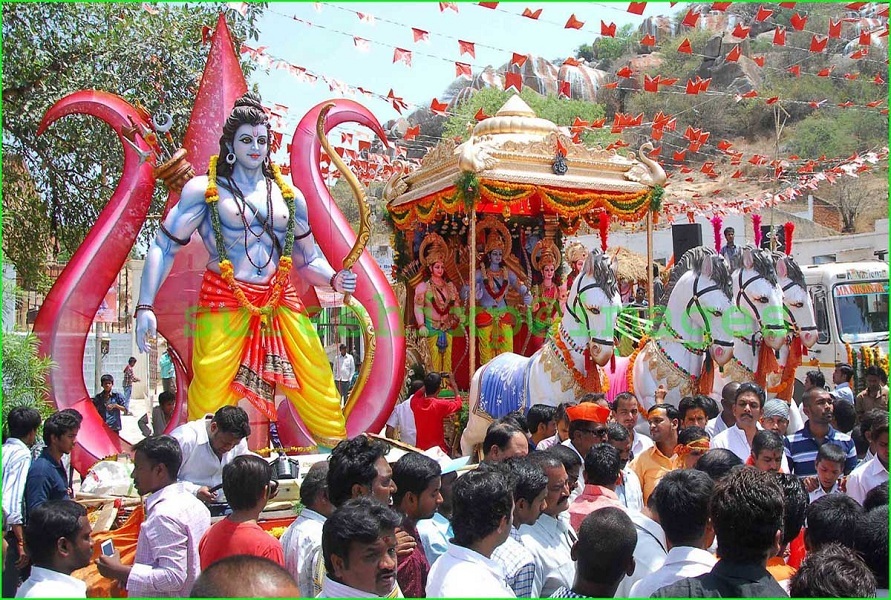
Ayodhya, Rama’s birthplace, becomes a pilgrimage site during Rama Navami. Devotees throng the Ram Janmabhoomi temple, where Rama’s birth is commemorated. The Sarayu River witnesses devotees taking a purifying dip before offering prayers. In various cities, grand chariot processions depict Rama, Sita, Lakshmana, and Hanuman. These yatras symbolise Rama’s triumphant return to Ayodhya after defeating Ravana. Temples resonate with spiritual discourses, narrating episodes from the Ramayana. Devotees sing bhajans or devotional songs in praise of Rama’s valour and compassion. In some regions, Rama is revered like an infant. Devotees place an image of baby Rama in a cradle, symbolizing his divine birth. Charitable events and community feasts exemplify Rama’s compassion. Sharing food and resources with others is a way to honour his legacy.

Not just when it was written, the Ramayana continues to hold immense significance in today’s world. The epic promotes moral and ethical values that remain relevant even in contemporary society. Through the characters and their actions, it depicts virtues such as righteousness, loyalty, duty, and sacrifice. The story serves as a guide, providing ethical guidelines for individuals to lead virtuous lives.

Life is akin to a game of chess or a battlefield. The Ramayana teaches the threefold Dharma, the code of conduct about the individual, family, and society. It emphasises the importance of understanding our duties in these realms. Lord Rama’s character exemplifies compassion and love, which are essential for navigating the complexities of modern life. The epic delves into the true identity of the individual, the significance of family bonds, and the sanctity of society. In an era where corruption prevails in various fields—business, education, and politics—the principles of the Ramayana offer guidance. It outlines relationships between brothers, fathers and sons, and preceptors and disciples, emphasising mutual respect and duty.

The Ramayana reminds us of our shared existence on this earth. Despite apparent multiplicity, we all breathe the same air and drink the same water. Ignoring this underlying unity leads to the mistaken perception of division.

The festival of Rama Navami holds immense importance and relevance in today’s world and continues to resonate with millions of people. It invites introspection. As we celebrate Lord Rama’s birth, we reflect on our paths—our choices, virtues, and struggles. The festival reminds us that goodness prevails, even in the face of adversity.

Rama Navami transcends time, connecting generations through devotion and storytelling. As we chant “Jai Shri Ram,” we honour not just a historical figure, but an eternal truth—the victory of light over darkness, of love over hatred. May Rama’s grace guide us, and may our hearts echo the timeless chant: Raghupati Raghava Raja Ram, Patita Pavana Sita Ram. Here’s the uncomparable MS Subbalakshmi with the song. Rama Navami celebrates not just a historical figure, but an eternal truth—the victory of light over darkness, love over hatred. Lord Rama’s teachings continue to guide us, inspiring courage, sacrifice, and devotion.

Design Thinking: Unlocking Creativity and Innovation in All Aspects of Life

Design thinking is a powerful problem-solving approach that has gained significant traction in recent years. Originating from the design field, this methodology has evolved to become a versatile tool applicable across various domains, from business and education to personal life. At its core, design thinking emphasises empathy, creativity, and a user-centric mindset, enabling individuals and organizations to tackle complex challenges in innovative and impactful ways.

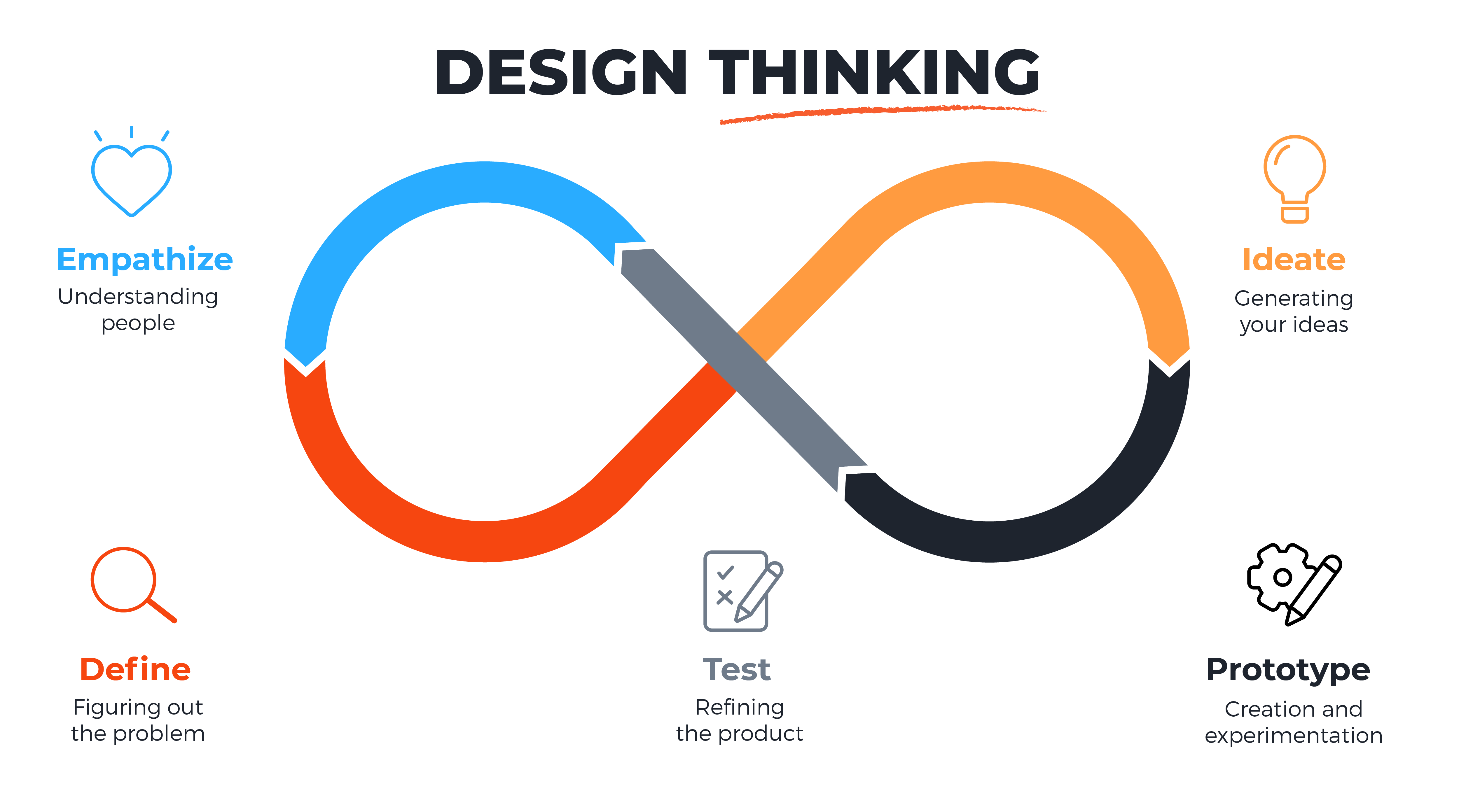
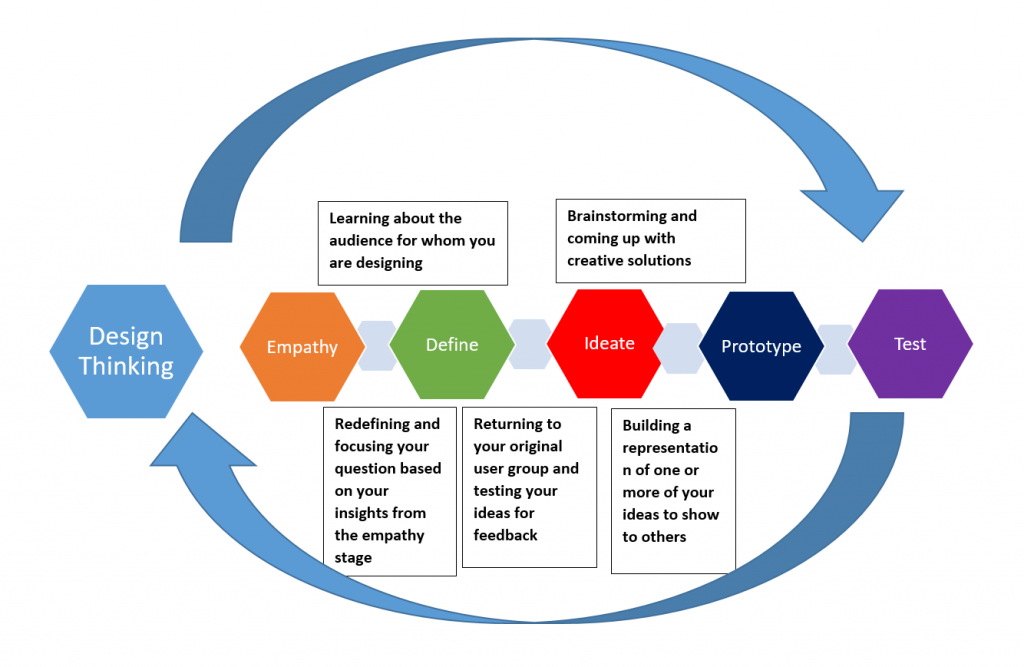
Design thinking is a human-centred approach to problem-solving that involves a deep understanding of the user’s needs, the exploration of multiple solutions, and the iterative testing and refinement of those solutions. It is a non-linear process that typically consists of five key stages:

Empathise: The first step is to develop a deep understanding of the user’s needs, pain points, and motivations. This involves observing, engaging with, and immersing oneself in the user’s experience.

Define: Based on the insights gathered during the empathise stage, the problem or challenge is clearly defined, often through the creation of a user-centric problem statement.

Ideate: This stage encourages the generation of a wide range of creative ideas and solutions, often through techniques like brainstorming, mind mapping, and lateral thinking.

Prototype: Selected ideas are then transformed into tangible prototypes, which can be tested and refined to gather feedback and insights.

Test: The prototypes are tested with users, and the feedback is used to further refine and improve the solutions.

The design thinking process is iterative, allowing for continuous learning and improvement. It encourages a mindset of experimentation, embracing failure as a valuable learning opportunity, and a willingness to adapt and evolve solutions based on user feedback.

Applications of Design Thinking

Design thinking has found applications in a wide range of domains, from business and innovation to education and personal development. Here are some examples of how design thinking can be leveraged in different contexts:

Business and Innovation: Design thinking has become a powerful tool for businesses and organisations seeking to drive innovation and create products or services that truly resonate with their customers. By focusing on the user’s needs and pain points, companies can develop solutions that are more relevant, user-friendly, and competitive in the market.

Many leading companies, such as Apple, IDEO, and Airbnb, have successfully integrated design thinking into their product development and business strategies. This approach has enabled them to identify new opportunities, create innovative solutions, and stay ahead of the curve in their respective industries.

Education: Design thinking has also found a strong foothold in the education sector, where it is being used to enhance teaching and learning experiences. Educators are incorporating design thinking principles into their classrooms, empowering students to tackle real-world problems, develop critical thinking skills, and foster a culture of creativity and innovation.

Through design thinking, students learn to empathise with their target users, define relevant challenges, generate creative ideas, and prototype and test their solutions. This process not only enhances their problem-solving abilities but also helps them develop essential skills like collaboration, communication, and adaptability.

Personal Development: Design thinking can also be applied to personal life, helping individuals navigate various challenges and unlock their creative potential. By adopting a design thinking mindset, people can approach personal goals, such as career development, lifestyle changes, or personal relationships, with a more empathetic and iterative approach.

For example, individuals can use design thinking to better understand their own needs, define personal challenges, explore creative solutions, and prototype and test new approaches to personal growth and fulfilment. This can lead to more meaningful and impactful changes in one’s life.

Applying Design Thinking at Home, School, and Work

So how can one incorporate this powerful approach into their daily life, whether at home, in school, or in the workplace?

At Home

Design thinking can be a valuable tool for tackling various challenges and improving one’s personal life. Here are some ways one can apply design thinking at home:

Improving Household Routines: Use design thinking to analyse the daily household routines, such as meal planning, cleaning, or family activities. Observe the family’s needs, define pain points, ideate solutions, and prototype and test new approaches to streamline these processes.

Enhancing Home Spaces: Apply design thinking to reimagine and optimize the living spaces. Empathise with how one and their family use different rooms, define areas for improvement, ideate creative design solutions, and prototype and test new layouts or furnishings.

Solving Personal Challenges: Leverage design thinking to address personal challenges, such as managing stress, improving work-life balance, or developing new hobbies. Empathise with own needs, define the problem, explore creative solutions, and prototype and test new approaches to personal growth and well-being.

Fostering Family Collaboration: Engage the family in design thinking exercises to solve shared challenges, such as planning family vacations, organising family events, or addressing sibling conflicts. Encourage everyone to contribute their ideas and perspectives, and work together to prototype and test solutions.

In School

Design thinking can be a powerful tool for enhancing the educational experience, both for students and educators. Here are some ways to apply design thinking in a school setting:

Student-Centred Learning: Incorporate design thinking into the curriculum, empowering students to tackle real-world problems and develop essential skills like critical thinking, creativity, and collaboration. Encourage students to empathise with the needs of their target users, define relevant challenges, ideate solutions, and prototype and test their ideas.

Improving the Learning Environment: Use design thinking to analyse and enhance the physical and digital learning environments. Observe how students and teachers interact with the space, define areas for improvement, ideate creative solutions, and prototype and test new designs for classrooms, libraries, or online learning platforms.

Addressing Educational Challenges: Apply design thinking to tackle systemic challenges in the education system, such as improving student engagement, enhancing teacher professional development, or addressing educational inequities. Engage stakeholders, including students, teachers, and administrators, to empathise with their needs, define the problems, and collaboratively develop and test innovative solutions.

Fostering Interdisciplinary Collaboration: Encourage cross-disciplinary collaboration among students and educators, leveraging design thinking to tackle complex, multifaceted challenges. This can help break down silos, promote holistic problem-solving, and prepare students for the interdisciplinary nature of the real world.

At Work

Design thinking can be a valuable asset in the workplace, helping organisations and employees alike to drive innovation, improve processes, and enhance the employee and customer experience. Here are some ways to apply design thinking in a professional setting:

Product and Service Development: Integrate design thinking into the product or service development process, ensuring that the result truly meets the needs and expectations of the target customers. Empathize with the user, define the problem, ideate solutions, prototype, and test to create innovative and user-centric offerings.

Organisational Transformation: Apply design thinking to drive organisational change and transformation. Observe and empathize with the needs of employees, customers, and other stakeholders, define the challenges, ideate solutions, and prototype and test new processes, policies, or structures to improve the overall organizational experience.

Workplace Optimisation: Use design thinking to analyse and optimise the work environment, from physical office spaces to digital tools and workflows. Empathize with the needs of employees, define areas for improvement, ideate creative solutions, and prototype and test new designs or processes to enhance productivity, collaboration, and job satisfaction.

Employee Development: Incorporate design thinking into employee training and development programs, empowering individuals to tackle their professional challenges and unlock their creative potential. Encourage employees to empathise with their own needs, define personal goals, ideate solutions, and prototype and test new approaches to career growth and skill development.

By embracing design thinking in personal, academic, and professional life, one can unlock a world of creativity, innovation, and problem-solving. Whether one is tackling a complex challenge or simply seeking to improve their daily routines, the design thinking approach can help develop a more empathetic, user-centric, and iterative mindset, leading to more meaningful and impactful solutions.

In a world marked by complexity, uncertainty, and rapid change, design thinking offers a beacon of hope—a pathway to innovation, creativity, and human-centred solutions. By embracing empathy, creativity, and collaboration, individuals, organizations, and communities can unlock new possibilities, drive positive change, and shape a better future for all.