Poem: Random Things

This poem is an ode to the randomness in our lives

Random Things

In the kaleidoscope of existence,
Where chaos pirouettes with chance,
Randomness dons its polka-dot gown,
And life unfolds its curious dance.

Stars collide in cosmic rhapsody,
Their celestial whispers echo:
Embrace the serendipitous tango,
For in chaos lies magic’s glow.

Coffee rings on forgotten notebooks,
Lost keys hiding in coat pockets,
They conspire to lead us astray,
Yet reveal secrets when least expected.

Raindrops tap-dance on umbrellas,
Sunbeams chase shadows away,
The universe giggles, mischievous,
As we twirl through unpredictable ballet.

Socks rebel, mismatched and defiant,
Left foot in stripes, right in polka dots.
We laugh, for perfection is overrated,
And joy blooms in delightful oddities.

Library aisles whisper forgotten tales,
Dog-eared pages hold whispered dreams.
We stumble upon wisdom like lost coins,
And the universe nods, pleased.

A butterfly flutters its fragile wings,
Setting off ripples across oceans.
Tiny choices, like cosmic brushstrokes,
Paint our destinies in hues unknown.

In crowded subways, love notes bloom,
Written on crumpled receipts and napkins.
Strangers read them, hearts skipping beats,
And for a moment, the world aligns.

Perhaps randomness is our shared secret,
The quantum quirk that binds us.
In chaos, we find each other—
Two stardust souls, entangled.

So let’s waltz, my fellow wanderer,
Through this random, beautiful existence,
For in the unplanned steps, we discover
The poetry of life’s sweet happenstance.

The Paradox of Not Caring: A Hidden Catalyst for Excellence

A couple of weeks ago, I came across this phrase and it instantly intrigued me.

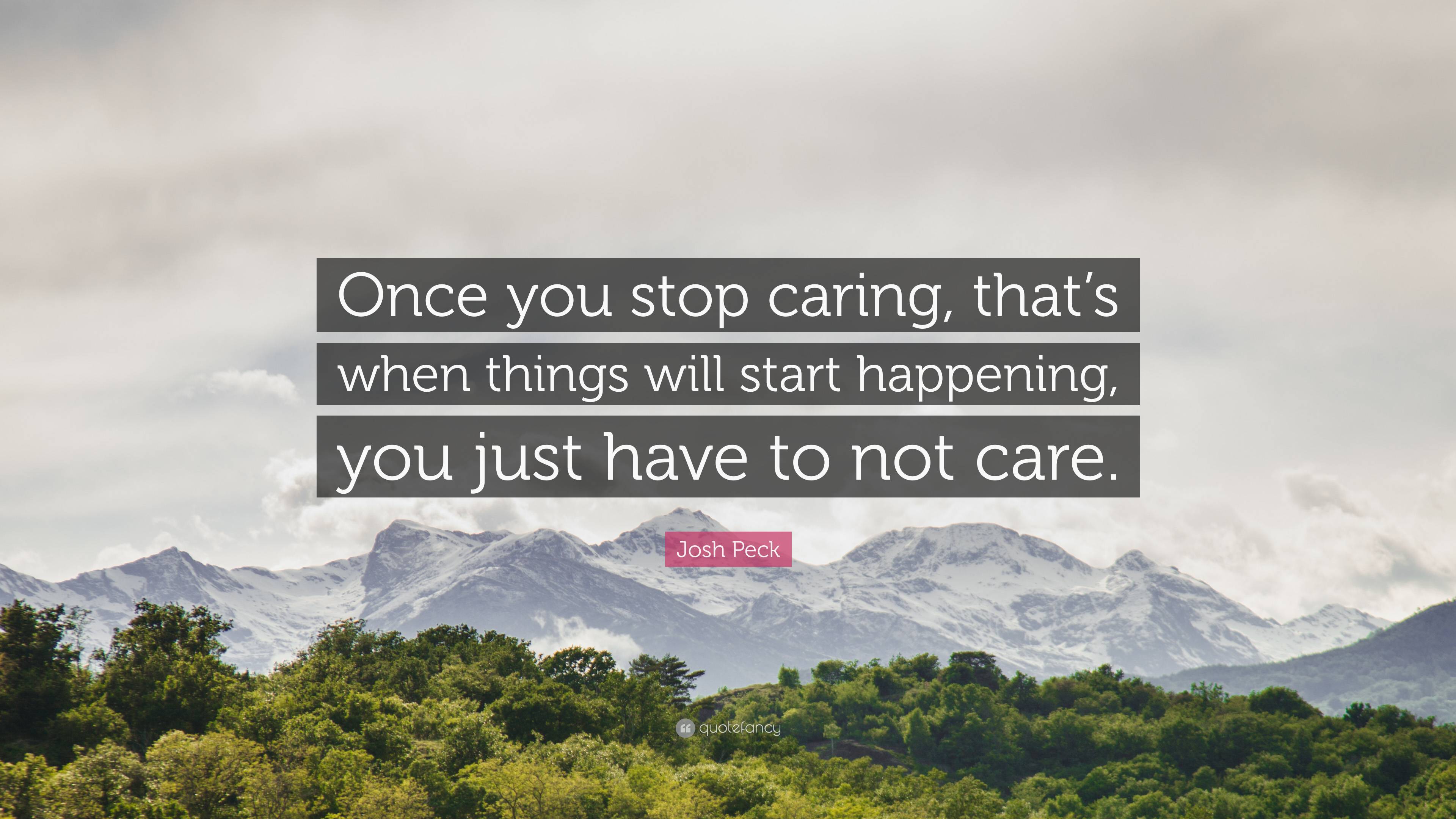
To care usually guides our actions, shapes our relationships, and defines our sense of purpose and meaning. Yet, there lies a paradox, a curious interplay between indifference and significance, detachment and engagement. However, when we stop caring about something we previously wanted, sometimes it just comes up in front of us. This paradox of not caring, often dismissed as apathy or indifference, belies a complex web of psychological, social, and philosophical dynamics that merit closer examination.

Apathy, often described as a lack of interest, enthusiasm, or concern, represents a state of emotional detachment and disengagement from the world around us. It manifests as a pervasive sense of indifference or indifference towards one’s own life, relationships, and responsibilities. At first glance, apathy may seem inconsequential—a mere absence of caring or concern. However, upon closer examination, it reveals itself as a paradoxical state wherein the absence of caring paradoxically holds profound significance, shaping our perceptions, decisions, and actions in subtle yet profound ways.

Apathy often stems from psychological factors such as depression, burnout, or trauma, which can dampen one’s ability to experience emotions and engage with the world. It may serve as a coping mechanism for overwhelming stress or emotional pain, offering a refuge from the demands and pressures of daily life. Social and cultural norms can also contribute to apathy, shaping our attitudes towards success, ambition, and achievement. In societies that prioritise individualism and materialism, apathy may arise as a response to societal pressures to conform to rigid expectations and standards.

At the individual level, apathy manifests as a lack of motivation, initiative, or interest in pursuing personal goals and aspirations. It may lead to feelings of emptiness, meaninglessness, and existential despair, as individuals struggle to find purpose and fulfillment in their lives. On a broader societal level, apathy can manifest as social indifference or complacency towards pressing issues such as inequality, injustice, and environmental degradation. It may result in a collective numbness or resignation, as people become desensitised to the suffering and injustices that pervade the world.

For individuals, apathy can have profound consequences, undermining their mental health, relationships, and overall well-being. It may lead to feelings of isolation, alienation, and disconnection from others, as well as a sense of futility or hopelessness about the future. On a societal level, apathy can perpetuate systems of inequality, oppression, and injustice by fostering a culture of complacency and inaction. It may hinder efforts to address pressing social and environmental challenges, exacerbating existing disparities and marginalizing vulnerable populations.

But here lies the paradox’s magic: In not caring, we discover hidden reservoirs of strength. How does this paradox make us better at things? When we release the burden of excessive concern, our minds are clear. Like a painter wiping the canvas, we see the essential strokes. At work or school, this clarity allows us to prioritise, solve problems, and make decisions with precision. Paradoxically, indifference breeds courage. When we stop fearing failure or judgment, we leap into the unknown. Fearlessness fuels creativity, innovation, and bold actions. It’s the artist, unafraid of the blank canvas and the student, unafraid of the unanswered question.

Not caring about trivial distractions streamlines our efforts. We channel energy into what truly matters. At work, it means focusing on impactful tasks. In school, it means studying purposefully rather than drowning in anxiety. The heartache of not caring tempers our resilience. We learn that setbacks don’t define us. Instead, they propel us forward. Like a phoenix rising from ashes, we emerge stronger, ready to face challenges head-on.

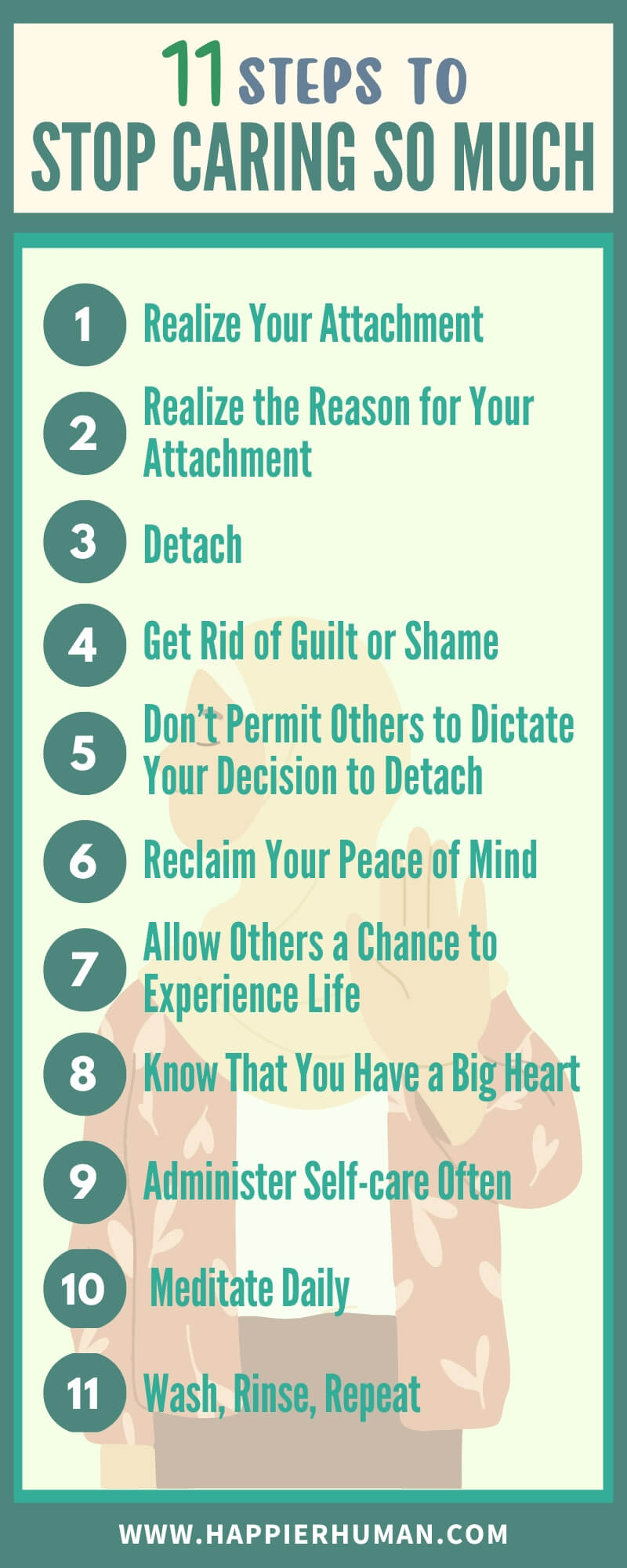
So, how do we harness this paradox? It’s not about becoming indifferent automatons. Instead, care deeply about what aligns with your purpose. Let go of the rest. Be aware of when you’re pretending not to care. Is it a shield or a genuine choice? Use detachment as fuel. Let it ignite your curiosity and your hunger for growth.

In the quiet spaces where love and loss entwine, we find the delicate beauty of a heart that refuses to be indifferent. So, embrace the paradox. Dance it, stumble through it, and emerge wiser. For in not caring, we discover the art of caring deeply—for the right things.

The Zeigarnik Effect: Unraveling Tasks and Our Memory

In the labyrinth of the human mind, there exists a curious phenomenon—a tug at the strings of consciousness, urging us to return to unfinished tasks, unresolved puzzles, and incomplete stories. This phenomenon, known as the Zeigarnik Effect, offers a fascinating glimpse into the workings of memory, motivation, and cognitive persistence.

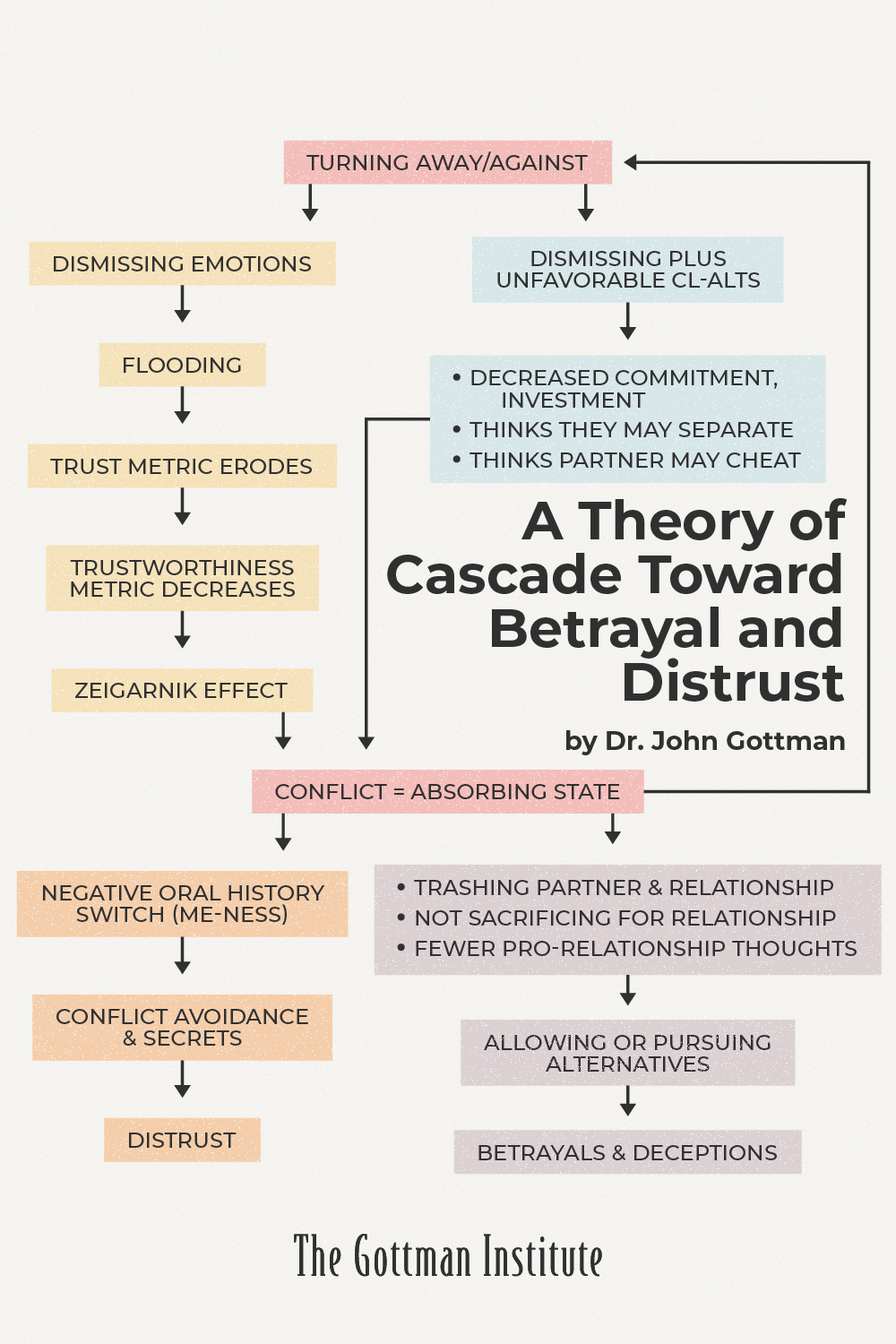
The Zeigarnik Effect, named after Lithuanian-Soviet psychologist Bluma Zeigarnik, sheds light on our peculiar tendency to remember uncompleted or interrupted tasks more vividly than their completed counterparts It suggests that incomplete tasks create a state of cognitive tension or “psychological itch,” prompting individuals to seek closure or resolution.

Imagine a bustling café where a diligent waiter takes orders from a myriad of patrons. Each order is meticulously noted down, and the waiter’s mental notepad becomes a canvas for unfinished business. But here’s the twist: once the bill is settled, the waiter’s memory seems to hit a roadblock. The details of the paid orders fade into oblivion, leaving only a faint trace. What sorcery is at play here? Professor Kurt Lewin, a Gestalt psychologist, observed this peculiar memory quirk in the aforementioned waiter. Bluma Zeigarnik, intrigued by Lewin’s observation, embarked on a scientific quest to unravel the underlying processes. In 1927, her research report emerged in the journal Psychologische Forschung, illuminating the phenomenon that now bears her name.

At the heart of the Zeigarnik Effect lies the principle of cognitive dissonance—the discomfort or tension that arises from holding contradictory beliefs or engaging in inconsistent behaviours. Unfinished tasks create a state of cognitive dissonance, driving individuals to seek resolution and restore psychological equilibrium.

Here’s how it works: when we interrupt a task, the tension remains suspended like a musical note waiting for resolution. Our brains, ever the composers of memory, keep this content readily accessible. The unfinished symphony plays on, and we find ourselves recalling these half-done tasks with surprising clarity. It’s as if our minds whisper, “Remember this; it’s not over yet.”

Unfinished tasks capture our attention and occupy our thoughts, leading us to devote mental resources to planning, problem-solving, and goal pursuit. This selective attention enhances memory encoding and retrieval, making incomplete tasks more salient and memorable than completed ones.

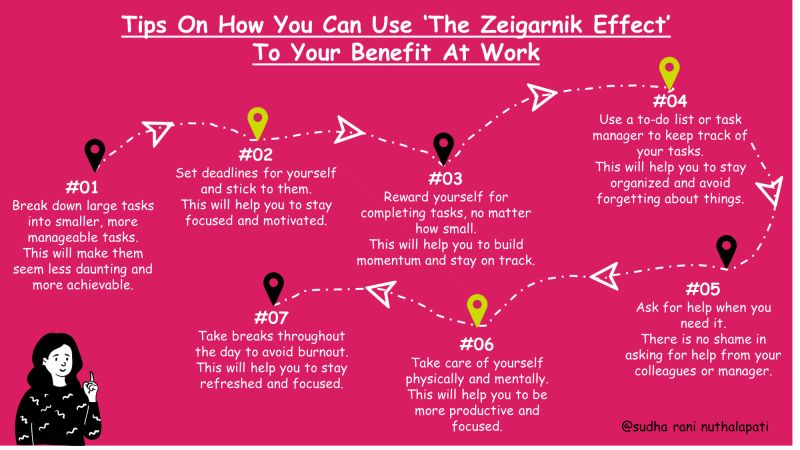
The Zeigarnik Effect has significant implications for productivity and motivation, as it suggests that maintaining a “to-do” list or task backlog can enhance focus, engagement, and persistence in goal pursuit. Unfinished tasks serve as potent motivators, driving us to take action and achieve closure.

On the flip side, the Zeigarnik Effect can also contribute to procrastination and task avoidance, as individuals may become overwhelmed by the sheer volume of unfinished tasks and struggle to prioritize or complete them. Understanding the dynamics of the Zeigarnik Effect can help individuals develop strategies to overcome procrastination and enhance task management skills.

In the realm of academia, the Zeigarnik Effect can be effectively deployed. Students who intersperse their study sessions with unrelated activities—whether it’s studying another subject or indulging in a game—receive information better. The cognitive tension created during the study session lingers, making the material more accessible. So, to any student reading this post, take a break, it’s not procrastination—it’s cognitive enhancement.

The Zeigarnik Effect extends its tendrils beyond cafés and classrooms. In the world of sports, it even influenced a rule change. Enter the Harden Rule, named after basketball superstar James Harden. Picture a player repeatedly “chucking it up” whenever an opponent approaches—a strategic interruption. The resulting cognitive bias against this move led to a rule penalising such behaviour.

So how can the Zeigarnik Effect be applied in the real world?

The Zeigarnik Effect has been leveraged in marketing and advertising campaigns to capture consumers’ attention and drive engagement. By creating a sense of anticipation or suspense, marketers can pique interest and encourage consumers to learn more or take action. Advertisers often use cliffhangers or incomplete narratives to capture attention. Think of TV shows that end an episode with a suspenseful scene—our brains itch to know what happens next. Brands can employ the Zeigarnik Effect in marketing campaigns by leaving audiences curious and engaged.

Educators can harness the Zeigarnik Effect to enhance learning and retention in the classroom. By breaking lessons into manageable segments and leaving tasks or questions unanswered, teachers can stimulate curiosity and encourage active participation among students. Students can leverage the Zeigarnik Effect by intentionally interrupting their study sessions. Taking short breaks or switching to a different subject creates cognitive tension, making the material more memorable.

To boost productivity, one can create a to-do list with incomplete tasks. The tension associated with unfinished items motivates one to revisit and complete them. Project managers can strategically leave certain tasks partially undone, ensuring team members remain focused on project completion.

UX designers can apply this principle to create engaging interfaces. For example, progress bars that show incomplete tasks encourage users to continue until the task is finished. Video games often use quests or achievements to trigger the Zeigarnik Effect, motivating players to explore and complete challenges.

When handling customer inquiries, leaving a conversation unresolved: like telling them they will get back, keeps customers engaged and more likely to follow up. Chatbots and automated systems can use this effect to encourage users to return for further assistance.

In negotiations, intentionally leaving certain points unresolved can create cognitive tension. The other party remains curious and open to further discussion. Persuasive communication can benefit from the Zeigarnik Effect. Presenting incomplete information can pique interest and encourage deeper exploration.

When one is stuck on a creative project or problem, take a break. The unresolved tension may lead to sudden insights or solutions. Brainstorming sessions can benefit from intentionally leaving ideas partially developed, sparking curiosity and collaboration.

As with any psychological phenomenon, controversy brews. Some studies failed to replicate Zeigarnik’s initial findings, questioning the reliability of the effect. Yet, like an unfinished melody, it persists in our collective memory.

Ultimately, the Zeigarnik Effect highlights the human desire for closure and resolution in our lives. Whether it’s completing a project, resolving a conflict, or achieving a long-held goal, closure brings a sense of satisfaction, fulfilment, and peace of mind.

While closure is important, it’s also essential to embrace the journey and appreciate the process of growth, discovery, and self-improvement along the way. By recognizing the inherent value of both completion and continuation, we can navigate the complexities of life with grace and resilience.

In the grand tapestry of human experience, the Zeigarnik Effect serves as a reminder of the intricate interplay between memory, motivation, and meaning-making. It invites us to embrace the unfinished stories, unresolved questions, and uncharted territories of our lives with curiosity, courage, and creativity. Whether one is designing an app, writing a novel, or negotiating a deal, it’s worth considering harnessing this cognitive quirk to engage minds and leave symphonies unfinished—until the final note.

World Autism Awareness Day 2024: Advocating for Inclusion, Understanding, and Acceptance

In the mosaic of human diversity, each individual possesses a unique constellation of strengths, challenges, and perspectives that enrich the fabric of society. Yet, for individuals on the autism spectrum, navigating a world designed for neurotypical norms can pose significant barriers to acceptance, inclusion, and understanding.

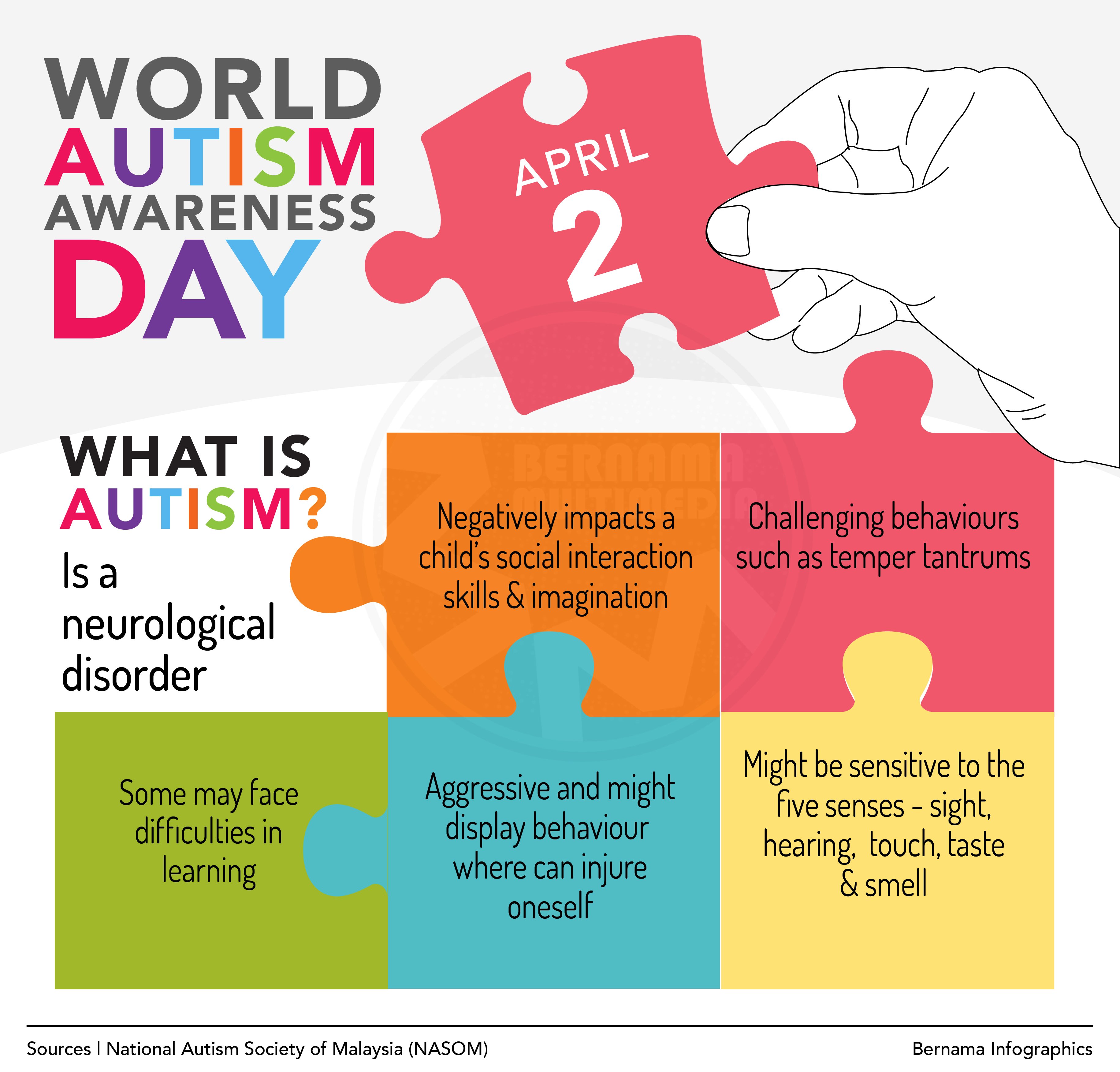
World Autism Awareness Day, or WAAD, is a global observance dedicated to raising awareness about autism spectrum disorder, ASD and promoting early diagnosis, intervention, and support for individuals with autism and their families. Established by the United Nations General Assembly in 2007, WAAD is celebrated annually on April 2nd. Its mission extends beyond mere awareness—it aims to foster understanding, acceptance, and inclusion of autistic individuals worldwide.

In recent years, significant progress has been made in increasing awareness and acceptance of autism. Much credit goes to the tireless efforts of autistic advocates who have amplified the lived experiences of autistic people. Additionally, medical professionals and researchers have embraced the neurodiversity paradigm, a concept coined by sociologist Judy Singer in the late 1990s.

The neurodiversity paradigm shifts the narrative away from seeking a cure or conversion for autistic individuals. Instead, it emphasizes acceptance, support, and inclusion. Autistic people, like anyone else, deserve dignity, self-esteem, and full integration into their families and societies.

Since its inception, World Autism Awareness Day has grown into a global movement, with individuals, organizations, and governments around the world coming together to organize events, initiatives, and campaigns to promote autism awareness and acceptance.

Autistic advocates play pivotal roles in shaping policies that affect their community. Their lived experiences inform legislation, education, and healthcare. Policymakers must listen to their voices and prioritize their needs.

The theme for World Autism Awareness Day 2024, “Embracing Neurodiversity: Building Inclusive Communities,” underscores the importance of creating environments that recognise and celebrate the unique strengths, perspectives, and contributions of individuals with autism. The theme highlights the need for accessible and supportive services, resources, and opportunities that empower individuals with autism to fully participate in all aspects of society, from education and employment to social and recreational activities.

Autistic individuals enrich their families’ lives in unique ways. Their perspectives, creativity, and love contribute to the rich tapestry of family dynamics. By recognizing their value, we create a more compassionate and understanding home environment. Autistic employees bring diverse talents and perspectives to the workplace. Companies that embrace neurodiversity benefit from increased innovation, problem-solving abilities, and fresh insights. Accommodations and understanding lead to a more inclusive workforce. Artistic expression knows no bounds. Autistic artists create captivating paintings, music, poetry, and performances. Their unique viewpoints challenge conventions and inspire audiences. Let us celebrate their creativity and amplify their voices.

World Autism Awareness Day provides a platform to challenge misconceptions and stereotypes surrounding autism, fostering greater understanding, empathy, and acceptance among the general public. Through educational initiatives, workshops, and awareness campaigns, World Autism Awareness Day equips individuals, families, and communities with the knowledge and tools to support and advocate for individuals with autism.

World Autism Awareness Day highlights the importance of early intervention and access to specialized services and therapies that can help individuals with autism reach their full potential and lead fulfilling lives. The day also recognizes the critical role of families as advocates, caregivers, and allies in the journey of individuals with autism, providing them with the support, resources, and encouragement they need to thrive.

World Autism Awareness Day celebrates the diverse talents, interests, and achievements of individuals with autism, from artistic expression and academic success to technological innovation and advocacy. The day advocates for inclusive employment practices and opportunities that enable individuals with autism to contribute their unique skills and perspectives to the workforce, fostering diversity and innovation in the workplace.

World Autism Awareness Day catalyzes policy change and advocacy efforts aimed at promoting the rights, dignity, and well-being of individuals with autism at the national and international levels. By advocating for greater social justice and equity for individuals with autism, World Autism Awareness Day advances the principles of inclusion, equality, and human rights for all members of society.

As we mark World Autism Awareness Day 2024, let us reaffirm our commitment to building a world that embraces and celebrates the diversity of the human experience. Through education, advocacy, and compassionate action, let us create communities that honour the inherent worth and dignity of every individual, regardless of neurotype Together, let us strive for a future where individuals with autism are valued, respected, and empowered to live their lives to the fullest, enriching our world with their unique perspectives, talents, and gifts.

Festivals of India: Halla Mohalla

A Sikh festival that celebrates the martial spirit and bravery of the Khalsa, the community of initiated Sikhs, Halla Mohalla was started by the tenth Sikh Guru, Guru Gobind Singh, in the 17th century, as a way of training his soldiers and showcasing their skills. The festival is held every year in Anandpur Sahib, Punjab, where the Khalsa was founded. It coincides with the Hindu festival of Holi but has a distinct identity and meaning.

The Halla Mohalla festival traces its origins to the 17th century, during the time of Guru Gobind Singh, the tenth Sikh Guru. In response to prevailing social and political challenges, Guru Gobind Singh envisioned the festival as a platform to foster unity, resilience, and martial spirit among his followers. The term “Halla Mohalla” translates to “mock fight” or “mock battle,” reflecting the festival’s emphasis on martial arts, military exercises, and mock battles as a means of promoting physical fitness, discipline, and preparedness among Sikhs.

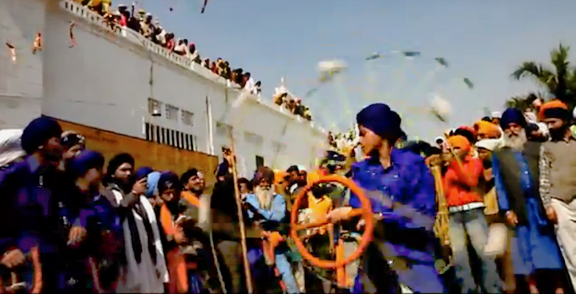
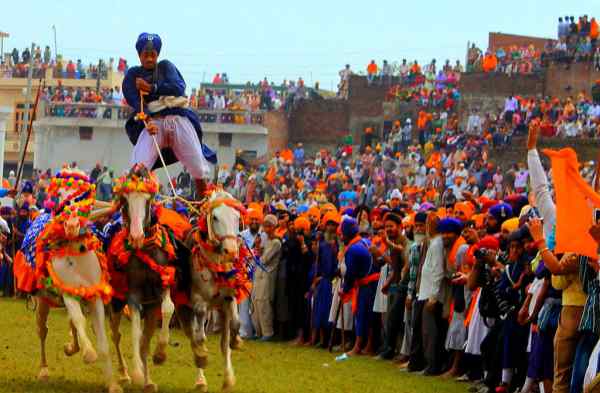
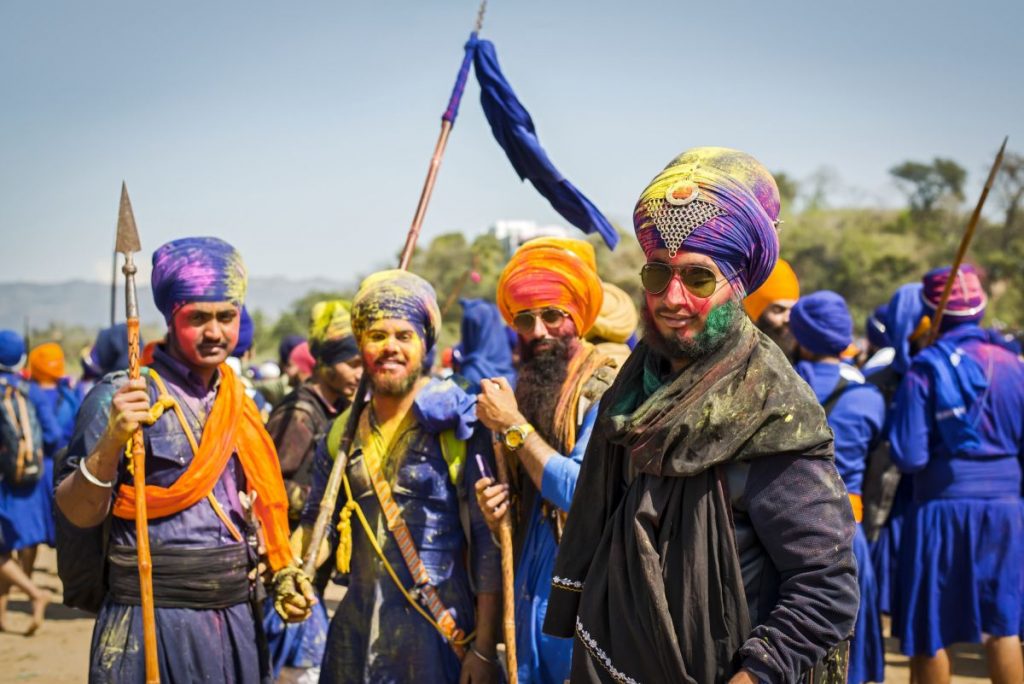
The main attractions of Halla Mohalla are the mock battles, the display of weapons, horseback riding, and the martial arts. The participants, called Nihangs, wear traditional blue robes and turbans and carry swords, daggers, spears, and rifles. They perform feats of agility, strength, and courage, such as breaking bricks with their hands, riding two horses at once, or throwing a spear from a moving horse. They also recite poems and hymns in praise of the Guru and the Khalsa.

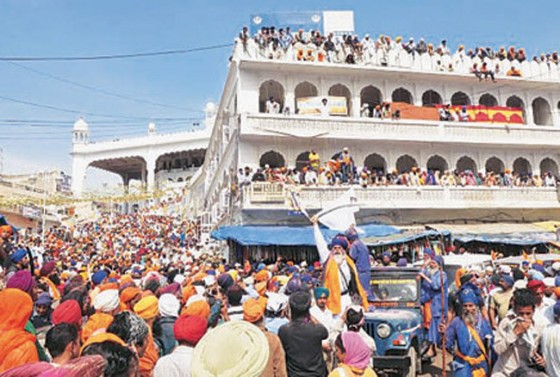
Central to the Halla Mohalla festival are the awe-inspiring displays of Sikh martial arts, or Gatka, showcasing the agility, strength, and precision of Sikh warriors as they engage in mock battles and intricate swordplay. The festival kicks off with grand processions and parades, featuring Nihang Sikhs adorned in colourful attire, elaborate turbans, and ceremonial weapons, symbolizing the valour and chivalry of the Sikh warrior tradition.

Halla Mohalla takes place immediately after Holi, the Hindu festival of colours, often coinciding with or following the day after. Unlike Holi’s playful colour-throwing, Halla Mohalla focuses on martial displays, reflecting the Sikh tradition of being warriors and readiness for defence. It celebrates the formation of the Khalsa, a community of committed Sikhs, upholding principles like equality, service, and justice.

Amidst the festivities, Halla Mohalla also offers devotees an opportunity for spiritual reflection and enlightenment, with religious discourses, prayers, and kirtan or devotional music sessions held at gurdwaras, the Sikh temples throughout Anandpur Sahib. They also take part in the langar, the communal kitchen, where free food is served to everyone, regardless of caste, creed, or religion. The festival promotes the values of equality, service, and brotherhood among the Sikhs and society.

Anandpur Sahib, the birthplace of the Khalsa, serves as the epicentre of Halla Mohalla festivities, with pilgrims and devotees flocking to the sacred city to pay homage to Sikh tradition and heritage. At the heart of Halla Mohalla lies the sprawling Akhara complex, where Sikhs gather to engage in martial arts training, physical exercises, and spiritual rituals under the guidance of seasoned Nihang warriors. The festival is also marked by acts of seva, or selfless service and community feasts, where devotees come together to prepare and share the langar, or free communal meals, as a symbol of equality, unity, and solidarity.

Nihangs, also known as Akalis, are an esteemed order of Sikh warriors with a rich history dating back to the early days of Sikh military history. Nihangs are part of an armed warrior order within Sikhism, known for their distinctive blue attire and proficiency in martial arts. They played a crucial role in the military history of the Sikhs, often celebrated for their victories despite being outnumbered. Nihangs embody the spirit of fearlessness, commitment to justice, and readiness for martyrdom as taught by the Sikh Gurus. They are seen as the protectors of Sikh gurdwaras and the upholders of the faith, especially during times of conflict. Today, Nihangs also have a ceremonial role, representing the martial heritage and the spiritual ethos of the Sikh community. Nihangs hold a special place in Sikhism, symbolizing the courage, resilience, and unwavering dedication to the principles laid down by the Sikh Gurus. They are a reminder of the Sikh tradition of saint soldiers, committed to both spiritual and temporal duties.

For Sikhs around the world, Halla Mohalla serves as a time to reaffirm their commitment to the core principles of Sikhism: equality, justice, compassion, and service to humanity. The festival inspires future generations of Sikhs to embrace their heritage, uphold their traditions, and embody the spirit of courage, resilience, and compassion that defines the Sikh faith.

In an era of rapid change and globalisation, Halla Mohalla serves as a symbol of cultural resilience, preserving the rich heritage and identity of the Sikh community for generations to come. The festival also promotes interfaith understanding and dialogue, inviting people of all backgrounds to partake in the festivities and experience the richness and diversity of Sikh culture and tradition.

In the kaleidoscope of festivals that adorn India’s cultural landscape, Halla Mohalla shines as a beacon of Sikh valour, spirituality, and tradition. As pilgrims and devotees converge upon Anandpur Sahib to partake in the festivities, they are reminded of the timeless values of courage, compassion, and community that lie at the heart of the Sikh faith.

In a world marked by division and discord, Halla Mohalla stands as a testament to the power of unity, solidarity, and shared humanity. As we celebrate this cherished festival, let us embrace its message of peace, tolerance, and brotherhood, and strive to build a world where diversity is celebrated, differences are respected, and all people are treated with dignity and respect.