World AIDS Day

Observed on December 1st each year, World AIDS Day is a global call to action, an opportunity to remember those we’ve lost and a reminder of the ongoing fight against HIV/AIDS.

World AIDS Day was first conceived in August 1987 by James W. Bunn and Thomas Netter, two public information officers for the Global Programme on AIDS at the World Health Organization, or WHO, in Geneva, Switzerland. Their goal was to create a day dedicated to raising awareness about HIV/AIDS and honouring those affected by the virus. December 1st was chosen and the inaugural World AIDS Day was observed later that year.

HIV, or the Human Immunodeficiency Virus, and AIDS, or Acquired Immunodeficiency Syndrome, have had a profound impact on global health and society. HIV is a virus that attacks the immune system, weakening the body’s ability to fight off infections and diseases. It is primarily transmitted through unprotected sexual intercourse, the sharing of needles among intravenous drug users, and from mother to child during childbirth or breastfeeding. The virus can also be transmitted through blood transfusions and organ transplants if the blood or organs are not screened for HIV.
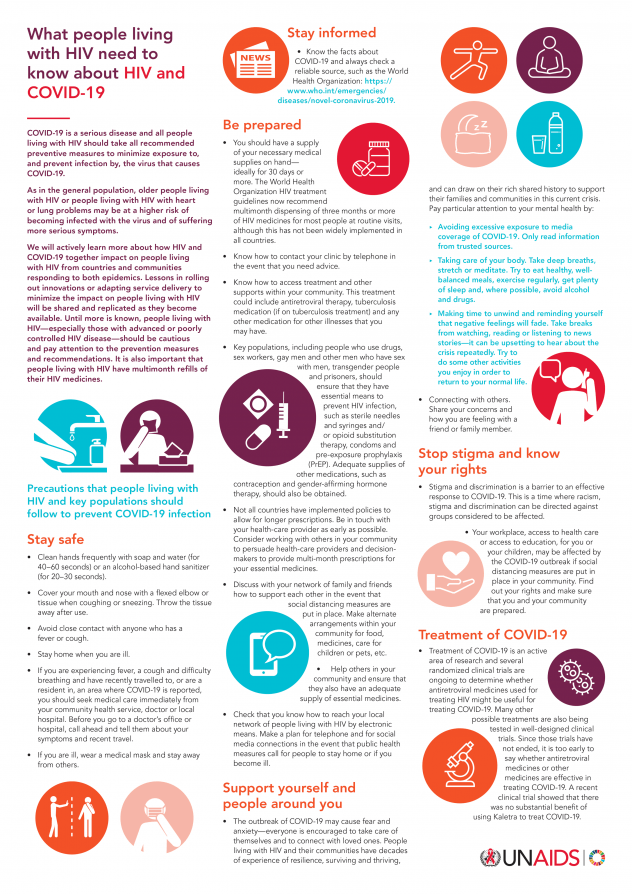
AIDS is the final stage of HIV infection, characterized by a severely compromised immune system. At this stage, the body becomes vulnerable to opportunistic infections and cancers that a healthy immune system would typically fend off. Without proper medical care and treatment, AIDS can be life-threatening.

Since the beginning of the HIV/AIDS pandemic, it has claimed the lives of millions of people worldwide. It has also had far-reaching social and economic consequences, particularly in sub-Saharan Africa, which remains the most affected region. HIV/AIDS has challenged healthcare systems, strained resources, and tested our collective ability to respond to a global health crisis.

The World AIDS Day theme for 2023 is “Ending the HIV/AIDS Pandemic: Equitable Access to Care and Prevention.” This theme encapsulates the urgent need to tackle the HIV/AIDS pandemic on multiple fronts. The theme underscores the shared commitment to bringing an end to the HIV/AIDS pandemic once and for all. It acknowledges the progress made over the years but emphasizes the work that remains to be done.
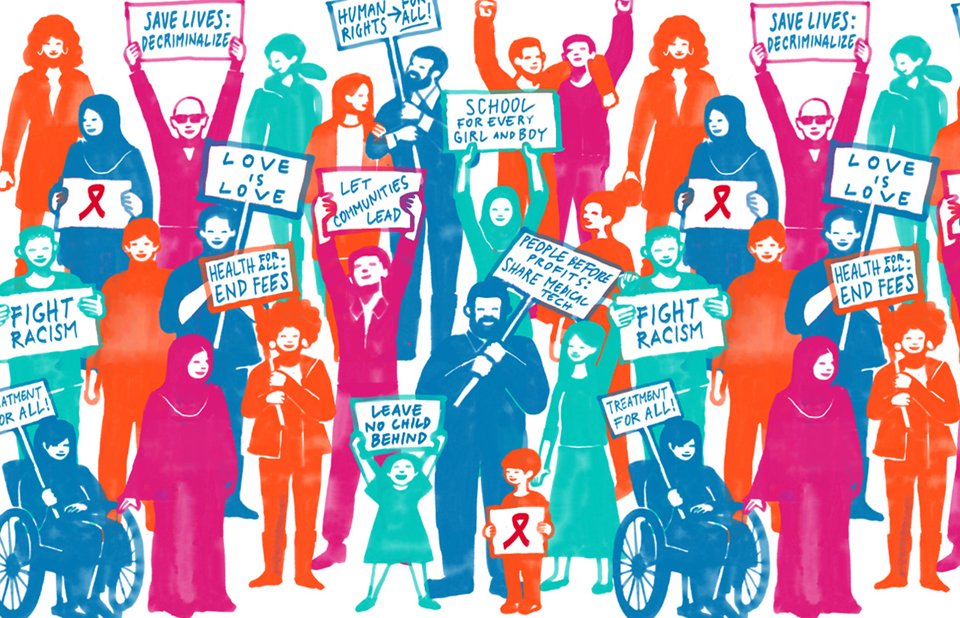
The term “equitable access” is central to the theme. It highlights the importance of ensuring that all individuals, regardless of their background, geographical location, or economic status, have equal access to essential HIV/AIDS care and prevention measures. The theme also recognises that tackling HIV/AIDS requires a dual approach. Care involves providing support, treatment, and medical services to those living with HIV/AIDS. Prevention focuses on education, awareness, and measures to stop the further spread of the virus.

The theme aligns with the broader global health equity movement, emphasizing the need to bridge healthcare disparities and ensure that everyone has the same opportunities for a healthy life. It underscores the importance of eliminating stigma and discrimination associated with HIV/AIDS. Equitable access means creating an environment where individuals feel safe and supported to seek testing, treatment, and care. Addressing HIV/AIDS requires the active involvement of communities, governments, healthcare systems, and international organizations. The theme encourages collaboration and a shared responsibility in the fight against the virus. Equitable access extends to education and awareness programs that empower individuals with knowledge about HIV/AIDS prevention, transmission, and treatment. It’s a reminder that information is a powerful tool in the fight against the virus.

As we reflect on the theme of World AIDS Day 2023, it’s crucial to acknowledge that the battle against HIV/AIDS is far from over. But there is hope, and there are concrete steps we can take. We should support policies and initiatives that promote equitable access to HIV/AIDS care, treatment, and prevention measures and advocate for increased funding for research and healthcare infrastructure.
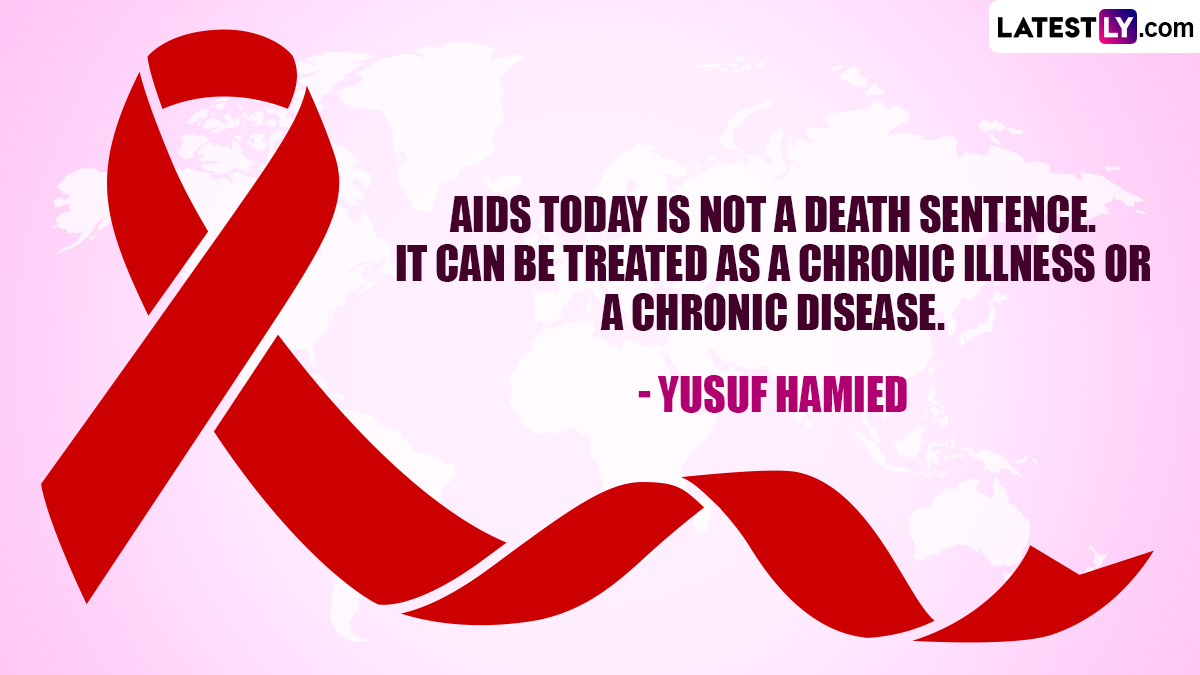
As we commemorate World AIDS Day 2023 and reflect on its theme, we are reminded that the fight against HIV/AIDS is a shared responsibility. It is a testament to our capacity to come together as a global community, transcending borders and differences in pursuit of a common goal – ending the HIV/AIDS pandemic and ensuring equitable access to care and prevention.

This World AIDS Day, let us honour the memory of those we have lost, support those living with HIV/AIDS, and recommit ourselves to the collective effort to create a world where no one is left behind in the fight against this devastating virus. In our unity and resolve, we find hope and the potential for a brighter, healthier future for all.


Poem: The Forgotten Diary

The Forgotten Diary

In the quiet hush of the attic’s embrace,
Amidst the dust and shadows’ chase,
I found a relic of a bygone year.
A forgotten diary, whispering secrets near.

Its cover is time-worn, leather-bound,
Held stories within, in faded ink, unbound.
The ink that once danced with fervour and grace
Now aged, its tales are etched on time’s face.

I cradled it gently, like a fragile heart,
A portal to moments, a forgotten art,
The diary’s pages, a silent plea,
To unlock its secrets, set them free.

I turned the pages, a journey in ink,
To the world of the diary’s keeper, I’d think,
In a sepia-toned world of yesteryears,
I found their joys, hopes, and fears.

In cursive loops, they poured their soul,
Each entry is a piece of a life, a whole,
Dreams penned in the soft candlelight,
Worries are hidden beneath the cover of the night.

They spoke of love, pure and true,
Of a world once vibrant, where dreams once grew,
But as I read on, a tear I’d find,
The diary held heartaches left behind.

Through ink-stained pages, their life unfurled,
A map of their heart, a vintage world,
The forgotten diary, a time machine,
Revealing a life that once had been.

In those quiet moments, as I read,
I felt their presence, their every need,
For in this attic’s dusty, secret lair,
Their memories lived on, suspended in the air.

So, I closed the diary with reverence and care,
Tucked it away, in its hiding, aware,
Though the diary’s keeper was long gone,
Their words and dreams would forever dawn.

International Men’s Day

Just like we celebrate the accomplishments and contributions of women on International Women’s Day, it’s equally important to recognise and celebrate the achievements, challenges, and roles of men in our society. Yesterday, as we celebrated International Men’s Day, let’s discuss why dedicating a day to celebrate men is crucial.

Let’s take a moment to understand what this day represents. International Men’s Day, observed on November 19th each year, is a day dedicated to celebrating men and promoting positive masculinity. It’s an occasion to raise awareness about men’s health, gender equality, and the important contributions men make to their families, communities, and society as a whole.

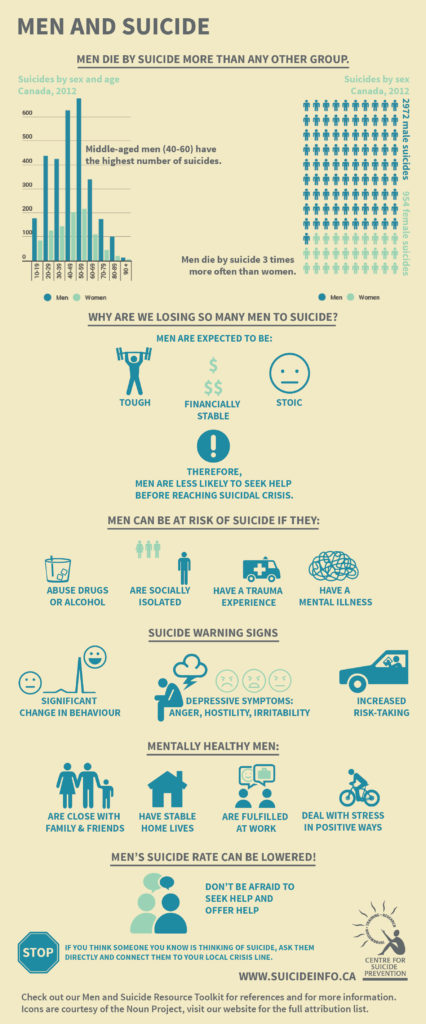
The theme for International Men’s Day in 2023 is “Zero Male Suicide”. This theme highlights the critical importance of addressing men’s mental health and the alarming rates of suicide among men worldwide. It calls for increased awareness, open dialogue, and support systems to prevent male suicides. By striving for zero male suicide, the focus is on destigmatising seeking help, encouraging early intervention, and fostering a culture of emotional well-being where men can reach out without fear or shame. This theme underscores the urgent need to create a world where every man knows that his life is valued and that he is not alone in his struggles.

The theme draws attention to the critical issue of men’s mental health, which is often overlooked or stigmatised. By emphasising the need to prevent male suicide, it encourages society to acknowledge and address the mental health challenges that men face. Men have disproportionately higher suicide rates than women in many parts of the world. This theme underscores the urgency of the issue and highlights the need for targeted interventions and support to reduce these rates. Suicide is often associated with shame and stigma, which can deter individuals, especially men, from seeking help. “Zero Male Suicide” aims to destigmatize mental health issues and promote an environment where men feel comfortable seeking assistance when needed. Encouraging early intervention and providing accessible mental health services is crucial for preventing suicides. The theme emphasizes the importance of identifying signs of distress and providing timely support to those at risk. It also challenges traditional notions of masculinity that discourage emotional expression and seeking help by encouraging a more inclusive and positive definition of masculinity that embraces emotional well-being.

So, why do we need a day dedicated to celebrating men in the first place? International Men’s Day complements International Women’s Day by promoting gender equality. It acknowledges that both men and women face unique challenges and encourages dialogue on achieving equity for all. Traditional notions of masculinity can sometimes be limiting and harmful. International Men’s Day provides an opportunity to redefine masculinity positively and inclusively, encouraging men to express their emotions, seek help when needed, and be nurturing caregivers. Celebrating men who contribute positively to their communities and society at large provides role models for younger generations. It encourages boys and young men to aspire to be compassionate, empathetic, and responsible individuals. Just as women’s issues are important, so are men’s issues. International Men’s Day shines a light on topics like men’s health, fatherhood, and workplace challenges that men may face, helping to address and rectify these issues. This day encourages open conversations about men’s experiences, challenges, and needs. It fosters understanding and empathy among individuals of all genders, ultimately strengthening relationships and communities.

Why can’t we celebrate men every day? The truth is, we should celebrate and support men every day. However, by having a specific day, the day provides a dedicated space to focus on specific issues and challenges that men face. It ensures that these topics are not overlooked amidst the busyness of daily life. The observance of International Men’s Day generates global awareness and participation. It encourages individuals, communities, and organisations worldwide to come together, creating a collective impact that is hard to achieve daily.

The day serves as an inspiration for initiatives and conversations that extend beyond November 19. It offers an educational platform to learn more about men’s issues and how to address them effectively. It also promotes a sense of unity and solidarity among men and their allies. It reminds us that we are all part of a global community committed to addressing gender-related challenges.

In a world that increasingly recognizes the importance of diversity and gender equality, International Men’s Day stands as a meaningful occasion to honour and support men from all walks of life. The day reminds us that men’s well-being, both physical and mental, is a vital part of the gender equality conversation. While we should strive to celebrate and support men every day, having a dedicated day amplifies our efforts and sends a powerful message: that men’s experiences, contributions, and challenges matter.

So, on yesterday, today, and every day beyond, let’s celebrate International Men’s Day by fostering understanding, empathy, and positive change in our communities and across the globe.

Festivals of India: Chemrey Wangchok Festival

Over the weekend, enchanting Ladakh celebrated the festival of Chemrey Wangchok. Often referred to as “Little Tibet”, Ladakh is renowned for its stark yet mesmerizing landscapes, monasteries perched atop rugged mountains, and a culture that seamlessly blends Tibetan Buddhism with the natural beauty of the region.

Also known as the Chemrey Angchok Festival, the Chemrey Wangchok Festival is one of Ladakh’s most cherished cultural events. Held at the Chemrey Monastery, which is perched dramatically on a hilltop overlooking the Indus Valley, this festival offers a window into the spiritual and cultural heart of Ladakh.

The Chemrey Wangchok Festival is celebrated on the 28th and 29th day of the ninth month of the Tibetan lunar calendar, which this year was this weekend, 11 and 12 November. Typically falling in November or December in the Gregorian calendar, the festival marks the victory of good over evil and the ultimate triumph of the Buddhist teachings. Chemrey Monastery’s white-washed walls glisten brilliantly against the clear blue Ladakhi skies, and the aura of serenity envelops this sacred site. It’s a place where time seems to stand still, and every stone whispers stories of devotion.

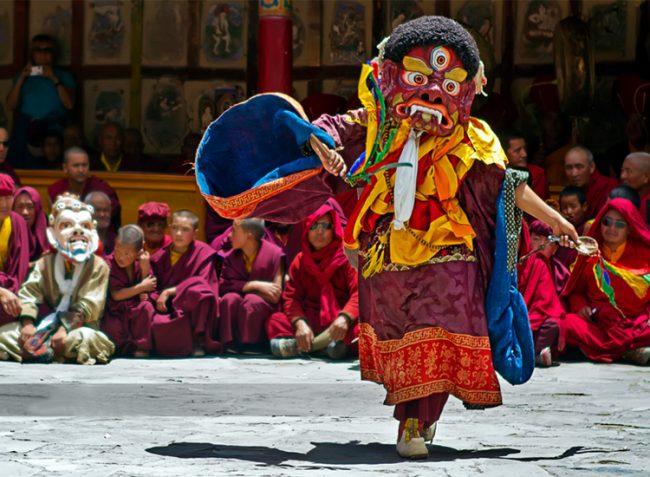
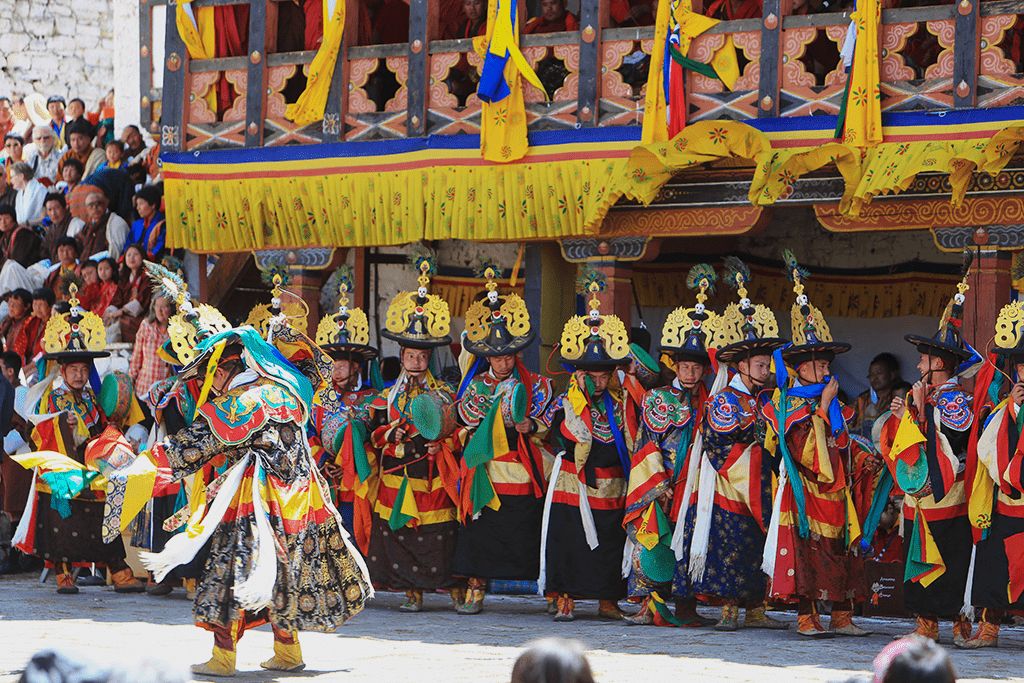
The festival kicks off with the Cham dance, a traditional masked dance performed by the resident monks. This intricate and colourful performance reenacts ancient Buddhist stories and teachings, inviting the audience to contemplate their deep meanings. Beyond the visual spectacle of the Cham dance, the Chemrey Wangchok Festival provides an opportunity for spiritual teachings and reflections. Monks share wisdom and insights, guiding attendees on a journey of self-discovery and enlightenment.

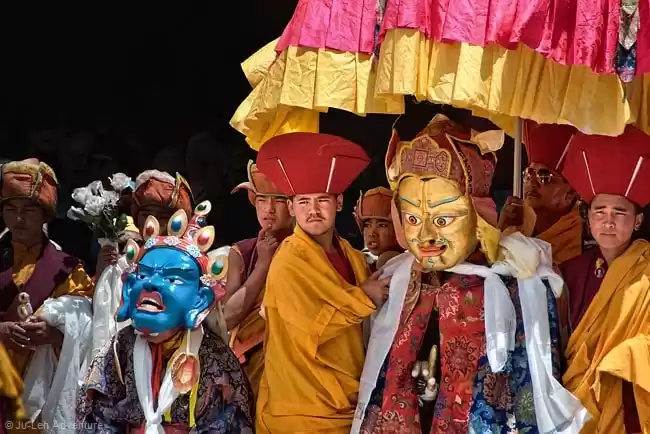
The air reverberates with the soothing sounds of traditional Ladakhi music and chants. The melodies played on traditional instruments like Tibetan horns and cymbals, add a mystical and enchanting ambience to the festival. The masked performers, adorned in elaborate costumes representing various deities and supernatural beings, are a sight to behold. Each mask tells a story and adds depth to the festival’s spiritual narratives.

Throughout the Chemrey Wangchok Festival, offerings are made to deities, symbolising the reverence and gratitude of the people of Ladakh. These rituals serve as a reminder of the deep connection between the spiritual and everyday lives of the locals.

Chemrey Wangchok is a testament to Ladakh’s commitment to preserving its rich cultural heritage. It serves as a reminder of the importance of passing down traditions and rituals from one generation to the next. The festival offers a moment of pause in our busy lives, inviting us to reflect on the deeper aspects of existence. It encourages introspection, mindfulness, and a connection with the spiritual dimensions of life. For visitors to Ladakh, the Chemrey Wangchok Festival provides a unique opportunity to engage with the local culture and forge meaningful connections with the Ladakhi people. In a world often divided by differences, this festival reminds us of the power of unity and shared values. It transcends barriers of nationality, language, and background, fostering a sense of oneness among those who attend. The colourful Cham dance and the profound spiritual teachings inspire attendees to seek inner peace, wisdom, and enlightenment in their own lives. It serves as a source of motivation and a reminder of life’s deeper purpose.

In a rapidly changing world, festivals like Chemrey Wangchok play an essential role in preserving cultural heritage, fostering spirituality, and celebrating unity. They remind us of the beauty that lies in tradition and the profound wisdom contained within ancient rituals. Festivals like these offer a respite from our often-hectic lives, inviting us to slow down and reflect on the deeper aspects of our existence. In an era of constant distractions, they serve as a sanctuary for inner peace and self-discovery.

This festival, with its Cham dance, spiritual teachings, and cultural richness, is a radiant celebration of Ladakh’s soul. It reminds us that amid the hustle and bustle of modern life, there are places where tradition thrives, where spirituality is woven into the fabric of daily existence, and where unity is celebrated. The Chemrey Wangchok Festival is a testament to the enduring beauty of Ladakh and the timeless wisdom of its people—a legacy that continues to shine brightly against the backdrop of the Himalayas.

World Kindness Day: Why Kindness Matters in Today’s World

Today is World Kindness Day. In a world often filled with stress, conflict, and uncertainty, this day serves as a gentle reminder of the power of kindness, its significance in our lives, and why we need a dedicated day for it.

What is Kindness?
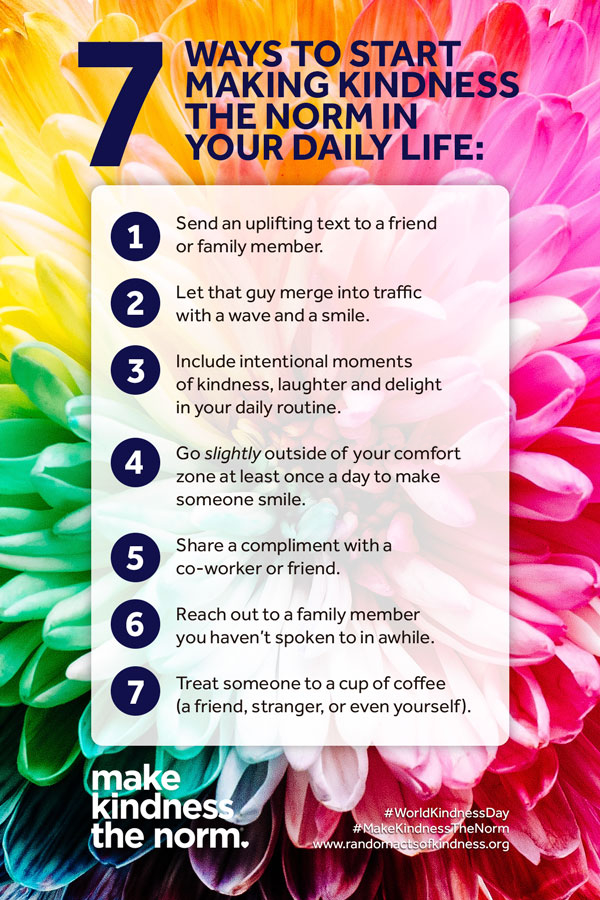
At its core, kindness is the act of showing compassion, consideration, and empathy towards others. It encompasses a wide range of behaviours, from small gestures like smiling at a stranger to larger acts of generosity and support. Kindness isn’t just about being nice; it’s about fostering a sense of connection and goodwill among individuals and communities.

In today’s fast-paced and interconnected world, the significance of kindness cannot be overstated. Kindness is the glue that binds us together as a society. When we show kindness to others, we create a sense of belonging and community, which is essential for our mental and emotional well-being. Acts of kindness, whether giving or receiving, release oxytocin, a hormone that promotes feelings of love and reduces stress. In a world where stress is rampant, these moments of kindness are like emotional lifelines. Kindness nurtures empathy—the ability to understand and share the feelings of others. In a world with increasing polarization, empathy is a powerful tool for bridging divides and finding common ground. Small acts of kindness can have a ripple effect, inspiring others to pay it forward. By leading with kindness, we can collectively create positive change in our communities and beyond.

Why do we need World Kindness Day?
So why does one need a designated day for kindness? Why can’t we be kind every day? While ideally, kindness should be a daily practice, the reality is that our lives often become chaotic and demanding. World Kindness Day serves as an annual reminder to pause, reflect, and recommit to acts of kindness. Having a specific day dedicated to kindness allows us to shine a spotlight on the importance of this virtue. It encourages individuals and organisations to come together in a concerted effort to spread kindness on a global scale.

World Kindness Day catalyses inspiring kindness initiatives. It’s a day when people are more likely to engage in acts of goodwill and to support charitable causes, creating a surge of positive momentum. Schools, communities, and workplaces can use World Kindness Day as an opportunity to educate individuals about the benefits of kindness and how to incorporate it into their daily lives. In a world that often feels divided, World Kindness Day unites people from different backgrounds, cultures, and beliefs under a common goal: to make the world a kinder place.

The question remains, why can’t we make kindness a daily practice instead of confining it to one day a year? The truth is, we absolutely can, and many individuals do. However, designating a specific day for kindness amplifies its impact for several reasons:

Collective Effort: When people worldwide come together on World Kindness Day, the cumulative effect of their kind acts is immense. It creates a sense of unity and shared purpose that can be challenging to replicate every single day.

Heightened Awareness: Having a designated day increases awareness about kindness and encourages individuals who may not have prioritized it before to participate.

Global Impact: World Kindness Day provides an opportunity to focus on global issues and challenges that require collective kindness, such as addressing poverty, inequality, and environmental concerns.

Inspiration and Inspiration: People often need a reminder or inspiration to practice kindness consistently. World Kindness Day can serve as that spark, prompting individuals to make kindness a regular part of their lives.

In a world that can sometimes feel divisive and harsh, World Kindness Day stands as a beacon of hope and unity. It reminds us of the incredible power of small acts of kindness and the transformative impact they can have on individuals and societies alike. While we should strive to make kindness a daily practice, having a dedicated day for it amplifies its significance and encourages us to be more mindful of our actions.

So, let’s embrace World Kindness Day as an opportunity to spread goodwill, foster empathy, and create positive change. Let’s carry the spirit of kindness with us not just on this day, but every day, as we work together to make the world a kinder and more compassionate place for all.