International Yoga Day

A practice originating in ancient India, yoga today is popular worldwide because of the physical, mental and spiritual benefits it provides to its practitioners. The word yoga is derived from Sanskrit and means to join or to unite, symbolising the union of body and consciousness. Yoga promotes a holistic approach to health and well-being.

Yoga is a low-impact form of exercise that promotes flexibility, strength, and balance. The practice of yoga involves a series of physical postures or asanas that help improve muscle tone, increase range of motion, and improve overall physical health. Regular practice of yoga can also help improve cardiovascular health and reduce the risk of chronic diseases such as diabetes, heart disease, and obesity. Yoga is known for its ability to promote mental clarity, reduce stress, and improve overall mental health. The practice of yoga involves deep breathing exercises and meditation that can help calm the mind and reduce stress levels. Yoga can also help improve mood, reduce symptoms of anxiety and depression, and promote overall mental well-being. Yoga is deeply rooted in spirituality and promotes a connection with the inner self. The practice of yoga involves developing self-awareness, compassion, and gratitude, which can help promote spiritual growth and well-being. Yoga can also help individuals develop a sense of purpose and meaning in their lives. The practice of yoga promotes a holistic approach to health and well-being, which encompasses physical, mental, and spiritual health. Yoga can help individuals develop a healthier lifestyle, including healthier eating habits, improved sleep quality, and reduced stress levels. The practice of yoga can also help individuals develop stronger social connections and a sense of community.

In addition to the above benefits, yoga is also a highly accessible practice that can be adapted to suit individuals of all ages, fitness levels, and abilities. Yoga can be practised at home, in a studio, or outdoors, making it a highly flexible and convenient form of exercise. Other than the obvious physical benefits, yoga is also known to promote mental clarity, reduce stress and anxiety, and improve overall mental well-being. The deep breathing exercises used in yoga help calm the mind and reduce stress levels and make the practitioner sleep well. Yoga also helps improve cognitive function and mental clarity as the practice involves focusing the mind on the present moment, helping to improve concentration and focus as well as memory and cognitive flexibility, essential for mental health and well-being.

Yoga is also known to boost the immune system, which is crucial in these trying times. A strong immune system plays a vital role in protecting the body against infections and can help prevent or reduce the severity of infections. Yoga can help boost the immune system by reducing stress, improving sleep quality, and promoting overall physical health.

The importance of yoga has been recognised by the United Nations, which declared June 21 as International Yoga Day in 2014. The idea of June 21 came from Indian Prime Minister Narendra Modi, who, in his UN address in 2014, suggested the date June 21, as it is the longest day of the year in the Northern Hemisphere and shares a special significance in many parts of the world. In Indian calendars, the summer solstice marks the transition to Dakshinayana. The second full moon after the summer solstice is known as Guru Poornima. In Hindu mythology, Shiva, the first yogi or Adi Yogi, is said to have begun imparting the knowledge of yoga to the rest of mankind on this day and became the first guru Adi Guru.

To achieve a healthy life, the theme for the 8th World Yoga Day 2023 is Humanity. This theme is relevant in the current pandemic where the practice of yoga is very beneficial in promoting mental, physical and spiritual health and well-being. COVID-19 has impacted millions of people, both physically and mentally. Daily routines have been disrupted and stress and anxiety levels have skyrocketed and so in these times, yoga can be an effective tool to promote mental and physical health.

World Refugee Day

A refugee is someone who leaves their country due to the ramifications of war, conflict persecution and violence that they have faced within their home country. Through undertaking the process of crossing international borders, some refugees often leave everything behind carrying only minimal clothing and possessions; with the plan to find safety and haven in a different country.

World Refugee Day which took place yesterday is an international day organised every year on 20 June by the United Nations and is designed to celebrate and honour refugees from around the world. The day was first established on 20 June 2001, in recognition of the 50th anniversary of the 1951 Convention Relating to the Status of Refugees. The 1951 Refugee Convention acknowledges a refugee as an individual who is unable to return to their country of origin owing to the founded fear of being affected by their race, religion, participation of a social group or in different political opinions.

The number of refugees worldwide has been steadily increasing over the past few years. According to the United Nations High Commissioner for Refugees (UNHCR), there were over 103 million forcibly displaced people worldwide by mid 2022. This includes over 32.5 million refugees, 4.9 million asylum seekers, 53.2 million internally displaced persons (IDPs) and 5.3 million others in need of international protection. 72% of all refugees originate from just five countries with Syria at the top and Venezuela, Ukraine, Afghanistan and South Sudan, the other four countries. 36% of all refugees are hosted in five countries with Türkiye hosting the largest number of refugees, at 3.7 million people and Colombia is second with more than 2.5 million, Germany with 2.2 million, Pakistan with 1.5 million and Uganda hosting 1.5 million refugees. At the end of 2021, of the 89.3 million forcibly displaced people, an estimated 36.5 million or 41% are children below the age of 18. 1.5 million
children were born as refugees and between 2018 and 2021, an average of between 350,000 and 400,000 children were born into a refugee life per year. 204,500 refugees returned or were resettled with some 162,300 refugees returned to their countries of origin during the first six months of 2022 while 42,300 were resettled. 74% of refugees were hosted in low and middle-income countries with the least developed countries providing asylum to 22% of the total. Data on some 4.3 million stateless people residing in 95 countries were reported as at mid-2022. The true global figure is estimated to be significantly higher. 69 per cent of refugees and other people in need of international protection lived in countries neighbouring their countries of origin.

The event aims to recognise the strength of the refugees who have fled the conflict and persecution of their country in hope of finding sanctuary and living a better life. World Refugee Day builds the concept of understanding their plight which shows one’s resilience and courage in rebuilding their future. The day is seen as an opportunity for everyone to experience, understand and celebrate the rich diversity of the communities of refugees. World Refugee Day is also celebrated through World Refugee Week and is designed to provide an important chance for asylum seekers and refugees to be seen, listened to and valued by the community they are living.

This year’s World Refugee Day comes at a time when the global refugee crisis is at its worst. The COVID-19 pandemic has made the situation for refugees even direr. Many refugee camps are overcrowded, making it nearly impossible to practice social distancing and other measures to prevent the spread of the virus. Refugees are also more vulnerable to the economic impact of the pandemic, as many of them rely on informal and low-wage jobs that have been affected by lockdowns and other restrictions. The theme for Refugee Week 2023 is Healing and hopes to help imagine a world where healing replaces harm, and care becomes the world’s shared currency.

In addition to education, refugees also need access to healthcare, housing, and other basic needs. Many refugees live in overcrowded and unsanitary conditions, which can lead to the spread of diseases. Providing refugees with access to healthcare can help prevent and treat illnesses and improve their overall quality of life. Housing is another important issue for refugees. Many refugees live in temporary shelters such as tents or shipping containers, which are not suitable for long-term living. Providing refugees with safe and affordable housing can help them feel more secure and stable, and can also improve their chances of finding work and integrating into their new communities. Refugees often face discrimination and prejudice when trying to settle in new countries. Integration programs can help refugees learn the language and customs of their new home and find work and housing. These programs can also help to educate the local community about refugees and promote greater understanding and acceptance.

Refugees play an important role in the globe as when they have access to legal employment opportunities in their host country, they can utilise their knowledge to assist in filling the gap in the country’s labour market. These inclusions in society create a more diverse culture and multiculturalism which provides the community with the opportunity to learn from each other. The majority of refugees come from backgrounds where they have been formally employed and can assist their new country in contributing to the security of the country as well as their revenue. They are also able to create the ability to contribute to society by acting as a mediator in different intercultural exchanges, and the host country will be able to experience more effective socio-cultural diversity within the community.

Despite the many challenges they face, refugees are some of the most resilient people in the world. They have survived war, persecution, and other forms of violence, and have often been forced to flee their homes with little more than the clothes on their backs. On World Refugee Day 2023, it is important to remember that refugees are not just statistics, but individuals with unique stories, talents, and aspirations.

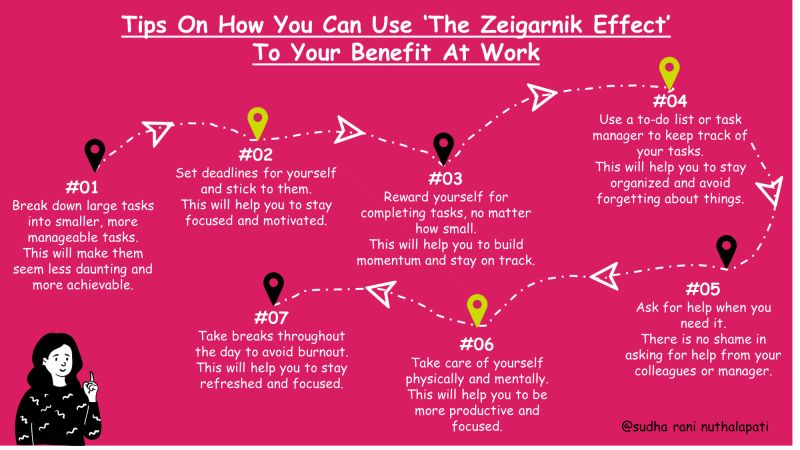
World Productivity Day

Productivity is the key to success in both personal and professional life. Productivity refers to the efficiency with which tasks are completed within a given timeframe. Celebrated annually on 20 June, World Productivity Day acknowledges the importance of productivity and celebrates achievements, reflect on challenges and finds ways to improve efficiency and effectiveness in personal and professional spheres.

Productivity is not just about getting more things done in less time. It is also about making the most of our time, energy, and resources. Productivity can help us achieve our goals, fulfill our potential, and enjoy a better quality of life.

Productivity also benefits society as a whole. According to the OECD, productivity is the main driver of long-term economic growth and living standards. Productivity can also contribute to social and environmental sustainability by reducing waste, pollution, and inequality. Productivity increases the efficiency of tasks, which saves time and resources. It helps to complete tasks in a shorter time and with fewer errors. Productivity enhances the quality of work. When tasks are completed efficiently, the quality of the work improves. Productivity leads to job satisfaction. When tasks are completed efficiently, employees feel a sense of accomplishment, which enhances their motivation and job satisfaction. Productivity is essential for economic growth. When businesses and individuals are productive, they contribute to economic growth, which leads to a better quality of life for everyone.

Productivity is important in both personal and professional spheres for several reasons. It helps to manage time effectively, set and achieve goals, improve the quality of work, enhance job satisfaction, and promote economic growth. Productivity helps to manage time effectively. In their personal life, it allows individuals to accomplish more in less time, which helps them to have more time for leisure activities. In the professional sphere, it helps to complete tasks efficiently, which leads to improved productivity and profitability. Productivity helps individuals to set and achieve goals. In personal life, it allows individuals to accomplish personal goals, such as learning a new skill or pursuing a hobby. In the professional sphere, it helps businesses to achieve organizational goals, such as increasing sales or improving customer satisfaction. Productivity is essential for improving the quality of work. When tasks are completed efficiently, the quality of work improves. This applies to both personal and professional spheres. In personal life, it allows individuals to accomplish tasks with greater efficiency and accuracy. In the professional sphere, it leads to improved customer satisfaction and increased profitability. Productivity leads to job satisfaction. When tasks are completed efficiently, employees feel a sense of accomplishment, which enhances their motivation and job satisfaction. This applies to both personal and professional spheres. Productivity is essential for economic growth. When businesses and individuals are productive, they contribute to economic growth, which leads to a better quality of life for everyone. In the personal sphere, increased productivity can lead to higher income and a better standard of living. In the professional sphere, it leads to increased profitability and job creation.

World Productivity Day was first observed in 1984 by the World Confederation of Productivity Science. Since then, it has been celebrated every year on 20 June. The day aims to raise awareness about the importance of productivity in enhancing the quality of life and promoting economic growth. The theme of World Productivity Day 2023 is “Productivity for Sustainable Development.” The theme emphasises the importance of productivity in achieving sustainable development goals. It highlights the need to improve productivity to meet the challenges of the 21st century, including poverty, inequality, and environmental degradation.

There are several ways to increase productivity. I have written a blog post at the beginning of the year about some productivity hacks, so please check them out for some really interesting productivity hacks.

There are many ways to celebrate World Productivity Day. Review your progress and take time to look back at what you have accomplished in the past year. What are you proud of? What are you grateful for? What are you still working on? What are your next steps? Set your priorities and identify your most important goals and tasks for the coming year. What are your personal and professional aspirations? What are your values and passions? How can you align your actions with your purpose? Plan your strategy by creating a realistic and flexible plan to achieve your priorities. Break down your goals into smaller and more manageable steps. Schedule your tasks according to your energy levels, deadlines, and preferences. Use tools and apps that can help you organize, track, and automate your work. Learn new skills and seek opportunities to improve your knowledge and abilities. Read books, articles, blogs, or podcasts that can inspire you or teach you something new. Take online courses, webinars, or workshops that can enhance your skills or qualifications. Join communities or networks that can support your learning and growth. And most importantly, celebrate your wins. Reward yourself for your efforts and achievements. Recognize your strengths and successes. Appreciate your challenges and failures as learning opportunities. Share your stories and feedback with others who can celebrate with you or help you improve.

World Productivity Day is an essential day to celebrate productivity and its role in enhancing the quality of life and promoting economic growth. Productivity is crucial for personal and professional success as it helps to complete tasks efficiently, enhance the quality of work, and promote job satisfaction. World Productivity Day is a great opportunity to celebrate our productivity and find ways to improve it further. By following the tips above, one can boost efficiency and effectiveness in work and personal life and enjoy more satisfaction, happiness, and well-being.

Happy World Productivity Day 2023!

World Day against Child Labour

Held annually on 12 June, the World Day Against Child Labour was first launched in 2002 by the International Labour Organization or ILO to raise awareness and activism to prevent child labour. It was spurred by ratifications on the minimum age for employment and the worst forms of child labour. The day is intended to foster the worldwide movement against child labour and spread awareness about the harmful mental and physical problems faced by children forced into child labour, all over the world.

The day was first established in 2002 by the ILO to draw attention to the issue of child labour and to revise and revisit strategies to eliminate child labour. According to ILO’s data, hundreds of millions of girls and boys worldwide are involved in work that deprives them of receiving adequate education, health, leisure and basic freedoms, violating this way their rights. Of these children, more than half are exposed to the worst forms of child labour which include work in hazardous environments, slavery, other forms of forced labour, illicit activities such as drug trafficking and prostitution, as well as involvement in armed conflict. World Day Against Child Labour is important because we must pay attention to the problem of child labour and find ways to eradicate it.

Not all work done by children should be classified as child labour that is to be targeted for elimination. Children’s or adolescents’ participation in work that does not affect their health and personal development or interfere with their schooling, is generally regarded as being something positive. This includes activities such as helping their parents around the home, assisting in a family business or earning pocket money outside school hours and during school holidays. These kinds of activities contribute to children’s development and the welfare of their families; they provide them with skills and experience, and help to prepare them to be productive members of society during their adult life.

Today, throughout the world, around 218 million children work, many full-time. They do not go to school and have little or no time to play. Many do not receive proper nutrition or care. They are denied the chance to be children. More than half of them are exposed to the worst forms of child labour such as work in hazardous environments, slavery, other forms of forced labour, illicit activities including drug trafficking and prostitution, as well as involvement in armed conflict.

Child labour to be eliminated is a subset of children in employment. It includes all unconditional worst forms of child labour, such as slavery or practices similar to slavery, the use of a child for prostitution or for illicit activities; work done by children under the minimum legal age for that type of work, as defined by national legislation under international standards. The worst forms of child labour involve children being enslaved, separated from their families, exposed to serious hazards and illnesses and/or left to fend for themselves on the streets of large cities – often at a very early age. Whether or not particular forms of work can be called child labour depends on the child’s age, the type and hours of work performed, the conditions under which it is performed and the objectives pursued by individual countries. The answer varies from country to country, as well as among sectors within countries.

At the beginning of 2020, 1 in 10 children aged 5 and over were involved in child labour worldwide – equating to an estimated 160 million children, or 63 million girls and 97 million boys. Globally, significant progress has been made in reducing child labour in the past two decades according to a ILO and UNICEF report in 2021. The number of children in child labour declined by 85.5 million between 2000 and 2020, from 16% to 9.6%. Only 26.4% of children worldwide receive social protection cash benefits. At the global level, national expenditure on social protection for children amounts to only 1.1% of the GDP. In Africa, the region with the largest share of children in the population, the highest prevalence of child labour and the greatest need for social protection, an equivalent of 0.4% of GDP is spent on social protection for children. It is estimated that without mitigation strategies, the number of children in child labour could rise by 8.9 million by the end of 2022, due to higher poverty and increased vulnerability.

Child labour is a global issue that affects millions of children worldwide. It is a violation of children’s rights and can have long-term negative effects on their physical and mental health, education, and prospects. While progress has been made in recent years to reduce child labour, there is still much work to be done. The International Day against Child Labour is a day when everyone, including governments, businesses, and individuals remember that they have a role to play in ending child labour and ensuring that every child has the opportunity to grow up safe, healthy, and free.

World Environment Day

Today is World Environment Day. The day is celebrated annually to showcase the importance of the environment and engage people to protect and restore the Earth. First held in 1973, it has been a platform for raising awareness on environmental issues such as marine pollution, overpopulation, global warming, sustainable development, and wildlife crime. World Environment Day has evolved to become one of the world’s largest environmental events with participation from more than 150 countries and millions participating in activities like tree planting, cleaning up the environment, and raising awareness about environmental issues. This year marks the event’s 50th anniversary.

Taking care of the environment is essential for the survival of both humans and wildlife. The environment is home to millions of species of plants and animals. Biodiversity is essential for the survival of ecosystems and provides essential services such as pollination, nutrient cycling, and water purification. The environment plays a critical role in regulating the Earth’s climate. Climate change, caused by the burning of fossil fuels and other human activities, is one of the biggest environmental challenges we face today. Taking care of the environment can help to mitigate the impacts of climate change and create a more sustainable future. The environment provides us with clean air and water, which are essential for human health and well-being. Pollution and degradation of the environment can have serious health consequences, such as respiratory illnesses and water-borne diseases. The environment provides us with natural resources such as timber, minerals, and oil. These resources are essential for economic development, but they must be managed sustainably to ensure their long-term availability. Ecosystems such as forests, wetlands, and coral reefs protect from natural disasters such as floods, storms, and tsunamis. Degradation of these ecosystems can increase the risk of natural disasters and make communities more vulnerable.

Each year, World Environment Day is hosted by a different country where the official celebrations take place. The host for 2023 is Côte d’Ivoire in partnership with The Netherlands. Both countries are showing leadership in the campaign against single-use plastics. They have also committed to building more circular economies, giving plastic products a second life and creating a host of new opportunities, including for the disadvantaged.

The theme of World Environment Day 2023 takes on plastic pollution, one of the gravest threats to the planet and our health. The world is being inundated by plastic. Plastic is an intrinsic part of everyday life and since 1950, the world has produced more than 9 billion tonnes of the material. Unfortunately, the vast majority of that or more than half has been thrown away, often after just a single use, ultimately polluting land, sea and air. Kess than 10% of plastic is recycled with an estimated 19-23 million tonnes ending up in water bodies. Plastic that is burnt combusts into toxic smoke. Microplastics find their way into our food, water and even air. By some estimates, people consume more than 50,000 plastic particles per year and many more if inhalation is considered. Many plastic products contain hazardous additives, which may pose a threat to our health. World Environment Day will focus on how humanity can end its love affair with single-use plastics and create economies in which plastic is repurposed instead of being jettisoned. For a more detailed blog post on plastic waste and its impact, click here.

The UN Decade on Ecosystem Restoration (2021-2030) was launched on World Environment Day 2021, and it aims to prevent, halt, and reverse the degradation of ecosystems worldwide. The Decade is a global call to action for governments, businesses, civil society, and individuals to take urgent action to restore ecosystems and create a sustainable future for all.

Taking care of the environment is a collective responsibility, and everyone can play a role in protecting the natural world. One of the most effective ways to take care of the environment is to reduce our consumption of resources which can be achieved by reusing and recycling materials like paper, plastic, and glass. Transportation is one of the biggest contributors to greenhouse gas emissions, which are a major cause of climate change. By using sustainable transportation, such as walking, cycling, or taking public transportation, we can reduce our carbon footprint and help to protect the environment. Conserving energy is another important way to take care of the environment. An easy way to do this is to turn off lights and appliances when they are not in use, use energy-efficient light bulbs and appliances, and reduce our use of air conditioning and heating.

Renewable energy sources, such as solar and wind power, are a sustainable alternative to fossil fuels. By supporting renewable energy initiatives, we can help to reduce our reliance on fossil fuels and create a more sustainable future. Trees play a critical role in regulating the Earth’s climate and supporting biodiversity. By planting trees, we can help to sequester carbon and create habitats for wildlife. Agriculture is a major contributor to environmental degradation, but sustainable agriculture practices can help to mitigate these impacts. By supporting sustainable agriculture initiatives, such as organic farming and regenerative agriculture, we can help to protect the environment and promote food security. Waste is a major environmental problem, but we can reduce our waste by choosing products with less packaging, avoiding single-use items, and composting organic

World Environment Day is an opportunity for everyone to take action to protect our planet and promote sustainable living. It serves as a reminder that we all have a role to play in protecting our environment and that we must work together to create a sustainable future for ourselves and future generations.