Poem: Seasons

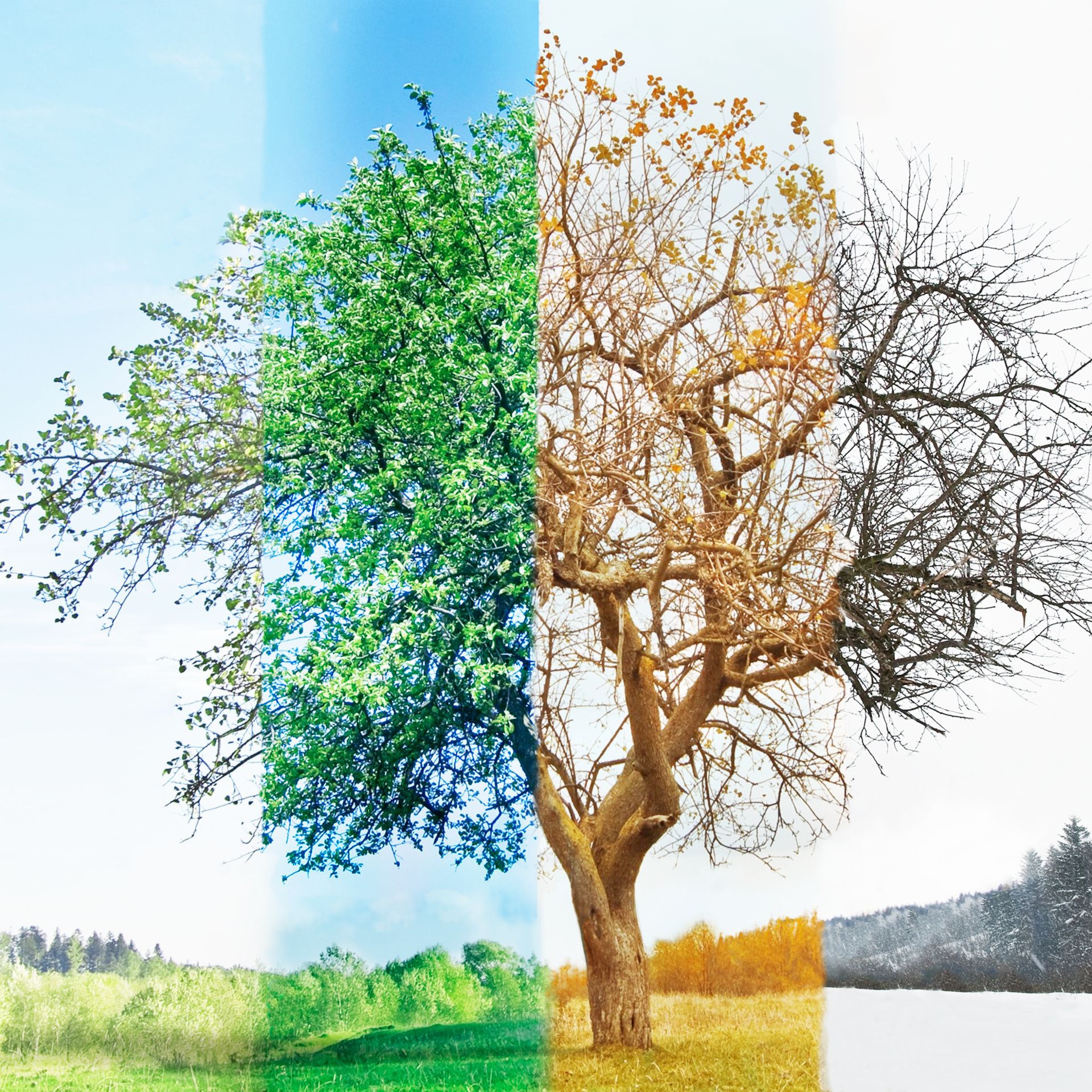
The leaves fall gently to the ground
As autumn breezes swirl around
The trees stand bare, stripped of their dress
Nature’s beauty in a state of rest

The snowflakes dance and whirl in play
As winter takes its hold today
A blanket of white covers the land
A peaceful, quiet, winter wonderland

The sun begins to peek its head
As spring awakens from its bed
The flowers bloom and the birds sing
Nature’s symphony, a joyful thing

The heat beats down, the day is long
As summertime comes into song
The fields are green, the sky is blue
Nature’s bounty, a sight to view

Each season brings its own delight
A new chapter in nature’s rite
A cycle of change, a natural flow
Nature’s beauty, forever aglow.

2023 International Year of Millets

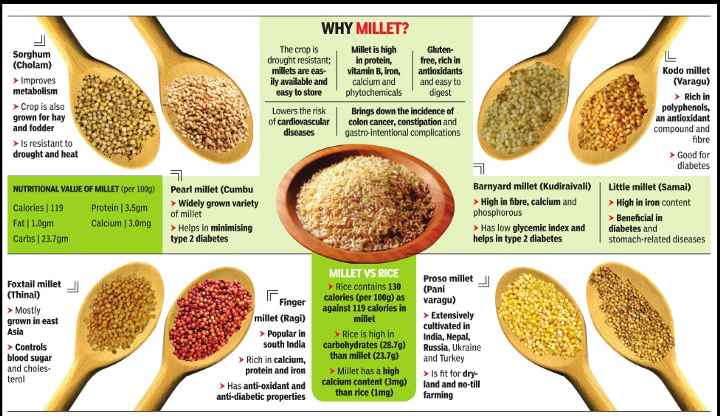
Millets have been an integral part of our diet for centuries. In addition to a plethora of health benefits, millets are also good for the environment with low water & input requirement. Millets are a group of small-seeded grasses that have been cultivated for thousands of years in many parts of the world, including Africa, Asia, and Europe. They are known for their tolerance to harsh growing conditions, such as drought and high temperatures, and are often grown in areas where other crops are not able to survive. Because their surface is rough, millets are known as coarse grains and include sorghum, pearl millet, finger millet, little millet, foxtail millet, proso millet, barnyard millet, and kodo millet.

Millets contain higher amounts of protein than other cereals and are even considered nutritionally superior to wheat and rice. Millets are also known to have a more balanced amino acid profile and are a good source of phytochemicals, which possess anti-inflammatory and anti-oxidative properties. These coarse grains are abundant with nutrients like carbohydrates, protein, dietary fibre, good-quality fat, and minerals like calcium, potassium, magnesium, iron, manganese, zinc and B complex vitamins. The health benefits of eating millet include improving immunity and preventing infections, helping in detoxifying the body, reducing the risk of developing cardiovascular diseases by lowering bad cholesterol levels, supporting metabolism and helping in managing diabetes and obesity because they are low in glycemic index and high in fibre, aid in the regulation of blood glucose levels. Millets contain both fibres and phytonutrients, which may help reduce the risk of developing colorectal cancer. Millets, especially finger millet, contain a high amount of potassium that is essential for the proper functioning of the kidneys, brain and muscles. They are also gluten-free, making them a suitable option for people with celiac disease or gluten intolerance.

In addition to their nutritional benefits, millets also have the potential to improve food security in many regions. They have a short growing season and can be planted and harvested quickly, making them a reliable source of food even in times of drought or other natural disasters. Furthermore, they can be grown on marginal lands, which are often not suitable for other crops, and are able to fix atmospheric nitrogen, which allows them to be grown in low-fertility soils, and also helps to reduce the need for chemical fertilizers.

Another important aspect of millets is their role in sustainable agriculture. These grains require less water and fewer inputs compared to other crops, making them more environmentally friendly. They also have a low carbon footprint and are able to sequester more carbon in the soil than other crops, which helps to combat climate change.

To create awareness and increase the production & consumption of millets, the United Nations, at the behest of the Government of India, declared 2023 the International Year Millets so that these ancient grains can become more mainstream.

Millets are incredible ancestral crops with high nutritional value and can play an important role and contribute to the collective efforts to empower smallholder farmers, achieve sustainable development, eliminate hunger, adapt to climate change, promote biodiversity, and transform agrifood systems. Greater millet production can support the livelihoods of smallholder farmers and can provide decent jobs for women and youth and the revenue created can boost economic growth. The possibility of a health cereal alternative with millets, the risks associated with production shocks can be mitigated. The International Year of Millets 2023 and the push towards increasing millet production will contribute to the 2030 Agenda for Sustainable Development. IYM 2023 hopes to galvanise interest in millets among various stakeholders like farmers, the youth and civil society and push governments and policymakers to prioritise the production and trade in these cereals.

Despite their many benefits, millets are often overlooked in favour of other crops, such as wheat and rice. The international year of millets will be an opportunity to raise awareness of the potential of these grains to improve food security and nutrition, support sustainable agriculture, and combat climate change. The UN is encouraging governments, civil society organizations, and the private sector to take action to promote the use of millet in food and agriculture. This includes increasing research and development on millet cultivation and processing, as well as promoting their consumption through education and marketing campaigns.

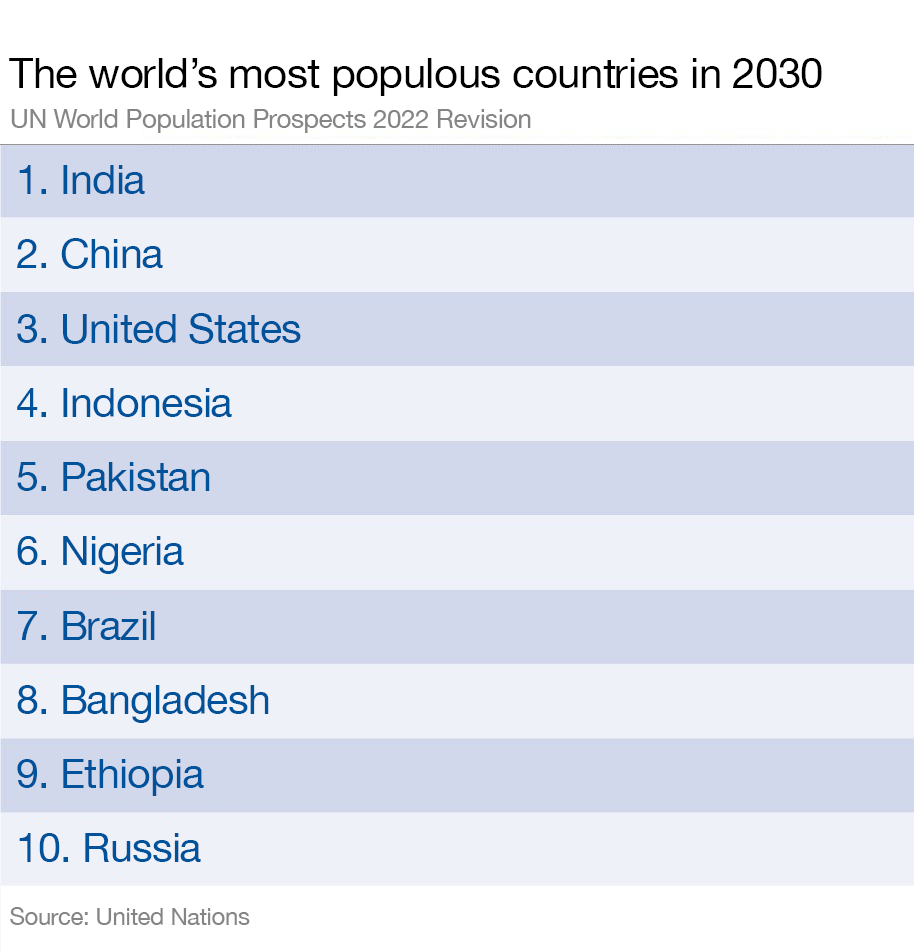
India overtakes China as the most Populous country of the world

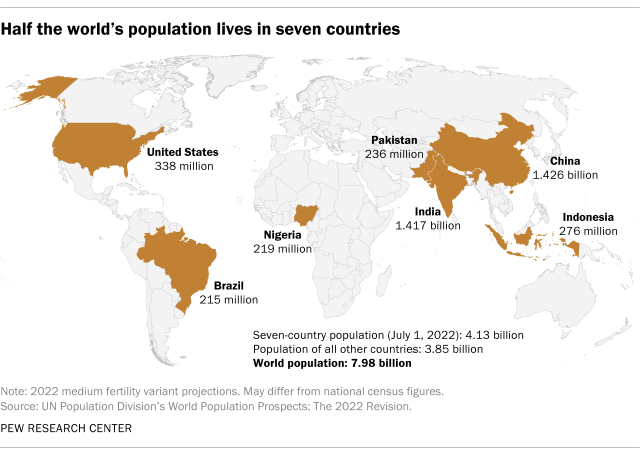
Sometime in 2023, according to the United Nations, India will officially overtake China as the world’s most populous country, a dubious honour I feel should have not happened in the first place. India probably already has overtaken China, but because the next census has not happened (the last was in 2011), it will only be confirmed sometime later this year.

India is fast becoming the world’s most populous country, surpassing China. According to United Nations projections, India’s population is expected to reach 1.7 billion by 2050, compared to China’s 1.4 billion. This shift in demographic dominance has significant implications for both countries and the world at large.

According to the U.N.’s World Population Dashboard, China still had slightly more people than India at the end of 2022: 1.4485 billion, compared to India’s 1.4066 billion. But China’s population has stabilized and is set to shrink, while India’s is still growing pretty fast.

More babies are born each year in India than in any other country in the world. The U.N. estimates more than 24 million annually, but the true number is likely higher because many births never get registered. Compared to previous generations, these newborn Indians are more likely to be born in a hospital than at home; more likely to survive to adulthood; more likely to become literate, educated and multilingual; and more likely to migrate within their lifetime, to different parts of their own country or the rest of the world. And if efforts to eradicate female feticide are successful, the next generation of Indians will have more females than in recent decades.

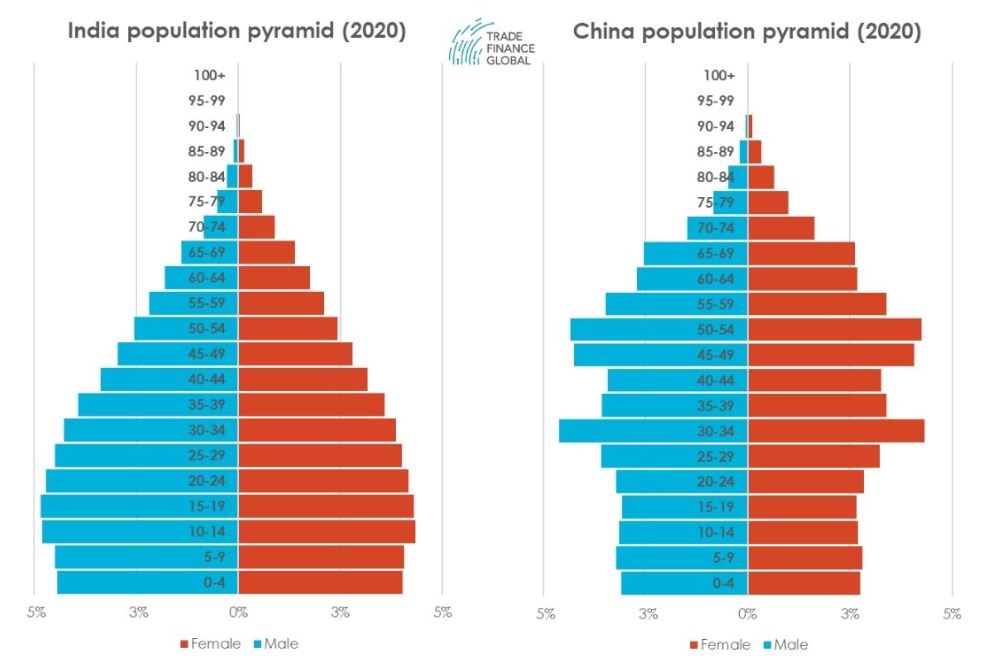
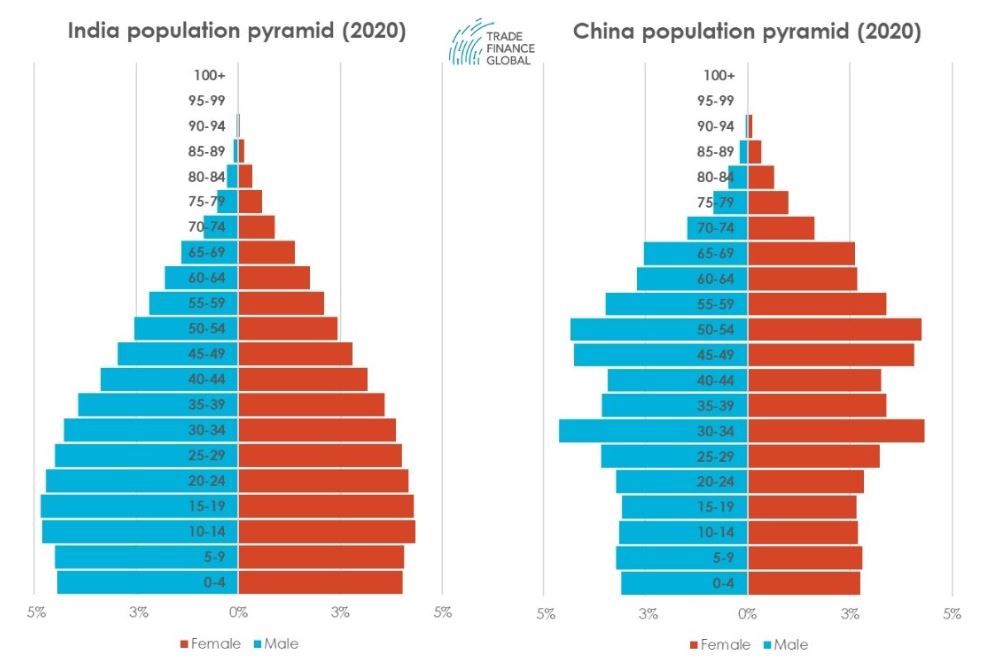
One factor driving India’s population growth is its young and rapidly growing working-age population. While China’s population is ageing, with a rapidly growing elderly population, India’s population is relatively youthful, with a large number of people in their prime working years. This demographic advantage is likely to fuel India’s economic growth in the coming years and support its rise as a major player in the global economy. Another factor contributing to India’s population growth is its high birth rate. Despite a decline in recent years, India still has one of the highest birth rates in the world, with an average of 2.5 children per woman. This high birth rate, combined with increased access to healthcare and improved living standards, has led to a rapid increase in life expectancy, further fueling population growth. However, India’s population growth also poses major challenges, including pressure on resources, infrastructure, and social services. The country is already facing major challenges in providing adequate housing, healthcare, and education to its rapidly growing population, and the government will need to address these issues to ensure sustainable economic growth.

The impact of India overtaking China as the most populous country in 2023 is likely to have several implications. As the world’s most populous country, India is likely to gain increased political and economic influence on the global stage, but with a rapidly growing population, India may face challenges such as providing adequate employment opportunities, housing, healthcare, and education to its citizens. The growing population is likely to put pressure on the country’s natural resources, such as water, land, and food, leading to potential resource scarcity and environmental degradation and there may be a population shift as a result of migration from rural to urban areas, leading to increased urbanisation and the need for infrastructure development in cities. Changes to the labour market, potentially affecting industries such as agriculture, manufacturing, and the service sector are also very likely.

From an economic perspective, the impact of India becoming the world’s most populous country will most likely be mixed. India’s large population could provide a significant labour force that could be an advantage for the economy in terms of increased productivity and economic growth. With a large and growing population, the country has the potential to become a major consumer market, attracting investment and driving economic growth. But the rapid population growth may put pressure on resources and infrastructure such as water, food, and energy, potentially leading to resource scarcity and inflation. Providing adequate infrastructure and services to a rapidly growing population, such as housing, healthcare, and education, can be a challenge and may require significant investments. If the population growth is accompanied by a favourable age structure, with a large proportion of working-age people, it could lead to a demographic dividend, driving economic growth. As the world’s most populous country, India may face increased competition with China for global economic influence and market share in various industries.

Having a large demographic of young people gives India an edge over many other economies, which are facing an ageing population. With more than half of the country under the age of 25, India has a massive potential workforce to propel economic growth. While India does not face an ageing workforce, the challenge is ensuring there are enough jobs, and that its people have the right education and skills for those jobs, according to experts.

Since 1947, India has transformed from a subcontinent impoverished by British colonial rule to an Asian regional power with big urban centres of technology, innovation, constant construction and growth. There are projections that India will overtake Germany and Japan to become the world’s third-largest economy, possibly by 2030. China will achieve its peak population size in 2022 whereas India will continue to experience momentum for several decades to come, before the population stabilizes and this represents a great opportunity for the country. But the challenge is for India to create enough opportunities in education and employment for all of these young people streaming into India’s big cities or being born in them. The country needs to keep pace with the growth of the population by providing health care, education, and the conditions for jobs. In a country where women and girls don’t have decision-making power, especially in rural and semi-urban areas where they have lower levels of literacy and where they’re not able to exercise their reproductive rights and choices, it is important to give them the voice the need and deserve.

India’s rise as the world’s most populous country has significant implications for both the country and the world. While its youthful population and high birth rate hold the potential for economic growth, the government must address the challenges posed by rapid population growth to ensure a sustainable future for its citizens.

ChatGPT and the Future of Artificial Intelligence

In the last few months, the excitement over the artificial intelligence software, ChatGPT has been unprecedented. So what is this software that has made everyone, irrespective of the work they do so excited?

According to ChatGPT itself, ChatGPT or Generative Pre-trained Transformer, is a language model developed by OpenAI, trained on a diverse range of internet text to generate human-like responses to natural language inputs. It uses state-of-the-art deep learning techniques, specifically transformer architecture, to generate text that is coherent and contextually appropriate. ChatGPT can be used for various tasks such as question answering, text completion, and language translation, among others. However, it’s important to note that while ChatGPT generates plausible text, it is not perfect and may provide incorrect or biased responses at times.

It took Netflix 3.5 years to reach 1 million users, while Facebook took 10 months to get to the same number and Spotify took 5 months and Instagram reached 1 million users in 2.5 months. Beating all these numbers, it took ChatGPT only 5 days to reach 1 million registered users.

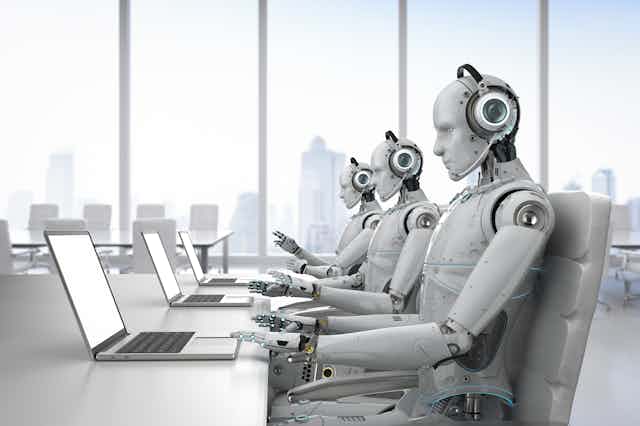
A chatbot, like one of those text-messaging software programs that organisations are increasingly foisting on us, makes the average chatbot look like what humans would have looked as a Netherlander. The output is apparently so good that people assessing its written output cannot tell it apart from a human being’s work.

The product of a research lab known as OpenAI, one of the leading AI research organisations, ChatGPT is a language model first released in 2019 and based on the transformer architecture, which has revolutionised natural language processing. ChatGPT has been trained on a large corpus of text data and can generate human-like responses to a wide range of prompts. It has been used in various applications, including chatbots, language translation, and content creation, and continues to advance the field of AI language processing. The generative AI field is poised for a breakthrough in 2023

ChatGPT and other AI language models will likely have several impacts on the future, including improved efficiency and accuracy in various industries such as customer service, healthcare, and finance; advancements in natural language processing and understanding; increased automation of tasks that previously required human intelligence, the development of new applications and technologies, and the ethical considerations and debates surrounding the use of AI, particularly in decision-making processes that impact people’s lives. AI language models like ChatGPT will continue to shape and transform the way we live, work and interact with technology.

In the next decade, AI is expected to significantly impact the way we live and work in several ways. Repetitive tasks will get automated, freeing up time for more creative and strategic work. There will be improved efficiency and accuracy in various industries, including healthcare, finance, and customer service. Advancements in fields such as robotics and autonomous systems will lead to increased productivity and new job opportunities. Personalised experiences and services, including personalised medicine and personalised education, will soon be available to anyone who needs it. It will also speed up the development of new technologies, such as smart cities and the Internet of Things or IoT, improving our daily lives and work. However, these changes will also bring about new ethical considerations and challenges, such as job displacement and privacy concerns. As AI continues to evolve, it will be important to balance the benefits with responsible and ethical considerations.

So what does this really mean for all of us? A lot of jobs will become obselete, especially as AI starts to become more and more nuanced and intelligent which will mimic a reasonably intelligent person.

In the second half of January, Microsoft announced a new multiyear, multibillion-dollar investment with OpenAI, the lab that created ChatGPT. Though the specific amount was not known, Microsoft is said to be investing as much as USD 10 billion in the research lab. The deal marks the third phase of the partnership between the two companies, following Microsoft’s previous investments in 2019 and 2021. Microsoft said the renewed partnership will accelerate breakthroughs in AI and help both companies commercialize advanced technologies in the future. It is said that ChatGPT will soon be incorporated into Microsoft’s web browser Bing and MS Office applications. The computation costs of the application are estimated to be around a  mind-boggling USD 100,000 a day or about USD 3 million a month or USD 36 million a year. These costs are likely to fall, however, and they would be much easier to bear with thousands of paying customers.

The best way to use ChatGPT depends on the specific use case and the desired outcome. Some common ways to use ChatGPT include chatbots where ChatGPT can be integrated into chatbots to provide human-like responses to customer inquiries, in language generation where ChatGPT can generate human-like text, such as articles, stories, or poetry or even to answer questions with ChatGPT being used to answer questions based on its training data. ChatGPT can also be used for data analysis where it can assist with data analysis by automatically generating summaries or insights from large datasets. And finally ChatGPT can be used to translate text from one language to another.

To get the best out of this chat with ChatGPT, here are some tips from ChatGPT itself. By following these tips, you can improve the accuracy and quality of your interactions with ChatGPT and get the most out of this chat.

  • Be clear and specific: Provide clear and specific prompts to help ChatGPT understand what you are asking.
  • Use proper grammar and spelling: Use proper grammar and spelling to help ChatGPT understand and respond effectively.
  • Be concise: Keep your prompts short and to the point to help ChatGPT generate concise and focused responses.
  • Provide context: Provide enough context for ChatGPT to generate relevant and accurate responses.
  • Be open-minded: Remember that ChatGPT is an AI language model, not a human, and its responses may not always align with your expectations.

At the end of the day, even if the general idea of AI feels like something out of a science fiction novel or movie, it cannot do everything that a human mind can do. Computers can do specific tasks exceptionally well, but no AI can write a story, play chess, fix a network outage, chat with customers, give suppliers a hard time and drink colleagues under the table after work, sometimes all at the same time.

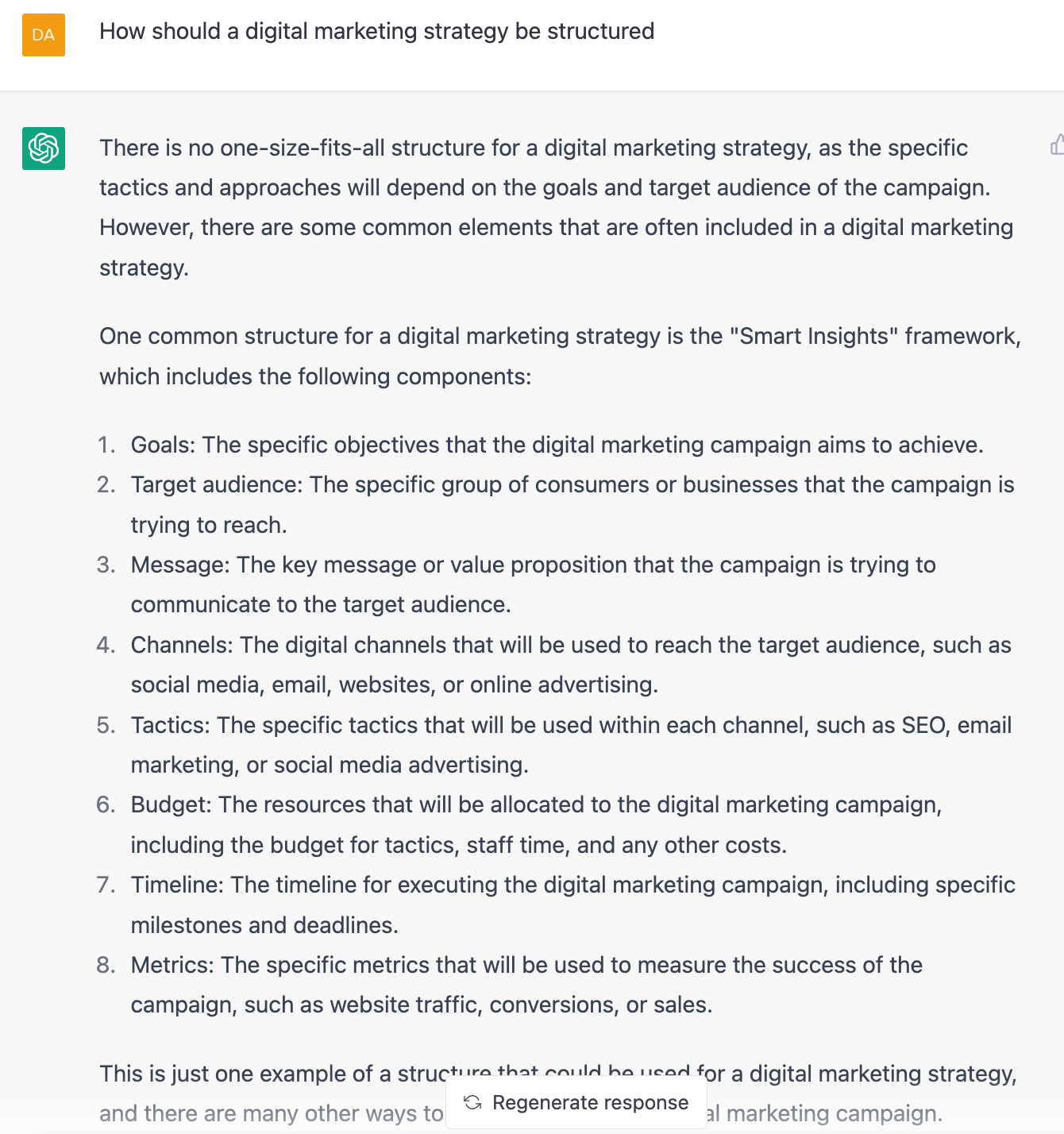
To give some idea on what ChatGPT can do, I asked it this question and here’s what it told me.

Can you write a short paragraph on the impact of the Ukraine war by Russia on the world?

The Ukraine war, which began in 2014 when Russia annexed Crimea, has had significant impacts on the world. It has resulted in increased tensions between Russia and the international community, particularly with Western countries. The conflict has also led to economic sanctions against Russia, which have impacted its economy and global trade. The war has caused a humanitarian crisis, with thousands of people losing their lives and millions displaced. It has also destabilized the region and impacted regional security. The Ukraine war has also heightened concerns about the use of military force to resolve disputes and has reignited debates about the role of international law and the UN in resolving conflicts. Overall, the impact of the Ukraine war on the world has been significant and far-reaching, and its resolution remains a key challenge for international peace and security.

So have you started playing with ChatGPT? I would love to hear from you about your thoughts.