International Day of the Girl Child

Girls play multiple roles in the household, society and the economy. They go to school, help with housework, work in factories, make friends, care for elder and younger family members and prepare themselves to take on the responsibilities of adulthood. While today, in many countries, the right to basic education is ingrained in their constitutions, there are many countries where girls are denied this right and even when girls are encouraged to continue their education, they face major challenges that make it difficult for them to attend regularly, sometimes receiving an unequal share of the household tasks due to customary practices in many regions of the world. Though life for the girl child is steadily improving, many are still subjected to horrific practices, such as female genital mutilation, son preference – often resulting in female infanticide – as well as child marriage, sexual exploitation and abuse. Girls are also more likely to experience discrimination in food allocation and healthcare, and are often outpaced and outranked by boys in all spheres of life. It is under this backdrop that upholding the rights of a girl child is not just important, it is absolutely essential.

Today is the International Day of the Girl Child which is also known as the Day of Girls and the International Day of the Girl and was first observed in 2012. The day supports more opportunity for girls and increases awareness of gender inequality faced by girls worldwide based upon their gender including areas such as access to education, nutrition, legal rights, medical care, and protection from discrimination, violence against women and forced child marriage. The day increases awareness of issues faced by girls around the world which do not include or consider girls and and their issues become invisible. The Day of Girls helps raise awareness not only of the issues that girls face, but also of what is likely to happen when those problems are solved.
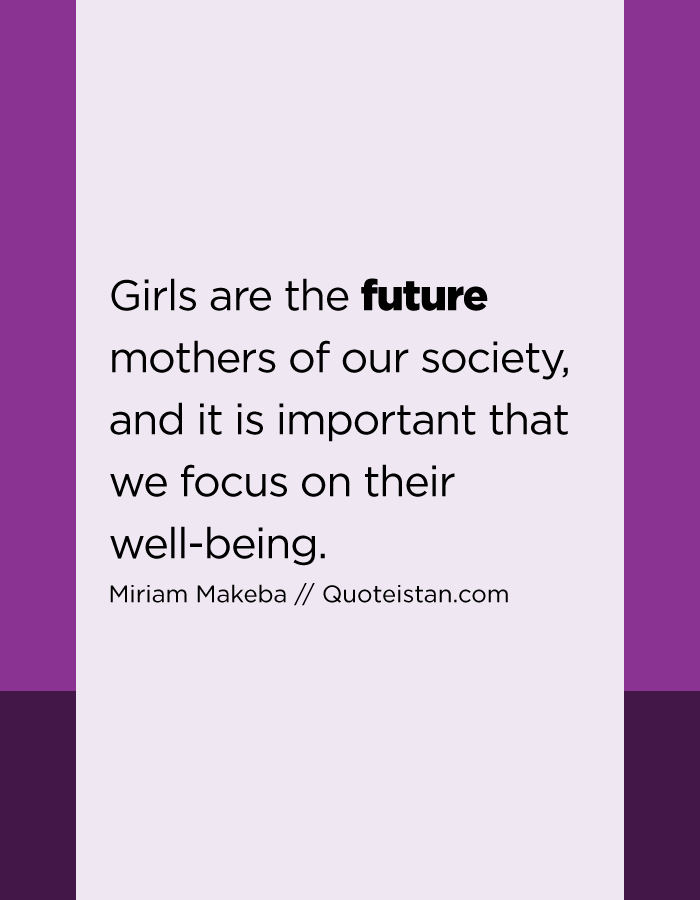
Around 33,000 girls are married off every day around the world, focing their bodies and mind to changes in ways they are just not ready for. An estimated 340,000 girls and young women are infected with the HIV virus every year and currently more than 3 million girls and young women are living with the virus all over the world. Around 44% of the girls between 15 to 19 years of age think it’s okay for a husband to beat his wife. Girls between five to 14 spend more than 28 hours doing labor, which is twice the time spent by boys and do more unpaid child labour and not astonishingly 96% of human trafficked individuals for sexual exploitation are girls and women.

The theme for the 2021 edition of the International Day of the Girl Child is Digital generation. Our generation. In 2021, the Generation Equality Forum launched five-year commitments for bolder solutions to gender inequality – just as the world entered the second year of the COVID-19 pandemic. While the pandemic has accelerated digital platforms for learning, earning and connecting, some 2.2 billion people below the age of 25 still do not have internet access at home. Girls are more likely to be cut off. The gender gap for global internet users grew from 11 per cent in 2013 to 17 per cent in 2019. In the world’s least developed countries, it hovers around 43 per cent. But the gender digital divide is about more than connectivity. Girls are also less likely than boys to use and own devices, and gain access to tech-related skills and jobs. Only by addressing the inequity and exclusion that span geographies and generations can we usher in a digital revolution for all, with all.

So why is this day important? It is important because it empowers girls and works to eliminate deep-rooted gender-based issues that have have been passed on for generations and have made gender-based discrimination and oppression threateningly common in every household, particularly in developing countries. An empowered girl grows up to be an empowered woman. The adolescence is a critical point in every person’s life and determines the trajectory of girls’ lives, which is why caring for girls in their youth benefits all. If they are empowered at a vulnerable age, they can mature into liberated, wise women of the future and when this happens, as a society, we all win. Investing in girls is the smart thing to do because when women and girls earn an income, they are likely to reinvest 90% of their income into their families. So empower girls around you, so they can grow up to be empowered women who will be an asset to society.
World Mental Health Day

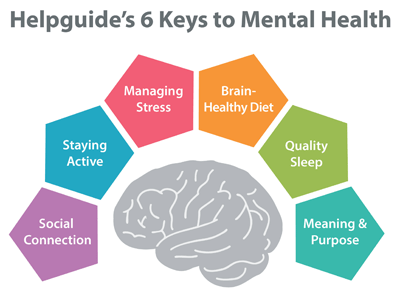
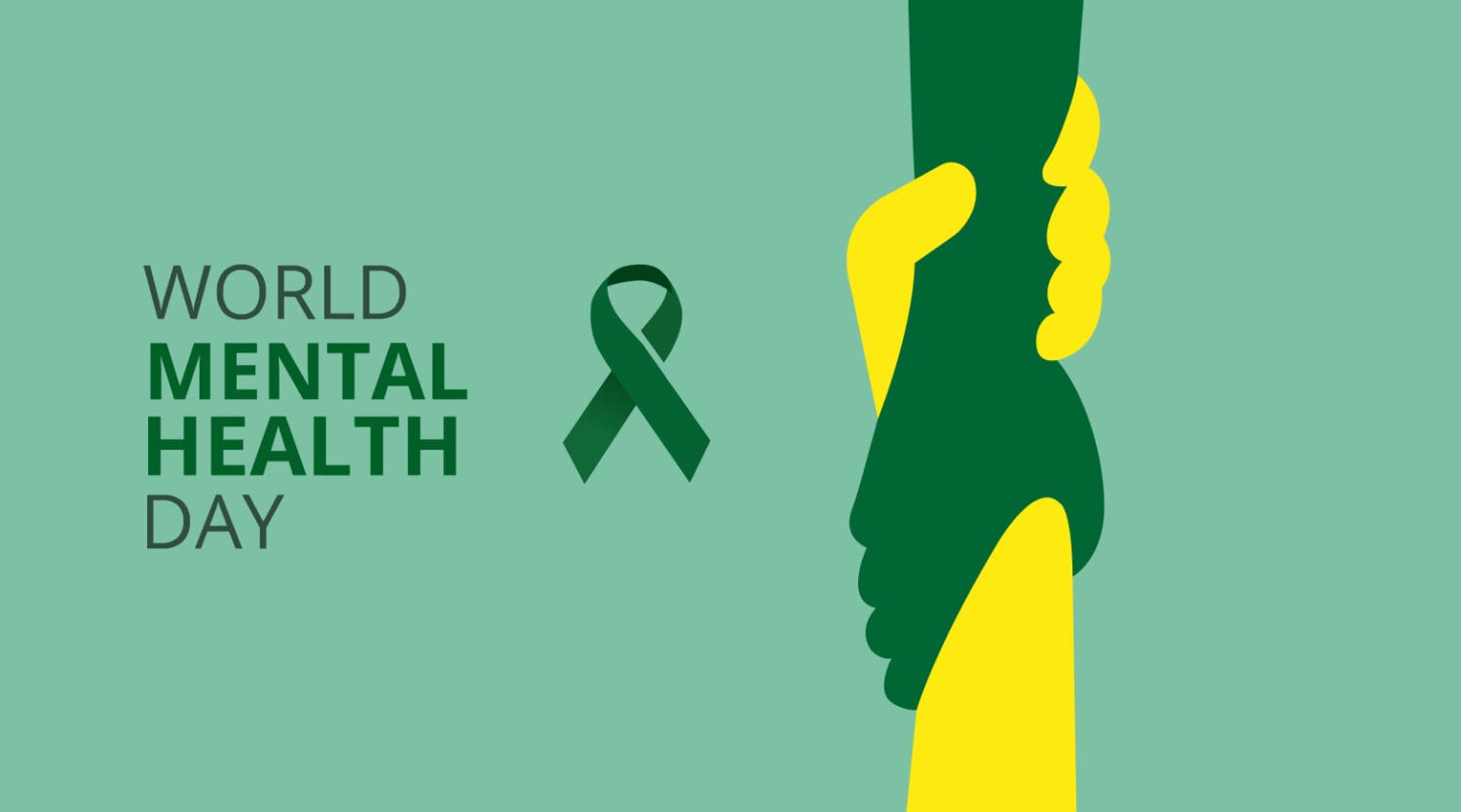
Sunday is World Mental Health Day. In the last two years or so, we all have finally woken up to the importance of mental health and its importance in our lives. Mental health includes our emotional, psychological, and social well-being. It affects how we think, feel, and act and also helps determine how we handle stress, relate to others, and make healthy choices. Mental health is important at every stage of life, from childhood and adolescence through adulthood.

Mental and physical health are equally important components of overall health.  For example, depression increases the risk for many types of physical health problems, particularly long-lasting conditions like diabetes, heart disease, and stroke. Similarly, the presence of chronic conditions can increase the risk for mental illness. It’s important to remember that a person’s mental health can change over time, depending on many factors.  When the demands placed on a person exceed their resources and coping abilities, their mental health could be impacted.

There is no single cause for mental illness with many factors contributing to the risk for mental illness, including early adverse life experiences, like trauma or a history of abuse, experiences related to other ongoing or chronic medical conditions, biological factors or chemical imbalances in the brain, use of alcohol or drugs or having feelings of loneliness or isolation.

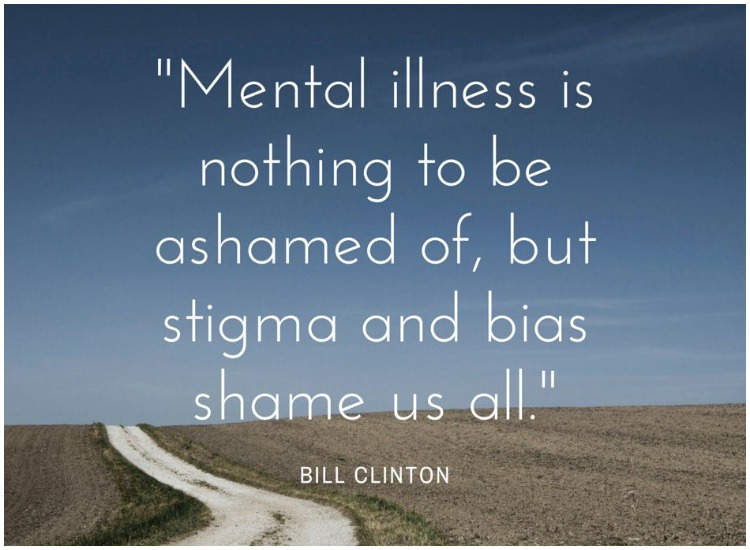
The World Mental Health Day celebrated on 10 October is an international day for global mental health education, awareness and advocacy against this social stigma. It was first celebrated in 1992 at the initiative of the World Federation for Mental Health, a global mental health organisation with members and contacts in more than 150 countries. On this day, each October, many awareness programmes bring attention to mental illness and its major effects on peoples’ lives worldwide with some countries having an awareness week as part of the awareness programme.

Up until 1994, the day had no specific theme other than general promoting mental health advocacy and educating the public. In 1994 World Mental Health Day was celebrated with a theme for the first time: “Improving the Quality of Mental Health Services throughout the World”. On World Mental Health Day 2018, the then UK Prime Minister Theresa May appointed UK’s first suicide prevention minister as the government hosted the first-ever global mental health summit.

The theme for the 2021 edition of the World Mental Health Day is “Mental Health in an Unequal World”. This theme was chosen because the world is increasingly polarised, with the very wealthy becoming wealthier, and the number of people living in poverty still far too high. 2020 highlighted inequalities due to race and ethnicity, sexual orientation and gender identity, and the lack of respect for human rights in many countries, including for people living with mental health conditions. Such inequalities have an impact on people’s mental health.

The theme will highlight that access to mental health services remains unequal, with between 75% to 95% of people with mental disorders in low and middle-income countries unable to access mental health services at all, and access in high-income countries is not much better. Lack of investment in mental health disproportionate to the overall health budget contributes to the mental health treatment gap.  Many people with a mental illness do not receive the treatment that they are entitled to and deserve and together with their families and carers continue to experience stigma and discrimination. The gap between the ‘haves’ and the ‘have nots’ grows ever wider and there is continuing unmet need in the care of people with a mental health problem.

Research evidence shows that there is a deficiency in the quality of care provided to people with mental health problems. It can take up to 15 years before medical, social and psychological treatments for mental illness that have been shown to work in good quality research studies are delivered to the patients that need them in everyday practice. The stigma and discrimination experienced by people who experience mental ill-health not only affects that persons physical and mental health, it also affects their educational opportunities, current and future earning and job prospects, and also affects their families and loved ones.  This inequality needs to be addressed so that people with mental health issues are fully integrated into all aspects of life. Research has shown that those with physical illness also often experience psychological distress and mental health difficulties. As an example, one can take visual impairment. Over 2.2 billion people have visual impairment worldwide, and the majority also experience anxiety and/ or depression and this is worsened for visually impaired people who experience adverse social and economic circumstances.

The COVID 19 pandemic has further highlighted the effects of inequality on health outcomes and no nation, however rich, has been fully prepared for this.  The pandemic has and will continue to affect people, of all ages, in many ways: through infection and illness, sometimes resulting in death bringing bereavement to surviving family members; through the economic impact, with job losses and continued job insecurity; and with the physical distancing that can lead to social isolation.

So if you or someone you know have issues relating to mental health, please reach out to an expert. If that is not possible, at least talk to someone sympathetic to you and your condition. If there are hotlines or numbers where you can speak with someone, anonymously, please do so and if possible, reach out to a medical expert, even if it is your general physician or family doctor who can point you in the right direction in terms of treatment and counselling. I have always advocated meditation, so try and incorporate some meditation into your daily routine, even if it is as little as five to ten minutes a day, it helps!

World Coffee Day

I love coffee as it is evident from my posts and poem on this wonderful drink. And when I heard today was World Coffee Day, I had to write a post.

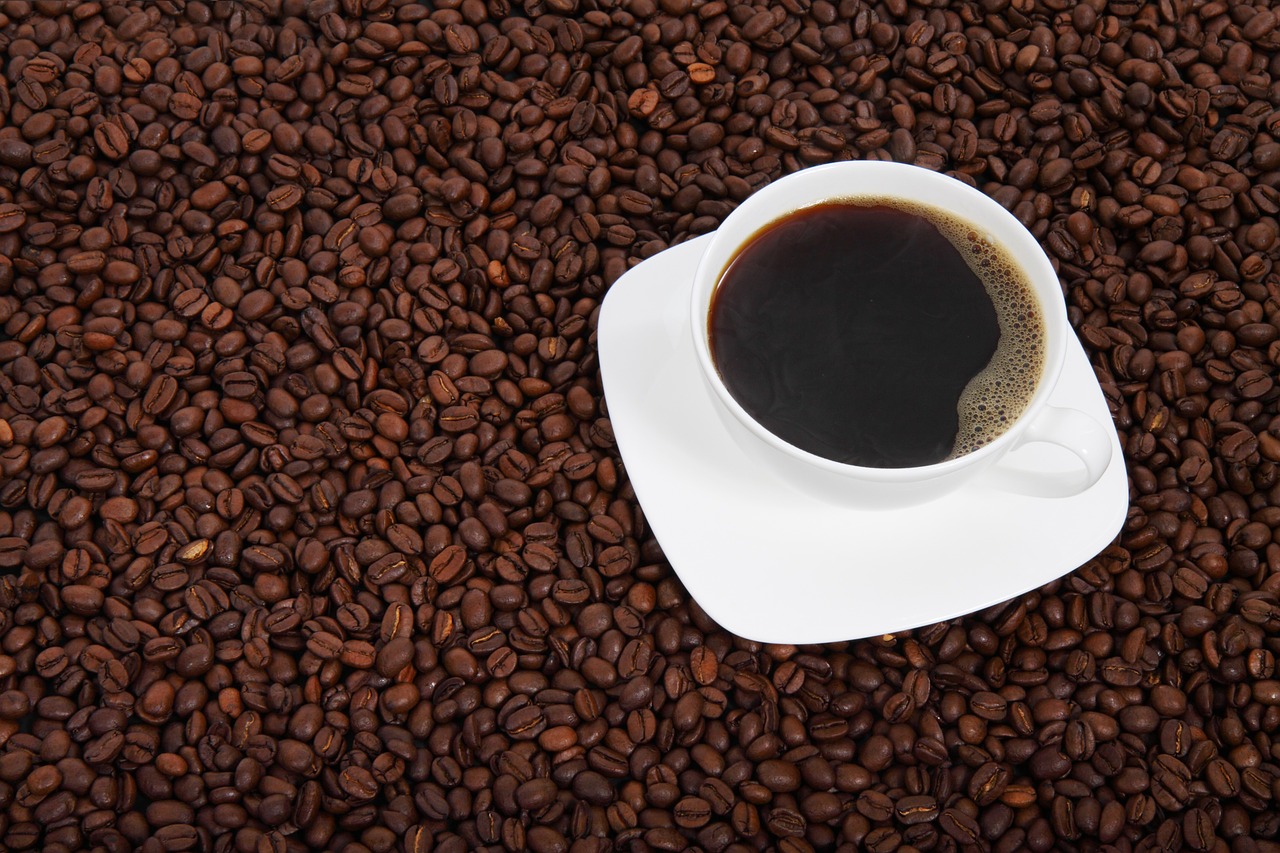
The International Coffee Day is a celebration of the coffee sector’s diversity, quality and passion as well as an opportunity for coffee lovers to share their love of the beverage and support the millions of farmers whose livelihoods depend on the aromatic crop. The day has been used as an an occasion to promote and celebrate coffee as a beverage, with events occurring across the world. Many countries around the world celebrate their own national coffee days at various dates throughout the year. In March 2014, the member states of the International Coffee Organisation agreed to organise International Coffee Day on 1 October to create a single day of celebration for coffee lovers around the world and the first celebration was celebrated in 2015 in Milan as part of the Expo 2015. The day is also used to promote fair trade coffee and to raise awareness for the plight of the coffee growers with many businesses offering free or discounted cups of coffee.

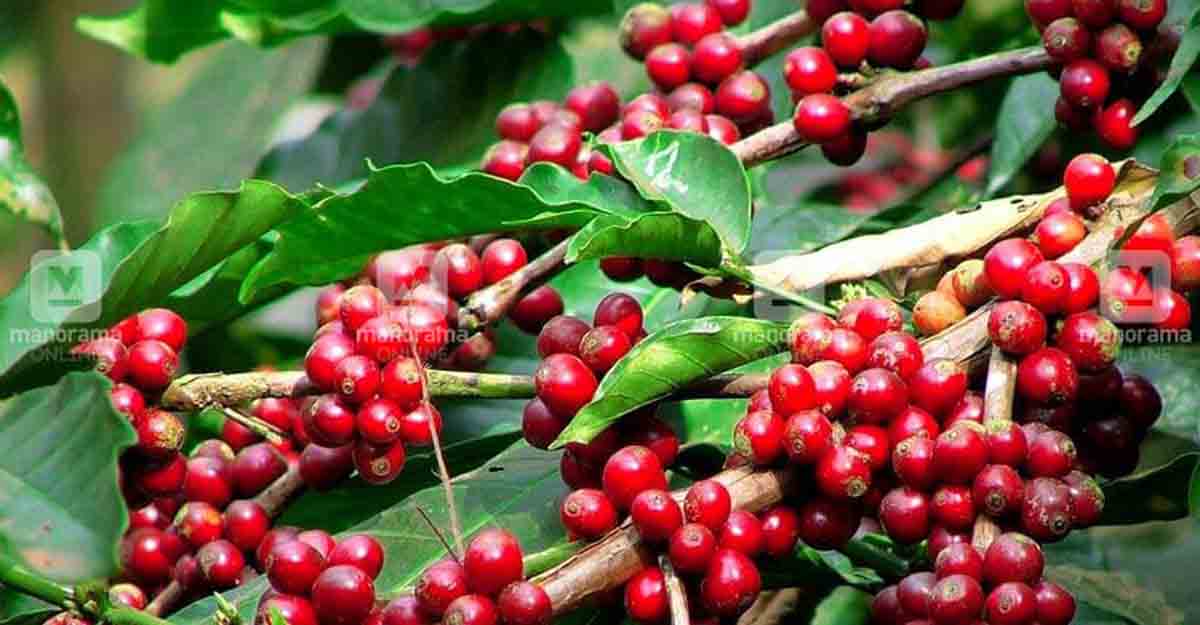
According to one legend, coffee was discovered by the ancestors of today’s Oromo people in a region of Kaffa in Ethiopia who recognised the energizing effect of the coffee plant. However, no direct evidence that has been found earlier than the 15th century indicating who among the African populations used it as a stimulant, or where coffee was first cultivated. Another legend attributes the discovery of coffee to a Sheikh Omar. According to an old chronicle preserved in the Abd-Al-Kadir manuscript. Omar, who was known for his ability to cure the sick through prayer, was once exiled from Mocha in Yemen to a desert cave near Ousab in modern-day Wusab. Starving, Omar chewed berries from nearby shrubbery but found them to be too bitter. He tried roasting the seeds to improve the flavor, but they became hard. He then tried boiling them to soften the seed, which resulted in a fragrant brown liquid. Upon drinking the liquid Omar was revitalized and sustained for days. It was in Arabia that coffee seeds were first roasted and brewed, in a similar way to how it is prepared now and used used by Sufi mystics to stay awake. Shortly after, coffee became well known in Egypt, Persia, and Turkey as the wine of Araby and coffee houses started to open as the schools of the wise. Coffee farming on a large scale started in southern India and in 1560 coffee made its way through Europe and quickly became popular, until Pope Clement VIII decided that the drink must be satanic though under inspection, he gave in and baptised the drink and declared it a Christian drink. By the 1600s coffee houses sprung up all over Europe and the beans found themselves in America.

And today, this bean makes a daily journey from plantations to breakfast mugs across the world. Us humans have been preparing coffee for many presentations as drinks, candies, medicine, and some ancient civilizations even used it as currency! Coffee can energize you, warm you up, refresh you, keep you awake, and even catch you up with your loved ones.

The theme of International Coffee Day 2021 highlights the mistreatment of coffee farmers, the danger they are facing for their living and the ultimate need to take collective actions. The money that coffee farmers are compensated for the beans they create is at an all-time low. The modern-day coffee farmers aren’t earning enough to supply themselves and fulfill the needs of their families and may need to switch away from making coffee altogether- putting the production of this beverage at risk. Today there is a worldwide oversupply of coffee which is pushing down the market price. At the same time the expense of coffee-production has increased which means farmers do not make enough income to survive. Though we are paying more for a cup of coffee, farmers are compensated just around USD 0.01 or one penny for a cup of coffee.

Caffeine is a stimulant that increases activity in the central nervous system. It can increase energy levels and alertness, plus it improves mental performance. According to a study in Harvard, coffee drinkers tend to live longer, plus they have a reduced risk of cardiovascular disease. Coffee is the second largest traded commodity right after crude oil, and the most consumed beverage, after water. Every society has its own coffee tradition.

Grab a cup of your favourite coffee and celebrate this wonderful and addictive drink!

The Elixer of Life: My Water Stories

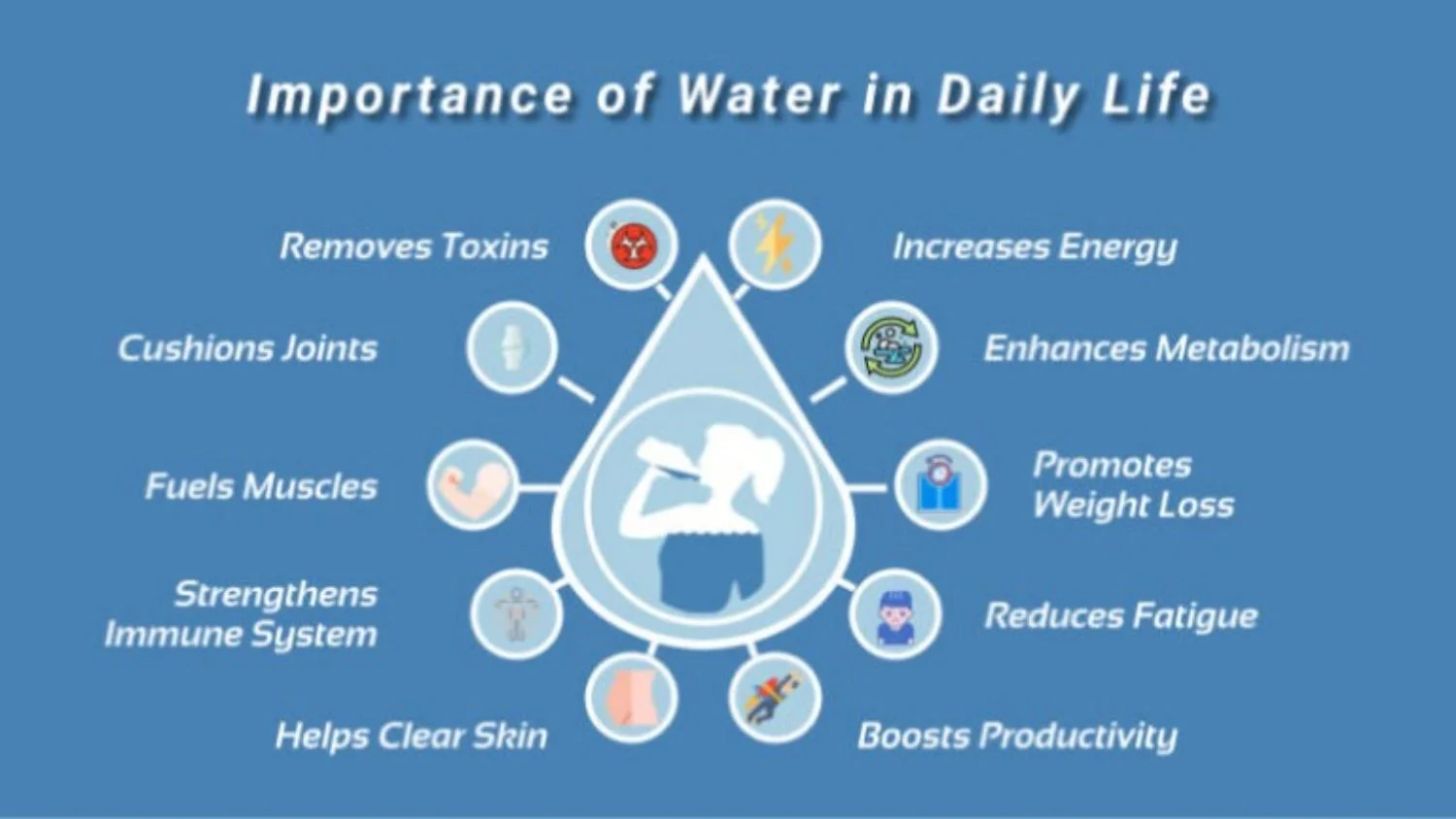
Water is essential for human beings to survive. Water carries nutrients to all cells in our body and oxygen to our brain. allows the body to absorb and assimilate minerals, vitamins, amino acids, glucose, and other substances, flushes out toxins and waste and helps to regulate body temperature. As a general rule of thumb, a human being can survive without water for roughly 72 hours or three days. And many experts have predicted that the next major world crises will be over water and suggest that growing water scarcity will drive violent conflict as access to water dries up for certain communities.

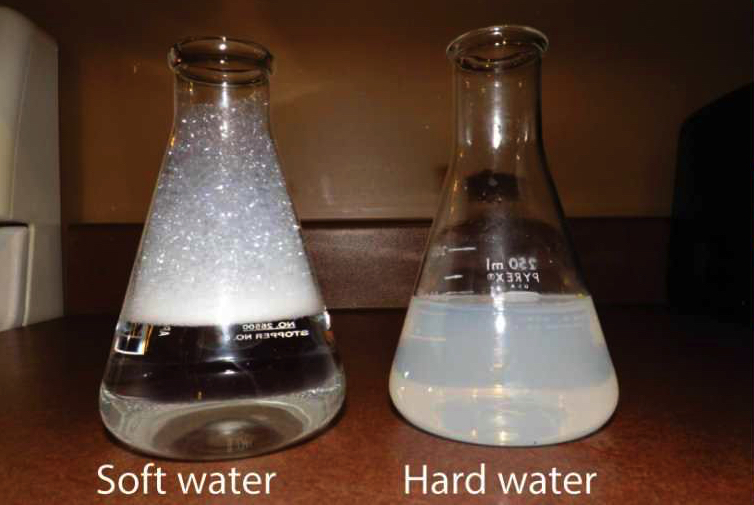
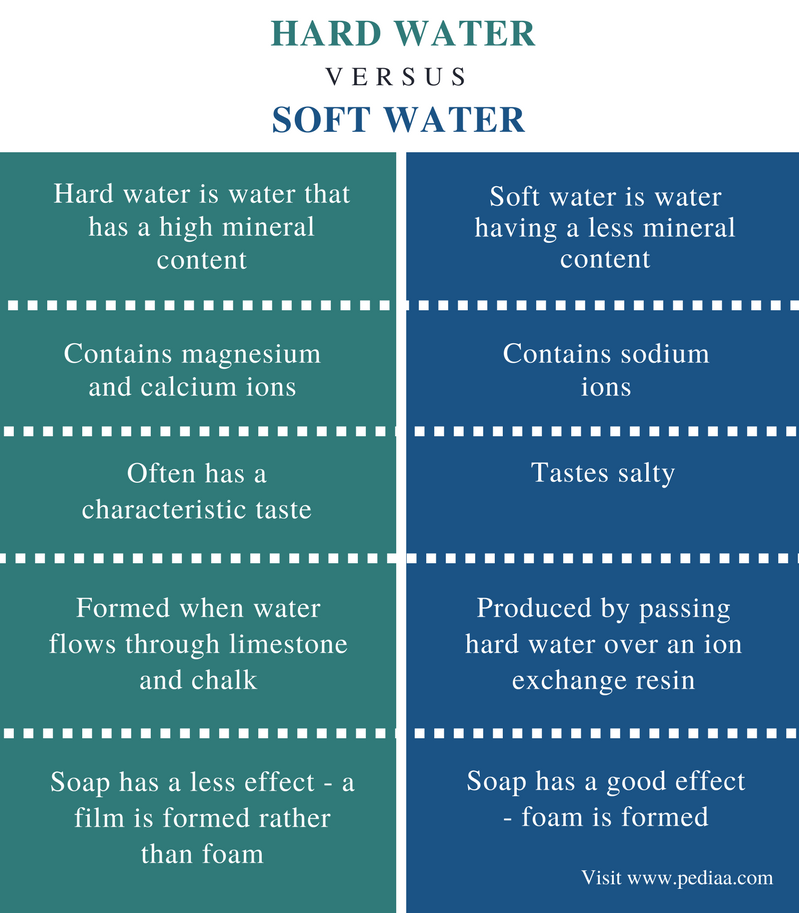
So with all the importance of water, it is certianly an essential part of our lives. In many parts of the world, water can be hard or soft and most water that is piped is usually soft water, which is treated and only has chorine and sodium. I am super finicky about the taste of water and probably because of the water I am used to, both while growing up in Mumbai and now in Singapore, which is treated chrolinated water, I can’t drink or find it hard to drink any other type of water. So here are some water stories from my life.

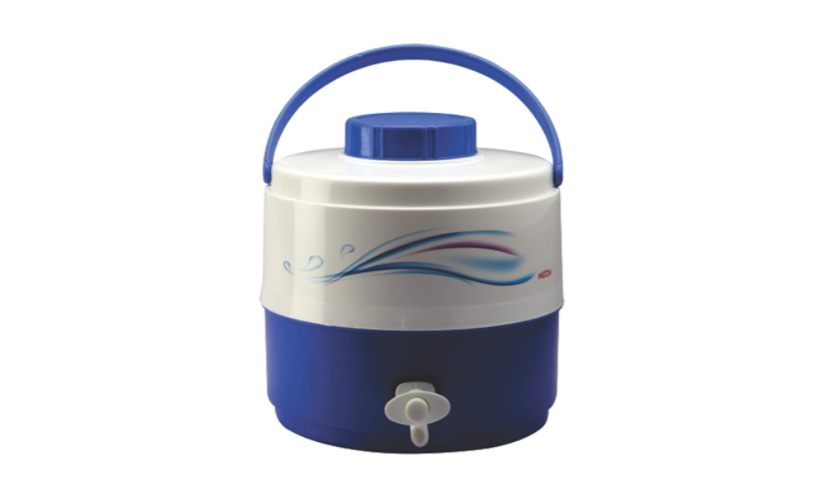
A representation of the water cooler we used to carry. Source

When we were younger, we used to travel by train during our summer holidays to visit our grandparents, first only to Bengaluru and then to Chennai first and then to Bengaluru. This is way before bottled water flooded the Indian market and on a train travel, the only water you had was either the water you carried with yourself in large cans or coolers or what you were able to refill in stations enroute. So we would carry as much water as we could from home in large five or 10 litre cans and this was common with pretty much everyone doing the same. This water would finish up roughly about halfway into the journey and we would have to fill it up from one of the stations, usually in Andhra Pradesh. The water would usually be hard and have a brackish taste to it and I would stop drinking water. If I was very thirsty, I would badger my mother to buy me a drink or something else to quench my thirst and if nothing was available, then a sip or two would all that I could stomach. Luckily the period of low to no water would not be too long and we would reach Bengaluru soon and as soon as we reached home, I would gulp water from the largest glass available.

In fact in our home in Bengaluru or Bangalore as it used to be called then, we had two sources of water – one from the well in the house which was slightly hard and the second which was piped in by the city from the Kaveri. I always preferred the Kaveri water and would always tell my grandmother to keep that water for drinking. This water would come in once every other day and when it came in, it would be a process to ensure it was pumped up to the holding tanks so it could be used for cooking eating and drinking while the well water was used for other needs. In fact, on our most recent trip to Bengaluru, my aunt’s house also had some kind of semi-hard water and I just could not bring myself to drink it. This trip was a very short one and we spent a fair amount of time outside visiting family in the city, so I didn’t have to drink it a lot, but the relief I felt when coming back to Bombay and drinking normal water was so immense that everyone who saw me rush to the kitchen to drink water as soon as we reached home had a hearty laugh at my expense.

Source

My maternal grandparents house in Chennai was another matter and there was no source of any soft water. So holidays there used to be a torture for me because there was no alternative source of water I could use. I soon learnt that if the water was ice cold, the taste could be masked and I could drink it, so that’s exactly what I did. Now, I am someone who normally does not drink cold water, but when in Chennai, I would ensure that there was sufficient cold water available so I could use that cold water for drinking and for even brushing my teeth! Our trip to Chennai used to be for a week, after which we would travel to Bangalore for the rest of the holiday, so it was not too bad.

Another story, similar to the above comes from the time when I was around 15. We were on a school trip to the beach town of Bordi which lies almost at the border between the states of Maharashtra and Gujarat. The whole class X cohort was on the trip, and was a combined Girl Guides and Social Services service trip. In Bordi the water was so bad that pretty much none of us drank the water. And this was the late eightees, so we didn’t have much in terms of pocket money and would restrict ourselves to one bottle of a soft drink a day which we would empty into our water bottles. Girls with a larger amount of pocket money would have purchased more than one and all of us were so glad to be back in Bombay where we could drink water to our heart’s content. This three day trip has been in my memories for more than three decades now because I can still remember the feeling of thirst and now being able to drink water because it was so bad. Like what I used to do in Chennai, when the thirst got too much to bear, we would drink a couple of sips of the hard water and then stop.

Source

So these were my water stories. Water is the true elixir of life, with over 71% of our planet and up to 60% of our bodies made up of water. Without water, life will cease to exist and for this reason, we must learn to preserve it for the future generations.

World Tourism Day

Today, more than ever, tourism across world has been devastated. Today is World Tourism Day, a day dedicated global tourism. The day has been celebrated since 1980 on September 27 because it was on this date in 1970 that the Statutes of the United Nations World Tourism Organisation or the UNWTO were adopted. Considered a milestone for global tourism, the purpose of the day is to raise awareness on the role of tourism within the international community and to demonstrate how it affects social, cultural, political and economic values worldwide.

In 1997 at its 12th session in Istanbul, the UNWTO General Assembly decided to designate a host country each year to act as the Organization’s partner to celebrate World Tourism Day. In 2003, in Beijing, it was decided to follow a geographical order starting from 2006 and it would be rotated between Europe, South Asia, Americas, Africa and the Middle East. The idea of the World Tourism Day was mooted by the late Ignatius Amaduwa Atigbi, a Nigerian who was finally recognised for his contribution in 2009. The timing of World Tourism Day is particularly appropriate in that it comes at the end of the high season in the northern hemisphere and the beginning of the season in the southern hemisphere. The colour of World Tourism Day is Blue.

Over the decades, tourism has experienced continued growth and deepening ‎diversification to become one of the fastest growing economic sectors in the world. ‎Modern tourism is closely linked to development and encompasses a growing number ‎of new destinations. These dynamics have turned tourism into a key driver for socio-‎economic progress.‎ Today, the business volume of tourism equals or even surpasses that of oil exports, ‎food products or automobiles. Tourism has become one of the major players in ‎international commerce, and represents at the same time one of the main income ‎sources for many developing countries. This growth goes hand in hand with an ‎increasing diversification and competition among destinations.‎ This global spread of tourism in industrialised and developed states has produced ‎economic and employment benefits in many related sectors – from construction to ‎agriculture or telecommunications.‎

The contribution of tourism to economic well-being depends on the quality and the ‎revenues of the tourism offer. Tourism has the potential to contribute, directly or indirectly, to all of the Sustainable Development Goals. In particular, it has been included as targets in Goals 8, 12 and 14 on inclusive and sustainable economic growth, sustainable consumption and production and the sustainable use of oceans and marine resources, respectively. Sustainable tourism is firmly positioned in the 2030 Agenda. Achieving this agenda, however, requires a clear implementation framework, adequate financing and investment in technology, infrastructure and human resources.

Source

The COVID-19 pandemic has had a massive social and economic impact. Both developed and developing economies have been hit. And marginalized groups and the most vulnerable have been hit hardest of all. The restart of tourism will help kickstart recovery and growth. It is essential that the benefits this will bring are enjoyed widely and fairly. International tourist arrivals have dropped drastically in 2021, down 85% from data sourced between January and May this year.

Therefore, the theme of the 2021 World Tourism Day has been to focus on Tourism for Inclusive Growth. This is an opportunity to look beyond tourism statistics and acknowledge that, behind every number, there is a person. The host country for 2021 is Cote d’Ivoire who will be celebrating tourism’s ability to drive inclusive development and the role it plays in promoting respect while generating opportunities for many millions across the globe.

I for one, am waiting for the end in sight and can’t wait to start travelling again, as I am sure almost everyone reading this is. So, let’s all do our part so we can start getting our fix again!