In My Hands Today…

Slow Noodles: A Cambodian Memoir of Love, Loss, and Family Recipes – Chantha Nguon

A haunting and beautiful memoir from a Cambodian refugee who lost her country and her family during Pol Pot’s genocide in the 1970s but who finds hope by reclaiming the recipes she tasted in her mother’s kitchen.

Take a well-fed nine-year-old with a big family and a fancy education. Fold in 2 revolutions, 2 civil wars, and one wholesale extermination. Subtract a reliable source of food, life savings, and family members, until all are gone. Shave down childhood dreams for approximately two decades, until only subsistence remains.

In Slow Noodles, Chantha Nguon recounts her life as a Cambodia refugee who lost everything and everyone—her house, her country, her parents, her siblings, her friends—everything but the memories of her mother’s kitchen, the tastes and aromas of the foods her mother made before the dictator Pol Pot tore her country apart in the 1970s, killing millions of her compatriots. Nguon’s irrepressible spirit and determination come through in this emotional and poignant but also lyrical and magical memoir that includes over 20 recipes for Khmer dishes like chicken lime soup, banh sung noodles, pâté de foie, curries, spring rolls, and stir-fries. For Nguon, recreating these dishes becomes an act of resistance, of reclaiming her place in the world, of upholding the values the Khmer Rouge sought to destroy, and of honoring the memory of her beloved mother.

From her idyllic early years in Battambang to hiding as a young girl in Phnom Penh as the country purges ethnic Vietnamese like Nguon and her family, from her escape to Saigon to the deaths of mother and sister there, from the poverty and devastation she experiences in a war-ravaged Vietnam to her decision to flee the country. We follow Chantha on a harrowing river crossing into Thailand—part of the exodus that gave rise to the name “boat people”—and her decades in a refugee camp there, until finally, denied passage to the West, she returns to a forever changed Cambodia. Nguon survives by cooking in a brothel, serving drinks in a nightclub, making and selling street food, becoming a suture-nurse treating refugees abused by Thai authorities, and weaving silk. Through it all, Nguon relies on her mother’s “slow noodles” approach to healing and to cooking, one that prioritizes time and care over expediency. Haunting and evocative, Slow Noodles is a testament to the power of culinary heritage to spark the rebirth of a young woman’s hopes for a beautiful life.

Festivals of India: Guru Nanak Jayanti

Also known as Gurpurab, Guru Nanak Jayanti is one of the most significant festivals in Sikhism, celebrating the birth anniversary of Guru Nanak Dev Ji, the first Sikh Guru and the founder of Sikhism. This auspicious occasion is observed with great reverence and enthusiasm by Sikhs around the world, as it marks the beginning of a spiritual journey that emphasises equality, compassion, and devotion to God. 

Guru Nanak Dev Ji was born on April 15, 1469, in the village of Talwandi, now known as Nankana Sahib, located in present-day Pakistan. He was born into a Hindu family to Mehta Kalu and Mata Tripta. From a young age, Nanak exhibited a deep spiritual inclination and a questioning mind. He often engaged in discussions about spirituality and the nature of God, which set him apart from his peers.

As a child, Nanak was known for his wisdom and compassion. He displayed a keen interest in religious matters and often questioned the rituals and practices of the time. His early experiences and observations of the social injustices around him laid the foundation for his later teachings.

At the age of 30, Guru Nanak experienced a profound spiritual awakening during a deep meditation by the river. It is said that he had a divine encounter with God, which transformed his life and led him to embrace a mission of spreading the message of oneness, love, and equality. After this experience, he began to travel extensively, sharing his teachings and engaging in dialogues with people of various faiths.

Guru Nanak’s travels took him to many regions, including India, Tibet, Sri Lanka, and the Middle East. He engaged with people from different backgrounds, promoting the idea of universal brotherhood and understanding. His teachings emphasised that there is only one God, and he rejected the rigid caste system and religious discrimination prevalent in society.

Guru Nanak’s teachings are encapsulated in the Guru Granth Sahib, the holy scripture of Sikhism, which contains hymns and verses that convey his spiritual insights. Some of the core principles of his teachings include the concept of “Ik Onkar,” meaning “There is one God.” He emphasised that God is formless and omnipresent, transcending all religions and beliefs. Guru Nanak Ji advocated for the equality of all individuals, regardless of caste, creed, or gender, and condemned social injustices and promoted the idea of treating everyone with respect and dignity. He also emphasised the importance of selfless service to humanity and believed that serving others is a way to serve God. Gur Nanak encouraged individuals to earn their livelihood through honest means and to share their wealth with those in need. He taught the significance of remembering God through prayer and meditation, which helps individuals connect with the divine and criticised blind rituals and superstitions, advocating for a direct and personal relationship with God.

Guru Nanak Ji spent the latter part of his life in Kartarpur, where he established a community that practiced his teachings. He appointed his disciple, Guru Angad Dev Ji, as his successor before passing away in 1539. His legacy continued through the subsequent Gurus, who further developed and spread the teachings of Sikhism. Guru Nanak’s teachings have left an indelible mark on the world, inspiring millions to embrace the values of love, compassion, and equality. His philosophy transcends religious boundaries and continues to resonate with people of all faiths.

Guru Nanak Jayanti is celebrated on the full moon day, Purnima, of the month of Kartik in the Hindu calendar, which typically falls in October or November in the Gregorian calendar. The festival commemorates the birth of Guru Nanak Dev Ji and serves as a reminder of his teachings and contributions to humanity. The celebration of Guru Nanak Jayanti has its roots in the Sikh tradition, where it is known as Gurpurab, meaning “the day of the Guru.” The festival is not only a religious observance but also a cultural celebration that brings together communities to honour the teachings of Guru Nanak.

The first recorded celebration of Guru Nanak Jayanti took place in the early 19th century when the Sikh community began to formalise the observance of Gurpurab. Over the years, the celebrations have evolved, incorporating various customs and traditions that reflect the rich cultural heritage of Sikhism. The significance of Guru Nanak Jayanti extends beyond the Sikh community; it serves as a reminder of the universal values of love, tolerance, and equality that Guru Nanak championed. The day is marked by prayers, hymns, community service, and festive gatherings, creating a sense of unity and belonging among people.

Several myths and stories are associated with Guru Nanak Dev Ji, illustrating his wisdom, compassion, and spiritual insights. One of the most famous stories recounts Guru Nanak’s miraculous experience at the river. During his early years, he often meditated by the river. One day, he disappeared for three days, leading his family and friends to believe he had drowned. When he finally returned, he explained that he had been in the presence of God. This event marked the beginning of his spiritual journey and his commitment to spreading the message of oneness. During his travels, Guru Nanak encountered a group of Hindu and Muslim pilgrims arguing over their respective religions. To resolve their dispute, he invited them to a meal, emphasising that the divine is present in all people, regardless of their faith. This story highlights Guru Nanak’s commitment to promoting interfaith dialogue and understanding. 

Guru Nanak’s concept of Langar or the community kitchen is rooted in his belief in equality and selfless service. One day, he was invited to a feast by a wealthy man who insisted on serving him lavishly. Instead of accepting the invitation, Guru Nanak chose to feed a group of hungry people instead. This act demonstrated his commitment to serving those in need and reinforced the idea that true wealth lies in sharing with others. Guru Nanak’s teachings often brought him into conflict with the ruling authorities. One notable incident involved his encounter with the Mughal Emperor, Babur. When Babur invaded India, he sought to intimidate Guru Nanak. However, Guru Nanak’s calm demeanor and profound insights left a lasting impression on the emperor, leading to a respectful dialogue. This story illustrates Guru Nanak’s ability to engage with those in power while remaining steadfast in his beliefs.

Guru Nanak’s final journey is marked by his visit to various places, spreading his teachings until his last breath. It is believed that he passed away in Kartarpur, where he had established a community. The story of his passing emphasises the continuity of his teachings and the importance of community in Sikhism.

Guru Nanak Jayanti is celebrated with great fervor and devotion across the globe, particularly in India and among the Sikh diaspora. The celebrations typically span several days, culminating in a grand observance on the day of Gurpurab. In the days leading up to Guru Nanak Jayanti, many Gurudwaras, as Sikh temples are called, organise an Akhand Path, a continuous recitation of the Guru Granth Sahib, which lasts for 48 hours. This practice helps devotees immerse themselves in the teachings of Guru Nanak. Gurudwaras are adorned with flowers, lights, and colourful decorations in preparation for the celebrations. The atmosphere is filled with devotion and excitement as the community comes together to honour the Guru. Volunteers play a crucial role in organising events, preparing food for Langar, and ensuring that the celebrations run smoothly. The spirit of selfless service is at the heart of the preparations.

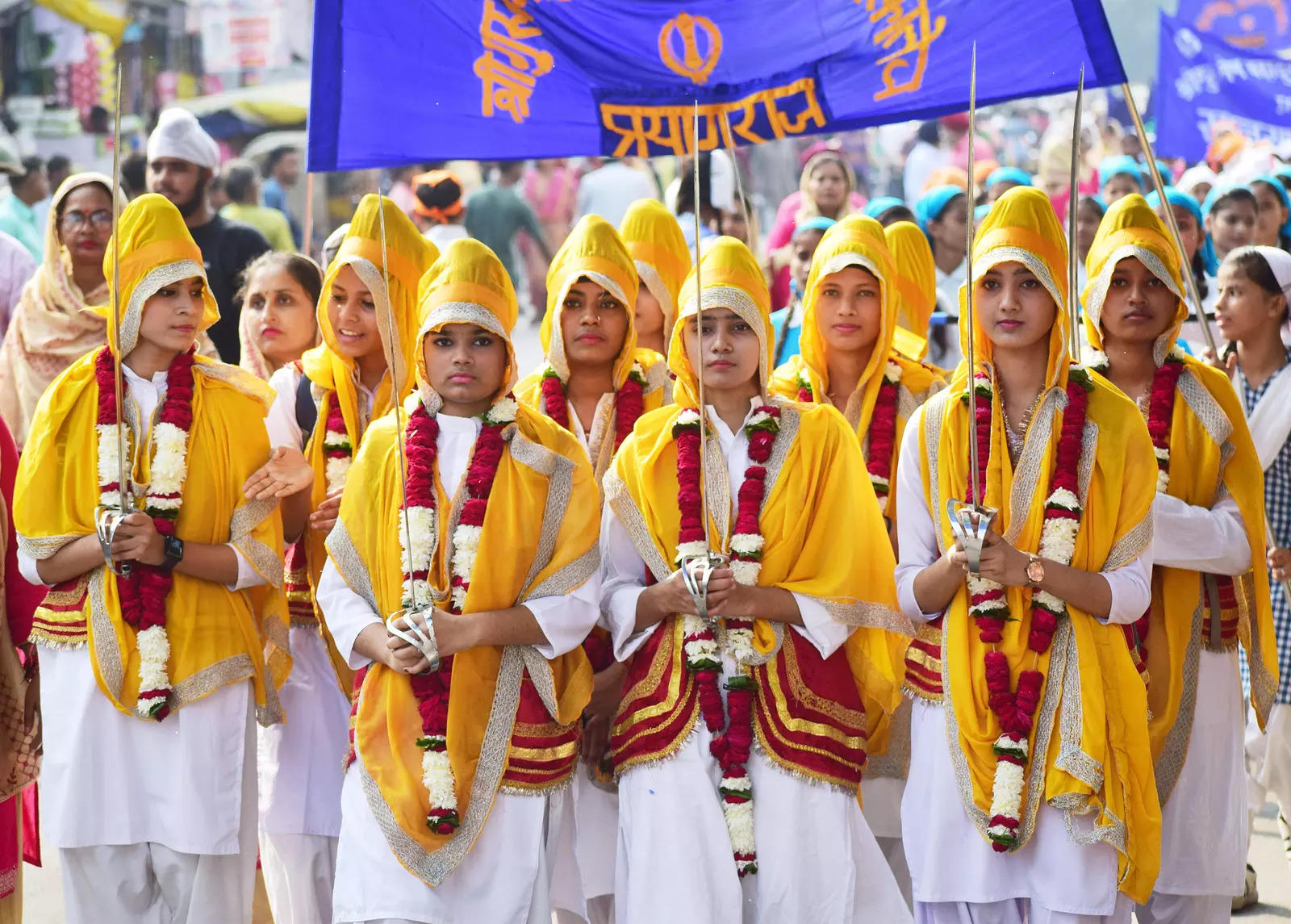
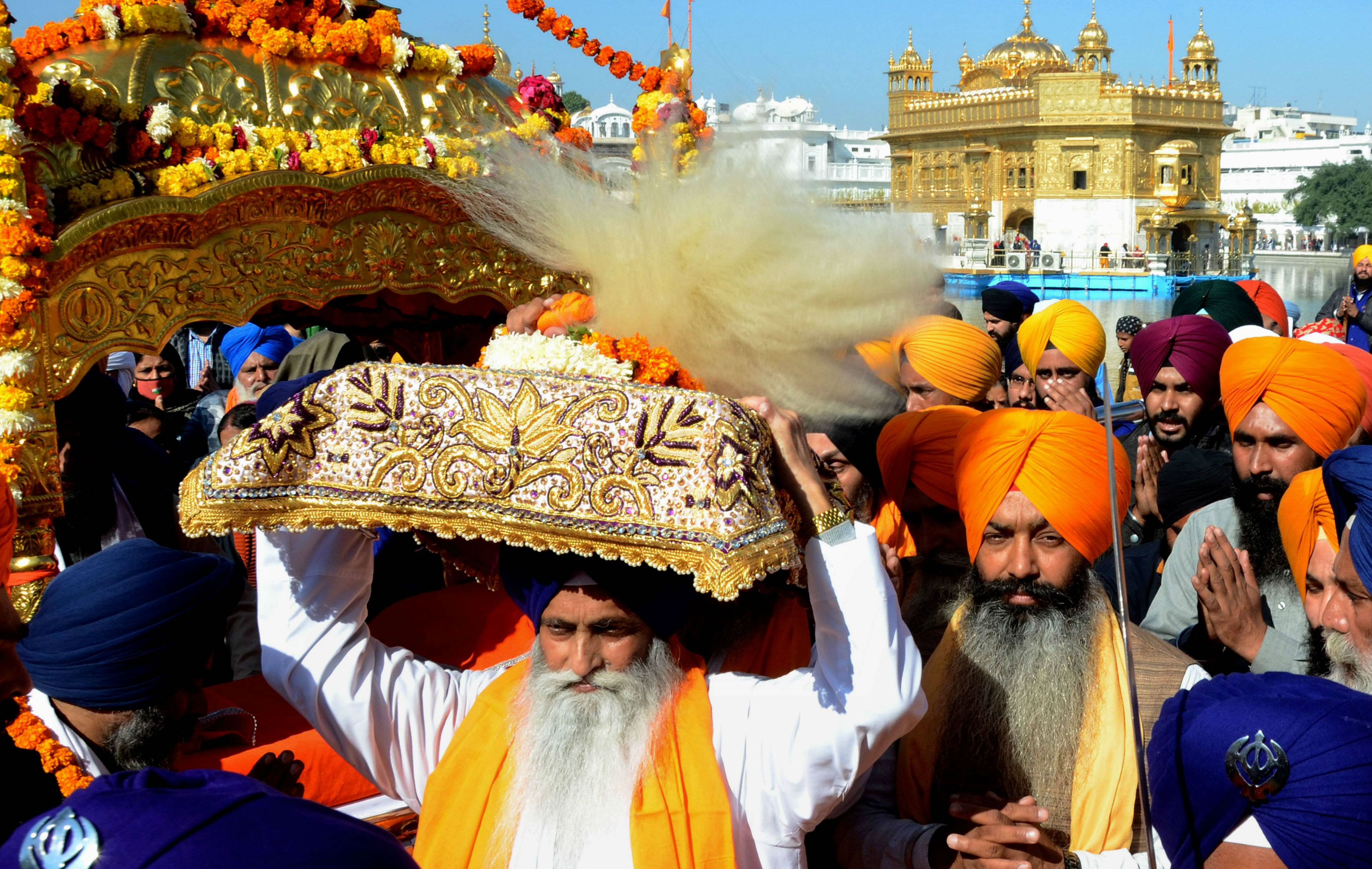
On Guru Nanak Jayanti, the day begins with early morning prayers and hymns or Asa-di-Var sung in Gurudwaras. Devotees gather to participate in the morning prayers, creating a sense of community and devotion. A day before Guru Nanak Jayanti, a Nagar Kirtan procession is held, led by the Panj Pyare or the Five Beloved Ones. The procession features the singing of hymns, the carrying of the Guru Granth Sahib in a palanquin, and the display of traditional martial arts. Participants often dress in traditional attire and carry the Nishan Sahib, the Sikh flag. One of the most significant aspects of the celebrations is the Langar, a community meal served to all attendees, regardless of caste, creed, or background. This practice embodies the principles of equality and selfless service promoted by Guru Nanak. 

Throughout the day, devotees participate in Kirtan or devotional singing and recitation of Gurbani which are hymns from the Guru Granth Sahib. These spiritual practices create an atmosphere of devotion and reflection. Many Sikhs engage in community service on Guru Nanak Jayanti, helping those in need and contributing to charitable initiatives. This aligns with Guru Nanak’s teachings of selfless service and compassion. In addition to religious observances, cultural programs and performances may be organised to celebrate Sikh heritage. These may include traditional music, dance, and storytelling that highlight the teachings of Guru Nanak.

Guru Nanak Jayanti is celebrated not only in India but also by Sikh communities around the world. Major cities with significant Sikh populations host grand celebrations that attract thousands of participants. These events often include processions, community meals, and cultural performances that showcase the rich traditions of Sikhism.

Guru Nanak Jayanti is a profound celebration of the life and teachings of Guru Nanak Dev Ji, the founder of Sikhism. This festival serves as a reminder of the values of equality, compassion, and selfless service that Guru Nanak championed throughout his life. As communities come together to honour his legacy, they reinforce the importance of unity and understanding in a diverse world. As one reflects on his wisdom and principles, we are inspired to embody the spirit of service, love, and respect for all humanity.

In My Hands Today…

Dangerous Tastes: The Story of Spices – Andrew Dalby

Spices and aromatics―the powerful, pleasurable, sensual ingredients used in foods, drinks, scented oils, perfumes, cosmetics, and drugs—have long been some of the most sought-after substances in the course of human history. In various forms, spices have served as appetizers, digestives, antiseptics, therapeutics, tonics, and aphrodisiacs. Dangerous Tastes explores the captivating history of spices and the fascination that they have aroused in us, and the roads and seaways by which trade in spices has gradually grown. Andrew Dalby, who has gathered information from sources in many languages, explores each spice, interweaving its general history with the story of its discovery and various uses.

Dalby concentrates on traditional spices that are still part of world cinnamon, cloves, ginger, pepper, saffron, and chili. He also discusses aromatics that are now little used in food but still belong to the spice trade and to traditional frankincense, myrrh, aloes-wood, balsam of Mecca. In addition, Dalby considers spices that were once important but that now are almost long pepper, cubebs, grains of Paradise.

Dangerous Tastes relates how the Aztecs, who enjoyed drinking hot chocolate flavored with chili and vanilla, sometimes added annatto (a red dye) to the drink. This not only contributed to the flavor but colored the drinker’s mouth red, a reminder that drinking cacao was, in Aztec thought, parallel with drinking blood. In the section on ambergris, Dalby tells how different cultures explained the origin of this Arabs and Persians variously thought of it as solidified sea spray, a resin that sprung from the depths of the sea, or a fungus that grows on the sea bed as truffles grow on the roots of trees. Some Chinese believed it was the spittle of sleeping dragons. Dalby has assembled a wealth of absorbing information into a fertile human history that spreads outward with the expansion of human knowledge of spices worldwide.

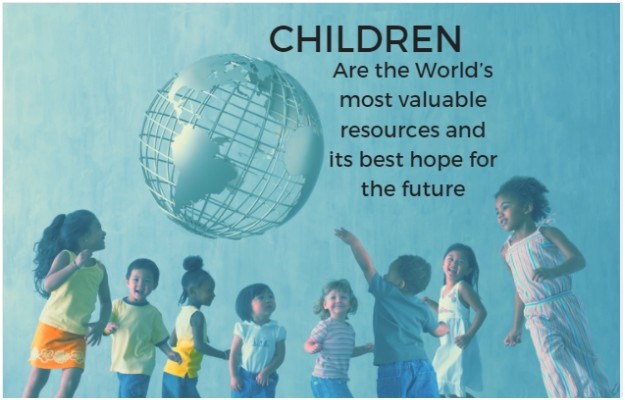
World Children’s Day

Celebrated annually on November 20, World Children’s Day is dedicated to promoting children’s rights and welfare worldwide. Established as Universal Children’s Day in 1954 by the United Nations General Assembly, the day was created to promote international togetherness, and awareness among children worldwide, and improve children’s welfare. November 20th was chosen to commemorate two important milestones in advancing children’s rights.

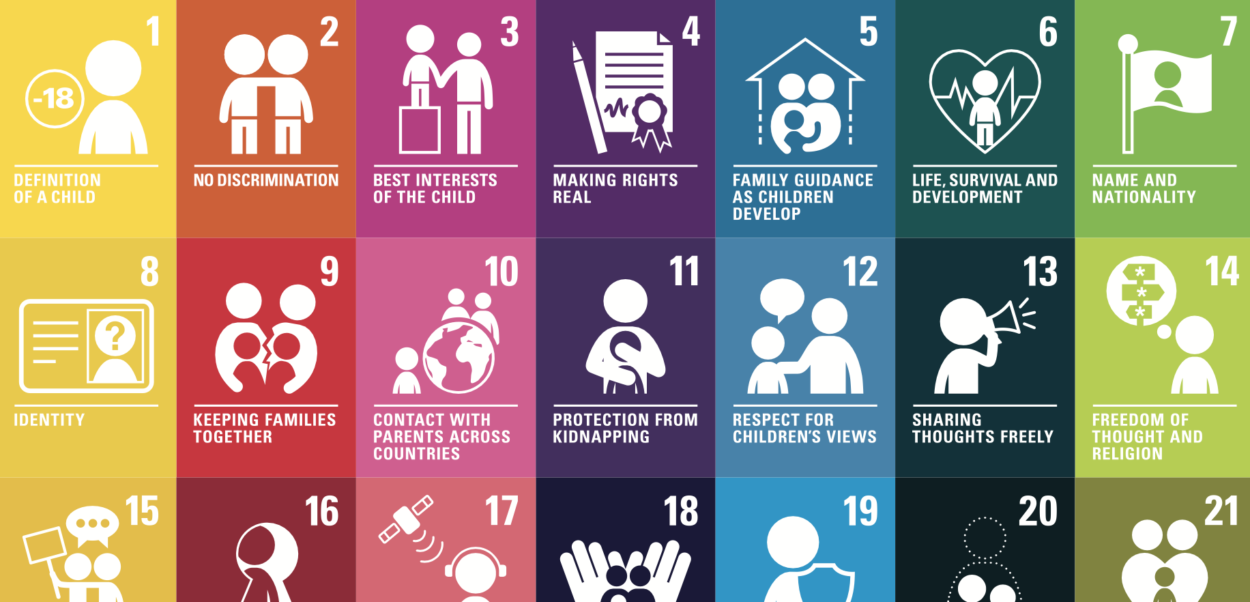
On November 20, 1959, the UN General Assembly adopted the Declaration of the Rights of the Child. This landmark document outlined the fundamental rights of children, emphasising their need for special protection and care. Exactly 30 years later, on November 20, 1989, the UN General Assembly adopted the Convention on the Rights of the Child (CRC). This set out children’s civil, political, economic, social, and cultural rights and has been ratified by 196 countries, making it the most widely ratified human rights treaty in history.

Over the years, World Children’s Day has evolved to become a platform for advocating children’s rights and addressing the challenges they face. It serves as a reminder of the commitments made by countries to uphold the rights of children and ensure their well-being. The day helps raise awareness about the rights of children and the importance of ensuring their well-being. It highlights issues such as child labour, child abuse, and lack of access to education and healthcare. World Children’s Day emphasises the importance of protecting and promoting children’s rights as outlined in the CRC. It encourages governments, organisations, and individuals to take action to uphold these rights. The day encourages children to participate in discussions and decision-making processes that affect their lives. It empowers them to voice their opinions and be active agents of change. World Children’s Day fosters a sense of global solidarity and cooperation in addressing the challenges faced by children. It brings together various stakeholders, including governments, NGOs, and communities, to work towards a common goal.

The theme for World Children’s Day 2024 is “A Better Future for Every Child.” This theme underscores the importance of creating a world where every child can thrive, regardless of background or circumstances. It focuses on several key areas, including ensuring access to quality education for all children, including marginalised and vulnerable groups; promoting access to healthcare services, proper nutrition, and a healthy environment for children; safeguarding children from violence, exploitation, and abuse; encouraging children’s participation in decision-making processes that affect their lives; and addressing inequalities and ensuring that every child, regardless of their socio-economic status, gender, or ethnicity, has equal opportunities to succeed.

To fully appreciate the importance of World Children’s Day, it’s crucial to understand the rights of children as outlined in the CRC. The Convention on the Rights of the Child includes 54 articles that cover various aspects of children’s rights.

Some of the key rights include the Right to Life, Survival, and Development where every child has the inherent right to life, and governments must ensure their survival and development. The Right to Education is one where every child has the right to free primary education, and access to secondary and higher education should be available to all while under the Right to Health, children must have the right to the highest attainable standard of health and access to healthcare services. Under the Right to Protection from Abuse and Exploitation, children must be protected from all forms of physical or mental violence, injury, abuse, neglect, and exploitation and children have the right to express their views freely in all matters affecting them and to have their opinions taken into account under the Right to Participation.

Despite significant progress in promoting children’s rights, many challenges remain. Some of the key issues affecting children worldwide include:

  • Child Labour: Millions of children are engaged in child labour, often in hazardous conditions, depriving them of their right to education and a safe childhood.
  • Child Marriage: Child marriage remains prevalent in many parts of the world, leading to negative health, education, and economic outcomes for girls.
  • Lack of Access to Education: Many children, particularly in low-income countries, lack access to quality education due to factors such as poverty, conflict, and discrimination.
  • Malnutrition: Malnutrition remains a significant issue, affecting children’s physical and cognitive development and increasing their vulnerability to diseases.
  • Violence and Exploitation: Children continue to face various forms of violence, including physical, sexual, and emotional abuse, as well as exploitation in the form of trafficking and forced labor.

Governments and organisations play a crucial role in promoting and protecting children’s rights. World Children’s Day highlights their responsibilities and encourages them to take action. Governments must develop and implement policies that uphold children’s rights and address the challenges they face. Adequate resources must be allocated to programs and services that support children’s health, education, and protection. Governments and organisations should collaborate with various stakeholders, including NGOs, communities, and the private sector, to create a supportive environment for children. Effective monitoring and accountability mechanisms should be in place to ensure that children’s rights are upheld and that progress is made towards achieving the goals set out in the CRC.

Children and youth are not just passive recipients of rights; they are active agents of change. World Children’s Day encourages their participation and empowers them to take action. Children and youth must be encouraged to advocate for their rights and the rights of their peers. Organisations and governments must provide platforms for them to voice their opinions and participate in decision-making processes. Peer education programmes must be supported where children and youth can educate each other about their rights and how to protect them. Youth-led initiatives that address issues affecting children and contribute to their well-being must be promoted and supported. Mentorship programmes that connect children and youth with positive role models who can guide and support themmust be developed.

World Children’s Day has had a significant impact on promoting children’s rights and improving their well-being. The day has successfully raised awareness about children’s rights and the challenges they face, leading to greater public support and action. Advocacy efforts on World Children’s Day have contributed to policy changes and the implementation of laws that protect children’s rights. Initiatives launched on World Children’s Day have helped improve access to education for marginalised and vulnerable children. Programmes and campaigns have strengthened child protection systems, reducing the incidence of violence, exploitation, and abuse. The day has empowered children and youth to take an active role in advocating for their rights and contributing to positive change in their communities.

While significant progress has been made, there is still much work to be done to ensure that every child can enjoy their rights and reach their full potential. World Children’s Day highlights the importance of promoting and protecting children’s rights. The day serves as a reminder of the commitments made by countries to uphold the rights of children and the importance of collective action in achieving this goal. By raising awareness, advocating for change, and supporting initiatives that benefit children, we can create a world where every child can thrive and reach their full potential.

In My Hands Today…

Bottoms Up and the Devil Laughs: A Journey Through the Deep State – Kerry Howley

Who are you? You are data about data. You are a map of connections–a culmination of everything you have ever posted, searched, emailed, liked, and followed. In this groundbreaking work of narrative nonfiction, Kerry Howley investigates the curious implications of living in the age of the indelible. Bottoms Up and the Devil Laughs tells the true story of intelligence specialist Reality Winner, a lone young woman who stuffs a state secret under her skirt and trusts the wrong people to help. After printing five pages of dangerous information she was never supposed to see, Winner finds herself at the mercy of forces more invasive than she could have possibly imagined.

Following Winner’s unlikely journey from rural Texas to a federal courtroom, Howley maps a hidden world, drawing in John Walker Lindh, Lady Gaga, Edward Snowden, a rescue dog named Outlaw Babyface Nelson, and a mother who will do whatever it takes to get her daughter out of jail. Howley’s subjects face a challenge new to history: they are imprisoned by their past selves, trapped for as long as the Internet endures. A soap opera set in the deep state, Bottoms Up and the Devil Laughs is a free fall into a world where everything is recorded and nothing is sacred, from a singular writer unafraid to ask essential questions about the strangeness of modern life.