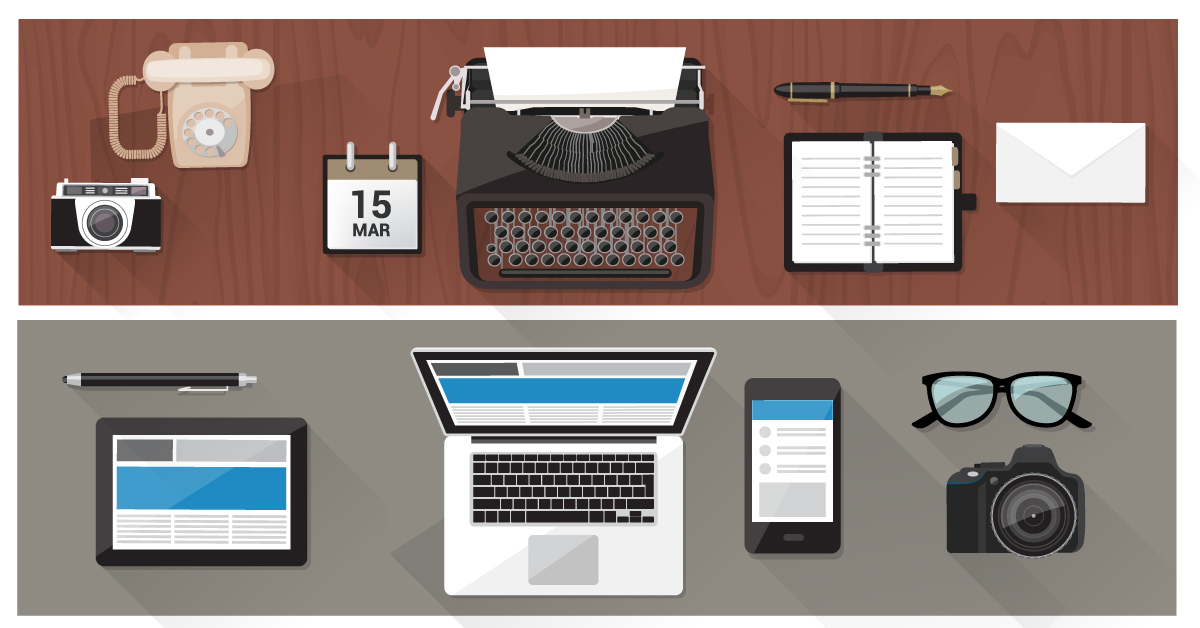
Technology Then and Now

The other day, I was talking with GG & BB and we were talking about technology specifically. In the last twenty odd years, technology has completely changed our lives and the last few years have shown us how indispensable technology is to our daily lives. Our lives are almost entirely dependent on technology, and as much as we can say technology has enslaved us, we can’t deny that it’s made life a lot simpler.

More than twenty years back, when I first moved to Singapore as a new bride, the phone was the only means of communication with my parents and extended family. And phone calls were not cheap, with only using the international calling option on your landline as the means to make the call. So I used to call my parents every Sunday for between 10-30 minutes each time and each phone call was very treasured. Any calls outside that timing on Sunday was strictly for emergencies or special occasions and if either side made other calls, it was scary until we heard the news.

And today, phone calls are just a touch away. I can speak to my parents, extended family and friends and the only thing I need to worry about is the time difference between us. Applications like Zoom, Whatsapp and other calling services have shrunk the world and distances seem so minuscule now.

And speaking of phones, in the late 90s and early 2000s, cell phone usage was very minimal, especially in India. I remember when a friend and colleague got the first phone I had seen, the cost of incoming and outgoing calls used to be very expensive with each call costing something like INR 8-10 per call. People used to not call others using their mobiles and the phones used to be used sparingly. And even as late as the late 2000s, I remember data being very expensive. While writing this, a memory comes to mind of me waiting outside one of the children’s classes. I was scrolling on my phone and used the internet for less than 5 minutes and when the bill came in, I had to pay something like $1 for each minute I was online. Today, I pay less than $30 for more than 60 GB of data and this amount includes talk time and messages.

I remember when BB & GG were young and I used to sometimes do work from home, it used to be on a desktop computer with a dial-up connection. This meant that anytime we got a phone call, the line would disconnect and we’d have to dial up again later. Internet speeds were a joke compared to today’s speeds and even after we got a broadband connection, the desktop stayed and speeds were abysmally low.

A big reason for this jump in the amount of data we all can access is the improvement in broadband speeds across the world. While less than 7% of the world was online in 2000, today over half the global population has access to the internet. And this can also be seen in mobile phone usage. At the start of the 2000s, there were 740 million cell phone subscriptions worldwide. Two decades later, that number has surpassed 8 billion, meaning there are now more cellphones in the world than people. Singapore’s mobile phone penetration rate in 2020 was 148.2% which means each resident has 1.5 mobile phones to their name and the smartphone usage is about 88%. Over in India, the penetration rate of smartphones in India reached 54% in 2020 and was estimated to reach 96% in 2040. This figure has more than doubled from 2016 when only 22% of mobile phone subscribers were using smartphones.

Smartphones changed the world as we all knew it. I remember the first time a friend brought an iPod. I was amazed that she could use the internet on the go. This was before smartphones became popular and the thought that we could surf the internet on the go was too much for my mind to take in. Today, there is hardly anyone around us who does not use a smartphone. All around me, I see people of all ages who are using these devices, from toddlers to the elderly and each one uses these devices differently.
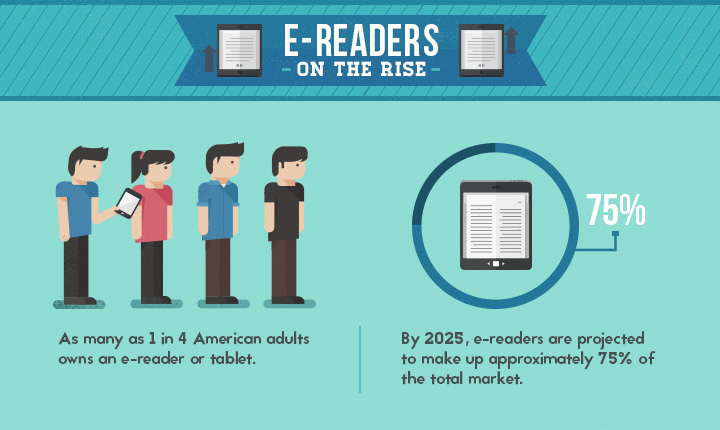
I am a big reader and every time I leave the house, I used to carry a couple of books to read on the road which added to the weight of my bags. Today, all I need to do is load the books in my e-reader and I am good to go. I can have multiple books waiting for me to read and depending on my mood, I have access to plenty of books at the press of a button. This was one technology change I was thrilled to adopt. And because I tend to borrow books more than I buy them, my library e-reader is an app on my smartphone and that is a device that rarely leaves my hands or pocket. I am reading more and can read even in pockets of five minutes when I am waiting in a line and never get bored.

And how can we forget mobile phone cameras? Previously, we had to carry a bulky or even sleek camera with us whenever we wanted to take photos. And that used to be something very special. Today, with cameras part of one’s phones, it’s so easy to take photographs and document our lives. No moment go undocumented and every gorgeous sunrise, sunset or scenery is captured for posterity.

And we just can’t deny how useful this has been in our daily lives. The COVD-19 pandemic has shown us just how important technology has been in our lives. During the pandemic, I was able to virtually attend the wedding of someone in the extended family, albeit streamed over YouTube and so not as interactive as I would have liked it, but we still got to attend. I was also able to pay my last respects to my maternal grandmother who passed away a couple of months back when travel was impossible for us cousins spread across the globe. And in work, we all have been working from home in the past two-plus years, all using various video streaming apps.

For those of us who do not live with or close to our parents and loved ones, mobile phones and the technology it works with allows us to be a part of their lives through cheap and almost free phone and video calls. I am seldom without my phone and I can truly call my phone an extension of me. What will the next years and decades bring us? I don’t know, but I am super happy to find out and excited to be a part of it.

In My Hands Today…

Banana: The Fate of the Fruit That Changed the World – Dan Koeppel

To most people, a banana is a banana: a simple yellow fruit. Americans eat more bananas than apples and oranges combined. In others parts of the world, bananas are what keep millions of people alive. But for all its ubiquity, the banana is surprisingly mysterious; nobody knows how bananas evolved or exactly where they originated. Rich cultural lore surrounds the fruit: In ancient translations of the Bible, the ‘apple’ consumed by Eve is actually a banana (it makes sense, doesn’t it?). Entire Central American nations have been said to rise and fall over the banana.

But the biggest mystery about the banana today is whether it will survive. A seedless fruit with a unique reproductive system, every banana is a genetic duplicate of the next, and therefore susceptible to the same blights. Today’s yellow banana, the Cavendish, is increasingly threatened by such a blight — and there’s no cure in sight.

Banana combines a pop-science journey around the globe, a fascinating tale of an iconic American business enterprise, and a look into the alternately tragic and hilarious banana subculture (one does exist) — ultimately taking us to the high-tech labs where new bananas are literally being built in test tubes, in a race to save the world’s most beloved fruit.

In My Hands Today…

The Code Book: The Science of Secrecy from Ancient Egypt to Quantum Cryptography – Simon Singh

In his first book since the bestselling Fermat’s Enigma, Simon Singh offers the first sweeping history of encryption, tracing its evolution and revealing the dramatic effects codes have had on wars, nations, and individual lives. From Mary, Queen of Scots, trapped by her own code, to the Navajo Code Talkers who helped the Allies win World War II, to the incredible (and incredibly simple) logisitical breakthrough that made Internet commerce secure, The Code Book tells the story of the most powerful intellectual weapon ever known: secrecy.

Throughout the text are clear technical and mathematical explanations, and portraits of the remarkable personalities who wrote and broke the world’s most difficult codes. Accessible, compelling, and remarkably far-reaching, this book will forever alter your view of history and what drives it. It will also make you wonder how private that e-mail you just sent really is.

International Women’s Day

Regular readers will know that I am a huge supporter of women’s rights and so International Women’s Day which falls tomorrow is a topic I never fail to write about.

International Women’s Day is celebrated in many countries around the world. It is a day when all women are recognised for their achievements. International Women’s Day was first born out of labour movements at the turn of the twentieth century in North America and across Europe. Since those early days, International Women’s Day has grown in prominence and reach, touching women in every corner of the world. The growing international women’s movement has helped make International Women’s Day a central point for action, to build support for women’s rights and their full participation in the economy, politics, community and everyday life.

In 1910, Clara Zetkin, the leader of the Women’s Office for the Social Democratic Party in Germany tabled the idea of an International Women’s Day at the second International Conference of Working Women in Copenhagen. The proposal received unanimous support from over one hundred women representing 17 countries. The very first International Women’s Day was held the following year on March 19th. Meetings and protests were held across Europe, with the largest street demonstration attracting 30,000 women. In 1913, IWD was moved to March 8th and has been held on this day ever since.

International Women’s Day or IWD, celebrated on March 08 is a global day celebrating the social, economic, cultural, and political achievements of women. The day also marks a call to action for accelerating women’s equality. The IWD has occurred for well over a century, with the first IWD gathering in 1911 supported by over a million people. Today, International Women’s Day belongs to all groups collectively everywhere and is not country, group or organization specific.

The theme for this year’s International Women’s Day from the IWD organisation is Break the Bias. Let’s imagine a gender-equal world free of bias, stereotypes, and discrimination, a world that is diverse, equitable, and inclusive and a world where difference is valued and celebrated. Let us all forge women’s equality and collectively we can all Break the Bias. Individually, we’re all responsible for our thoughts and actions – all day, every day and we can break the biases in our communities, our workplaces, our schools, colleges and universities and together, we can all break the bias – on International Women’s Day and beyond. Purple, green and white are the colours of International Women’s Day with purple signifying justice and dignity, green symbolising hope and white representing purity, albeit a controversial concept. The colours originated from the Women’s Social and Political Union or WSPU in the UK in 1908.

The United Nations celebrated International Women’s Day with a separate theme. Women and girls face greater vulnerability and exposure to disasters, and conflicts, and yet they remain largely ignored in developing solutions and their capabilities are often under-utilised. As the most impacted, women are also a critical part of the solution. The theme this year is Women in leadership: Achieving an equal future in a COVID-19 world. Women stand at the front lines of the COVID-19 crisis, as health care workers, caregivers, innovators, community organizers and as some of the most exemplary and effective national leaders in combating the pandemic. The crisis has highlighted both the centrality of their contributions and the disproportionate burdens that women carry. This year’s theme celebrates the tremendous efforts made by women and girls around the world in shaping a more equal future and recovery from the COVID-19 pandemic.

International Women’s Day is a time to reflect on progress made, to call for change and to celebrate acts of courage and determination by ordinary women, who have played an extraordinary role in the history of their countries and communities. The world has made unprecedented advances, but no country has achieved gender equality. Fifty years ago, we landed on the moon; in the last decade, we discovered new human ancestors and photographed a black hole for the first time. In the meantime, legal restrictions have kept 2.7 billion women from accessing the same choice of jobs as men. Less than 25 per cent of parliamentarians were women, as of 2019 and even today one in three women experiences gender-based violence.

Because sometimes we need to remember we’re not alone. Happy International Women’s Day to all the lovely women and the men who support and motivate their women!