In My Hands Today…

A Training School for Elephants – Sophy Roberts
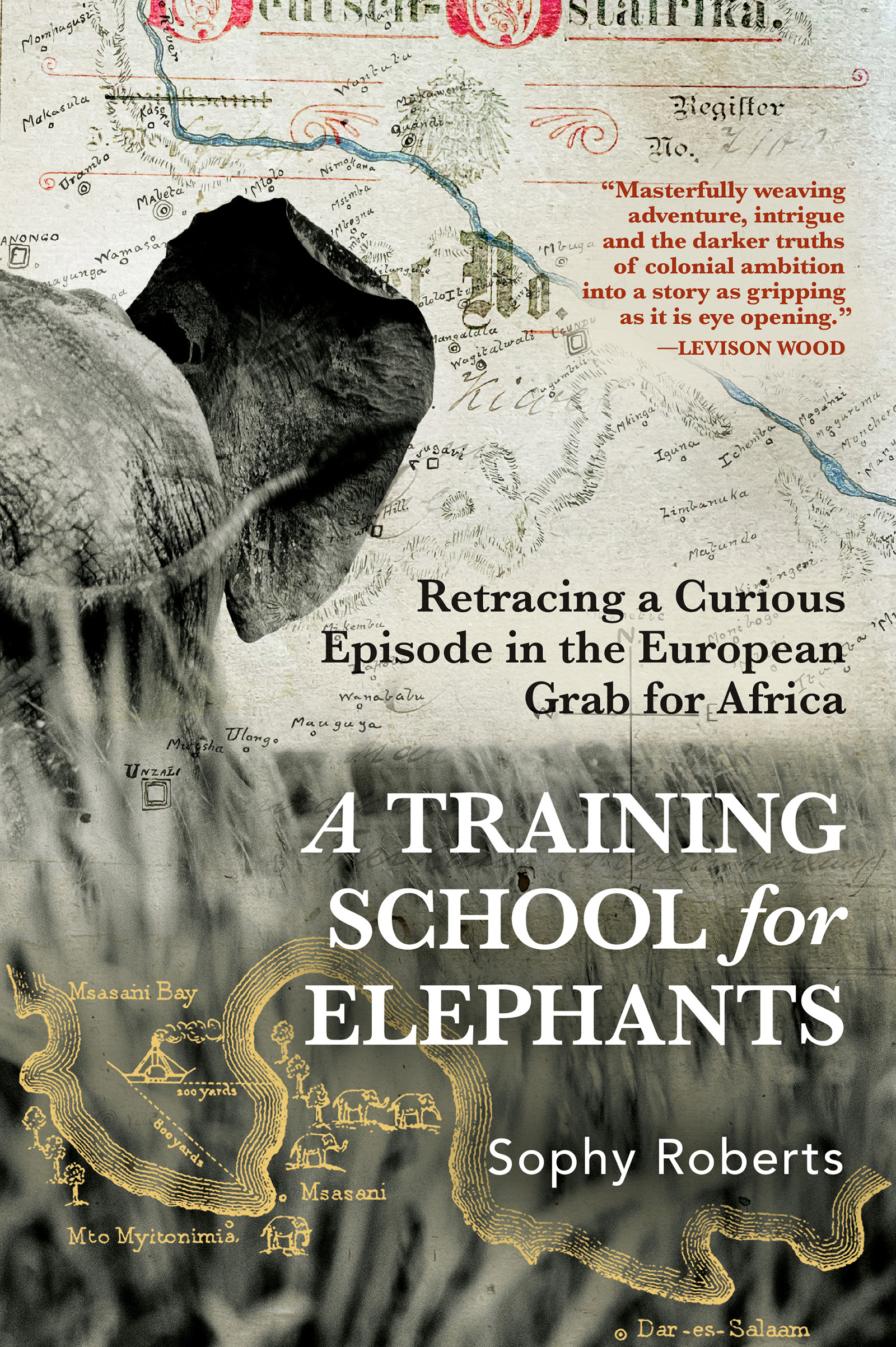
In 1879, King Leopold II of Belgium launched an ambitious plan to plunder Africa’s resources. The key to cracking open the continent, or so he thought, was its elephants—if only he could train them. And so he commissioned the charismatic Irish adventurer Frederick Carter to ship four tamed Asian elephants from India to the East African coast, where they were marched inland towards Congo. The ultimate aim was to establish a training school for African elephants.

Following in the footsteps of the four elephants, Roberts pieces together the story of this long-forgotten expedition, in travels that take her to Belgium, Iraq, India, Tanzania, and Congo. The storytelling brings to life a compelling cast of historic characters and modern voices, from ivory dealers to Catholic nuns, set against rich descriptions of the landscapes travelled. In an original weave of past and present, she digs deep into historic records revealing an extraordinary—and enduring—story of colonial greed, hypocrisy, and folly.
In My Hands Today…

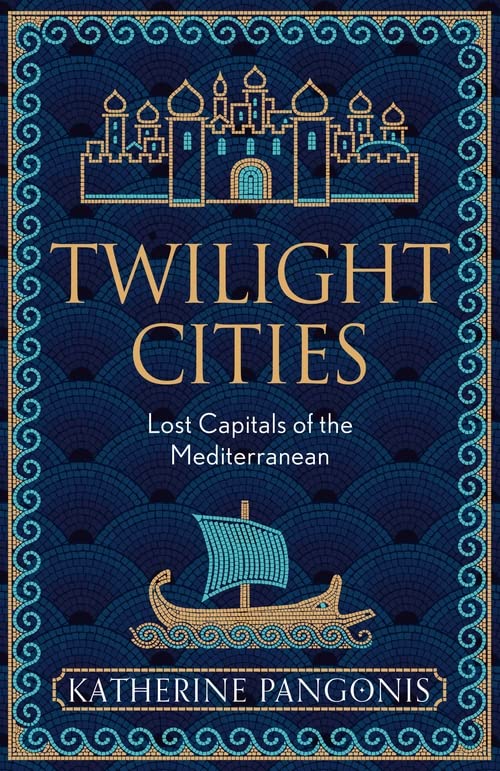
Twilight Cities: Lost Capitals of the Mediterranean – Katherine Pangonis

Its name means ‘centre of the world’, and since the dawn of history the Mediterranean Sea has formed the shared horizon of innumerable cultures. Here, history has blurred with legend. The glittering surface of the sea conceals the remnants of lost civilisations, wrecked treasure ships and the bones of long-drowned sailors, traders and modern refugees.

Of the many cities that dot this ancient coastline, Tyre, Carthage, Syracuse, Ravenna and Antioch are among the oldest and most intriguing. All are beautifully situated, and for layers of history and cultural riches they are rivalled only by their sister cities of Rome, Istanbul and Jerusalem. Yet their fates have been remarkably different. Once major power centres, all five have declined into relative obscurity. Nevertheless, their entwined history takes in Alexander the Great, Nebuchadnezzar, Archimedes and the Roman, Byzantine, Arab and Norman conquests, and their greatness still lingers for those who seek it out.

To bring these mysterious lost capitals to life, historian Katherine Pangonis sets out on a voyage from the dawn of civilisation on the Lebanese coast to a modern-day Turkey wracked by the devastation of the 2023 earthquake. Combining on the ground research with spellbinding storytelling skills, here is a revelatory new story of the Mediterranean, and a powerful reflection on the sometimes fleeting glory of empires.

In My Hands Today…

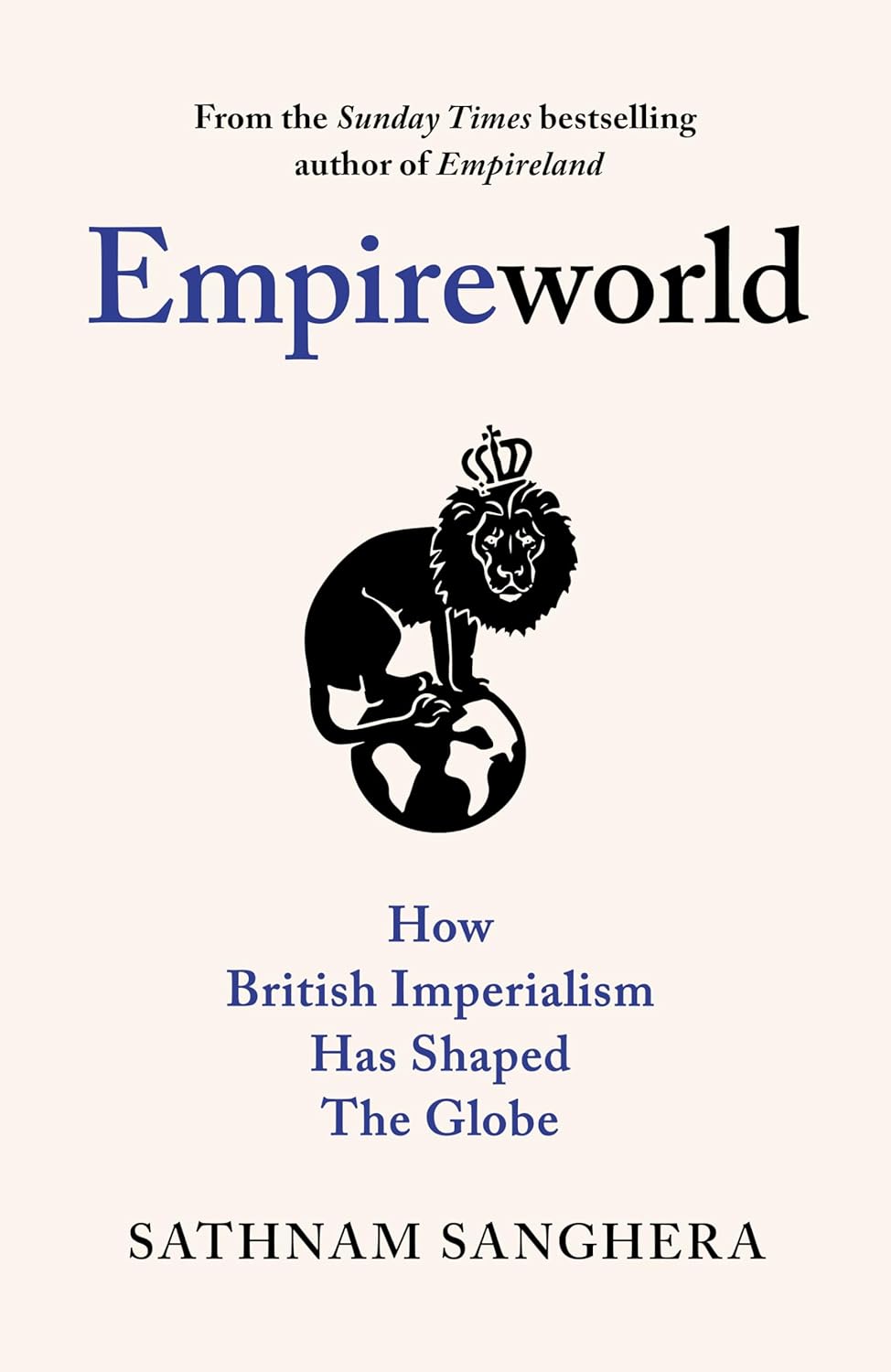
Empireworld: How British Imperialism Has Shaped the Globe – Sathnam Sanghera

2.6 billion people are inhabitants of former British colonies. The empire’s influence upon the quarter of the planet it occupied, and its gravitational influence upon the world outside it, has been from the spread of Christianity by missionaries to nearly 1 in 3 driving on the left side of the road, and even shaping the origins of international law. Yet Britain’s idea of its imperial history and the world’s experience of it are two very different things. ­­

In Empireworld, award-winning author and journalist, Sathnam Sanghera extends his examination of British imperial legacies beyond Britain. Travelling the globe to trace its international legacies – from Barbados and Mauritius to India and Nigeria and beyond – Sanghera demonstrates just how deeply British imperialism is baked into our world.

And why it’s time Britain was finally honest with itself about empire.

In My Hands Today…

An African History of Africa: From the Dawn of Humanity to Independence – Zeinab Badawi

Everyone is originally from Africa, and this book is therefore for everyone.

For too long, Africa’s history has been neglected. Dominated by western narratives of slavery and colonialism, its past has been fragmented, overlooked and denied its rightful place in our global story.

Now, Zeinab Badawi guides us through Africa’s spectacular history, from the origins of humanity, through ancient civilisations and medieval empires with powerful queens and kings, to the miseries of conquest and the elation of independence.

Seeking out occluded histories from across the continent, meeting with countless historians, anthropologists, archaeologists and local storytellers, and travelling through more than thirty countries, Badawi weaves together a fascinating new account of an epic, sweeping history of the oldest inhabited continent on the planet, told through the voices of Africans themselves.

In My Hands Today…

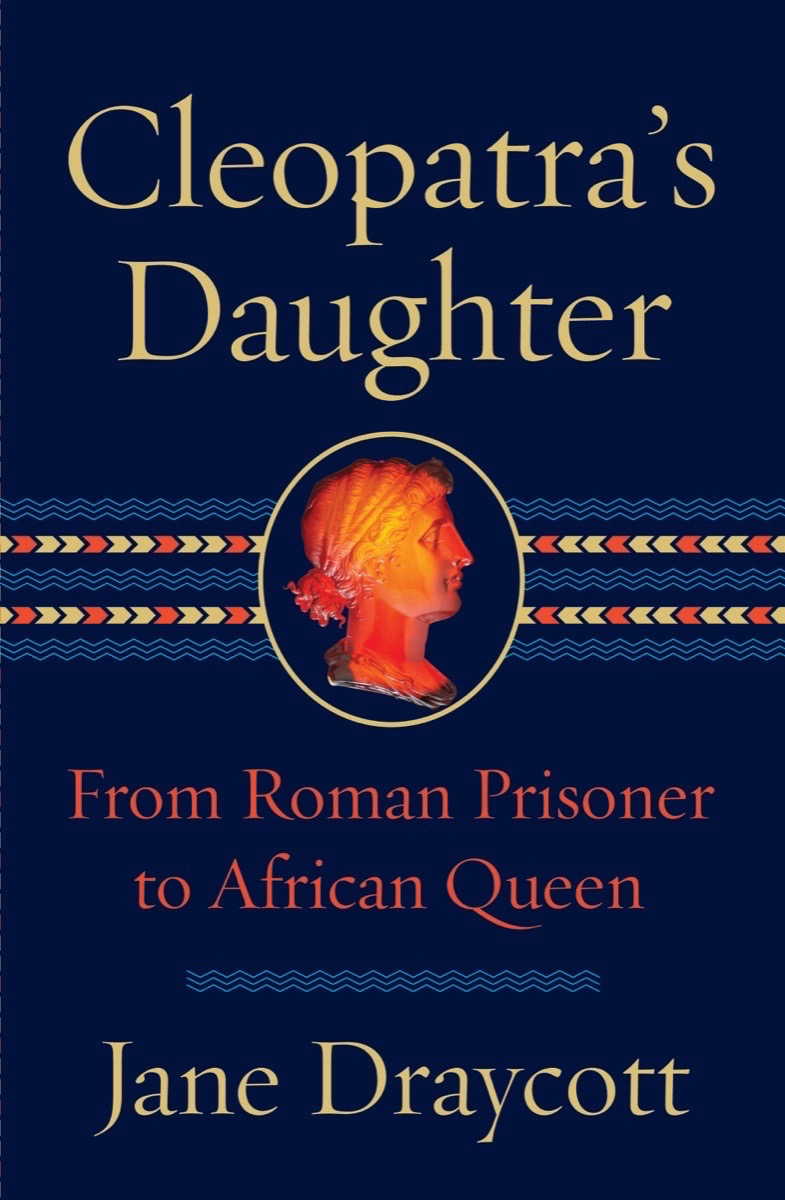
Cleopatra’s Daughter: From Roman Prisoner to African Queen – Jane Draycott

The first modern biography of one of the most influential yet long-neglected rulers of the ancient world: Cleopatra Selene, daughter of Antony and Cleopatra.

As the only daughter of Roman Triumvir Marc Antony and Egyptian Queen Cleopatra VII, Cleopatra Selene was expected to uphold traditional feminine virtues; to marry well and bear sons; and to legitimize and strengthen her parents’ rule. Yet with their parents’ deaths by suicide, the princess and her brothers found themselves the inheritors of Egypt, a claim that placed them squarely in the warpath of the Roman emperor.

“Supported by a feast of visual and literary references” (Caroline Lawrence), Cleopatra’s Daughter reimagines the life of Cleopatra Selene, a woman who, although born into Egyptian royalty and raised in her mother’s court, was cruelly abandoned and held captive by Augustus Caesar. Creating a narrative from frescos and coinage, ivory dolls and bronzes, historian and archaeologist Jane Draycott shows how Cleopatra Selene navigated years of imprisonment on Palatine Hill―where Octavia, the emperor’s sister and Antony’s fourth wife, housed royal children orphaned in the wake of Roman expansion―and emerged a queen.

Despite the disrepute of her family, Cleopatra Selene in time endeared herself to her captors through her remarkable intellect and political acumen. Rather than put her to death, Augustus wed her to the Numidian prince Juba, son of the deposed regent Juba I, and installed them both as client rulers of Mauretania in Africa. There, Cleopatra Selene ruled successfully for nearly twenty years, promoting trade, fostering the arts, and reclaiming her mother’s legacy―all at a time, Draycott reminds us, when kingship was an inherently male activity.