Recipes: Berry Smoothie/Milkshake

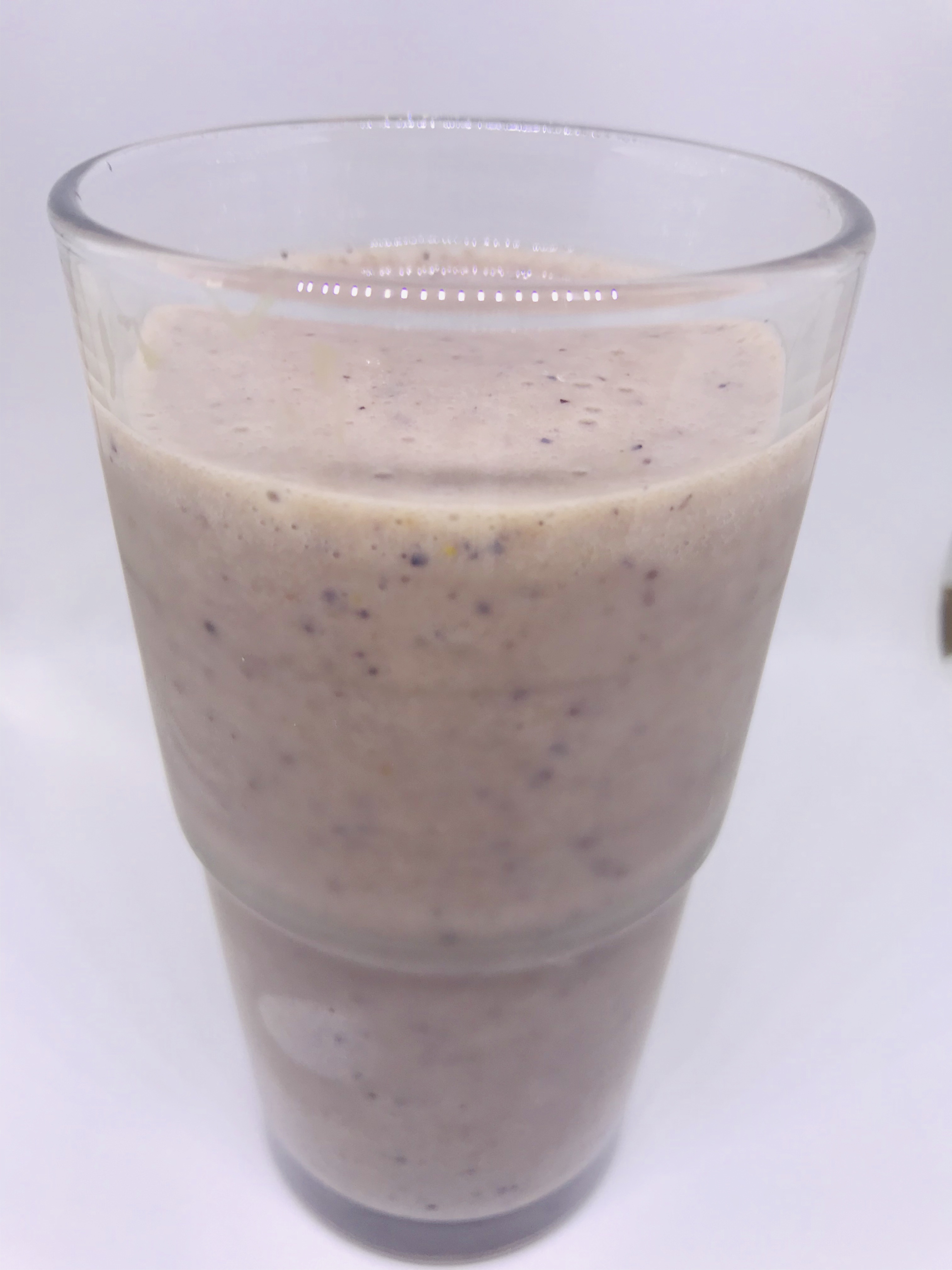
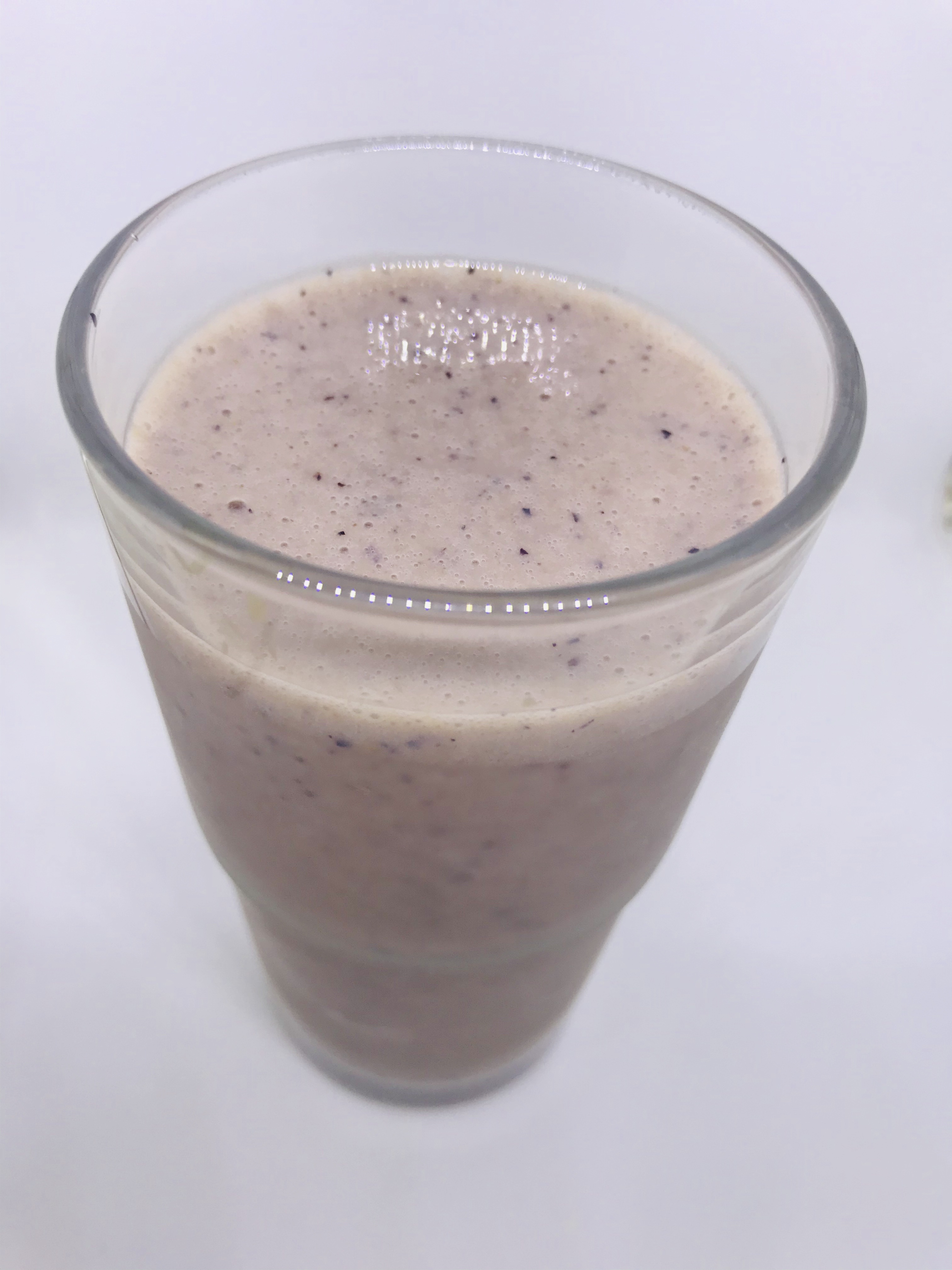
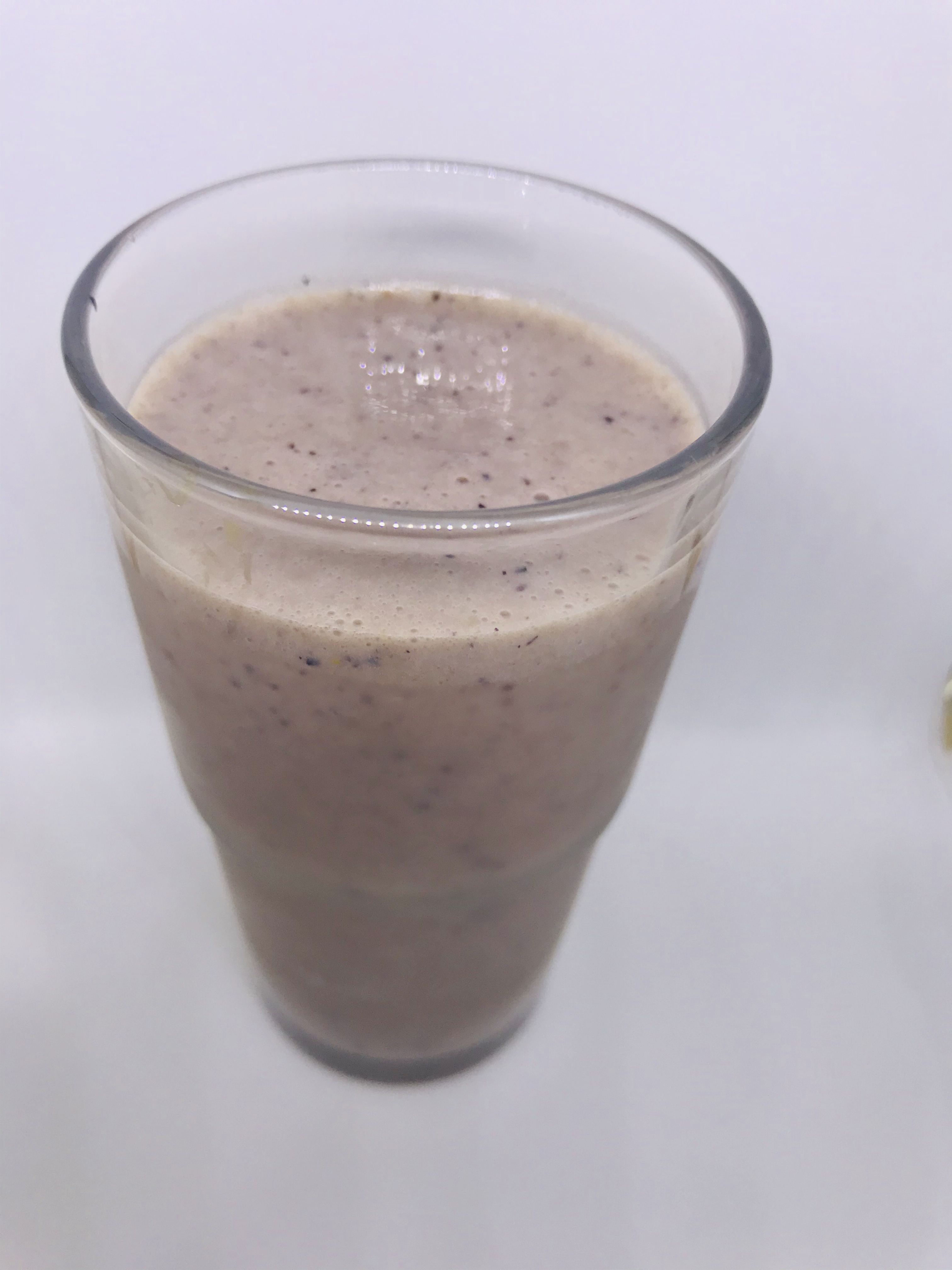
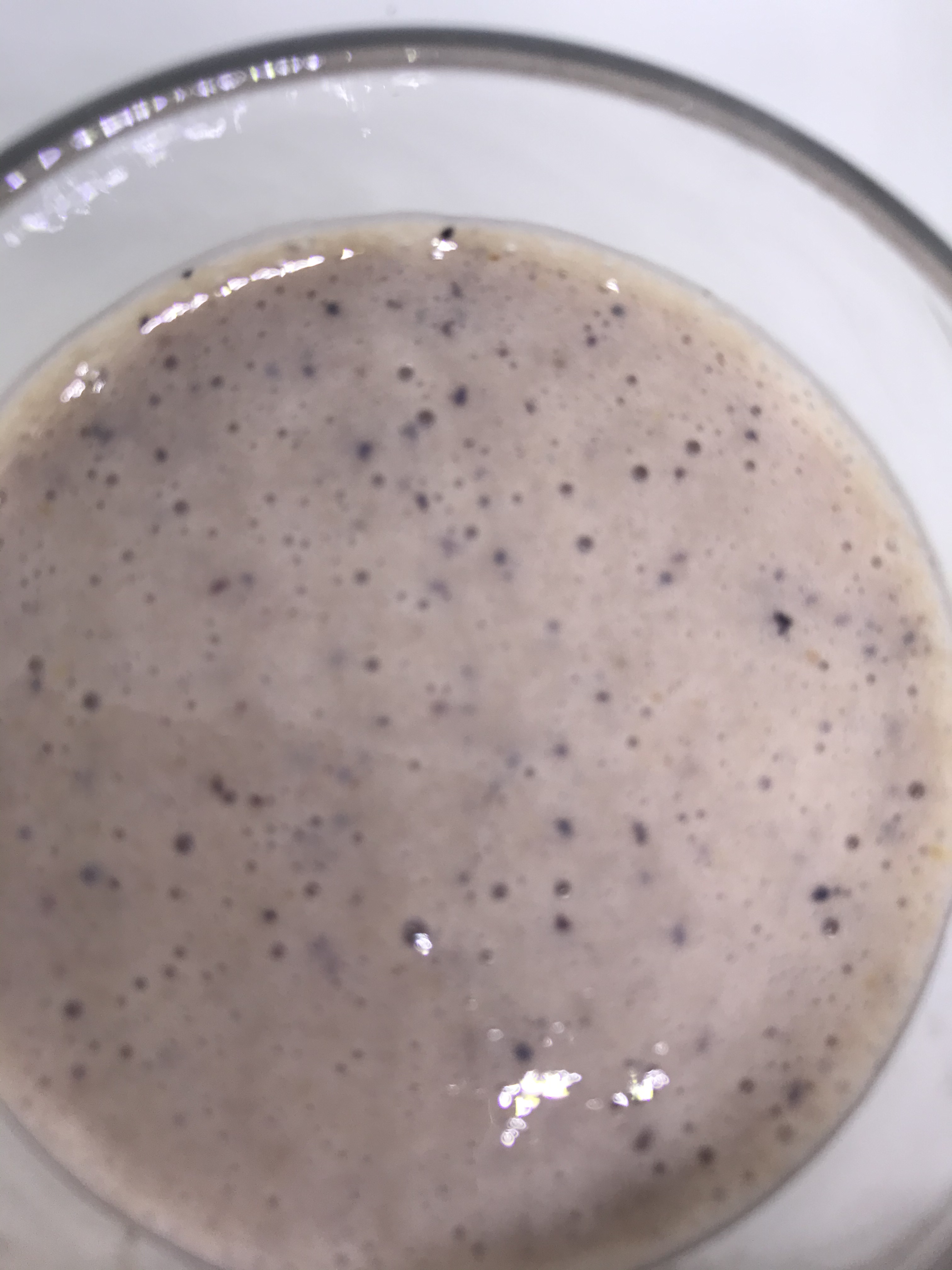
Most mornings GG has Museli for breakfast while BB does not eat anything before going to school. So we usually have a selection of berries in the fridge as GG loves them in her museli. Earlier this week, I felt some of the berries would spoil if kept long and so decided to make a smoothie/milkshake with them. It was quite tasty and is a good quick breakfast, especially if you can’t eat solid food in the mornings or are in a hurry.
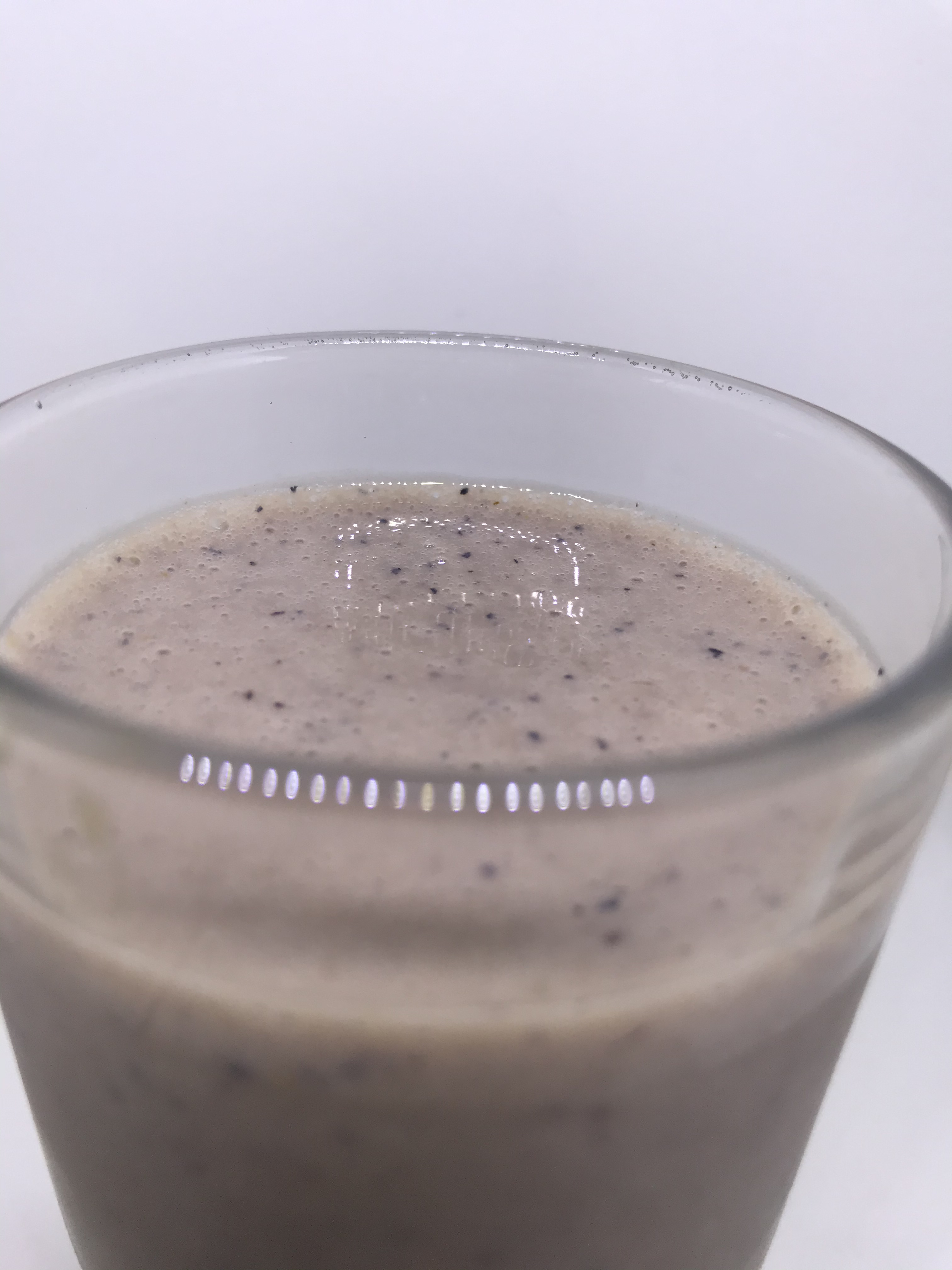
Berry Smoothie/Milkshake

Ingredients:

  • 1 ripe banana
  • 6 medium sized strawberries
  • 15-20 blueberries
  • 1-1.5 cups skimmed milk
  • 1 tbsp honey or 1 tbsp sugar (optional)

Method:

  • Wash and dry the blueberries, remove the leaves and wash and dry the strawberries, peel the banana and keep all the fruits inside an airtight container and freeze overnight. You can also hull and chop the strawberries if they are big before freezing.
  • The next morning, blend all the frozen fruits along with the skimmed milk to a smooth paste. Thin the smoothie to the consistency you like. Add the honey or sugar if you feel you need to add some sweetness to the drink.
  • You can drink it as it is. You can also add some drops of vanilla essence to enhance the flavour or even add some plain vanilla yoghurt or icecream to thicken it up.
  • If you want to make this vegan, just substitute the skimmed milk for some nut milk like soya, almond or cashew or even some light coconut milk
Parenting: Importance of Breakfast


We all know that breakfast is the most important meal of the day. We’ve also heard the adage “Breakfast like a king, Lunch like a common man and Dine like a pauper”. Breakfast which literally means breaking the fast between dinner and the morning is one meal which should not be missed.


There are reports from the Healthy Child website which say there are around 20 – 30% of teens who do not eat breakfast before going to school.


The first meal of the day is very important in providing energy to your teen for their activities in school. School work takes up a lot of mental energy and those who don’t fill up adequately before going to school may find their energy dwindling down before recess and a chance to eat food.


I am very particular that BB & GG eat something to fuel up before school and so far they’ve not disappointed me here. But somehow since school started this year, they both on different days would decide that they are full from the previous night’s dinner and so don’t want breakfast. Nothing I say would make them change their mind. It’s not because they sleep on and wake up late and so there’s time for breakfast. They are ready much earlier than S but would prefer to use their phones to eating, though on days when they do eat breakfast, they do both simultaneously.

I usually give BB & GG the analogy of a car with no fuel which can’t run for long on reserve fuel when they don’t want to eat breakfast before going to school. I also believe that without a healthy and hearty breakfast you will not be able to concentrate in class which will hamper performance in school. This is because those who miss breakfast lack the glucose which is needed for neurotransmitters to function properly in the body.

I sometimes suspect most teens (and BB & GG) skip breakfast as a way to reduce or control their weight. This tactic actually backfires on them as a study found that teens who ate breakfast daily had a lower Body Mass Index or BMI and gained less weight compared to those who skipped breakfast.


So this, in essence, is why breakfast is the most important meal in a day, not just for teens, but for everyone. Does your teen skip breakfast? What do you do to make him/her eat a good breakfast before school?


Recipes: Kanda Poha

IMG_5416

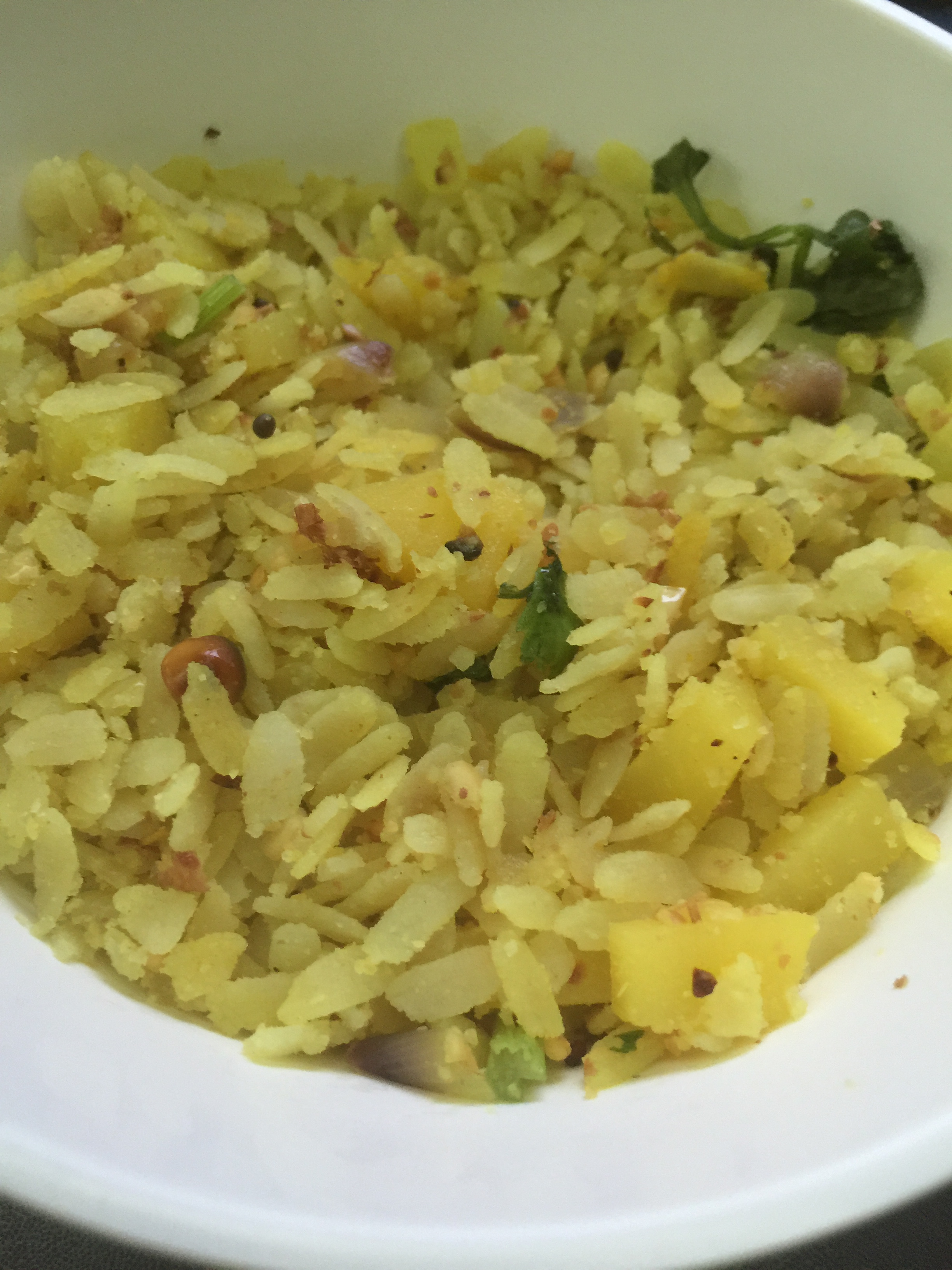
I am surprised that I have not yet blogged and posted this dish. This dish is a staple breakfast item in my home state of Maharashtra and is so embedded into the Maharashtrian psyche that days without Kanda Poha may actually give some people withdrawal symptoms.

In our home, we don’t like to eat heavy meals for dinner, except maybe occasionally when we are dining out. So most dinners are simple, what, in other traditional homes, may be eaten for breakfast.

Last week when I prepared this for dinner, I took pictures and checked whether I had posted it or not, and it was a no, so here it goes….

Like most Indian food, every family prepares this in a different way and if you’ve come across a different recipe for this, it’s quite possible that both variants exist and thrive. Also Poha or beaten rice flakes recipes are common across India, especially in the west and south and each state, nay region or province may have their own specialty. Now add family taste differences into the mix and what you get is a recipe which will be different each time you eat it!

This particular recipe which I make has evolved over the years. I first learned it from a friend who is Maharashtrian and then played with it till it became something that my family likes. S loves this recipe as do the kids and it pops on the dinner table every few weeks. It’s not very difficult to make, most of the items will be available in your pantry. The only pre prep work you need to do is with the peanuts.

Kanda Poha

IMG_5415

Ingredients:

  • 1 pack poha or beaten rice flakes
  • 2 onions, chopped
  • 2 potatoes chopped into small pieces
  • 1 green chilli, chopped into small slices
  • 1 tsp mustard seeds
  • 1.5 tsps turmeric powder
  • 1 tsp oil
  • A pinch of asafoetida
  • ½ tsp sugar (optional)
  • Salt to taste
  • ½ cup peanuts
  • 2 tbsps coconut (optional)
  • 2 tbsps lemon juice
  • Coriander leaves to garnish

Method:

  • In a pan, dry fry the peanuts till they are crisp and slightly brown. When still slightly warm, using your fingers, remove as much of the skin as you can. It’s best if you can remove all the skin, but if not, it’s not the end of the world. When completely cool, using the pulse function of your blender/mixer, crush it a bit. You can make it into a fine powder if you want, but the way I like it is to have some powdered while the others are still in smaller peanut pieces.
  • Chop the onions, potatoes and chilli and keep aside.
  • In a colander, wash the beaten rice flakes and let the water drain completely. Then add a tsp of salt, the sugar and a tsp of turmeric powder and mix it well into the damp rice flakes. Use your hands to make sure all the flakes are coated. Put some of the powdered peanuts also into this mix and keep aside.
  • In a pan, heat the oil and when warm, add the mustard seeds. When the seeds pop, add the chilli and let it fry for a few minutes. Next add the remaining turmeric powder and asafoetida and stir for a couple of seconds. When the chilli is coated with the turmeric, add the onions and let it cook.
  • Once the onions are translucent, add the potatoes with some salt and let it cook well. You can add some water at this stage to help the potatoes cook. Don’t add too much water as the final dish has to be dry, just enough to help the potatoes cook and not catch the bottom of the pan.
  • When the potatoes are completely cooked, add the balance of the peanuts (or less if you don’t like too many peanuts) and let the peanuts absorb any of the water you may have added to the pan.
  • Once the water has been absorbed, add the damp poha and stir well to mix the onion/potato mixture with the rice flakes. When everything comes together well, add the optional coconut and the lemon juice and mix well.
  • Garnish with coriander leaves and serve.

IMG_5417

Recipe: Brown Rice Savory Pongal aka Ven Pongal

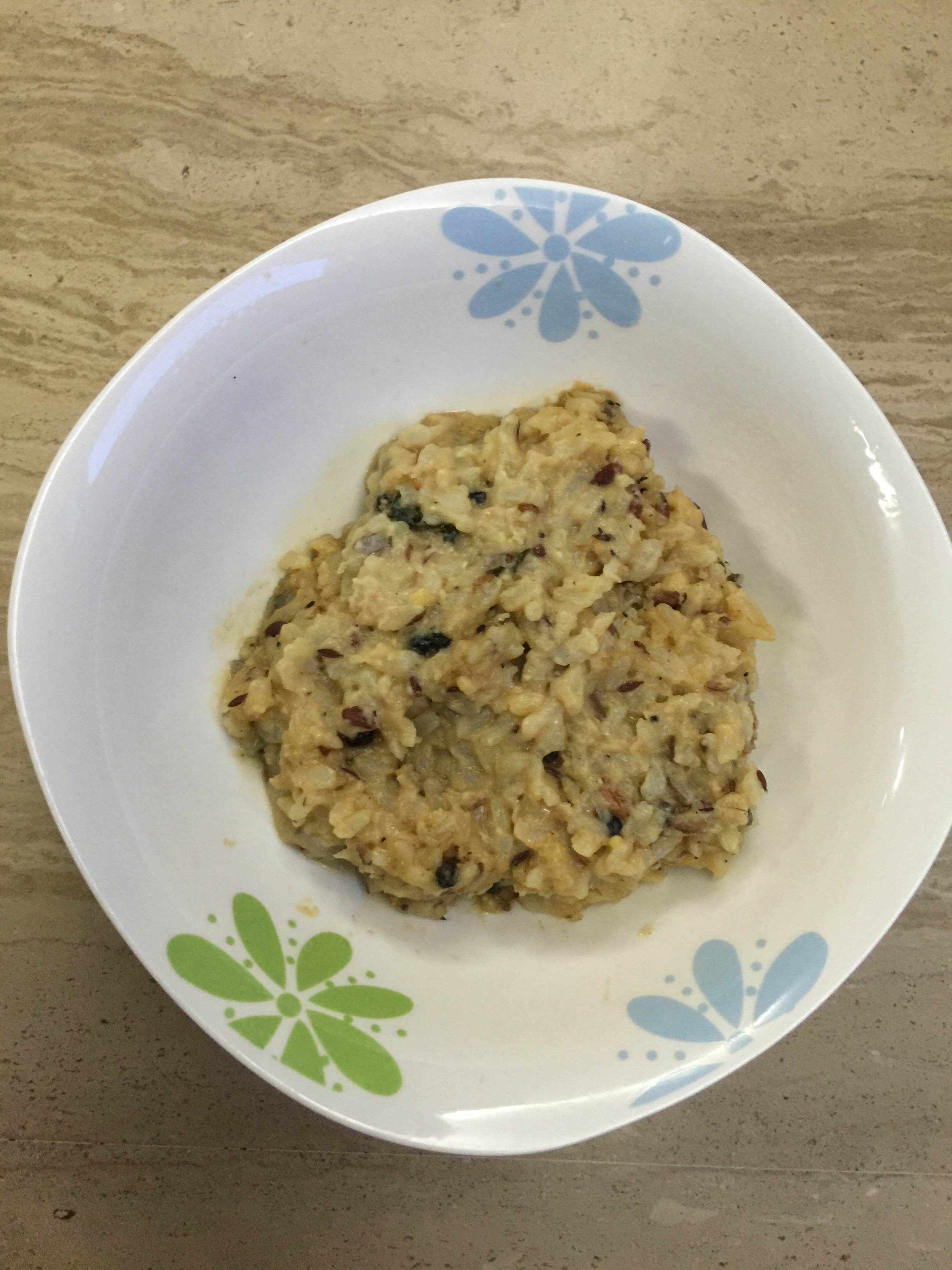
IMG_5277Last week, I blogged about the sweet Pongal recipe which I made as a neividhyam or offering to the Lord on the occasion of the festival of Pongal. That evening, I made the salted version for dinner. The method for both is quite similar and you can make both at the same time with little extra effort.

This is often eaten as a breakfast dish, especially in the southern parts of India. This combination of rice and dal will really fill you up and if you, like me, plan on having this for dinner, then go a bit easy as you tend to feel really full sometime after your meal!

Brown Rice Ven Pongal

IMG_5278

Ingredients:

  • 2 cups brown rice (traditionally made with white rice)
  • 1 cup yellow moong dal
  • 2 cups water
  • 2 cups milk
  • 2 tsps cumin seeds
  • 2-3 tbsps ghee
  • 2 tsps whole black pepper
  • 1 tsp pepper powder
  • 1 tsp grated ginger
  • 4-5 leaves of curry leaves
  • A handful of broken cashew nuts
  • Salt to taste

Method:

  • Wash the rice well, drain and keep aside. In a pressure cooker, lightly pan fry the dal till a nice aroma comes.
  • Add the rice, water, milk, salt, peppercorns and cook under pressure for 4-5 whistles.
  • In another pan, heat 1 tbsp ghee and fry the cashewnuts until they brown nicely. Remove and keep aside and in the same pan, fry the cumin seeds, and when it begins to splutter, add the curry leaves, grated ginger and pepper powder and fry for a few seconds. Remove from the flame and keep aside.
  • When the pressure reduces, open the cover of the pressure cooker and check if the rice and dal mixture has become mushy (it should look like a risotto at this point). If no, add more water and/or milk and cook it further till it becomes mushy.
  • Add the remaining ghee here and stir well. When it has achieved the right consistency, add the fried cashewnuts and the seasoning (cumin seeds, ginger, curry leaves and pepper powder) and mix well checking for salt.
  • Serve with sambar or coconut chutney

IMG_5276

Ven Pongal

During Navratri, I do not use either onion or garlic in my cooking and so finding different things to make daily is a bit of a challenge. After all, how many days can one make idli and dosa? Having two (actually make that three) fussy eaters in the house does not help.

I made Ven Pongal yesterday. This is a traditional South Indian breakfast dish which is incredibly filling. There are two versions of Ven Pongal – a sweet version called Sakara Pongal which is generally used as a neividhyam (offering) to God and the savoury version called Ven Pongal.This has a creamy buttery taste and it is traditionally served with coconut chutney. Here is my version of Ven Pongal.

Ingredients:

2 cups rice

1 cup moong dal

2 tbsps ghee

2 tbsps broken pieces of cashewnuts

a small bunch of curry leaves

2 green chillies, chopped

1 inch piece of ginger, peeled and chopped

1 tsp pepper powder

1 tsp cumin seeds

salt to taste

Method:

In a pressure cooker, dry roast the moong dal for a few minutes till it lightly browns and a nice aroma is released. Then add the rice, water and salt and cook it for around 4 whistles or till it is finely cooked. Once the steam is released, open the cooker and mix well. At this point, check for the salt and add more, if needed.

In another small pan, heat the ghee and fry the cashewnuts till they are crisp and brown. Drain them and put them into the rice/lentil mixture and using the same ghee fry the cumin seeds, pepper corns, curry leaves, ginger, green chillies and pepper powder for a few seconds. Then add this to the rice, mix well and serve hot. I served this with coconut chutney.