

Sustainable consumerism has gained significant traction in an era of increasing environmental awareness. This approach to consumption seeks to balance personal choices with environmental responsibility, aiming to meet human needs while minimising negative impacts on the planet.
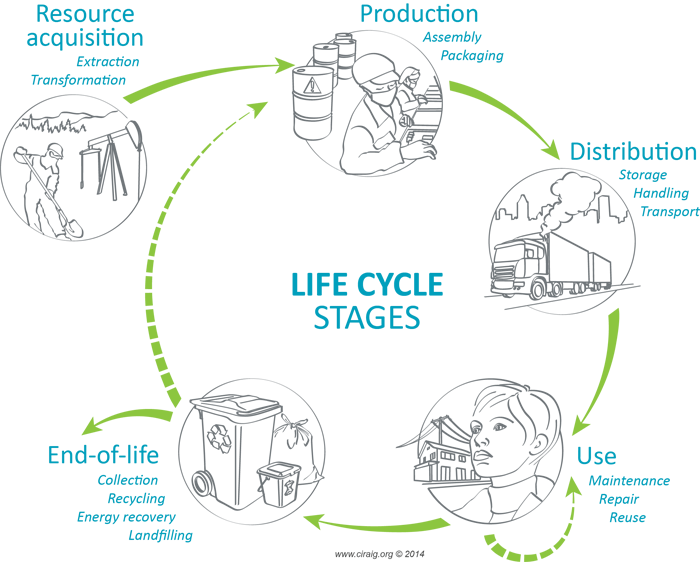
Sustainable consumerism uses products and services that fulfil human needs while reducing negative environmental impacts. It involves making conscious choices about what we buy, how we use products, and how we dispose of them. This approach recognises that our consumption habits have far-reaching consequences for the planet and future generations. At its core, sustainable consumerism is about doing more and better with less. It challenges the traditional model of consumerism, which often prioritises short-term gratification over long-term environmental sustainability. Instead, it encourages consumers to consider the entire lifecycle of products, from production to disposal, and make choices that minimise resource depletion, pollution, and waste.
The Impact of Consumerism on the Environment
Before we explore sustainable practices, it’s crucial to understand the environmental impact of traditional consumerism:
- Resource depletion: The continuous cycle of production and consumption puts immense pressure on natural resources, leading to their rapid depletion.
- Greenhouse gas emissions: A 2015 study found that the production and use of household goods and services were responsible for 60% of global greenhouse gas emissions. The average product results in carbon emissions 6.3 times its weight across its lifecycle.
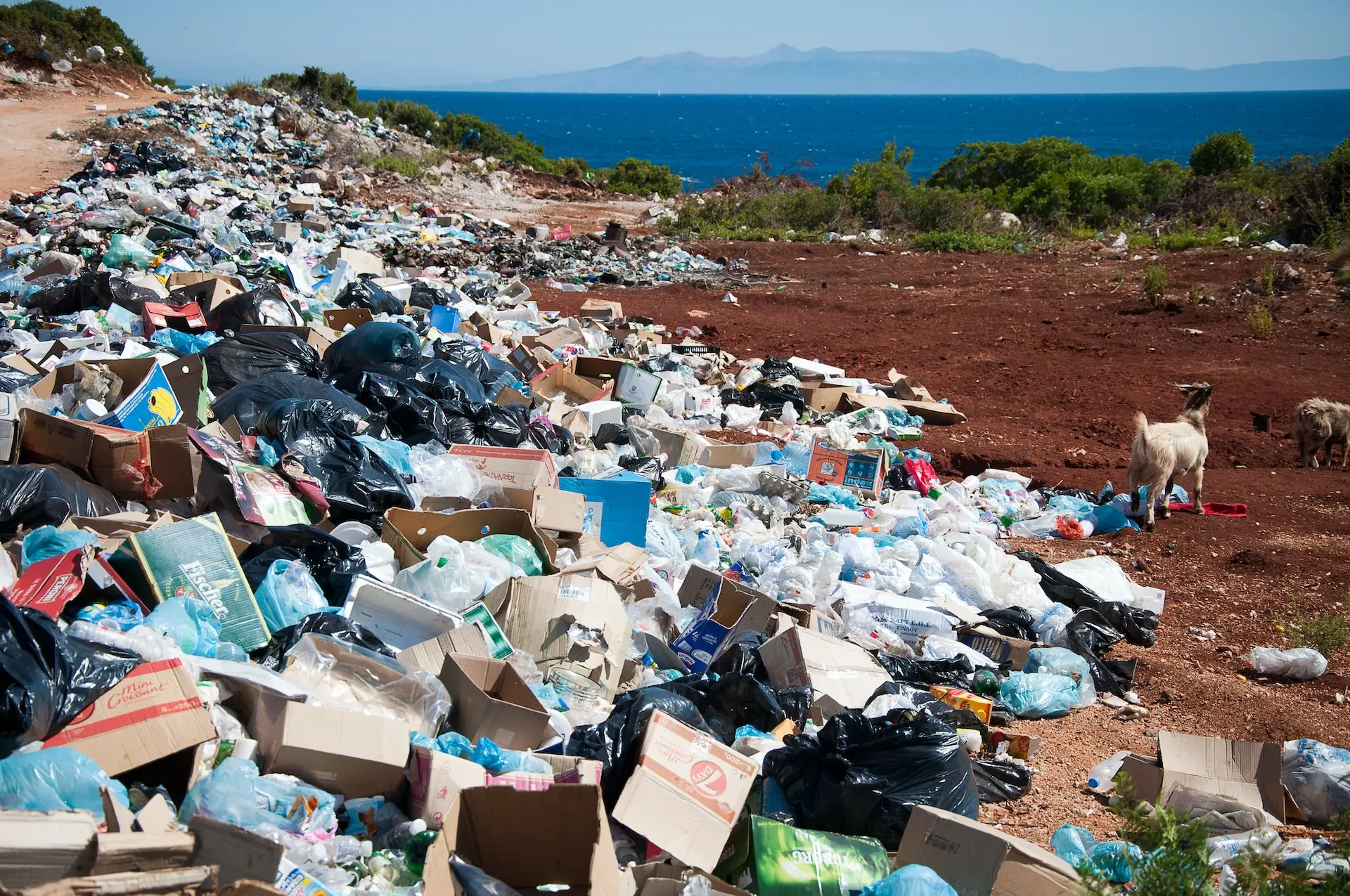
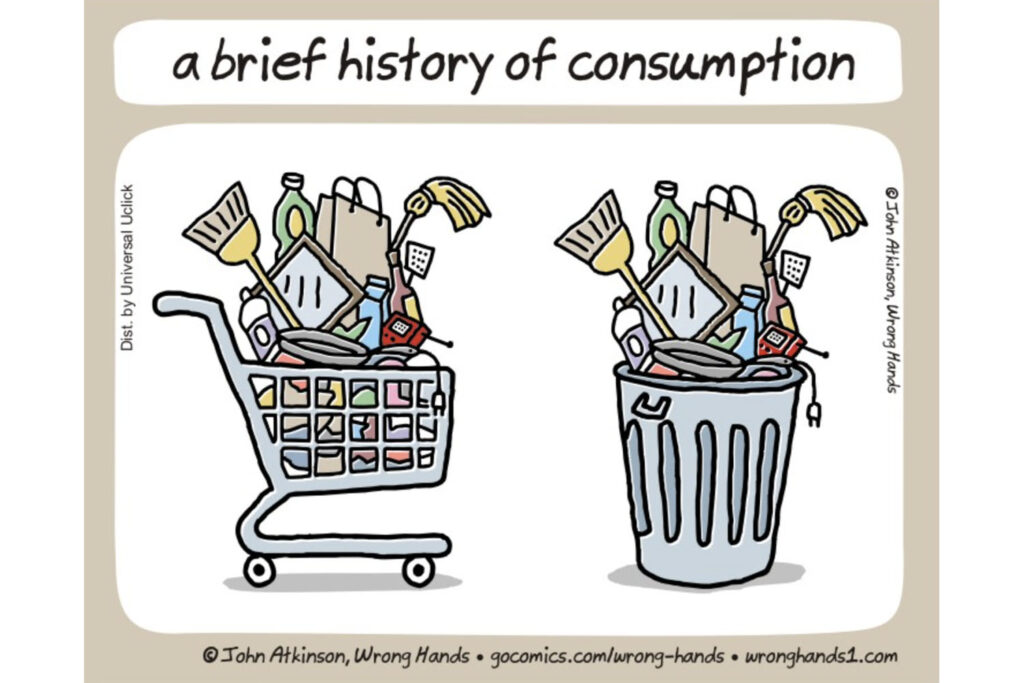
- Waste generation: The culture of disposability associated with consumerism has exacerbated the problem of waste, filling landfills with products that were once coveted but are now deemed obsolete.
- Pollution: The production, transportation, and disposal of consumer goods contribute significantly to air, water, and soil pollution.
- Ecosystem Disruption: The extraction of raw materials and disposal of waste can lead to habitat destruction and biodiversity loss.
Becoming a Sustainable Consumer
Transitioning to sustainable consumerism involves adopting a range of practices and mindsets.
Mindful Consumption: The first step towards sustainable consumerism is to become more mindful of our purchasing habits. This involves assessing needs vs. wants. Before making a purchase, consider whether the item is necessary or if it is driven by momentary desire. It also is about quality over quantity where one needs to invest in high-quality, durable products that will last longer, reducing the need for frequent replacements. A sustainable consumer also researches products and looks for products with eco-friendly certifications or those made by companies with strong sustainability commitments.
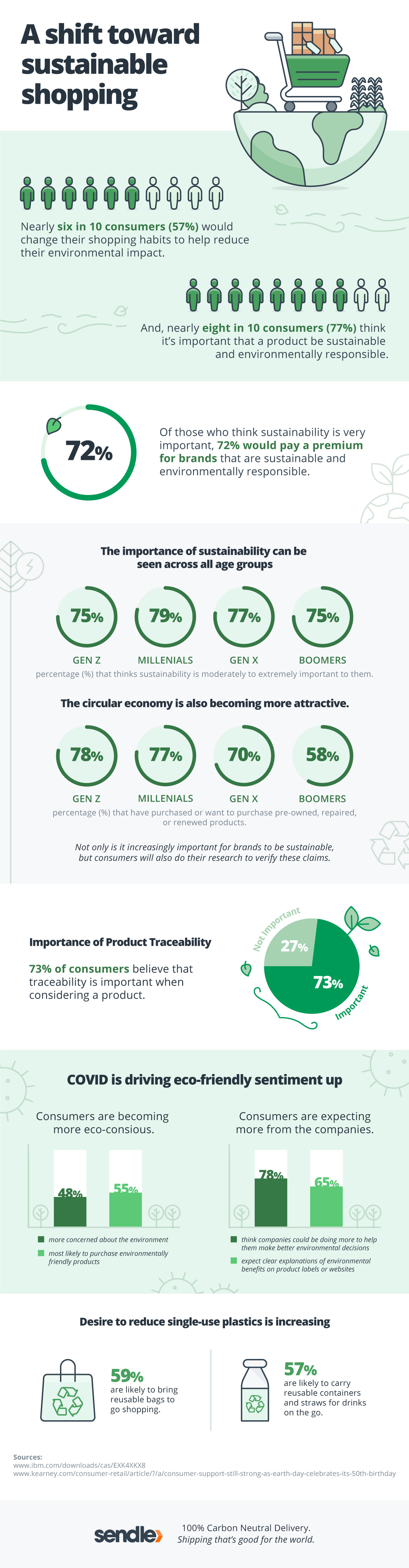
Reducing Single-use Items: Single-use products, especially plastics, are a significant source of waste and pollution. Sustainable consumers can use reusable containers for food storage and shopping, carry a reusable water bottle instead of buying bottled drinks, and choose products with minimal or recyclable packaging.
Embracing the Circular Economy: The circular economy model focuses on reusing, repairing, and recycling products to extend their lifecycle and reduce waste. Sustainable consumers can repair items when possible instead of replacing them, donate or sell usable items instead of discarding them, and recycle responsibly, following local guidelines for proper waste sorting.
Supporting Sustainable Brands: By supporting companies with strong sustainability practices, consumers can drive market demand for eco-friendly products. One should look for brands that use sustainable materials and production methods, have transparent supply chains, and implement take-back programs for their products.
Adopting a Minimalist Approach: Minimalism aligns well with sustainable consumerism by encouraging people to live with less. This can involve decluttering and only keeping items that add value to one’s life, borrowing or renting items used infrequently, and participating in the sharing economy for services and products.
Eating Sustainably: Food choices have a significant environmental impact. Sustainable consumers can reduce meat consumption, especially beef, which has a high carbon footprint, choose locally produced and seasonal foods to reduce transportation emissions and minimise food waste by planning meals and composting organic waste.
Considering Energy Efficiency: Energy use is a major contributor to greenhouse gas emissions. Sustainable consumers can choose energy-efficient appliances and electronics, opt for renewable energy sources when possible and implement energy-saving habits in daily life.
The Environmental Impact of Sustainable Consumerism
Adopting sustainable consumer practices can have significant positive impacts on the environment. By choosing products with lower carbon footprints and supporting companies with sustainable practices, consumers can help reduce overall greenhouse gas emissions. Sustainable consumption practices help conserve natural resources by reducing demand for new raw materials and promoting the use of recycled or renewable resources. By opting for durable, repairable products and minimising single-use items, sustainable consumers contribute to a significant reduction in waste generation. Reduced demand for resource-intensive products can help protect ecosystems from destruction due to resource extraction and pollution. Many sustainable products and practices also focus on water conservation, helping to preserve this vital resource. As demand shifts towards more sustainably produced goods, there can be a reduction in pollutants released into the air and water during manufacturing processes.

Balancing Choice and Environmental Impact
While sustainable consumerism offers numerous benefits, it also presents challenges, particularly in balancing personal choice with environmental responsibility. Here are some strategies for striking this balance:
Informed Decision-Making: Education is key to making sustainable choices without feeling overly restricted. By understanding the environmental impact of different products and services, consumers can make informed decisions that align with their values and needs.
Gradual Transitions: Shifting to sustainable consumerism doesn’t have to happen overnight. Start with small changes and gradually incorporate more sustainable practices into one’s lifestyle. This approach can make the transition feel less overwhelming and more achievable.
Finding Alternatives: For every conventional product, there’s often a more sustainable alternative. Explore these options to maintain variety in one’s choices while reducing environmental impact. For instance, if one enjoys fashion, look into sustainable clothing brands or second-hand shopping.
Quality of Life Focus: Remember that sustainable consumerism isn’t about deprivation, but about enhancing quality of life. Many sustainable practices, such as buying durable goods or eating locally sourced food, can improve one’s overall well-being while benefiting the environment.
Leveraging Technology: Use technology to one’s advantage in making sustainable choices. Apps and websites can help one find eco-friendly products, calculate their carbon footprint, or connect with local sharing economy initiatives.
Balancing Priorities: Recognise that it may not always be possible to make the most sustainable choice in every situation. Prioritise efforts where one will have the most impact, and don’t be too hard on oneself when compromises are necessary.
Collective Action: Remember that individual choices, when multiplied across many consumers, can drive significant change. Engage with the community, share sustainable practices, and advocate for policies that support sustainable consumption.
The Role of Business and Government
While individual actions are crucial, sustainable consumerism also requires support from businesses and governments. Business initiatives like implementing circular economy principles in product design and manufacturing, offering repair services and take-back programmes for their products and providing transparent information about the environmental impact of their products help in cultivating sustainability.
Government policies like implementing regulations that promote sustainable production and consumption, offering incentives for businesses and consumers who adopt sustainable practices, and investing in infrastructure that supports sustainable lifestyles, such as public transportation and recycling facilities will drive the sustainability playbook.
Sustainable consumerism represents a powerful approach to addressing environmental challenges while maintaining quality of life. By making mindful choices about what we buy, how we use products, and how we dispose of them, we can significantly reduce our environmental impact. The journey towards sustainable consumerism is ongoing and evolving. It requires a shift in mindset, a willingness to learn and adapt, and a recognition of the power of individual choices. While it may seem challenging at times, the benefits – both for individuals and the planet – are substantial.
As we move forward, it’s crucial to remember that sustainable consumerism is not about perfection, but about progress. Every small step towards more sustainable choices contributes to a larger movement for environmental protection and responsible resource use. By balancing our choices with environmental considerations, we can create a more sustainable future for ourselves and generations to come.
Sustainable consumerism is not just about what we buy, but about how we live. It’s about creating a lifestyle that values experiences over possessions, quality over quantity, and long-term well-being over short-term gratification. As we embrace these principles, we not only reduce our environmental impact but also often find greater satisfaction and fulfllment in our lives. The path to sustainable consumerism is a collective journey. It involves consumers, businesses, and governments working together to create systems and practices that support environmental sustainability. By making conscious choices in our daily lives and advocating for broader systemic changes, we can all play a part in building a more sustainable and resilient world.



 Memories and Such