2105 Week 44 Update

Surprisingly this week went by faster than I thought it would. Work-wise, it’s still the same. I don’t have enough work to fill the eight hours at work. The day I have something to occupy my time for atleast half the day, I am happy! I’ve realized it’s far more difficult to pretend to be busy and do work than to actually do something….

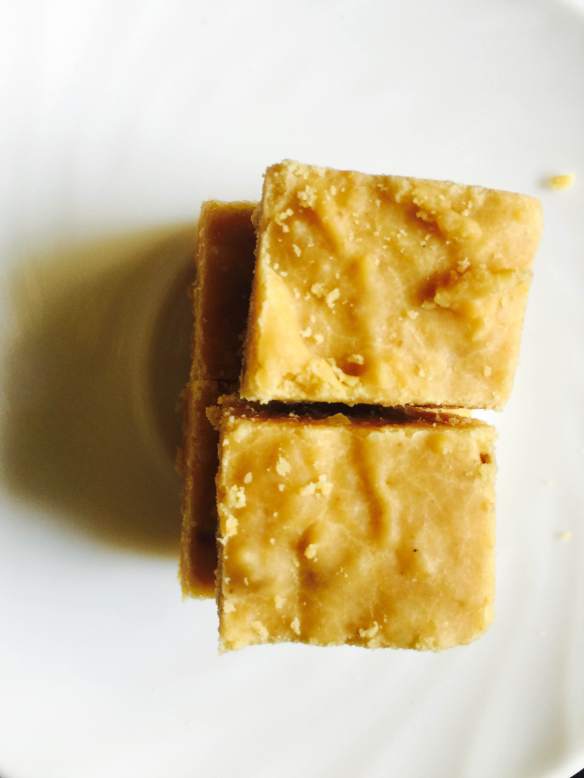
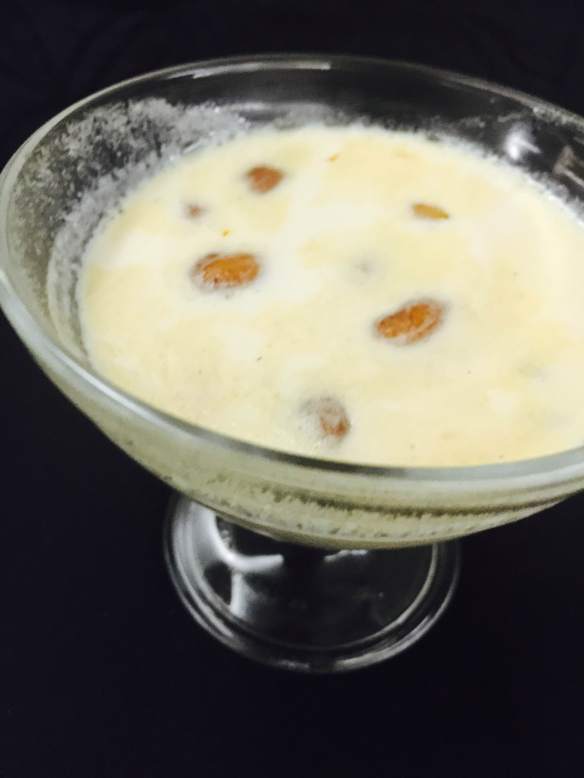
Tomorrow is Diwali, the festival of lights and probably the most important festival in the Hindu calendar for the year. I’ve been busy preparing sweets and savories and have over-extended myself this year. Hopefully by the end of the day, I actually finish making all that I have planned for…

Beofre the festival, people clean and if possible, renovate and decorate their homes. The festival is celebrated slightly differently in North and South India. What’s common is the creation of beautiful rangolis or patterns made from coloured flour outside homes and decorated with lamps. The lamps are kept lit throughout the night so as to invite Goddess Lakshmi, the Goddess of Wealth into your home. People also wear new clothes across the country on Diwali and burst fire crackers outside.

In South India, Diwali is celebrated as the day Lord Krishna defeated the evil demon Nakasura and is called Naraka Chaturthi. Here, traditionally, especially in Tamil Brahmin homes, if the festival falls on a new moon, everyone wakes up super early and the lady of the house first takes a bath and lights the lamp. Then one by one, family members come and sit in front of the lamp where the lady of the house will put some gingelly oil which has been prepared the previous evening on them. They then have a bath and come and prostate before the Lord, after which they get their new clothes. Before they start the feating which is typical of the festival, they are also given a medicinal legiyam which sort of helps digest all the fried food and sweets which you eat throughout the day.

In North India, the festival is celebrated as the day Lord Rama, from the epic, Ramayana was welcomed back home to Ayodhya in present day Uttar Pradesh along with his wife Goddess Sita and brother Lord Lakshmana after a 14 year exile. Lamps are lit to welcome the trio. Prayers are also said to Goddess Lakshmi, the goddess of wealth in the evening of Diwali.

Certain communities also welcome their new year on the last day of the celebrations.

Here’s wishing all of you a very Happy Diwali! May the festival of lights light up your lives and bring you happiness and abundant prosperity….

Festivals of India: Navratri

With the Ghatasthapana, yesterday marked the start of the nine days of revelry that is the Navratri festival. This festival, which pays homage to the female energy or shakti is dedicated to the nine major Goddesses of the Hindu Pantheon.

Navratri translates to Nav or nine and ratri or nights in Sanskrit. During the nine nights of Navratri, nine forms of Devi or the female energy are worshipped. The tenth day is celebrated as Dusshera or Vijayadashami or The Day of Victory. This comes about as this was the day Lord Ram (of the celebrated Hindu epic, Ramayana) defeated the Demon Lord king Ravana in what is present day Sri Lanka and freed his wife Goddess Sita who was imprisoned by Ravana. The two, along with Lord Rama’s brother Lord Lakshmana who had accompanied his brother and sister-in-law in their exile, then left for home as this day had also ended their fourteen years of exile. The enter the city of Ayodhya in north India around twenty days later, which is celebrated as the festival of Diwali in north India.

Navaratri represents a celebration of the Goddess Amba, (the Power). Navaratri or Navadurga Parva happens to be the most auspicious and unique period of devotional sadhanas and worship of Shakti (the sublime, ultimate, absolute creative energy) of the Divine conceptualized as the Mother Goddess-Durga, whose worship dates back to prehistoric times before the dawn of the Vedic age.

A whole chapter in the tenth mandal of the Rigveda addresses the devotional sadhanas of Shakti. The “Devi Sukta” and “Isha Sukta” of the Rigveda and “Ratri Sukta” of the Samveda similarly sing paeans of praise of sadhanas of Shakti. In fact, before the beginning of the legendary war between the Pandavas and Kauravas in the Mahabharata – a foundational Sanskrit epic in the Hindu tradition – Lord Krishna worshipped Durga, the Goddess of Shakti, for the victory of the Pandvas.

The Navaratri commences on the first day (pratipada) of the bright fortnight of the lunar month of Ashwin. The festival is celebrated for nine nights once every year during the beginning of October, although as the dates of the festival are determined according to the lunar calendar, the festival may be held for a day more or a day less.
This is how Navratri is celebrated in most parts of India, specifically in the north. The first day of Navratri is the Pratipada or Ghatastapana pooja, the second day called Dwitya is the Chandra Darshan Brahmacharini Pujan. The third day is the Tritiya day and the pooja that day is the Sindoor Tritiya Chandraghanta Pujan while the fourth or Chaturti day is the Varad Vinayaka Chauth. The fifth or Panchami day is the Upang Lalita Vrat Skandamata Pujan, while the sixth or Shashti and seventh or Saptami is devoted to the Godess of Learning or Saraswati with the Saraswati Awahan Katyayani Pujan on the sixth day and the Saraswati Puja Kalaratri Pujan on the seventh day. The eighth day is called Ashtami and is the day the Goddess Durga is worshipped with the Durga Ashtami Mahagauri Pujan Sandhi Puja or Maha Ashtami. The last day of the Navratri is called Navami and this day is when you worship your implements of your profession and is called Ayudha Puja or Durga Visarjan or Maha Navami. So on this day, students and professionals will put their books in front of a portrait of Goddess Saraswati, IT guys will worship their computers, farmers will worship their plough, tractors, other professionals will worship what they use the most….you get the point….
Everyday of the nine days has a colour associated with it. Sunday is red/maroon, Monday is white or cream, Tuesday is orange, Wednesday is green, Thursday is yellow, Friday is silver and Saturday is blue or peacock. Most people will try to wear the above colours during the nine days. I remember when I was working in India, almost everyone in the office would be wearing uniform colours depending on the day! I too try to wear the colours as much as possible, but working means you can’t wear colours like silver, so I try to incorporate it somewhere as much as possible.

In our neighbouring state of Gujarat, the Navratri is a huge festival, with the nights reserved for dance. Every day, everyone, be you young or old, will flock to communal grounds and dance the Garba and the Dandiya Raas! This practice is also very popular in Mumbai and I am also nostalgic about this festival when you get a chance to dress up and go and dance the night away!

In Tamil Nadu, dolls and idols are set up on tiers of steps called Golu. Usually in the evening, women and girls are invited to the house of the host and they are given turmeric and betel leaves, called vathailay paaku and asked to sing for the Goddess. On the ninth day, as mentioned, Saraswati Pooja is done which I have blogged before. Books, computers, musical instruments are placed before the Goddess and worshipped.

On the next day, which is Vijayadashami when good overcomes evil, children are encouraged to read the books. The tenth day is also a day for beginings. Most new ventures will start this day. I remember we did BB & GG’s vidhyarambham or the day children formally start learning when they were around two years old on a trip to India during Dusshera day. That day parents make the children write a holy word on a mound of rice and this kind of starts their formal learning journey. Most parents do it just before their children start school, but we did it earlier than usual as the children were scheduled to start daycare a few months after Dusshera and that India trip.

In the evening of “Vijayadasami”, any one doll from the “Kolu” is symbolically put to sleep and the Kalasa is moved a bit towards North to mark the end of that year’s Navaratri Kolu. Prayers are offered to thank God for the successful completion of that year’s Kolu and with a hope of a successful one the next year. Then the Kolu is dismantled and packed up for the next year.

Mysore, in the state of Karnataka is very well-known for it’s Navratri festivities, which is the state festival, with the royal family taking part whole heartedly. On the ninth day of Dasara, called Mahanavami, the royal sword is worshipped and is taken on a procession of decorated elephants, camels and horses. On the tenth day, called Vijayadashami, the traditional Dasara procession (locally known as Jumboo Savari) is held on the streets of Mysore. An image of the Goddess Chamundeshwari is placed on a golden howdah on the back of a decorated elephant and taken on a procession, accompanied by tableaux, dance groups, music bands, decorated elephants, horses and camels. The procession starts from the Mysore Palace and culminates at a place called Bannimantapa, where the banni tree is worshipped. The Dasara festivities culminate on the night of Vijayadashami with a torchlight parade, known locally as Panjina Kavayatthu.

In the eastern state of West Begal, the last four days of Navaratri are particularly celebrated as Durga Puja. This is the biggest festival of the year in this state and exquisitely crafted and decorated life-size clay idols of the Goddess Durga depicting her slaying the demon Mahishasura are set up in temples and other places. These idols are then worshiped for five days and immersed in the river on the fifth day. People in the state go puja mandal hopping and try to make it home irrespective of where they are in the world for the pooja!

Festivals of India: Ganesh Chaturthi

Ganpati Bappa Morya, Mangal Murti Morya”

With these words, hundreds of thousands of devotees across India would have welcomed the very loved elephant-head God, Lord Ganesh into their homes for his annual visit.

Lalbagcha Raja – 2014

The festival, also known as Vinayaka Chaturthi, is observed in the Hindu calendar month of Bhaadrapada, starting on the shukla chaturthi (fourth day of the waxing moon period). The date usually falls between August and September. The festival usually lasts for 10 days, ending on Anant Chaturdashi.

While the festival is celebrated all over the country and across the Indian diaspora, today’s post will mostly focus on the way it is celebrated in my home state of Maharashtra and is full of nostalgia….

Mumbaicha Raja – 2014

Earlier, homes in Maharashtra used to celebrate Ganesh Chaturti like others in India, by worshipping him in their homes. But all this changed in a large scale when the legendary freedom fighter Lokmanya Tilak, who impressed by the first Sarvajanik (Public) Ganesh idols installed by Shrimant Bhausaheb Rangari Ganpati, Bhudwar Peth, in Pune, praised it in his revolutionary newspaper Kesari and started using the concept of Sarvajanik Ganeshotsav to disseminate the concept of freedom from the British to the people of Mumbai. The concept then took up and has not looked back since then. Till around 20 odd years, it was mainly restricted to Maharashtra, but these days, you can find Sarvajanik Ganesh Pandals all over the country.

GSB Seva Mandal – 2014

Weeks before the festival, Ganesh Mandals (groups) would have decided on the theme of their Mandal and would have ordered the idol based on the theme. Then they would collect donations from the neighbourhood and using this would buy the decorations for their mandal. The mandals also vie with each other to put up the biggest statue and the best pandal and the duration of the idol’s visit would have cultural activities like singing and theater performances, orchestra and community activities like free medical checkup, blood donation camps, and charity for the poor.

The idols, both communal and the ones at home are worshiped in every morning and evening until the departure. The worship involves various offerings to the idol including flowers and durva. Each durva bunch has 21 shoots and the shoots have either three or five strands. Other offerings like modak also have to number 21 in Ganesh worship. The daily worship ceremonies ends with the worshipers singing the Aarti in honor of Ganesh, other Gods and saints. The Ganesh aarti sung in Maharashtra was composed by the 17th century, saint Samarth Ramdas.As per the tradition of their respective families, the domestic celebrations come to an end after 1, 3, 5, 7 or 11 days when the statue is taken in a procession to a large body of water such a lake, river or the sea for immersion. Due to environmental concerns, a number of families now avoid the large water bodies and instead let the clay statue disintegrate in a bucket or tub of water at home. After a few days the clay is used in the home garden. In some cities, a public eco-friendly process is used for immersion.

Some of the Ganesh idols in Mumbai are iconic, among them being Lalbagcha Raja and Mumbaicha Raja, which are usually one of the biggest idols in the city and GSB Seva Mandal’s idol where the idol is said to be made of gold and some of the ornaments are said to be made of diamonds!

What’s a festival without sweets and the neividhyam (offering) for Ganesh Chaturti is Modak or Kozhakottai as its called in Tamil. This is Lord Ganesh’s favourite sweet and different families have their own recipe to make this delicious sweet!

Writing this post is making me very nostalgic to be in Mumbai. In all the years that I’ve been away, I’ve never been able to get back for this festival. This is my favourite festival as Lord Ganesh is my ishtadev (favourite God) and I can remember how we went to major roads to see the Ganpati idols making their way to the pandals or go pandal-hopping the day of the festival and across the 10 days to see the major Ganpati idols or even standing for hours on Anant Chaturdashi day to see the idols being taken for immersion…

I’m going to leave you with the Aarti I love for Ganpati which is sung by the nightingale of India, Lata Mangeshkar. This song never fails to soothe my soul….

Ganpati Bappa Morya, Mangal Murthi Morya

Festivals of India: Sri Krishna Jayanthi

The festival season in India continues with Sri Krishna Jayanthi or Janmashtami tomorrow. This is the day Lord Krishna, the eight avatar of Lord Vishnu, was supposed to have been born. Also known as Gokulashtami or Sree Jayanthi, this festival is celebrated across the country, but more so in what is known as Braj Bhoomi or the regions where Lord Krishna grew up and became a young man, mostly in Northern India (present day Uttar Pradesh) and where Lord Krishna established his kingdom of Dwarka (in present day Gujarat).

Krishna was the eighth son of Devaki and Vasudeva. Based on scriptural details and astrological calculations, the date of Krishna’s birth, known as Janmashtami, is 18 July 3228 BCE and he lived until 18 February 3102 BCE. Krishna belonged to the Vrishni clan of Yadavas from Mathura, and was the eighth son born to the princess Devaki and her husband Vasudeva.

Mathura (in present day Mathura district, Uttar Pradesh) was the capital of the Yadavas, to which Krishna’s parents Vasudeva and Devaki belonged. King Kansa, Devaki’s brother, had ascended the throne by imprisoning his father, King Ugrasena. Afraid of a prophecy that predicted his death at the hands of Devaki’s eighth son, Kansa had the couple locked in a prison cell. After Kansa killed the first six children, and Devaki’s apparent miscarriage of the seventh (which was actually a secret transfer of the infant to Rohini as Balarama), Krishna was born.

Following the birth, Vishnu ordered Vasudeva to take Krishna to Gokul to Nanda and Yashoda, where he could live safely, away from his Uncle Kansa. Vasudeva took Krishna with him and crossed the Yamuna to reach Gokul. There, everyone was asleep; so he quietly kept him there and returned with Yashoda’s daughter. Kansa, thinking her to be Devki’s eight child, threw her on a stone. But she rose into the air and transformed into Yogmaya (who is Vishnu’s helper) and warned Kansa about his death. Then, she disappeared. Krishna grew up in Gokul with his brother, Balram. He then returned to Mathura and killed Kansa with the help of Balram.

Most people fast the night before Krishna’s birth and also place small cradles in the room to signify his birth, breaking their fast after midnight, the time when Lord Krishna was supposed to have been born.

In most of Maharastra, the festival is celebrated with the breaking of dahi handis which are pots of yoghurt tied high above the ground. Groups of young men (mostly) and women called Govindas go around the city and when they spy on the dahi handis, they form human pyramids and the person at the top of the pyramid attempts to break the handi. If successful, they win the prize money which would be inside the handi (or be given the prize by the organisers of the handi).

In South India, especially in the community I belong to, Sree Jayanthi is usually celebrated in the evening of the day Lord Krishna was supposed to be born. Kolams or decorative patterns made of rice flour are drawn outside the house and little footprints depicting Lord Krishna as a baby entering the house from the doorstep to the Puja room are made. In homes where there are little kids or toddlers, the feet of these toddlers are dipped in the kolam paste and they are made to walk across the house from the door to the pooja room. We did this for a couple of years when BB & GG were young. Since the young Krishna loved butter, this would be a major part of the offering. Other offerings include sweet and salty seedai (round balls made of flour).

Festivals of India: Raksha Bandhan

Tomorrow is Raksha Bandhan, a beautiful festival which celebrates the beautiful bond between a brother and his sister. Tomorrow  is also Avani Avittam, the only Hindu festival which is a men’s festival, as opposed to others where it’s women all the way. I’ve blogged about Avani Avittam before, so this post is mainly about Raksha Bandhan.

Known simply as Rakhi in India, not only is this festival celebrated between blood siblings, but also between people who consider each other as brother and sister. This festival is mainly celebrated in Northern and Western India, but these days, it is celebrated all over the country as well as in places where the Indian diaspora have settled down.

The literal meaning of Raksha Bandhan in Sanskrit is “the knot of protection”. A sister performs the Rakhi ceremony to her brother which incorporates her love for her brother and her wishes for his continued well-being and happiness. In return, the brother pledges to love and protect her under any and all circumstances. When brothers and sisters are far away from each other, sisters generally send their brothers their rakhi by post or courier. In return for the rakhi tied to his wrist, a brother generally gives his sister money or gifts as tokens of his love to his sister.

The festival has many myths surrounding it along with historical references. You can read them here, but some of the historical references are as ancient as the wife of Alexander the Great, Roxana, sending a Rakhi to King Puru asking him not to harm her husband in battle and Rani Karnavati of Chittor in present day Rajasthan sending a Rakhi to Emperor Humayun when Shah Bahadur, the sultan of Gujarat invaded her kingdom. Humayun rushed to help his sister, but arrived too late.

Avani Avittam and Raksha Bandhan are usually the start of the festive season for Hindus which goes on till almost the end of the year.

GG has been tying Rakhi to BB since she was less than a year old and I hope they continue doing this their whole life, irrespective of where in the world both may be. BB does not like to keep the Rakhi on, especially if it’s a school day, but this year, he has said he’ll keep it on the whole weekend!