Recipe: Sindhi Kadhi

sindhi-kadhi-2

Growing up in Mumbai, my closest neighbours were people who had fled Sindh in Pakistan after the partition and came to India as refugees. They were a joint family of four brothers and their families and the children in that family and me and my sister grew up together. Our front doors faced each other and growing up, the doors were only closed in the afternoons and at night. We were in and out of each other’s homes all the time and so food became one of the things we shared. Avial, sambhar, Idli, Dosai etc were favourites from our home to theirs and Samosas, Koki (a type of parathas), Sai Bhaji etc were our favourites from their home. I learnt to make many dishes from the aunties in that home and my mum learnt to make Sindhi Kadhi, which is a gravy dish from them too.

Over the Chinese New Year weekend, when I was wondering what to make for a sudden lunch invite to S’ uncle and aunt, I decided to make this version of Sindhi Kadhi. I didn’t exactly remember how my mum made it, so I turned online to source for a recipe. I used this recipe from Sanjeev Kapoor as my guide but played with it a bit. The main ingredient, as I remember used to be okra or ladies finger, but since I didn’t have that, I omitted it and added other vegetables.

sindhi-kadhi-1

Sindhi Kadhi

Ingredients:

  • 4 tsp gram flour or besan
  • 1 drumstick
  • 2 potatoes
  • 2 carrots
  • 7-8 beans
  • 1/2 tsp asafoetida
  • 1/2 tsp fenugreek seeds or methi
  • 1/2 tsp cumin seeds
  • 6-8 curry leaves
  • 3 tbsps oil
  • 2 tomatoes
  • 1/4 tsp turmeric
  • 1/2 tsp red chilli powder
  • 1 lemon sized ball of tamarind or 2 tbsp tamarind pulp
  • Salt to taste

Method:

  • In a large bowl, add the tamarind and pour hot water into it. Leave it for 20-30 mins and when cool to touch, squeeze the pulp and remove it. Strain the tamarind water and keep aside.
  • Chop all the vegetables into largish cubes and cut the drumstick into around 1.5-inch sticks.
  • Heat 2 tsp oil in a pan and stir fry the vegetables for a few minutes and aside.
  • In the same pan, heat the remaining oil and add the asafoetida, mustard seeds, fenugreek seeds, cumin seeds and curry leaves to the pan and sauté until fragrant.
  • Then add the gram flour and sauté until fragrant. Do not allow the gram flour to burn. When you smell a nice aroma from the gram flour, add around 1.5 cups of water and whisk well until the mixture is very smooth.
  • The mixture will thicken very quickly so you can add another cup of water to thin it. Add the sautéed vegetables.
  • In a hand food processor, crush the tomatoes or grate or chop them into very fine bits. Add this to the gravy which should be bubbling away by now. Add turmeric powder, red chilli powder and salt and mix well.
  • When the vegetables are almost cooked, add the tamarind juice or pulp and let them blend well. If the gravy is too thick, you can thin it with some water.
  • Check for seasoning and add what is missing and serve hot with rice.
  • I served this with my Caramelised Onion Pulao and a raita
sindhi-kadhi-1


Recipes: Caramelised Onion Pulao

caramelised-onion-pulao-3

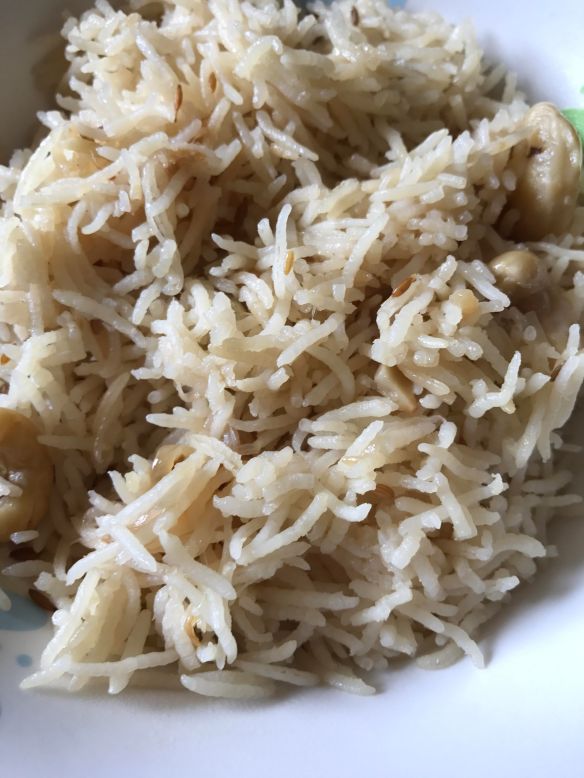
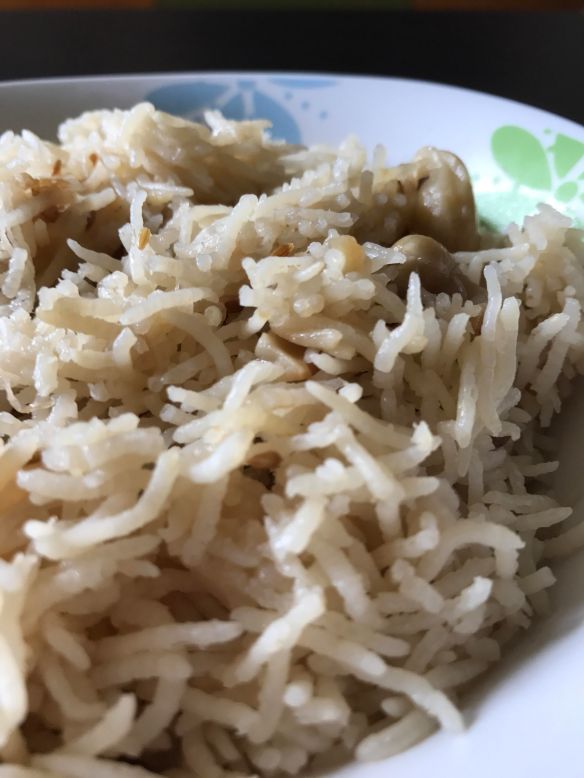
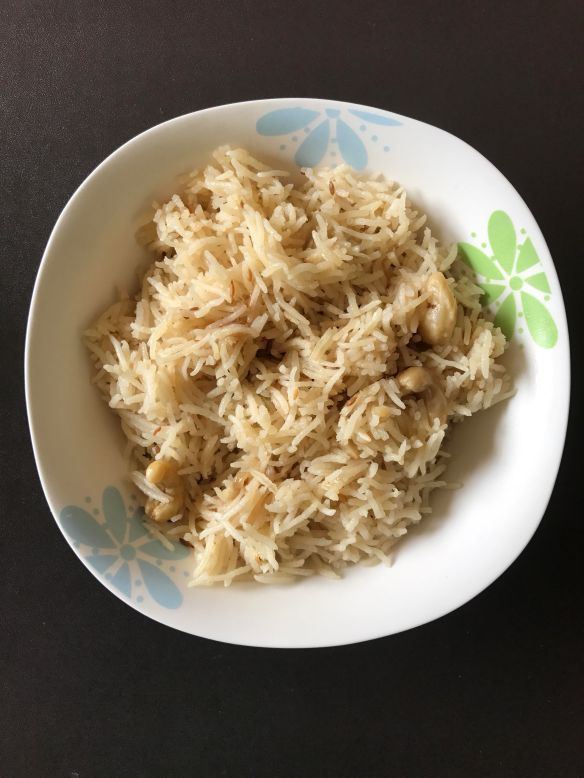
Over the Chinese New Year long weekend, suddenly S’ aunt and uncle said they would be coming to meet us. So we invited them to lunch instead. Since this was literally a last minute invite, I did not have any time to plan a meal and also since the shops were closed for the new year, I could not top up any groceries. So I made a meal with what I had at home. I made this Caramelised Onion Pulao which is inspired by a Sindhi rice dish I’ve eaten at my neighbour’s house in Mumbai called Bugha Chaanwara. I served this with a classic Sindhi Kadhi and some raita. A simple, but very satisfying meal.

caramelised-onion-pulao-1Caramelised Onion Pulao

Ingredients:

  • 2 cups basmati rice, soaked in water for 20 minutes and drained
  • 3 onions, finely sliced
  • 1 tsp cumin seeds
  • 4-5 cloves
  • 4-5 cardamom pods
  • Salt to taste
  • 2 tbsps ghee or oil
  • a handful of cashew nuts
  • 2 cups water

Method:

  • In a pan, heat the ghee or oil and when warm, add the onions and stir them to brown them.
  • Keep stirring and make sure they brown but do not burn. Stir them until they caramelise and become crisp.
  • Move the onions to the side of the pan and in the balance ghee or oil, add the cashewnuts and let them brown.
  • Next, add the cumin seeds and stir for a few seconds followed by the cardamom pods and cloves.
  • Now add the drained rice and salt to taste and stir well till the rice is completely mixed with the onions
  • Move this mixture to a rice cooker, add water and cook till done.
  • If you are cooking this on the stovetop, add water and check periodically till the rice is completely cooked.
  • The end result is a slightly brown and sweet rice which goes with any gravy.

caramelised-onion-pulao-2


Recipe: Instant Raw Mango Pickle

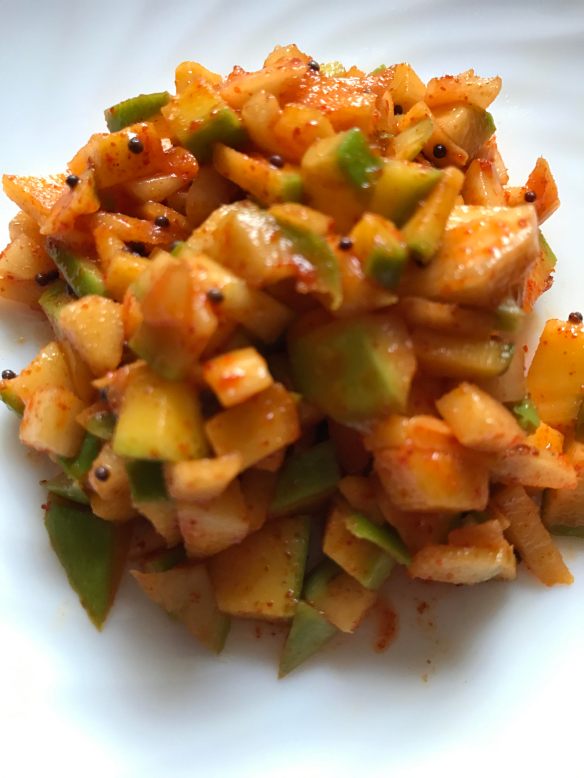
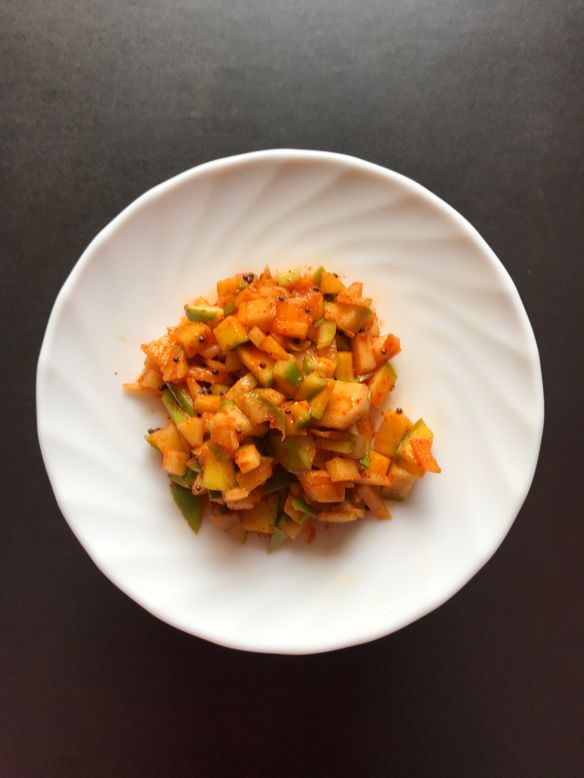
instant-mango-pickle-4Last year when I was in India, my mum made this and I really fell in love with the recipe. I was actually eating it like a snack, it was that tasty. I saw how she made it and came back and replicated a couple of times at home. I made this recently and thought to share it with everyone.

It’s a very simple and easy recipe with all ingredients (except the mangoes) which can be found in your kitchen. It also hardly takes any time to make, with only the cutting the mangoes the slightly tedious task.

This pickle stays good for a couple of weeks in the fridge, but it’s best to eat it soon. It also does not have any curing time, unlike traditional pickles.

instant-mango-pickle-1Instant Raw Mango Pickle

Ingredients:

  • 1 green, raw mango, chopped into tiny pieces
  • 1 tsp salt
  • 1 tsp red chilli powder
  • 1/2 tsp turmeric powder
  • 1/2 tsp asafoetida
  • 1 tsp sugar (optional)
  • 2 tbsps gingelly oil
  • 1 tsp mustard seeds

Method:

  • Wash and dry the mango and chop it into very small pieces
  • In a large pan, add the chopped mangoes, salt, sugar (if using), red chilli powder, turmeric powder and 1/4 tsp asafoetida and mix well.
  • In a smaller pan, heat the gingelly oil and when the oil starts smoking, put the mustard seeds and let them pop. Then add the asafoetida and pour the hot oil into the mango mixture. Mix thoroughly and store in a glass jar in the fridge.

instant-mango-pickle-2

instant-mango-pickle-5

instant-mango-pickle-3


Recipes: Stir-fry Potatoes

2A couple of weeks back when S’ cousins came home for dinner, I had made this potato dish which was inspired by the simple potato stir-fry from the northern state of Uttar Pradesh. This is a very simple dish to make but is slightly heavy on the masalas used. It was super yummy and since then BB & GG have been asking me to keep making this. This dish is a keeper and goes very well with any rice and dal combination as well as with any roti or Indian flatbread. When I make it for lunch, BB also takes it with him to school, as a filling for a sandwich.

1Potato Stir-fry, UP inspired

Ingredients:

  • 4-5 medium sized potatoes, scrubbed and washed well
  • 2-3 tbsps oil
  • 1 tsp cumin seeds
  • ½ tsp fennel seeds
  • ½ tsp ajwain seeds
  • Salt to taste
  • ½ to 1 tsp red chilli powder
  • 1 tsp Amchur or dry mango powder
  • ½ tsp coriander powder
  • 1 tsp cumin powder
  • ½ tsp garam masala powder

Method:

  • Wash and scrub the potatoes well. Then slice them into thick slices and then cut vertically into 1 inch sticks and slice the sticks finely. Wash well and keep aside.
  • In a pan, heat the oil and when the oil is warm, put the dry masalas one by one – cumin seeds, then fennel seeds, caraway seeds and stir for a couple of seconds. Then add the salt, red chilli powder, turmeric powder, asafoetida, dry mango powder, cumin powder and coriander powder and stir for a few seconds.
  • Then add the potatoes and stir and mix well so that the masalas mix well with the potatoes.
  • Cover and cook on a low flame for around 10-15 minutes or until it is almost done.
  • At this point, add the garam masala powder, stir well and cover to cook for another 5 minutes.
  • Check for seasoning and switch off the flame.
  • Enjoy the potato stir-fry with rice or any flat bread

3

Parenting: Importance of Breakfast


We all know that breakfast is the most important meal of the day. We’ve also heard the adage “Breakfast like a king, Lunch like a common man and Dine like a pauper”. Breakfast which literally means breaking the fast between dinner and the morning is one meal which should not be missed.


There are reports from the Healthy Child website which say there are around 20 – 30% of teens who do not eat breakfast before going to school.


The first meal of the day is very important in providing energy to your teen for their activities in school. School work takes up a lot of mental energy and those who don’t fill up adequately before going to school may find their energy dwindling down before recess and a chance to eat food.


I am very particular that BB & GG eat something to fuel up before school and so far they’ve not disappointed me here. But somehow since school started this year, they both on different days would decide that they are full from the previous night’s dinner and so don’t want breakfast. Nothing I say would make them change their mind. It’s not because they sleep on and wake up late and so there’s time for breakfast. They are ready much earlier than S but would prefer to use their phones to eating, though on days when they do eat breakfast, they do both simultaneously.

I usually give BB & GG the analogy of a car with no fuel which can’t run for long on reserve fuel when they don’t want to eat breakfast before going to school. I also believe that without a healthy and hearty breakfast you will not be able to concentrate in class which will hamper performance in school. This is because those who miss breakfast lack the glucose which is needed for neurotransmitters to function properly in the body.

I sometimes suspect most teens (and BB & GG) skip breakfast as a way to reduce or control their weight. This tactic actually backfires on them as a study found that teens who ate breakfast daily had a lower Body Mass Index or BMI and gained less weight compared to those who skipped breakfast.


So this, in essence, is why breakfast is the most important meal in a day, not just for teens, but for everyone. Does your teen skip breakfast? What do you do to make him/her eat a good breakfast before school?