Weaponised Incompetence: The Art of Avoidance

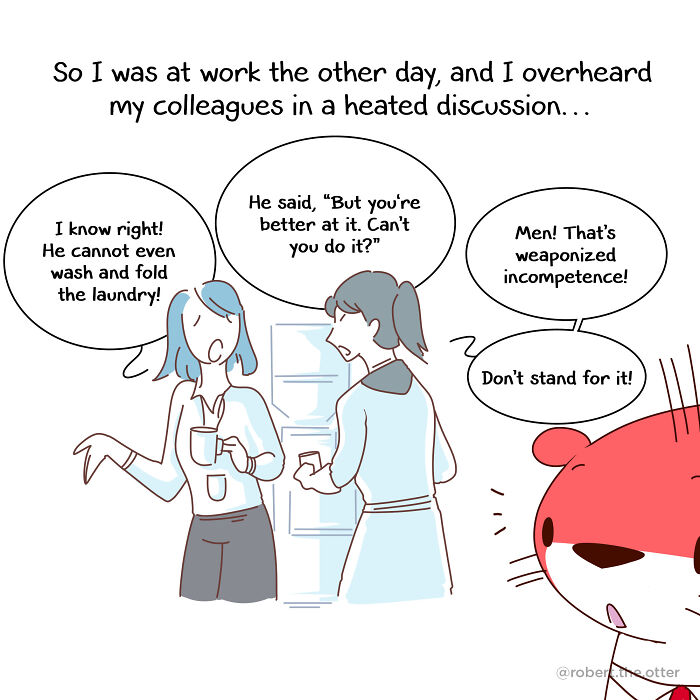
Incompetence, at its core, refers to the inability to perform tasks effectively due to a lack of skill, knowledge, or aptitude. While genuine incompetence stems from legitimate shortcomings, weaponised incompetence is a manipulative behavior where individuals feign inability to avoid responsibility or shift burdens onto others. This tactic can lead to frustration, resentment, and imbalances in relationships and workplaces.

Incompetence is broadly defined as the inability to perform tasks or fulfill responsibilities effectively. It manifests in various forms across different domains: Administrative incompetence refers to dysfunctional behaviours that hinder organisational goals, while legal incompetence is the inability of individuals to make decisions due to mental impairment, and military incompetence is the failures in judgment or execution within military operations. Social ineptitude is the struggle with interpersonal skills or social interactions. Incompetence may arise from a lack of training, experience, or aptitude. However, when incompetence is intentionally feigned for personal gain or avoidance of responsibility, it becomes weaponised.

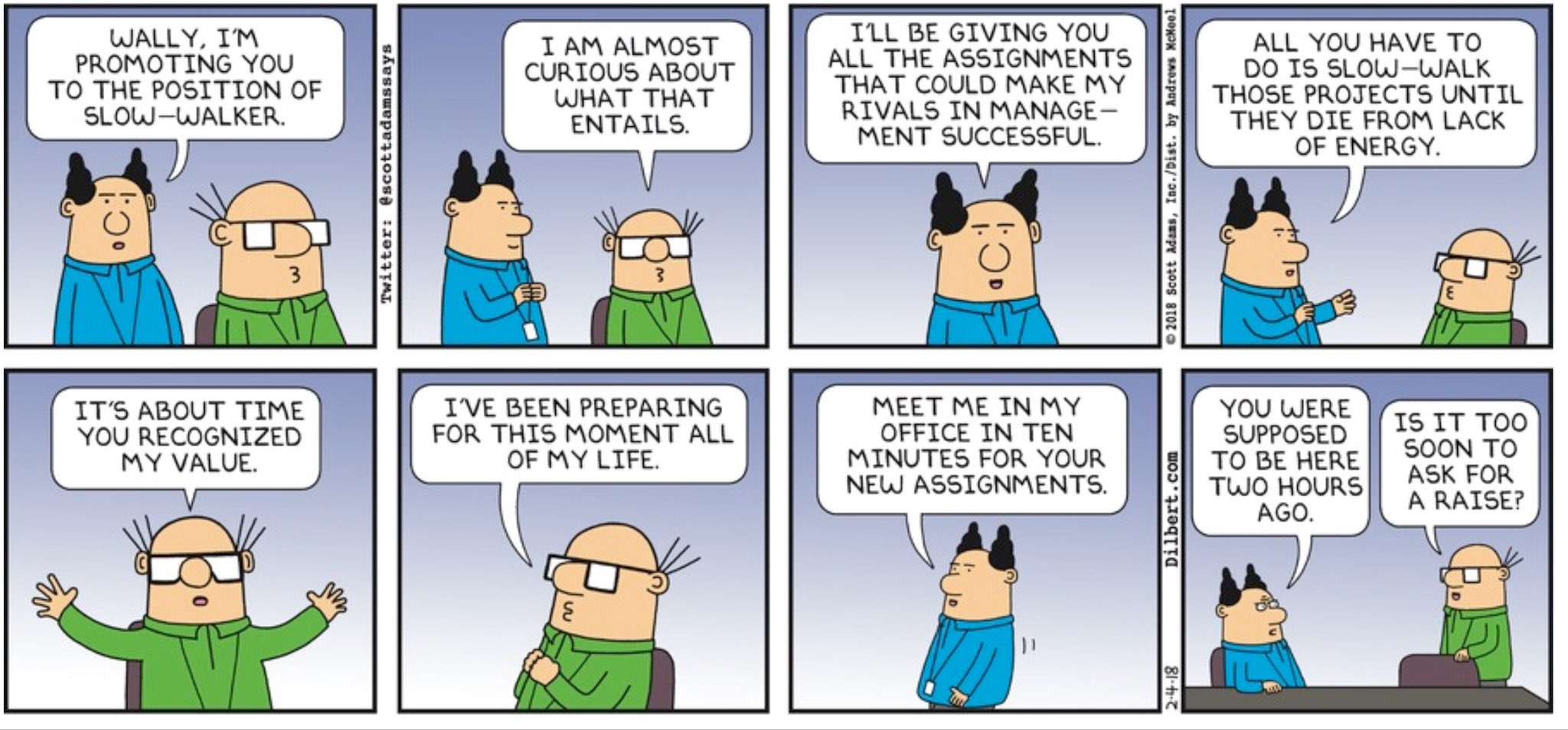
What is weaponised incompetence? Weaponised incompetence, also known as strategic incompetence, involves pretending to be incapable of performing tasks or intentionally doing them poorly to evade responsibility. This behavior often results in others taking over the task to ensure it is completed properly.

Key characteristics of weaponised incompetence include intentional underperformance, where one deliberately does tasks poorly or claims ignorance; manipulation, which is the shifting of responsibilities onto others through feigned inability; and imbalance, which creates unequal dynamics where one person bears an unfair workload.

Examples of weaponised incompetence include a partner consistently claiming they are “bad” at household chores like laundry or cooking, forcing the other person to take over, or a coworker who avoids group responsibilities by showing up unprepared or delegating their tasks under the guise of incompetence.

Why do people weaponise incompetence? Weaponised incompetence is often driven by psychological motives and personal dynamics. Understanding these underlying factors can help address the behaviour effectively.

Psychological motives include a desire for control whereby by feigning incompetence, individuals manipulate others into taking over tasks, maintaining control over how responsibilities are distributed. There is also a fear of failure where some people avoid tasks due to anxiety about performing poorly or being exposed as inadequate. Some individuals also need validation by creating dependency through perceived incompetence that ensures others seek their assistance, feeding their need for attention and affirmation.

In situational factors, when responsibility is avoided, weaponised incompetence allows individuals to shirk unpleasant tasks while ensuring they are completed by someone else. Power dynamics also play a role, as weaponised incompetence can reinforce existing imbalances in relationships or workplaces with unequal power structures.

Weaponised incompetence can have far-reaching consequences in personal relationships and professional settings. In relationships, romantic partnerships, or family dynamics, weaponised incompetence leads to emotional distress and resentment. Over time, it undermines trust and respect between partners. For example, one partner consistently avoids shared responsibilities like childcare or household chores, and the other partner feels burdened by the disproportionate workload.

Weaponised incompetence disrupts teamwork and productivity in workplaces and professional environments. It often manifests as poor contributions to group projects, delegating tasks under pretenses, and consistently underperforming while expecting others to compensate. These behaviours create frustration among colleagues and may hinder career growth for those forced to pick up the slack.

So, what are the strategies for addressing weaponised incompetence? When faced with weaponised incompetence, individuals can employ various strategies tailored to their specific situations. General approaches include recognising the manipulation by identifying patterns of feigned incompetence and acknowledging its impact on workload or emotional well-being. They also include setting boundaries, clearly defining expectations, and refusing to take over responsibilities unnecessarily. Finally, they can communicate effectively by using “I” statements to express feelings and encourage constructive dialogues about sharing tasks equitably.

In personal relationships, addressing weaponised incompetence in relationships requires patience and open communication. Frame conversations around teamwork, and instead of blaming your partner, discuss how both parties can contribute equally and highlight the importance of shared responsibilities for a healthy relationship. Offer support without enabling, and if your partner genuinely struggles with certain tasks, offer guidance or teach them how to improve. Avoid stepping in every time they underperform; let them face the consequences of their actions. If weaponised incompetence persists despite efforts to address it, consider counseling or therapy as a neutral space for resolving conflicts.

In workplaces, dealing with weaponised incompetence at work requires assertiveness and collaboration. Document patterns and keep records of instances where coworkers feign inability or fail to contribute effectively. Use this documentation when addressing the issue with supervisors or HR. Delegate tasks strategically and assign responsibilities clearly, and ensure accountability for completion. Avoid taking over tasks unless necessary. Foster a culture of accountability by encouraging teamwork by emphasising shared goals and mutual respect and advocating for policies that reward effort and penalise consistent underperformance.

When dealing with weaponized incompetence, prioritise your mental health. Practice mindfulness to manage frustration, seek support from friends or colleagues who understand your situation, and focus on maintaining balance in your own responsibilities without overextending yourself.

Weaponised incompetence is a subtle yet impactful form of manipulation that can strain relationships and hinder productivity in workplaces. By understanding its motivations and effects, individuals can develop strategies to address this behaviour effectively. Tackling weaponised incompetence requires patience and assertiveness, whether through boundary-setting, communication, or professional intervention. Ultimately, fostering personal and professional environments that value accountability and teamwork can mitigate the prevalence of this manipulative tactic. Recognising the signs early on empowers individuals to protect their well-being while promoting fairness in shared responsibilities.

International Equal Pay Day

On September 18th each year, the world observes International Equal Pay Day – a day dedicated to raising awareness about the persistent gender pay gap and advocating for equal compensation regardless of gender. This important observance highlights the ongoing struggle for wage equality and serves as a call to action for governments, businesses, and individuals to address pay discrimination and create more equitable workplaces.

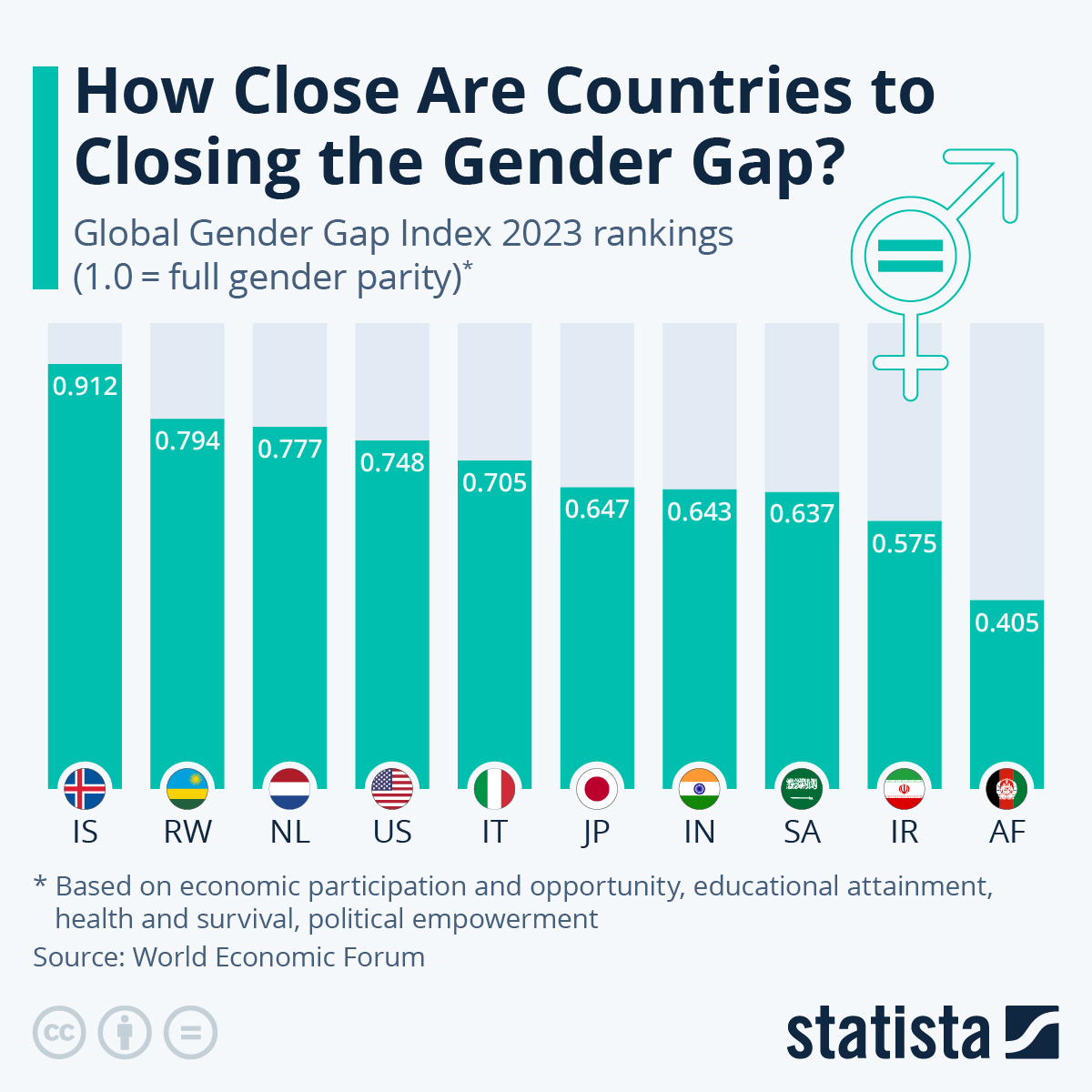
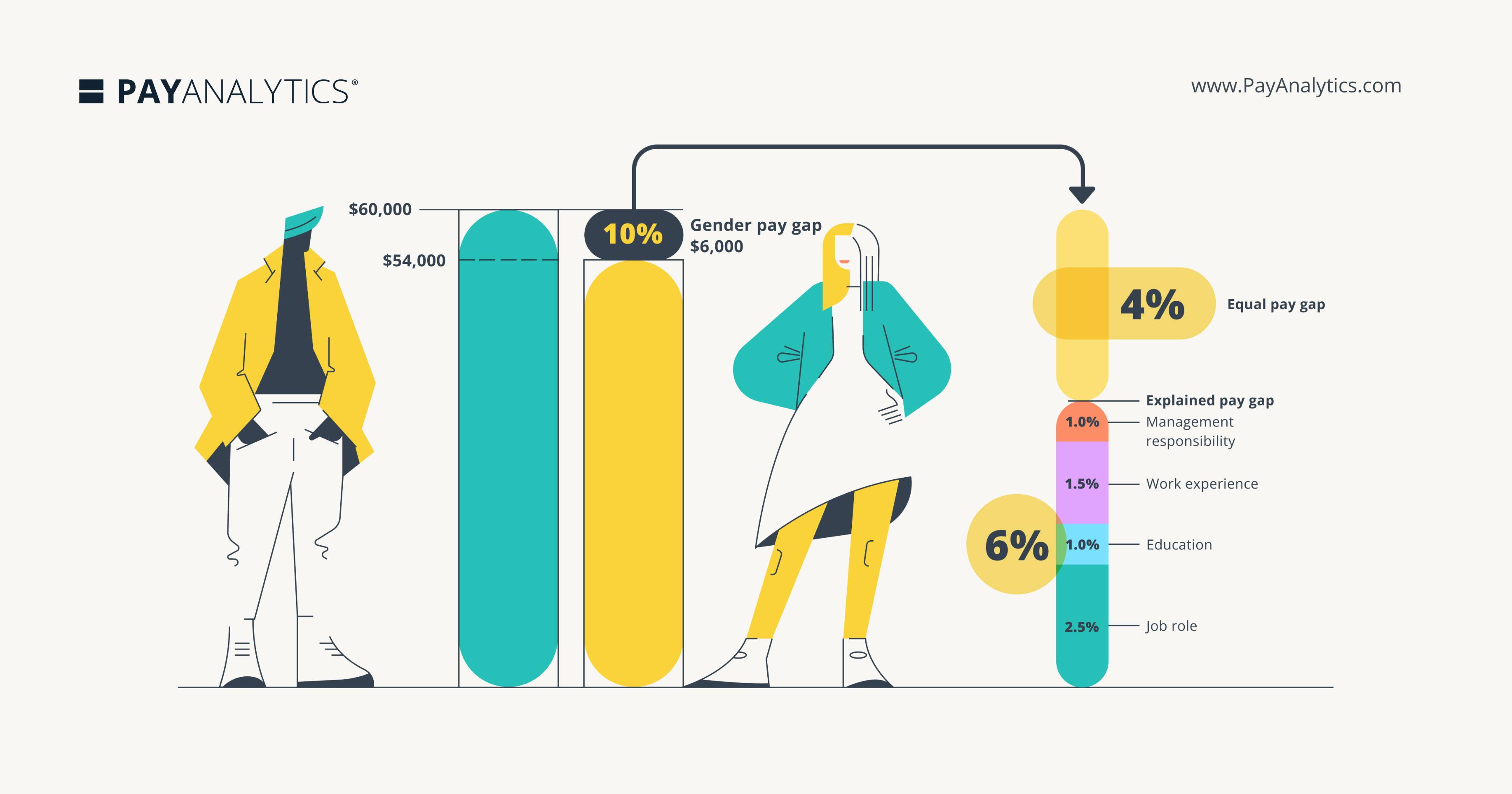
The gender pay gap remains a pervasive issue globally, with women on average earning less than men for work of equal value across nearly all industries and occupations. International Equal Pay Day shines a spotlight on this inequality and aims to accelerate progress towards achieving equal pay for work of equal value.

Equal pay for equal work is a fundamental human right and a cornerstone of gender equality. When women are paid less than men for the same work, it perpetuates gender discrimination and has far-reaching negative impacts on individuals, families, communities, and entire economies.

At its core, equal pay is about basic fairness and economic justice. When women are paid less for the same work, it devalues their contributions and sends the message that their labour is worth less. This violates the principle of equal pay for equal work and undermines notions of meritocracy and fair compensation. Paying women equally is simply the right thing to do from an ethical standpoint.

The gender pay gap contributes significantly to poverty rates among women and families. When women earn less, it reduces household incomes and makes it harder for families to make ends meet. Equal pay would boost incomes for women and families, helping to lift many out of poverty. This in turn improves quality of life, access to resources, and overall family well-being.

Closing the gender pay gap would provide a major boost to the global economy. When women have more income, they tend to spend more on goods and services, stimulating economic activity and growth. Some estimates suggest that achieving pay equity could add trillions of dollars to the global GDP. Pay equality allows economies to benefit from women’s full economic participation and purchasing power.

Research shows that companies with greater gender diversity and pay equity tend to outperform their less equitable peers. Equal pay helps businesses attract and retain top female talent, reduce turnover, increase productivity and innovation, and improve company reputation. Pay equity is increasingly seen as a competitive advantage for forward-thinking businesses.

The pay gap is both a cause and a consequence of broader gender inequalities in society. Closing the pay gap helps break down gender stereotypes, challenges occupational segregation, and creates more opportunities for women’s advancement. Equal pay is a crucial step towards achieving overall gender equality across social, political, and economic spheres.

When women earn less over their lifetimes due to the pay gap, it reduces their long-term economic security and increases their risk of poverty in old age. Equal pay allows women to accrue more savings, build greater wealth, and have more resources for retirement. This enhances women’s financial independence and security throughout their lives.

Achieving equal pay sends a powerful message to girls and young women that their work is equally valued and that they can aspire to any career. It helps break intergenerational cycles of inequality and creates more opportunities for the next generation. Equal pay sets an important precedent of fairness and equality for youth.

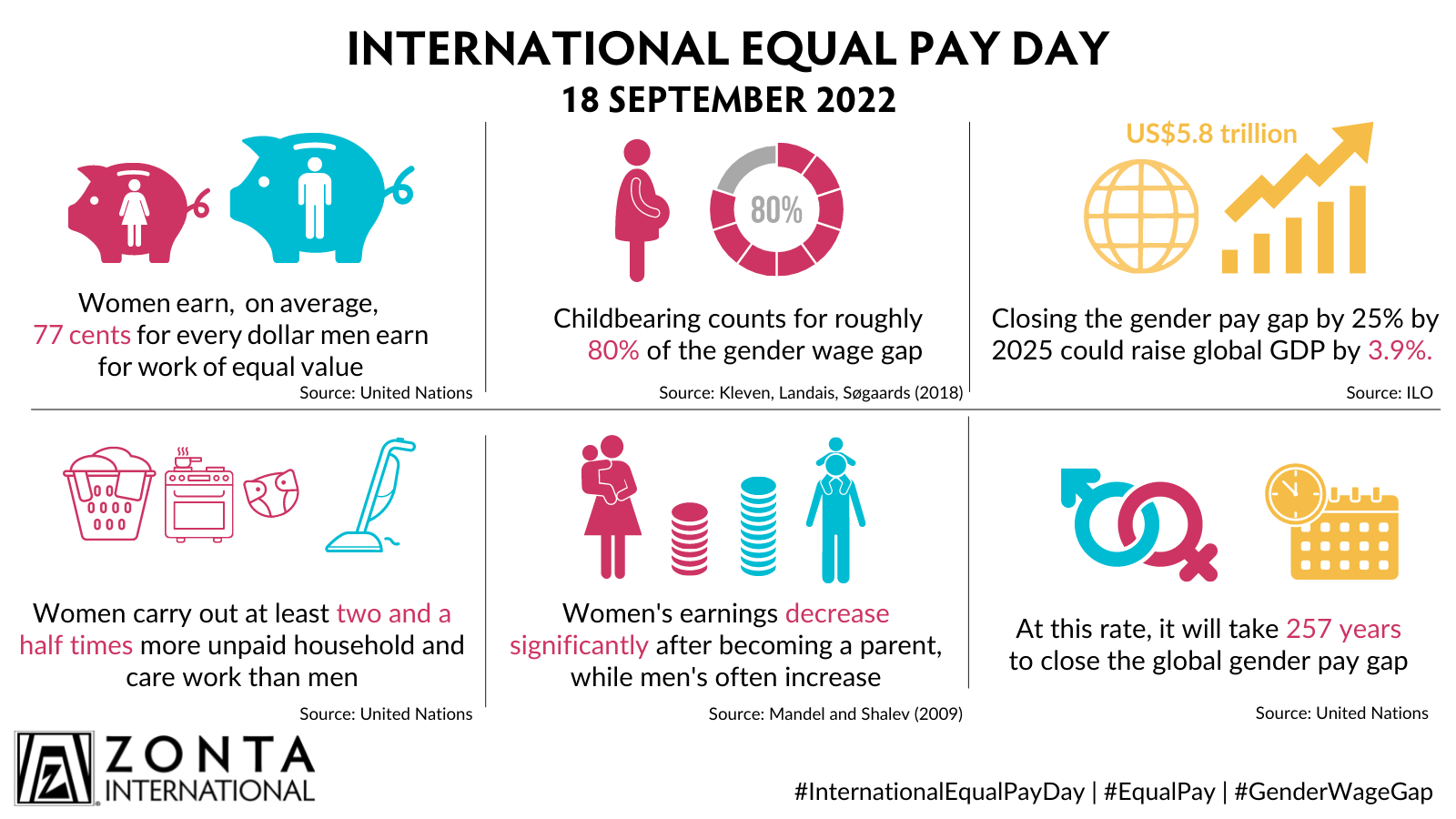
The date of September 18th for International Equal Pay Day was chosen deliberately to highlight how far into the year women must work to earn what men earned in the previous year. In other words, it symbolically represents the extra days women must work to catch up to men’s earnings. The September 18th date is based on global estimates that women earn on average about 77% of what men earn for work of equal value. This translates to a pay gap of about 23%. Mathematically, women would need to work about 70 extra days into the new year, or until September 18th to make up this 23% difference.

The specific date may vary slightly from year to year and differs in various countries based on their pay gaps. However, September 18th was chosen as a representative global date to create a unified day of awareness and action.

The September 18th date occurs near the end of the year to emphasise how long women must work to catch up. It falls on a weekday to highlight the issue in the context of the regular workweek. It’s after most schools are back in session, allowing for educational events. It avoids major holidays or national observances in most countries. The date provides time after summer vacations for organising awareness activities

By choosing a date that viscerally demonstrates the tangible impact of the pay gap, International Equal Pay Day aims to create a sense of urgency around addressing this persistent inequality. The September 18th observance serves as a powerful reminder that women are still playing catch-up when it comes to compensation.

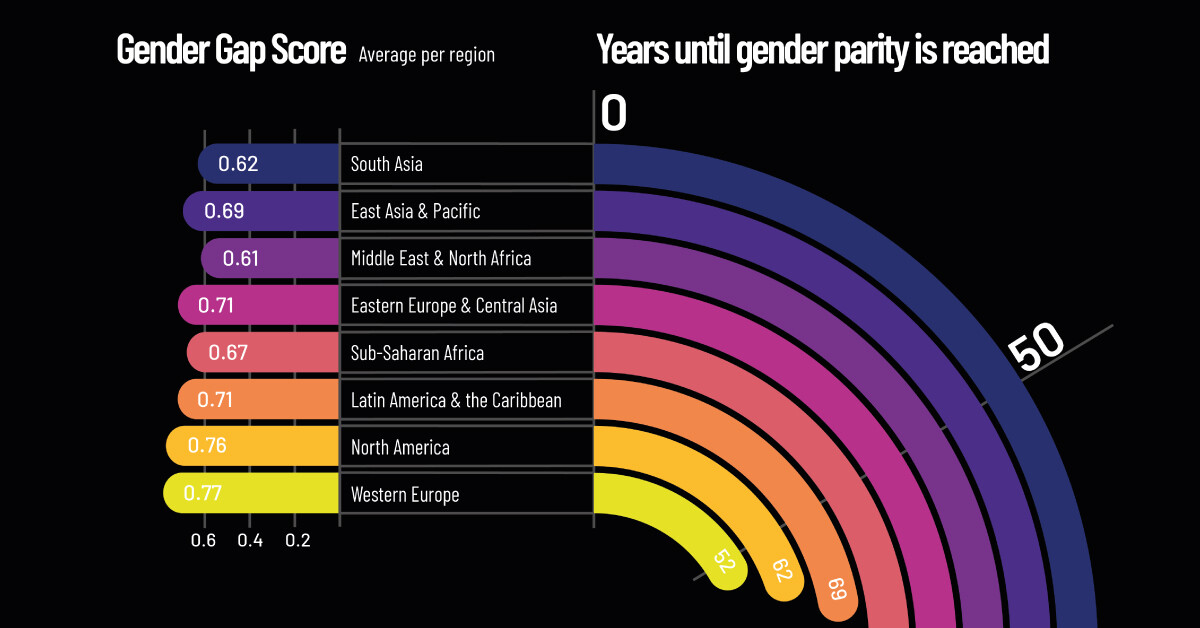
While progress has been made in recent decades towards narrowing the gender pay gap, significant disparities persist around the world. Worldwide, women earn on average 77% of what men earn for work of equal value. The global gender pay gap is estimated at 23%. At the current rate of progress, it will take 257 years to close the global gender pay gap. The pay gap tends to be smallest in countries with strong equal pay laws and social policies. Scandinavian countries like Iceland and Norway have some of the smallest pay gaps while the gap tends to be larger in developing countries and regions with weaker labour protections. The pay gap is often wider for women of colour, immigrant women, and other marginalised groups. Factors like race, ethnicity, age, disability status, and sexual orientation intersect with gender to impact pay. An intersectional approach is needed to address pay inequalities faced by diverse groups of women.

Women are overrepresented in lower-paying occupations and underrepresented in higher-paying fields. Even in female-dominated occupations, men tend to earn more and advance faster. Increasing women’s access to male-dominated, higher-paying fields is key to closing the gap. Women often face a “motherhood penalty” in pay and career advancement after having children. The pay gap tends to widen for women after becoming mothers. Better parental leave and childcare policies are needed to address this.

Women are underrepresented in senior leadership and high-paying executive roles. The pay gap tends to be largest at the top of the wage distribution. Getting more women into leadership positions is crucial for pay equity. While the numbers vary by country and context, the overall picture shows that the gender pay gap remains a persistent global challenge requiring continued focus and action. International Equal Pay Day serves as an important reminder of how much work remains to be done.

To effectively address the pay gap, it’s important to understand its complex root causes. The gender pay gap stems from a variety of interrelated factors. Despite laws against pay discrimination, both conscious and unconscious biases continue to impact hiring, promotion, and compensation decisions. Stereotypes about women’s capabilities and commitment can lead to lower starting salaries and fewer opportunities for advancement. Women are overrepresented in lower-paying fields and underrepresented in higher-paying STEM and leadership roles. This occupational segregation is influenced by societal expectations, education disparities, and discrimination.

Women still shoulder a disproportionate share of unpaid care work for children and family members. This can lead to career interruptions, reduced hours, and missed opportunities for advancement that impact long-term earnings. When pay information is not transparent, it’s harder to identify and address gender-based pay disparities. Secrecy around compensation allows pay discrimination to persist unchallenged. Research shows women are less likely to negotiate salaries and raises, and face backlash when they do. This can lead to lower starting salaries that compound over time.

Women are more likely to work part-time, often due to caregiving duties. Part-time work tends to pay less per hour and offers fewer opportunities for advancement. While women have made great strides in educational attainment, gaps remain in some fields. Limited access to training and professional development can also hinder women’s career progression. Jobs traditionally associated with women, like teaching and caregiving, tend to be paid less than male-dominated professions requiring similar skills and education.

With fewer women in senior decision-making roles, there are limited champions for pay equity initiatives and role models for aspiring female leaders. Weak or poorly enforced equal pay laws, along with limited paid leave and childcare support, create an environment where the pay gap can persist. Understanding these multifaceted root causes is essential for developing comprehensive solutions to close the gender pay gap. Effective strategies must address both individual factors and broader systemic issues.

Closing the gender pay gap requires a multifaceted approach involving governments, employers, and individuals.

What governments can do is strengthen and enforce equal pay laws, mandate pay transparency and reporting, implement comprehensive paid family leave policies, invest in affordable, high-quality childcare, promote women’s education and training in high-paying fields, set targets for women’s representation in leadership roles, and raise the minimum wage and improve protections for part-time workers.

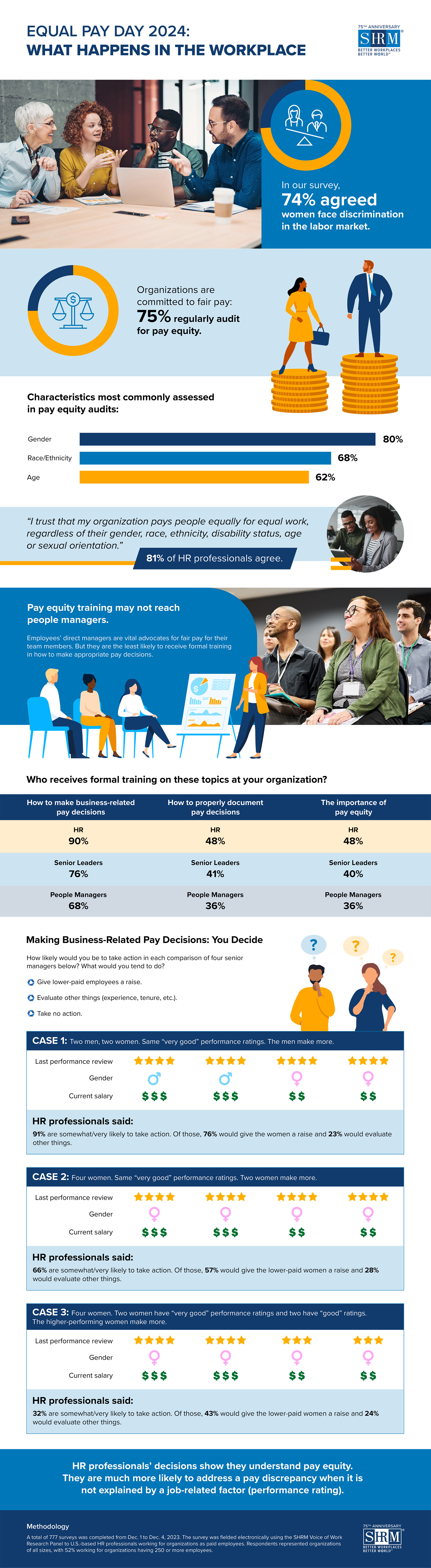
Actions that employers can take include conducting regular pay equity audits and addressing any disparities, implementing transparent pay scales and job evaluation systems, training managers on unconscious bias in hiring and promotion decisions, offering flexible work arrangements to support work-life balance, actively recruiting and promoting women into leadership positions, providing mentorship and sponsorship programmes for women, and offering paid parental leave and supporting returning parents

As an individual, one should educate oneself about the pay gap and one’s rights, research salary information and negotiate fair compensation, support and mentor other women in the workplace, join or form employee resource groups focused on gender equity, advocate for pay transparency and equity initiatives at one’s workplace, challenge gender stereotypes and biases when one encounters them, and share caregiving responsibilities more equally in one’s household.

Collectively, we should support organisations working to close the pay gap, participate in Equal Pay Day awareness events and campaigns, advocate for policy changes with elected officials, boycott companies with poor track records on pay equity, use social media to raise awareness about the pay gap, encourage men to be allies in the fight for pay equity, and join unions or professional associations advocating for fair pay.

By taking action at multiple levels – from government policies to workplace practices to individual behaviours – we can accelerate progress towards closing the gender pay gap. Every step, no matter how small, contributes to creating a more equitable world.

Data and transparency play a crucial role in identifying, understanding, and addressing the gender pay gap. Without accurate information on compensation across genders, it’s difficult to pinpoint where disparities exist and take targeted action to close them. Comprehensive pay data allows organisations to identify where gender-based pay gaps exist within their workforce. This data can reveal patterns across departments, job levels, and demographic groups. Regular collection and analysis of pay data enables tracking of progress over time. This allows organisations and policymakers to assess the effectiveness of various initiatives and adjust strategies as needed. Robust data on the pay gap informs the development of evidence-based policies at both the organizational and governmental levels. It helps policymakers understand the scope of the problem and design targeted interventions.

Transparent reporting of pay gap data raises awareness among employees, stakeholders, and the public. This increased visibility can create pressure for change and hold organizations accountable. When employees have access to pay information, they are better equipped to negotiate fair compensation and challenge discriminatory practices. Transparency reduces information asymmetry in salary negotiations. Public reporting of pay data allows for benchmarking and identification of best practices. Organisations can learn from peers who have successfully narrowed their pay gaps.

In many jurisdictions, pay data reporting is becoming a legal requirement. Transparency initiatives help organisations stay compliant with evolving equal pay laws. Openness about pay practices demonstrates a commitment to fairness and can build trust with employees, customers, and investors. It shows that an organization has nothing to hide.

To leverage the power of data and transparency, organizations and governments should conduct regular pay equity audits, implement pay transparency policies, publicly report gender pay gap data, use standardised metrics for consistent reporting, analyse intersectional data to understand disparities among different groups, invest in data collection and analysis capabilities, and foster a culture of openness around compensation. By embracing data and transparency, we can shine a light on pay disparities and create the accountability needed to drive real change.

While closing the gender pay gap is fundamentally about fairness and equality, there is also a strong business case for pay equity. Companies that prioritise fair compensation regardless of gender often see significant benefits. Organisations known for pay equity are better positioned to attract and retain top talent, particularly women, who are increasingly prioritising fair pay when choosing employers. When employees feel they are compensated fairly, they tend to be more engaged, motivated, and productive. Pay equity contributes to a positive workplace culture. Diverse teams with equitable pay practices tend to be more innovative and creative, bringing a wider range of perspectives to problem-solving.

Companies that demonstrate a commitment to pay equity often enjoy improved reputations among customers, investors, and the general public. This can translate into brand loyalty and increased market share. Proactively addressing pay equity reduces the risk of costly discrimination lawsuits and regulatory penalties. It’s often more cost-effective to address disparities early than to face legal challenges later. Research suggests that companies with greater gender diversity and pay equity tend to outperform their less equitable peers financially. Pay equity can contribute to stronger bottom-line results.

When women are fairly compensated and represented at all levels of an organization, it leads to more balanced and effective decision-making. Many investors now consider gender pay equity as part of their environmental, social, and governance (ESG) criteria. Companies with strong pay equity practices may be more attractive to socially conscious investors. For companies serving diverse customer bases, pay equity helps ensure the workforce better reflects and understands its customers, leading to improved products and services.

As pay equity becomes increasingly important to employees, customers, and regulators, companies that address it now will be better positioned for future success. By recognising and leveraging these business benefits, companies can align their financial interests with the ethical imperative of pay equity. This creates a win-win situation where doing the right thing also drives business success.

International Equal Pay Day serves as a powerful reminder of the ongoing struggle for wage equality and the importance of closing the gender pay gap. While progress has been made, significant disparities persist, requiring continued focus and action from governments, employers, and individuals.

The reasons for prioritising equal pay are compelling – from basic fairness and economic justice to improved business performance and accelerated economic growth. By addressing the root causes of the pay gap and implementing comprehensive solutions, we can create more equitable workplaces and societies.

As we commemorate International Equal Pay Day on September 18th, let it serve not just as a day of awareness, but as a call to action. Every person has a role to play in advancing pay equity, whether through advocating for policy changes, implementing fair practices in the workplace, or challenging biases in our daily lives.

Closing the gender pay gap is not just about numbers on a paycheck – it’s about valuing women’s contributions equally, creating opportunities for advancement, and building a more just and prosperous world for all. As we strive for wage equality, we move closer to realizing the full potential of half the world’s population.

In My Hands Today…

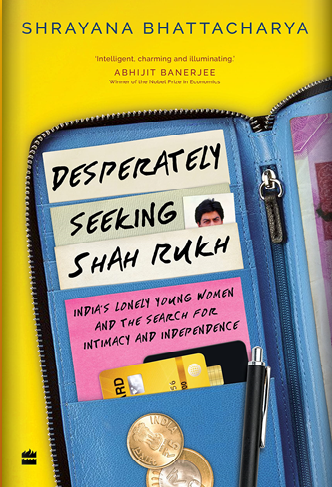
Desperately Seeking Shah Rukh: India’s Lonely Young Women and the Search for Intimacy and Independence – Shrayana Bhattacharya

In this pathbreaking work, Shrayana Bhattacharya maps the economic and personal trajectories—the jobs, desires, prayers, love affairs, and rivalries–of a diverse group of women. Divided by class but united in fandom, they remain steadfast in their search for intimacy, independence, and fun. Embracing Hindi film idol Shah Rukh Khan allows them a small respite from an oppressive culture, a fillip to their fantasies of a friendlier masculinity in Indian men. Most struggle to find the freedom—or income—to follow their favourite actor.

Bobbing along in this stream of multiple lives for more than a decade—from Manju’s boredom in ‘rurban’ Rampur and Gold’s anger at having to compete with Western women for male attention in Delhi’s nightclubs to Zahira’s break from domestic abuse in Ahmedabad—Bhattacharya gleans the details on what Indian women think about men, money, movies, beauty, helplessness, agency, and love. A most unusual and compelling book on the female gaze, this is the story of how women have experienced post-liberalization India.

The Pink Tax: Gender-Based Pricing Discrimination

Today, gender equality is essential because, over the years, it has been found that men and women are both needed for the running of a successful and progressive society. While substantial strides have been made toward bridging the gender gap, some subtle yet significant inequalities persist, one of which is the infamous “Pink Tax.”

What is the Pink Tax? The pink tax refers to the phenomenon where products and services marketed specifically toward women are more expensive than those marketed toward men. This phenomenon is often attributed to gender-based price discrimination, which means that women pay more for everyday items such as personal care products, clothes, toys, and even financial services. However, research shows that the primary cause is women sorting into goods with higher marginal costs. The name “Pink Tax” comes from the traditional association of the colour pink with femininity and its symbolism in gender stereotypes.

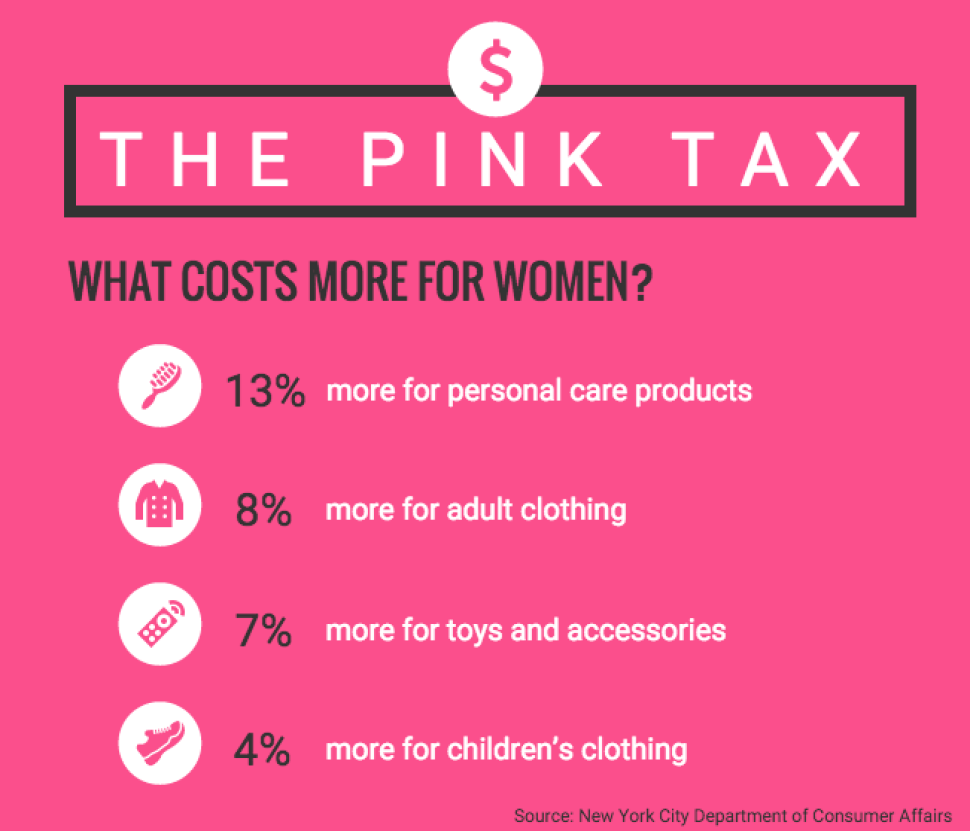
The Pink Tax can be traced back to the early 1990s in the United States when consumer advocates and researchers began to notice the discrepancy in prices between gender-segregated products. The New York City Department of Consumer Affairs conducted one of the first comprehensive studies on gender-based pricing in 1995. Their research revealed that women paid significantly more for nearly identical products than men, an average of around 7% more. This included items like razors, deodorants, and haircuts. In the toy sector, girls’ toys cost on average 7% more than boys’ toys. The study showed a side-by-side comparison of a Radio Flyer scooter where the red scooter costs $24.99 and a pink scooter, identical in all ways but colour, costs $49. In children’s apparel, girls’ clothes were 4% more expensive than boys’. Women’s clothing was 8% more expensive than men’s clothing. The largest discrepancy came to personal care and hygiene products, where women’s products cost 13% more than men’s. The researchers found that manufacturers and retailers justified the higher prices for women’s products, citing factors like higher production costs or special features. However, these justifications did not always align with the actual price differences. This raised concerns about a potential pattern of systematic gender discrimination.

Over the years, the Pink Tax debate gained momentum, attracting attention from activists, lawmakers, and media outlets worldwide. Consumer groups pushed for transparency and pricing equality, urging companies to end this discriminatory pricing practice. Despite increased awareness, progress remained slow.

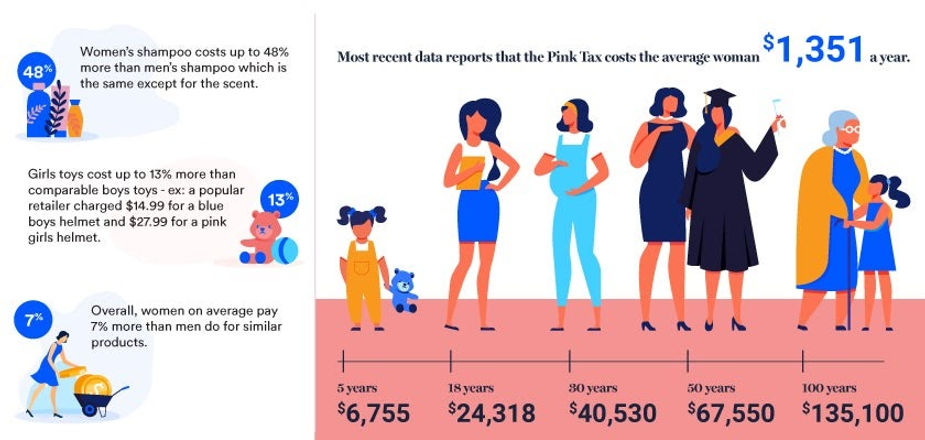
The Pink Tax is not confined to any one country or region. Its impact is felt across the world, perpetuating gender inequality and affecting women’s purchasing power. According to a 2018 study conducted by the European Parliament, women in Europe were found to spend about 7% more on everyday products compared to men. This extra cost amounted to an average of €1,370 per year per person.

In the UK, women and girls were being charged on average 37% more for toys, cosmetics, and clothes than their male counterparts. The UK also faces the Pink Tax on school uniforms. Girls’ school uniforms are 12% more expensive than boys’ uniforms. This goes for both primary and secondary school-age children. In recent times Argentina women pay 12% more than men for the same products. In 2021 the gap was at 11% and went up the following year in 2022.

In the United States, a study by the New York City Department of Consumer Affairs in 2015 found that women paid approximately 7% more than men for similar products. Another study by the University of Central Florida in 2018 revealed that, on average, products targeted at women cost 13% more than similar products marketed to men.

A study by the Times of India in 2018 found that products marketed to women were priced up to 50% higher than equivalent products for men. This disparity encompassed personal care items, clothing, and toys. Japan, known for its traditional gender roles, is not immune to the Pink Tax. A study conducted by Osaka City in 2018 revealed that women’s products were priced around 24% higher than men’s products. In South Korea, a survey by the Korean Women’s Development Institute in 2019 found that women’s personal care products were priced 11% higher than men’s. According to a 2017 study by the Ministry of Commerce, women’s clothing and personal care products in China were priced 17% higher than men’s. In Singapore, a check by The Sunday Times on ten companies found that women pay more for some products and services, like dry cleaning and razors, offered by about half of these companies. Additionally, women in Singapore have to pay more premiums for Careshield Life, a national long-term care insurance scheme introduced by the government.

There are many reasons why the pink tax exists, including tariffs, product discrimination, and product differentiation. There are many suggested causes of this discrepancy, including price elasticity and the belief that women are more prepared than men to pay higher prices for their purchases. Other reports suggest that marketing targets women to pay higher prices as ethical consumers. According to The Washington Post, women are more likely to spend more money on improving their appearance, because not doing so is associated with the risk of losing revenue. Some studies showed that attractive people tend to earn higher salaries, receive higher grades in school, receive shorter prison sentences, and are more likely to be hired and promoted in the workplace. This factor is not relevant for men.

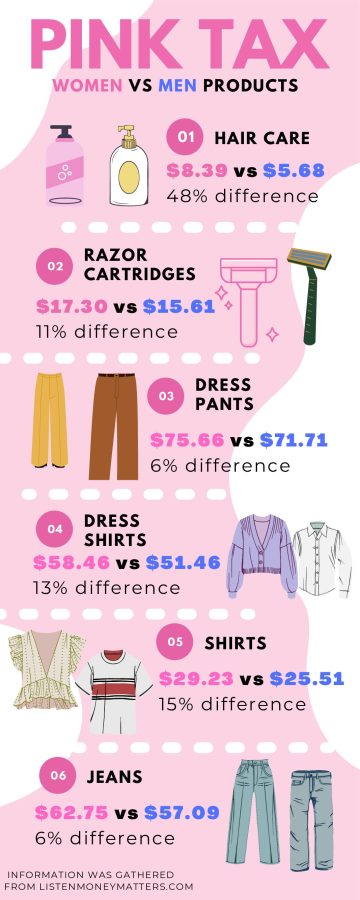
Some people argue that product differentiation can account for a portion of the difference between the prices of men’s goods and women’s goods. For example, a pink scooter may cost more than a red scooter because it is more expensive to paint a scooter pink than red, assuming such a large difference for this reason of production would be because the red scooters are the larger production, and pink scooters are in the minority. However, there has never been any evidence presented, for example, that pink paint costs more than red paint or blue paint, thereby creating cost differentials in colour-coded items geared toward different genders. The Pink Tax also arises in services like haircuts or dry cleaning. Likewise, in dry cleaning, some people argue that men’s clothing tends to be more uniform while women’s clothing tends to have a lot of variabilities which can make it harder to clean. They also argue that pressing machines, normally made for men’s clothing, are more difficult to use on women’s clothes, which results in the dry-cleaners resorting to hand-pressing the clothing.

The reason those who campaign against the pink tax claim it to be so problematic is that higher prices for goods and services arise from gender alone, with no underlying economic justification such as higher costs of production in goods. Women’s and men’s razors are essentially the same, and distinguishing between them is simply a marketing strategy. People who have a greater need to buy a product are often willing to pay much more, leading to price discrimination. Women are often subjected to this in the tampon and sanitary napkin market creating a marginalised group among women who are “period poor”.

Criticism of the pink tax includes the principle that the idea robs women of agency and choice by suggesting that women are so easily brainwashed by marketing that they are prevented from choosing the lesser-priced but otherwise “identical” male-marketed alternative. Instead, critics have attributed the pricing disparity to market forces and stated that if women continue to buy a more expensive pink razor, it is because they see some utility or additional aesthetic that they are willing to pay for. Substantive differences in price may indicate differences in the marketability of different products. Critics argue that although seemingly identical products and services may be differently priced, the emotional experiences and perceived value are different.

A more recent study pointed out methodological flaws in the influential 2015 study from the New York City Department of Consumer Affairs. According to the study, the products considered in the report account for less than 6% of category sales and were not selected at random. While the sample was constructed by subjectively pairing men’s and women’s products, the study found that most pairs in the sample differ in their ingredients. They argue that a systematic analysis of the evidence reveals when comparing products made by the same company with the same leading ingredients, men’s products were more expensive in 3 out of 5 categories and that the findings do not support the existence of a systematic price premium for women’s products.

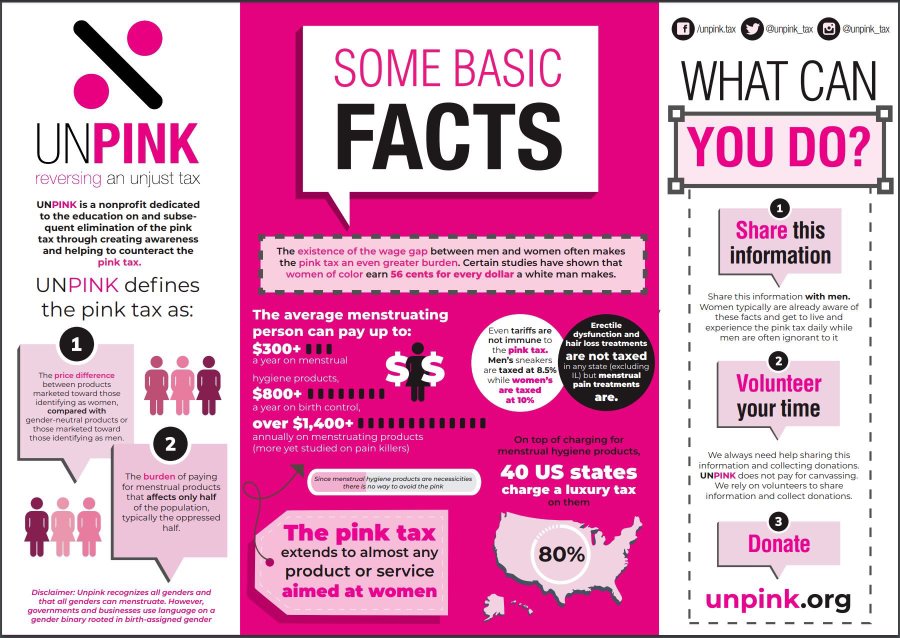
Activists and politicians argue that the economic impact of the pink tax is that women have less purchasing power, especially paired with the gender-based pay gap. Wage gaps and pension gaps already put women at a disadvantage when it comes to purchasing power. Women currently make a statistical average of 89 cents for every $1 a man earns in the United States, meaning women statistically, on average, have less income to spend on goods and services. This alone gives men more money and, ultimately, more buying power. The pink tax further contributes to the economic inequality between men and women. It is also argued that paying more for goods and services marketed to women while women earn less than men means men hold the majority of the purchasing power in the economy. Taxes on feminine hygiene products that men don’t need further contribute to this discrepancy. The Pink Tax’s impact extends beyond the financial burden on individual consumers. It reinforces harmful gender stereotypes and perpetuates the idea that women’s products and services are secondary or inferior. This discriminatory practice undermines gender equality efforts and restricts women’s economic empowerment.

Combatting the Pink Tax requires a multi-faceted approach involving consumers, policymakers, and businesses. There has to be an increase in awareness about the Pink Tax so that consumers are empowered to make informed choices and demand pricing transparency. Activists and policymakers should collaborate to introduce legislation that addresses gender-based pricing discrimination and ensures fair pricing practices. Companies should examine their pricing strategies and eliminate any unjustified price discrepancies between gender-segregated products.

The Pink Tax is a pervasive issue that demands attention and action from all segments of society. By understanding its origins and impact, we can work collectively to dismantle this discriminatory practice. Governments, businesses, and consumers must come together to challenge the status quo and build a more equitable future where gender-based pricing discrimination becomes a thing of the past. Empowering women economically should be a shared goal, and eradicating the Pink Tax is a significant step in that direction. Let us unite our voices to create a world where pricing is fair, just, and free from gender bias.

In My Hands Today…

Without Children: The Long History of Not Being a Mother – Peggy O’Donnell Heffington

A historian of gender explores the complicated relationship between womanhood and motherhood In an era of falling births, it’s often said that millennials invented the idea of not having kids. But history is full of women without some who chose childless lives, others who wanted children but never had them, and still others—the vast majority, then and now—who fell somewhere in between. Modern women considering how and if children fit into their lives are products of their political, ecological, and cultural moment. But history also tells them that they are not alone.

Drawing on deep research and her own experience as a woman without children, historian Peggy O’Donnell Heffington shows that many of the reasons women are not having children today are ones they share with women in the a lack of support, their jobs or finances, environmental concerns, infertility, and the desire to live different kinds of lives. Understanding this history—how normal it has always been to not have children, and how hard society has worked to make it seem abnormal—is key, she writes, to rebuilding kinship between mothers and non-mothers, and to building a better world for us all.