Benefits of an afternoon nap

In today’s fast-paced world, where productivity and efficiency are often prioritised over rest, taking an afternoon nap might seem counterintuitive. However, science and tradition both suggest that this simple practice can offer profound benefits for physical health, mental acuity, emotional well-being, and overall productivity.

The need for an afternoon nap varies among individuals due to biological, lifestyle, and environmental factors. Some key reasons are:

Circadian rhythms: Human circadian rhythms naturally dip in the early afternoon, leading to a decrease in alertness and energy levels. This phenomenon is often referred to as the “post-lunch dip” or “afternoon slump.” The release of melatonin, a hormone that regulates sleep, occurs not only during nighttime but also slightly after lunch, biologically programming many people to feel drowsy during this time.

Sleep deficiency: People who do not get adequate sleep at night often feel the need for a nap during the day. Adults require seven or more hours of sleep per night to maintain optimal health; insufficient sleep can lead to fatigue, impaired cognitive function, and mood disturbances.

Age-related changes: Older adults frequently experience changes in their sleep patterns due to aging. They may sleep less at night and rely on daytime naps to compensate for reduced nighttime rest.

Lifestyle factors: High-stress jobs, irregular work schedules (e.g., shift work), or physically demanding activities can increase the likelihood of daytime sleepiness. For these individuals, an afternoon nap serves as a restorative break.

Health conditions: Certain medical conditions such as sleep apnea or chronic fatigue syndrome may necessitate daytime naps as part of managing symptoms.

To understand why an afternoon nap is beneficial, it’s essential to examine the ideal sleep schedule for adults. Sleep experts recommend a combination of nighttime rest and occasional daytime naps for optimal health.

Adults should aim for 7–9 hours of uninterrupted sleep per night. This duration is critical for maintaining physical health, cognitive function, and emotional balance. Sleep occurs in cycles comprising light sleep, deep sleep, and REM (rapid eye movement) sleep, all of which serve distinct purposes. Research indicates that naps taken early in the afternoon before 3 pm are most effective. Napping later in the day can disrupt nighttime sleep patterns. The ideal nap length is 20–30 minutes for a quick energy boost without entering deep sleep stages that may cause grogginess upon waking. For individuals recovering from significant sleep debt or engaging in intense physical activity, longer naps may be appropriate. Maintaining regularity in both nighttime sleep and napping schedules is crucial for long-term health benefits. Irregular sleeping patterns can lead to circadian rhythm disruptions.

Why is an afternoon nap essential for productivity? An afternoon nap offers numerous benefits that directly impact productivity and overall performance during the second half of the day.

A short power nap can significantly improve alertness, concentration, and decision-making abilities. Studies show that napping enhances memory consolidation by transferring information from short-term to long-term storage. This is particularly useful for professionals who need to retain complex information or solve problems creatively.

Napping has been shown to elevate mood by reducing stress hormones like cortisol while increasing serotonin levels. Well-rested individuals are less likely to experience irritability or emotional fatigue, making them better equipped to handle challenges later in the day.

Chronic stress can impair productivity by affecting focus and motivation. Afternoon naps provide a mental reset by promoting relaxation and reducing anxiety levels. For individuals engaged in physical activities or sports, napping enhances reaction times, coordination, and stamina. It also aids muscle recovery after intense workouts.

Creative professionals often find that napping stimulates imagination and problem-solving skills by allowing neural connections in the brain to realign during rest periods. Fatigue is a major contributor to workplace errors and accidents. A brief nap improves alertness and reaction times, reducing risks associated with drowsiness.

Beyond productivity gains, afternoon naps contribute significantly to overall health. Regular napping has been linked to lower blood pressure and a reduced risk of heart disease. Naps promote heart health by decreasing stress levels and inflammation. Adequate rest strengthens immune function by regulating cytokine production, proteins essential for fighting infections. Naps complement nighttime sleep in ensuring immune resilience. Cultures where napping is common often report longer life expectancies due to the improved physical and mental well-being associated with regular midday rest.

To maximise the benefits of an afternoon nap while avoiding potential downsides like grogginess or disrupted nighttime sleep, keep it short and limit naps to 20–30 minutes unless recovering from severe fatigue, nap early and aim to nap before 3 pm. Create a comfortable environment by using a quiet space with dim lighting and avoid caffeine before napping, as stimulants can interfere with the ability to fall asleep. Lastly, perhaps the most important tip is to listen to your body and pay attention to signs of fatigue or reduced focus as cues for when a nap might be beneficial.

An afternoon nap is far more than just a luxury; it’s a scientifically supported practice with wide-ranging benefits for cognitive function, emotional well-being, physical health, and productivity. While not everyone may feel the need for daytime rest due to individual differences in lifestyle or biology, incorporating a short nap into your routine can be transformative, especially during periods of high stress or fatigue.

By understanding your body’s natural rhythms and optimising your sleep schedule with both nighttime rest and strategic napping, you can unlock greater energy levels and efficiency throughout your day while promoting long-term health benefits that extend far beyond just feeling refreshed after lunch.

Abbott FreeStyle Libre Review

“Awareness is the first step toward balance.”

When you live with diabetes, you quickly learn that no two days are ever quite the same. Some mornings feel steady; others are unpredictable. For years, I managed this dance with the help of finger-prick tests: tiny, fleeting snapshots of my glucose that left me guessing about everything in between.

I had heard about the Freestyle Libre and to be honest, I resisted it for a while because while I hated the needle pricks, I also didn’t want a needle poked into my skin for two weeks. But during my trip to Europe, I decided that I will take the plunge and decided to give the sensor a try to see if it made any difference to my glucose levels and if it changed the way I understand my body.

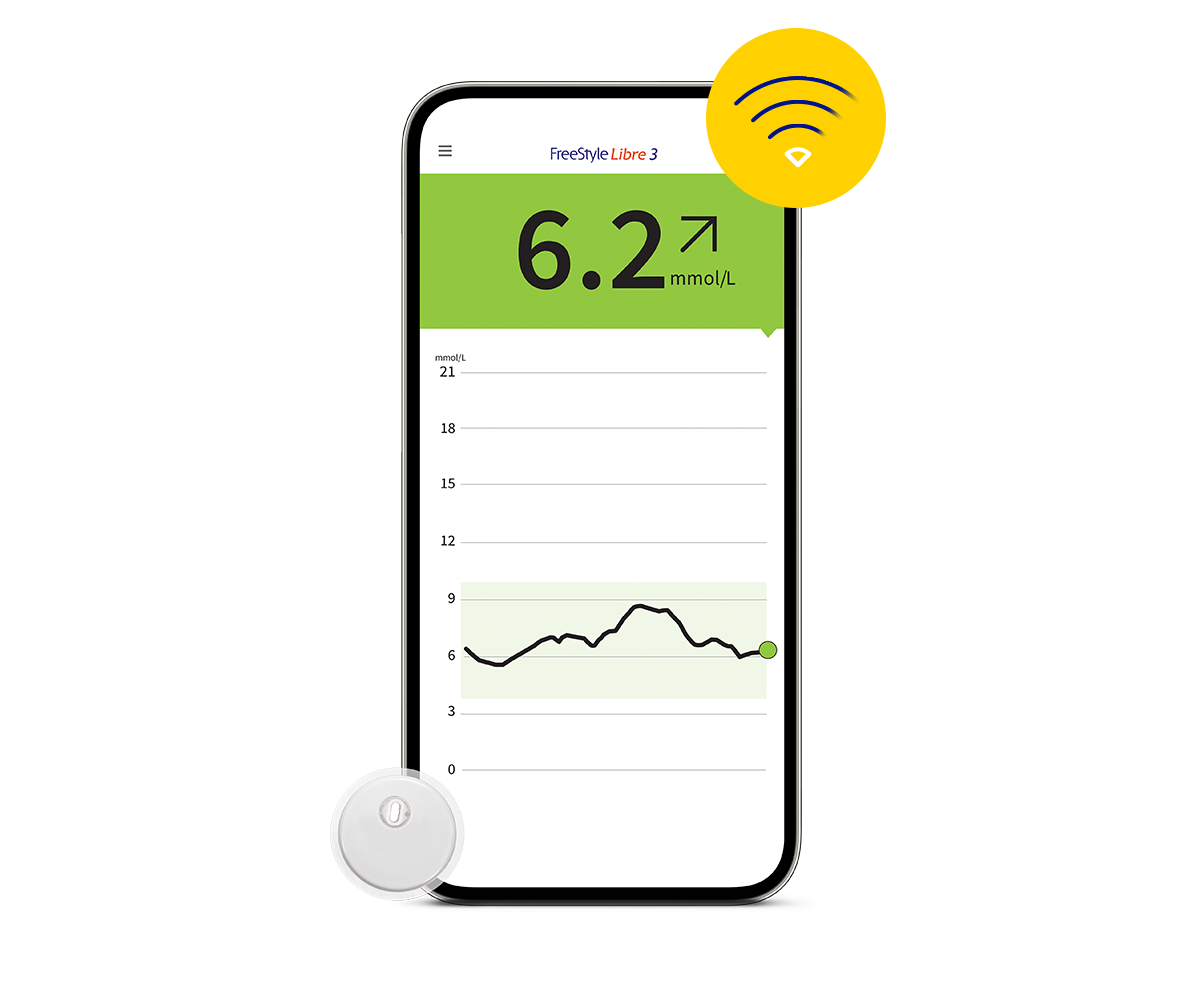
The Freestyle Libre is a continuous glucose monitor (CGM) developed by Abbott. About the size of a two-dollar coin, it’s worn on the back of your upper arm and stays in place for up to 14 days. Instead of pricking your fingers multiple times a day, you simply scan the sensor using the LibreLink app on your phone (or a reader device). Each scan instantly shows your glucose reading, a trend arrow, and a graph of your recent levels. Behind the scenes, the sensor quietly measures glucose in the interstitial fluid, the fluid between your cells, capturing readings every few minutes, day and night. When you upload your data to LibreView, the accompanying analysis platform, you see beautifully detailed charts of your glucose patterns: your highs, lows, daily rhythms, and how often you stay within your target range. It’s like turning your health data into a living, breathing story.

Before the Libre, my glucose management felt like reading a book with half its pages missing. I knew how things started and ended, but not what happened in between. With the sensor, I could finally see the full narrative of how my body responded to meals, exercise, stress, and sleep. I started noticing gentle morning rises, calm mid-afternoons, and occasional evening peaks. These weren’t “bad numbers”, they were clues.

For those in Singapore, Abbott has an Experience Centre where you can try the sensor for SGD 10. I signed up and went down to their Experience Centre at Raffles Place. I was the only one that session, so I got a one-on-one session with the lady doing the session. She gave me a sensor, showed me how to put it on and also ran a few videos on the sensor. You can also purchase sensors there at a discount and they had a scheme that if you purchase 3 sensors within three months, you get a free sensor. It’s an excellent way to see how the device feels, how the app works, and what kind of data you’ll receive before committing to regular use.For anyone who’s ever felt unsure about CGMs, it’s a low-cost, no-pressure way to experience the technology firsthand, and to understand how empowering it can be.

I had already decided to go the subscription route, so didn’t buy from the experience centre. I subscribe to two sensors every four weeks and according to their website, if you pay for five months, the sixth month is frew. You can also opt to receive two sensors every eight weeks. The plan allows you to pause or cancel if your needs change, giving flexibility alongside the convenience.

On to my experience with the sensor. I began experimenting: adding a handful of nuts to breakfast, taking short walks after dinner, and noticing how hydration and rest made a difference. The feedback was almost immediate. A smoother curve on the graph often mirrored a calmer, steadier day.

One of the most powerful things about using a CGM is how it connects daily choices to visible outcomes. For instance, I learned that foods I assumed were harmless sometimes caused unexpected spikes, or that meals rich in fibre and protein kept my glucose beautifully stable, and stress and lack of sleep could nudge levels up even on perfect food days. Instead of guessing, I was finally learning. The Libre didn’t judge; it simply showed patterns, and with each pattern came understanding.

Every so often, I noticed dips, usually in the early mornings or after long gaps between meals. They weren’t severe, but they were informative. The data reminded me to plan better, to carry small snacks when I’m on the go, and to listen to my body’s subtle cues before they became loud alarms. Over time, I became attuned to these rhythms. The more I observed, the more intuitive the whole process felt, like tuning in to my body’s quiet language. There’s something deeply empowering about turning invisible fluctuations into visible information. Instead of worrying about what might be happening, I could see it, and respond thoughtfully. The emotional shift was subtle but profound: I stopped thinking in terms of “good” or “bad” readings. I began thinking in terms of patterns, habits, and adjustments. That shift, from judgment to curiosity, is what changed everything. I wasn’t trying to control my body; I was learning to work with it.

From a practical perspective, the Freestyle Libre fits seamlessly into daily life. Application is quick and nearly painless, a gentle click on the back of the arm, and it’s done. The sensor stays on through showers, workouts, and sleep; after a while, you barely notice it. To scan, just hold your phone near the sensor for a second. No lancets, no fuss. The LibreLink and LibreView apps are beautifully designed. The graphs are clear, colourful, and easy to understand even for someone who isn’t data-minded.

But the sensor sometimes falls out, sometimes even as early as less than a week of usage. But Abbott Singapore has been very good about replacing faulty sensors. You just have to call them or let them know through their website, and they will send you a replacement sensor. The only caveat is that you have to send them the faulty sensor. This is not only for them to check the sensor but also to avoid people misusing this facility and scamming them.

I didn’t expect this little patch to become a mindfulness tool, but it did. Each curve on the graph became a reminder to slow down, breathe, and be kinder to myself. Instead of frustration, I found fascination. Watching my glucose stabilise after a calm morning walk or a wholesome meal gave me a quiet sense of accomplishment.

After more than three months of using the Freestyle Libre, I can confidently say this: it’s more than a monitor; it’s a mirror, one that reflects the connection between how you live and how your body responds. It doesn’t replace intuition; it deepens it. And it turns the daily task of managing diabetes into something gentler, more insightful, and even, in its own quiet way, beautiful. The Freestyle Libre gave me not just numbers but understanding. And with understanding comes peace.

Will I continue using it in the long term? Probably yes. As of now, I can afford the price of about SGD 200 per month, but if that price point becomes expensive, I may consider using two sensors over eight weeks.

If you’re considering using it, you’ll learn more about your body in a few weeks than in years of occasional testing. It’s discreet, painless, and surprisingly easy to use. The data may surprise you, but it will empower you.

In My Hands Today…

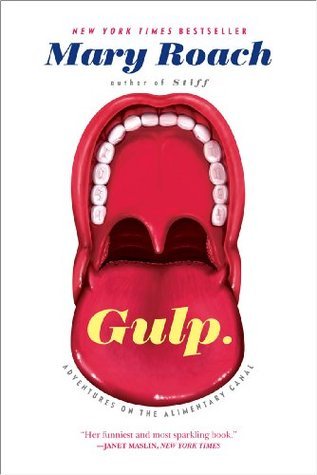
Gulp: Adventures on the Alimentary Canal – Mary Roach

America’s funniest science writer” (Washington Post) takes us down the hatch on an unforgettable tour.

The alimentary canal is classic Mary Roach terrain: the questions explored in Gulp are as taboo, in their way, as the cadavers in Stiff and every bit as surreal as the universe of zero gravity explored in Packing for Mars.

Why is crunchy food so appealing? Why is it so hard to find words for flavors and smells? Why doesn’t the stomach digest itself? How much can you eat before your stomach bursts? Can constipation kill you? Did it kill Elvis?

In Gulp we meet scientists who tackle the questions no one else thinks of—or has the courage to ask. We go on location to a pet-food taste-test lab, a fecal transplant, and into a live stomach to observe the fate of a meal.

With Roach at our side, we travel the world, meeting murderers and mad scientists, Eskimos and exorcists (who have occasionally administered holy water rectally), rabbis and terrorists—who, it turns out, for practical reasons do not conceal bombs in their digestive tracts.
Like all of Roach’s books, Gulp is as much about human beings as it is about human bodies.

In My Hands Today…

The Whole Foods Diet: The Lifesaving Plan for Health and Longevity – John Mackey, Alona Pulde, Matthew Lederman

The Whole Foods Diet simplifies the huge body of science, research, and advice that is available today and reveals the undeniable consensus: a whole foods, plant-based diet is the optimum diet for health and longevity.

Standing on the shoulders of the Whole Foods Market brand and featuring an accessible 28-day program, delicious recipes, inspirational success stories, and a guilt-free approach to plant-based eating, The Whole Foods Diet is a life-affirming invitation to become a Whole Foodie: someone who loves to eat, loves to live, and loves to nourish themselves with nature’s bounty.

If Whole Foods Market is “shorthand for a food revolution” (The New Yorker), then The Whole Foods Diet will give that revolution its bible – the unequivocal truth about what to eat for a long, healthy, disease-free life.

In My Hands Today…

Ageless Brain: Think Faster, Remember More, and Stay Sharper by Lowering Your Brain Age – Julia VanTine

Break through research has revealed that through living a brain-healthy lifestyle, we can reduce our “brain age” to improve memory, hone sharpness, and reduce health risks as we age.

It’s normal for the brain to short-circuit every now and again—you put your keys in the fridge, or can’t find the pair of glasses on top of your head. But what if there was away to eat, exercise, and live that could eliminate these “senior moments?” Ageless Brain offers a plan to sharpen your memories and minds so that at 40, you have the quick, agile brain you had at 30. Based Off of groundbreaking scientific research, this plan is filled with brain-healthy foods, exercises, and little ways that you can positively impact your most vital organ every day by de-stressing, adjusting your attitude, and constantly interacting with the world through play.

Scientists have discovered that the human brain continually generates new neurons—forging new pathways and connections in our minds—well into old age as long as we pursue brain-healthy lifestyles from what we eat and how much we sleep, to how we exercise and how we handle stress. Exercising and nourishing our brains just like we do any other ailing organ encourages this growth—improving not only our mental fitness, but also our physical fitness as a side effect.

With Ageless Brain , you will discover the 10 Commandments of an ageless brain, reduce key risk-factors for Alzheimer’s, identify and avoid brain poisons lurking in their food, medicines, and home, learn to play and engage your brain more in everyday life, drop unsafe levels of blood pressure, cholesterol and sugar—as well as belly fat, and keep your brain nourished with 45 recipes.