In My Hands Today…

100 Ways to Change Your Life: The Science of Leveling Up Health, Happiness, Relationships & Success – Liz Moody

From the creator of The Liz Moody Podcast comes a science-backed guide to creating your best life.

What daily habits do happiness psychologists recommend to sprinkle our lives with joy?

What does the latest research show about how we can live longer?

How do the world’s top gastroenterologists tackle bloating and constipation?

How can we amp up our charisma, make and keep quality friendships, and overcome the burnout sapping our energy every day?

100 Ways to Change Your Life offers real answers to each of these questions, and so many more.

This is a new kind of personal growth book; here, veteran journalist Liz Moody translates her years of experience interviewing the world’s leading doctors, scientists, and thinkers into a smart, choose-your-own-adventure-style read that offers concrete solutions to some of life’s biggest hurdles—physical, mental, emotional, or otherwise. Whether you decide to read the entire book at once for total transformation, a tip a day to add a dose of inspiration to your morning routine, or go directly to the sections that address your specific needs and challenges, every page of 100 Ways to Change Your Life offers powerful, habit-building tips across subjects ranging from mental health, careers, relationships, confidence, and physical health in 100 fun-to-read, easy-to-digest parts that provide highly actionable tools and mindset-shifting ideas that will change every part of your life—from the moment you turn the first page.

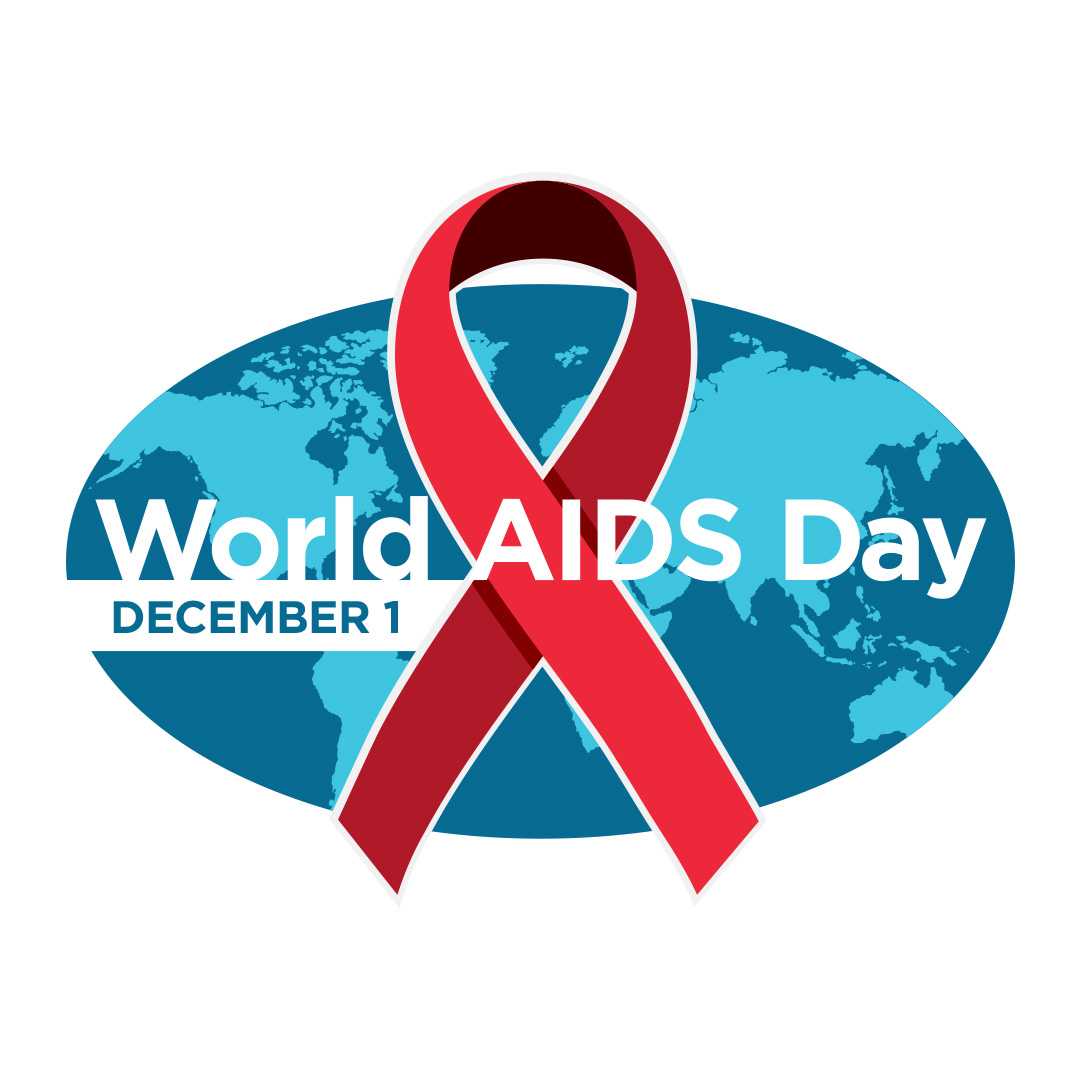
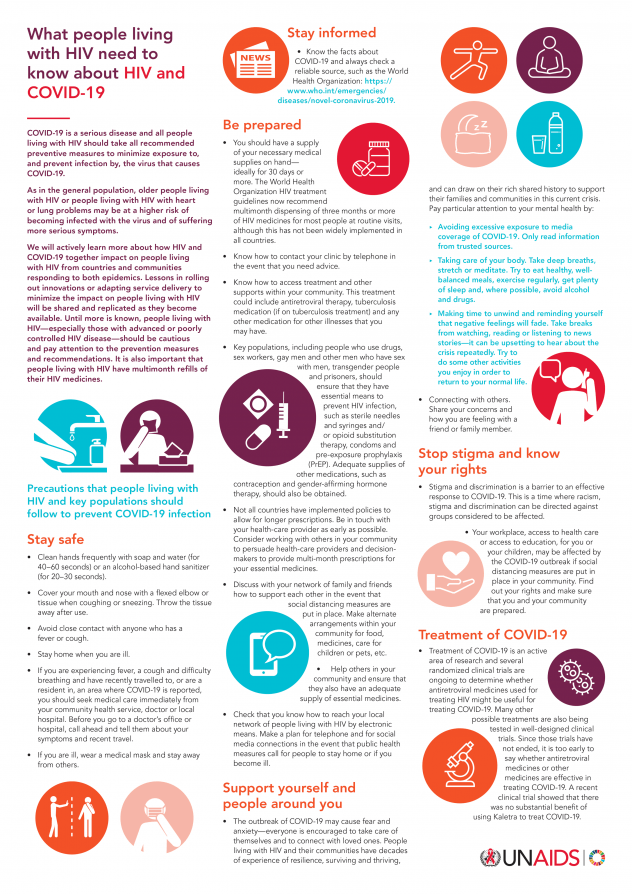
World AIDS Day

Observed on December 1st each year, World AIDS Day is a global call to action, an opportunity to remember those we’ve lost and a reminder of the ongoing fight against HIV/AIDS.

World AIDS Day was first conceived in August 1987 by James W. Bunn and Thomas Netter, two public information officers for the Global Programme on AIDS at the World Health Organization, or WHO, in Geneva, Switzerland. Their goal was to create a day dedicated to raising awareness about HIV/AIDS and honouring those affected by the virus. December 1st was chosen and the inaugural World AIDS Day was observed later that year.

HIV, or the Human Immunodeficiency Virus, and AIDS, or Acquired Immunodeficiency Syndrome, have had a profound impact on global health and society. HIV is a virus that attacks the immune system, weakening the body’s ability to fight off infections and diseases. It is primarily transmitted through unprotected sexual intercourse, the sharing of needles among intravenous drug users, and from mother to child during childbirth or breastfeeding. The virus can also be transmitted through blood transfusions and organ transplants if the blood or organs are not screened for HIV.

AIDS is the final stage of HIV infection, characterized by a severely compromised immune system. At this stage, the body becomes vulnerable to opportunistic infections and cancers that a healthy immune system would typically fend off. Without proper medical care and treatment, AIDS can be life-threatening.

Since the beginning of the HIV/AIDS pandemic, it has claimed the lives of millions of people worldwide. It has also had far-reaching social and economic consequences, particularly in sub-Saharan Africa, which remains the most affected region. HIV/AIDS has challenged healthcare systems, strained resources, and tested our collective ability to respond to a global health crisis.

The World AIDS Day theme for 2023 is “Ending the HIV/AIDS Pandemic: Equitable Access to Care and Prevention.” This theme encapsulates the urgent need to tackle the HIV/AIDS pandemic on multiple fronts. The theme underscores the shared commitment to bringing an end to the HIV/AIDS pandemic once and for all. It acknowledges the progress made over the years but emphasizes the work that remains to be done.

The term “equitable access” is central to the theme. It highlights the importance of ensuring that all individuals, regardless of their background, geographical location, or economic status, have equal access to essential HIV/AIDS care and prevention measures. The theme also recognises that tackling HIV/AIDS requires a dual approach. Care involves providing support, treatment, and medical services to those living with HIV/AIDS. Prevention focuses on education, awareness, and measures to stop the further spread of the virus.

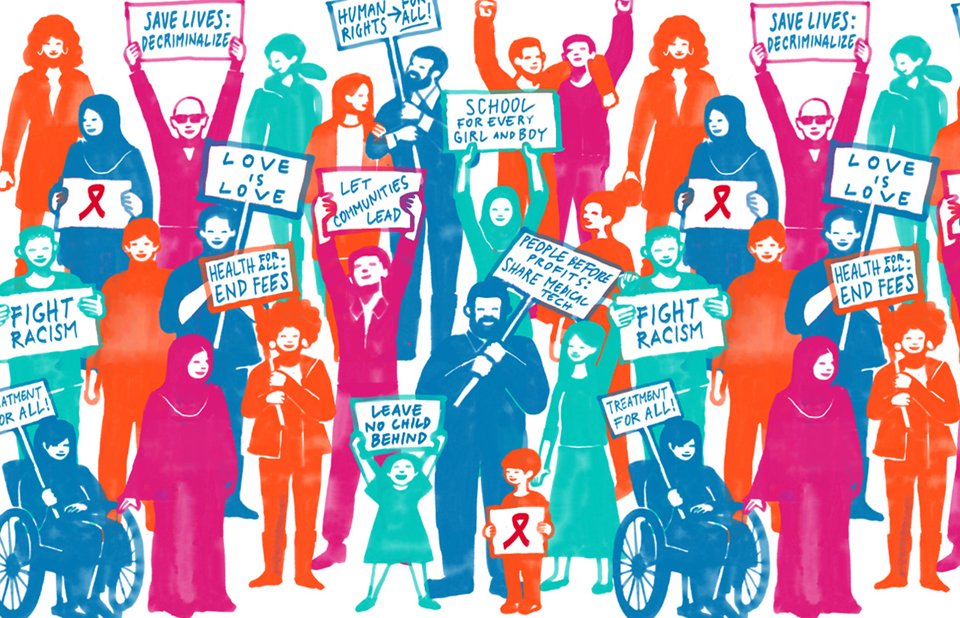
The theme aligns with the broader global health equity movement, emphasizing the need to bridge healthcare disparities and ensure that everyone has the same opportunities for a healthy life. It underscores the importance of eliminating stigma and discrimination associated with HIV/AIDS. Equitable access means creating an environment where individuals feel safe and supported to seek testing, treatment, and care. Addressing HIV/AIDS requires the active involvement of communities, governments, healthcare systems, and international organizations. The theme encourages collaboration and a shared responsibility in the fight against the virus. Equitable access extends to education and awareness programs that empower individuals with knowledge about HIV/AIDS prevention, transmission, and treatment. It’s a reminder that information is a powerful tool in the fight against the virus.

As we reflect on the theme of World AIDS Day 2023, it’s crucial to acknowledge that the battle against HIV/AIDS is far from over. But there is hope, and there are concrete steps we can take. We should support policies and initiatives that promote equitable access to HIV/AIDS care, treatment, and prevention measures and advocate for increased funding for research and healthcare infrastructure.

As we commemorate World AIDS Day 2023 and reflect on its theme, we are reminded that the fight against HIV/AIDS is a shared responsibility. It is a testament to our capacity to come together as a global community, transcending borders and differences in pursuit of a common goal – ending the HIV/AIDS pandemic and ensuring equitable access to care and prevention.

This World AIDS Day, let us honour the memory of those we have lost, support those living with HIV/AIDS, and recommit ourselves to the collective effort to create a world where no one is left behind in the fight against this devastating virus. In our unity and resolve, we find hope and the potential for a brighter, healthier future for all.

In My Hands Today…

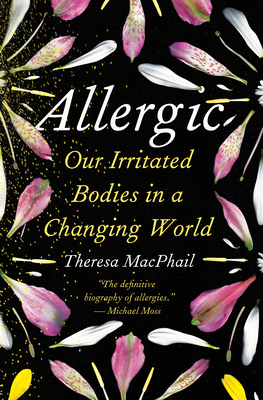
Allergic: Our Irritated Bodies in a Changing World – Theresa MacPhail

An eye-opening exploration of allergies, from their first medical description in 1819 to the cutting-edge science that is illuminating the changes in our environment and lifestyles that are making so many of us sick

Hay fever. Peanut allergies. Eczema. Either you have an allergy or you know someone who does. Billions of people worldwide—an estimated 30 to 40 percent of the global population—have some form of allergy. Even more concerning, over the last decade the number of people diagnosed with an allergy has been steadily increasing, placing an ever-growing medical burden on individuals, families, communities, and healthcare systems.

Medical anthropologist Theresa MacPhail, herself an allergy sufferer whose father died of a beesting, set out to understand why. In pursuit of answers, MacPhail studied the dangerous experiments of early immunologists as well as the mind-bending recent development of biologics and immunotherapies that are giving the most severely impacted patients hope. She scaled a roof with an air-quality controller who diligently counts pollen by hand for hours every day; met a mother who struggled to use WIC benefits for her daughter with severe food allergies; spoke with doctors at some of the finest allergy clinics in the world; and discussed the intersecting problems of climate change, pollution, and pollen with biologists who study seasonal respiratory allergies.

This is the story of what they are, why we have them, and what that might mean about the fate of humanity in a rapidly changing world.

In My Hands Today…

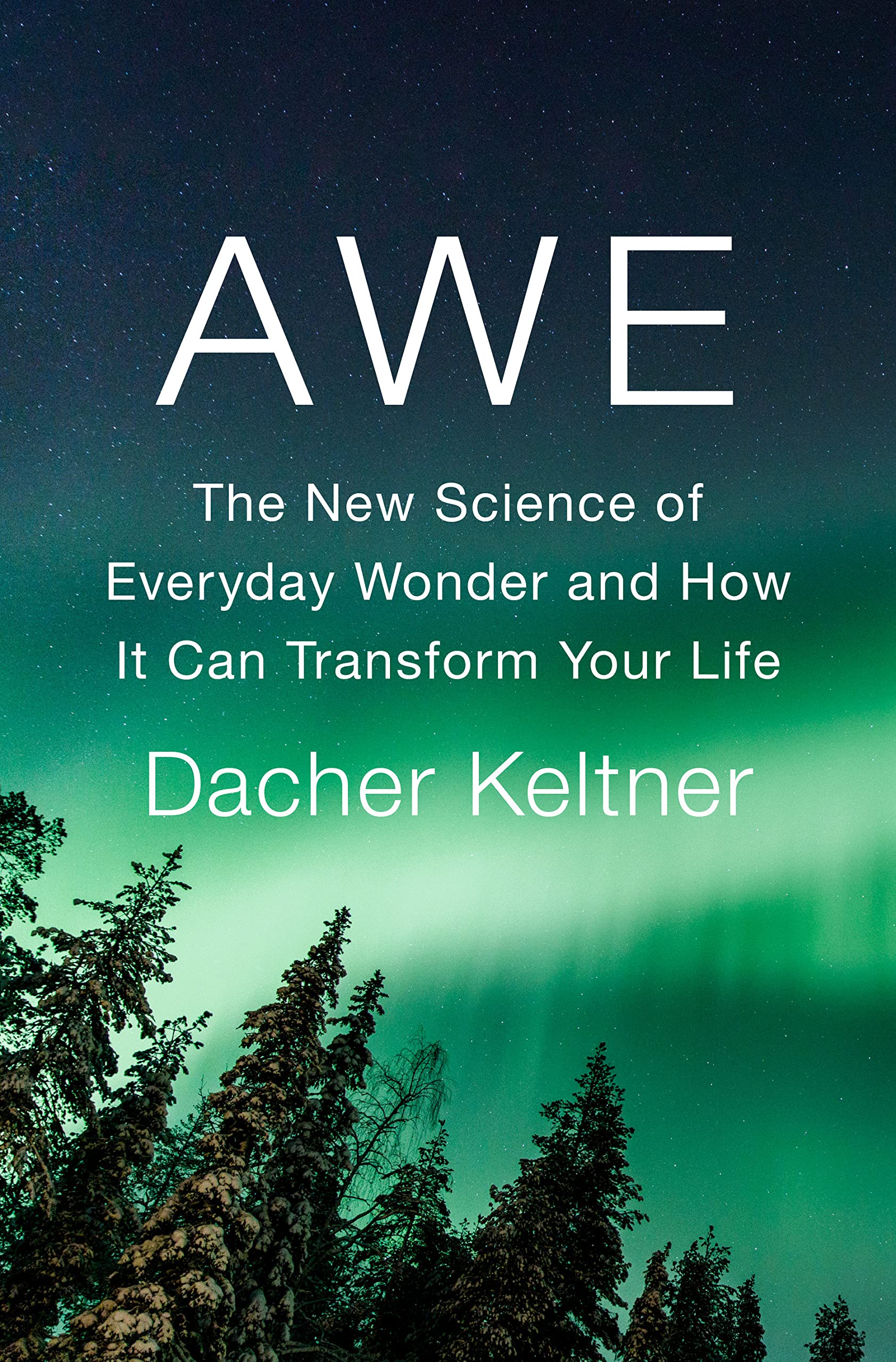
Awe: The New Science of Everyday Wonder and How It Can Transform Your Life – Dacher Keltner

Awe is mysterious. How do we begin to quantify the goose bumps we feel when we see the Grand Canyon, or the utter amazement when we watch a child walk for the first time? How do you put into words the collective effervescence of standing in a crowd and singing in unison, or the wonder you feel while gazing at centuries-old works of art?

Up until fifteen years ago, there was no science of awe, the feeling we experience when we encounter vast mysteries that transcend our understanding of the world. Scientists were studying emotions like fear and disgust, emotions that seemed essential to human survival. Revolutionary thinking, though, has brought into focus how, through the span of evolution, we’ve met our most basic needs socially. We’ve survived thanks to our capacities to cooperate, form communities, and create culture that strengthens our sense of shared identity—actions that are sparked and spurred by awe.

In Awe, Dacher Keltner presents a radical investigation and deeply personal inquiry into this elusive emotion. Revealing new research into how awe transforms our brains and bodies, alongside an examination of awe across history, culture, and within his own life during a period of grief, Keltner shows us how cultivating awe in our everyday life leads us to appreciate what is most humane in our human nature. And during a moment in which our world feels more divided than ever before, and more imperiled by crises of different kinds, we are greatly in need of awe. If we open our minds, it is awe that sharpens our reasoning and orients us toward big ideas and new insights, that cools our immune system’s inflammation response and strengthens our bodies. It is awe that activates our inclination to share and create strong networks, to take actions that are good for the natural and social world around us. It is awe that transforms who we are, that inspires the creation of art, music, and religion. At turns radical and profound, brimming with enlightening and practical insights, Awe is our field guide, from not only one of the leading voices on the subject but a fellow seeker of awe in his own right, for how to place awe as a vital force within our lives.

In My Hands Today…

Outlive: The Science and Art of Longevity – Peter Attia with Bill Gifford

Wouldn’t you like to live longer? And better? In this operating manual for longevity, Dr. Peter Attia draws on the latest science to deliver innovative nutritional interventions, techniques for optimizing exercise and sleep, and tools for addressing emotional and mental health.

For all its successes, mainstream medicine has failed to make much progress against the diseases of aging that kill most people: heart disease, cancer, Alzheimer’s disease, and type 2 diabetes. Too often, it intervenes with treatments too late to help, prolonging lifespan at the expense of healthspan, or quality of life. Dr. Attia believes we must replace this outdated framework with a personalized, proactive strategy for longevity, one where we take action now, rather than waiting.

This is not “biohacking,” it’s science: a well-founded strategic and tactical approach to extending lifespan while also improving our physical, cognitive, and emotional health. Dr. Attia’s aim is less to tell you what to do and more to help you learn how to think about long-term health, in order to create the best plan for you as an individual. In Outlive , readers will discover:

  • Why the cholesterol test at your annual physical doesn’t tell you enough about your actual risk of dying from a heart attack.
  • That you may already suffer from an extremely common yet underdiagnosed liver condition that could be a precursor to the chronic diseases of aging.
  • Why exercise is the most potent pro-longevity “drug”—and how to begin training for the “Centenarian Decathlon.”
  • Why you should forget about diets, and focus instead on nutritional biochemistry, using technology and data to personalize your eating pattern.
  • Why striving for physical health and longevity, but ignoring emotional health, could be the ultimate curse of all.

Aging and longevity are far more malleable than we think; our fate is not set in stone. With the right roadmap, you can plot a different path for your life, one that lets you outlive your genes to make each decade better than the one before.