In My Hands Today,,,

Why We Remember: Unlocking Memory’s Power to Hold on to What Matters – Charan Ranganath

Memory is far more than a record of the past. In this groundbreaking tour of the mind and brain, one of the world’s top memory researchers reveals the powerful role memory plays in nearly every aspect of our lives, from recalling faces and names, to learning, decision-making, trauma and healing.

A new understanding of memory is emerging from the latest scientific research. In Why We Remember , pioneering neuroscientist and psychologist Charan Ranganath radically reframes the way we think about the everyday act of remembering. Combining accessible language with cutting-edge research, he reveals the surprising ways our brains record the past and how we use that information to understand who we are in the present, and to imagine and plan for the future.

Memory, Dr. Ranganath shows, is a highly transformative force that shapes how we experience the world in often invisible and sometimes destructive ways. Knowing this can help us with daily remembering tasks, like finding our keys, and with the challenge of memory loss as we age. What’s more, when we work with the brain’s ability to learn and reinterpret past events, we can heal trauma, shed our biases, learn faster, and grow in self-awareness.

Including fascinating studies and examples from pop culture, and drawing on Ranganath’s life as a scientist, father, and child of immigrants, Why We Remember is a captivating read that unveils the hidden role memory plays throughout our lives. When we understand its power– and its quirks–we can cut through the clutter and remember the things we want to remember. We can make freer choices and plan a happier future.

In My Hands Today…

All in Her Head: The Truth and Lies Early Medicine Taught Us About Women’s Bodies and Why It Matters Today – Elizabeth Comen

For as long as medicine has been a practice, women’s bodies have been treated like objects to be practiced on: examined and ignored, idealized and sexualized, shamed, subjugated, mutilated, and dismissed. The history of women’s healthcare is a story in which women themselves have too often been voiceless—a narrative instead written from the perspective of men who styled themselves as authorities on the female of the species, yet uninformed by women’s own voices, thoughts, fears, pain and experiences. The result is a cultural and societal legacy that continues to shape the (mis)treatment and care of women.

While the modern age has seen significant advancements in the medical field, the notion that female bodies are flawed inversions of the male ideal lingers on—as do the pervasive societal stigmas and lingering ignorance that shape women’s health and relationships with their own bodies.

Memorial Sloan Kettering oncologist and medical historian Dr. Elizabeth Comen peels back the curtain on the collective medical history of women to reintroduce us to our whole bodies—how they work, the actual doctors and patients whose perspectives and experiences laid the foundation for today’s medical thought, and the many oversights that still remain unaddressed. With a physician’s knowledge and empathy, Dr. Comen follows the road map of the eleven organ systems to share unique and untold stories, drawing upon medical texts and journals, interviews with expert physicians, as well as her own experience treating thousands of women.

Empowering women to better understand ourselves and advocate for care that prioritizes healthy and joyful lives—for us and generations to come—All in Her Head is written with humor, wisdom, and deep scientific and cultural insight. Eye-opening, sometimes enraging, yet always captivating, this shared memoir of women’s medical history is an essential contribution to a holistic understanding and much-needed reclaiming of women’s history and bodies.

In My Hands Today…

100 Ways to Change Your Life: The Science of Leveling Up Health, Happiness, Relationships & Success – Liz Moody

From the creator of The Liz Moody Podcast comes a science-backed guide to creating your best life.

What daily habits do happiness psychologists recommend to sprinkle our lives with joy?

What does the latest research show about how we can live longer?

How do the world’s top gastroenterologists tackle bloating and constipation?

How can we amp up our charisma, make and keep quality friendships, and overcome the burnout sapping our energy every day?

100 Ways to Change Your Life offers real answers to each of these questions, and so many more.

This is a new kind of personal growth book; here, veteran journalist Liz Moody translates her years of experience interviewing the world’s leading doctors, scientists, and thinkers into a smart, choose-your-own-adventure-style read that offers concrete solutions to some of life’s biggest hurdles—physical, mental, emotional, or otherwise. Whether you decide to read the entire book at once for total transformation, a tip a day to add a dose of inspiration to your morning routine, or go directly to the sections that address your specific needs and challenges, every page of 100 Ways to Change Your Life offers powerful, habit-building tips across subjects ranging from mental health, careers, relationships, confidence, and physical health in 100 fun-to-read, easy-to-digest parts that provide highly actionable tools and mindset-shifting ideas that will change every part of your life—from the moment you turn the first page.

World AIDS Day

Observed on December 1st each year, World AIDS Day is a global call to action, an opportunity to remember those we’ve lost and a reminder of the ongoing fight against HIV/AIDS.

World AIDS Day was first conceived in August 1987 by James W. Bunn and Thomas Netter, two public information officers for the Global Programme on AIDS at the World Health Organization, or WHO, in Geneva, Switzerland. Their goal was to create a day dedicated to raising awareness about HIV/AIDS and honouring those affected by the virus. December 1st was chosen and the inaugural World AIDS Day was observed later that year.

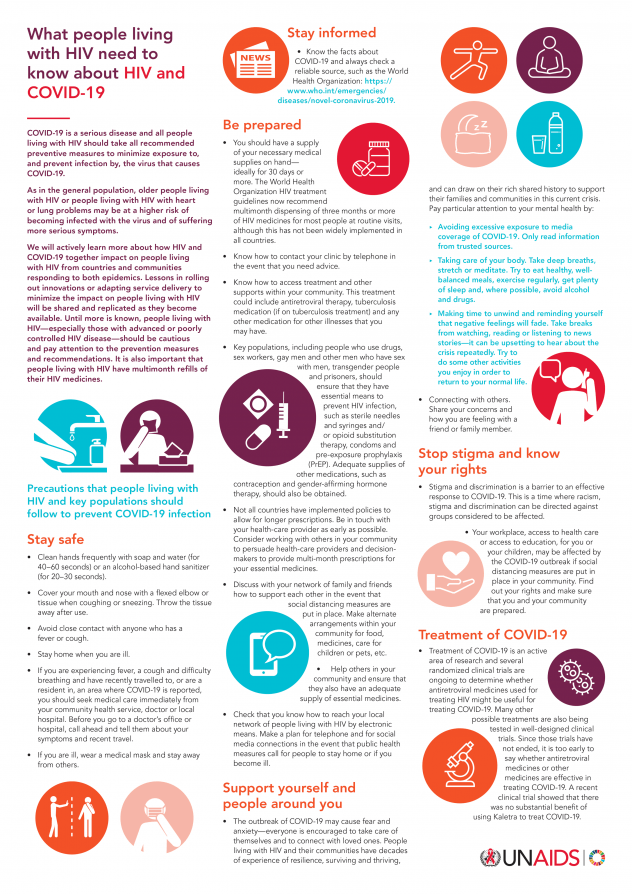
HIV, or the Human Immunodeficiency Virus, and AIDS, or Acquired Immunodeficiency Syndrome, have had a profound impact on global health and society. HIV is a virus that attacks the immune system, weakening the body’s ability to fight off infections and diseases. It is primarily transmitted through unprotected sexual intercourse, the sharing of needles among intravenous drug users, and from mother to child during childbirth or breastfeeding. The virus can also be transmitted through blood transfusions and organ transplants if the blood or organs are not screened for HIV.

AIDS is the final stage of HIV infection, characterized by a severely compromised immune system. At this stage, the body becomes vulnerable to opportunistic infections and cancers that a healthy immune system would typically fend off. Without proper medical care and treatment, AIDS can be life-threatening.

Since the beginning of the HIV/AIDS pandemic, it has claimed the lives of millions of people worldwide. It has also had far-reaching social and economic consequences, particularly in sub-Saharan Africa, which remains the most affected region. HIV/AIDS has challenged healthcare systems, strained resources, and tested our collective ability to respond to a global health crisis.

The World AIDS Day theme for 2023 is “Ending the HIV/AIDS Pandemic: Equitable Access to Care and Prevention.” This theme encapsulates the urgent need to tackle the HIV/AIDS pandemic on multiple fronts. The theme underscores the shared commitment to bringing an end to the HIV/AIDS pandemic once and for all. It acknowledges the progress made over the years but emphasizes the work that remains to be done.

The term “equitable access” is central to the theme. It highlights the importance of ensuring that all individuals, regardless of their background, geographical location, or economic status, have equal access to essential HIV/AIDS care and prevention measures. The theme also recognises that tackling HIV/AIDS requires a dual approach. Care involves providing support, treatment, and medical services to those living with HIV/AIDS. Prevention focuses on education, awareness, and measures to stop the further spread of the virus.

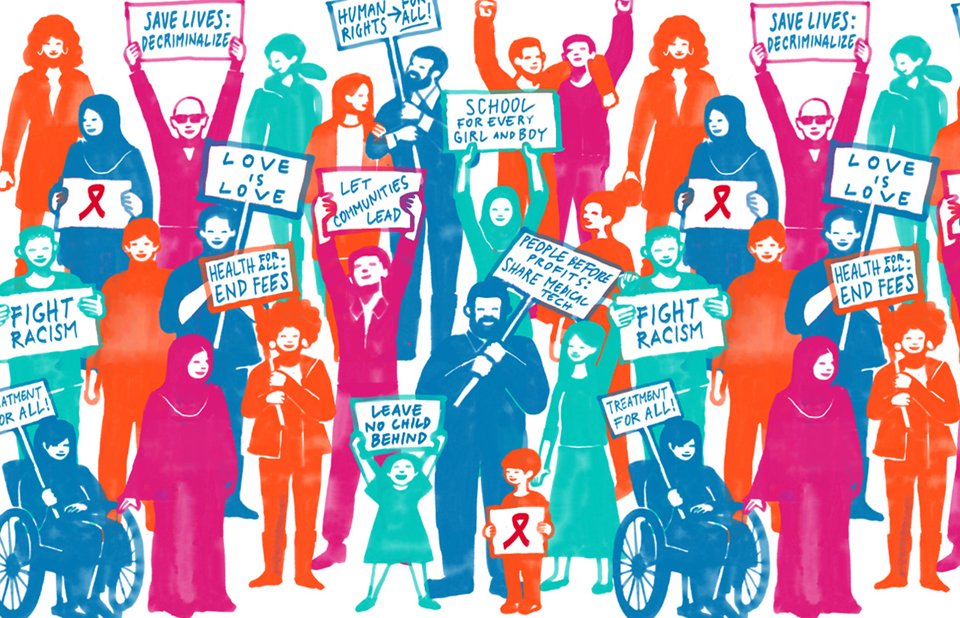
The theme aligns with the broader global health equity movement, emphasizing the need to bridge healthcare disparities and ensure that everyone has the same opportunities for a healthy life. It underscores the importance of eliminating stigma and discrimination associated with HIV/AIDS. Equitable access means creating an environment where individuals feel safe and supported to seek testing, treatment, and care. Addressing HIV/AIDS requires the active involvement of communities, governments, healthcare systems, and international organizations. The theme encourages collaboration and a shared responsibility in the fight against the virus. Equitable access extends to education and awareness programs that empower individuals with knowledge about HIV/AIDS prevention, transmission, and treatment. It’s a reminder that information is a powerful tool in the fight against the virus.

As we reflect on the theme of World AIDS Day 2023, it’s crucial to acknowledge that the battle against HIV/AIDS is far from over. But there is hope, and there are concrete steps we can take. We should support policies and initiatives that promote equitable access to HIV/AIDS care, treatment, and prevention measures and advocate for increased funding for research and healthcare infrastructure.

As we commemorate World AIDS Day 2023 and reflect on its theme, we are reminded that the fight against HIV/AIDS is a shared responsibility. It is a testament to our capacity to come together as a global community, transcending borders and differences in pursuit of a common goal – ending the HIV/AIDS pandemic and ensuring equitable access to care and prevention.

This World AIDS Day, let us honour the memory of those we have lost, support those living with HIV/AIDS, and recommit ourselves to the collective effort to create a world where no one is left behind in the fight against this devastating virus. In our unity and resolve, we find hope and the potential for a brighter, healthier future for all.


In My Hands Today…

Allergic: Our Irritated Bodies in a Changing World – Theresa MacPhail

An eye-opening exploration of allergies, from their first medical description in 1819 to the cutting-edge science that is illuminating the changes in our environment and lifestyles that are making so many of us sick

Hay fever. Peanut allergies. Eczema. Either you have an allergy or you know someone who does. Billions of people worldwide—an estimated 30 to 40 percent of the global population—have some form of allergy. Even more concerning, over the last decade the number of people diagnosed with an allergy has been steadily increasing, placing an ever-growing medical burden on individuals, families, communities, and healthcare systems.

Medical anthropologist Theresa MacPhail, herself an allergy sufferer whose father died of a beesting, set out to understand why. In pursuit of answers, MacPhail studied the dangerous experiments of early immunologists as well as the mind-bending recent development of biologics and immunotherapies that are giving the most severely impacted patients hope. She scaled a roof with an air-quality controller who diligently counts pollen by hand for hours every day; met a mother who struggled to use WIC benefits for her daughter with severe food allergies; spoke with doctors at some of the finest allergy clinics in the world; and discussed the intersecting problems of climate change, pollution, and pollen with biologists who study seasonal respiratory allergies.

This is the story of what they are, why we have them, and what that might mean about the fate of humanity in a rapidly changing world.