In My Hands Today…

Period: The Real Story of Menstruation – Kate Clancy

Menstruation is something half the world does for a week at a time, for months and years on end, yet it remains largely misunderstood. Scientists once thought of an individual’s period as useless and some doctors still believe it’s unsafe for a menstruating person to swim in the ocean wearing a tampon. Period counters the false theories that have long defined the study of the uterus, exposing the eugenic history of gynecology while providing an intersectional feminist perspective on menstruation science.

Blending interviews and personal experience with engaging stories from her own pioneering research, Kate Clancy challenges many of the myths and false assumptions that have defined the study of the uterus. There is no such a thing as a “normal” menstrual cycle. In fact, menstrual cycles are incredibly variable and highly responsive to environmental and psychological stressors. Clancy takes up a host of timely issues surrounding menstruation, from bodily autonomy, menstrual hygiene, and the COVID-19 vaccine to the ways racism, sexism, and medical betrayal warp public perceptions of menstruation and erase it from public life.

Offering a revelatory new perspective on one of the most captivating biological processes in the human body, Period will change the way you think about the past, present, and future of periods.

In My Hands Today…

The Swedish Art of Aging Exuberantly: Life Wisdom from Someone Who Will (Probably) Die Before You – Margareta Magnusson

In her international bestseller The Gentle Art of Swedish Death Cleaning Margareta Magnusson introduced the world to the Swedish tradition of döstädning, or “death cleaning”—clearing out your unnecessary belongings so others don’t have to do it for you. Now, unburdened by (literal and emotional) baggage, Magnusson is able to focus on what makes each day worth living. In her new book she reveals her discoveries about aging—some difficult to accept, many rather wondrous. She reflects on her idyllic childhood on the west coast of Sweden, the fullness of her life with her husband and five children, and learning how to live alone. Throughout, she offers advice on how to age gracefully, such as: wear stripes, don’t resist new technology, let go of what doesn’t matter, and more.

As with death cleaning, it’s never too early to begin. The Swedish Art of Aging Exuberantly shows all readers how to prepare for and understand the process of growing older and the joys and sorrows it can bring. While Magnusson still recommends decluttering (your loved ones will thank you!), her ultimate message is that we should not live in fear of death but rather focus on appreciating beauty, connecting with our loved ones, and enjoying our time together.

Wise, funny, and eminently practical, The Swedish Art of Aging Exuberantly is a gentle and welcome reminder that, no matter your age, there are always fresh discoveries ahead, and pleasures both new and familiar to be encountered every day.

Parkinson’s Disease: Living a life without losing hope

As regular readers may be aware, my father was diagnosed with Parkinson’s Disease about 5-6 years back and it was because of this disease that they made the move to Bengaluru. In the last two months, when he was with me in Singapore, I saw closely how it has impacted him and so decided to find out more about this disease.

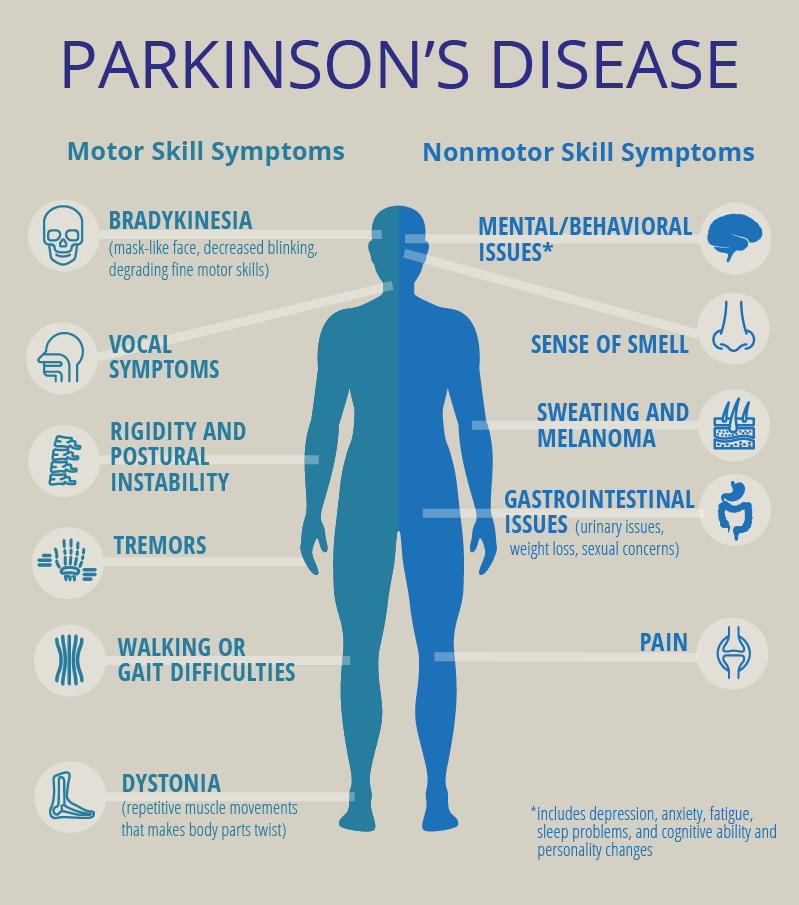
Parkinson’s disease is an age-related degenerative brain condition that is a chronic and progressive movement disorder that causes parts of the brain to deteriorate, causing more severe symptoms over time. It initially causes tremors in one hand, stiffness, balancing problems or slowing of movement. Symptoms start slowly. The first symptom may be a barely noticeable tremor in just one hand. Tremors are common, but the disorder may also cause stiffness or slowing of movement. While this condition is best known for how it affects muscle control, balance and movement, it can also cause a wide range of other effects on the senses, thinking ability, mental health and more.

The exact cause of Parkinson’s disease is still unknown but it is believed that environment and genetics play a role. Certain medications, toxins and other diseases can produce symptoms similar to Parkinson’s disease, and then it is known as secondary Parkinsonism, which may be reversible. The condition isn’t curable, but there are many different treatment options. In the early stages of Parkinson’s disease, the face may show little or no expression. The arms may not swing when one walks and speech may become soft or slurred. Parkinson’s disease symptoms worsen as the condition progresses over time. As the disease progresses, people may have difficulty walking and talking and patients may also have mental and behavioural changes, sleep problems, depression, memory difficulties, difficulty in swallowing, chewing and speaking, rinary problems or constipation, skin problems and fatigue.

While virtually anyone could be at risk for developing Parkinson’s, some research studies suggest this disease affects more men than women. It’s unclear why, but studies are underway to understand factors that may increase a person’s risk. One clear risk is age: Although most people with Parkinson’s first develop the disease after age 60, about 5% to 10% experience onset before the age of 50. Early-onset forms of Parkinson’s are often, but not always, inherited, and some forms have been linked to specific alterations in genes. Parkinson’s disease symptoms may vary from person to person. Early signs may be mild and may go unnoticed. Symptoms often begin on one side of the body and usually get worse on the same side, even after symptoms begin to affect both sides. Signs and symptoms may include tremors, trembling of hands, arms, legs, jaw and face, stiffness of the arms, legs and trunk, slowness of movement, poor balance and coordination and speech difficulty.

The most prominent signs and symptoms of Parkinson’s disease occur when nerve cells in the basal ganglia, an area of the brain that controls movement, become impaired and/or die. Normally, these nerve cells, or neurons, produce an important brain chemical known as dopamine. When the neurons die or become impaired, they produce less dopamine, which causes movement problems associated with the disease. Scientists still do not know what causes the neurons to die. People with Parkinson’s disease also lose the nerve endings that produce norepinephrine, the main chemical messenger of the sympathetic nervous system, which controls many functions of the body, such as heart rate and blood pressure. The loss of norepinephrine might help explain some of the non-movement features of Parkinson’s, such as fatigue, irregular blood pressure, decreased movement of food through the digestive tract, and sudden drop in blood pressure when a person stands up from a sitting or lying position. Many brain cells of people with Parkinson’s disease contain Lewy bodies, unusual clumps of the protein alpha-synuclein. Scientists are trying to better understand the normal and abnormal functions of alpha-synuclein and its relationship to genetic variants that impact Parkinson’s and Lewy body dementia.

The symptoms of Parkinson’s and the rate of progression differ among individuals. Friends or family members may be the first to notice changes in someone with early Parkinson’s. People with Parkinson’s disease often develop a Parkinsonian gait that includes a tendency to lean forward; take small, quick steps; and reduce swinging their arms. They also may have trouble initiating or continuing movement. Symptoms often begin on one side of the body or even in one limb on one side of the body. As the disease progresses, it eventually affects both sides. However, the symptoms may still be more severe on one side than on the other. Many people with Parkinson’s disease note that before experiencing stiffness and tremor, they had sleep problems, constipation, loss of smell, and restless legs. While some of these symptoms may also occur with normal ageing, patients must talk with their doctor if these symptoms worsen or begin to interfere with daily living.

Some cases of Parkinson’s disease appear to be hereditary, and a few cases can be traced to specific genetic variants. While genetics is thought to play a role in Parkinson’s, in most cases the disease does not seem to run in families. Many researchers now believe that Parkinson’s results from a combination of genetic and environmental factors, such as exposure to toxins.

There are currently no blood or laboratory tests to diagnose non-genetic cases of Parkinson’s. Doctors, mostly neurologists, usually diagnose the disease by taking a person’s medical history and performing a neurological examination. Imaging tests — such as an MRI, ultrasound of the brain and PET scans — also may be used to help rule out other disorders. Imaging tests aren’t particularly helpful for diagnosing Parkinson’s disease. If symptoms improve after starting to take medication, it’s another indicator that the person has Parkinson’s. Sometimes it takes time to diagnose Parkinson’s disease. Healthcare providers may recommend regular follow-up appointments with neurologists trained in movement disorders to evaluate conditions and symptoms over time and diagnose Parkinson’s disease. Several disorders can cause symptoms similar to those of Parkinson’s disease. People with Parkinson’s-like symptoms that result from other causes, such as multiple system atrophy and dementia with Lewy bodies, are sometimes said to have Parkinsonism.

Although there is no cure for Parkinson’s disease, medicines, surgical treatment, and other therapies can often relieve some symptoms. Medicines can help treat the symptoms of Parkinson’s by increasing the level of dopamine in the brain, affecting other brain chemicals, such as neurotransmitters, which transfer information between brain cells, and helping control non-movement symptoms. The main therapy for Parkinson’s is levodopa. Nerve cells use levodopa to make dopamine to replenish the brain’s dwindling supply. Usually, people take levodopa along with another medication called carbidopa. Carbidopa prevents or reduces some of the side effects of levodopa therapy — such as nausea, vomiting, low blood pressure, and restlessness — and reduces the amount of levodopa needed to improve symptoms.

For people with Parkinson’s disease who do not respond well to medications, doctors may recommend deep brain stimulation. During a surgical procedure, a doctor implants electrodes into part of the brain and connects them to a small electrical device implanted in the chest. The device and electrodes painlessly stimulate specific areas in the brain that control movement in a way that may help stop many of the movement-related symptoms of Parkinson’s, such as tremors, slowness of movement, and rigidity.

Other therapies that may help manage Parkinson’s symptoms include physical, occupational, and speech therapies, which may help with gait and voice disorders, tremors and rigidity, and decline in mental functions, a healthy diet to support overall wellness, exercises to strengthen muscles and improve balance, flexibility, and coordination, massage therapy to reduce tension and yoga and tai chi to increase stretching and flexibility. Lifestyle interventions such as exercise, healthy eating, sleep, social activity and stress management can also help manage symptoms.

While the progression of Parkinson’s is usually slow, eventually a person’s daily routines may be affected. Activities such as working, taking care of a home, and participating in social activities with friends may become challenging. Living with Parkinson’s disease can be challenging but there are ways to manage it and live a healthy life.

Some ways patients with Parkinson’s disease can manage their lives include eating healthily, exercising which may increase muscle strength, flexibility and balance, avoiding falls, occupational therapy which can help in day-to-day activities such as eating foods, reading, dressing up patients and speech therapy which helps in evaluating and treatment of voice, speech, language or swallowing.

Parkinson’s disease itself isn’t fatal but related complications can reduce life expectancy by 1 to 2 years. However, research involving more than 12,000 people indicates that Parkinson’s can reduce life expectancy if a person receives a diagnosis before the age of 70 years. The researchers report that those with Parkinson’s disease and normal cognitive function appear to have “a largely normal life expectancy”.


In My Hands Today…

A Taste for Poison: Eleven Deadly Molecules and the Killers Who Used Them – Neil Bradbury

As any reader of murder mysteries can tell you, poison is one of the most enduring—and popular—weapons of choice for a scheming murderer. It can be slipped into a drink, smeared onto the tip of an arrow or the handle of a door, even filtered through the air we breathe. But how exactly do these poisons work to break our bodies down, and what can we learn from the damage they inflict?

In a blend of popular science, medical history, and true crime, Dr. Neil Bradbury explores the morbidly captivating method of murder from a cellular level. Alongside real-life accounts of murderers and their crimes—some notorious, some forgotten, some still unsolved—are the stories of the poisons involved: eleven molecules of death that work their way through the human body and, paradoxically, illuminate the way in which our bodies function.

Drawn from historical records and current news headlines, A Taste for Poison weaves together the tales of spurned lovers, shady scientists, medical professionals and political assassins to show how the precise systems of the body can be impaired to lethal effect through the use of poison. From the deadly origins of the gin & tonic cocktail to the arsenic-laced wallpaper in Napoleon’s bedroom.

World Health Day

An annual event celebrated globally today or April 07, World Health Day was initiated by the World Health Organization or WHO in 1948 as a means to raise awareness about health issues and to promote better health practices around the world. Every year, a different theme is selected to highlight a specific health concern that needs to be addressed.

This year, the World Health Organisation will observe its 75th birthday. World Health Day is one of 11 official global health campaigns marked by the WHO, along with World Tuberculosis Day, World Immunization Week, World Malaria Day, World No Tobacco Day, World AIDS Day, World Blood Donor Day, World Chagas Disease Day, World Patient Safety Day, World Antimicrobial Awareness Week and World Hepatitis Day.

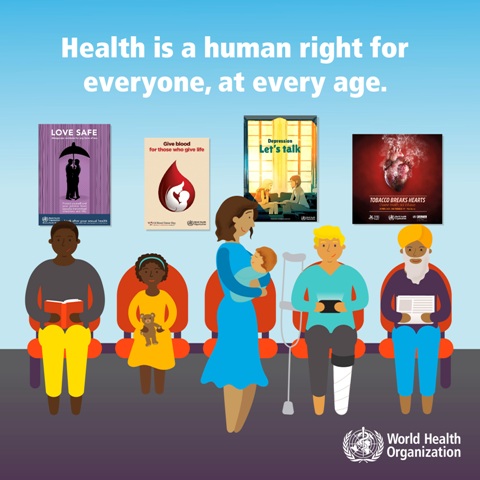
This year, World Health Day 2023 will be focusing on the theme of Health for All. This theme is an opportunity to look back at public health successes that have improved the quality of life during the last seven decades. It is also an opportunity to motivate action to tackle the health challenges of today and tomorrow and to emphasise the importance of health equity and how it can be achieved through a collective effort.

The right to health is a basic human right. Health equity refers to the idea that everyone should have equal access to quality health services regardless of race, ethnicity, gender, socioeconomic status, or location. However, in many countries, certain populations face disparities in health outcomes and access to health services, making it difficult for them to achieve optimal health. These disparities are often caused by systemic inequalities, such as poverty, lack of education, and inadequate access to healthcare. 30% of the global population is not able to access essential health services and almost two billion people face catastrophic or impoverishing health spending, with significant inequalities affecting those in the most vulnerable settings. Universal health coverage offers financial protection and access to quality essential services, lifts people out of poverty, promotes the well-being of families and communities, and protects against public health crises.

COVID-19 set back every country’s journey to universal health. Along with this and other health emergencies, overlapping humanitarian and climate crises, economic constraints, and war, the journey for every human being’s access to healthcare has become more urgent. The COVID-19 pandemic has further highlighted the stark differences in health outcomes between different populations. Research has shown that communities of colour, people living in poverty, and those in rural areas have been disproportionately affected by the virus. This disparity is due to a combination of factors, including a higher prevalence of underlying health conditions, inadequate access to healthcare, and limited resources to protect themselves from the virus.

To achieve health equity, we must address these underlying factors that contribute to health disparities. This can be done by implementing policies and programs that aim to reduce poverty, increase access to education and healthcare, and improve living conditions. It is also important to address systemic inequalities, such as racism and discrimination, which can have a significant impact on health outcomes.

Universal Healthcare across the world Source

One of the key ways to build a fairer and healthier world is through universal health coverage or UHC. UHC means that everyone should have access to quality health services without facing financial hardship. This can be achieved by providing access to essential health services, such as preventive and curative care, and by ensuring that everyone has access to affordable medicines and vaccines. By implementing UHC, we can help reduce health disparities and improve health outcomes for all populations. It can also help to address the issue of “medical impoverishment,” where individuals and families face financial hardship due to high medical expenses. In addition, UHC can also help to improve overall health outcomes, reduce the burden of disease, and enhance economic growth and development.

Another important factor in building a fairer and healthier world is investing in research and development. This includes investing in the development of new and innovative treatments, as well as improving existing health technologies and medical practices. Research and development can also help to identify and address the root causes of health disparities, leading to more effective and equitable solutions. Additionally, strengthening health systems is also crucial in achieving health equity. This involves improving access to quality healthcare, increasing the availability of healthcare workers, and strengthening the management of health systems. By strengthening health systems, we can ensure that everyone has access to the care they need, regardless of where they live or their socioeconomic status.

Finally, it is important to prioritise the health of vulnerable populations, such as women, children, and the elderly. This involves addressing the specific health needs of these populations and ensuring that they have access to quality health services and adequate care. By prioritizing the health of vulnerable populations, we can help to reduce health disparities and improve health outcomes for all. Evidence shows that health systems powered by primary health care or the PHC approach are the most effective and cost-effective way to bring services for health and well-being closer to people.