World Health Day

An annual event celebrated globally today or April 07, World Health Day was initiated by the World Health Organization or WHO in 1948 as a means to raise awareness about health issues and to promote better health practices around the world. Every year, a different theme is selected to highlight a specific health concern that needs to be addressed.

This year, the World Health Organisation will observe its 75th birthday. World Health Day is one of 11 official global health campaigns marked by the WHO, along with World Tuberculosis Day, World Immunization Week, World Malaria Day, World No Tobacco Day, World AIDS Day, World Blood Donor Day, World Chagas Disease Day, World Patient Safety Day, World Antimicrobial Awareness Week and World Hepatitis Day.

This year, World Health Day 2023 will be focusing on the theme of Health for All. This theme is an opportunity to look back at public health successes that have improved the quality of life during the last seven decades. It is also an opportunity to motivate action to tackle the health challenges of today and tomorrow and to emphasise the importance of health equity and how it can be achieved through a collective effort.
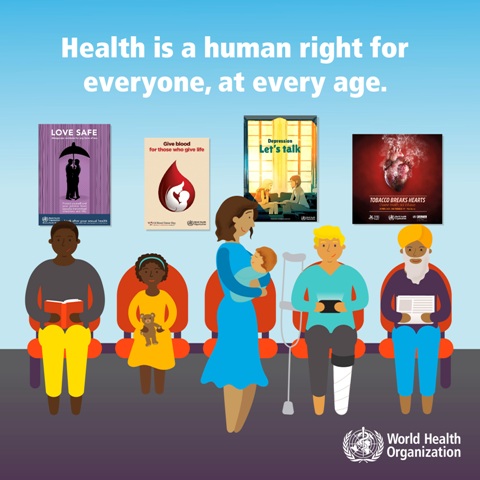
The right to health is a basic human right. Health equity refers to the idea that everyone should have equal access to quality health services regardless of race, ethnicity, gender, socioeconomic status, or location. However, in many countries, certain populations face disparities in health outcomes and access to health services, making it difficult for them to achieve optimal health. These disparities are often caused by systemic inequalities, such as poverty, lack of education, and inadequate access to healthcare. 30% of the global population is not able to access essential health services and almost two billion people face catastrophic or impoverishing health spending, with significant inequalities affecting those in the most vulnerable settings. Universal health coverage offers financial protection and access to quality essential services, lifts people out of poverty, promotes the well-being of families and communities, and protects against public health crises.

COVID-19 set back every country’s journey to universal health. Along with this and other health emergencies, overlapping humanitarian and climate crises, economic constraints, and war, the journey for every human being’s access to healthcare has become more urgent. The COVID-19 pandemic has further highlighted the stark differences in health outcomes between different populations. Research has shown that communities of colour, people living in poverty, and those in rural areas have been disproportionately affected by the virus. This disparity is due to a combination of factors, including a higher prevalence of underlying health conditions, inadequate access to healthcare, and limited resources to protect themselves from the virus.

To achieve health equity, we must address these underlying factors that contribute to health disparities. This can be done by implementing policies and programs that aim to reduce poverty, increase access to education and healthcare, and improve living conditions. It is also important to address systemic inequalities, such as racism and discrimination, which can have a significant impact on health outcomes.
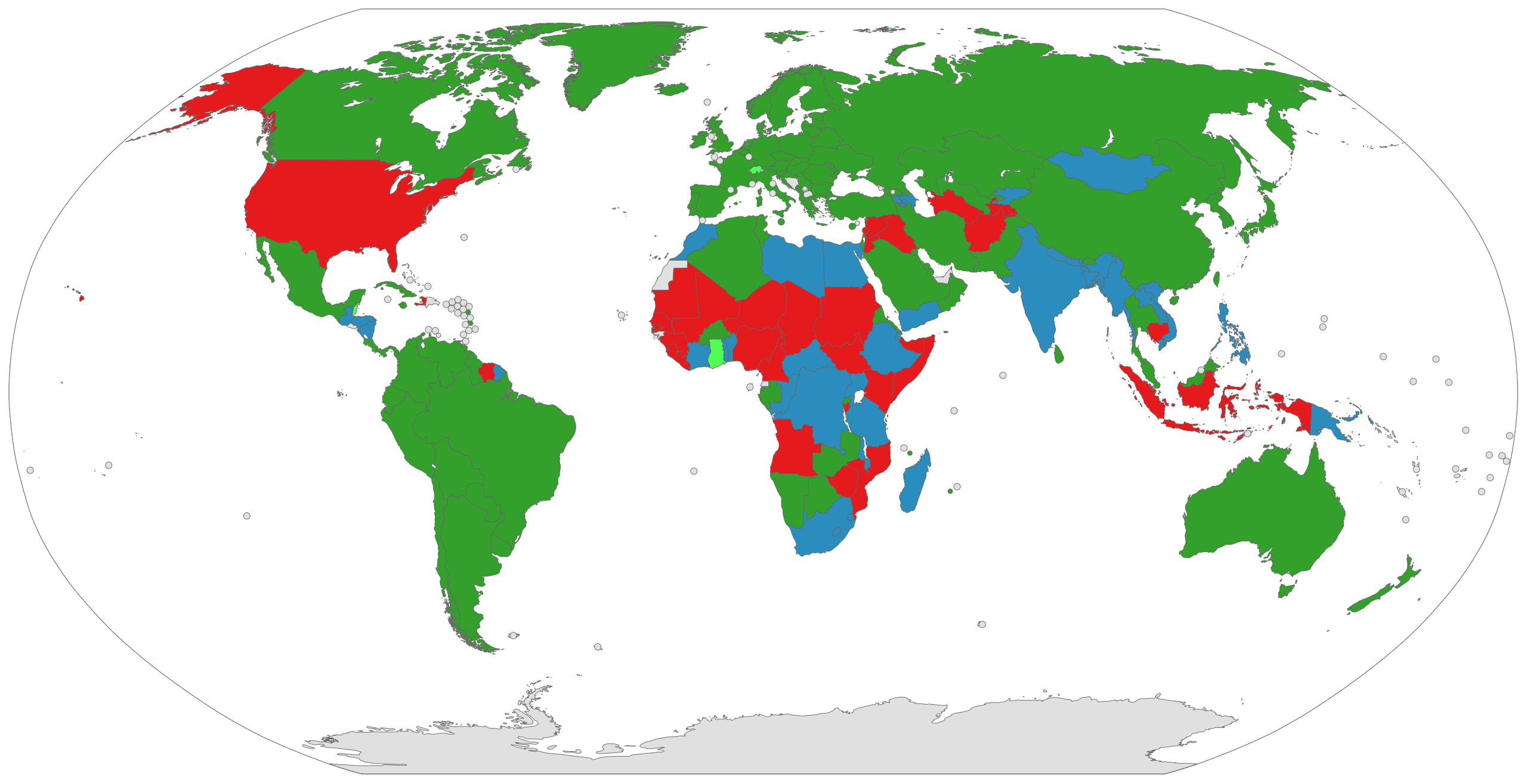
Universal Healthcare across the world Source

One of the key ways to build a fairer and healthier world is through universal health coverage or UHC. UHC means that everyone should have access to quality health services without facing financial hardship. This can be achieved by providing access to essential health services, such as preventive and curative care, and by ensuring that everyone has access to affordable medicines and vaccines. By implementing UHC, we can help reduce health disparities and improve health outcomes for all populations. It can also help to address the issue of “medical impoverishment,” where individuals and families face financial hardship due to high medical expenses. In addition, UHC can also help to improve overall health outcomes, reduce the burden of disease, and enhance economic growth and development.

Another important factor in building a fairer and healthier world is investing in research and development. This includes investing in the development of new and innovative treatments, as well as improving existing health technologies and medical practices. Research and development can also help to identify and address the root causes of health disparities, leading to more effective and equitable solutions. Additionally, strengthening health systems is also crucial in achieving health equity. This involves improving access to quality healthcare, increasing the availability of healthcare workers, and strengthening the management of health systems. By strengthening health systems, we can ensure that everyone has access to the care they need, regardless of where they live or their socioeconomic status.

Finally, it is important to prioritise the health of vulnerable populations, such as women, children, and the elderly. This involves addressing the specific health needs of these populations and ensuring that they have access to quality health services and adequate care. By prioritizing the health of vulnerable populations, we can help to reduce health disparities and improve health outcomes for all. Evidence shows that health systems powered by primary health care or the PHC approach are the most effective and cost-effective way to bring services for health and well-being closer to people.

In My Hands Today…

Breaking the Age Code: How Your Beliefs About Aging Determine How Long and Well You Live – Becca Levy

The often-surprising results of Levy’s science offer stunning revelations about the mind-body connection. She demonstrates that many health problems formerly considered to be entirely due to the aging process, such as memory loss, hearing decline, and cardiovascular events, are instead influenced by the negative age beliefs that dominate in the US and other ageist countries. It’s time for all of us to rethink aging and Breaking the Age Code shows us how to do just that.

Based on her innovative research, stories that range from pop culture to the corporate boardroom, and her own life, Levy shows how age beliefs shape all aspects of our lives. She also presents a variety of fascinating people who have benefited from positive age beliefs as well as an entire town that has flourished with these beliefs.

Breaking the Age Code is a landmark work, presenting not only easy-to-follow techniques for improving age beliefs so they can contribute to successful aging, but also a blueprint to reduce structural ageism for lasting change and an age-just society.

In My Hands Today…

52 Ways to Walk: The New Science and Timeless Joy of How, When, Where, and Why – Annabel Streets

We think we know how to walk. After all, walking is one of the very first skills we learn. But many of us are stuck in our walking routines, forever walking in the same place, in the same way, for the same time, with the same people. With its thought-provoking and evidence-backed weekly walk routine, 52 Ways to Walk will encourage everyone to improve how they walk, while also encouraging them to seek out new locations (many on their own doorsteps), new walking companions (our brains age better when we mix up our fellow walkers), new times of the day and night, and new skills to acquire while walking.

Inspirational, backed by science, illuminated with human anecdote, and bolstered with how-to tips, 52 Ways to Walk will inspire, challenge, support, and encourage everyone to become more ambitious with their walking practice, revealing how walking may be the best-kept secret of the supremely healthy and happy, the creative and well-slept–those with the best posture and sharpest memories. Just about everything, it appears, can be improved and enhanced by clever and judicious walking. It turns out you actually can get more from life, one step at a time.

World Cancer Day

Tomorrow is World Cancer Day, an international observance that takes place every year. The day is observed to raise awareness of cancer and to encourage its prevention, detection, and treatment. The day is organised by the Union for International Cancer Control or UICC to support the goals of the World Cancer Declaration, written in 2008. The primary goal of World Cancer Day is to increase awareness about the disease and significantly reduce illness and death caused by cancer as well as an opportunity to rally the international community to end the injustice of preventable suffering from cancer. This can include things like promoting healthy lifestyles, increasing access to cancer screenings and treatments, and investing in cancer research. The day is observed by the United Nations.

World Cancer Day was established on 4 February 2000 at the World Cancer Summit Against Cancer for the New Millennium, held in Paris. The Charter of Paris Against Cancer, which was created to promote research, prevent cancer, and improve patient services, also included an article establishing the anniversary of the document’s official signing as World Cancer Day. This was signed at the Summit by the then General Director of UNESCO, Kōichirō Matsuura, and then French President Jacques Chirac. World Cancer Day targets misinformation, raises awareness and reduces stigma.

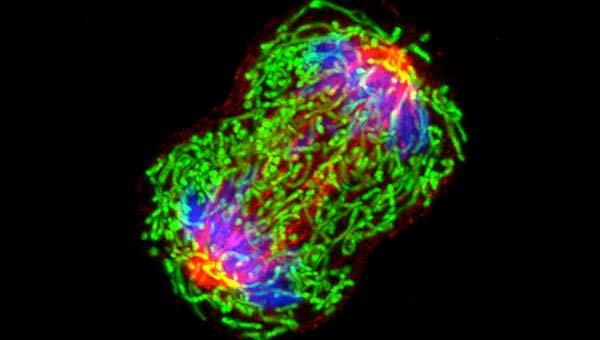
Cancer is a disease which occurs when changes in a group of normal cells within the body lead to uncontrolled, abnormal growth forming a lump called a tumour; this is true of all cancers except leukaemia which is cancer of the blood. If left untreated, tumours can grow and spread into the surrounding normal tissue, or to other parts of the body via the bloodstream and lymphatic systems, and can affect the digestive, nervous and circulatory systems or release hormones that may affect body function.

Cancer tumours can be divided into three groups: benign, malignant or precancerous. Benign tumours are not cancerous and rarely threaten life. They tend to grow quite slowly, do not spread to other parts of the body and are usually made up of cells quite similar to normal or healthy cells. They will only cause a problem if they grow very large, become uncomfortable or press on other organs. Malignant tumours are faster growing than benign tumours and can spread and destroy neighbouring tissue. Cells of malignant tumours can break off from the primary tumour and spread to other parts of the body through a process known as metastasis. Upon invading healthy tissue at the new site they continue to divide and grow. These secondary sites are known as metastases and the condition is referred to as metastatic cancer. Precancerous or premalignant describes the condition involving abnormal cells which may or are likely to develop into cancer.

There are five main types of cancer. Carcinoma cancers arise from the epithelial cells which are the lining of cells that help protect or enclose organs. Carcinomas may invade the surrounding tissues and organs and metastasise to the lymph nodes and other areas of the body. The most common forms of cancer in this group are breast, prostate, lung and colon cancer. A type of malignant tumour of the bone or soft tissue like fat, muscle, blood vessels, nerves and other connective tissues that support and surround organs, the most common forms of sarcoma are leiomyosarcoma, liposarcoma and osteosarcoma. Lymphoma and Myeloma are cancers that begin in the cells of the immune system. Lymphoma is a cancer of the lymphatic system, which runs all through the body, and can therefore occur anywhere. Myeloma or multiple myeloma starts in the plasma cells, a type of white blood cell that produces antibodies to help fight infection. This cancer can affect the cell’s ability to produce antibodies effectively. Leukaemia is a cancer of the white blood cells and bone marrow, the tissue that forms blood cells. There are several subtypes; common are lymphocytic leukaemia and chronic lymphocytic leukaemia. Brain and spinal cord cancers are known as central nervous system cancers. Some are benign while others can grow and spread.

Cancers can be caused by many different factors and, as with many other illnesses, most cancers are the result of exposure to several different causal factors. Around one-third of cancer cases can be prevented by reducing behavioural and dietary risks. Modifiable risk factors include the drinking of alcohol, being overweight or obese, diet and nutrition, physical activity, tobacco, ionising radiation, workplace hazards and infection. Non-modifiable risk factors include age, cancer-causing substances or carcinogens in the body, genetics, and one’s immune system.

With so many different types of cancers, the symptoms are varied and depend on where the disease is located. However, there are some key signs and symptoms to look out for, including unusual lumps or swelling, coughing, breathlessness or difficulty swallowing, changes in bowel habits, unexpected bleeding, unexplained weight loss, fatigue, pain or aches, new moles or changes to a mole, complications with urinating, unusual breast changes, appetite loss, a sore or ulcer that won’t heal, heartburn or indigestion and heavy night sweats.

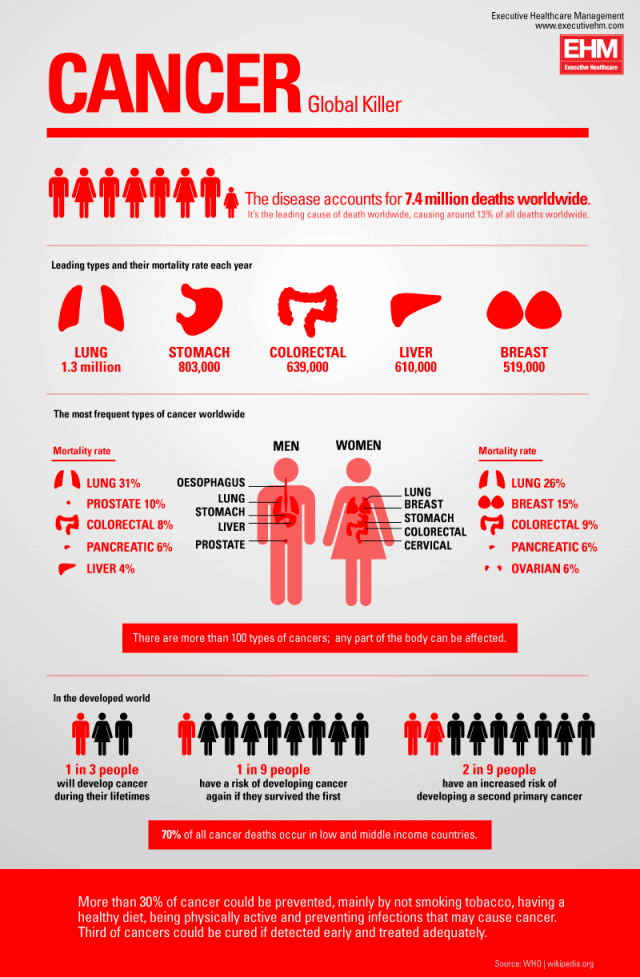
Cancer is the second-leading cause of death worldwide with 10 million people dying from it every year, which is more than the deaths because of HIV/AIDS, malaria and tuberculosis combined. By 2030, experts project cancer deaths to rise to 13 million. More than 40% of cancer-related death could be preventable as they are linked to modifiable risk factors. At least one-third of all deaths related to cancer could be prevented through routine screening, and early detection and treatment. 70% of cancer deaths occur in low-to-middle-income countries and millions of lives could be saved each year by implementing resource-appropriate strategies for prevention, early detection and treatment. The total annual economic cost of cancer is estimated at US$1.16 trillion.

The theme for the years 2022-2024 is Close the care gap which focuses on eliminating the difference in access to cancer care services faced by populations of various groups of country income, age, gender, ethnicity etc. The World Cancer Day theme is a multi-year campaign that means more exposure and engagement, more opportunities to build global awareness and ultimately more impact. In 2022, the first year of the Close the Care Gap campaign was all about understanding and recognising the inequities in cancer care around the globe. This was the year to question the status quo and help reduce stigma; to listen to the perspectives of the people living with cancer and their communities and let those lived experiences guide our thoughts and actions. This year is all about uniting voices and taking action. These actions can take countless forms, from motivating neighbours to provide transport to cancer treatment for a fellow resident or ensuring that healthy and affordable food options are offered at the local school. In 2024, the last year of the campaign will bring attention to a higher level by raising voices to engage leaders and become lifelong advocates fully equipped to push for lasting change.

In recent years, cities have begun to support the day by lighting up important landmarks in orange and blue. In 2019, 55 landmarks in 37 cities participated in the landmark lighting initiative and at least 60 governments officially observe World Cancer Day. The event invites everyone to take action, make a pledge and support the cancer movement. By doing this, it aims to reduce the number of premature deaths from cancer and improve the quality of life for cancer patients around the world.

In My Hands Today…

The Wife’s Tale: A Personal History – Aida Edemariam

A hundred years ago, a girl was born in the northern Ethiopian city of Gondar. Before she was ten years old, Yetemegnu was married to a man two decades her senior, an ambitious poet-priest. Over the next century, her world changed beyond recognition.

She witnessed Fascist invasion and occupation, Allied bombardment and exile from her city, the ascent and fall of Emperor Haile Selassie, revolution and civil war. She endured all these things alongside parenthood, widowhood and the death of children.

Aida Edemariam retells her grandmother’s stories of a childhood surrounded by proud priests and soldiers, of her husband’s imprisonment, of her fight for justice – all of it played out against an ancient cycle of festivals and the rhythms of the seasons.