
Middle Time – Priya Vasudevan
 Maya is a present day Chennai-based lawyer who is investigating the mysterious death of her client, Tulsi – but everyone is a suspect; including Tulsi’s mother, husband, and daughter, who act strangely about her demise. So, in order to find the truth, Maya goes into sleuth-mode and finds a metal box under a mattress that contains an old paperback diary. Little does she know, that the book will transport her to sixteenth century India where a temple dancer, Achale, is investigating a similar murder, the strange death of Thulasi – a case that parallels Tulsi’s more than Maya would like to admit. Can Maya figure out how the murders are linked and catch the “killers” before they strike again? Or will she run out of time like her client did?

 On November 1st 1984, a day after the assassination of Indian Prime Minister Indira Gandhi, a nineteen-year-old student travels back from a class trip with his mentor and chemistry teacher, Professor Singh. As the group disembark at Delhi station a mob surrounds the professor, throws a tire over him, douses him in gasoline and sets him alight.
 India is poised to become one of the world’s three largest economies in the next generation and to overtake China as the world’s most populous country by 2032. Well before then India’s incipient nuclear deterrent will have acquired intercontinental range and air, sea and land capabilities. India’s volatile relationship with its nuclear-armed neighbour, Pakistan, may prove to be the source of the world’s next major conflict. And if you call anyone- from your bank to rail enquiries- your query may well be dealt with by a graduate in Gujarat. Any way one looks at it, India’s fate matters. Edward Luce, one of the most incisive and talented journalists of his generation, assesses the forces that are forging the new nation. Cutting through the miasma that still clouds thinking about India, this extraordinarily accomplished book takes the measure of a society that is struggling to come to grips with modernity. Drawing on historical research, existing literature and his own unparalleled access as the New Delhi-based, South Asia correspondent of the FT, this is a book that will enthral as well as educate and will remain the definitive book on the country for many years.
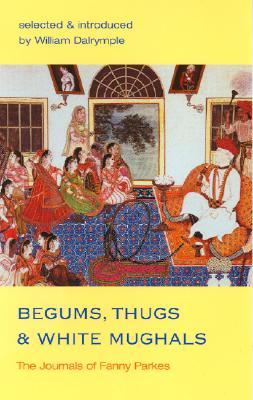 Fanny Parkes, who lived in India between 1822 and 1846, was the ideal travel writer – courageous, indefatigably curious and determinedly independent. Her delightful journal traces her journey from prim memsahib, married to a minor civil servant of the Raj, to eccentric, sitar-playing Indophile, fluent in Urdu, critical of British rule and passionate in her appreciation of Indian culture. Fanny is fascinated by everything, from the trial of the thugs and the efficacy of opium on headaches to the adorning of a Hindu bride. To read her is to get as close as one can to a true picture of early colonial India – the sacred and the profane, the violent and the beautiful, the straight-laced sahibs and the more eccentric White Mughals who fell in love with India and did their best, like Fanny, to build bridges across cultures.
