

Ashtabujagaram Temple, Kanchipuram, Tamil Nadu
In Kanchipuram, a town layered with temples and philosophy, Ashtabujagaram stands with a quieter kind of strength. The presiding deity here is Ashtabuja Perumal, and the goddess is Alarmelmangai Thayar. The name itself tells the story. “Ashta” means eight, and “bhuja” means arms. Here, Vishnu appears with eight arms, each holding a weapon, yet the form does not feel aggressive. It feels protective. In a town known for debate and devotion, this temple speaks of something more basic and steady: protection without anger, power without noise.
The legend begins with Brahma once again. It is said that he was performing a yagna in Kanchipuram when Saraswati, displeased for reasons tied to pride and exclusion, tried to disrupt the ritual. In one version of the story, she sent fierce forces to disturb the sacrifice. The ritual fire trembled, and the atmosphere grew tense. Vishnu appeared to protect the yagna, taking on an eight-armed form so he could simultaneously hold multiple weapons and guard the space from all sides. Each arm carried a symbol: the conch, the discus, the bow, the arrow, the sword, the shield and other divine instruments, not as tools of attack but as signs of readiness. The message was clear. When chaos approaches from many directions, calm strength must meet it fully.
This temple also carries another layer of meaning. The eight arms are sometimes interpreted as representing the eight directions, suggesting that protection extends everywhere. There is no blind spot. Nothing is outside divine awareness. For devotees, this symbolism offers reassurance. Life often feels as if challenges arise from all sides at once. The form of Ashtabuja Perumal acknowledges that feeling without dramatising it. Instead of panic, the deity embodies composure. Even with eight arms, the expression remains steady.
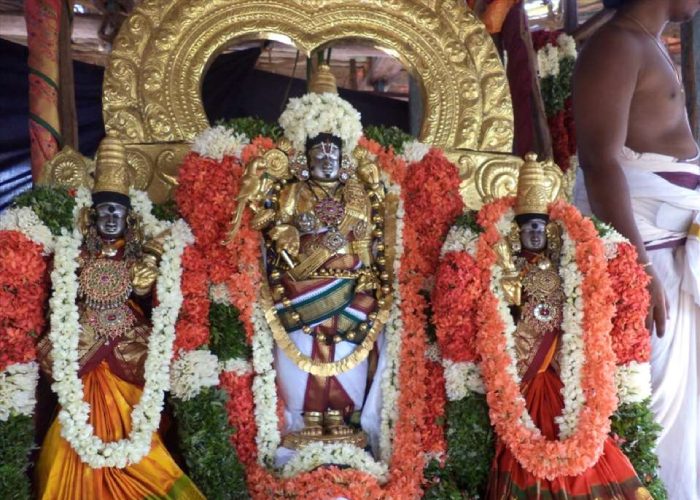
Historically, Ashtabujagaram carries the imprint of the Pallavas and later the Cholas, who shaped much of Kanchipuram’s sacred architecture. The temple’s foundation likely dates back to the Pallava period, when Kanchipuram was a flourishing centre of religion and learning. Chola rulers expanded and strengthened the structure, adding stone prakarams and refining ritual practices. Later contributions from Vijayanagara patrons introduced additional mandapams and structural reinforcements. Walking through the temple, you sense these layers, not as separate eras but as a continuous line of care. The temple has never tried to compete with the larger Varadaraja Perumal shrine nearby. It remains modest in scale, but firm in presence.
Architecturally, the temple reflects classic South Indian design in a more contained form. The gopuram is not towering, but it is dignified. The courtyard opens gently, guiding you toward the sanctum without distraction. Inside, the idol of Ashtabuja Perumal stands facing west, which is unusual and immediately draws attention. The eight arms are arranged with balance, not excess. There is symmetry in the posture, and that symmetry carries into the space itself. Alarmelmangai Thayar’s shrine offers warmth and emotional steadiness, softening the intensity of the armed form. Devotees often approach her first, not out of ritual obligation but instinctively, as if grounding themselves before stepping into the protective energy of the main sanctum.
One of the striking features of this temple is the sense of focus. Unlike larger temple complexes, where the scale can distract, Ashtabujagaram feels direct. You enter, you stand before the deity, and you absorb the image without layers of movement. The weapons in the Lord’s hands are visible, but they do not overwhelm. They suggest preparedness, not threat. The temple teaches that strength does not need to be loud to be effective.

Daily worship here follows the Vaishnavite tradition, unfolding in a steady rhythm. The rituals are measured and calm. Suprabhatam opens the day, followed by alankaram and neivedyam, with evening aradhanai bringing closure. During festivals such as Vaikunta Ekadasi and Brahmotsavam, the temple sees increased activity, but even then, the mood remains composed. The Garuda Sevai is particularly meaningful, as the deity is taken out in procession, allowing devotees to see the eight-armed form in motion. Yet even in procession, the posture remains balanced.
The pilgrimage experience in Kanchipuram often involves visiting multiple Divya Desams in a single stretch, and Ashtabujagaram fits naturally into that rhythm. After the scale and philosophical depth of Varadaraja Perumal’s temple, this shrine feels more intimate. The streets around it are quieter. Small shops sell flowers and prasadam, and the atmosphere carries the everyday pace of a temple town rather than the surge of a major pilgrimage centre. Standing inside the sanctum, you become aware of the image more than the surroundings. The eight arms create a subtle sense of enclosure, as though the space itself is being guarded.
Culturally, Ashtabujagaram holds a steady place within the Divya Desam tradition. Thirumangai Alvar sang in praise of this temple, recognising the protective form of the Lord. His verses highlight the idea that divine intervention does not always arrive in dramatic miracles. Sometimes it arrives as quiet readiness. The temple’s identity has shaped local devotion in simple ways. People come here when they feel surrounded by difficulty. They pray for stability during periods when life feels unpredictable. The image of the eight-armed Lord becomes a reminder that strength can exist without aggression.
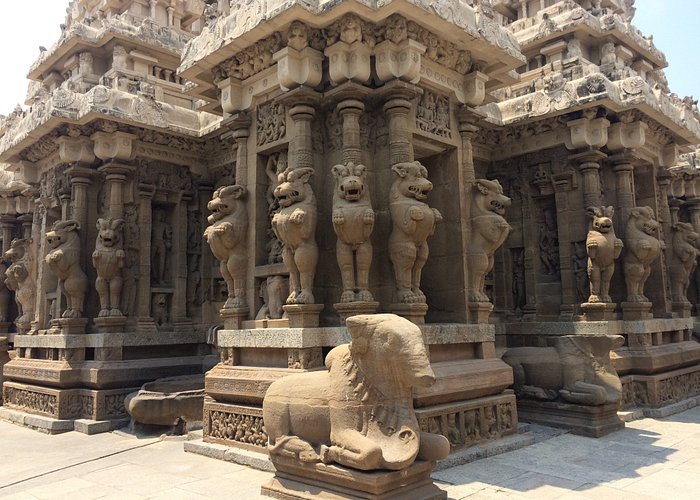
In modern times, the temple continues its daily rhythm without disruption. Renovations have maintained the stone structure and improved lighting, but the essential character remains unchanged. Devotees still come seeking reassurance. Students pray before examinations, families seek blessings before major decisions, and elders return to a long habit. The temple does not attempt to reinvent itself. It does not need to. Its message remains clear.
Ashtabujagaram ultimately represents calm protection. The eight arms do not signal fear; they signal preparedness. In a Divya Desam journey filled with themes of expansion, teaching and surrender, this temple adds another layer: steady defence. It reminds you that strength can be composed, that readiness can be quiet, and that even when challenges approach from many directions, there is a presence that stands balanced at the centre.

Thiruthanka Temple, Kanchipuram, Tamil Nadu
In Kanchipuram, where temples rise one after another with layered histories and philosophies, Thiruthanka stands quietly, almost modestly, yet with a strong inner presence. The presiding deity here is Deepa Prakasa Perumal, and the goddess is Maragathavalli Thayar. The name “Thiruthanka” is often linked to “vilakkoli,” meaning the light of a lamp, and that meaning shapes the identity of this temple. This is not a shrine of dramatic myth or grand architecture. It is a temple of illumination. It speaks of light entering where there was confusion, of clarity replacing shadow.
The central legend begins, once again, with Brahma performing a yagna. As the story goes, Saraswati grew displeased and sought to disrupt the ritual. In some versions, she blocked the light itself, plunging the sacrificial space into darkness. Without light, the ritual could not continue. It was then that Vishnu appeared as Deepa Prakasa, the radiant one, restoring light to the space and allowing the yagna to proceed. The story is simple but layered. Darkness here is not merely physical; it represents doubt, confusion and ego. Light is not just flame; it is understanding. The Lord did not defeat an enemy in battle. He dispelled darkness by presence alone.
That theme of illumination shapes the way devotees approach Thiruthanka. The deity stands facing west, holding the conch and discus, but what defines the form is the sense of quiet radiance. There is no theatrical gesture. The expression is calm, steady and almost reflective. It feels as though the light comes from within rather than from ornament. Maragathavalli Thayar’s shrine adds warmth to the sanctum, grounding the brilliance of the Lord with gentleness. Devotees often move between the two shrines slowly, as if adjusting their own pace to match the temple’s tone.

Historically, Thiruthanka carries the imprint of Kanchipuram’s long religious continuity. The temple likely dates back to the Pallava period, when Kanchipuram flourished as a centre of art and learning. Later Chola contributions strengthened the stone structure and formalised worship practices. The Vijayanagara era added mandapams and reinforced the complex, but the temple never expanded into a monumental scale. Its size remains intimate, almost intentionally so. That intimacy suits its theme. Light does not need vast corridors; it needs a steady flame.
The temple also carries a deep association with Vedanta Desikar, one of the foremost philosophers of Sri Vaishnavism. Desikar was born near this temple, and his presence is still felt strongly in the space. He is believed to have worshipped Deepa Prakasa Perumal here, drawing inspiration for his writings. The connection between light and knowledge becomes more than symbolic in this context. For Desikar, light was intellectual clarity and spiritual insight. For devotees today, the link remains alive. Students, scholars and seekers often visit Thiruthanka before beginning new phases of study or reflection.
Architecturally, the temple reflects classic South Indian design in restrained form. The gopuram is modest, the courtyard open and uncluttered. Stone pillars hold the mandapam without excess carving. Inside, the sanctum draws attention immediately to the deity. No distractions are competing for focus. Even the lighting inside feels purposeful, enhancing rather than overwhelming the image. The temple tank lies nearby, adding stillness to the environment. Everything about the space encourages pause.
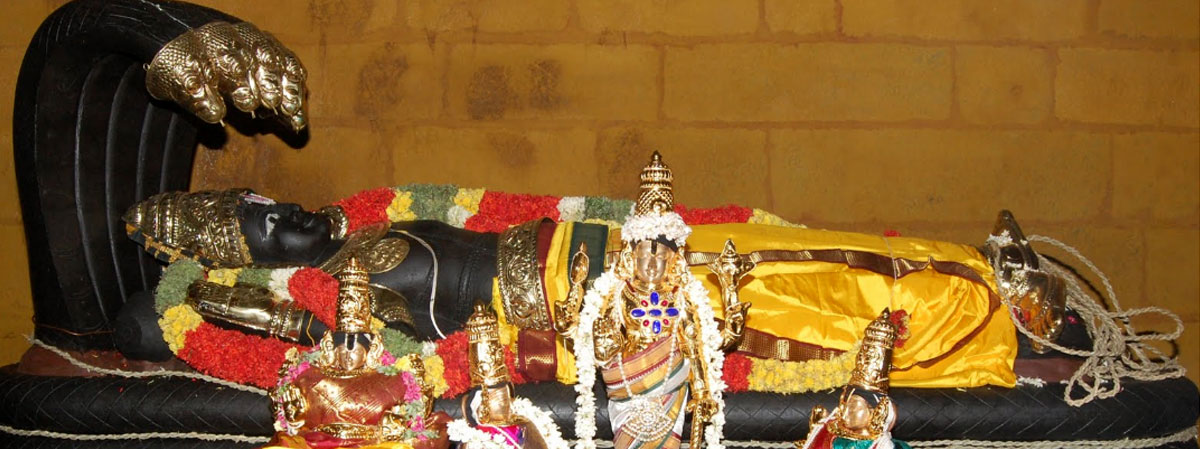
The daily worship follows the traditional Vaishnavite rhythm. Suprabhatam begins the morning, followed by alankaram and neivedyam. The rituals unfold without haste. On Vaikunta Ekadasi and during Brahmotsavam, the temple becomes more active, yet it never loses its composure. During special occasions, lamps are lit in greater numbers, reinforcing the temple’s identity as a place of light. The sight of rows of oil lamps glowing softly in the evening deepens the symbolism. It is not a spectacle. It is a steady brightness.
The pilgrimage experience at Thiruthanka feels personal. Unlike larger temples in Kanchipuram, this shrine allows for closeness. The streets around it are quiet, lined with homes and small shops. Entering the temple, you move almost immediately toward the sanctum. There is little distance between you and the deity. That proximity makes the encounter direct. Many devotees describe the experience as calming. The space does not overwhelm; it clears.
Culturally, Thiruthanka holds significance not because of size or scale but because of what it represents. The Alvars sang in praise of this temple, recognising the Lord who restores light. In Tamil devotional literature, light often stands for truth revealed after confusion. That theme has carried forward through generations. Families bring their children here before examinations. Individuals come when facing difficult decisions. The act of standing before Deepa Prakasa Perumal becomes a quiet affirmation that clarity will return.
In modern times, the temple continues to function with simplicity. Renovations have preserved the stone structure and improved basic facilities, but the character of the space remains unchanged. There is no attempt to modernise its atmosphere. The light that defines this temple does not depend on newness. It depends on continuity.
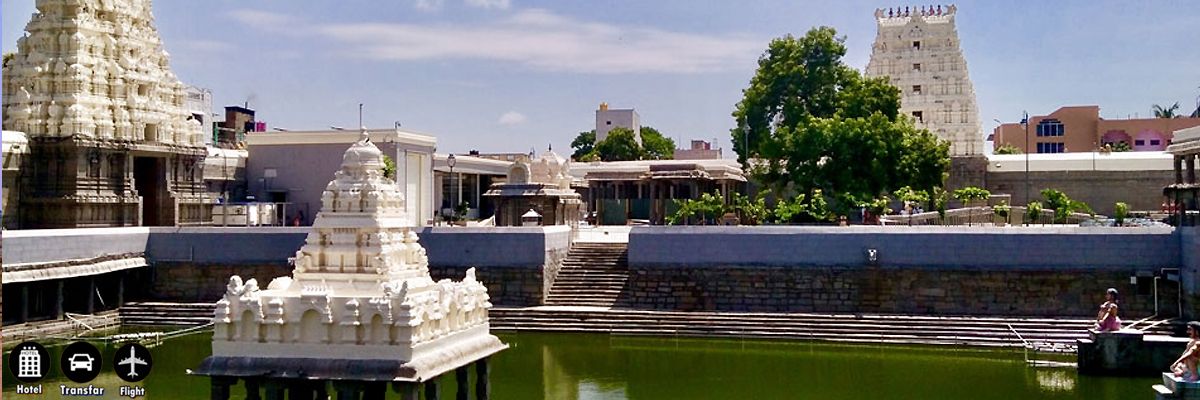
Thiruthanka ultimately represents illumination without drama. Deepa Prakasa Perumal does not arrive with thunder or force. He appears as light in darkness, steady and sufficient. In the broader Divya Desam journey, this temple adds a reflective dimension. After encountering forms of expansion, protection and teaching in other shrines, here you encounter clarity. It reminds you that sometimes the greatest intervention is simply light entering a shadowed space

